• Home
  • popular
  • EVENTS
  • submit-new-event
  • CHARITY GUIDE
  • Children
  • Education
  • Health
  • Veterans
  • Social Services
  • Arts + Culture
  • Animals
  • LGBTQ
  • New Charity
  • TRENDING NEWS
  • News
  • City Life
  • Entertainment
  • Sports
  • Home + Design
  • Travel
  • Real Estate
  • Restaurants + Bars
  • Arts
  • Society
  • Innovation
  • Fashion + Beauty
  • subscribe
  • about
  • series
  • Embracing Your Inner Cowboy
  • Green Living
  • Summer Fun
  • Real Estate Confidential
  • RX In the City
  • State of the Arts
  • Fall For Fashion
  • Cai's Odyssey
  • Comforts of Home
  • Good Eats
  • Holiday Gift Guide 2010
  • Holiday Gift Guide 2
  • Good Eats 2
  • HMNS Pirates
  • The Future of Houston
  • We Heart Hou 2
  • Music Inspires
  • True Grit
  • Hoops City
  • Green Living 2011
  • Cruizin for a Cure
  • Summer Fun 2011
  • Just Beat It
  • Real Estate 2011
  • Shelby on the Seine
  • Rx in the City 2011
  • Entrepreneur Video Series
  • Going Wild Zoo
  • State of the Arts 2011
  • Fall for Fashion 2011
  • Elaine Turner 2011
  • Comforts of Home 2011
  • King Tut
  • Chevy Girls
  • Good Eats 2011
  • Ready to Jingle
  • Houston at 175
  • The Love Month
  • Clifford on The Catwalk Htx
  • Let's Go Rodeo 2012
  • King's Harbor
  • FotoFest 2012
  • City Centre
  • Hidden Houston
  • Green Living 2012
  • Summer Fun 2012
  • Bookmark
  • 1987: The year that changed Houston
  • Best of Everything 2012
  • Real Estate 2012
  • Rx in the City 2012
  • Lost Pines Road Trip Houston
  • London Dreams
  • State of the Arts 2012
  • HTX Fall For Fashion 2012
  • HTX Good Eats 2012
  • HTX Contemporary Arts 2012
  • HCC 2012
  • Dine to Donate
  • Tasting Room
  • HTX Comforts of Home 2012
  • Charming Charlie
  • Asia Society
  • HTX Ready to Jingle 2012
  • HTX Mistletoe on the go
  • HTX Sun and Ski
  • HTX Cars in Lifestyle
  • HTX New Beginnings
  • HTX Wonderful Weddings
  • HTX Clifford on the Catwalk 2013
  • Zadok Sparkle into Spring
  • HTX Let's Go Rodeo 2013
  • HCC Passion for Fashion
  • BCAF 2013
  • HTX Best of 2013
  • HTX City Centre 2013
  • HTX Real Estate 2013
  • HTX France 2013
  • Driving in Style
  • HTX Island Time
  • HTX Super Season 2013
  • HTX Music Scene 2013
  • HTX Clifford on the Catwalk 2013 2
  • HTX Baker Institute
  • HTX Comforts of Home 2013
  • Mothers Day Gift Guide 2021 Houston
  • Staying Ahead of the Game
  • Wrangler Houston
  • First-time Homebuyers Guide Houston 2021
  • Visit Frisco Houston
  • promoted
  • eventdetail
  • Greystar Novel River Oaks
  • Thirdhome Go Houston
  • Dogfish Head Houston
  • LovBe Houston
  • Claire St Amant podcast Houston
  • The Listing Firm Houston
  • South Padre Houston
  • NextGen Real Estate Houston
  • Pioneer Houston
  • Collaborative for Children
  • Decorum
  • Bold Rock Cider
  • Nasher Houston
  • Houston Tastemaker Awards 2021
  • CityNorth
  • Urban Office
  • Villa Cotton
  • Luck Springs Houston
  • EightyTwo
  • Rectanglo.com
  • Silver Eagle Karbach
  • Mirador Group
  • Nirmanz
  • Bandera Houston
  • Milan Laser
  • Lafayette Travel
  • Highland Park Village Houston
  • Proximo Spirits
  • Douglas Elliman Harris Benson
  • Original ChopShop
  • Bordeaux Houston
  • Strike Marketing
  • Rice Village Gift Guide 2021
  • Downtown District
  • Broadstone Memorial Park
  • Gift Guide
  • Music Lane
  • Blue Circle Foods
  • Houston Tastemaker Awards 2022
  • True Rest
  • Lone Star Sports
  • Silver Eagle Hard Soda
  • Modelo recipes
  • Modelo Fighting Spirit
  • Athletic Brewing
  • Rodeo Houston
  • Silver Eagle Bud Light Next
  • Waco CVB
  • EnerGenie
  • HLSR Wine Committee
  • All Hands
  • El Paso
  • Houston First
  • Visit Lubbock Houston
  • JW Marriott San Antonio
  • Silver Eagle Tupps
  • Space Center Houston
  • Central Market Houston
  • Boulevard Realty
  • Travel Texas Houston
  • Alliantgroup
  • Golf Live
  • DC Partners
  • Under the Influencer
  • Blossom Hotel
  • San Marcos Houston
  • Photo Essay: Holiday Gift Guide 2009
  • We Heart Hou
  • Walker House
  • HTX Good Eats 2013
  • HTX Ready to Jingle 2013
  • HTX Culture Motive
  • HTX Auto Awards
  • HTX Ski Magic
  • HTX Wonderful Weddings 2014
  • HTX Texas Traveler
  • HTX Cifford on the Catwalk 2014
  • HTX United Way 2014
  • HTX Up to Speed
  • HTX Rodeo 2014
  • HTX City Centre 2014
  • HTX Dos Equis
  • HTX Tastemakers 2014
  • HTX Reliant
  • HTX Houston Symphony
  • HTX Trailblazers
  • HTX_RealEstateConfidential_2014
  • HTX_IW_Marks_FashionSeries
  • HTX_Green_Street
  • Dating 101
  • HTX_Clifford_on_the_Catwalk_2014
  • FIVE CultureMap 5th Birthday Bash
  • HTX Clifford on the Catwalk 2014 TEST
  • HTX Texans
  • Bergner and Johnson
  • HTX Good Eats 2014
  • United Way 2014-15_Single Promoted Articles
  • Holiday Pop Up Shop Houston
  • Where to Eat Houston
  • Copious Row Single Promoted Articles
  • HTX Ready to Jingle 2014
  • htx woodford reserve manhattans
  • Zadok Swiss Watches
  • HTX Wonderful Weddings 2015
  • HTX Charity Challenge 2015
  • United Way Helpline Promoted Article
  • Boulevard Realty
  • Fusion Academy Promoted Article
  • Clifford on the Catwalk Fall 2015
  • United Way Book Power Promoted Article
  • Jameson HTX
  • Primavera 2015
  • Promenade Place
  • Hotel Galvez
  • Tremont House
  • HTX Tastemakers 2015
  • HTX Digital Graffiti/Alys Beach
  • MD Anderson Breast Cancer Promoted Article
  • HTX RealEstateConfidential 2015
  • HTX Vargos on the Lake
  • Omni Hotel HTX
  • Undies for Everyone
  • Reliant Bright Ideas Houston
  • 2015 Houston Stylemaker
  • HTX Renewable You
  • Urban Flats Builder
  • Urban Flats Builder
  • HTX New York Fashion Week spring 2016
  • Kyrie Massage
  • Red Bull Flying Bach
  • Hotze Health and Wellness
  • ReadFest 2015
  • Alzheimer's Promoted Article
  • Formula 1 Giveaway
  • Professional Skin Treatments by NuMe Express

    Guatemala Travel

    Bucket list travel: The most beautiful lake in the world lives up to its name with spectacular views

    Stephan Lorenz
    Stephan Lorenz
    Jun 6, 2015 | 2:30 pm

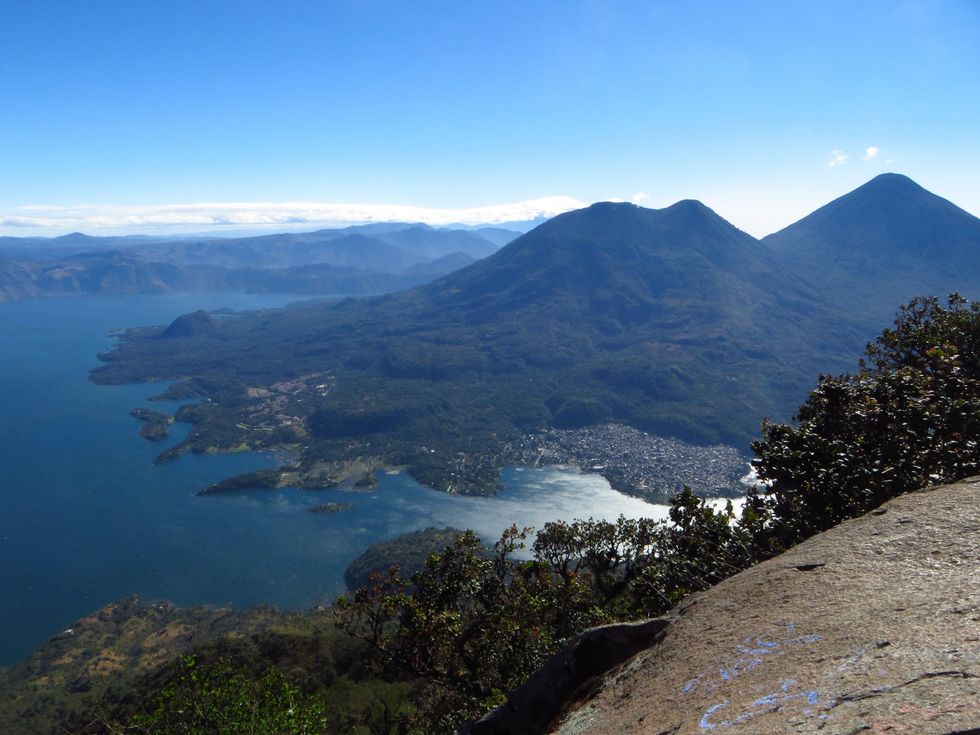
    Lago de Atitlán has been called the “most beautiful lake in the world” and after we finally laid eyes on it ourselves, we wholly agreed. This enormous body of water is the showpiece of the central highlands of Guatemala with its blue waters cradled by steep mountains and classic volcanoes. Small villages cling to its convoluted shores where Mayan traditions are alive and flourishing.

    This enormous body of water is the showpiece of the central highlands of Guatemala with its blue waters cradled by steep mountains and classic volcanoes.

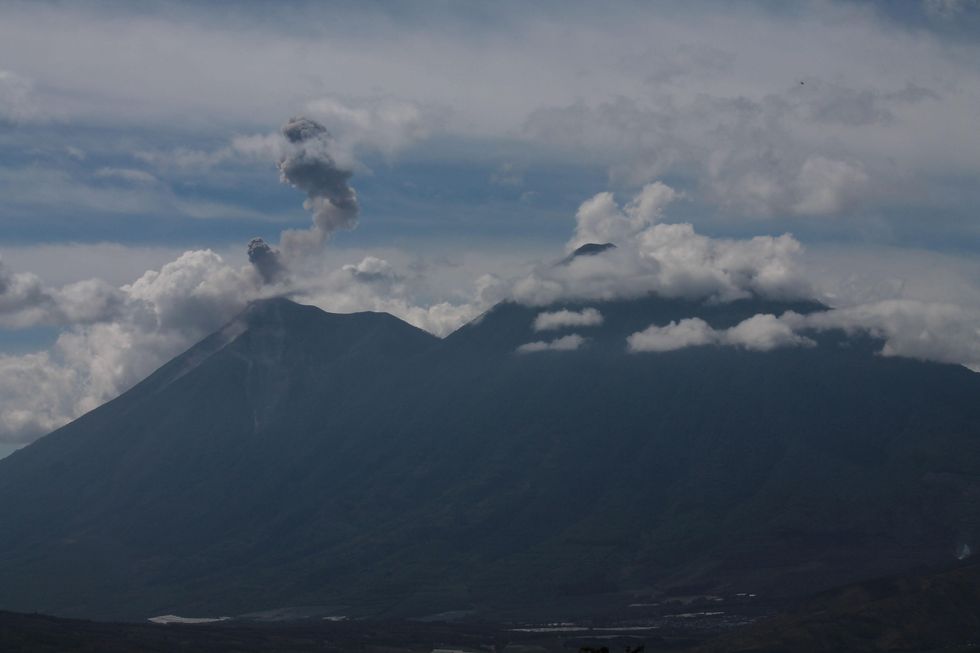
    The deep lake formed during intense volcanic activity within the past two million years when a massive caldera filled with water. Volcanic activity continues to this day on Atitlán Volcano and even the lake levels vary, rising dramatically within the last decade during tropical storms.

    Our trip to this bucket list destination started in Guatemala City where we loaded into the cheapest rental we could find and headed east on the Pan-American Highway through Chimaltenango and Tecpan. The excellent road climbed into the highlands and we made good progress, but the bald tires started shaking at 55 mph, so we settled for a comfortable 50 mph, watching pine forest and roadside stands drift past.

    One of the best stops en route for victuals is the Restaurant Rincon Suizo at kilometer 94. The large log building on the east side of the road is obvious and lots of locals stop here, creating a bit of traffic that cannot be missed. The restaurant is well known for its delicious crepes (served all day) and we can also vouch for the quality coffee. Walking trails behind the restaurant lead into surprisingly peaceful forest and invite for a perfect post-meal stroll.

    Getting settled

    Panajachel on the northern shore of Lake Atitlán marks the transportation hub for the region and nearly all visitors pass through the city at least once. We reached the turnoff to the town after dark and descended via hairpin turns towards the lake below.

    Panajachel is more crowded and noisier than many of the lakeside villages, but offers a wide variety of places to stay and chances to stock up on missing gear. It’s a great place to get one’s feet wet and brush up on those rusty Spanish phrases. We finally caught our first glimpses of the lake the following morning. Shimmering water stretched out in front of silhouetted volcanoes and mountains.

    Lots of visitors move on to other points on the lake quickly, but within walking distance to the west of Panajachel lies the Atitlán Nature Reserve. Here, a butterfly house reveals winged marvels and the gardens make an ideal picnic spot. Good hiking trails lead into beautiful forest with vistas of the lake below. For adrenaline junkies, hiking to the top and descending via zip-lines, offer a fun morning.

    Getting around the lake

    The lake is not just the major attraction, but also supports the main mode of transport between villages. From Panajachel, ferry boats ply the lake in all directions and a 45-minute boat ride will take travelers to any of the other villages on the lake. Crossing the choppy water by boat reveals dramatic vistas.

    We, of course, like to do things backward and decided to tackle the torturous mountain roads, driving around the western side of the lake. The route climbed, dropped, climbed some more, and then plunged in tight curves along a road that had more potholes than flat pavement (now we knew why visitors take the efficient ferries). We rolled into San Pedro nevertheless, likely with another inch of rubber shaved off the weakening tires, and settled in for a few nights.

    To the volcanic top

    We wandered along the twisting paths of San Pedro La Laguna, looking for a place to eat among the many choices, ranging from local chicken and rice to total vegan. Eventually, we settled on a basic burger and fries, not for lack of creativity, but we were hungry.

    We noticed plenty of hippies wandering around. It made sense.

    During our first afternoon getting oriented and organizing food for the next day, we noticed plenty of hippies wandering around. It made sense. A small village at the end of the road with plenty of affordable accommodations and economical food, five burritos with refried beans for a dollar for example, would attract a steady stream of budget travelers. Later we learned that a full moon party had just finished, explaining the high concentration of dreadlocks.

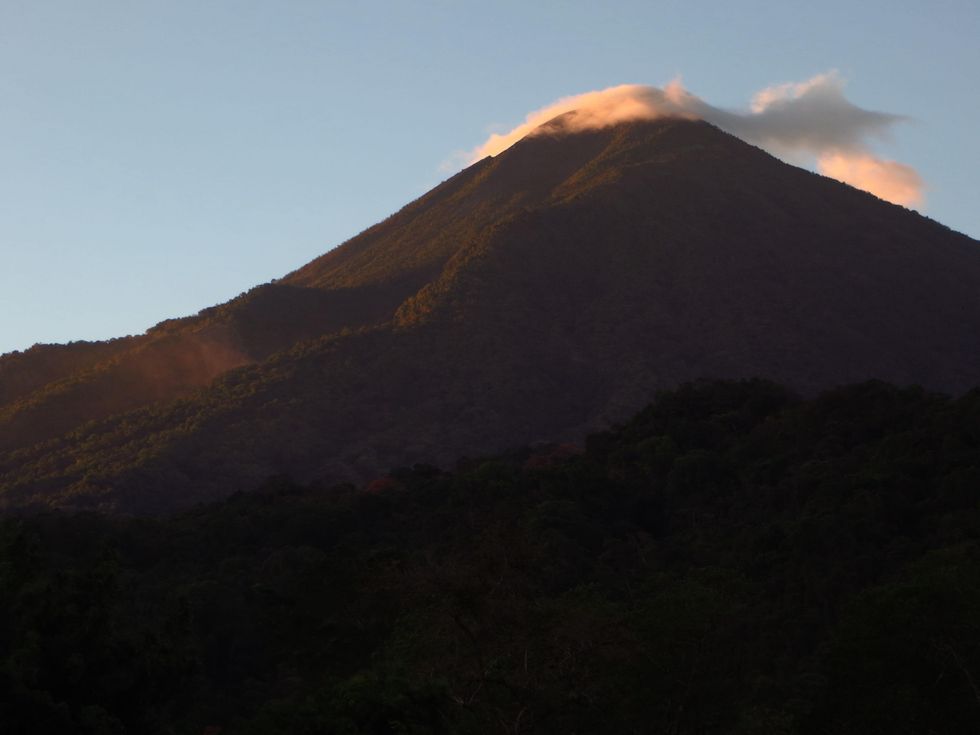
    The small village of San Pedro sits along the western edge of Lago de Atitlán. San Pedro Volcano towers above the town of motley buildings and cobblestone streets. One of the most popular destinations is the top of the volcano, which offers spectacular views of the lake.

    View must be earned

    The view must be earned with a 3-mile hike covering nearly 4000 feet elevation gain, think serious incline. It’s recommended to organize a trek with a local guide as it benefits the community and also supports maintenance of the trail. The guide offices can be found right at the base of the dock in town.

    The trek commenced in complete darkness when our local guide, Peneleu, arrived in a tuk-tuk with a driver. We jumped in and raced through the narrow roads towards the volcano, its conical shadow looming above. The road out of town wound along the lower flank of the stratovolcano until we reached the park’s visitor center and trailhead. We shouldered our small backpacks and for the next two hours marched nonstop up the steep slope.

    The trail turned from tough to grueling, but we slugged on.

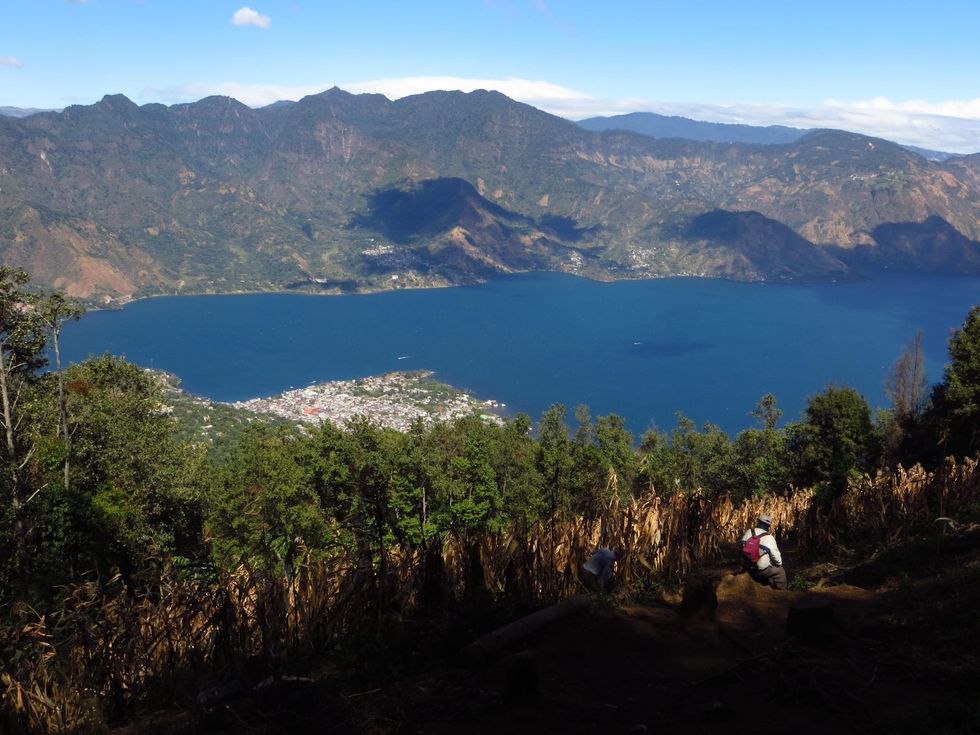
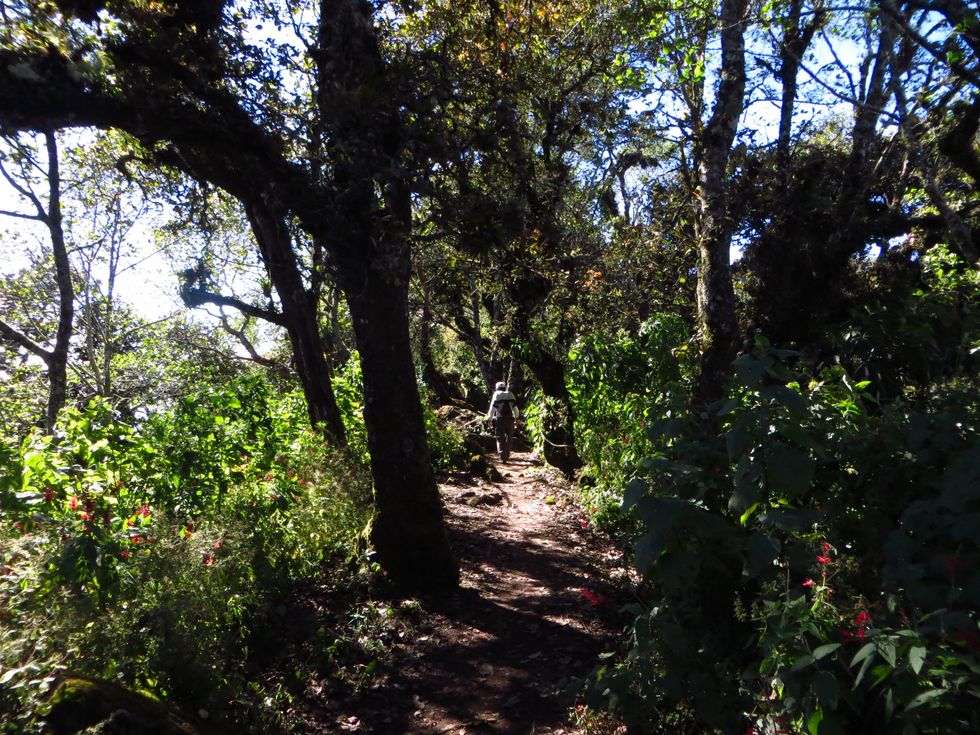
    The trail passed through avocado plantations before crossing cornfields higher up. We reached a lookout point at the edge of the cloud forest before sunrise and looked down at Lago de Atitlán, its rugged, black shape outlined by the twinkling lights of the many small villages along the shore.

    We refueled with some snacks, sucked up the thinning air, and then continued with flagging legs. Around sunrise we were hiking within fairytale cloud forest with the cool air settling as fog among the enormous tree trunks. The trail turned from tough to grueling, but we slugged on.

    Hikers, speaking a variety of European languages, were passing us and one group was already coming back down, having apparently reached the top at sunrise! In typical European bravado they set forth in sandals without any hint of a backpack, water, or food. While catching our breath on shaky legs, we pretended to enjoy the scenery. I assumed Peneleu, who didn’t show the slightest sign of exertion, wondered why these two gringos just can’t walk.

    We passed the only flat spot en route, which serves as a campsite. Another group of Europeans was just packing up, apparently having lugged tents, sleeping bags, and more almost all the way to the top. Our guide ensured us that it was only another fifteen minutes, a phrase he had been repeating for the last hour, but finally we walked along a short ridge and stood on top.

    The view down to the lake was mind-blowing with the sharp light bouncing blindingly off its surface. To the east rose the hulking cones of Toliman and Atitlán Volcano, both higher and more impressive than the volcano we stood on. The wind picked up and after an hour on top we began the inevitable descend. Passing through the fields again about halfway down, we saw a local farmer tending his crops barefoot. Likely he walked up every day, putting our hike into perspective.

    We spent the rest of the afternoon stretched out in lawn chairs fronting the lake and watched the strong winds whip up whitecaps.

    And there is more

    Other possible hikes in the area include a tramp up to Indian Nose, especially recommended for sunrise. With more time it is possible to explore the other villages surrounding the lake, each with its own traditions and vibes.

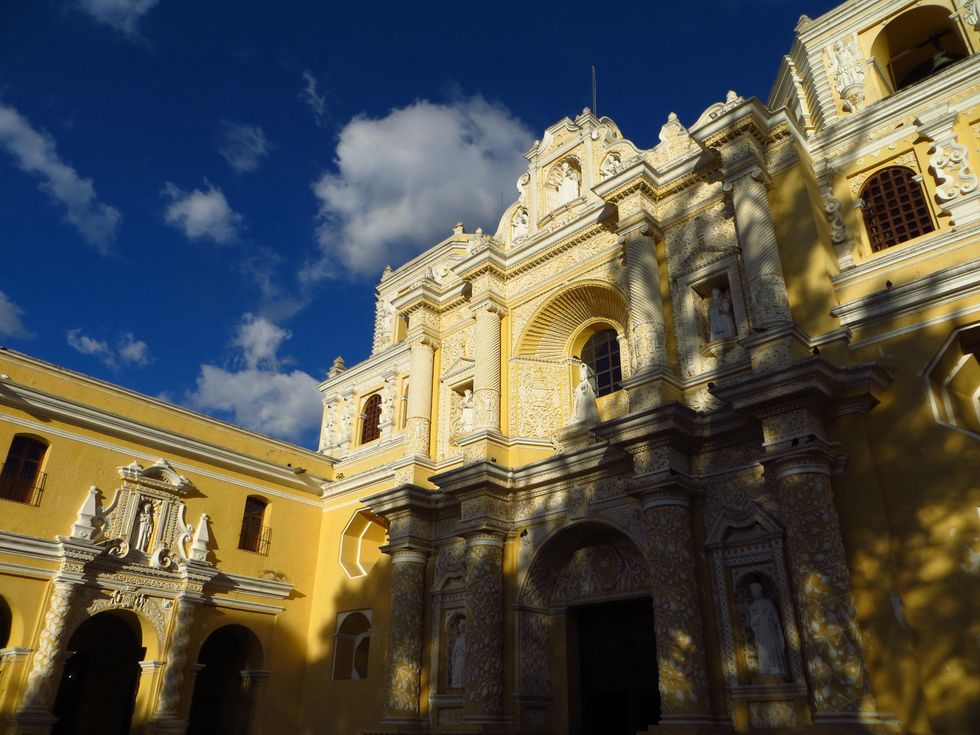
    Of course a visit to historic Antigua, a UNESCO World Heritage Site, is a must. Antigua lies about one hour and a half to the east of Panajachel. The Central Highlands of Guatemala have plenty to offer to keep even the hardiest of travelers busy for weeks.

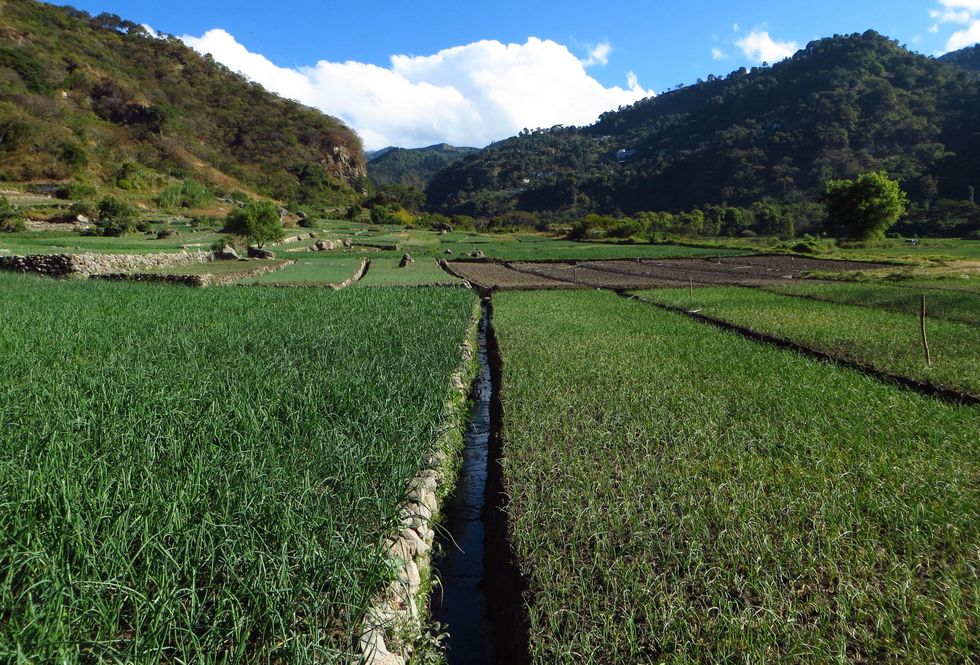
    Fields near Panajachel on the shores of Lake Atitlan.
    Houston, News, Stephan Lorenz, Guatemala travel, May 2015
    Photo by Stephan Lorenz
    Fields near Panajachel on the shores of Lake Atitlan.
    unspecified
    news/travel

    Notes from a chef

    Globe-trotting Houston chef reviews Noma's $1,500 Los Angeles pop-up

    CultureMap Staff
    Oct 9, 2026 | 4:00 pm
    David Skinner Noma Los Angeles
    Courtesy of David Skinner
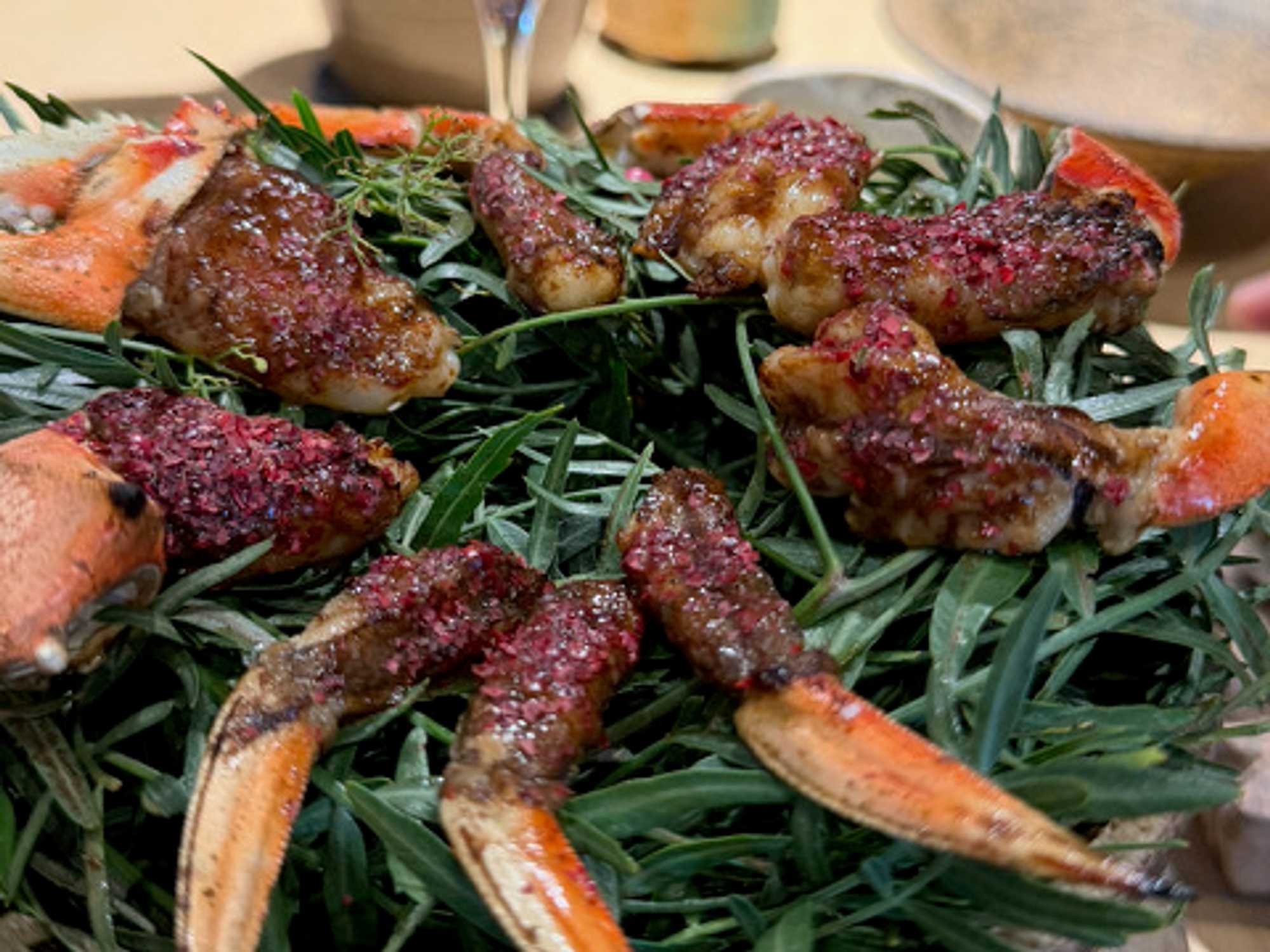
    Pink pepper Dungeness crab.

    [Editor’s note: When David Skinner, chef and owner of Kemah’s celebrated eculent and Ishtia restaurants, offered to share his experience eating at one of the world’s best restaurants, we said, of course. Read on for his experience at Copenhagen restaurant Noma’s pop-up in Los Angeles that took place this summer. Take it away, David.]

    The crab was alive a few minutes before I ate it.

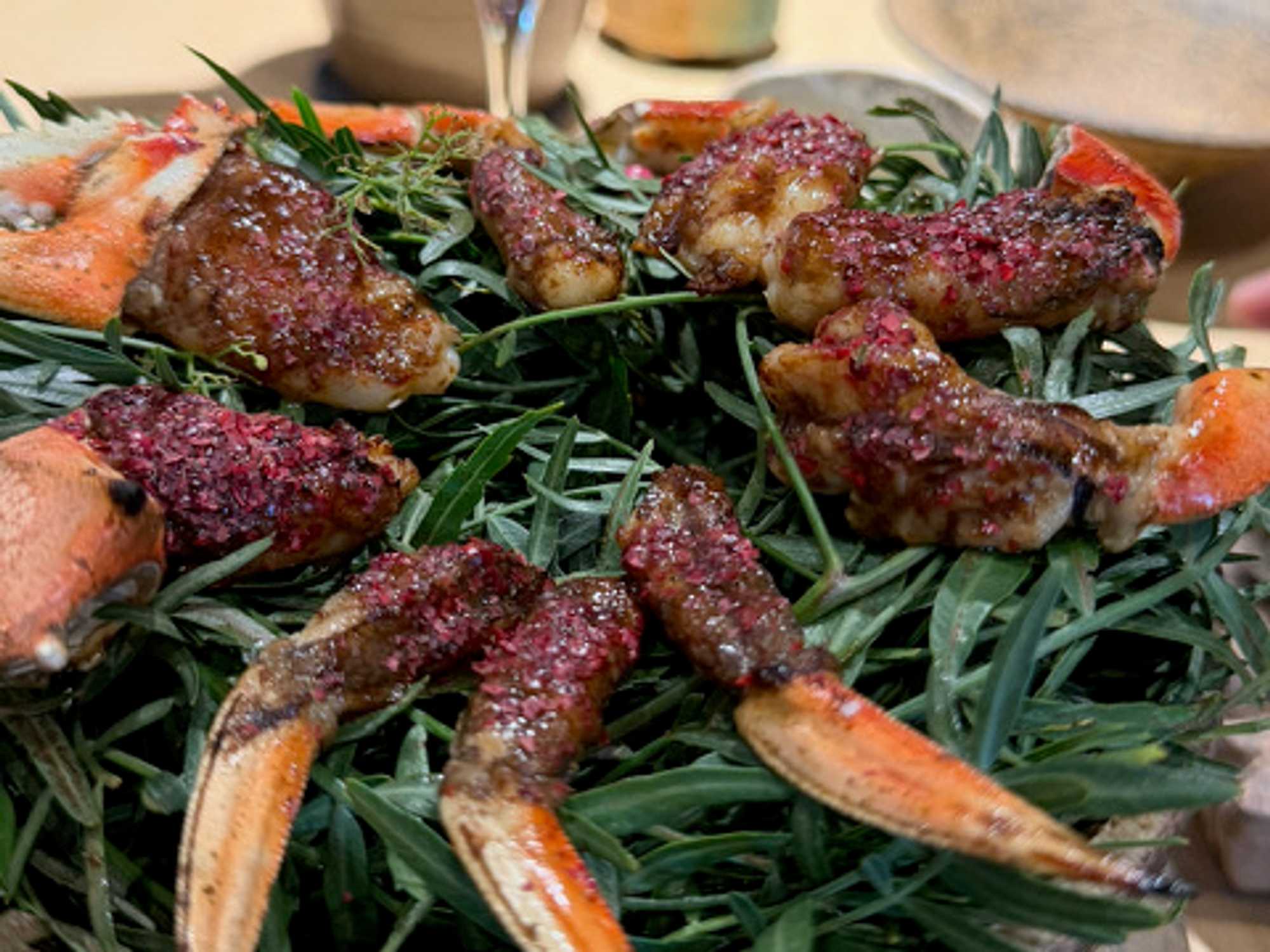
    Just before service, the kitchen broke down a Dungeness crab and set it over open charcoal, the downtown Los Angeles skyline behind the smoke. It came to the table wreathed in dried pink pepper branches, with a butter sauce built on the same pepper. I've eaten crab all over the world — this was maybe the best crab ever.

    That was the first of 17 courses at Noma LA, and the best bite of the afternoon. Leading with your best shot is either confidence or a statement. By the end of lunch, I'd decided it was both.

    The residency had begun in turmoil. Founder René Redzepi stepped away from the residency the day it opened, following a news investigation into allegations of demeaning treatment of staff — conduct that had been discussed in industry circles for years. Protesters gathered at the gate that day. The kitchen, led by Pablo Soto, carried on through the residency's close on June 26.

    I went for lunch at the Paramour Estate, the 1920s Mediterranean mansion in Silver Lake that Noma called home for 16 weeks. For more than 30 years, I've traveled the world in search of culture, a little mystery, and always food, eating everywhere from strangers' kitchen tables to three-Michelin-star dining rooms.

    As the chef behind eculent and Ishtia in Kemah, I also eat with a cook's eye — which means I'll tell you what was brilliant and what was oversalted. Noma LA had a little of both, but after a half dozen meals at Noma over the past 10 years, I can say this one was a standout.

    The setup

    The logistics alone are remarkable. Noma relocated roughly 130 staff members and their families to Los Angeles and built a pantry sourced within 300 miles of the mansion. Lunch ran 17 courses over about four hours at $1,500 per person, including beverages and gratuity.

    Chef Soto greeted us at the entrance with the full kitchen staff, a Noma tradition. By the time I arrived, the protesters were long gone, and the brigade seemed to be cooking with a sense of relief.

    Rather than choose between the wine pairing and the nonalcoholic program, we asked our server, Mara, to mix the two course by course. She nailed it, moving from a sparkling rose-and-pink-pepper drink to a bright cherimoya lemonade to a 25-year-old Tony Coturri zinfandel from Glen Ellen that became the table's favorite pour.

    The standouts

    The crab. It opened the meal, and nothing that followed topped it. The pink pepper did double duty with the dried branches perfuming the shell, the butter sauce carrying a gentle heat — the sweet, smoky meat needed nothing else. Alongside came a 2022 Phelan Farm chardonnay from Rajat Parr's Cambria operation: white Burgundy in spirit, California in its bones.

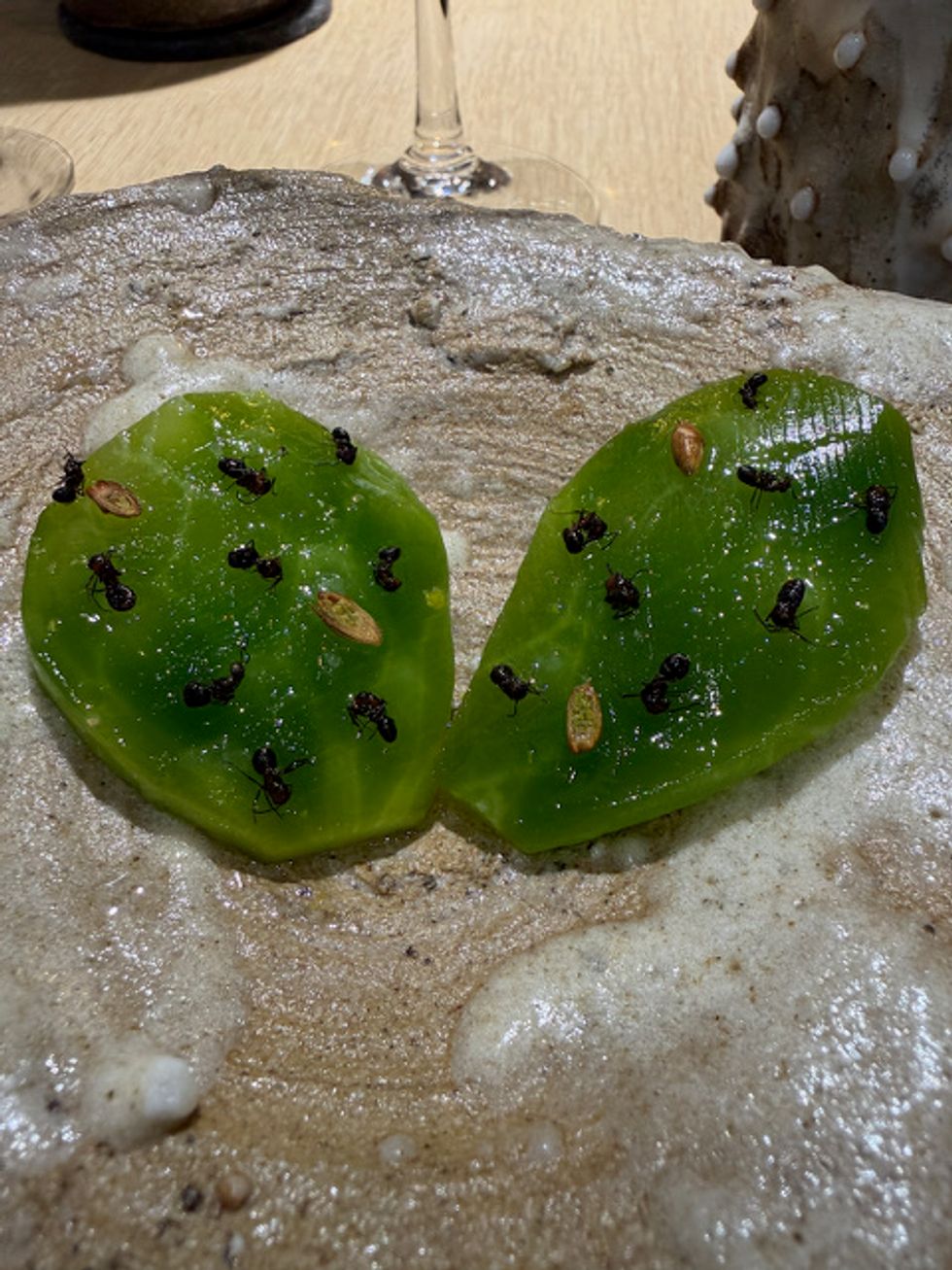
    The cactus. Pickled tacinga cactus, marinated in Oaxacan mezcal and citrus and crowned with honeypot ants, arrived beneath a live cactus paddle with a eucalyptus handle.

    The acorn. A single braised acorn, glazed with black pepper, sat atop an uni custard made with Santa Barbara sea urchin and caviar in hoja santa oil. The server described it as a nod to California's Indigenous peoples. As a Choctaw, whose ancestors relied on acorns for thousands of years, I felt that one. It was also the most technically accomplished savory course of the meal.

    The seaweed and clams. Six varieties of Southern California seaweed with butter-kissed clams tasted like the coast itself. This is Noma at its best: not interpreting California so much as listening to it.

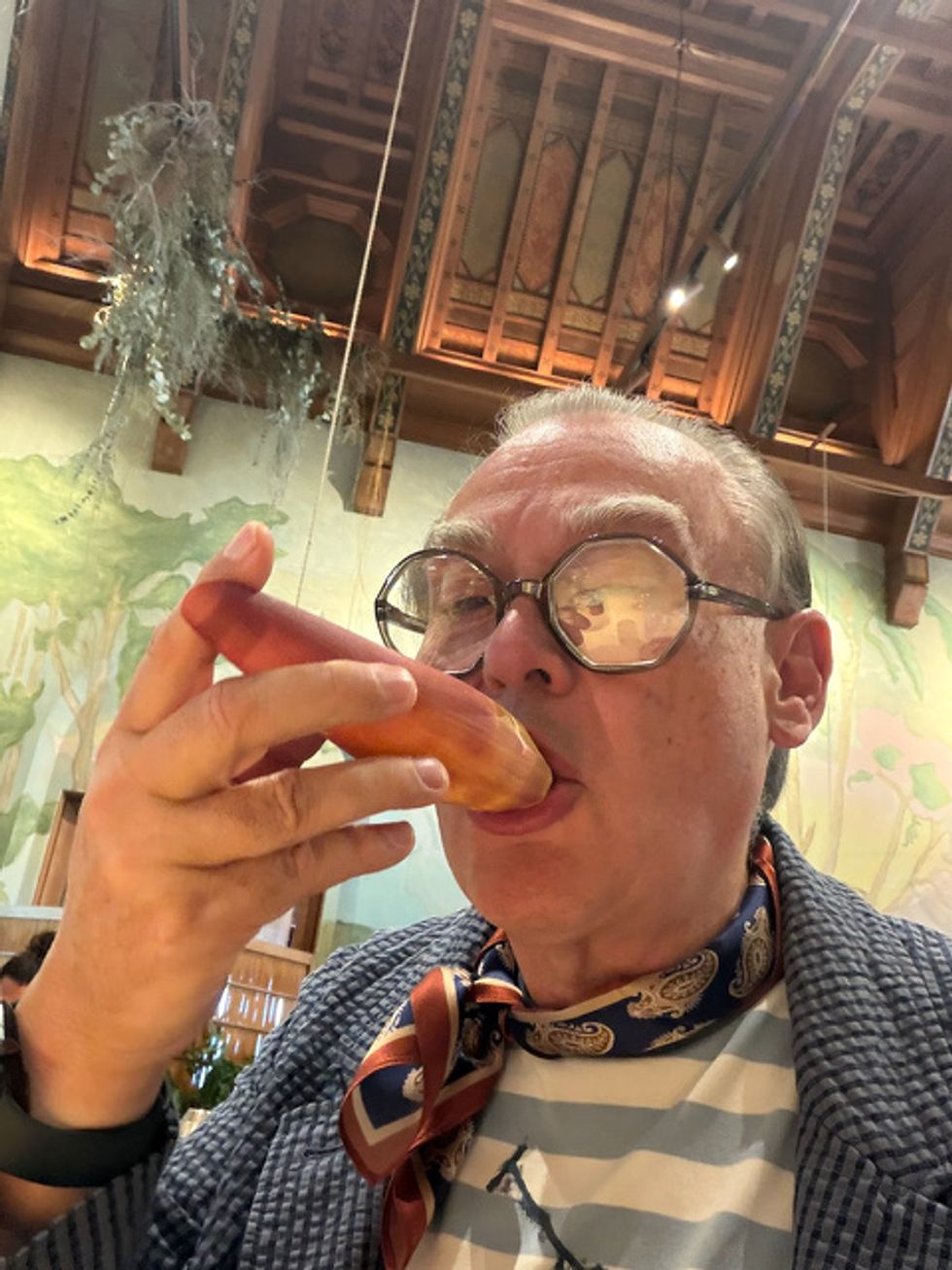
    The tuna eye. I've eaten cod eye at Noma in Copenhagen, but this version was way better. The kitchen removed the tough cornea, replaced it with a thin disk of kumquat, and served the eye chilled inside a ruby-red banana flower bract. Rich and gelatinous, it's eaten in one bite. When our table wondered aloud where the rest of all that tuna goes, Mara had the answer: family meal for the staff.

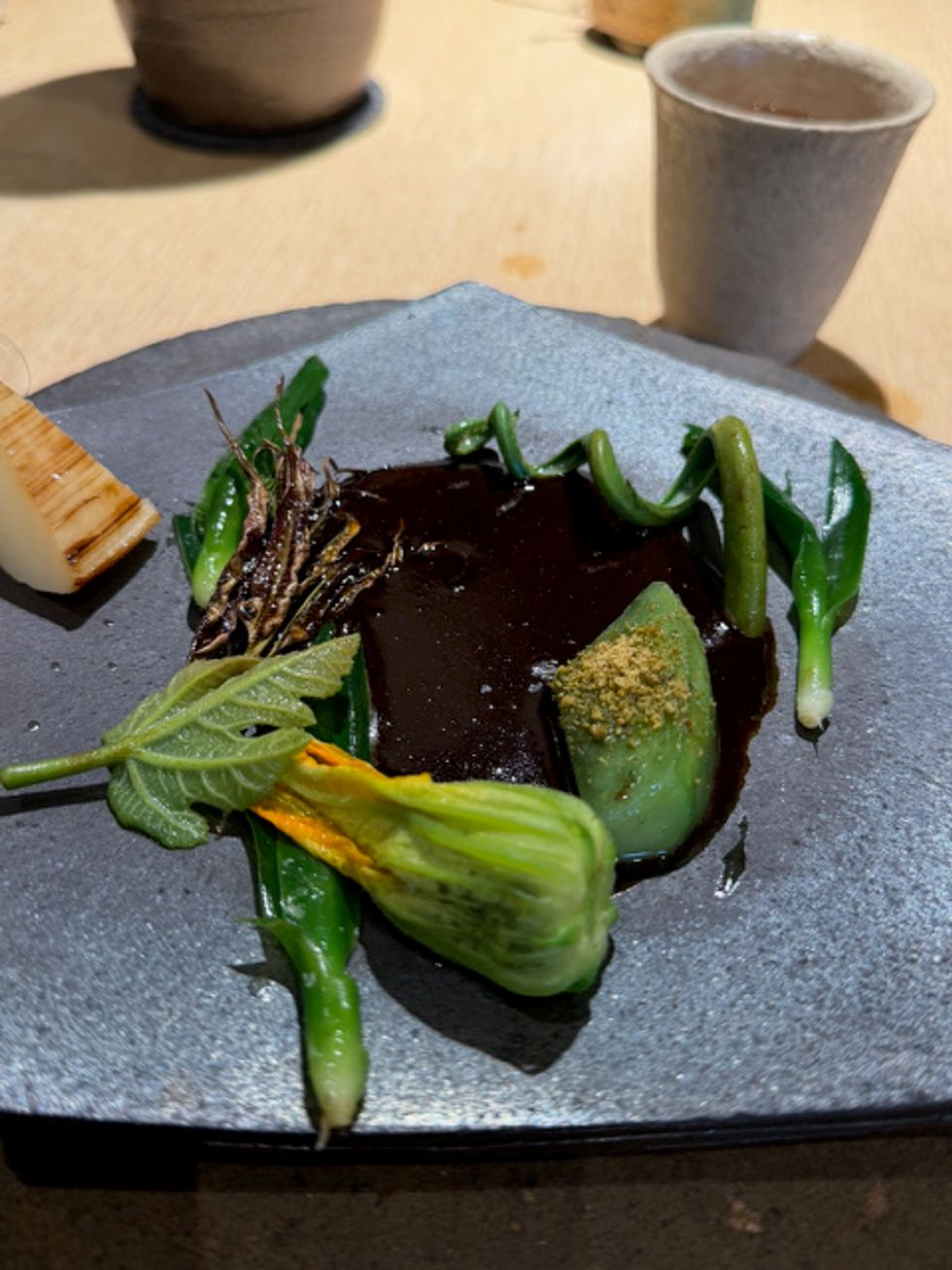
    The kelp mole. Grilled greens, a squash blossom stuffed with huitlacoche, and an artichoke on its stalk arrived with tortillas from Komal, one of Los Angeles's top heirloom molinos, paired with a mole built on kelp.

    Between the acorn, the cactus, and the mole, a question kept surfacing: what does it mean for a Danish kitchen to arrive in someone else's pantry and cook as though it has always been there? Some of these ingredients have fed Indigenous and Mexican cooks for centuries. Noma handled them with obvious respect and real curiosity. Sometimes, though, the line between homage and borrowing comes down to whether you're willing to say the name out loud.

    Dessert kept the surprises coming, including a macadamia custard served in a sunflower whose base turned out to be beeswax. The finale arrived as a bundle of ferns tied with string. Diners snip it open with tiny scissors to find a chocolate cookie and a fortune inside. Mine quoted Nietzsche: You must have chaos within you to give birth to a dancing star.

    Nietzsche, at $1,500 a head, in a Silver Lake mansion, from a kitchen whose founder walked away on opening day while protesters stood at the gate. The kitchen knew exactly what it was doing.

    The full menu, course by course

    For those keeping score, here's the complete lineup.

    Pink pepper Dungeness crab
    Daylily crab dumpling — The rest of the crab, tucked inside a trumpet-shaped daylily with buds plumped in crustacean liquor. The flower dominated; the crab was the reason to eat it.
    Chilled lobster broth — Spiny lobster stock, dashi, and elderflower oil served chilled in the lobster's own coral-colored shell. A palate reset dressed as a course.
    Spot prawn with matcha — Served in real seaweed, the head filled with smoked pumpkin paste for sucking, the tail painted with matcha. Paired with the 2024 Verso from Caleb Leisure in Sebastopol.
    Sea urchin custard and braised acorn
    Cactus with mezcal
    Ragout of California botanicals — Seasonal greens, peas, and herbs in a warm, quiet preparation, tied together by a hint of horseradish.
    SoCal seaweed and clam
    Tuna neck — Minced tuna neck in a koji-inoculated steamed bun with the texture of suede, topped with translucent shards of dried chicken-stock skin. Paired with the 2000 Estate Zinfandel from Tony Coturri.
    Tuna eye
    Black pearl rice steamed in avocado leaf — Ringed with pistachio oil and scattered with dime-sized macadamia slices. Humble ingredients in the spirit of California great Jeremiah Tower.
    Morels with habanero and yuzu — Sierra Nevada morels on turkey-tail mushrooms over hot stones. Bright and spicy, but heavy on the salt.
    Greens and grilled artichoke in spiced kelp mole
    Cherimoya and lemongrass — A green cocoa butter shell shaped like a cactus, hiding a smooth cherimoya ice cream. A California fruit most California menus ignore.
    Macadamia milk custard and pistachio — Topped with heirloom Hong Kong kumquats from a handful of research trees that fruit four weeks a year, served in a beeswax-lined sunflower.
    Silver Lake fortune cookie — A Chiapas chocolate mousse cookie garnished with insects, hidden in a bundle of ferns you cut open with tiny scissors. Fortune included.

    The misses

    Not every course landed. Morels with habanero and yuzu were oversalted, and some presentations were delivered too quietly to catch the full story. At $1,500 a seat, the storytelling should be as confident as the cooking.

    The verdict

    Having now eaten Noma's traveling editions in Tulum and Los Angeles, I'll offer an opinion that may be unpopular in certain circles: the pop-ups are better than Copenhagen. Maybe it's the hunt for new ingredients, or the urgency of a 16-week run in a borrowed house. Whatever the reason, the results are hard to argue with. I put that theory to the test in August, when I returned to Noma on my birthday, three days after it reopened with Soto at the helm. More on that meal soon.

    Noma LA wasn't really a restaurant. It was an argument about a place, made in food, by people who flew 6,000 miles to make it. The argument was frequently brilliant, occasionally presumptuous, and closed with Nietzsche in a fortune cookie. On balance, it won.

    ----

    David Skinner is a James Beard Award semifinalist for Best Chef: Texas and the owner of eculent and Ishtia in Kemah. He also writes the culinary travel journal Destination Eater on Substack.

    David Skinner Noma Los Angeles

    Courtesy of David Skinner

    Pink pepper Dungeness crab.

    news-you-can-eatchefs
    news/travel
    CULTUREMAP EMAILS ARE AWESOME
    Get Houston intel delivered daily.
    Loading...