It’s Palm Sunday weekend, which means that Easter is right around the corner, and Easter egg hunts will most likely be going on in parks all over the city next weekend.
Until then, Houston has lots to offer this weekend, including a couple of very arty festivals and a screening of a notoriously unfinished silent film. It's also a great weekend for sports fans, courtesy of the Texas Children's Houston Open, the NCAA Men's Basketball Championship, and Opening Day festivities for the Houston Astros.
This weekend will also be great for fans of cool, sunny weather. (Sorry to those who, as one legendary supergroup put it, like it hot.)
Thursday, March 26
Texas Children's Houston Open
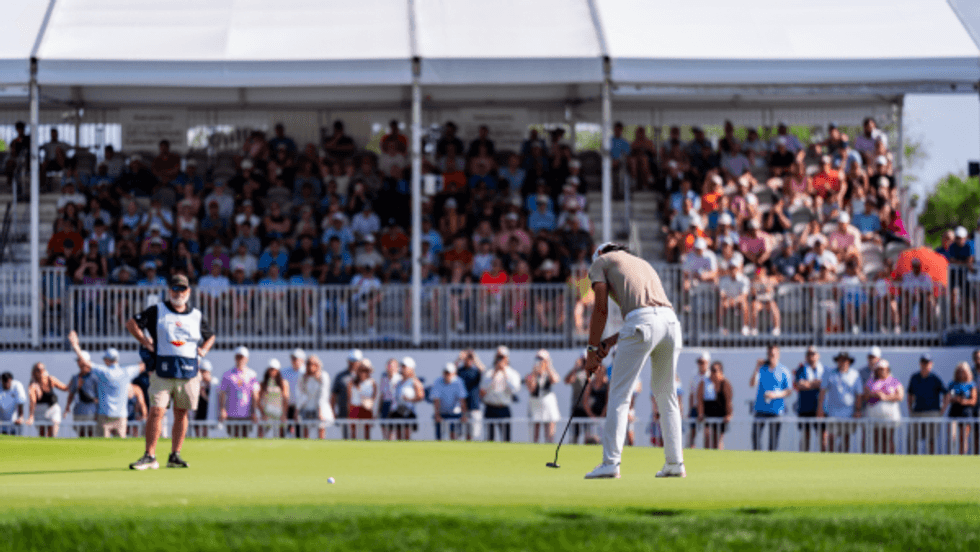
The four-day Texas Children's Houston Open, the PGA Tour's annual stop in Houston, features a lineup of some of the best golfers in the world, including defending champion Min Woo Lee, Brooks Koepka, Chris Gotterup, Ben Griffin, Harris English, and more. Held at Memorial Park, the tournament is also a matching fundraising campaign for Houston area non-profits, who can use the Texas Children's Houston Open as leverage to generate funds for their organization. All organizations will receive 100 percent of generated funds with a guaranteed 5 percent bonus. 8 am.
The Marigold Club presents Hirsch Wine Dinner for Southern Smoke Foundation
As CultureMap wine columnist Chris Shepherd touted last week, The Marigold Club will host a wine dinner in collaboration with Hirsch Vineyards. Winemaker/general manager Jasmine Hirsch will guide attendees through a lineup that includes rare back vintages and single-block pinot noir flights that rarely surface outside the winery, while chef Austin Waiter has built a perfectly-paired menu around each pour. Proceeds will benefit Southern Smoke Foundation, which provides emergency relief and mental health support to food and beverage workers nationwide. 6:30 pm.
NCAA Men's Basketball Championship - Houston Regional
Houston will host the South regional for the 2026 NCAA Men's Basketball Championship, featuring both the Sweet Sixteen and Elite 8 rounds of the tournament. Teams competing include the Houston Cougars, Illinois Illini, Nebraska Cornhuskers, and Iowa Hawkeyes. And if Houston wins its Sweet Sixteen matchup against Illinois on Thursday, they’ll go on to compete in the Elite 8 on Saturday, against whoever wins the Iowa-Nebraska game. 6:30 pm (4:30 pm Saturday)..
Friday, March 27
The Menil Collection presents "The Gift of Drawing: Cy Twombly" opening day
The Menil Collection presents "The Gift of Drawing: Cy Twombly," which features a selection of some 30 works – gifted to the museum by the Cy Twombly Foundation – that underscores the Menil’s importance as an international destination for the study, presentation, and appreciation of Twombly’s work. Those highlighted in the exhibition cover three decades of the artist’s activity, from the 1950s to the 1980s, and themes that are fundamental to his entire practice, such as classical antiquity, eroticism, and nature. Through Sunday, August 9. 11 am.
National Spanish Paella Day at Fielding's Steak
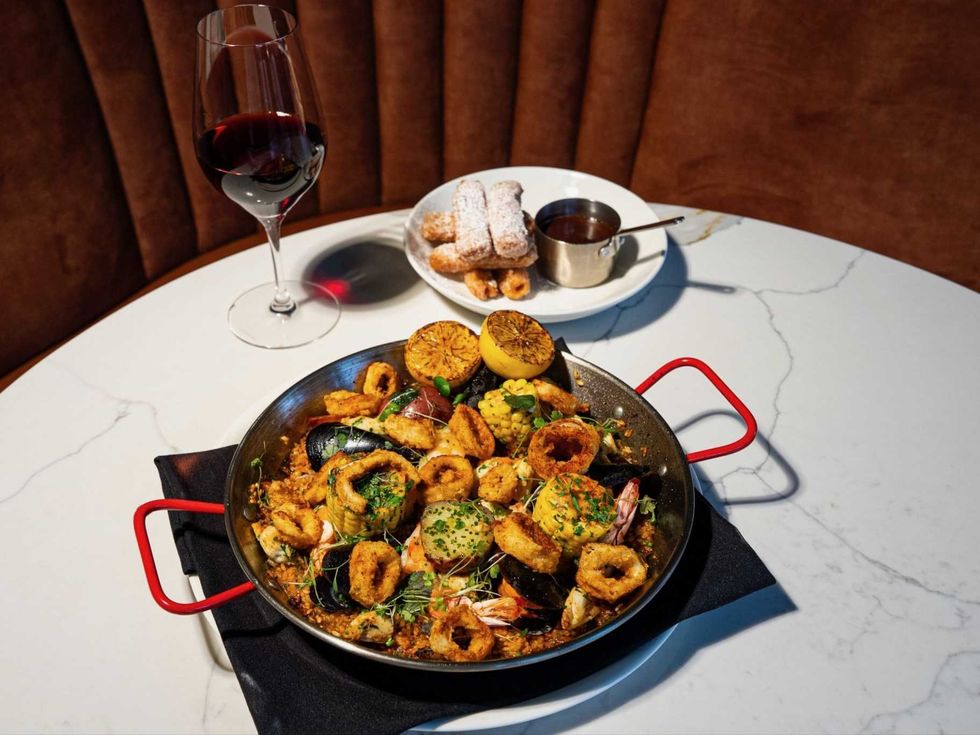
One of 16 nominees for Best New Restaurant in the 2026 CultureMap Tastemaker Awards, the River Oaks restaurant is celebrating paella all weekend long. Priced at $89, the Gulf Royale Paella for Two is made with blackened redfish, Cajun shellfish boil, holy trinity, corn, and new potatoes. It will be served at dinner on Friday, Saturday, and Sunday. 5 pm.
Rice Cinema presents Daughter of the Light
Filmmaker Gyal Kashem will be at Rice Cinema to present the 2020 film Daughter of the Light. This documentary is about 13-year-old Metok Karpo, who lives in a Tibetan boarding school for orphans. Her divorced parents leave her to be raised by her maternal grandparents, who make her school-holidays hell by continually denouncing her father. While her mother unsuccessfully remarries, Metok embarks on a journey to find her father. 6 pm.
Improv Houston presents Josh Johnson
Emmy-nominated, NAACP Award-winning comic Josh Johnson has been killing it lately as a writer/co-host on The Daily Show. But he also kills it as a stand-up. His most recent stand-up special, Josh Johnson: Up Here Killing Myself, premiered on Peacock in 2023, but the man continues to drop brand new sets on his YouTube channel. If you want to see him live and in person, he’ll be performing at Improv Houston this weekend. 7 & 9:15 pm (7 & 9:30 pm Saturday).
Memorial Hermann Broadway at the Hobby Center presents Some Like It Hot
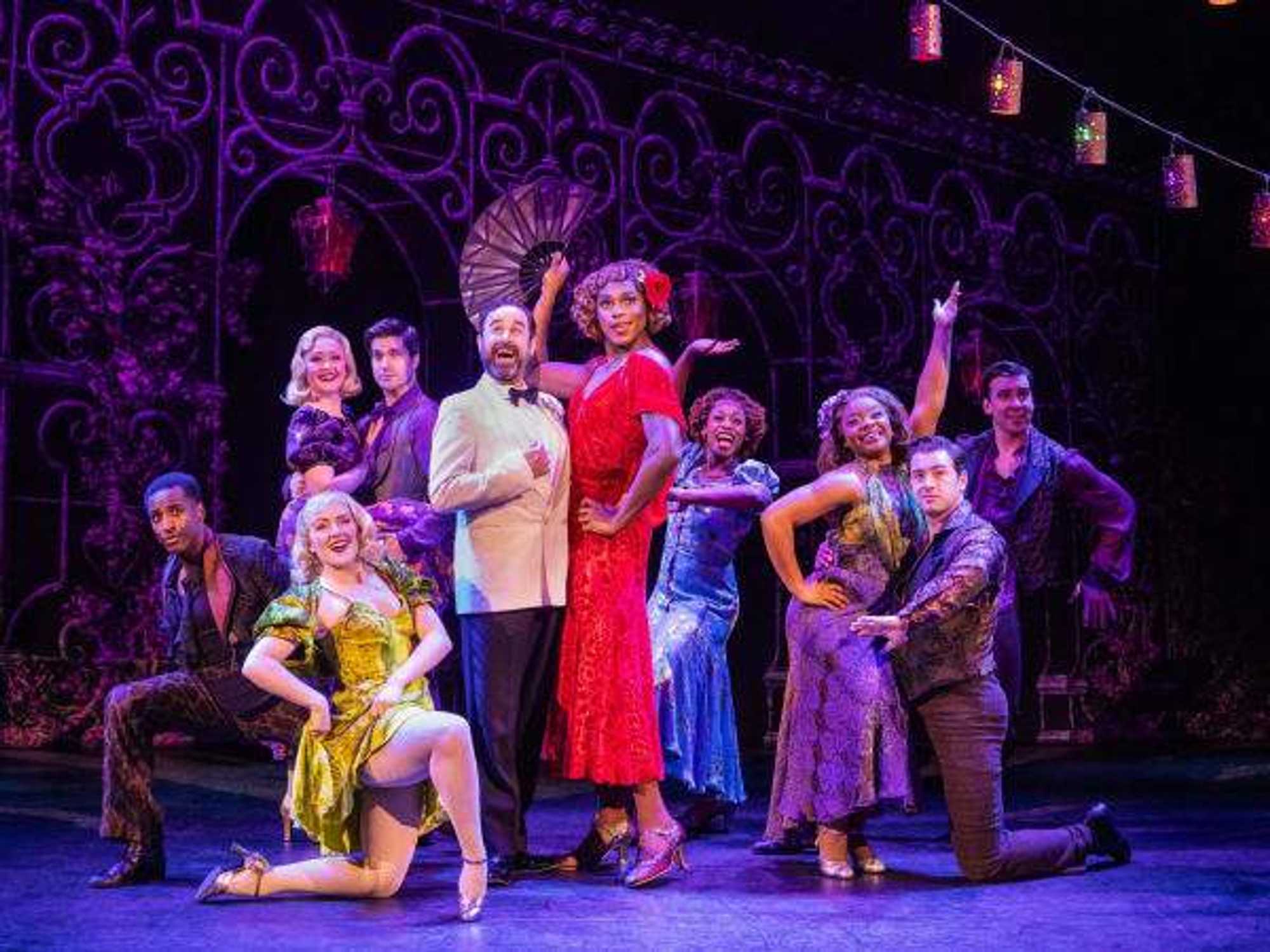
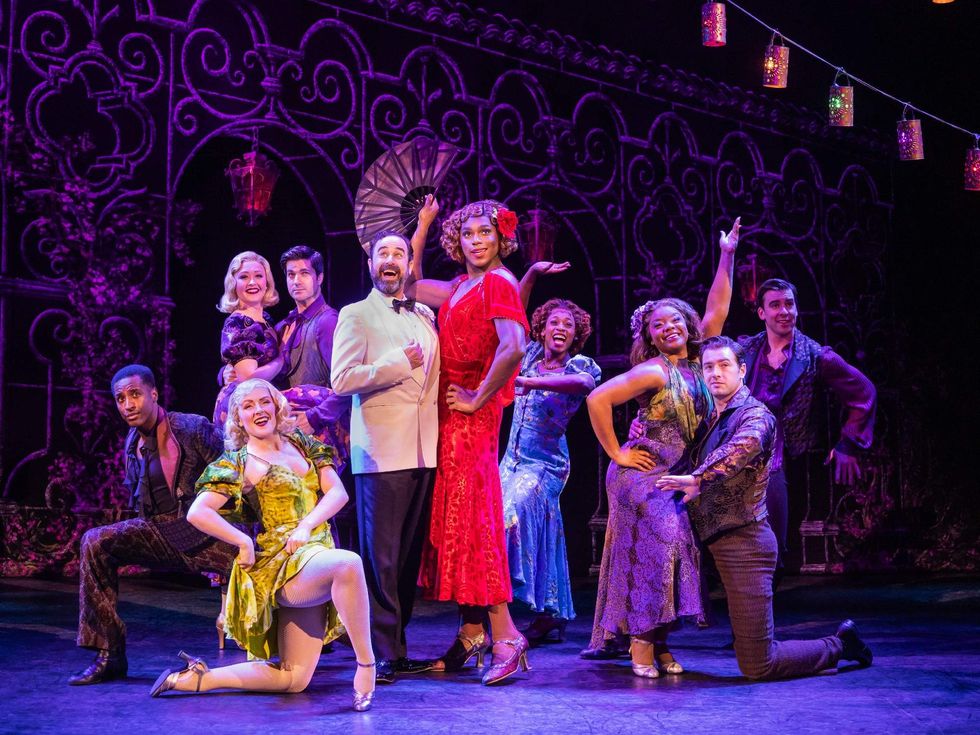
Set in the Prohibition era, Some Like It Hot is a fast-paced comedy that follows two musicians who take up new identities and go on the run after witnessing a mob hit. Their cross-country journey brings them face to face with a dazzling singer with dreams of stardom, who captures one of their hearts, while the other catches the eye of a wealthy suitor set on finding true love. Still under disguise, they must find a way to untangle their messes and stay alive from the gangsters hot on their tail. 7:30 pm. (7:30 pm Thursday; 2 & 7:30 pm Saturday; 1:30 & 7 pm Sunday).
Saturday, March 28
Bayou City Art Festival Downtown
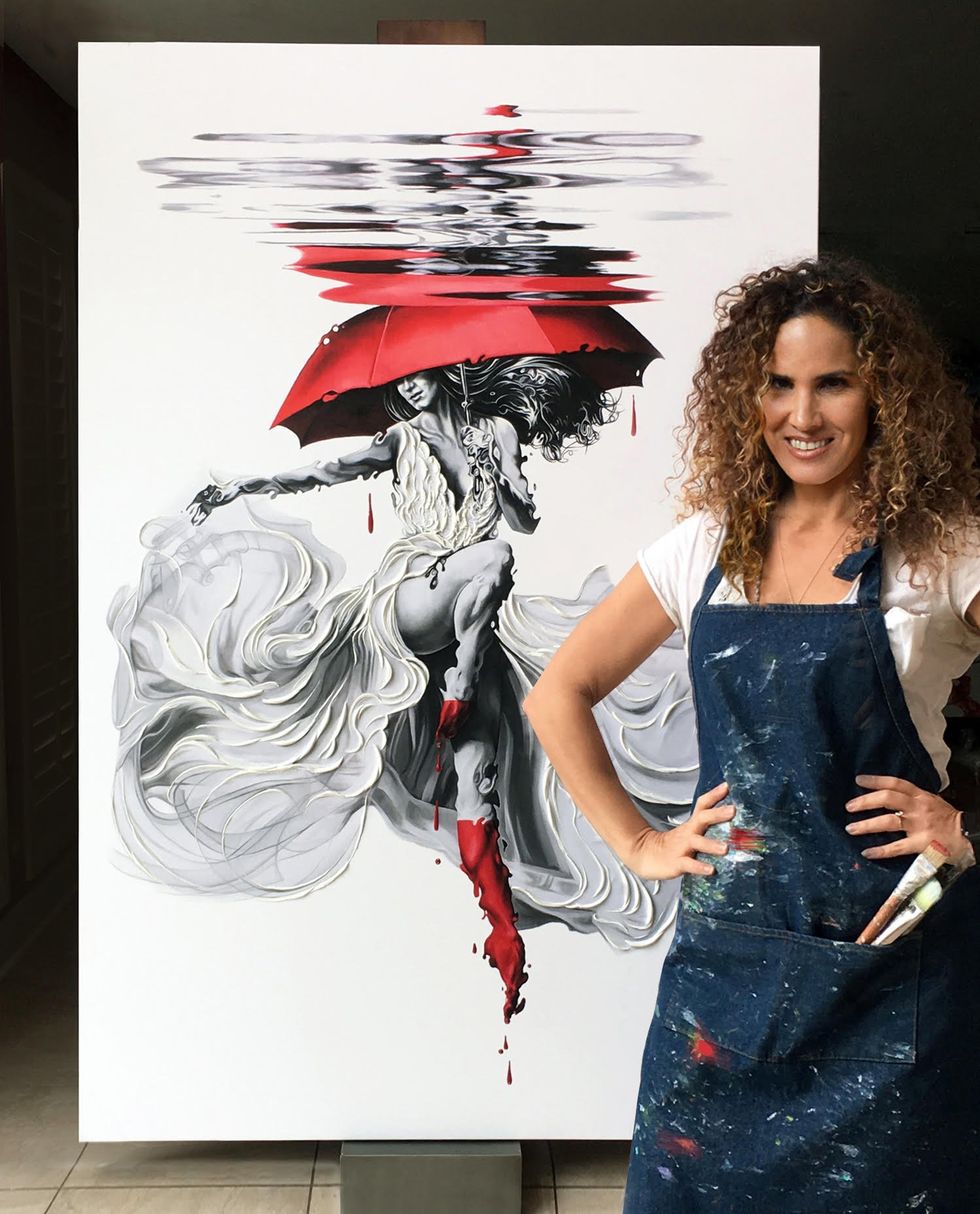
The Bayou City Art Festival returns to Downtown Houston, giving patrons a chance to meet with artists, view original works, and purchase art, world-class paintings, prints, jewelry, sculptures, functional art, and more. The two-day festival will feature entertainment stages, a food truck park, beverage stations, and a Chef’s Culinary Arts Stage and tasting experience featuring local chefs. Folks can enjoy Houston’s skyline views while partaking in the festival’s wine garden and craft beer garden. 10 am.
Houston Art Bike Parade & Festival
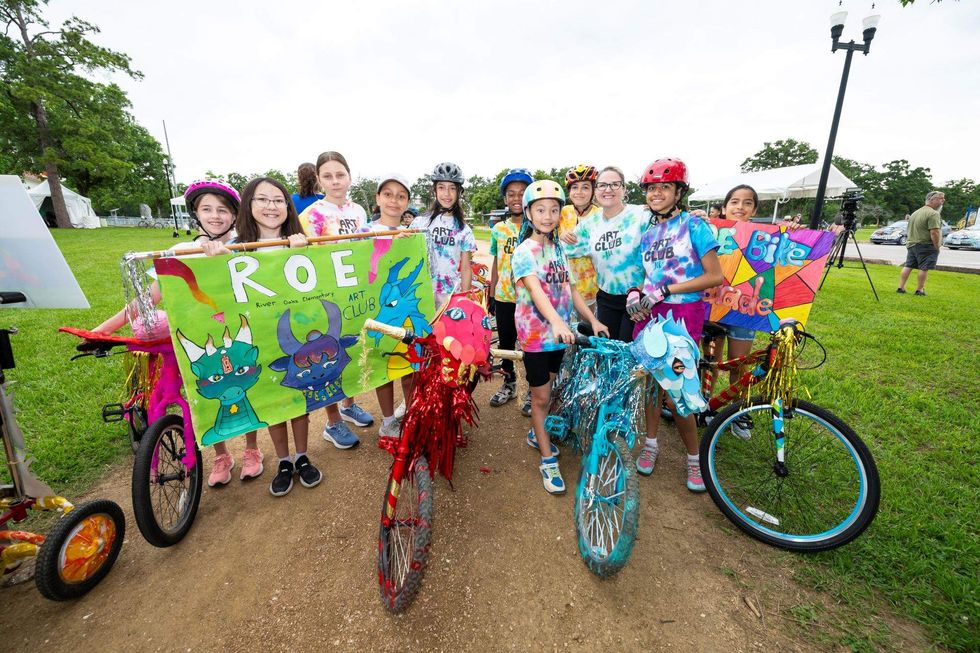
The Houston Parks Board and the Orange Show Center for Visionary Art will present the fifth annual Houston Art Bike Parade & Festival. The parade lineup begins with a vibrant display of art bikes created by community members, local arts clubs, and students from local schools. Following the parade, event partners will announce and distribute awards for bicycle decoration creativity during the Houston Art Bike Awards Ceremony. Winners have the opportunity to participate in the Art Car Parade on Saturday, April 11. 10 am.
Jax Grill presents Zydeco Brunch
Jax Grill on Shepherd invites Houstonians to spice up their morning with a lively Zydeco Brunch, featuring live music from Keyun and the Zydeco Masters. The upbeat rhythms of accordion and washboard will set the tone for a Louisiana-style celebration where guests can grab a plate, sip a cocktail, and laissez les bons temps rouler! The special brunch menu offers bold Southern flavors starting at $13.95 with dishes like crawfish etouffée & shrimp, spicy honey chicken & waffles, chicken fried steak & eggs, biscuits & sausage gravy, and more. 10 am.
Buffalo Bayou Partnership and Aurora Picture Show presents Night Light
Aurora Picture Show and Buffalo Bayou Partnership will co-present the annual outdoor Night Light, featuring video artworks activating structures along Buffalo Bayou. Happening this year along a half-mile stretch of trails in Downtown Houston near historic Allen’s Landing, the event features new, site-specific media installations by Houston artists Hillerbrand+Magsamen, Corey De’Juan Sherrard Jr., and Kenneth Tam in collaboration with Alexander Jamu, Cal Mascardo, Claire Morton, and Elbread Roh. 8 pm.
Sunday, March 29
Ismaili Center Houston presents Nawruz Open House
The Nawruz Open House celebrates the centuries-old tradition marking the spring equinox and reflecting themes of renewal, gratitude, and unity. Enjoy a vibrant day of cultural experiences, like learning about the traditional haft-sin table, hands-on activities, and culinary experiences suited for all ages. Attendees also get the opportunity to explore the landmark building, as well as explore nine acres of gardens designed by the acclaimed firm Nelson Byrd Woltz Landscape Architects. 10 am.
The Museum of Fine Arts, Houston presents Queen Kelly
Back in 1929, when movie star/producer Gloria Swanson and her financier lover Joseph P. Kennedy hired celebrated director Erich von Stroheim to make a groundbreaking independent film, all signs pointed toward success. Instead, Queen Kelly was canceled mid-production. Swanson shut it down after filming just a few sequences, leaving the unfinished film to become Hollywood legend. Now, Milestone Films’ Dennis Doros has re-created the picture’s denouement in a new reconstruction based on von Stroheim's original script. 5 pm.
Foundation for Modern Music presents Something Old, Something New, Something Borrowed, Something Blue
Foundation for Modern Music presents Something Old, Something New, Something Borrowed, Something Blue, featuring 300 years of French music with a contemporary American twist. The curated program moves from Baroque brilliance to Impressionist color, mid-century French modernism, jazz fusion, and, finally, a contemporary work: Royer, Ravel, Dutilleux, Sancan, Ponty, and a brand-new work by Corin Gatwood. 7 pm.

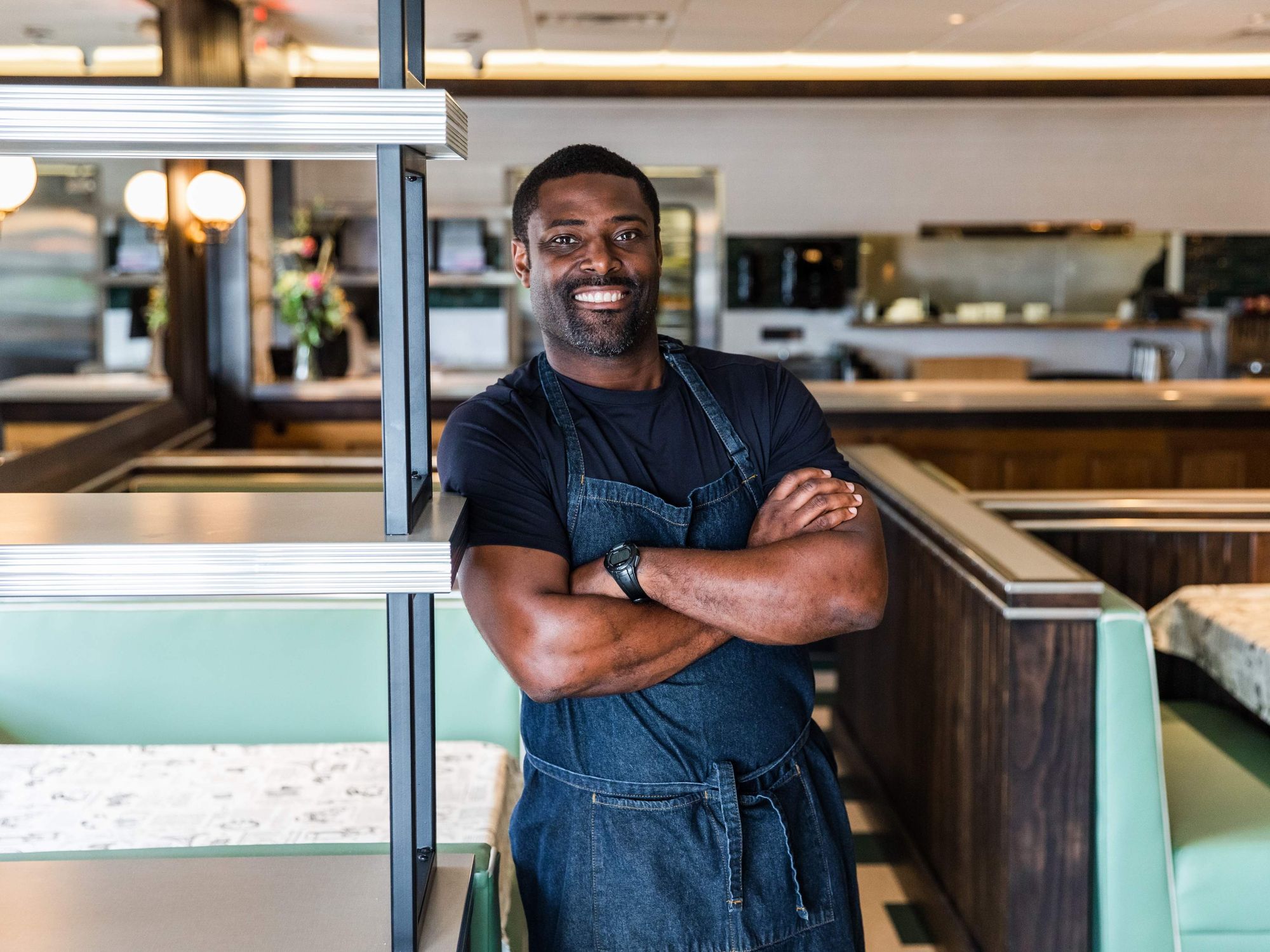
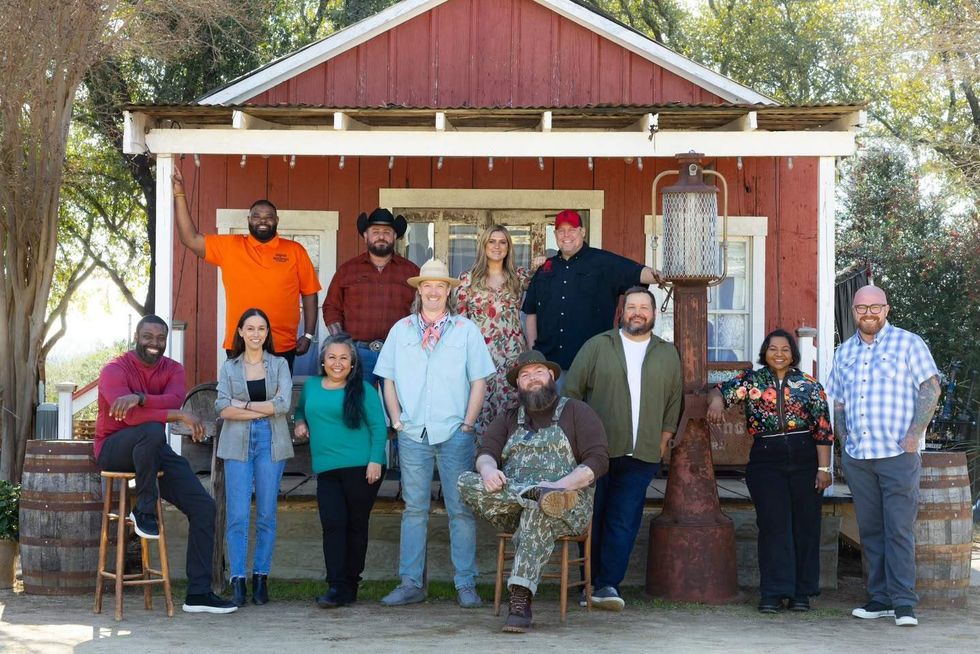 Greg Gatlin, left, with the cast of BBQ Brawl sesaon six.Courtesy of Food Network