We’re just a few days away from the Houston Livestock Show and Rodeo, but Houstonians can get into the cowboy spirit this weekend with the World's Championship Bar-B-Que Contest and by dressing up for Go Texan Day on Friday.
Azumi, City Place, Feges BBQ, HiFi at the Finn, and The Pit Room will celebrate the day with food and drink specials, indoor and outdoor activities, and other surprises. Of course, we have other things popping off this weekend, including a neon cocktail pop-up bar, an Indian film festival, and — to start the Rodeo off on the right boot (sorry) — a downtown rodeo parade.
Don't miss our list of this week's best food events for even more suggestions.
Thursday, February 26
Hotel Saint Augustine presents Rodeo Rendezvous
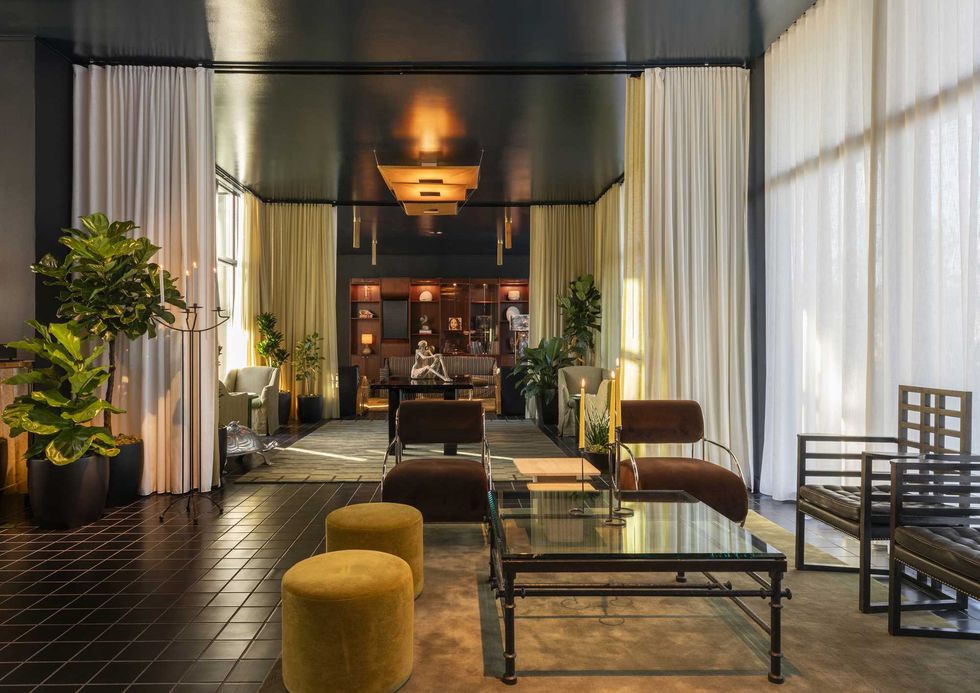
To salute the upcoming Houston Livestock Show and Rodeo, Hotel Saint Augustine has got an exclusive, month-long retail residency called Rodeo Rendezvous. The series features a rotating lineup of premier artisans and brands – offering people options for both their 2026 Rodeo wardrobe and for their home collections. The property will convert two of its rooms into a curated boutique destination, blending authentic Texas heritage with high-end fashion, art, and cultural touch points. Through Sunday, March 22. Noon.
Montrose Country Club presents Pink Pop Up Bar
Montrose Country Club will be turning up the color with the debut of its limited-run Pink Pop Up Bar, an immersive neon cocktail experience designed for weekend nights out, high energy brunches, and vibrant group gatherings – and no membership is required. Signature cocktails include the passion fruit-driven Show Pony, the tequila-forward Paloma Pink, and the tropical Neon Storm rum blend. 5 pm (11 am Saturday and Sunday).
AJ McQueen presents GodBody Weekend Opening Mixer
The 4th Annual GodBody Weekend, founded by Houston-based independent artist and community leader AJ McQueen, will take place this weekend with activations across Houston, culminating in a gathering at the legendary Eldorado Ballroom in Third Ward. The cultural festival is designed to inspire mental, emotional, spiritual, and physical growth, and it all starts with an opening mixer this Thursday night. 7 pm.
Friday, February 27
The Museum of Fine Arts, Houston presents Movies Houstonians Love: Perfect Days
Hirayama (Kôji Yakusho) seems utterly content with his simple life as a cleaner of toilets in Tokyo. A series of unexpected encounters gradually reveals more of his past in this moving and poetic reflection on finding beauty in the everyday world. German filmmaker Wim Wenders returned to Japan, a country that has long inspired him, to make this gentle humanist drama that earned multiple awards. Inprint Houston executive director Rich Levy will introduce this Movies Houstonians Love presentation. 7 pm.
Rice Cinema presents Le Passion de Jeanne D’Arc
Carl Thedor Dreyer’s legendary silent film from 1928 is supposedly based on the documents of her trial before the authorities, but the film is so present and alive to the world of Joan of Arc (Renee Jeanne Falconetti) that it feels like it happens in the moment. With cinematography by Rudolph Maté and an unparalleled performance by Falconetti, Dreyer’s radical construction of space and close-up reinvents the world from the ground up — painful, luminous, unforgettable. 7 pm.
Urban Souls Dance Company presents Truth Be Told
Truth Be Told is Urban Souls Dance Company’s annual Black History Month dance concert, presented by Black Arts Movement Houston. Through contemporary dance, African American vernacular movement, and embodied storytelling, the concert honors the stories, ancestors, and cultural legacies that shape the Black experience. Blending historic repertory with bold new choreography, Truth Be Told explores memory, courage, joy, and resilience, centering truth-telling as both an act of resistance and a pathway to healing. 7:30 pm.
The Catastrophic Theatre presents Katy Perry Candy Darling Mary Magdalene
In this stage production, making its world premiere with The Catastrophic Theatre, a punk elitist attempts to sell his band on a rock opera he wrote about meeting his favorite pop star. But first he has to explain why he has a favorite pop star, why it’s Katy Perry, why he wrote a rock opera about it, and how it all ties into his new look, most succinctly described as “she.” Through Saturday, March 7. 8 pm (2:30 pm Sunday).
Saturday, February 28
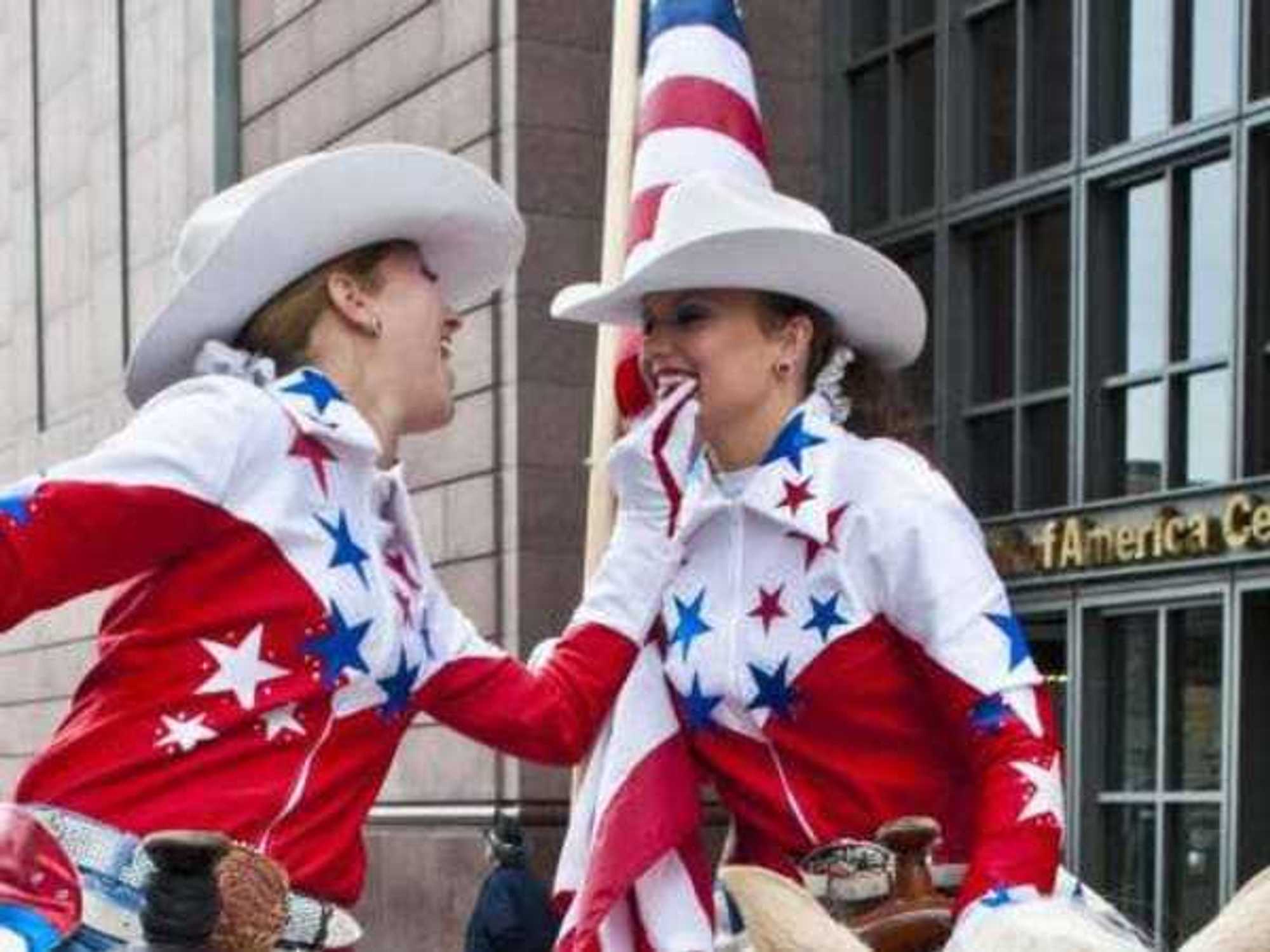
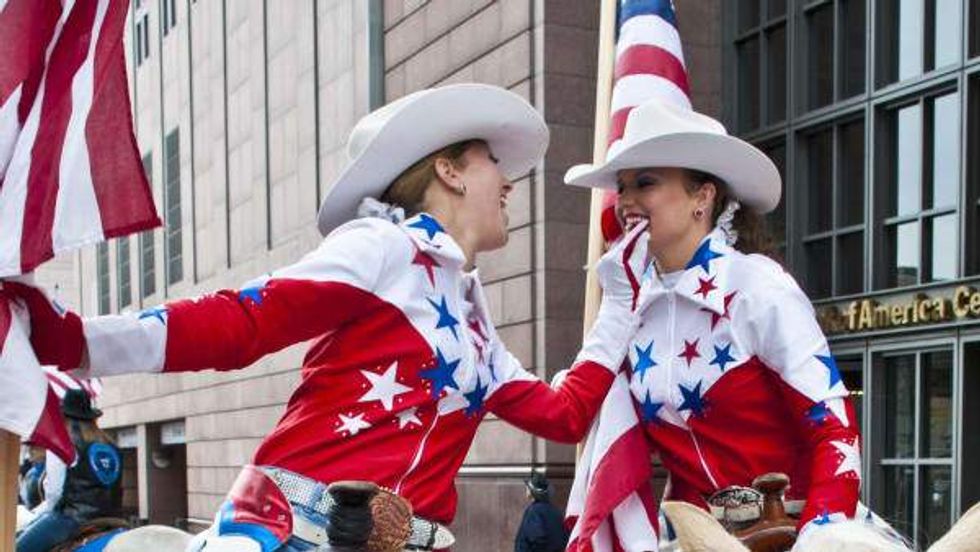
Houston Livestock Show and Rodeo presents Downtown Rodeo Parade
U.S. Coast Guard Petty Officer Scott Ruskan, a rescue swimmer whose lifesaving actions during the Independence Day flash floods in the Texas Hill Country earned national recognition and a commendation during the recent State of the Union address, will serve as the grand marshal of the 2026 Downtown Rodeo Parade. Ruskan will officially launch the 2026 Rodeo season at the parade, a beloved Houston tradition since 1938 that drew more than 2.7 million visitors in 2025. 10 am.
Asia Society Texas presents Indian Film Festival Houston
The Indian Film Festival of Houston and Asia Society Texas will celebrate the cinematic voices of India and the Diaspora with a fresh lineup of feature films, documentaries, and shorts. The highlight will be a screening of Phule, a feature-film biopic of a trailblazing couple who challenged caste oppression and gender inequality in British-ruled India. The screening will be followed by a Q&A with director Ananth Mahadevan. $20 for single screening; $65 for All-Day Pass. 2:30 pm.
Craft Pita and Winnie's present Habibi Night 3.0
Craft Pita is partnering with cocktail bar and grill Winnie’s for the third annual Habibi Night, bringing a lively, one-night celebration of Lebanese culture, food, and music. The menu will feature a mezze-style lineup of shareable appetizers along with sandwiches and cocktails. The evening will also feature Arabic Afro House music by Dr. House and a full hookah experience, creating a festive atmosphere that celebrates Lebanese culture through food, drink and community. 6 pm.
Houston Ballet presents Sylvia
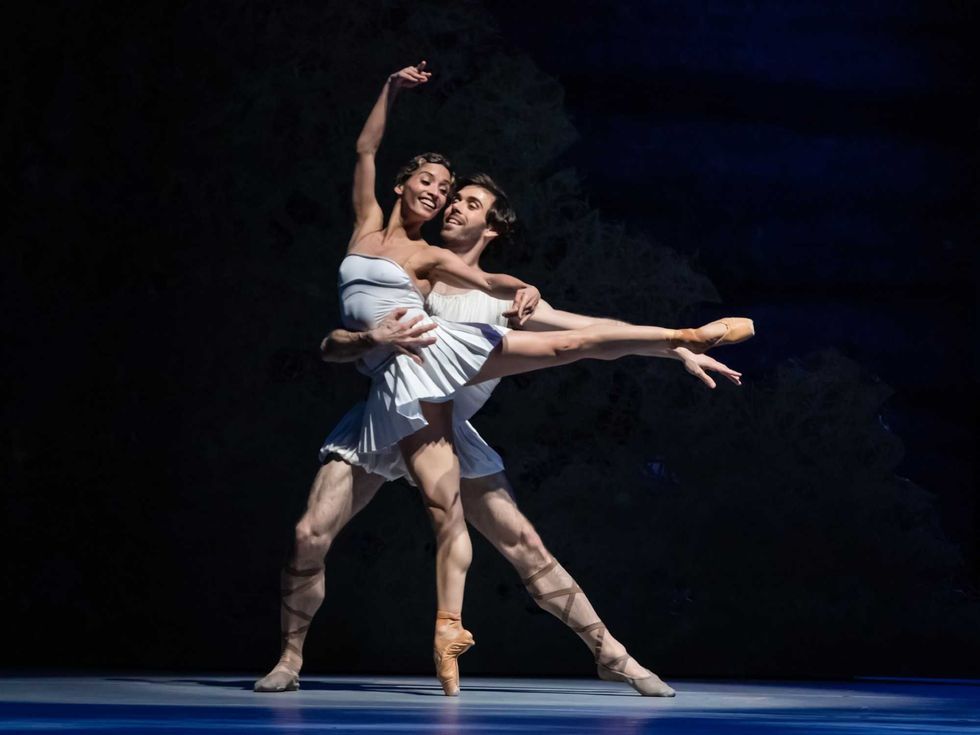
Opening atop Mount Olympus, Stanton Welch AM’s Sylvia blends Greek mythology into a powerful story of love where three fierce women drive the story: fearless huntress Sylvia, commanding goddess Artemis, and compassionate mortal Psyche. Welch’s multilayered narrative dives between mythical and human realms as the three heroines each journey on their own path to love, leading to a tale of mayhem, mischief, magic, and romance. Through Sunday, March 8. 7:30 pm (7:30 pm Thursday; 2 pm Sunday).
Sunday, March 1
Velocity | Sim Racing Lounge First Year Anniversary
Velocity | Sim Racing Lounge is commemorating its one-year anniversary with an all-day celebration at its Sawyer Yards location. The jam-packed party will feature interactive activities throughout the day, culminating in an invitation-only All-Stars Grand Prix. The top three racers will take home year-long Velocity memberships: first place will receive the Ultimate membership, valued at $3,600; second place will receive the Pro membership, valued at $2,100; third place will take home the Racer membership, valued at $1,200. 9 am.
The Museum of Fine Arts, Houston presents Winter Festival “Year of the Horse”
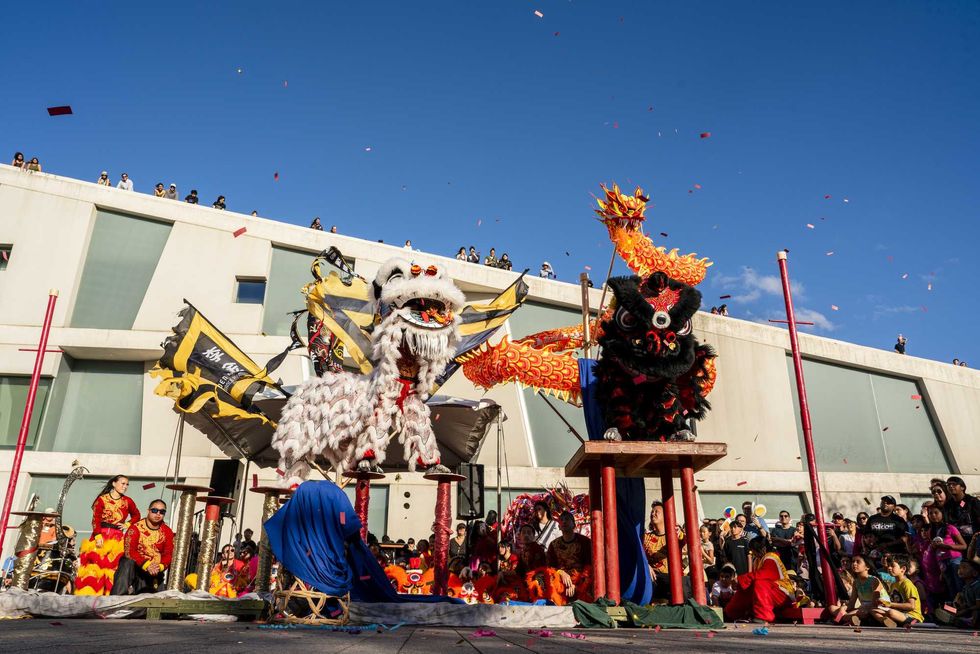
The Brown Foundation, Inc. Plaza and the Cullen Sculpture Garden once again team up for the MFAH’s Winter Festival, which will get its Lunar New Year on and celebrate the Year of the Horse. The day will feature dynamic music, a performance by Taiko Drummers with Kaminari Taiko of Houston, K-pop dancers presented by Han Narea, the North America Youth Chinese Orchestra, a kung fu/tai chi demo from Shi Xing Hao Shaolin Kungfu Academy, and a giant dragon and lion dance from Lee’s Golden Dragon. 1 pm.
Goode Company presents Texas Independence Day Celebration
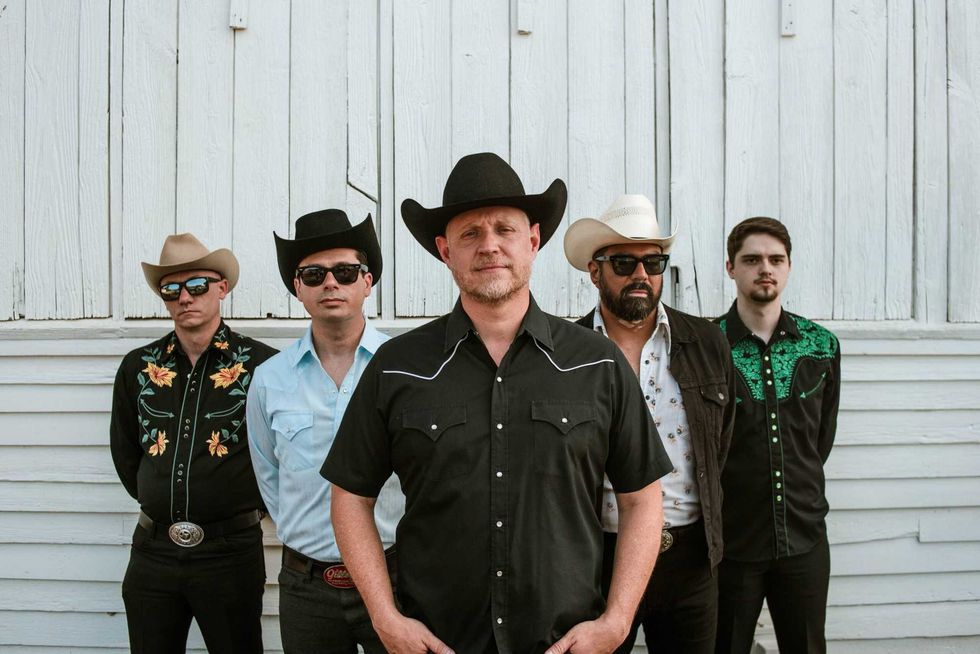
Goode Company and Levi Goode Brands invites folks to join them for a Texas Independence Day Celebration — an event honoring 190 years of the Lone Star State. This event is a way to honor and celebrate the bounty that Texas offers, celebrating with dishes inspired by the unique flavors of Texas. Texas-based country band The Broken Spokes will provide live acoustic accompaniment to the evening’s festivities. 4 pm.
Courtesy of the Houston Livestock Show and Rodeo
The rodeo returns with the cook-off, downtown parade, and more.