Last year, I spent a few days in the Willamette Valley cooking a little, drinking a lot, and slowing down with friends. We zeroed in on the northern part of the valley, right around Yamhill-Carlton, and I’ll just say it’s stunning. Fifty minutes from Portland, halfway to the Oregon coast, farmland rolling into vineyards that feel both grounded and electric at the same time.
We went out there wanting to understand what’s really happening not just with the land, but with the wine. Yes, we all know the headlines: Pinot Noir, Chardonnay, Burgundian influence. And sure, that comparison makes sense. The climate and conditions line up in a beautiful way. But I think stopping there does the place a disservice.
We don’t call Napa wines “Bordeaux-style” anymore, even though the grapes come straight out of that playbook. Those wines stand on their own, shaped by place. Willamette Valley deserves the same respect. These aren’t wines trying to be something else they’re Oregon wines. When we talk about sense of place, we have to actually look at the place.
Chris's favorite Willamette Valley winery
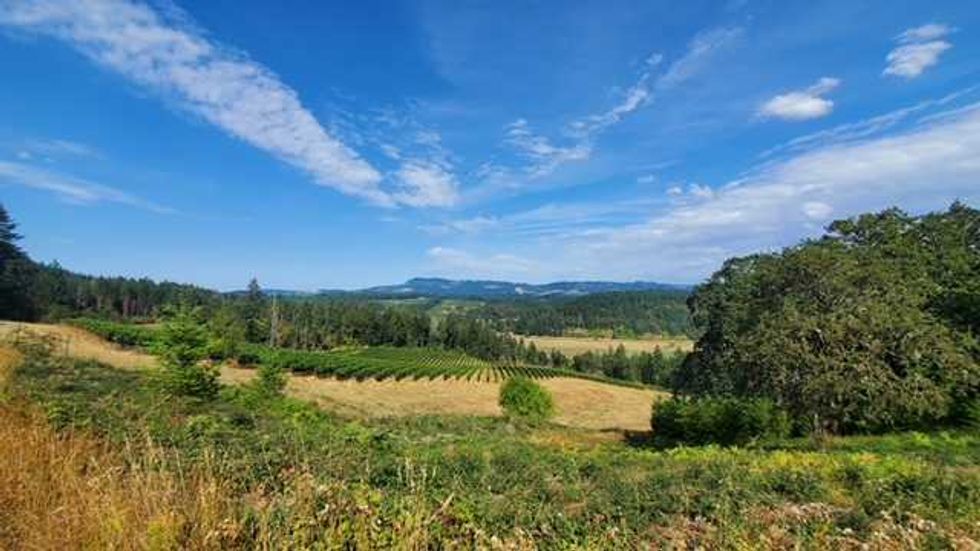
Courtesy of North Valley Vineyards
Greetings from the Willamette Valley.
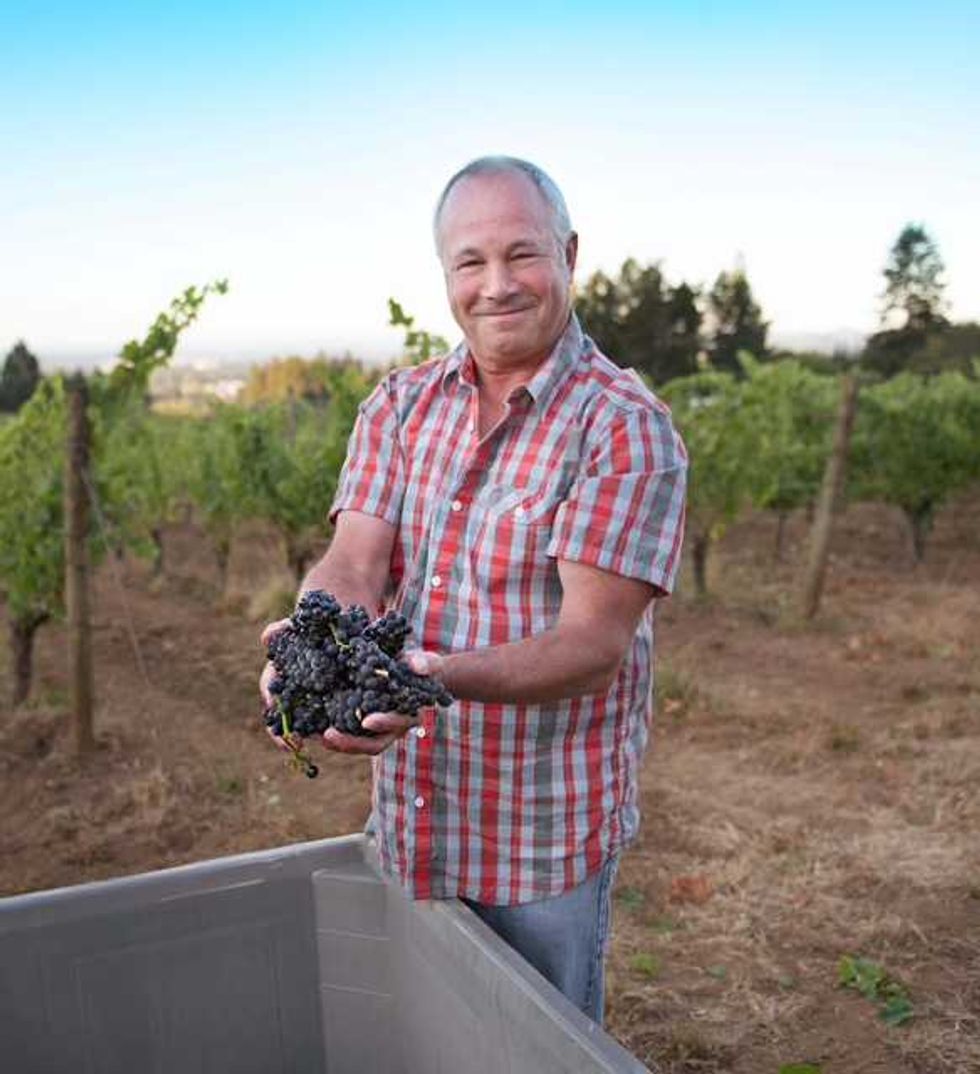
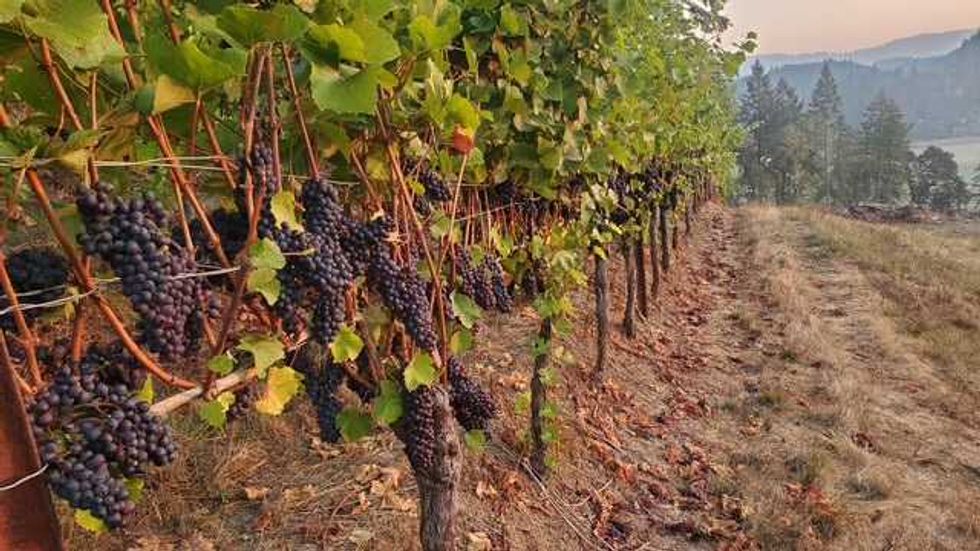
That brings me to James Cahill of North Valley Vineyards. I’ve known James for over 20 years, since his days working with Tony Soter at Soter Vineyards, and he is one of the kindest, most thoughtful humans I know. He’s the kind of person you can listen to for hours. He is calm, measured, and deeply connected to what he does. His friendship is steady, his wines are beautiful, and spending time with him out there really framed what makes this part of Willamette so special.
James works almost exclusively with Pinot Noir and Chardonnay, letting the vineyard do the talking. And the vineyard sites he works with couldn’t be more different, which is exactly why the wines are so compelling.
We tasted through the lineup, starting with Pinot and finishing with Chardonnay (there’s a reason for that). The North Valley Classic Pinot Noir is what you’ll see around town — approachable, priced right, and absolutely delicious. It’s a blended expression of the North Valley, pulled together into one balanced, nuanced statement.
Next up is the Reserve Pinot Noir, built from barrel selections chosen for length, persistence, and depth. These lots come together in a way where the whole is greater than the sum of its parts. It’s a true expression of place.
And speaking of place let’s talk vineyards.
Thoma Vineyard sits in the Dundee Hills, the most recognizable AVA in the region. This is historic ground — the area that helped put Willamette Valley on the map, from Eyrie Vineyards to Domaine Drouhin’s landmark purchase in 1988. Volcanic soils here bring lifted, racy red fruit — juicy, bright, and alive.
North Valley Estate Vineyard is in Yamhill-Carlton, isolated and surrounded by fir trees, rooted in sedimentary soils. You feel it immediately. The wines smell like forest and earth, layered with dark fruit and supported by a strong tannic spine.
Aegrina Vineyard, just south of Yamhill in McMinnville, sits on layered sedimentary soils capped with hard volcanic rock. Wide open, fully exposed like an upside-down bowl catching every element. The result? Big red plum flavors and serious energy in the glass.
Then there’s X Omni Vineyard in the Eola-Amity Hills which is three acres, ten different Pinot Noir clones, all interplanted and undefined. Different ripening times, different textures, different voices. In late August, they green harvest aggressively to level things out and find balance. James calls this wine “a treasure trove of Pinot Noir,” and he’s not wrong.
These are all perfect examples of the types of wines that we are being able to show us a sense of place and that place is the northern part of Willamette Valley.
Willamette Valley Chardonnay
Oregon Chardonnay is in a new chapter. Early on, the wrong clones were planted — big clusters that never quite ripened the way they should. Over time, producers committed to getting it right by using better clones that work better in cooler sites. Less oak. Shorter time in barrel. Barrels being used as nurturing vessels, not seasoning agents.
The goal is purity and they’re finding it.
Think white peach, Asian pear, subtle citrus. Clean, focused, and alive. The North Valley Classic Chardonnay and Reserve Chardonnay show exactly where this region is headed and where it’s already arrived.
These wines aren’t trying to be Burgundy. The nod is there, and it’s respected, but this is something else entirely. Oregon is standing in its own light now, led by thoughtful, quality-driven producers making wines with intention. Wines that ask one simple question: What can we do here that can’t be done anywhere else?
North Valley Vineyards answers that question beautifully, and I’m here for it. The proof is in the glass.
----
What wine region should Chris profile next? Let him know by emailing chris@chrisshepherd.is.
Chris Shepherd won a James Beard Award for Best Chef: Southwest in 2014 and an Impact Award in 2026. The Southern Smoke Foundation, a nonprofit he co-founded with his wife Lindsey Brown, has distributed more than $15 million to hospitality workers in crisis through its Emergency Relief Fund.