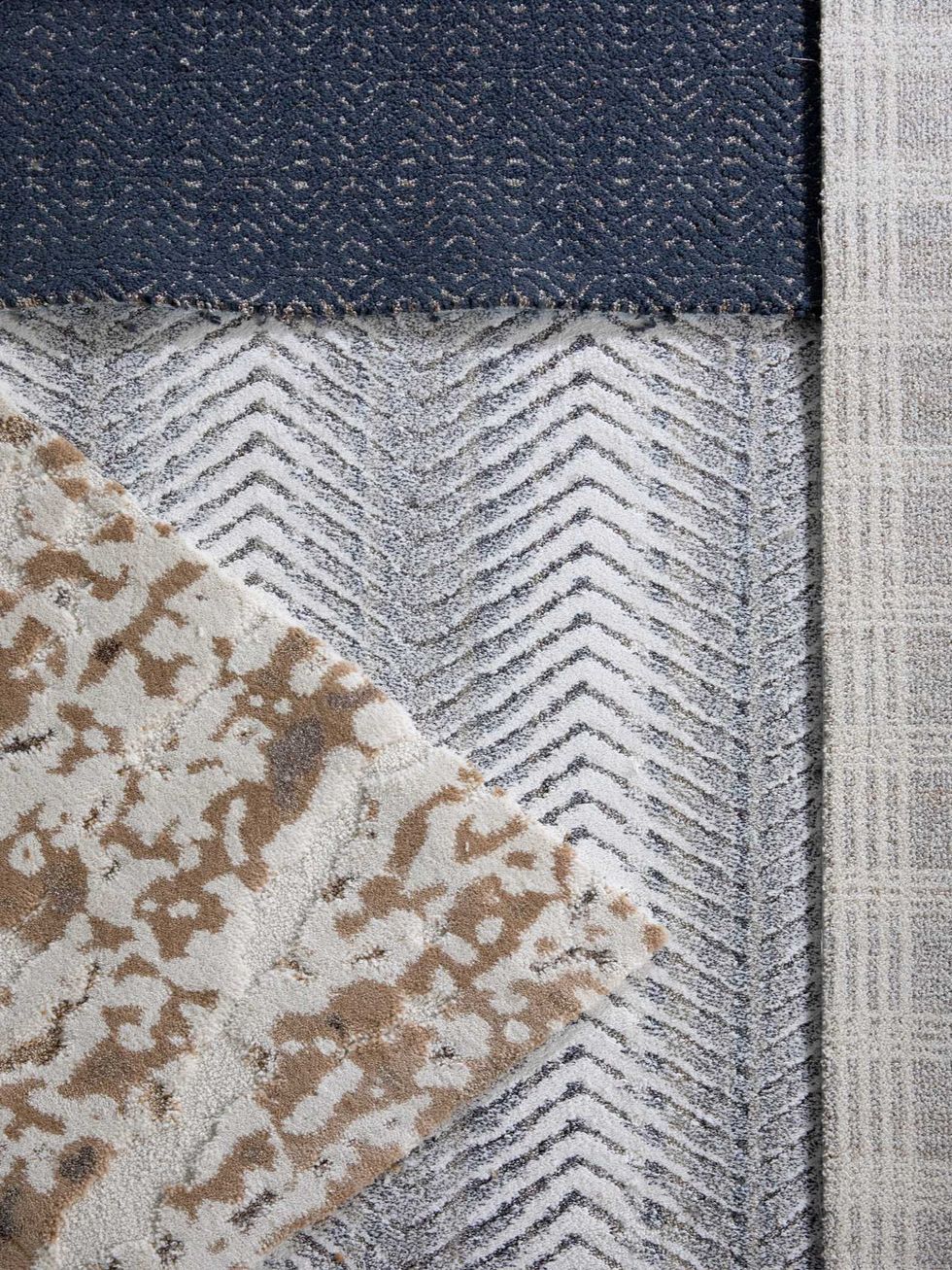
Over the last couple of years, interior design trends have changed dramatically. Cooler tones and stark, institutional-leaning interiors have given way to warmer and much more welcoming environments. This year, designers and consumers are taking this decor trend far past adding an antique here or there, or reintroducing needlepoint cushions to the conversation — flooring has officially joined the chat.
For 2026, we are seeing a return to cozy carpeting, natural wood materials, and a drive to implement no-to-low chemical-based materials into the home. And, just for fun, these materials are coming in hot with playful patterns that reflect the individualism of modern homeowners. The idea that a home must be designed for optimal resale value is clearly in the rear view mirror. We are, as they say, “so back!”
“We’re seeing that designers are creating visual focal points using large-scale geometric patterns, oversized florals, and layered textures,” Bailey Walton, vice president at Anderson Tuftex, tells CultureMap. “Wood, carpet, and tile are all being used to create graphic surfaces that draw the eye and energize the space,” explains Walton. “Whether through pattern, texture, or material mix, flooring is being used to tell stories and define space.”
A growing number of people are choosing to entertain at home, with dinner parties, game nights, and even just a return to hosting casual hangs and movie nights. This renaissance of 90s era entertaining calls for more acoustic-driven decor options, and flooring is answering the call.
“Flooring is being treated less as a backdrop and more as a visual and sensory experience”, says Walton. “There's growing emphasis on how a floor feels underfoot and how it impacts acoustics. Plush carpet, natural wool, and materials with thermal and sound-regulating properties are being prioritized, particularly in homes designed for wellness and restoration.”
In recent decades, carpet was decidedly passé, save for a select few bedrooms and walk-in closets. Now, especially with natural materials returning to the forefront, carpet is getting a second chance.
“Designers are specifying carpeting not just for bedrooms, but for stairs, hallways, and even living rooms. Materials like wool offer sophistication, sustainability, and performance,” shares Walton. “As a design element, carpet introduces texture, tactile, thermal, and acoustic comfort, and color in ways that hard surfaces can’t replicate.”
Overall wellness has become a major factor when designing residential interior spaces. Now more than ever, designers and clients are seeking materials that won’t leech chemicals into their homes, and companies like Anderson Tuftex have taken notice.
“Consumers are increasingly asking about what’s in their flooring. Certifications like Cradle to Cradle and low-VOC labels are now table stakes in the conversation about quality and safety. Flooring that supports wellness and indoor air quality is becoming the expectation, not the exception,” says Walton. “There's accelerating interest in natural fiber flooring, particularly wool. Valued for its sustainability, performance, and beauty, wool offers durability along with comfort underfoot.”
Bailey Walton’s five flooring predictions for 2026
1. Carpet is Coming Back
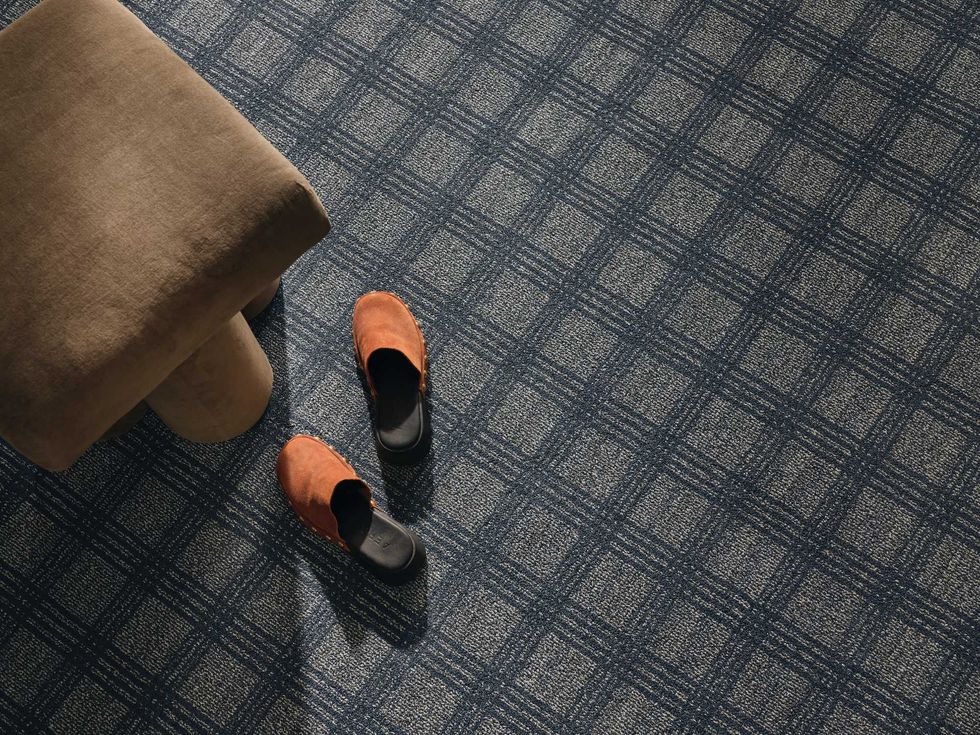
- Refining Color & Texture: Once seen as a default in builder-grade homes, carpet has returned as a deliberate design choice, now offered in refined colors and textures that elevate interiors with both luxury and personality. Designers are using bold, single-color saturated hues to define space and add depth and personality, especially in minimal or architectural interiors — a refined alternative to pattern that lets color shine.
- Beyond the Bedroom: Designers are specifying it beyond bedrooms — on stairs, in hallways, and even living rooms.
- Favorite Fabrics: Natural fibers like wool bring sophistication, sustainability, and performance, while adding texture, warmth, acoustic comfort, and color in ways hard surfaces cannot.
2. Warm Tones In Demand for Hardwoods
- Warm, natural, and honey tones are replacing the light Scandinavian blondes of previous years.
- Smoky midtones and chocolate browns with visible grain are also on the rise, bringing richness and a grounded feel to contemporary interiors.
- Hardwood collections that offer wide plank, herringbone, chevron, and parquet allow for tailored installations that feel personal and site-specific.
3. Materials and Textures Gravitate Toward Lived-In Naturals
- Textured and Patinated Hardwood: Designers are gravitating toward hardwood with visible grain and natural variation that feel authentic and lived-in. Finishes that evolve over time, like wire-brushed or oiled surfaces, add warmth and craftsmanship while supporting the broader return to materials with story and soul.
- Wool Carpet: Demand for natural fiber flooring is growing, with wool leading thanks to its sustainability, durability, and inherent comfort. Its natural stain resistance and temperature-regulating qualities make it a go-to for elevated spaces.
4. Statement Flooring Delivers a Visual and Sensory Experience
- Floors as Art: Through pattern, texture, or material mix, flooring is telling stories and defining spaces. Designers approach floors with the same creativity they apply to walls or furnishings.
- Expressive Patterning: Designers are turning floors into focal points with large-scale geometric patterns, oversized florals, and layered textures.
- Sensory Surfaces: How a floor feels underfoot, and how it affects acoustics, is taking center stage. Plush carpet, natural wool, and materials with thermal and sound-regulating properties are prioritized in homes designed for wellness and restoration.
- Textiles as Architecture: Rugs and carpet are moving vertically, more often used as wall hangings or architectural textiles, they visually soften spaces while improving acoustics.
5. Curious Consumers Drive Health-Conscious Specification: Cradle to Cradle and low-VOC labels are now expected, and flooring that supports wellness and indoor air quality is becoming the new standard.
Anderson Tuftex is available at over 60 retailers in the Houston area. Find one here. Designers should check out the new Trade program here.
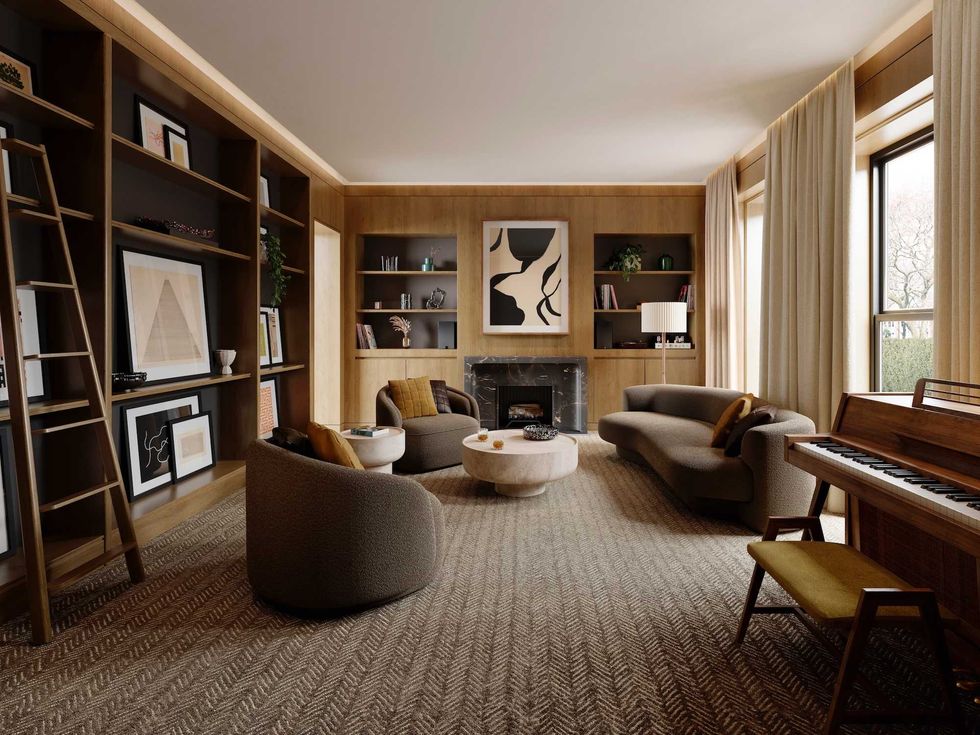
Courtesy of Anderson Tuftex
Sophisticated stripes add depth and a cozy acoustic quality to game nights.