While I’ve still sweeping out the last of the onion ring dander from my moustache from the 2026 Houston Livestock Show and Rodeo, a dream lineup for RodeoHouston 2027 is already taking shape in my bald head. It’s a delicate science, really. Balancing the traditional "King George" energy with the modern, genre-bending stars that keep the stadium seats packed until the artist rides off on a horse, Ford truck, or a SLAB.
A specific kind of magic happens when the rotating stage starts to spin at NRG Stadium, and while the 2026 lineup gave us everything from the nostalgia of Creed to the powerhouse vocals of Kelly Clarkson, my eyes are already fixed on 2027.
With the way the current touring landscape is shifting, the possibilities for next year’s RodeoHouston are wide open. In 2026, female acts were much bigger draws than ever, so don’t be surprised if men are in the minority next year.
With that, here are my annual suggestions for HLSR’s consideration. Let the record reflect that seven of last year’s predictions came true. How about at least eight in 2027?
Braxton Keith
Like Zach Top before him, Braxton Keith represents the "throwback" sound that Houston’s traditionalist fan base craves. Throw in some George Strait covers, and he’s a lock to make the jump from rodeo cookoff headliner to the varsity team.
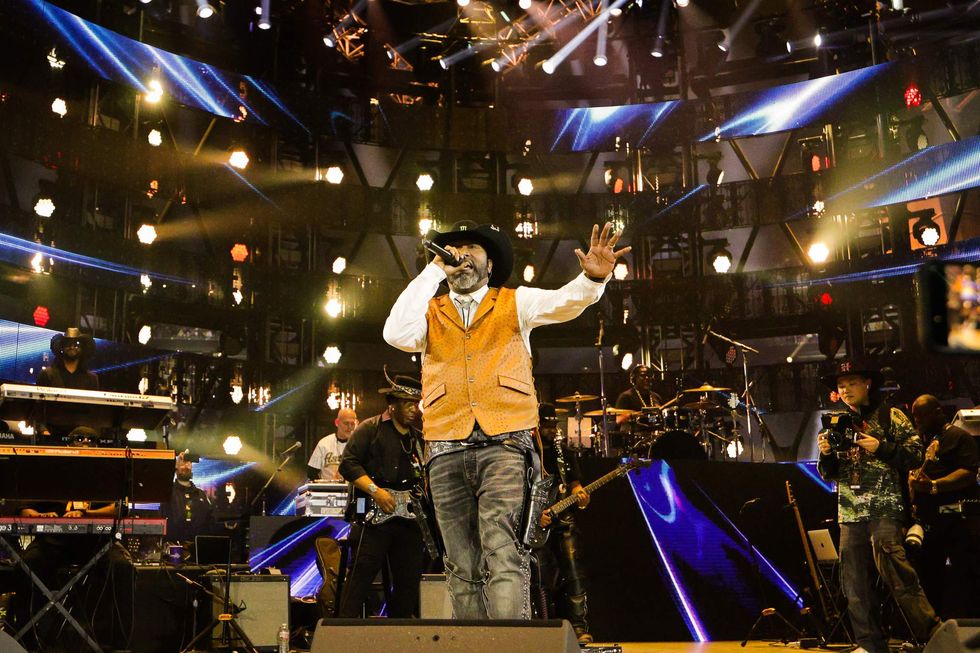
Bun B Returns
In 2027, a "Southern Soul & Blues" Takeover featuring artists like Gary Clark Jr., Nicky Diamonds, and Leon Bridges would be a massive draw. Heck, let’s throw in Khruangbin while we’re at it.
Ella Langley
I am calling my shot now that Ella Langley will open RodeoHouston in 2027, like her duet partner Riley Green did in 2026. Her single “Choosin’ Texas” was ubiquitous this rodeo season, and I am pretty sure I heard it blaring from every carnival booth and even the restroom line inside NRG Center.
Flatland Cavalry
They have spent the last two years systematically checking every box required to graduate to the NRG Stadium stage. In 2024, they were headlining White Oak Music Hall. This summer, they are co-headlining the Cynthia Woods Mitchell Pavilion with the Randy Rogers Band.
Goo Goo Dolls
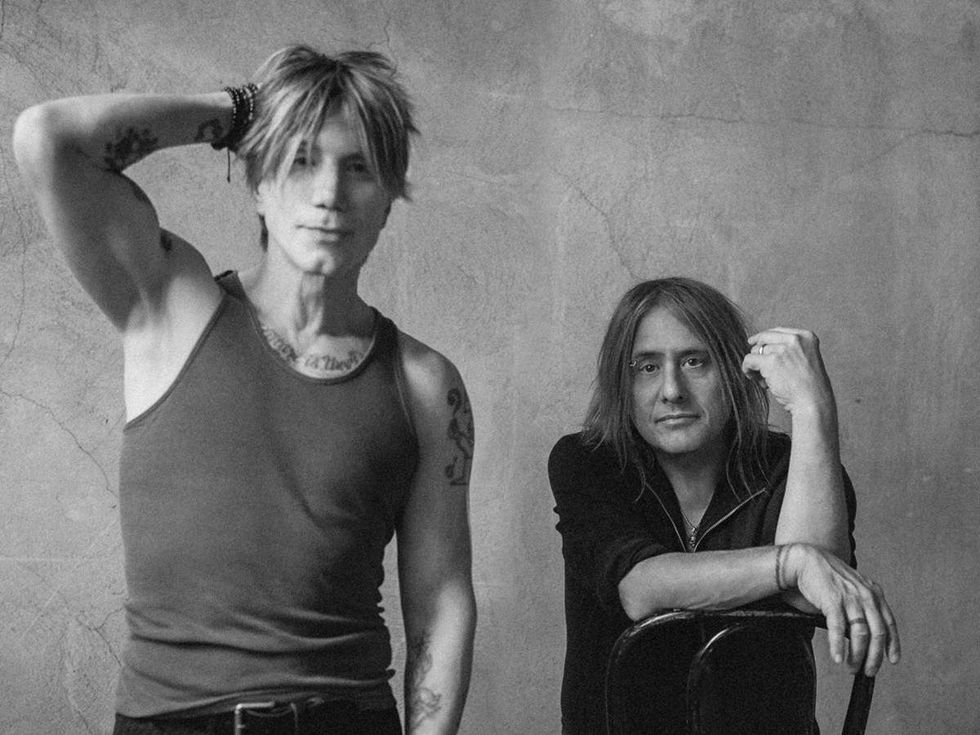
Thanks to a few million trending viral videos, younger generations have a newfound obsession with the Goos. Sure, “Iris” was nice, but we all know that the best single off of 1998’s “Dizzy Up The Girl” was “Broadway.”
Incubus
As long as we’re doing the millennial dad rock thing, let’s have Brandon Boyd shirtless in a cowboy hat for the soccer moms singing “Interstellar” while their children divert their eyes.
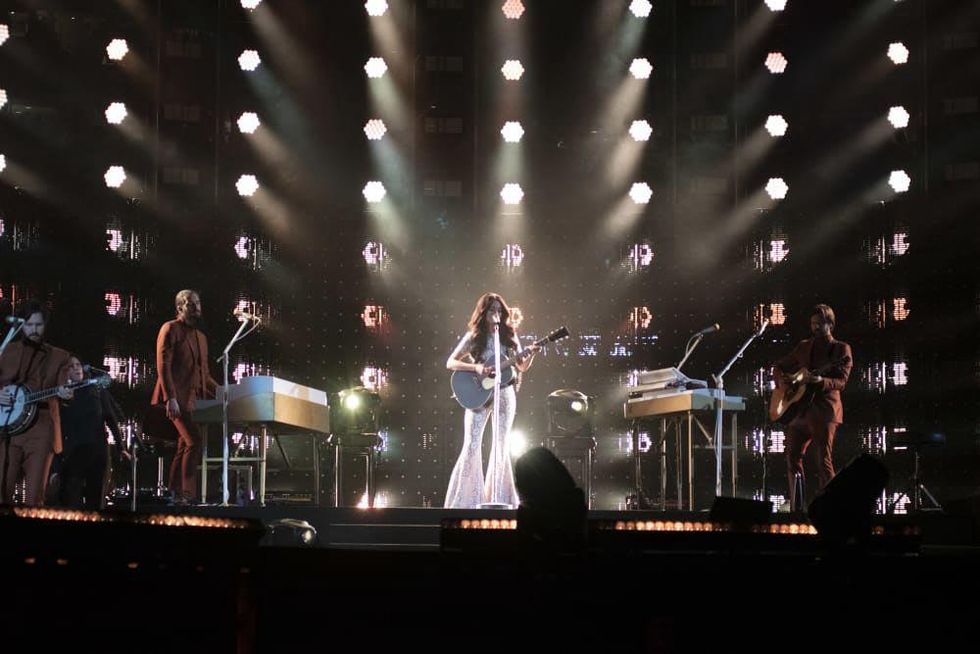
Kacey Musgraves
It’s time for Kacey to return to RodeoHouston as her next album cycle seems to be telegraphing a hard right turn into traditional country, but ya know, hornier.
The Killers
Now a 2000s legacy act with huge international appeal, The Killers would be an easy sellout at NRG Stadium. They’ve even admirably covered Kenny Rogers in the past, and lead singer Brandon Flowers has always dressed a little tonk-ish. Set closer is “Mr. Brightside,” and all the elderly millennials trudge hastily out into the concourses because Gen-Alpha babysitters charge like $40 an hour now.
Miley Cyrus
It’s time for Miley to enter her true, country music era and not just save it for one-off singles and collaborations.
P!nk
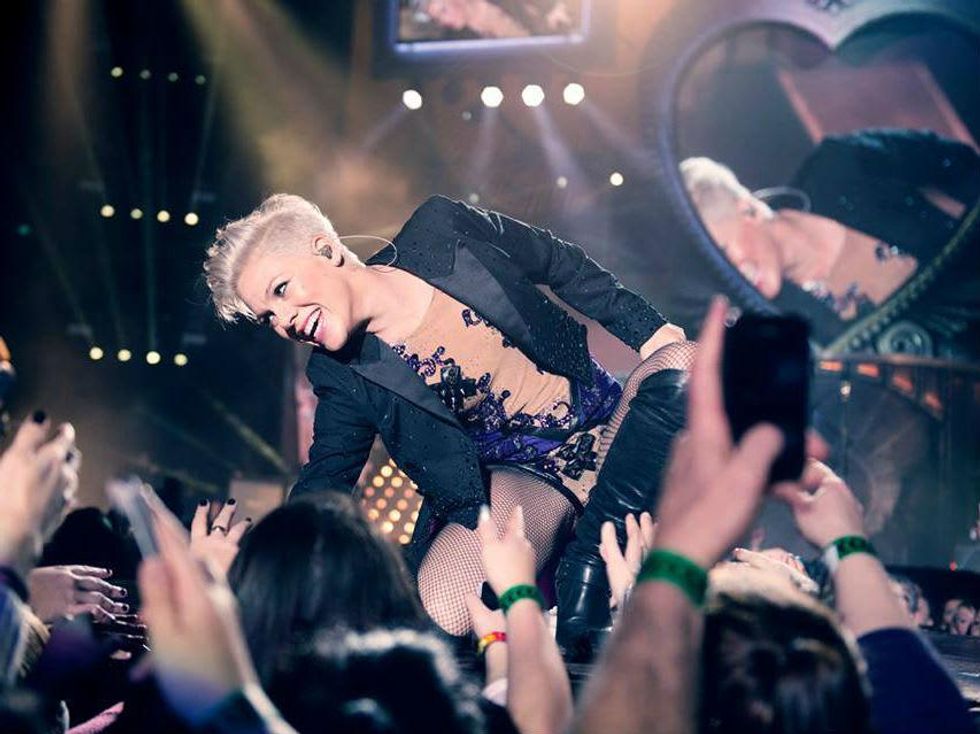
It’s astonishing that P!nk has never played RodeoHouston, granted her shows feature tons of aerial stunts and feats of strength. Maybe she could be the first musical performer at the rodeo to compete in the actual rodeo beforehand?
Post Malone
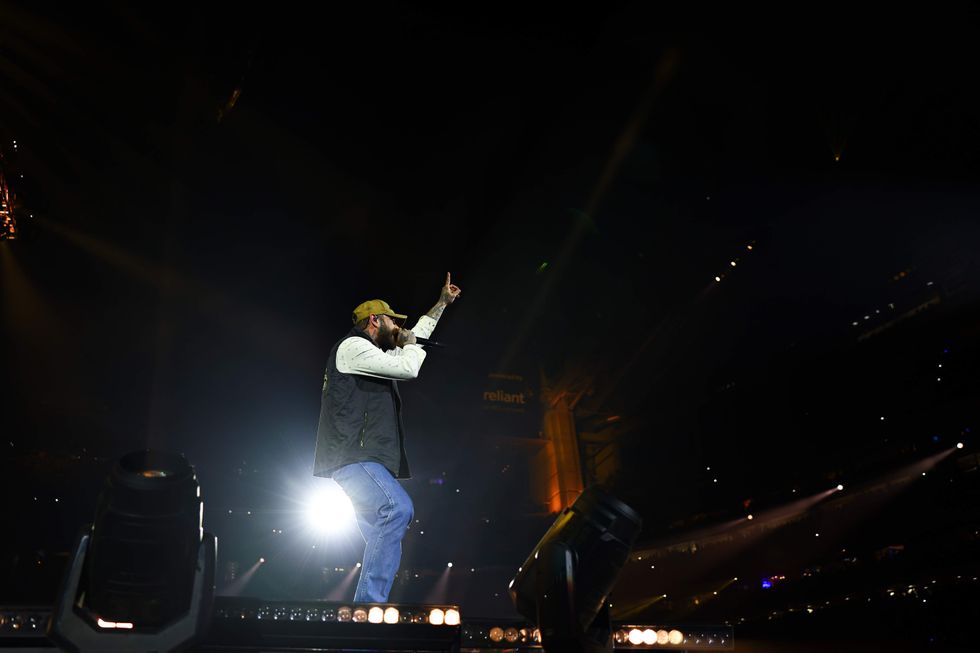
Posty is the rare artist who satisfies the hardcore country fans (with his 90s-style hat act) and the rap fans (with his decade of hits). Having drawn more than 70,000 people in 2025, he’s the safest bet for a record-breaking attendance night. He’s due for a new album soon, too, and programming this one on the last official Sunday of rodeo, like Cody Johnson, would break records especially with some like-minded openers.
Sheryl Crow
Sheryl Crow is the perfect rock and country hybrid who has never actually played a solo headline night at RodeoHouston. Her catalog of hits is tailor-made for a stadium singalong, just like Kelly Clarkson.
Sierra Ferrell
I’m just gonna keep asking for this until I get it. Her next album cycle is looming and her Dolly-esque style -- with piercings and tattoos thrown in the mix -- would make her counterprogramming for the likes of Megan Moroney and Carly Pearce.
Stephen Wilson Jr.
Stephen Wilson Jr. is one of the most logical "next up" candidates for the rotating stage. His trajectory is mirroring guys like Koe Wetzel and the Red Clay Strays, both of whom just made their rodeo debuts in 2026. His self-described "Death Cab for Country" sound resonates.
Tyler Childers
This is one where I would love him to play, but keeping him to 45 minutes seems like a sin. Is he too political for RodeoHouston? Well, somehow Oliver Anthony played in 2024 and the world didn’t end.
The War and Treaty
This husband-and-wife duo would bring a level of vocal power and "tent revival" energy that has been missing at RodeoHouston. They’ve been staples at the CMAs and Grammys for the last two years, too.
Zach Bryan OR Zach Top
Which of the two top Zachs would you prefer? Flip a coin. Either way, you’re going to need to order more beer for the concession stands.
Courtesy of the Houston Livestock Show and Rodeo


 Drake may have dissed Megan on his latest release.
Photo by Chinh Phan
Drake may have dissed Megan on his latest release.
Photo by Chinh Phan