To think that George Lopez — the funny man who penned jokes like, "Barack Obama may be black, but John McCain is the first albino presidential candidate: he's completely see-through" — has a serious side is inconceivable to those who know the comedian from his stand up routines and his TV series.
But to think that he doesn't is just silly.
When Lopez stopped over in Houston sign copies of his released tome, I'm Not Gonna Lie: And Other Lies You Tell When You Turn 50, he showed a different side of his personality, one that's seasoned with the triumphs and challenges that come with being a high-profile entertainer.
Looking back at what he's learned, Lopez dishes recommendations for joining the fifth decade club. His sage advice? Take control of your health, eat right, work out regularly and live in the moment.
And whatever you do, never forget to enjoy yourself.
Check out Houston Style Magazine's video interview, hosted by reporters Samantha Vallejo and Manuela Gomez at Brazos Bookstore, in which Lopez chats about the ground rules that have helped him stay on track for so many years.
Editor's note: Hidden Houston, an interactive multimedia series, aims to reveal the many things that are unique about the Bayou City and its surrounding areas.
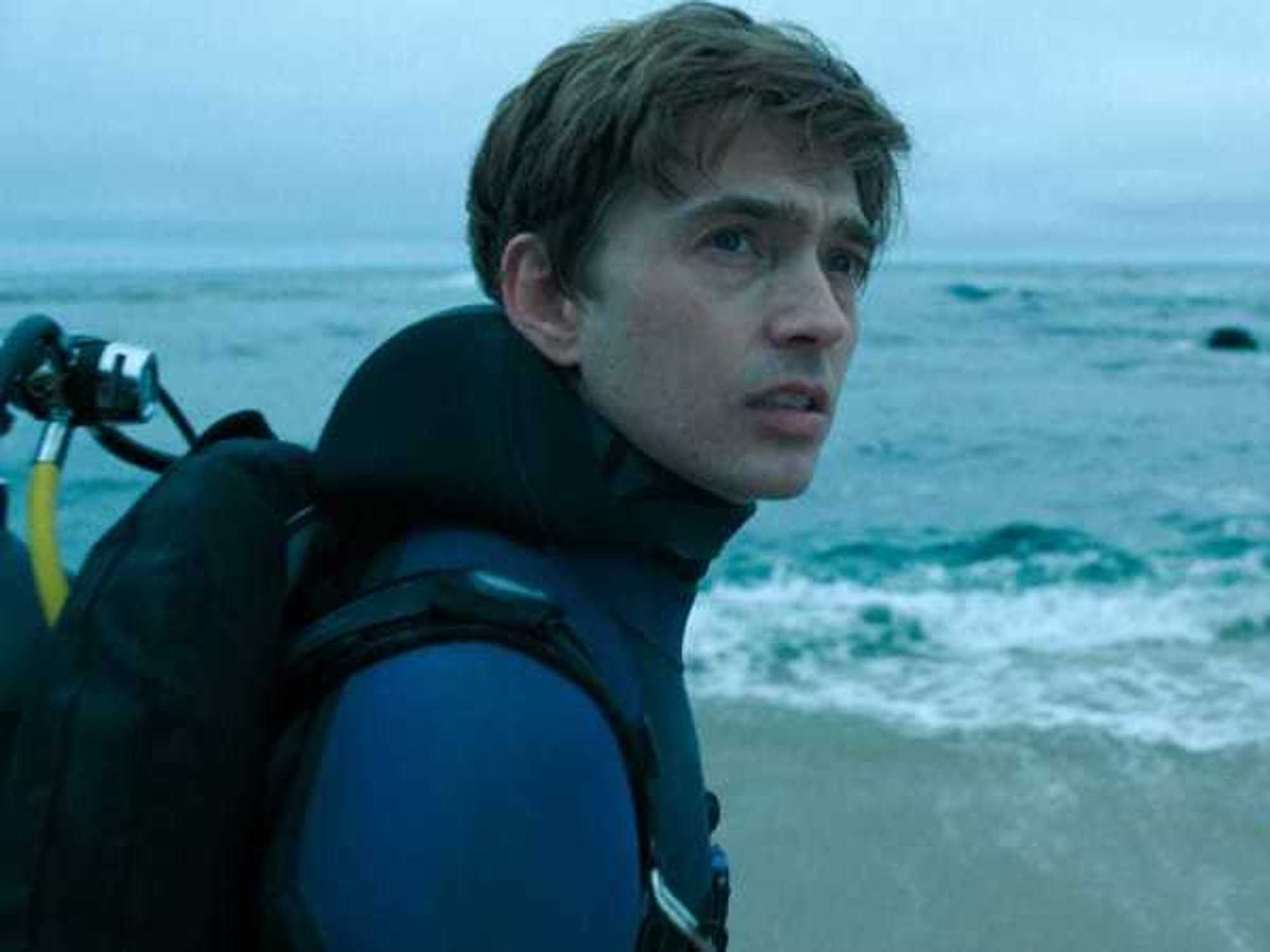
Austin Abrams has been a professional actor for 15 years, but the 30-year-old seems to just now be getting his due. After years of mostly supporting roles in films like Paper Towns, Brad’s Status, and Weapons, he has been charged with leading two films in 2026 where he’s largely acting by himself: First Resident Evil and now Whalefall.
Abrams plays Jay Gardiner, who has returned home to California a year after the death of his hard-ass father, Mitt (Josh Brolin). The two had a tempestuous relationship, and while his mom (Elisabeth Shue) and sisters (Jane Levy and Emily Rudd) reminisce fondly about him, Jay finds it difficult to come up with good memories. The two did share a connection with the ocean, and Jay decides to honor him by going scuba diving.
Ignoring warnings of whale activity in the area, Jay makes his way out into a notoriously dangerous part of the ocean near their home. Soon after he starts swimming, he encounters a sperm whale chasing after a giant squid. Jay inadvertently gets sucked into the enormous creature’s mouth and, ultimately, inside its body. Faced with a seemingly inescapable situation, Jay’s only hope lies in the lessons his father taught him.
Directed by Brian Duffield and adapted by Duffield and Daniel Kraus from Kraus’ book of the same name, the film is at its best when it depicts Jay struggling to survive within the whale. The claustrophobic nature of the setting and the various obstacles (multiple contracting chambers, the squid, and more) he faces make every scene inside the whale feel as intense and cover-your-eyes scary as any great horror movie.
Naturally, the entire movie can’t be about his survival efforts, and so the filmmakers toggle back and forth between Jay’s ordeal in the whale to memories of times with his father. Not so coincidentally, these remembrances come with subtle or overt wisdom from Mitt that would serve Jay well in his current situation. More often than not, these flashback scenes are so on-the-nose that they come off as cheesy instead of inspirational.
It’s also difficult to derive any big emotions from the story other than revulsion at the way Jay’s body is brutalized while he’s inside the whale. None of the characters in the film receive a notable introduction to the audience before big events start happening. It’s next-to-impossible to be invested in their stories when their personalities are being revealed in bits and pieces throughout the movie.
Abrams does well enough in bringing out the terror Jay feels in the whale and the sullenness/anger he has toward his father in other scenes. But whether it’s because his lines in the whale are hard to understand (he’s often talking around a scuba mouthpiece) or the disconnect the character has with father, there’s just something missing in his performance. Brolin’s performance is one-note, and Shue, Levy, Rudd, and John Ortiz don’t appear enough to make a big impact.
With Kraus onboard as the co-writer of the film, it may be the case that Duffield was not given leeway to change the story of Whalefall too much. What might have worked in the book doesn’t seem to translate equally to the film, and while Jay’s nightmare in the whale is effective, the rest of his story doesn’t come across as successfully.