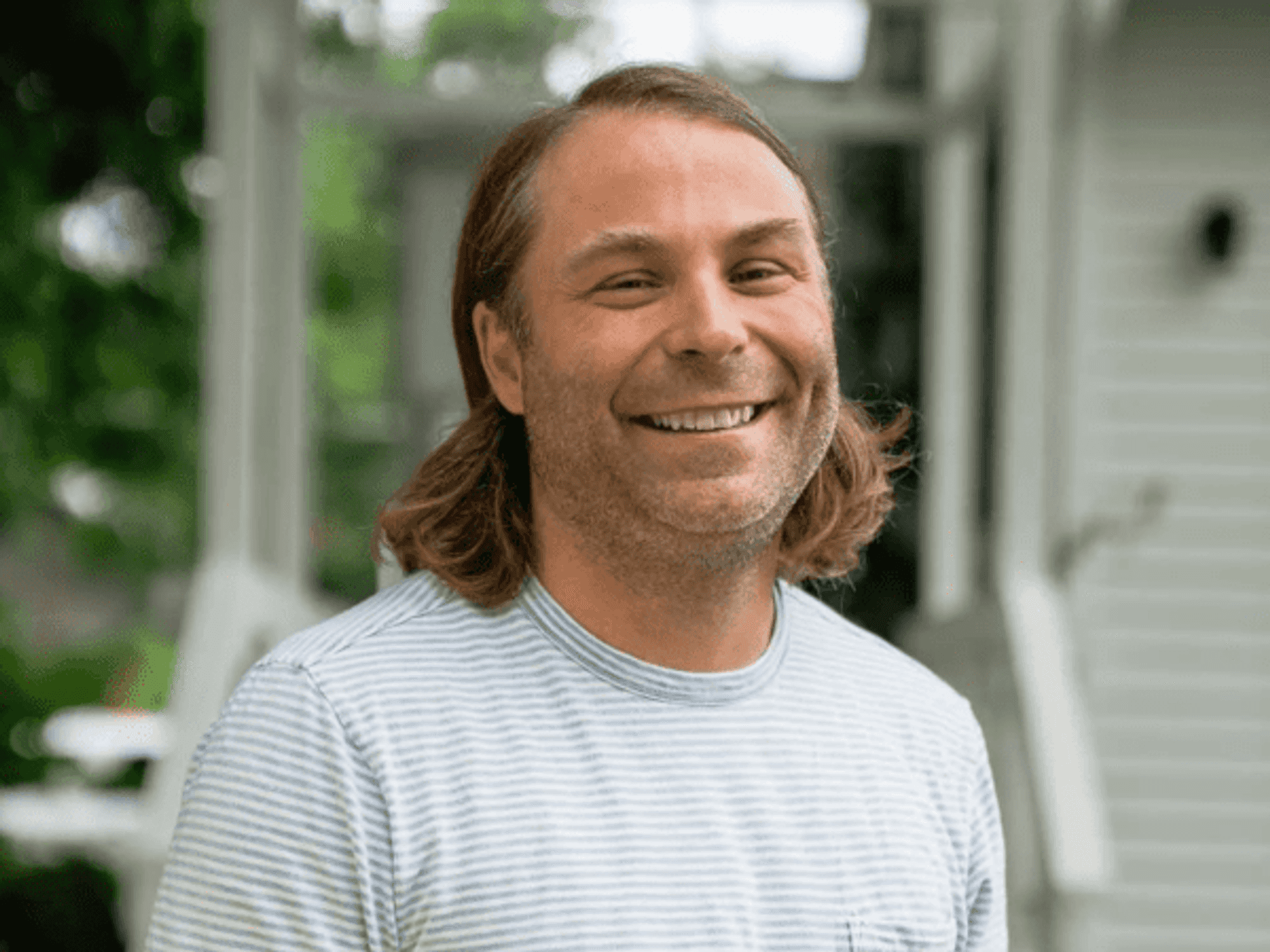
A bold new plan is taking shaping that will bring a world-class golf course and Michelin-quality restaurant to Houston. Called The Burn Club at Cypress Forest, the proposal aims to transform the former Raveneaux Country Club into a Scottish, links-style course with a restaurant by Michael Fojtasek, chef-owner of Michelin-starred Olamaie in Austin.
The project is being led by Grover Smith, a hospitality professional with a resume that includes time at Austin’s Foreign & Domestic as well as Houston restaurants such as The Pass & Provisions and Bernadine’s. More recently, Smith operated Indie Chefs Week, which held a series of dinners around the country to showcase up-and-coming culinary talent.
Smith has submitted a proposal to the Cypress Forest Public Utility District, the government entity that owns the roughly 200-acre property, to lease the land to him for The Burn Club. Using an innovative nonprofit structure, the club would include two restaurants that will be open to the public, a casual concept called Campfire and a more elevated restaurant that's still unnamed.
The restaurants
As Fojtasek tells CultureMap, he and Smith reconnected via a mutual friend who knew they both loved golf. Chef Fojtasek is a regular at downtown Austin’s Butler Pitch & Putt, a par-3 golf course where he operates a food truck called Gimme Burger.
That experience informs his plans for Campfire. Open for breakfast, lunch, and dinner, the restaurant will serve sandwiches, burgers, and comfort food such as fried chicken and a chili-glazed pork chop.
As for the more fine dining-style restaurant, Fojtasek cites Maie Day, his Michelin-recommend steakhouse at the South Congress Hotel, as a starting point for the menu.
“I don’t want to call it a steakhouse, but certainly a live fire aspect,” he says. “A restaurant that speaks to what I want to cook, and the dining experience that we want to offer in relation to a place that feels easy to go to.”
The restaurant’s menu covers a wide range, with starters such as black pepper potato chips with smoked trout roe, tasso ham spoonbread and crab salad, Texas beef tartare, and a throwback chilled tomato aspic. Entrees could include whole grilled red snapper, a tomahawk ribeye, and barbecue grille shrimp.
“It’s mostly American fare,” he adds. “That’s the vernacular that I’ve traveled in for a long time. Taking some ideas from Olamaie and Maie Day and putting them together to create something that’s good for the neighborhood and folks who live around there.”
The neighborhood
Count area resident Braxton Watson as one of the plan’s supporters. He and some of his neighbors recently launched a website to urge other area residents to lobby the PUD board to consider Smith’s proposal, which includes reduced greens and membership fees for homeowners who have already contributed their tax dollars via a bond referendum that was approved in 2025.
“The problem is we don’t vote on [how to use the land],” Watson says. “People want to know what they can do to help. Be vocal. Share your comments with the PUD. The more and more people we talk to who have no idea what’s going on is frustrating. Our tax dollars are funding the purchase of this land.”
Watson got a first taste of Fojtasek’s food at a private party Smith held for friends and neighbors. “I’m excited about Michael’s restaurant. Olamaie is amazing. We thought it was an unbelievable deal,” he says.
The golf course
Smith has assembled a veteran team to help bring the Burn Clubs to life, including golf course architect Mike Nuzzo, former PGA Tour player Steve Elkington, architect Alex Warr, and golf course builder Heritage Links.
Members of the PUD board are also considering a proposal from the Dunn Golf Group, which operates courses in Amarillo, San Angelo, and the Dallas-area town of Rockwall. CultureMap reached out to a PUD board member for comment on the proposals but has yet to receive a response.
Still, Fojtasek has a simple message for his potential landlords.
“There are two young and hungry operators with great experience, looking to do something for the neighborhood and offer something that’s exceptional for a good value. I think the project is unique and interesting from the perspective of a golf outing . . . that can shine a light on Spring and also Houston at large”