For this week’s Wine Guy column, we are going to talk about one of my favorite wineries right now — Forlorn Hope. Yep, I have mentioned them from time to time, and you will see them on my Instagram, as well, but we are going to dig a little deeper today.
I had the opportunity to drive out to the vineyard and winery a couple of weeks ago and meet with winemaker Matthew Rorick. Rorick Heritage Vineyard is located is Calaveras County that is just outside the Sierra Foothills. I think we need to take a deep dive into the formation of The Sierra Foothills so you can start to understand how special this place is, not just to this county but to all of the Central Valley which is a massive wine/produce growing region.
A little geologic history
The Sierra Nevada foothills in California were formed primarily through a combination of tectonic plate collision and subduction, followed by subsequent erosion and uplift. Here is what has happened recently out there that makes it important (by recently I mean the last significant surge around 3 to 5 million years ago): the Sierra Nevada region experienced renewed uplift and tilting to the west. This uplift is thought to have been caused by various factors, including the removal of a dense "root" beneath the range and isostatic adjustments. The mountains essentially rose along a massive fault system on their eastern side, tilting the entire block westward.
As the Sierra Nevada was uplifted, erosion by glaciers, rivers, and other forces gradually exposed the granite core and shaped the landscape, including the foothills. The erosion also removed much of the volcanic rock that initially covered the granite. This is also the area where the California Gold Rush happened in the late 1840s.
Why is this important to the Rorick Heritage Vineyard? Well, for one, I thought one of the first things I saw when visiting the vineyard were big chunks of marble, but I was wrong. It was limestone. Why is limestone important? Limestone in California vineyards is prized for its ability to provide excellent drainage, retain moisture, and contribute to a mineral-rich soil profile, all of which can enhance vine health and wine quality. Specifically, its porous nature allows water to permeate through the soil, preventing waterlogging while still retaining enough moisture for dry spells. This, combined with the calcium carbonate content, which is crucial for vine growth, helps produce grapes with balanced characteristics and contributes to the distinctive minerality often found in wines from these vineyards. This vineyard is absolutely filled with it so it produces fantastic grapes for the wines.
The Forgotten Grapes
Forlorn Hope focuses on the underdogs, the old school varietals, the forgotten grapes. Or as they call them, the Rare Creatures. Wines like Verdelho, Picpoul, Semillon, Pineau d’aunis, Mouvedre and Trousseau noir.
Yes, you have probably heard of these varietals before, but they’re unusual for California. You know Chardonnay, Sauvignon Blanc, Cabernet, Pinot Noir, and Zinfandel all are delicious as well. The varietals that Forlorn is using are grafts from other winemakers that were brought here over the past 100 years or longer.
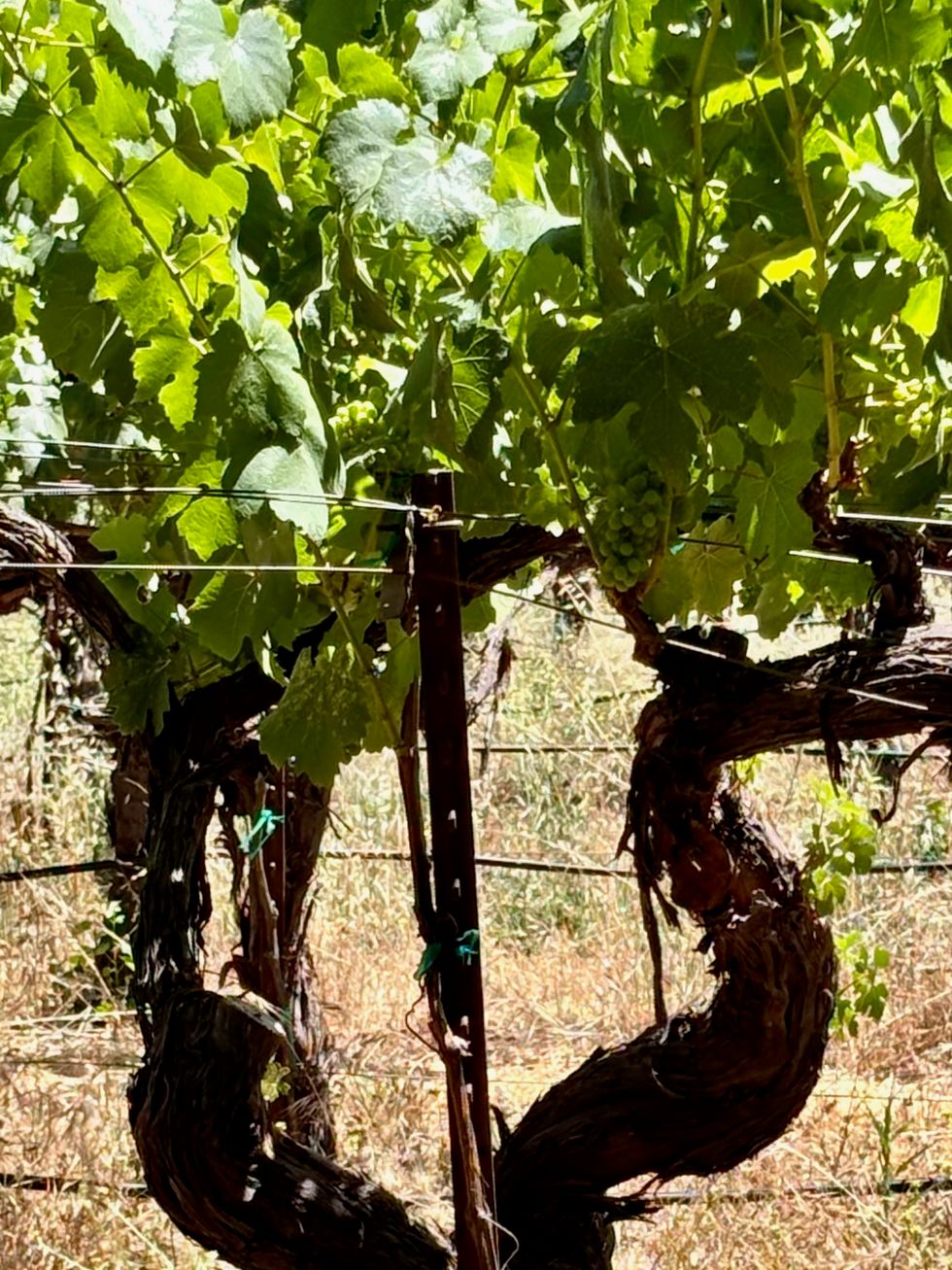 These Wente clone Chardonnay vines are over 50 years old.Photo by Chris Shepherd
Take the Chardonnay that is planted on the vineyard. It is the old Wente clone and has been planted for over 50 years at this point. Is all this special from a historical and delicious aspect? Yes, absolutely, because it’s not just what happens in the vineyard. The production methods that are used after picking also matter.
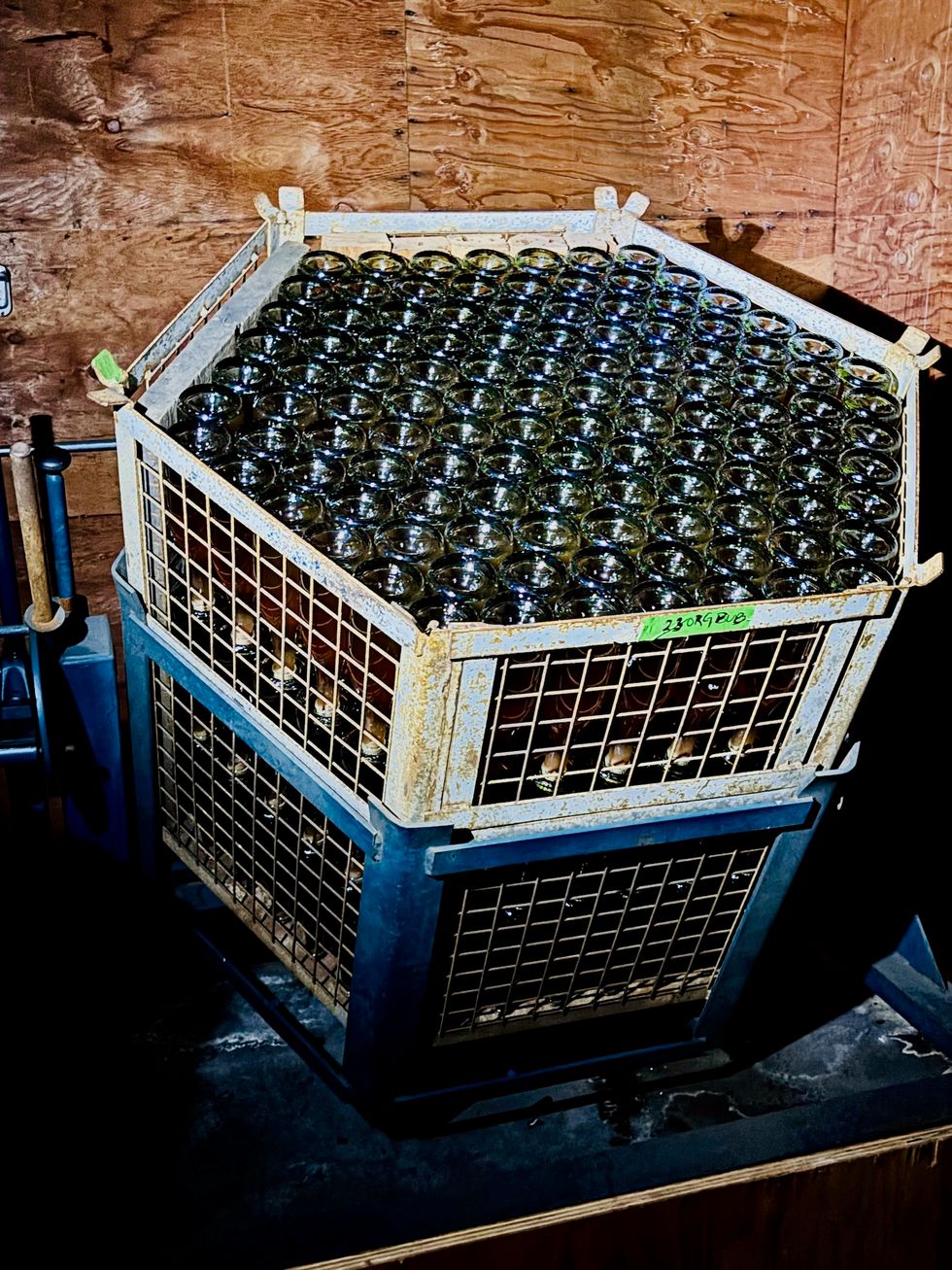
Once harvested, the grapes (depending on varietal) are pressed, either left on the skin or not, and left to the wishes of the natural yeast in the air. It goes through fermentation and either sits in stainless or, more traditionally, toasted new oak barrels until finished. Not at Forlorn Hope — they use old neutral barrels that let the grape and the vineyard speak for themselves. You get a clean taste of what that varietal and terroir taste like. It’s brilliant. Matthew’s partner Mara studied sparkling wine production in Northern California, and they have instilled a delicious sparkling program as well so you can have wines like Sparkling Rosé of Mondeuse.
What am I trying to tell you? If you want to try something different in your life and you love to learn, then Forlorn Hope is for you. It’s a club that we joined in 2021 and have been in love with every shipment. It’s not a wine you cellar because they have already done that for you. On one shipment, we got 3 vintages of semillon — 2014, 2015, and 2016.
This winery is fun, thoughtful, thought-provoking, and absolutely delicious without breaking the bank. I would say order some bottles off the website to try and then figure out if you want to join the club. Then start asking all your restaurants and wine shops to start carrying them as well. What they are doing matters, and we should celebrate it.
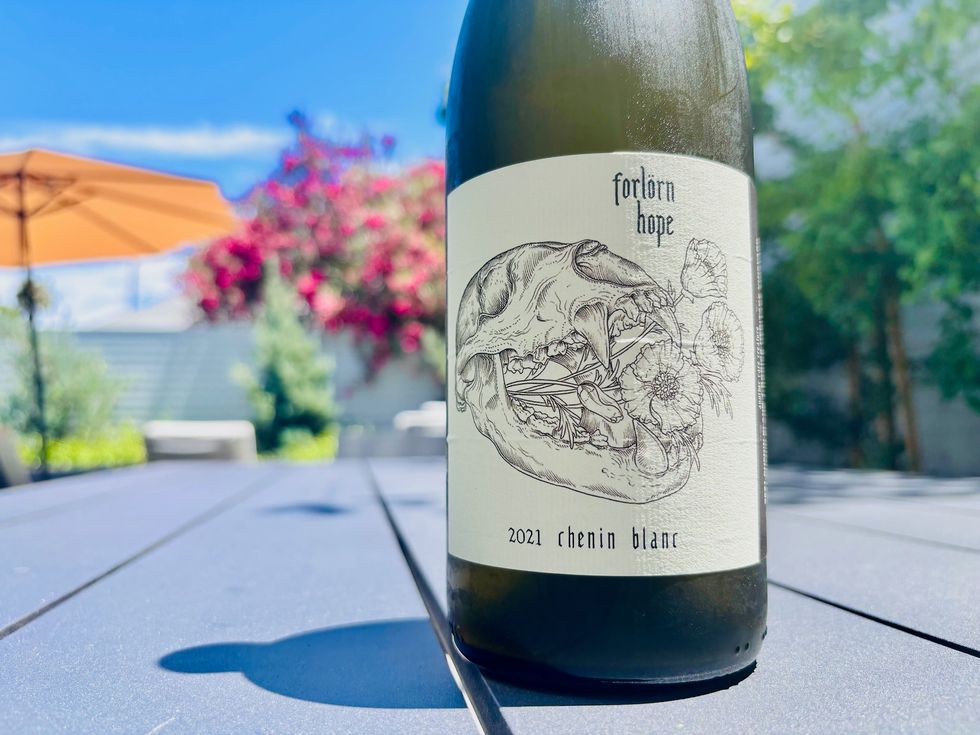
Photo by Chris Shepherd
Our Wine Guy recommends trying Forlorn Hope.
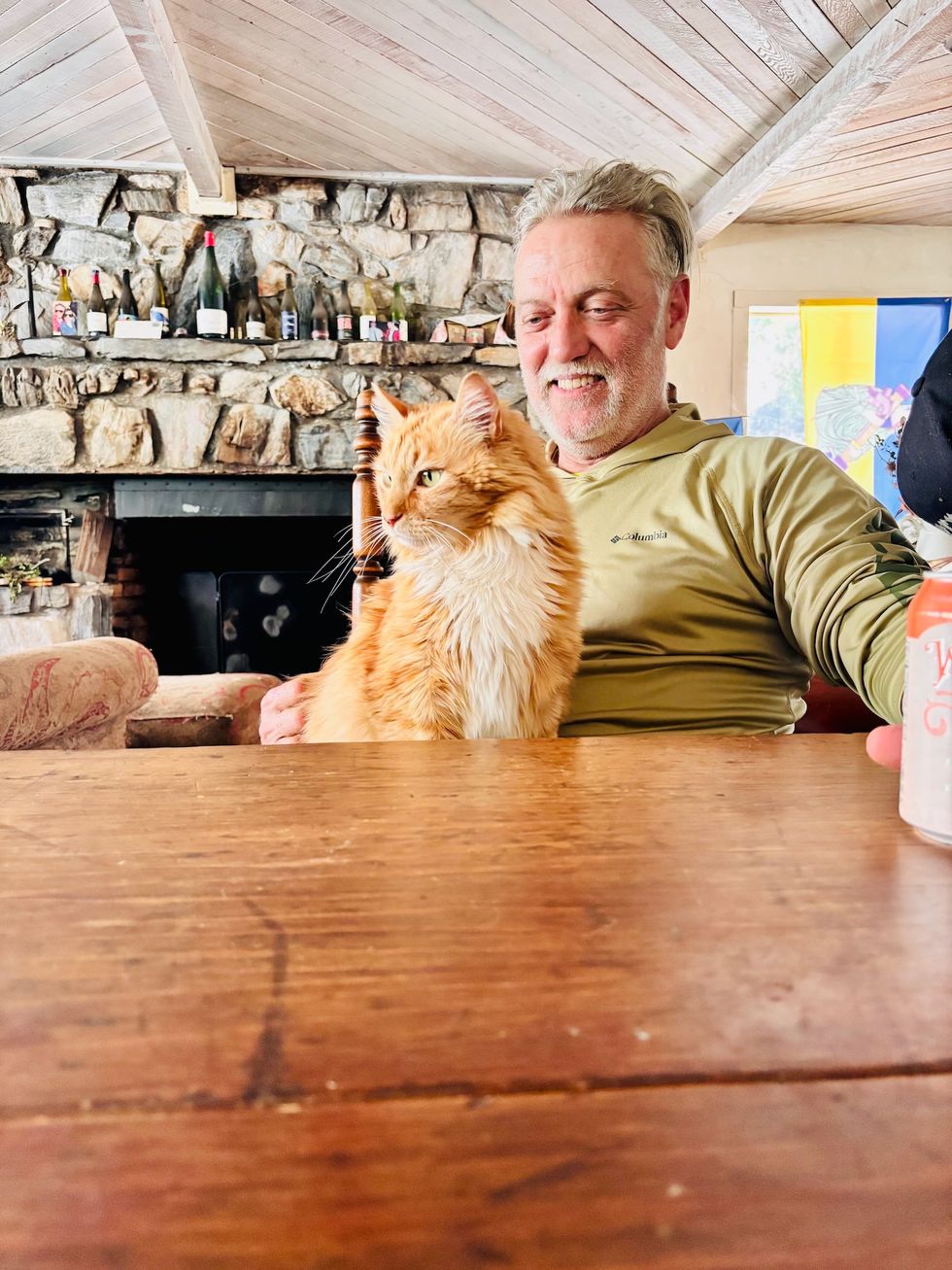
Till next time, drink something delicious and something new. Break outside of the same box that you have built for your palate and mind. You just might like it.
Here is a quote that I love: “Once in a while you can get shown the light, in the strangest places if you look at it right.” This speaks to the idea that the new discoveries can come from unexpected places if you are open to them. That is what Forlorn Hope is to me.
-----
Reach Chris via email at chris@chrisshepherd.is.
Chris Shepherd won a James Beard Award for Best Chef: Southwest in 2014. The Southern Smoke Foundation, a nonprofit he co-founded with his wife Lindsey Brown, has distributed more than $12 million to hospitality workers in crisis through its Emergency Relief Fund. Catch his TV show, Eat Like a Local, every Saturday at 10 am on KPRC Channel 2 or on YouTube.