The Round Top Spring Antiques & Design Show is officially in full-swing. In recent years, the diversity of vendors has grown from mom-and-pop shops selling classic Texas items to international purveyors of imported European wares with provenance spanning multiple centuries. Whether a shopper partakes of the festival as a mere spectator, or is genuinely seeking an “I’ll know it when I see it” opportunity, the question always remains: what’s worth buying?
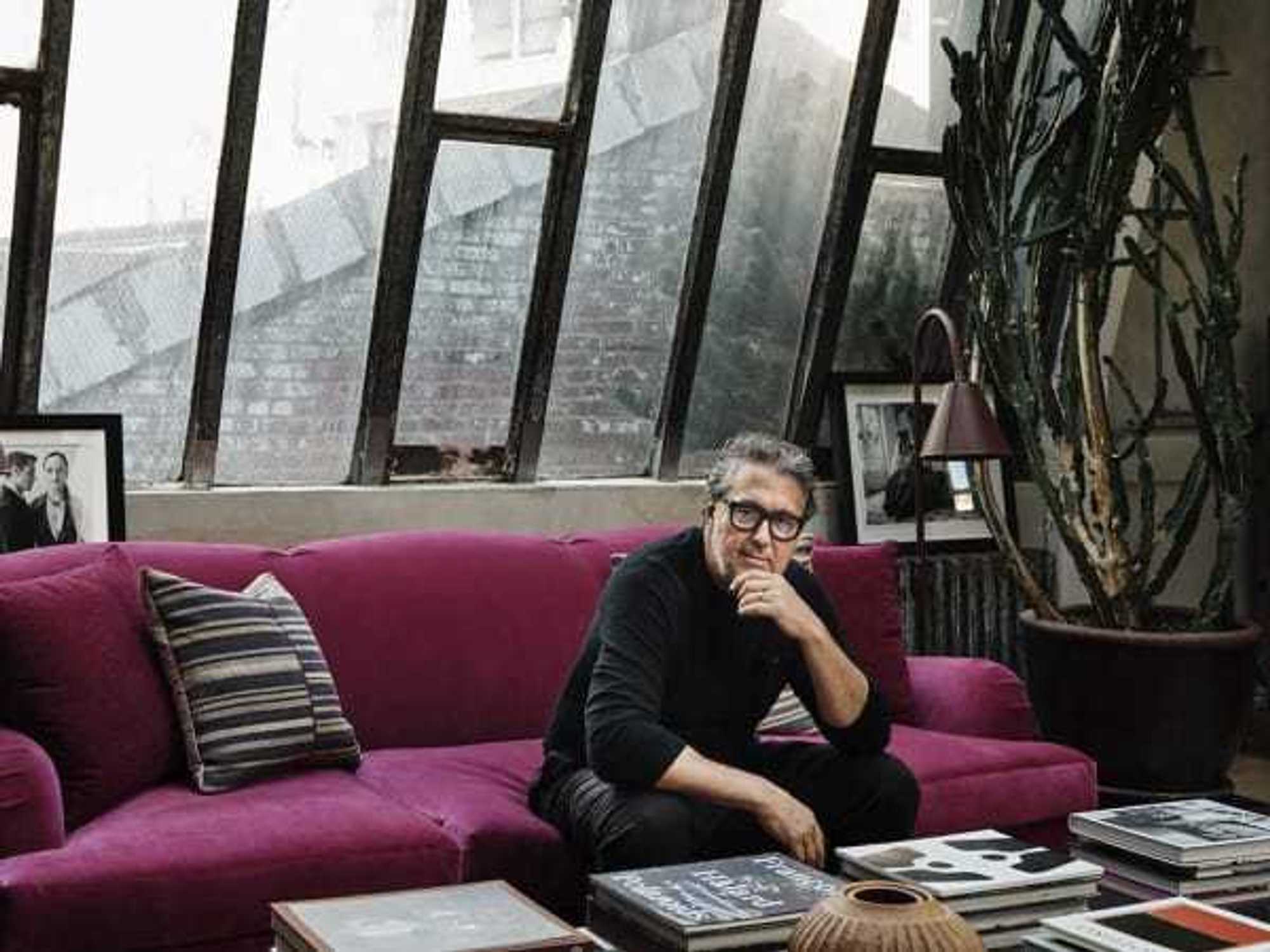
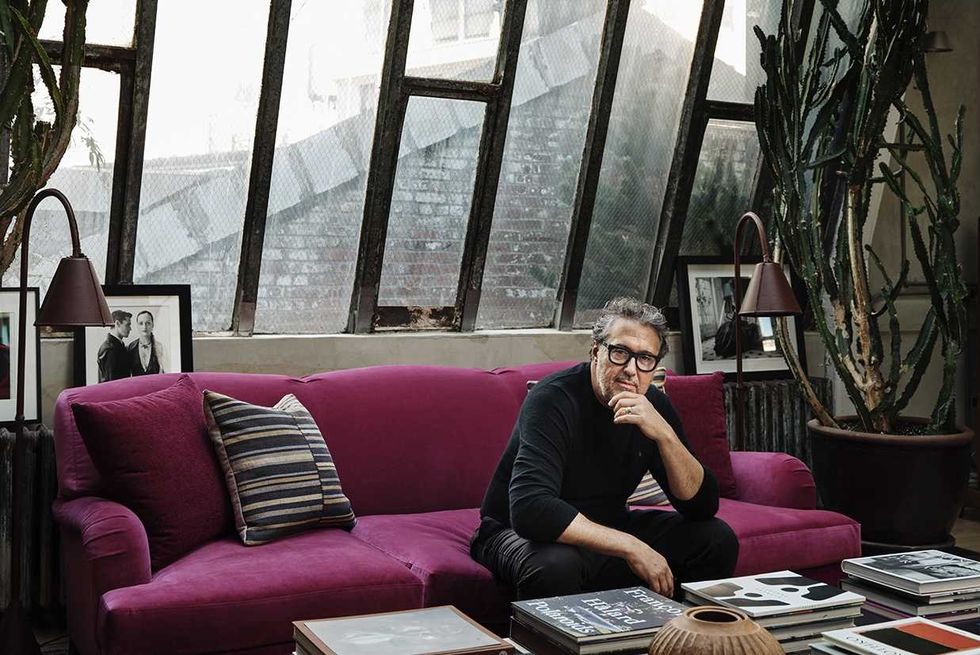
One person who can answer that question is Alfredo Paredes. Known locally as the interior designer for Houston restaurant Latuli, Paredes served as creative director for Ralph Lauren for three decades, designing all stores, restaurants, and Ralph Lauren Home collections.
Recently, Paredes traveled to Round Top in search of antique and vintage finds for his private clients as well as his forthcoming store in Hudson, New York. CultureMap tagged along for an afternoon of learning a thing or two about shopping vintage like Ralph Lauren’s right hand man.
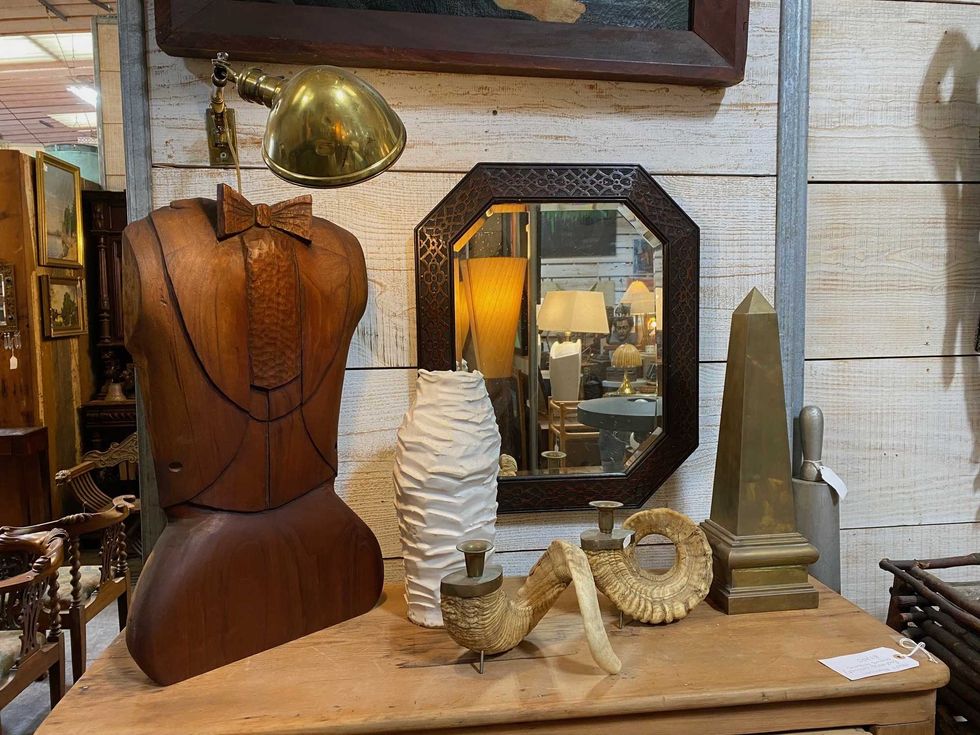
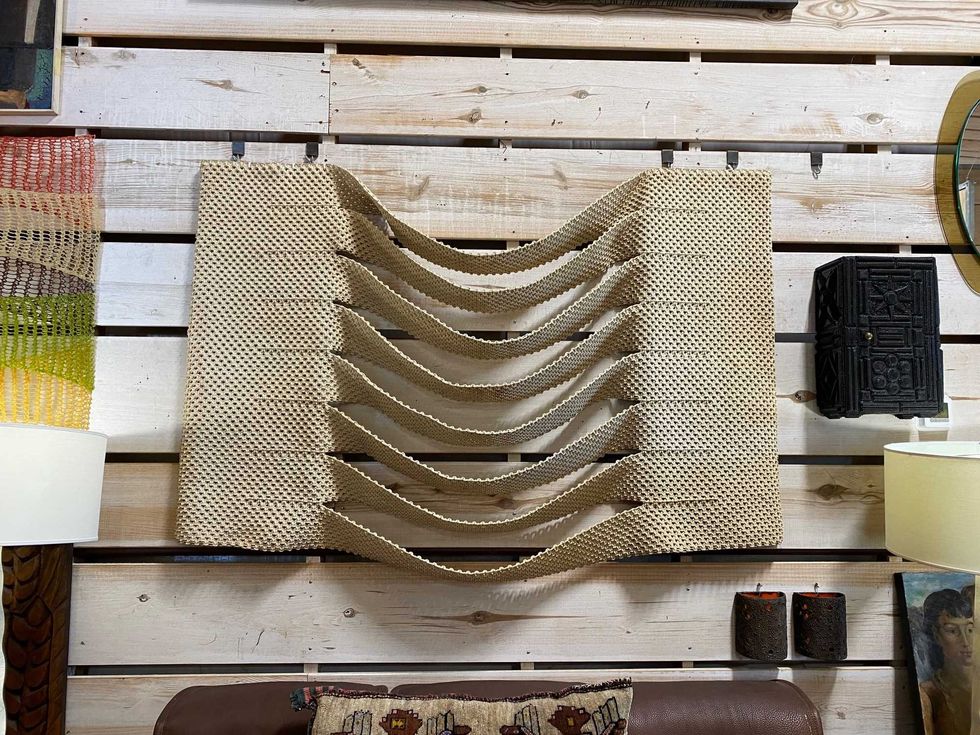
While the jovial Paredes readily acknowledges that he loves items from every corner of the globe, the design guru was particularly drawn to Brutalist wooden consoles, wicker, and organic woven pieces. This is only the second trip to Round Top for Paredes, and certainly not the last.
“What I’ve started to notice in the last 10 years is — I used to go to Europe a lot, London and the Paris flea market — now a lot of it is here. People are coming now because it’s a more varied experience. It’s not all western, or all cowboy, or all whatever. It’s all eclectic and you never know what you’re going to find, and that’s why it’s more interesting now I think. It’s just interesting that it’s all here — you just have to know where to look.”
At Market Hill, Paredes found things he couldn’t pass up for his store and for his clients. Bulky wooden pieces, low-slung leather chairs, and paintings showcasing deep umbers and blues seemed to be a draw. Saltillo tile-topped tables received high praise, as did bisque-fired ceramic works and artistic wooden carvings.
“My eye goes to things that appeal to me. Not necessarily to a client, but just things I’m liking right now,” explains Paredes. “It’s hard to articulate what I’m loving, but I’m drawn to this sort of masculine, French, midcentury country house, but not Parisian [aesthetic]. You know — rugged stuff. I’ve always liked that, but I’m really attracted to it now. It just appeals to me. I like soulful things. I like woods that have patina, woods that have a story. I don’t like things too polished.”
There is something endearing about witnessing Paredes in action, in his element. When he sees something he likes — say a chair, or a sofa — he makes a beeline for it and plops the seat of his Ralph Lauren vintage label blue-jeans right on it. Next, the hands get going, patting and rubbing the materials. Is it soft, is it sturdy, what are the tactile qualities, is it comfortable; an invisible sea of datapoints striking and firing in a single shot. How to know if it passed his tests? He wants the price.
The afternoon is spent weaving through the well-organized mess of vendors getting ready for the spring show before it officially opens the next day. Boxes are being broken down and carried off, and telltale terrycloth squares peek out of back pockets — it’s nearly showtime. Paredes is recognized and greeted by vintage vendors he’s known since his days at Ralph Lauren. The genuine warmth of their greetings confirms a suspicion that’s been lingering since lunchtime — he’s the real deal.
Favorites from the day come from Architectural Anarchy, Alma Gallery, and Amelia Tarbet Studios. Earlier in the day, Kansas City-based vendor Prize was also a great source for the style Paredes is currently curating.
“I like this sort of — let’s call it ‘Old Hollywood Mogul.’ Something you’d see in Robert Redford’s house or an old movie star’s house; something of a period. I like that. I lean into old movies,” he explains
Paredes shops with an air of confidence reserved for those who have long since forgotten to second guess themselves, but he remains all too aware that shopping vintage can intimidate the types of people who find solace in the arms of a robust and generous return policy.
“Getting people to be comfortable with the sort of pace of shopping for vintage, and sort of collecting and owning [is tricky],” says Paredes. “Being okay that this is the one you selected — you know what I mean? If you miss it, you regret it. You need to know it’s a good investment, because you can always sell it. You can always move on. These pieces have been in people’s homes for a long time.”
With his private clients, Paredes stays hard at work helping people understand the stewardship that goes along with collecting vintage pieces. It’s not about designer names with the things he’s drawn to, it’s about durability and craftsmanship — “artistry,” as he calls it. People shy away from the unfamiliar at times, then once they have had the time to consider rare vintage pieces long enough to fall in love with the idea, the piece is usually gone. And that’s something Paredes finds regrettable.
“Vintage is a tricky thing for clients because you have to decide. Otherwise, it vanishes and it’s like hunt-and-peck. Then you’re not finished. A lot of people shy away from it because they can’t commit. That’s why you have an empty dining room, because you didn’t commit. We saw 30 tables and you didn’t commit. Missing out on things is a combination. People think they’re getting ripped off, or that it’s not the best one, or it’s ‘Can I see more options [of the same vintage piece]?’ The answer is no, no, and no. This is what it is — it’s collecting!”
The new store in Hudson will be 60 percent vintage finds and 40 percent items from his private label. His pieces are bench-crafted in North Carolina and are inspired by his vintage finds. He loves that his line is made in the United States and inspired by pieces from across the globe. He doesn’t copy, he just lifts ideas.
“I see this Parisian Art Deco chair that’s been upholstered in Mohair, and I’ll decide that we need a piece in Mohair. And that’s all I’ll take away from it,” he says.
Textiles and other tactile materials are a big draw for Paredes, which is how he came to have a line with Kravet Fabrics. The line is mostly made of vintage-inspired patterns in classic, Americana colorways. This makes them easy to pair with vintage frames and materials plucked from anything from vintage fairs like the Round Top show to something inherited from a beloved family member.
In his book, Alfredo Paredes at Home, he invites readers to explore the interiors of four homes he’s had throughout the years, showcasing his idea that inspired rooms can be built around the love of something as simple — yet unique — as a tassel.
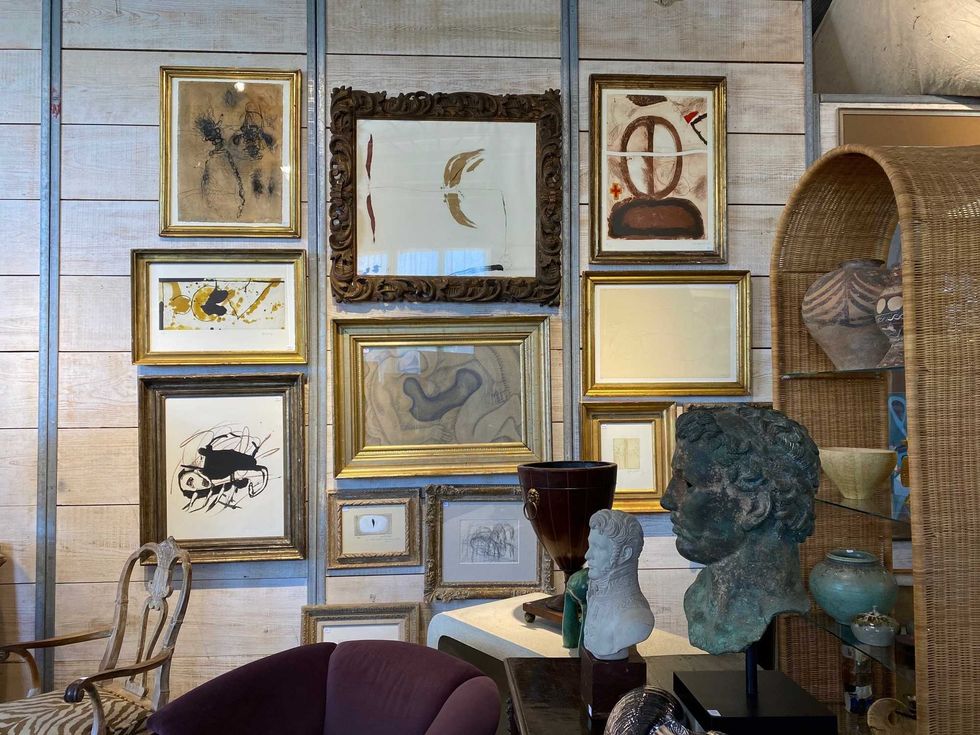
During his visit to Round Top, Paredes took the time to sign books and visit with vintage enthusiasts at gallerist Shelli Alter’s Round Top pop-up “dinnerpARTy.” Alter finds great success in mixing simplistic contemporary artworks by international artists like Riera Arago with ornate antique frames from the 18th century. The mix and juxtaposition is something very in line with the Paredes aesthetic.
What’s most important to Paredes is the idea that people should just be having fun, loving the thrill of the hunt, and not putting too much pressure on themselves. As he says: “It’s someone’s own home — they need to enjoy it!”
Explore the thrill of vintage at these top spots in Round Top
Market Hill: March 9–29
The Horseshoe: March 12–28
Bader Ranch: March 13–28
Zapp Hall: March 13–28
Excess Field: March 1
Blue Hills: March 14–28
McLaren’s: March 14–28
The Arbors: March 14–28
The Compound: March 14–28
The Halles: March 14–28
Big Red Barn: March 22–28
550 Market: March 14–28
Marburger Farm: March 24–28
Cisco Village: March 20–April 6