The best time of year for Houston preservation lovers has finally arrived! Preservation Houston has announced their 2026 Good Brick Award recipients. This year, some very familiar public-facing properties are getting their flowers, including The Houston Zoo, an adaptive reuse project at a historic hospital, the historic River Oaks Theater, and the wildly-well-received Marlene Inn and Bar Madonna.
Preservation Houston will present these coveted awards during their annual Cornerstone Dinner taking place Friday, February 27th, celebrating adaptive reuse projects, legacy businesses, and community-led preservation efforts that are keeping Houston’s cultural identity intact amid rapid development.
Since 1979, the Good Brick Awards have recognized outstanding contributions to the preservation, restoration, and enhancement of Houston and Harris County’s architectural and cultural heritage. The awards honor individuals, organizations, and projects that have made a significant and lasting impact on protecting historic resources.
Each year’s winners represent a wide range of preservation efforts, including restoration of historic homes and buildings, adaptive reuse of commercial and institutional spaces, protection of cultural landmarks, publications, documentaries, and educational initiatives, and craftspeople, preservation leaders, and legacy businesses across Houston and Harris County.
“The Good Brick Awards bring public attention to the people and projects shaping Houston’s historic landscape,” says Jennifer Kapral, Executive Director of Preservation Houston. “By sharing these stories, we hope to inspire broader appreciation for the role preservation plays in strengthening our city’s identity and future.”
As always, award nominations are open to the public, and recipients are selected by an independent jury of preservation experts. Along with spotlighting each winner, CultureMap has asked each recipient for a fun fact about their property or project(s). Be sure to keep an eye out for some of these local gems when the popular Good Brick Tour returns this fall.
Residential
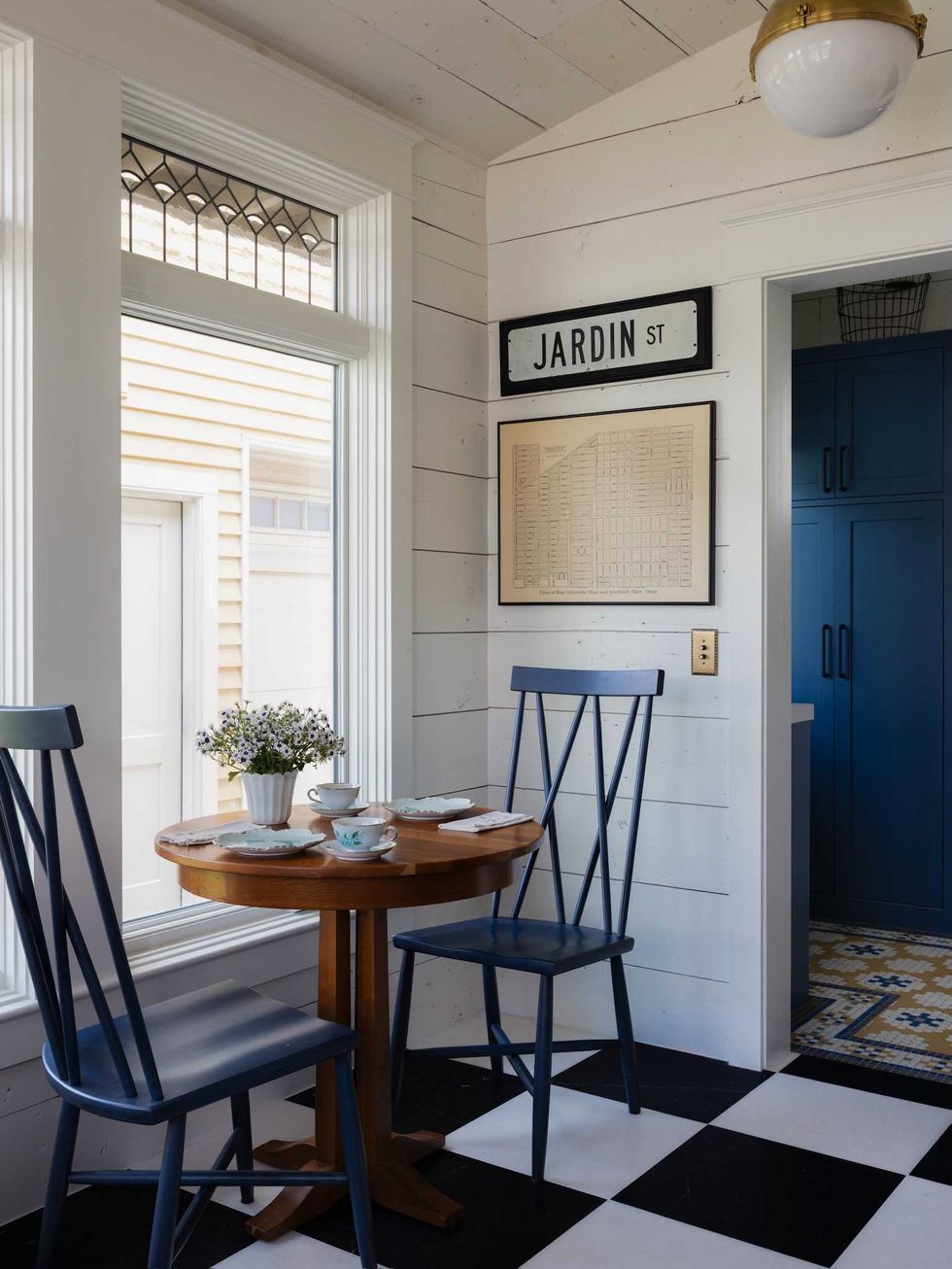
Lee Ann and James Badum for the restoration of the Jahn House (c.1935) in Southside Place.
A true love letter to Southside Place’s architectural roots, the restoration of 3767 University Boulevard preserves one of the neighborhood’s rare 1930s Crane Ready-Cut bungalows. Thoughtfully updated for modern living, the home retains its original floor plan, roofline, and historic details while incorporating salvaged materials, custom millwork, and period-appropriate finishes, proving historic preservation and contemporary life can beautifully coexist.
Fun Fact: During demolition, original wallpaper was uncovered throughout the house, and select samples were framed and preserved as artifacts.
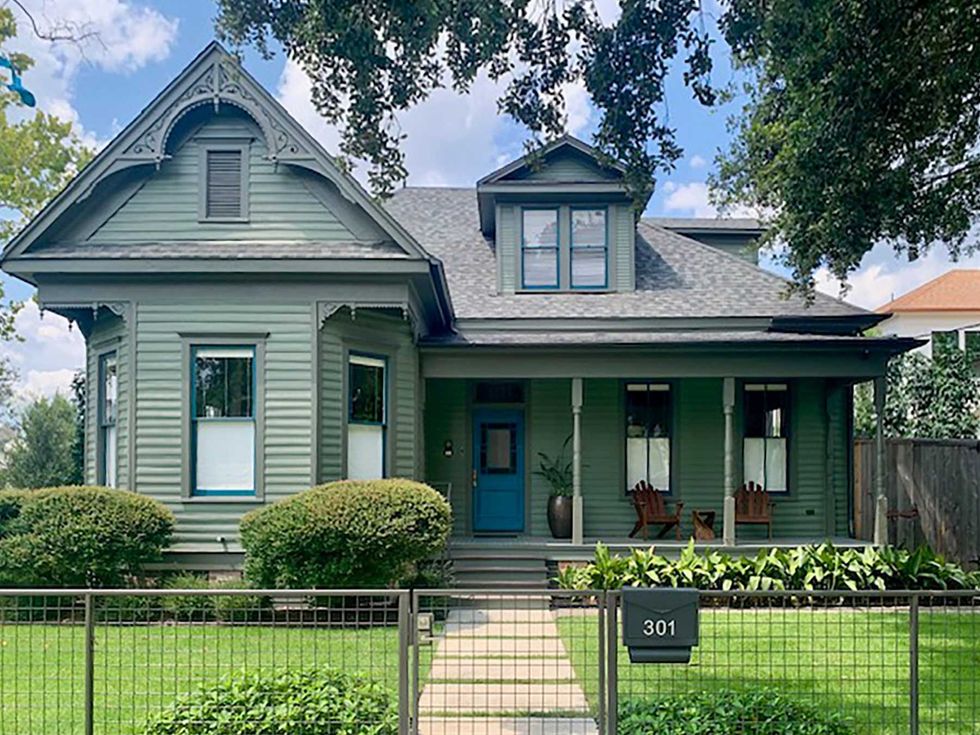
Donna and Jim Bennett for the restoration of the Lund House (c.1896) and the Modern Print Shop (1927) in the Houston Heights.
This circa-1898 Queen Anne home and former 1927 print shop were thoughtfully preserved and reimagined as a connected residential retreat in the Houston Heights. By restoring original windows, trim, and structure and adapting the historic print shop into a hobby woodworking shop, the project safeguards two distinctive buildings while honoring the area’s architectural legacy and creative spirit.
Fun Fact: The homeowners personally restored all 321 steel awning windowpanes in the former print shop, each one cleaned, reglazed, and repainted to working condition.
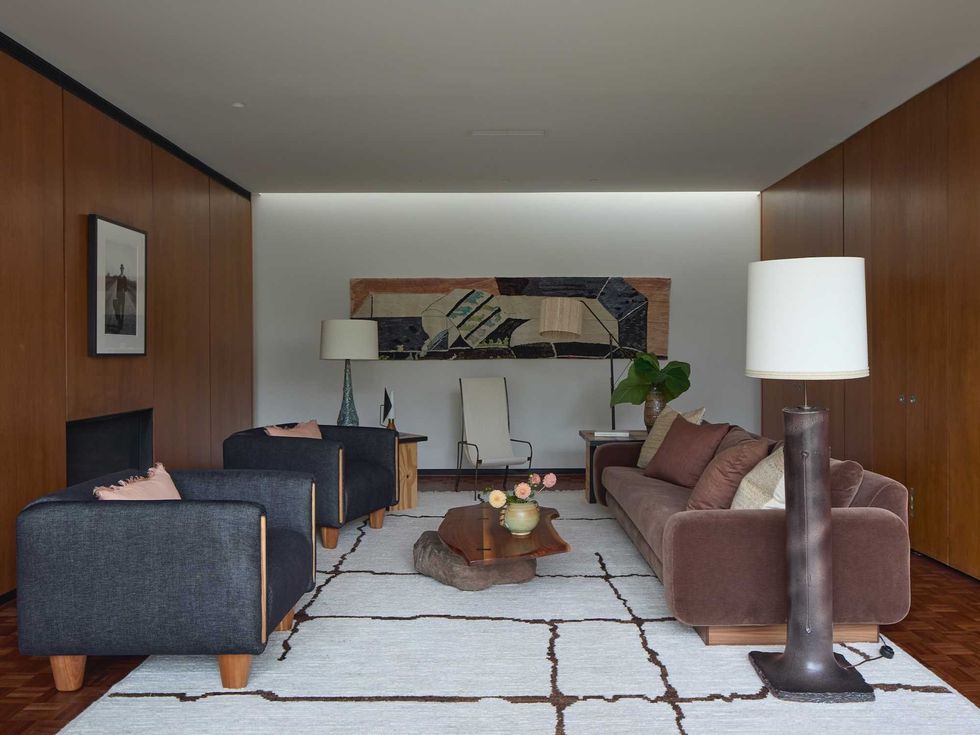
Jennifer and Jarrett Ellzey for the restoration of the S.I. Morris House (1952) in Waverly Court.
Designed in 1952 by prominent Houston architect S.I. Morris, Jr., 2 Waverly Court is a midcentury modern landmark organized around a series of intimate interior garden courts. This thoughtful restoration removed incompatible later additions and returned the home to its original massing, materials, and rhythm, while discreetly adapting it for contemporary family life. The result honors Morris’ restrained modern vision and secures the home’s longevity as a protected City of Houston landmark.
Fun Fact: Each major room opens onto its own private garden court, creating a lush, inward-facing layout that feels far more expansive than the home’s modest footprint.
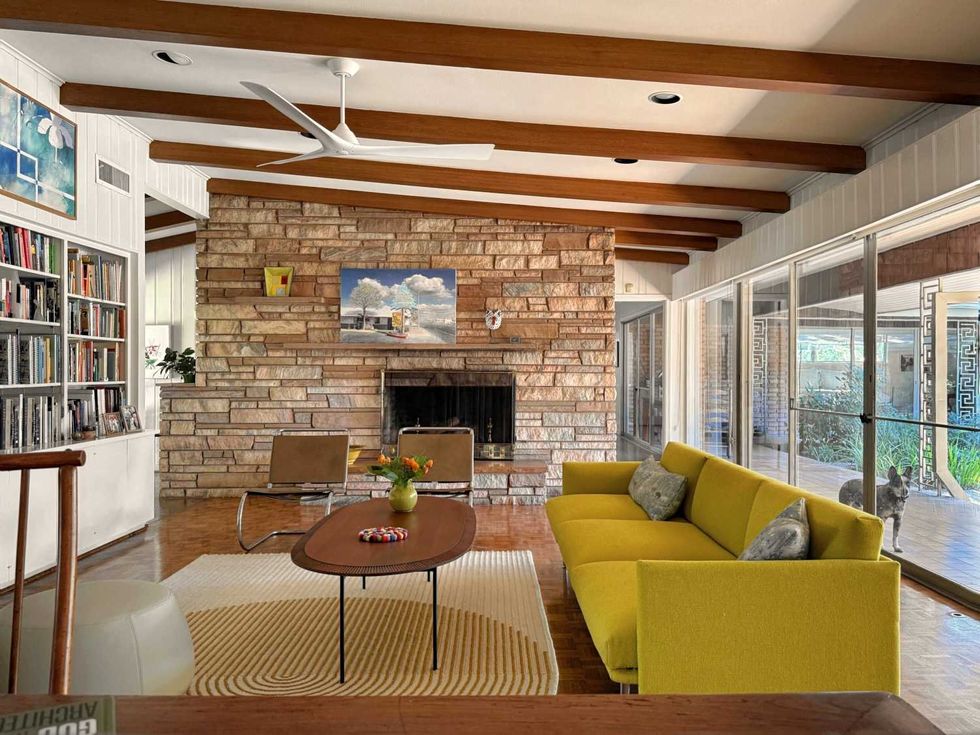
Fan and Peter Morris for stewardship of the Carpenter House (1959, Lucian Hood) in Cherokee Place.
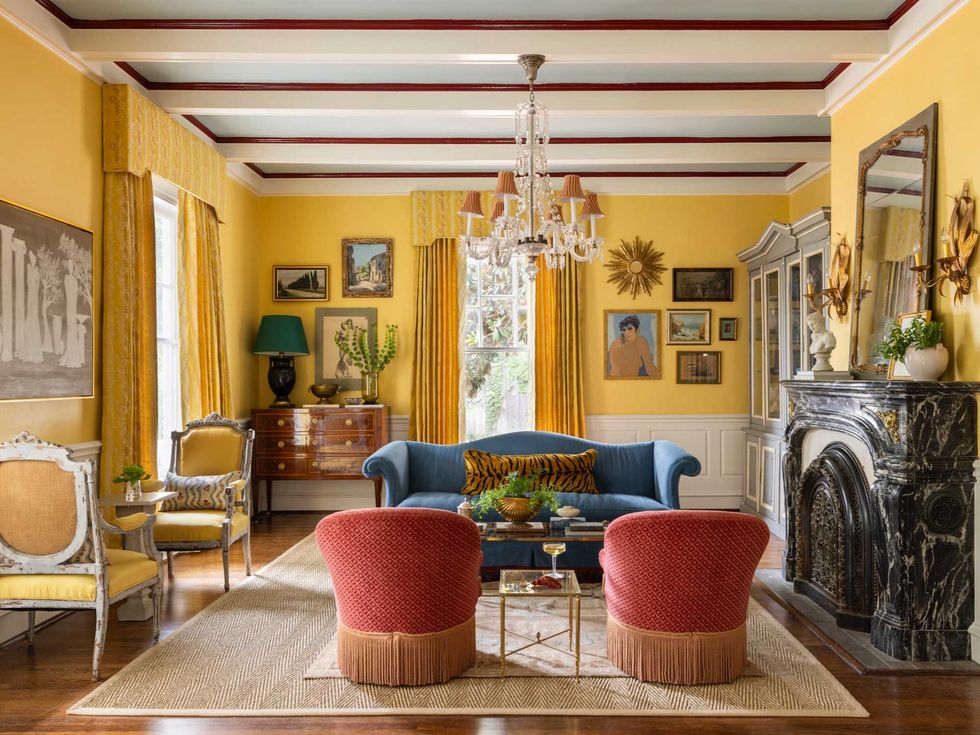
Built in 1959 and designed by noted Texas architect Lucian T. Hood, Jr., 5330 Mandell Street is a quintessential expression of Houston’s midcentury ranchero style. Over three decades of stewardship, the homeowners focused on careful repair, thoughtful updates, and landscape restoration, embracing the home’s original plan, materials, and indoor-outdoor ethos while allowing it to evolve gracefully with family life.
Fun Fact: Instead of replacing the home’s famously pink kitchen tile, the owners leaned into it, following designer Herbert Wells’s advice to “out-pink the pink” with a bold three-tone palette that has become a beloved signature.
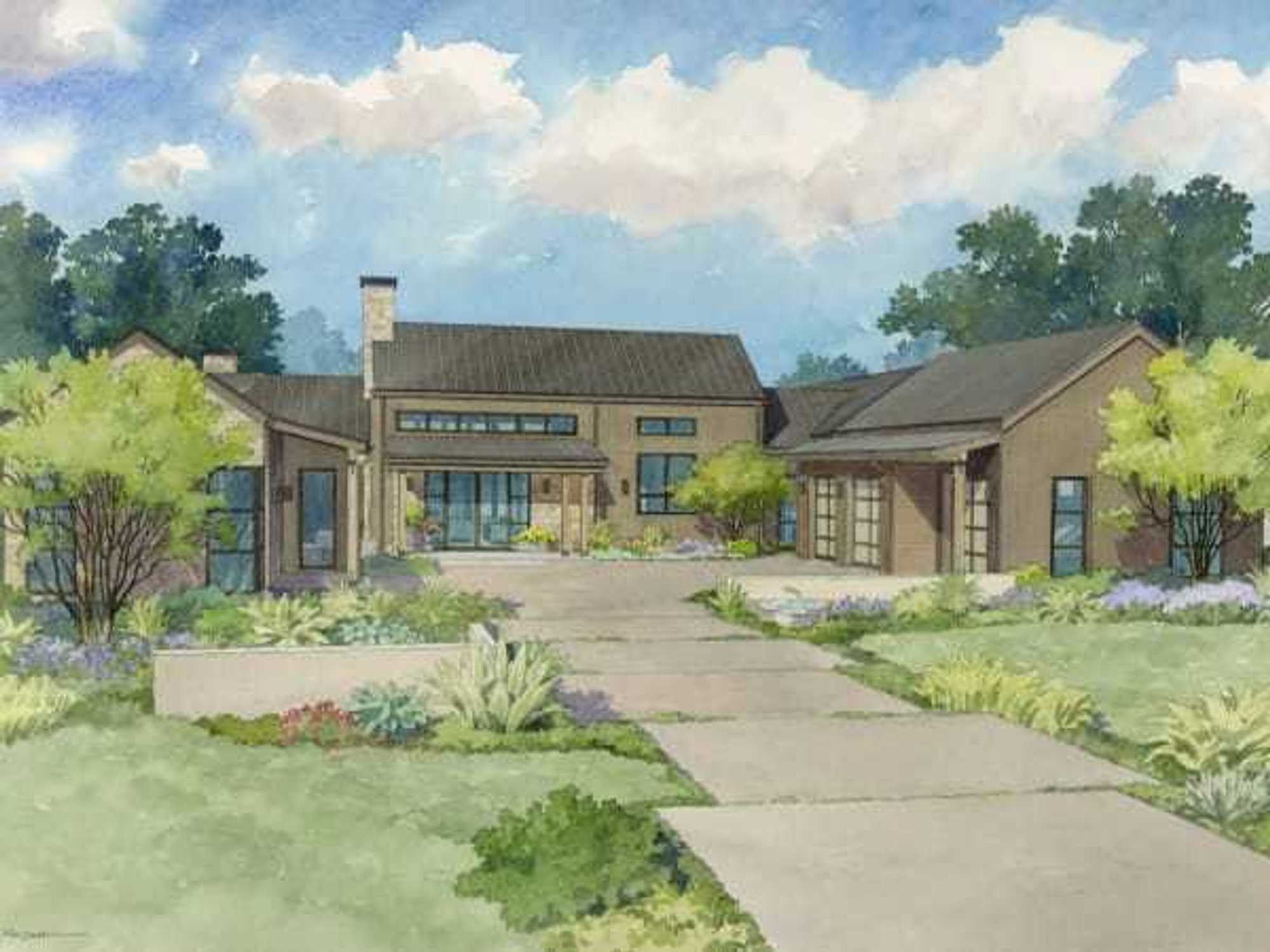
Jen and Vinod Pathrose for an addition to their bungalow (1920) in Cherryhurst.
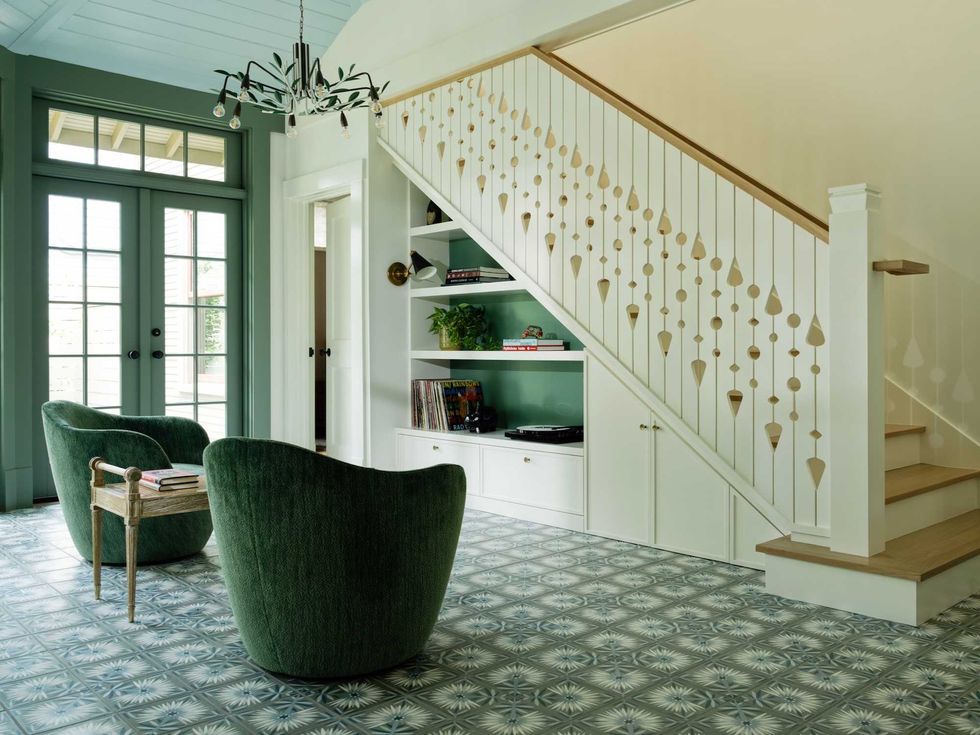
This imaginative addition to a 1920 Cherryhurst bungalow reimagines preservation through light, color, and landscape. Designed as a conservatory that links old and new, the project preserves the original home’s integrity while introducing a contemporary two-story addition that remains visually deferential from the street. The result is a joyful, highly personal space that celebrates craft, ecology, and the evolving life of a historic home.
Fun Fact: The sculptural stair railing was inspired by cut paper art and fabricated using CNC technology, repeating a geometric floral pattern found throughout the home.
Holly and Gregory Suellentrop for the renovation of the Klunkert Farmhouse (c. 1875) in Woodland Heights.
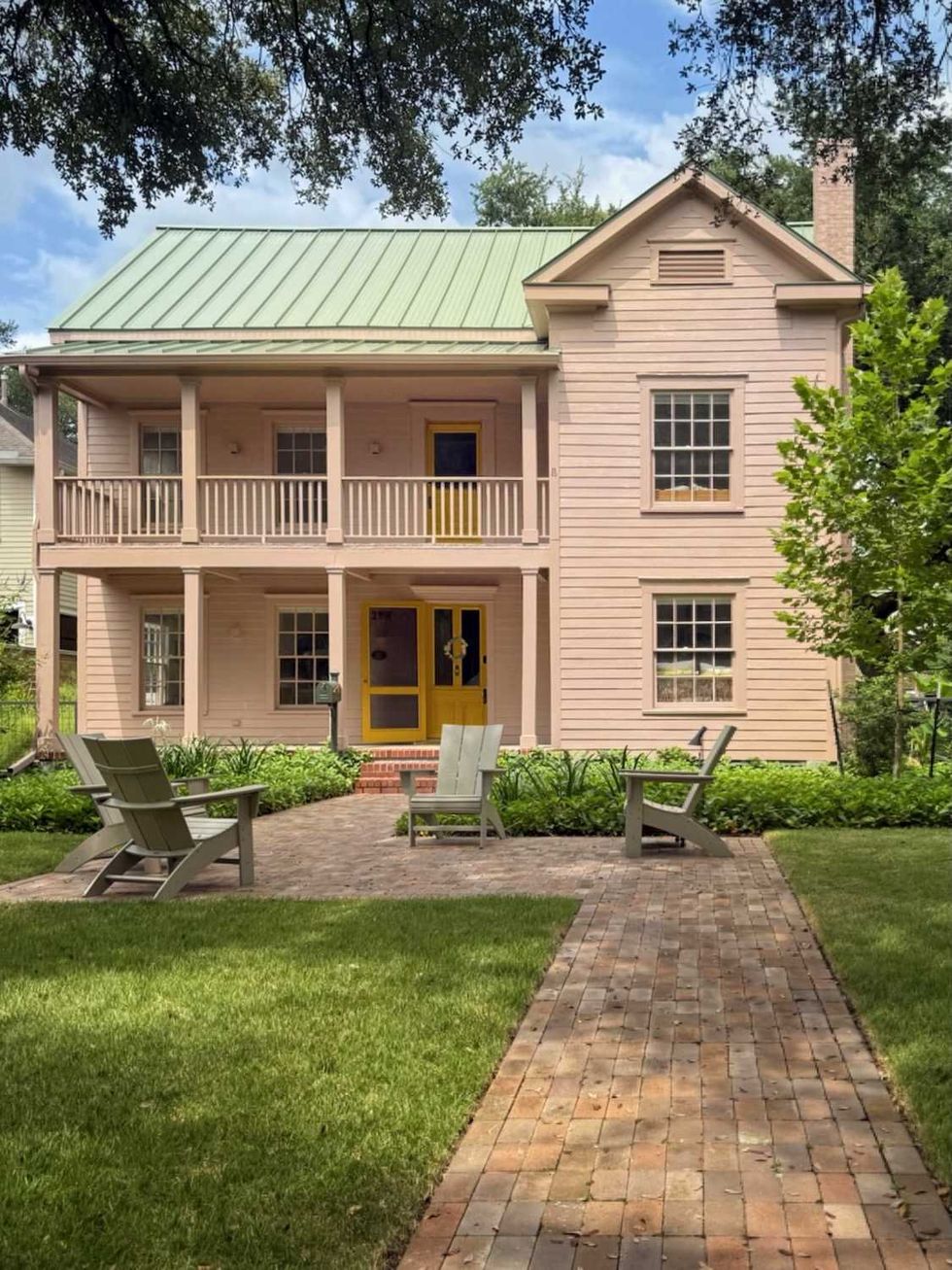
Originally built between 1875 and 1900, this former farmhouse has lived many lives, but this restoration carefully untangled decades of piecemeal changes to reveal the home’s original scale, proportions, and character. By restoring historic room volumes, reestablishing the central hall, and adding a discreet rear addition, the project honors the house’s layered history while creating a flexible, light-filled family home built to last another century.
Fun Fact: During renovation, the team uncovered original ceilings measuring 10 feet, 6 inches high,hidden for years beneath dropped ceilings, dramatically transforming the home’s sense of space.
Commercial and Institutional
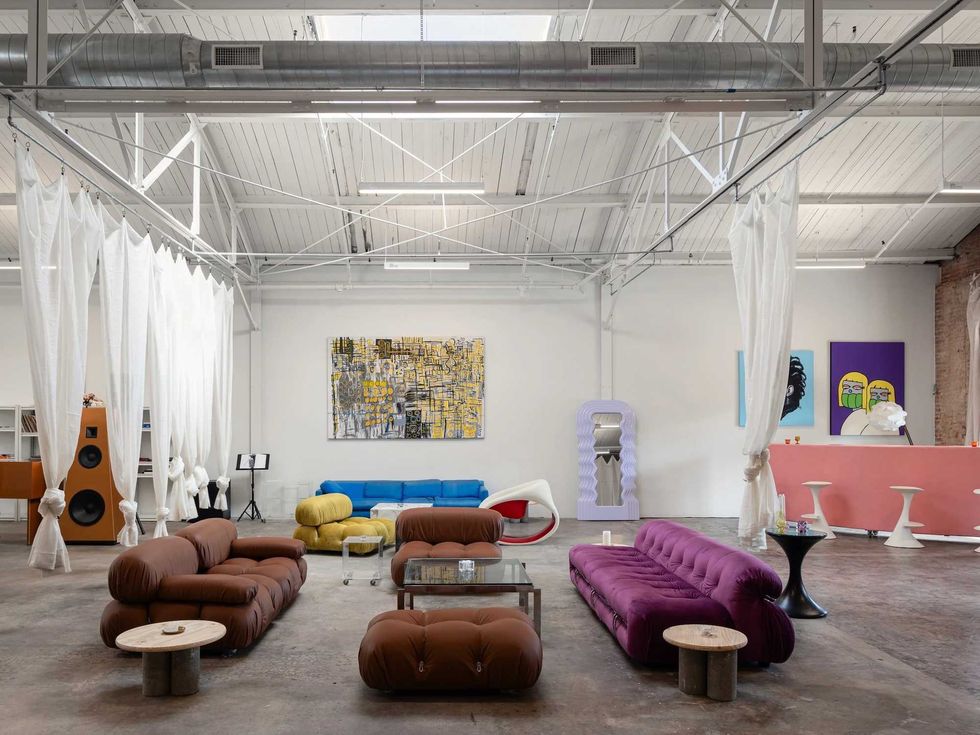
Lily Barfield for the adaptive reuse of the Stewart House (1910, George H. Fruehling) in the Avondale East Historic District as The Marlene.
Once a private residence, the John S. Stewart House has been thoughtfully repurposed into The Marlene, a boutique inn and cocktail bar that opens a historic Avondale landmark to the public. Built in 1910 –1911, the Neoclassical home’s original floors, millwork, and Ionic-columned porch were carefully preserved while adapting the space for modern hospitality and accessibility, proving that historic integrity and contemporary use can coexist beautifully.
Fun fact: The project secured Protected Landmark designation with the City of Houston, ensuring the house’s preservation long after its transformation into a public-facing space.
Culinary Khancepts for the rehabilitation of the River Oaks Theatre (1939, Pettigrew & Worley).
Houston’s oldest operating suburban movie theater has reopened its doors. Originally built in 1939, River Oaks Theatre was meticulously restored to highlight its Streamline Moderne design, from its neon boomerang marquee and terrazzo floors to sculptural bas-relief artwork by Buck Wynn Jr. The revived space once again serves the community with film screenings, live performances, and cultural programming.
Fun fact: The theatre was officially listed on the National Register of Historic Places in 2024, the same year it reopened to the public.
Houston Zoo for the restoration of its Reflection Pool and Colonnades (1950, Hare & Hare with Irving R. Klein and Associates).
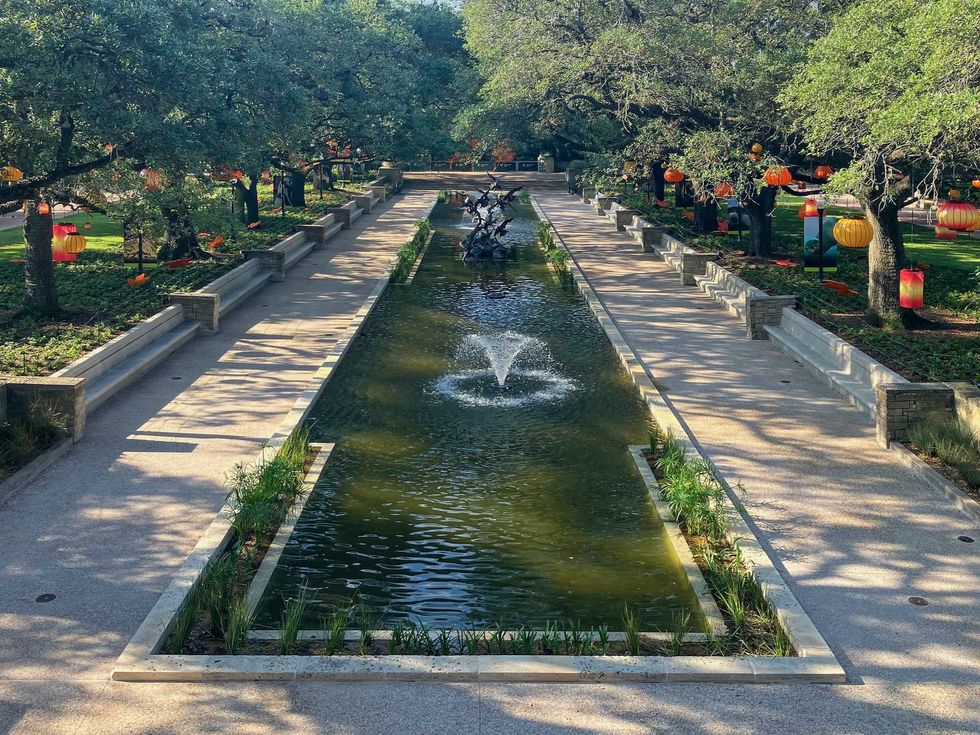
A beloved entryway to the Houston Zoo for generations, the historic Reflection Pool and Colonnades have been carefully rehabilitated to restore their original character while addressing decades of structural wear. The project removed non-historic finishes, repaired concrete and limestone elements, upgraded drainage and lighting, and returned the colonnades to their understated modernist beauty, all while honoring the site’s role as a civic gathering place.
Fun fact: The Reflection Pool was created in the late 1940s by combining three smaller pools into one unified basin, forming the iconic promenade visitors experience today.
Scarlet Capital for the rehabilitation of the San Jacinto Warehouse (1926) in the Near Northside.
Built in 1926 as the San Jacinto Warehouse, this former industrial hub has been reimagined as The Docks, a dynamic mixed-use campus for artists, entrepreneurs, and creatives. Original brick masonry, steel windows, dock doors, and bowstring trusses were preserved, honoring Houston’s industrial past while activating the space for a new generation of cultural and professional use.
Fun fact: The Docks is listed on the National Register of Historic Places, recognizing its significance in architecture, commerce, and transportation history.
Publications and Other Projects
Ben Koush and Kathryn O’Rourke for their book Home, Heat, Money, God.
Rooted in decades of architectural documentation, Home, Heat, Money, God reframes how we see Texas’s modern built environment through photography and accessible storytelling. With Houston at its core, the book connects everyday buildings, from schools and houses to churches and cultural institutions, to the social forces that shaped them, offering a powerful tool for preservation advocacy and public understanding.
Fun fact: Approximately 17 percent of the buildings featured in the book are located in Harris County, underscoring Houston’s outsized role in shaping modern architecture across Texas.
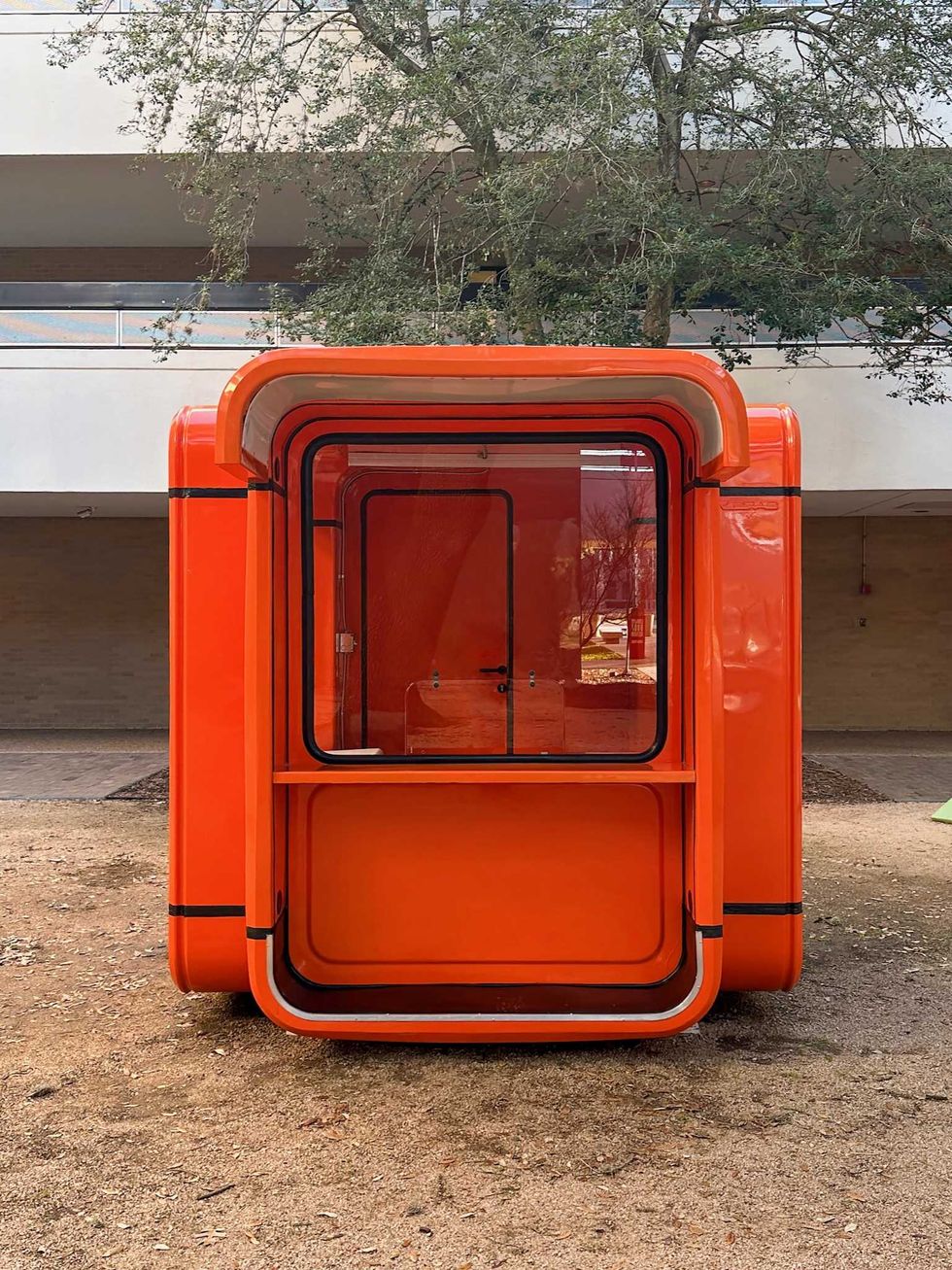
Dijana Handanovic for the restoration of a K67 kiosk (1966, Saša Mächtig).
Designed in 1966 by Slovenian architect Sasa Mächtig, the Kiosk K67 is an iconic piece of modern design once found throughout former Yugoslavia as a hub for everyday commerce and connection. This meticulous restoration revived a rare surviving kiosk using salvaged original components, returning it to its signature Traffic Orange and reintroducing it to public life in Houston as a platform for cultural exchange, art, and community gathering.
Fun fact: Out of approximately 7,500 K67 kiosks originally produced, only a handful remain. This restored unit was reconstructed using parts from two deteriorated kiosks sourced in Bosnia and Herzegovina.
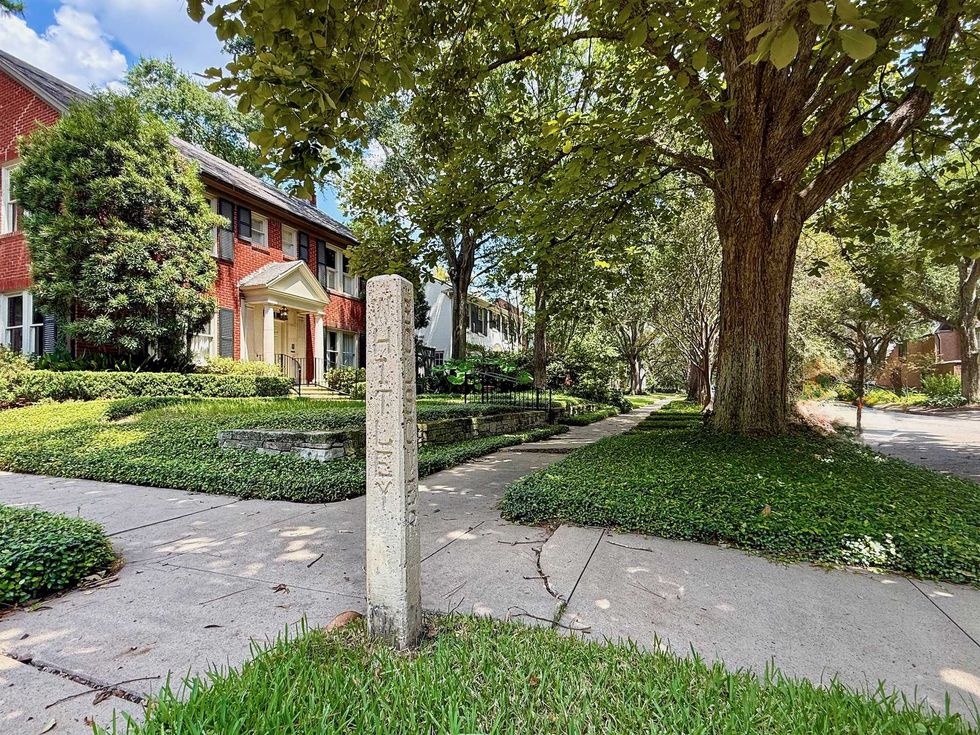
Southampton Place for the restoration of Southampton’s historic concrete street markers.
First installed in the early 1940s through a WPA-funded initiative, Southampton’s concrete street markers are a defining element of the neighborhood’s historic streetscape. Faced with loss and deterioration, residents organized a multi-year preservation effort to restore existing markers and recreate missing ones, ultimately reviving the entire original streetscape through craftsmanship, community fundraising, and innovative 3D-printing techniques.
Fun fact: The project involved more than 150 donors, raised $40,000, and required setting and removing letter molds 1,240 times to recreate 31 historically-accurate street markers.
The Martha Peterson Award
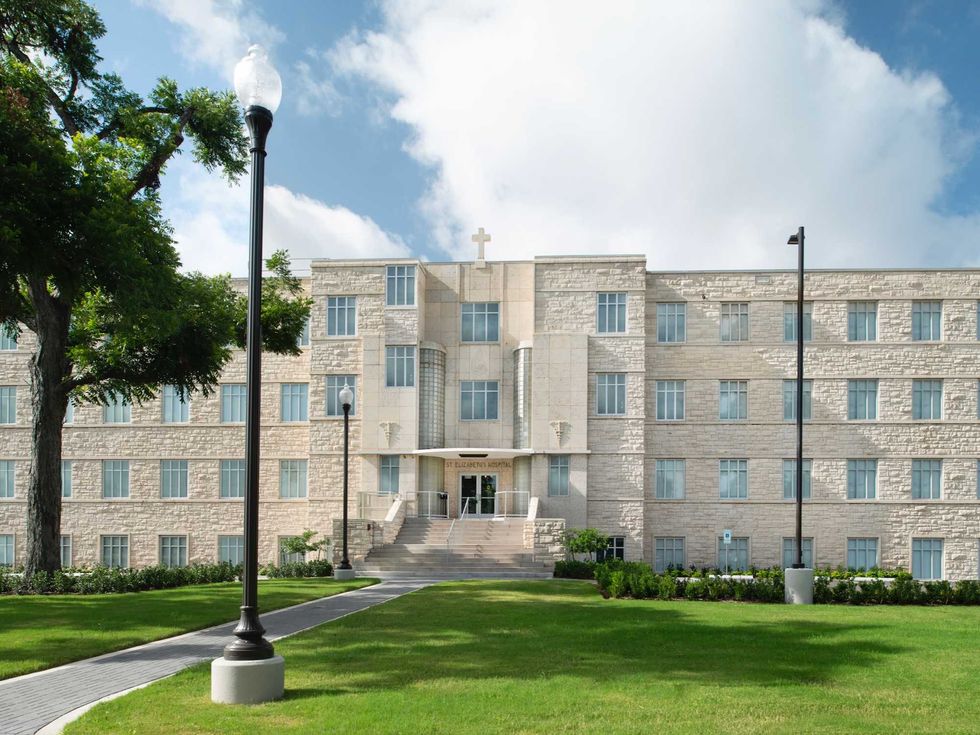
Fifth Ward Community Redevelopment Corporation and CloudBreak Communities for the adaptive reuse of St. Elizabeth Hospital (1947, Maurice J. Sullivan) as St. Elizabeth Place.
Once the only hospital serving Black residents in Houston’s Fifth Ward during the Jim Crow era, St. Elizabeth’s Hospital has been thoughtfully rehabilitated into St. Elizabeth Place, a mixed-income housing community. The project preserved the Art Moderne complex’s historic masonry, terrazzo, and circulation patterns while adapting patient rooms and support spaces into 85 residential units, honoring the building’s legacy of care while meeting today’s community needs.
Fun fact: The non-historic rear addition was fully removed, restoring the hospital’s original site configuration and reinforcing its historic presence in the Fifth Ward.
The Legacy Business Award
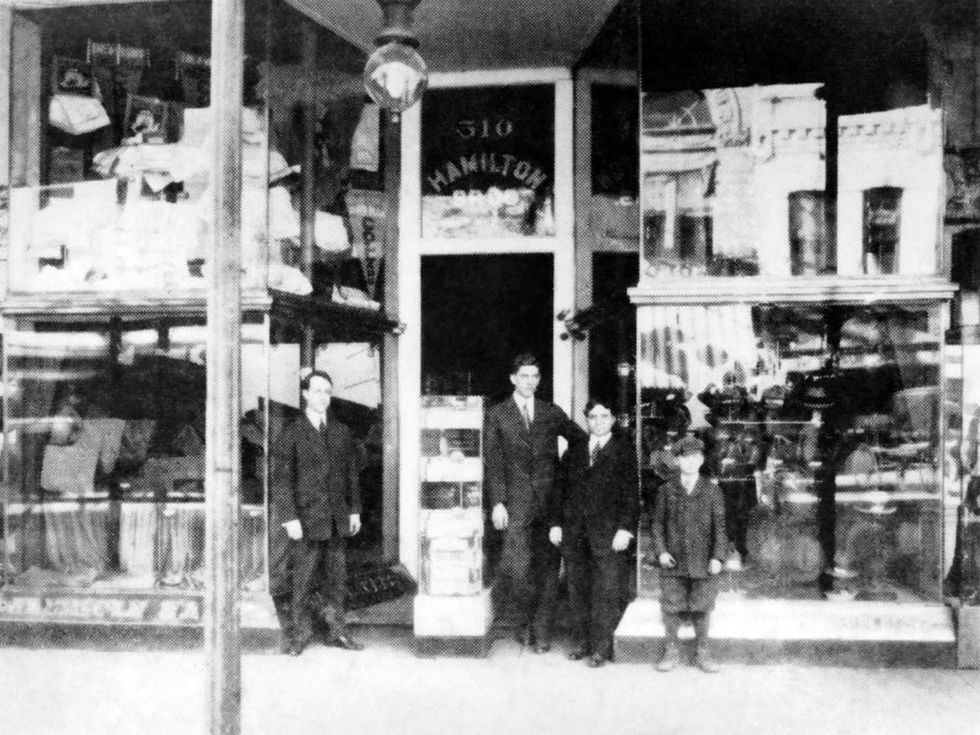
Hamilton Shirts for four generations of craftsmanship and tradition.
Founded in 1883, Hamilton Shirts is one of Houston’s oldest family-owned businesses and America’s longest-standing bespoke shirtmaker. For more than 140 years, Hamilton has upheld the art of hand-cut, custom shirtmaking, passing down its craft through four generations of family ownership. As Houston has grown into a global city, Hamilton has remained a constant, reflecting the enduring value of skilled craftsmanship, family enterprise, and businesses built to last.
Fun Fact: Hamilton continues to hand-cut every custom shirt today, using techniques passed down since the company’s founding in 1883.
The Preservation Houston President’s Award
Steven F. Curry, FAIA for his contributions to historic preservation in Houston and Texas.
Steven F. Curry, FAIA, is a longtime leader and trusted voice in Houston’s preservation community whose work has helped shape thoughtful, informed approaches to saving historic places across the city and state. Through decades of professional practice and public service, including leadership with Houston Mod, service on the Docomomo US Awards Committee, and membership on the Houston Archaeological and Historical Commission, Steve has championed modern and historic architecture with care, rigor, and lasting impact.
Fun Fact: In addition to his advocacy work, Steve is also a Good Brick Award recipient, earning the honor in 2016 for the restoration of the Bendit House (1953), designed by Lars Bang.
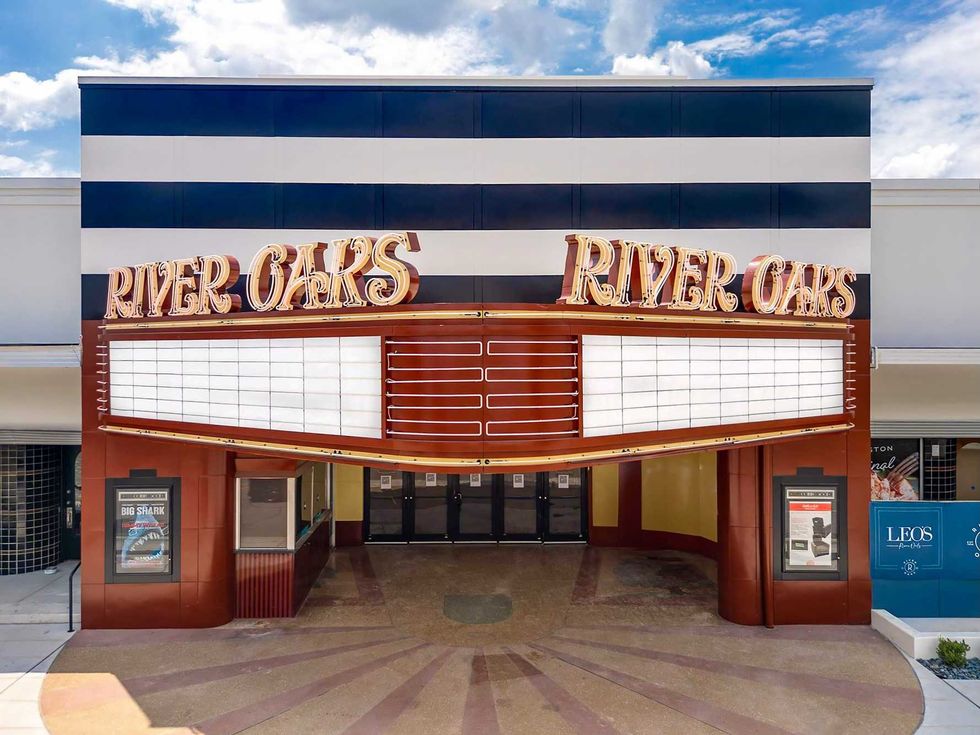
Photo by Corey Watson
The River Oaks Theatre reopened in 2024.