If you’re not a big fan of the Christmas season or if December 25 is simply bearing down on you too fast, check out Bad Lieutenant: Port of Call — New Orleans, the new Werner Herzog film starring Nicholas Cage. The film’s bleached-out colors (it’s more “in gray” than “in color”), along with Cage’s damn-near demented performance as a variously addicted cop, contains not the least whiff of holiday cheer. The movie is funny—very funny—but in a way that will appeal more to your inner Beelzebub than to your Tiny Tim.
The new film is a sort of remake Abel Ferrara’s 1992 Bad Lieutenant. I say “sort of” because Herzog and screenwriter William Finkelstein took Ferrara’s title and his basic concept of the addicted cop, and jettisoned the rest. (Herzog has even claimed that he never saw the original.) When it comes to trans-Atlantic remakes, it’s usually the American filmmakers who dumb down a properly weighty European original. But Herzog has reversed the process. Except that he hasn’t so dumbed the original down as much as he’s lightened it up and set it free.
Ferrara’s (and Harvey Keitel’s) Bad Lieutenant was ultimately a lost soul who was trying to sin so hard that he would get God’s attention, and the film became an extremely Catholic tale of redemption. But Herzog has dropped the religious quest and simply set Nicholas Cage free, gloriously free, with the material.
Cage responds with the greatest cinematic high wire act since Phillip Petit walked that cable between the Twin Towers in Man on Wire. His character “develops” by becoming more outrageous in the ways he abuses drugs and also people—even nice old ladies—when he’s trying to get them to talk.
As the story plays out, you see that Cage’s lieutenant hasn’t really lost his moral bearings as completely as he seemed to. That’s well and good, but the film’s whiff of moral uplift isn’t what I took away. Instead I remember the iguanas that Cage’s character (but no one else) sees in his hallucinations. (They look very real, and when Cage slaps one you hear the thump.) And the shot of an apparently grieving alligator who seems to have just lost his or her mate when a car ran over it. Herzog actually gives us a shot from the alligator’s perspective and somehow renders the fearsome critter kinda human.
The pleasure, and perhaps even the greatness of the film lies in the freedom that both Herzog and Cage grant themselves. They both “go wild.” But both of them frame and master their daring: Herzog within the restraints of genre film, which he honors, and Cage within the discipline that he ultimately applies to his performance. He does all kinds of tricks out there on the high wire, but never falls off.
I loved Bad Lieutenant, but thinking about it is a little depressing as well. There is so little inspired movie making these days that this film feels like a revelation. When did it become so rare for the movies to show real daring and imagination?

National Tequila Day is on Friday, and many spots in Houston will be pouring agave spirits all day long.
Pinkerton's Barbecue, Mambo Seafood, Long Weekend, The Original Ninfa’s, Winsome Prime, and Bar Buena (which is also celebrating its first anniversary this weekend) are just a few of the restaurants that will have delicious specials for everybody on this day.
Let's not forget about the other events happening this weekend: drag bingo, a sake festival, a Black dance fest, some live performances, etc. As always, here are some things to check out and enjoy during these strange times.
Thursday, July 23
The Waxaholics present Vinyl Dining: A Tribute to D’Angelo
Houston chef Ashley Gadson and DJ Big Reeks are joining forces for an immersive evening that pairs the depth of Southern cuisine with the sounds of the late D'Angelo's 2000 R&B masterpiece Voodoo. The evening includes four courses, a complete vinyl listening session on audiophile equipment, and champagne pairings by Cornelius Anthony Jr. Be prepared to mix and mingle in different rooms while enjoying the fusion of cultures, flavors, and art forms. Limited early bird tickets are available. 6 pm.
Shabach Enterprise presents Challenging Brown
Challenging Brown is a powerful story of perseverance, education, and the cost of breaking barriers in a divided America. Set in 1967 Texas, the play follows Gordon Brown as he becomes the first Black teacher at an all-white high school, stepping into a world shaped by open hostility, quiet resistance, and the daily pressure of proving he belongs. This presentation is the third installment of the Shabach Enterprise Vanguard Series, which spotlights compelling new work and bold contemporary voices. Through Sunday, August 2. 7:30 pm (3 pm Sunday).
Hotel Daphne presents Drag Bingo
Head over to Hotel Daphne’s Bar Daphne for Drag Bingo, where high-energy entertainment meets dazzling drag. Queen Persephone will be calling the numbers, serving looks, and bringing the party with her signature charisma, humor, and sparkle. Expect exciting prizes, themed rounds, and plenty of surprises along the way. Whether people are coming for the bingo, the drinks, or the vibes, this is a chance to celebrate community, inclusivity, and pure joy. Come for the game; stay for the Queen. 8 pm.
Friday, July 24
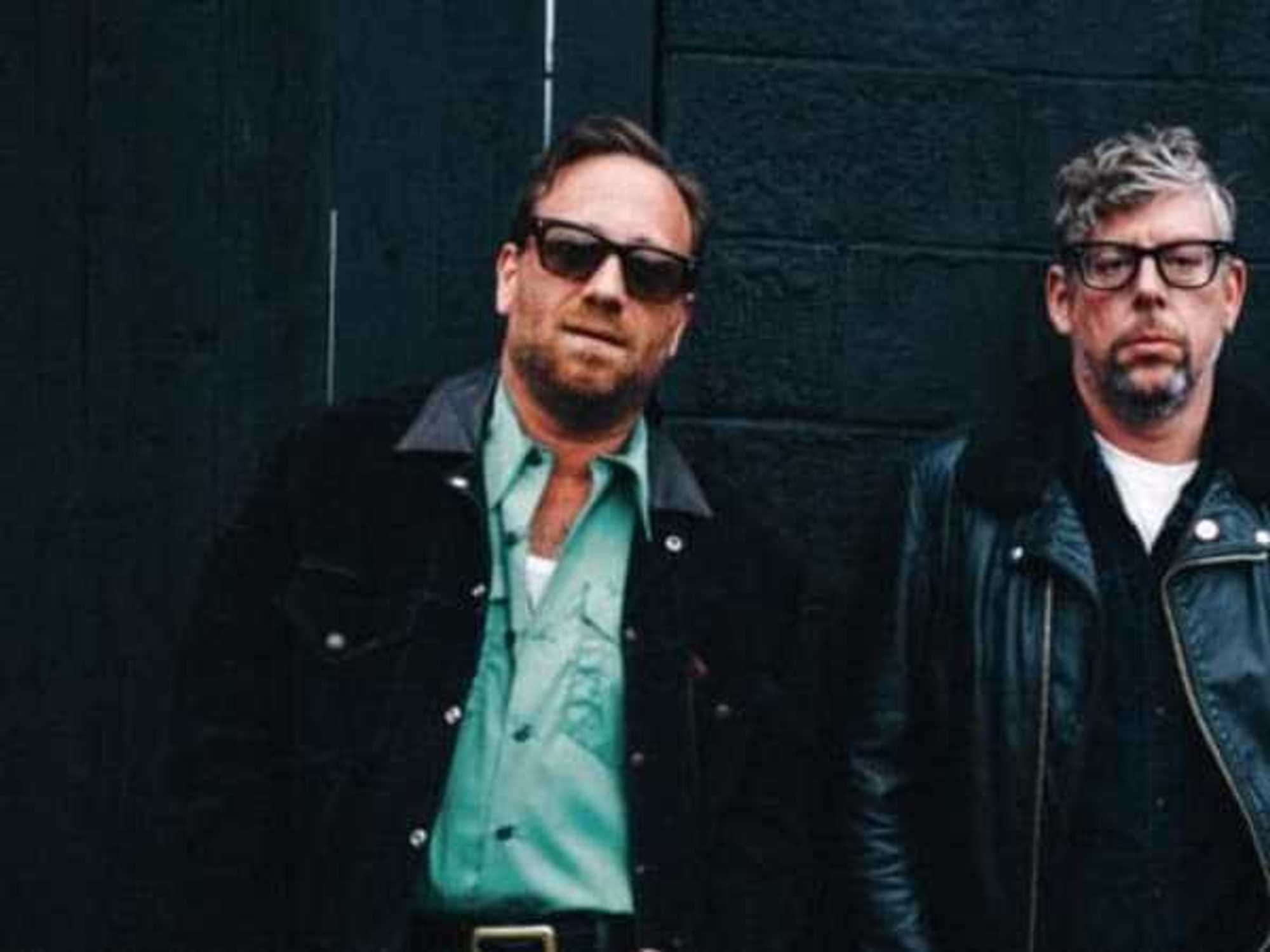
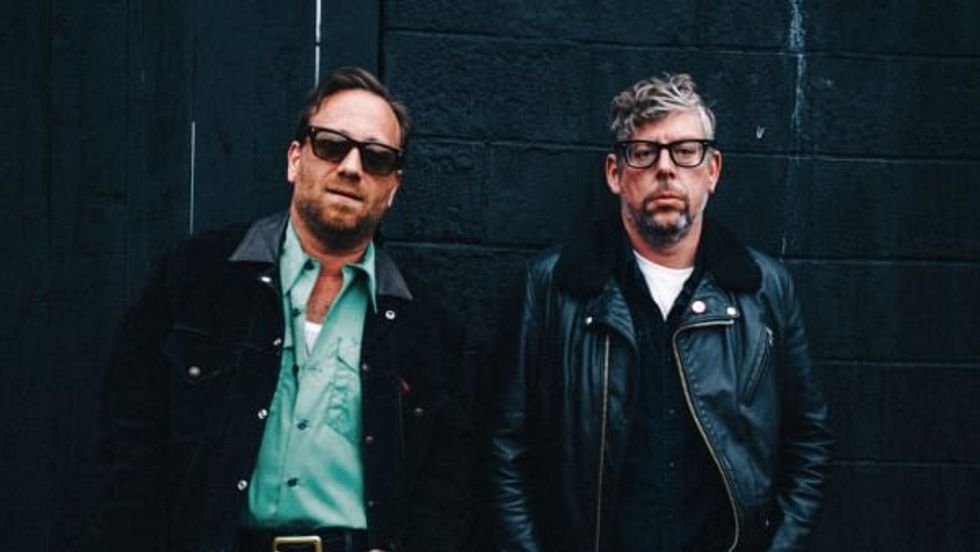
The Black Keys in concert
Dan Auerbach and Patrick Carney, better known as Ohio blues-rock gods The Black Keys, will be in town this weekend. They’ll most likely play tunes from their two recent releases – last year’s No Rain, No Flowers and the recently-dropped covers album Peaches!, which includes songs originally done by George Thorogood and the Destroyers, Dr. Feelgood, and R.L. Burnside. Hey, as long as they perform some tunes from their Danger Mouse-produced era, we’ll be as happy as campers in an El Camino. 6 pm.
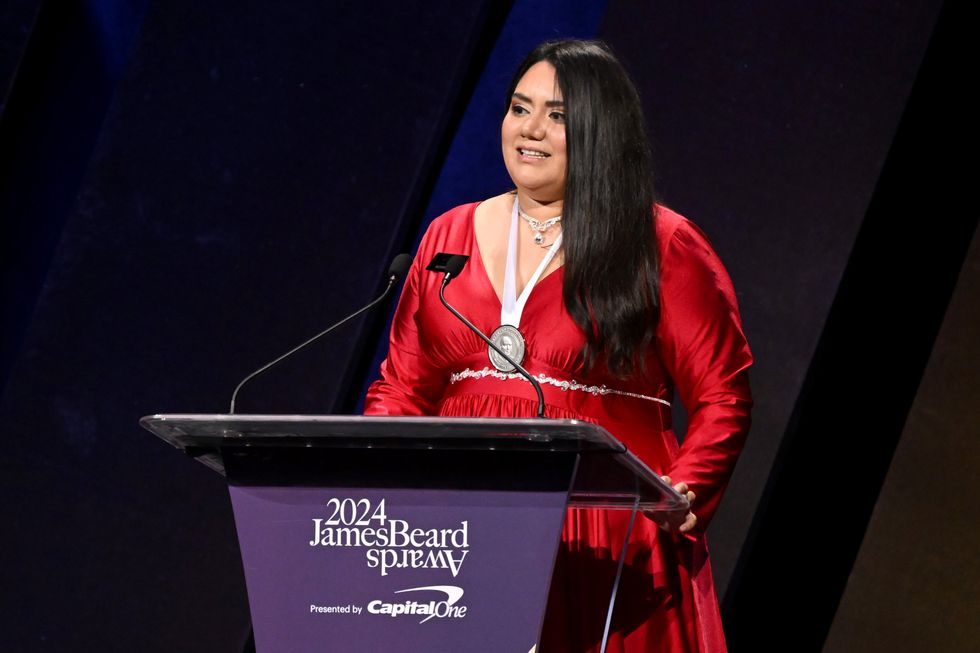
Houston Public Library presents Author Talk with Mychal Threets
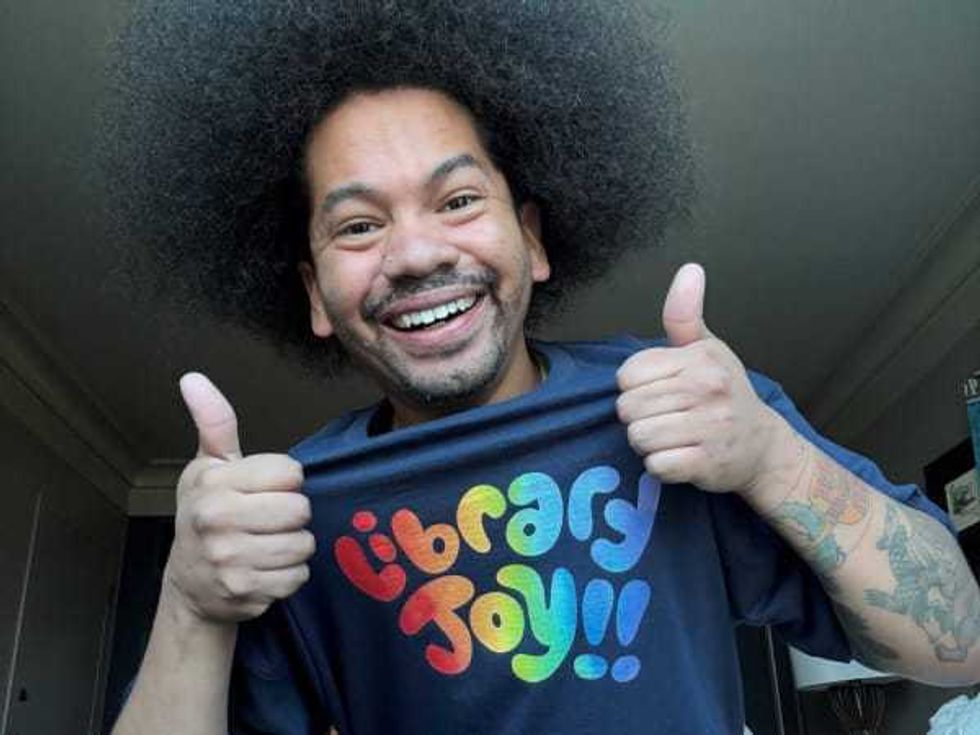
Over at Houston Public Library’s Julia Idelson Library, author and Reading Rainbow host Mychal Threets will be discussing his debut picture book I'm So Happy You're Here: A Celebration of Library Joy, followed by a book signing. Threets is a librarian, literary ambassador, and the library’s number one fan (according to himself, admittedly). He is also a recipient of the 2023 “I Love My Librarian” award from the American Library Association and one of TIME Magazine’s 2024 Next Generation Leaders. The event will be livestreamed on HPL's Facebook page. 6 pm.
Alley Theatre presents The Girl on the Train
The Girl on the Train is a modern psychological thriller, adapted from Paula Hawkins’s best-selling novel (and the film adaptation starring Emily Blunt), that follows Rachel, a woman struggling with dependency. She must piece together her fragmented memories to find a girl who’s gone missing. As her night comes back to her, she considers: who can you trust when you can’t trust yourself? Through Sunday, August 30. 8 pm (2 & 7 pm Sunday).
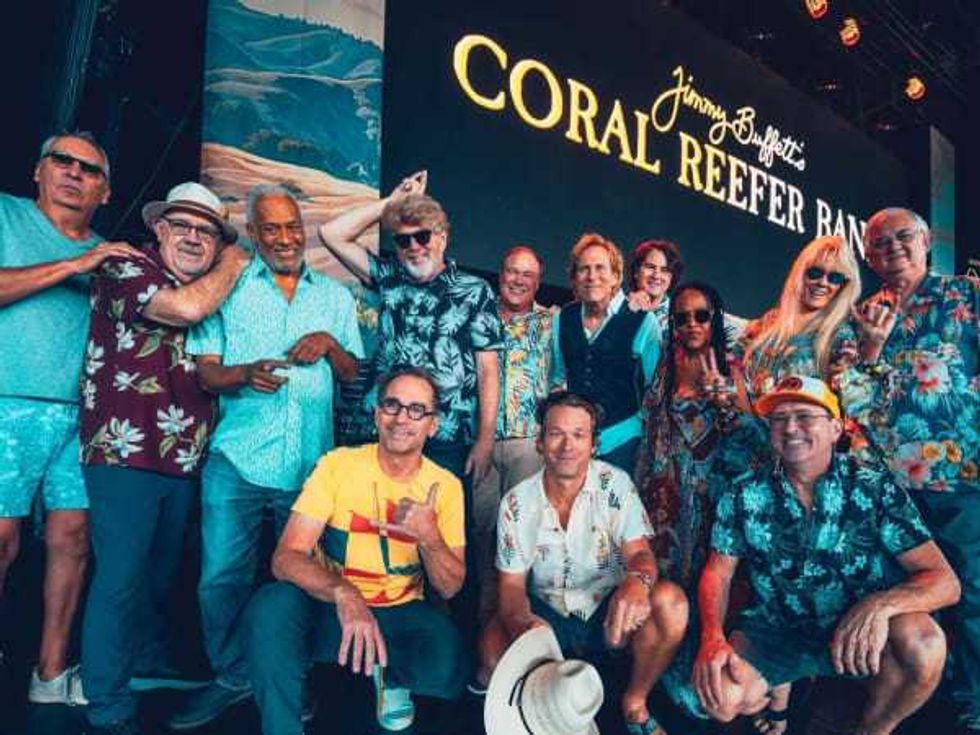
Jimmy Buffett’s Coral Reefer Band in concert
Jimmy Buffett’s Coral Reefer Band comes to Houston for the Keep The Party Going Tour. The Coral Reefer Band began their journey with Rock & Roll Hall of Famer (and resort entrepreneur) Buffett in 1973. While members have changed over the years, most of the band have performed with the tropical rocker for over 30 years. Together, they will celebrate the songs and community that defined a generation of fans. 8 pm.
Saturday, July 25
The DeLUXE Theater presents Forever Con
Forever Con is all about good vibes, cool cosplays, and nonstop fun. This family-friendly event features a double film screening (Teenage Mutant Ninja Turtles: Mutant Mayhem at noon, Blade 2 at 7 pm), vendors, panels, giveaways, and much more. Whether someone is into comics, games, or just meeting new friends, this event has it all. 9 am.
Power Station Bar & Lounge presents Sakenaut Festival
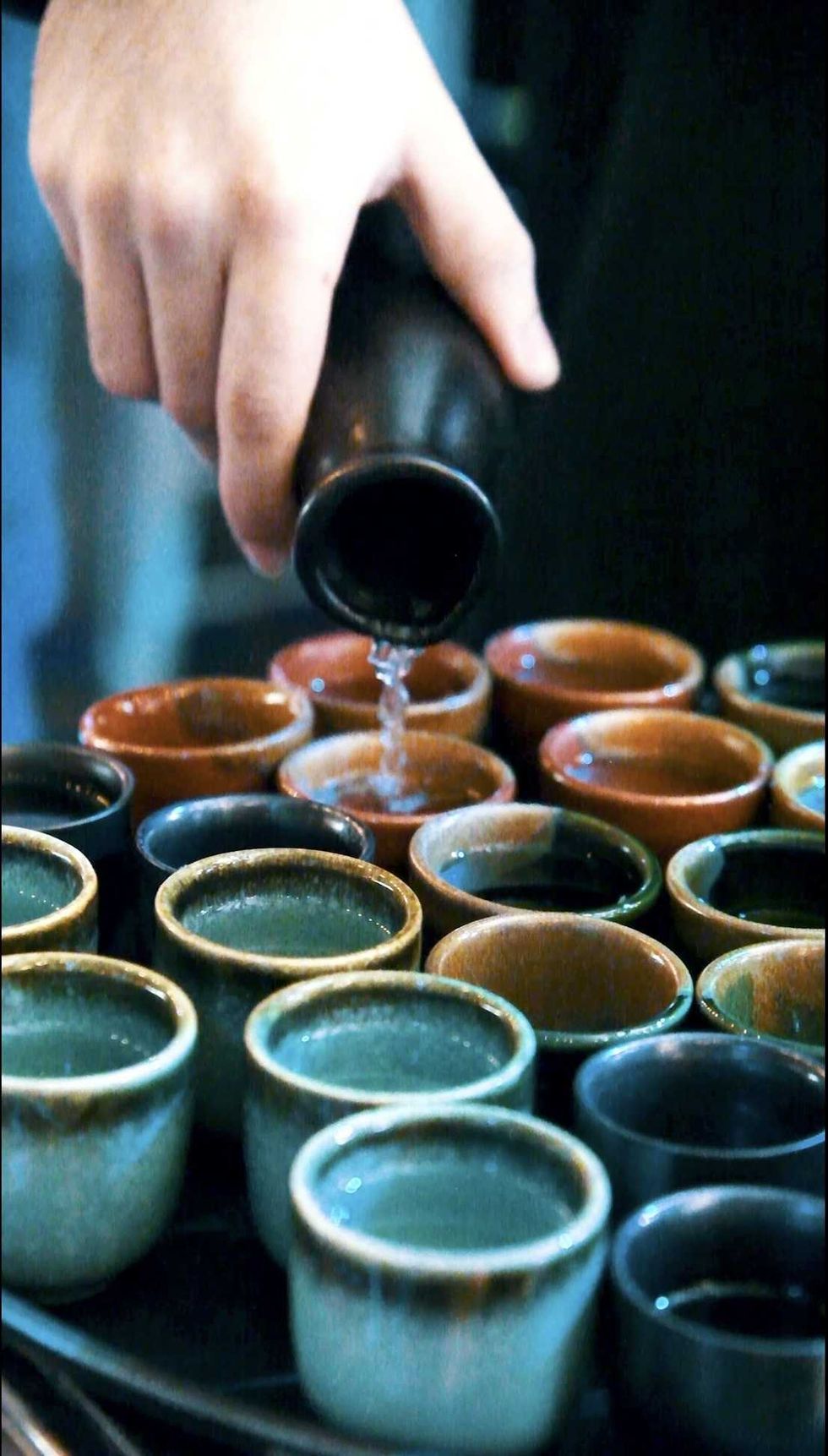
Sakenaut Festival is a Tokyo nightlife-inspired, all-you-can-drink sake festival, bringing a Japanese nightlife and sake experience directly to Houston audiences. The fest will feature sake and sake cocktails, Japanese drinking games, Nintendo Switch play, and a late-night DJ session, featuring Japanese spinners DJ Senna and DJ TSÜBEE, all built around a fun, social, Japan-inspired atmosphere. 2 pm.
Texas Monthly presents Taco Fest
At Texas Monthly's Taco Fest, attendees can enjoy an evening of live entertainment, culture, and some of the best tacos Texas has to offer. Tickets include access to bites from 15 taquerias featured on Texas Monthly’s most recent list of Top 50 Tacos in Texas, including No. 1 Ana Liz Taqueria (Mission) and No. 1 barbecue joint Burnt Bean Company (Seguin). VIP tickets are $85 and include bites from all featured joints, plus an extra thirty minutes of VIP access. GA tickets are $60 and include bites from all featured taquerias. 6 pm.
Buffalo Bayou Partnership and Arthouse Houston present Batman on the Bayou
Buffalo Bayou Partnership and Arthouse Houston will be giving us Batman on the Bayou, a free evening celebrating one of Houston’s most unique nighttime species. Presented as part of BBP’s Summer Species series exploring all things BATS, the event will feature family-friendly activities, a puppet show by Afasneh Aayani, nature education, and opportunities to learn more about the important role these night flyers play in our urban ecosystem. The evening also includes a screening of 1992’s Batman Returns – and costumes are encouraged! 7 pm.
Blaze x Black Halftime Performance
Houston rappers Blaze x Black have got some major events coming up this Tuesday, August 4 (aka Blaze x Black Day). That’s when they’ll drop the physical album release of their 2025 album NAHIMSAYIN, as well as their new single “Timmy Chan #2." But, before that happens, the pair will perform at halftime during the Houston Dynamo vs. Austin FC, over at Shell Energy Stadium. 7:30 pm.
Sunday, July 26
Dance Afrikana presents the 2nd Biennial Houston Black Dance Festival
Presented by Dance Afrikana, the Houston Black Dance Festival is a biennial cultural celebration that honors the richness, innovation, and global impact of African and African diasporic dance traditions through community workshops, artistic exchange, and film. This year also marks an exciting new chapter with the launch of the Black Dance on Screen series, a selection of films by and about Black dancers, followed by live conversations with the filmmakers that explore the stories and creative processes behind their work. 9 am.
Celebrating Whitney Screwston’s Heavenly Birthday
Carla Romero, also known as Whitney Screwston, was a DJ and event organizer whose life was cut short when she passed away last October at age 31. This weekend, come celebrate what would’ve been Whitney’s 32nd birthday at Forest Park Cemetery. Attendees can pay their respects and salute a special someone who brought people together through music, art, and community. People can also contribute to this celebration (as well as support her legacy and future events) by filling out this Google form. 4 pm.
The Museum of Fine Arts, Houston presents Allegro non troppo
An enterprising producer believes he has hit upon a winning concept: a program of original animated shorts set to classical music. Undeterred by warnings that this has already been done by an American named “Prisney,” he assembles an all-female orchestra, a bullish conductor, and an animator that he keeps locked in the dungeon. What could go wrong? Allegro non troppo — an irreverent send-up of Disney’s Fantasia — blends live-action slapstick with cheeky animation for a film as joyful and raunchy as it is thoughtful and cutting. 5 pm.