 Melody Herrera and artists of Houston Ballet in "Marie," choreographed byStanton Welch. The exaggerated style of the period had to be brought in tofacilitate movement.Photo by Bruce Bennett
 Costume sketch for "Marie" for Act II
 From "Marie," Houston Ballet artists Melody Herrera and Connor Walsh. "Marie"delves deeply into the character of the title character, exposing her inner mostturmoil and struggles.Photo by Amitava Sarkar


So, Thursday is the big day, when many Houstonians will get together with family and/or friends to celebrate Christmas with presents, egg nog, and a festive meal.
But that doesn’t mean there still won’t be events popping off this weekend. Some are holiday-related (like Stages’ staging of The Twelve Dates of Christmas and the Nutcracker! Magical Christmas Ballet going down in Sugar Land), while others are just some fun things to do (like watching some college football at NRG Stadium or attending the birthday bash of a local punk legend at Dan Electro’s).
Whatever you do, just have a holly, jolly time this weekend.
Thursday, December 25
Toro Toro presents Christmas Brunch
Embark on a brunch journey over at Toro Toro this Christmas. Executive chef Jonathan Esparza and his team have prepared an extensive, Christmas brunch buffet menu, featuring a selection of traditional holiday dishes and interactive stations. Brunch is priced at $145 per adult and $65 per child (11 and under; children 5 and under eat free). Dinner will also be served a la carte from 5:30 to 10 pm. 10 am.
Juliet Steakhouse & Fine Dining presents Holiday Buffet Feast
Juliet will be serving up a fabulous Christmas Day buffet, priced at $59 for adults and $28 for kids 12 and under (children under 5 dine free). The buffet includes carved-to-order turkey and filet mignon, plus sides such as mashed potatoes, green bean casserole, candied yams, cornbread dressing, mac and cheese, collard greens, dinner rolls, Caesar salad, and lobster bisque. Desserts include peach cobbler, sweet potato pie, and assorted cookies. Noon.
The Flat presents DJ Sun’s A James Brown Christmas Tribute
DJ Sun will be giving the gift of funk, with The Flat’s annual James Brown musical tribute. Flash Gordon Parks will also be spinning some cuts written, produced, and/or performed by the hardest-working man in show business. Special holiday cocktails will also be served, so pull up and close out Christmas night the right way: by getting funky with it! 8 pm.
Friday, December 26
The Museum of Fine Arts, Houston presents Little Kid Flicks and Big Kid Flicks
A holiday season favorite at the MFAH, Kid Flicks is a compilation of fun, artful, inspired, and thought-provoking short film compilations presented in partnership with the New York International Children’s Film Festival. These award-winning short films offer a chance to explore new frontiers from around the world, across the street, and the ever-expanding boundaries of our own perspectives. Little Kid Flicks is designed for ages 5 and up. Big Kid Flicks is designed for ages 8 and up. 11:30 am and 2 pm.
Downtown Houston+ presents Movies Under the Stars: The Fighting Temptations
As part of their Movies Under the Stars series, Downtown Houston+ will present a screening of the 2003 comedy The Fighting Temptations, where our own Beyoncé Knowles-Carter stars as a talented young singer who helps a childhood friend (Cuba Gooding, Jr.) revive a struggling church choir, at Trebly Park. Visitors are encouraged to grab takeout from a surrounding restaurant and bring their own lawn blanket to enjoy the screening. 6:30 pm.
Improv Houston presents Marcus D. Wiley
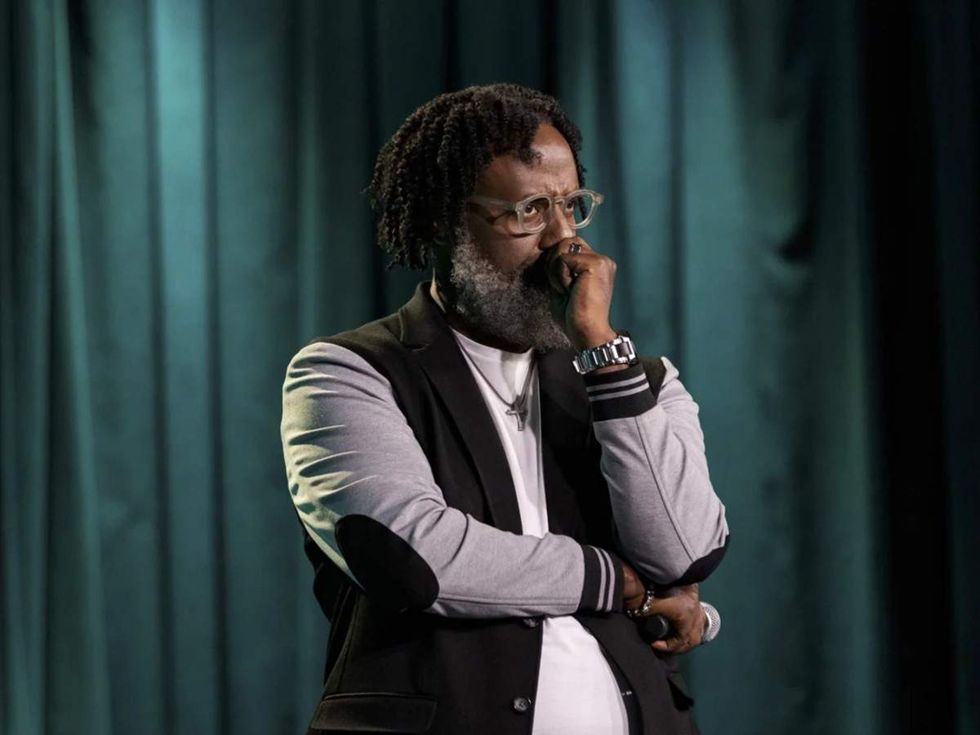
The son of a preacher, Christian comedian (and former Texas Southern University professor) Marcus D. Wiley's charismatic style of delivery is clean, captivating, funny, and knowledgeable. He provides lots of laughter along with a guaranteed message on being a better you. Earlier this year, Wiley released his third, hour-long special Marriage Is Major Surgery (executive-produced by Houston stand-up star Ali Siddiq) on YouTube. 7:30 and 9:45 pm (7 pm Saturday).
Stages presents The Twelve Dates of Christmas
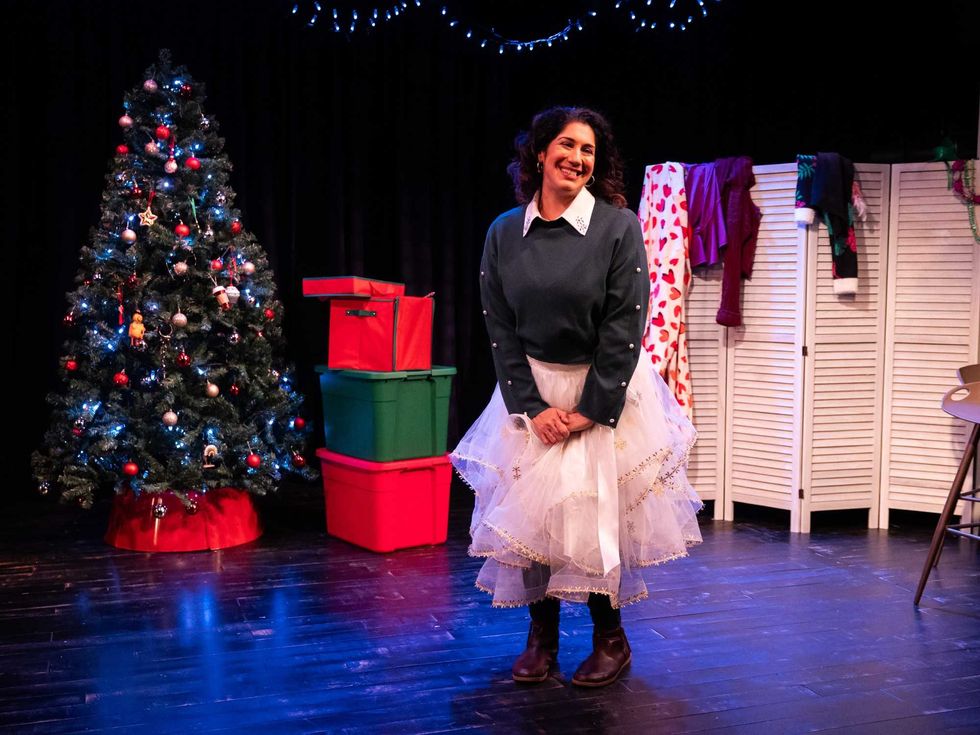
After seeing her fiance kiss another woman at the televised Thanksgiving Day Parade, Mary’s life falls apart — just in time for the holidays. Over the next year, she stumbles back into the dating world. It seems nothing can help Mary’s growing cynicism, until the charm and innocence of a five-year-old boy unexpectedly brings a new outlook on life and love. This heartwarming one-woman play offers a hilarious and modern alternative to the old standards of the holiday season. 7:30 pm (3 and 7:30 pm Saturday; 3 pm Sunday).
Saturday, December 27
Wonky Power presents Jazz & Jokes
A new night of stand-up, cocktails, and live jazz will debut inside one of Houston’s most intimate creative rooms. Jazz & Jokes brings together two of the best live experiences — laughter and live music — curated for a cozy, seated evening at Wonky Power. Featuring a rotating cast of special stand-up comedians from Houston and beyond, paired with a live jazz band setting the mood all night, this night will offer a warm, relaxed atmosphere, great drinks, and a room built for performance. 7 pm.
Kinder's Texas Bowl: Houston vs. LSU
The 2025 Kinder's Texas Bowl will feature a matchup between the Houston Cougars of the Big 12 Conference, making its 31st all-time bowl appearance, and the LSU Tigers of the Southeastern Conference. Houston enters the Texas Bowl ranked No. 21 in the College Football Playoff rankings with a 9-3 overall record, its best record since 2021. This will mark the first time the Cougars have played in the Bowl since 2007. 8:15 pm.
The Garden Theatre presents Cruel Intentions
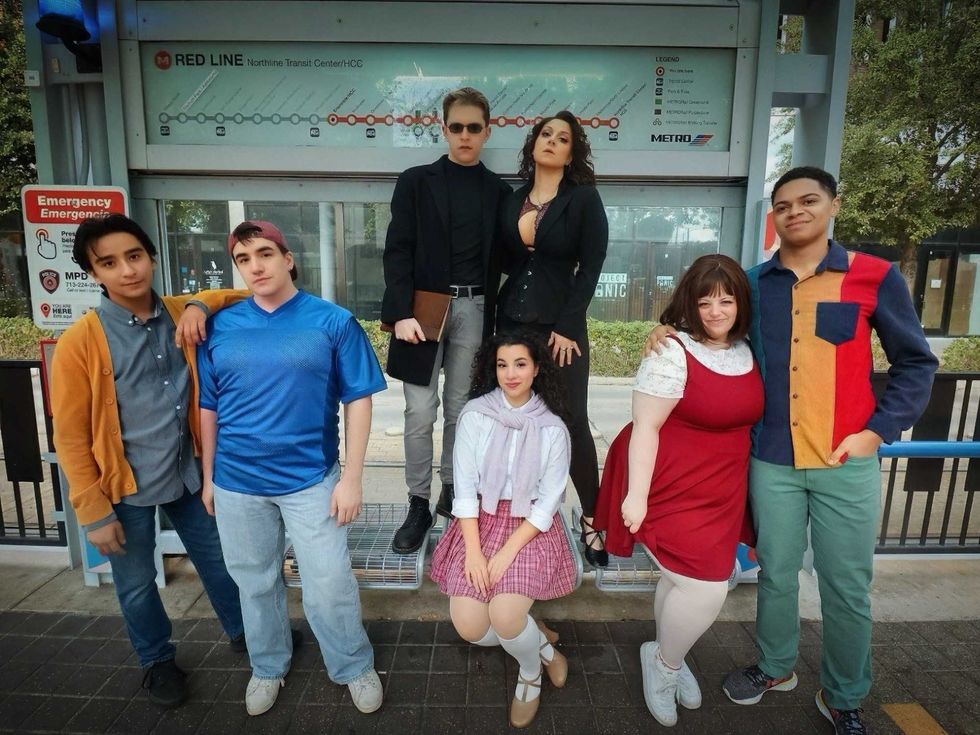
Based on the 1999 teen flick, Cruel Intentions: The ’90s Musical pulls audiences into the manipulative world of Manhattan’s most dangerous liaisons: Sebastian Valmont and Kathryn Merteuil. Fueled by revenge and passion, the diabolically charming step-siblings place a bet on whether or not Sebastian can deflower their incoming headmaster’s daughter, Annette Hargrove. The musical features throwback hits by artists like Christina Aguilera, 'NSYNC, and Britney Spears. Through Sunday, January 11. 8 pm (2 and 8 pm Saturday; 2 pm Sunday).
Goode Co. Armadillo Palace presents Roger Creager Piano Bar
Award-winning country singer/Texas native Roger Creager will be in town to do a post-Xmas set at Goode Co. Armadillo Palace. With more than a dozen No. 1 singles on the Texas Music Chart and Entertainer of the Year honors from both CMA Texas and the Texas Music Awards, Creager brings a mix of road-tested songwriting and bold melodies. Dine on authentic Texas fare, including signature house favorites the Damn Goode Burger and the Damn Goode Margarita. 9 pm.
Sunday, December 28
Dan Electro’s presents J.R.’s Birthday Bash
Houston punk pioneer (and all-around good guy) J.R. Delgado has been a member of multiple punk, hardcore and garage rock bands. He was also the owner of the legendary rock club The Axiom in the late ‘80s and early ‘90s. This weekend, he’lll be celebrating his 70th birthday at Dan Electro’s, and he’ll be having a free throwdown everyone is invited to. Hickoids, Jane Woe, and Bastard Union will be providing the live jams, while DJ LP will be spinning music all day. 1 pm.
Nutcracker! Magical Christmas Ballet
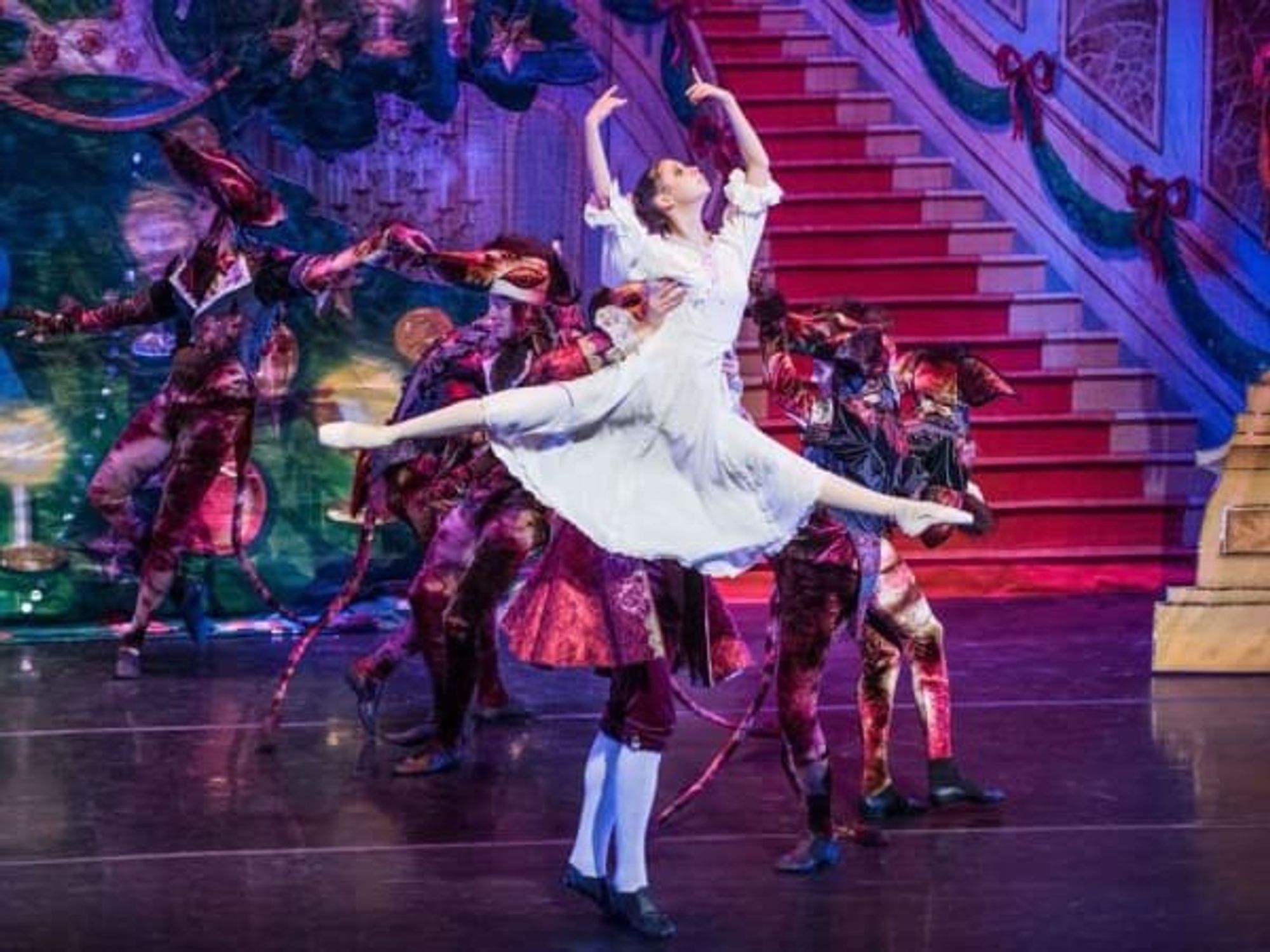
|Over at Smart Financial Centre in Sugar Land, Nutcracker! Magical Christmas Ballet will highlight an international cast and Ukrainian principal artists performing at the peak of classical European ballet. Audiences will be transported by the magic of jaw-dropping acrobatics, larger-than-life puppets, and hand-crafted sets and costumes. Share the tradition of pure holiday magic and Tchaikovsky’s timeless score with friends and family of all ages. 3 pm.
Arthouse Houston presents Hedwig and the Angry Inch with John Cameron Mitchell
Arthouse Houston will present a one-night-only event of Hedwig and the Angry Inch, with star/creator John Cameron Mitchell. The 2001 indie musical classic (based on Mitchell’s off-Broadway play) follows Hedwig, an East Berliner transplant and lead singer in a band, who is chasing down his ex for stealing his songs. The screening will be accompanied by a live director's commentary by Mitchell, and followed by a live music set led by Mitchell, with band members Amber Martin and Chapman Welch. (Read CultureMap’s exclusive interview with Mitchell here.) 7:30 pm.
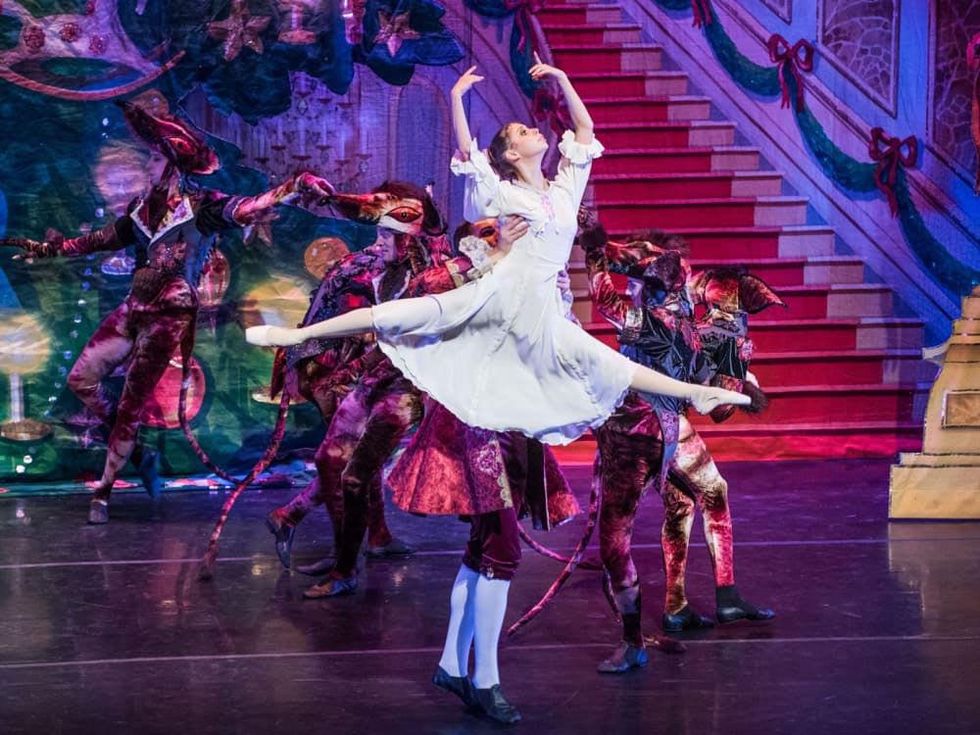
Photo courtesy of Nutcracker Magical Christmas Ballet
Nutcracker! Magical Christmas Ballet will perform in Sugar Land this weekend.

Loading...