
What's Brewing
Against all odds, Texas craft beer brewers hope governor cuts them a break
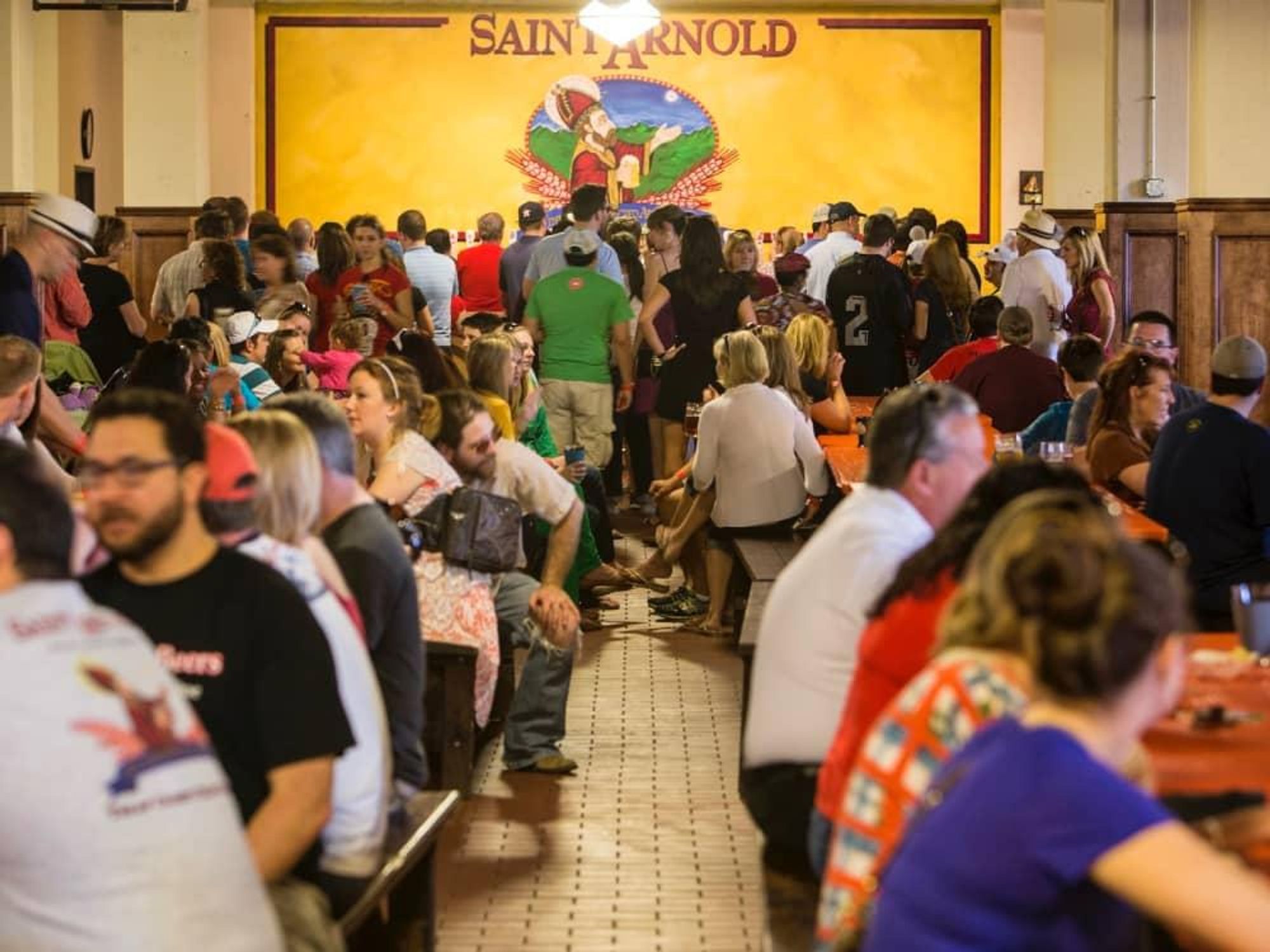
Texas has cultivated a love affair with craft beer, but that doesn't extend to the Texas Legislature, which recently passed a bill that beer advocates are calling grossly anti-competitive.
House Bill 3287, aka the "taproom bill," says that if a brewer with a taproom produces more than 175,000 barrels of beer on-site, they must 1) sell their beer to a distributor at a wholesale price, then 2) buy it back from that distributor at a retail price — even though the distributor would never take possession of the beer.
"The distributor gets paid for doing nothing and the brewer does all of the work — I find it insulting,” says Michael Peticolas, owner of Peticolas Brewing in Dallas and a fierce advocate for Texas breweries.
Peticolas founded his brewery in 2012 and will produce about 5,000 barrels this year. He added a taproom in January, which has helped business, contributing to a 35 percent increase in revenue compared to 2016.
"On the day this bill becomes law, there won't be an immediate change in my business," he says. "But if I wanted to go to a bank and take out a loan to open another taproom, this bill hurts the value of my business and the loan terms I could receive, because the future revenue from the tap room is limited."
Houston brewers have also spoken out against the bill. Karbach Brewing founder Ken Goodman wrote an editorial in the Chronicle to argue against the bill. As a Texas brewer acquired by international brewing giant Anheuser-Busch InBev in 2016, Karbach stands to be one of the first Texas breweries affected by the law. Saint Arnold owner Brock Wagner has also spoken out in opposition to the law.
Groups that represent distributors, such as the Beer Alliance of Texas and the Wholesale Beer Distributors of Texas, claim that the bill prevents large multinational breweries from becoming too powerful and gobbling up Texas' craft breweries.
Those two groups have made significant political contributions to state senators, according to Andrew Schwab of beer website Craft Beer Austin. In 2016, Beer Alliance donated more than $65,000, while Wholesale Beer Distributors donated more than $68,000.
But the executive director of Texas Craft Brewers Guild, which represents 227 Texas brewers, says that the bill damages the future growth of craft beer in the Lone Star state.
"Ultimately this sets a limit on the overall growth of craft brewers in the state of Texas and it scares off any investors and sends them to another state," says Charles Vallhonrat.
The bill, which had 15 different sponsors, was approved by the House on May 8 and the Senate on May 22. Now it goes to Governor Greg Abbott, who has until June 18 to take action. He has three options: sign the bill into law, take no action, which also forces the bill into law, or veto the bill.
The Texas Craft Brewers Guild created an online petition urging Abbott to veto, which has drawn more than 14,000 signatures. However, Abbott has received at least $437,000 in political contributions from those the bill will help.
"Hats off to distributors," Peticolas says. "They have a business to run and they are using their deep pockets and the ear of the legislature to protect their business. [But] this is further proof that the distributors and their lobbyists run the legislature. The distributors have so much more weight and can give so much more money than the craft brewers. We’re not even in the same ballpark."
I don't understand how the officials elected to represent us approved this bill and believe it's a good thing for Texas. The craft brew industry creates jobs. It attracts tourists to the state who spend money and help fill our tax coffers. So to all the craft brew lovers out there: If Abbott allows this bill to become law, it's time to starting crying in our beer.
Texas has had a great love affair with craft beer for the past 10 years, but it's one that doesn't extend to the Texas Legislature, who recently passed a bill that limits how much beer brewers can produce and sell onsite.
House Bill 3287, aka the "taproom bill," says that if a brewer with a taproom produces more than 175,000 barrels of beer, they must sell their beer to a distributor at a wholesale price, then buy it back from that distributor at a retail price — even though the distributor would never take possession of the beer.
in what has been dubbed a “dock bump” tax, meaning the distributor would drive up, bump the brewery loading dock, and leave, says Charles Vallhonrat, executive director of the Texas Craft Brewers Guild, which is running the online petition. The distributor never would take possession of the beer.
"Ultimately this sets a limit on the overall growth of craft brewers in the state of Texas and it scares off any investor and sends them to another state," says Vallhonrat, who’s group represents 227 brewers in Texas. "Even if the governor decides to veto this bill, outsiders are seeing how unpredictable the legislature is in Texas. If they're looking to invest they're going elsewhere."
The bill passed overwhelmingly in both the House and Senate, leaving the craft brewers in Texas feeling flat. With 15 different sponsors backing the bill, it was approved in the House May 8 and
Senate May 22.
The bill has been backed by the trade groups representing the distributors, or wholesalers, in Texas. Last year Beer Alliance of Texas donated at least $65,926 to senators and Wholesale Beer Distributors of Texas made contributions of at least $68,350, according to the public records Schwab has been tracking.
“The distributor will get paid for doing nothing and the brewer does all of the work. I find it insulting,” says Peticolas, who opened a tap room in January, which has contributed to a 35 percent increase in total revenue over last year. The brewery will produce 5,000 barrels this year. One barrel of beer is about two kegs.
“Hats off to distributors. They’ve got a business to run and they are using their deep pockets and the ear of the legislature to protect their business,” he says. “This is further proof that the distributors and their lobbyists run the legislature. The distributors have so much more weight and can give so much more money than the craft brewers. We’re not even in the same ballpark.”
Craft brewers in the state also lament the lack of action taken by the legislature to fuel their industry by allowing breweries to sell beer to-go. Texas is the only state in the country where brewers can’t sell prepacked beer to leave the premise.
The final bill sent to the governor’s desk gives exemptions to this law for the ABInBev-owned Karbach Brewing and MillerCoors-owned Revolver Brewing by grandfathering them in, says Vallhonrat,
Governor Greg Abbott has until Father’s Day to take action on Abbott received at least $437,000 in political contributions last year from those the bill will help based on numbers from Andrew Schwab of Craft Beer Austin. He has been tracking the political contributions made by distributors, their owners and board members.
Abbott can sign the bill into law or take no action, which also forces the bill into law. Craft brewers are urging the governor to use his third option -- veto the bill – to prevent it from becoming law. Supporters statewide have collected more than 14,000 signatures in an online petition urging Abbott to kill the legislation, which they believe only helps distributors and hurts craft brewers.
“On the day this bill becomes law, there won’t be an immediate change in my business, but it will remove massive amounts of value from the company and will hurt the overall valuation,” says
Michael Peticolas of Peticolas Brewing in Dallas. “Even if I wanted to go to a bank and take out a loan to open another tap room, this bill hurts the value of my business and the loan terms I could receive because the future revenue from the tap room is limited.”
Craft brewers view the bill as a way for distributors – the wholesale businesses that pick up beer from the producers and transport it where it is then for sale at retailers, like bars and liquor stores – will make money doing nothing while increasing costs for the brewers.
During a hearing on the bill, Rick Donley of the Beer Alliance of Texas represented distributors and argued that the bill prevents large multinational breweries from “gobbling up” Texas’ craft breweries and having “access to multiple taprooms across the state.” Keith Strama, counsel for the Wholesale Beer Distributors of Texas, has said while representing the distributors that the bill is critical to prevent large breweries from becoming too powerful.
Texas has had a great love affair with craft beer for the past 10 years, but it's one that doesn't extend to the Texas Legislature, who recently passed a bill that limits how much beer brewers can produce and sell onsite.
House Bill 3287, aka the "taproom bill," says that if a brewer with a taproom produces more than 175,000 barrels of beer, they must sell their beer to a distributor at a wholesale price, then buy it back from that distributor at a retail price — even though the distributor would never take possession of the beer.
in what has been dubbed a “dock bump” tax, meaning the distributor would drive up, bump the brewery loading dock, and leave, says Charles Vallhonrat, executive director of the Texas Craft Brewers Guild, which is running the online petition. The distributor never would take possession of the beer.
"Ultimately this sets a limit on the overall growth of craft brewers in the state of Texas and it scares off any investor and sends them to another state," says Vallhonrat, who’s group represents 227 brewers in Texas. "Even if the governor decides to veto this bill, outsiders are seeing how unpredictable the legislature is in Texas. If they're looking to invest they're going elsewhere."
The bill passed overwhelmingly in both the House and Senate, leaving the craft brewers in Texas feeling flat. With 15 different sponsors backing the bill, it was approved in the House May 8 and
Senate May 22.
The bill has been backed by the trade groups representing the distributors, or wholesalers, in Texas. Last year Beer Alliance of Texas donated at least $65,926 to senators and Wholesale Beer Distributors of Texas made contributions of at least $68,350, according to the public records Schwab has been tracking.
“The distributor will get paid for doing nothing and the brewer does all of the work. I find it insulting,” says Peticolas, who opened a tap room in January, which has contributed to a 35 percent increase in total revenue over last year. The brewery will produce 5,000 barrels this year. One barrel of beer is about two kegs.
“Hats off to distributors. They’ve got a business to run and they are using their deep pockets and the ear of the legislature to protect their business,” he says. “This is further proof that the distributors and their lobbyists run the legislature. The distributors have so much more weight and can give so much more money than the craft brewers. We’re not even in the same ballpark.”
Craft brewers in the state also lament the lack of action taken by the legislature to fuel their industry by allowing breweries to sell beer to-go. Texas is the only state in the country where brewers can’t sell prepacked beer to leave the premise.
The final bill sent to the governor’s desk gives exemptions to this law for the ABInBev-owned Karbach Brewing and MillerCoors-owned Revolver Brewing by grandfathering them in, says Vallhonrat,
Governor Greg Abbott has until Father’s Day to take action on Abbott received at least $437,000 in political contributions last year from those the bill will help based on numbers from Andrew Schwab of Craft Beer Austin. He has been tracking the political contributions made by distributors, their owners and board members.
Abbott can sign the bill into law or take no action, which also forces the bill into law. Craft brewers are urging the governor to use his third option -- veto the bill – to prevent it from becoming law. Supporters statewide have collected more than 14,000 signatures in an online petition urging Abbott to kill the legislation, which they believe only helps distributors and hurts craft brewers.
“On the day this bill becomes law, there won’t be an immediate change in my business, but it will remove massive amounts of value from the company and will hurt the overall valuation,” says
Michael Peticolas of Peticolas Brewing in Dallas. “Even if I wanted to go to a bank and take out a loan to open another tap room, this bill hurts the value of my business and the loan terms I could receive because the future revenue from the tap room is limited.”
Craft brewers view the bill as a way for distributors – the wholesale businesses that pick up beer from the producers and transport it where it is then for sale at retailers, like bars and liquor stores – will make money doing nothing while increasing costs for the brewers.
During a hearing on the bill, Rick Donley of the Beer Alliance of Texas represented distributors and argued that the bill prevents large multinational breweries from “gobbling up” Texas’ craft breweries and having “access to multiple taprooms across the state.” Keith Strama, counsel for the Wholesale Beer Distributors of Texas, has said while representing the distributors that the bill is critical to prevent large breweries from becoming too powerful.
Texas has had a great love affair with craft beer for the past 10 years, but it's one that doesn't extend to the Texas Legislature, who recently passed a bill that limits how much beer brewers can produce and sell onsite.
House Bill 3287, aka the "taproom bill," says that if a brewer with a taproom produces more than 175,000 barrels of beer, they must sell their beer to a distributor at a wholesale price, then buy it back from that distributor at a retail price — even though the distributor would never take possession of the beer.
in what has been dubbed a “dock bump” tax, meaning the distributor would drive up, bump the brewery loading dock, and leave, says Charles Vallhonrat, executive director of the Texas Craft Brewers Guild, which is running the online petition. The distributor never would take possession of the beer.
"Ultimately this sets a limit on the overall growth of craft brewers in the state of Texas and it scares off any investor and sends them to another state," says Vallhonrat, who’s group represents 227 brewers in Texas. "Even if the governor decides to veto this bill, outsiders are seeing how unpredictable the legislature is in Texas. If they're looking to invest they're going elsewhere."
The bill passed overwhelmingly in both the House and Senate, leaving the craft brewers in Texas feeling flat. With 15 different sponsors backing the bill, it was approved in the House May 8 and
Senate May 22.
The bill has been backed by the trade groups representing the distributors, or wholesalers, in Texas. Last year Beer Alliance of Texas donated at least $65,926 to senators and Wholesale Beer Distributors of Texas made contributions of at least $68,350, according to the public records Schwab has been tracking.
“The distributor will get paid for doing nothing and the brewer does all of the work. I find it insulting,” says Peticolas, who opened a tap room in January, which has contributed to a 35 percent increase in total revenue over last year. The brewery will produce 5,000 barrels this year. One barrel of beer is about two kegs.
“Hats off to distributors. They’ve got a business to run and they are using their deep pockets and the ear of the legislature to protect their business,” he says. “This is further proof that the distributors and their lobbyists run the legislature. The distributors have so much more weight and can give so much more money than the craft brewers. We’re not even in the same ballpark.”
Craft brewers in the state also lament the lack of action taken by the legislature to fuel their industry by allowing breweries to sell beer to-go. Texas is the only state in the country where brewers can’t sell prepacked beer to leave the premise.
The final bill sent to the governor’s desk gives exemptions to this law for the ABInBev-owned Karbach Brewing and MillerCoors-owned Revolver Brewing by grandfathering them in, says Vallhonrat,
Governor Greg Abbott has until Father’s Day to take action on Abbott received at least $437,000 in political contributions last year from those the bill will help based on numbers from Andrew Schwab of Craft Beer Austin. He has been tracking the political contributions made by distributors, their owners and board members.
Abbott can sign the bill into law or take no action, which also forces the bill into law. Craft brewers are urging the governor to use his third option -- veto the bill – to prevent it from becoming law. Supporters statewide have collected more than 14,000 signatures in an online petition urging Abbott to kill the legislation, which they believe only helps distributors and hurts craft brewers.
“On the day this bill becomes law, there won’t be an immediate change in my business, but it will remove massive amounts of value from the company and will hurt the overall valuation,” says
Michael Peticolas of Peticolas Brewing in Dallas. “Even if I wanted to go to a bank and take out a loan to open another tap room, this bill hurts the value of my business and the loan terms I could receive because the future revenue from the tap room is limited.”
Craft brewers view the bill as a way for distributors – the wholesale businesses that pick up beer from the producers and transport it where it is then for sale at retailers, like bars and liquor stores – will make money doing nothing while increasing costs for the brewers.
During a hearing on the bill, Rick Donley of the Beer Alliance of Texas represented distributors and argued that the bill prevents large multinational breweries from “gobbling up” Texas’ craft breweries and having “access to multiple taprooms across the state.” Keith Strama, counsel for the Wholesale Beer Distributors of Texas, has said while representing the distributors that the bill is critical to prevent large breweries from becoming too powerful.
Texas has had a great love affair with craft beer for the past 10 years, but it's one that doesn't extend to the Texas Legislature, who recently passed a bill that limits how much beer brewers can produce and sell onsite.
House Bill 3287, aka the "taproom bill," says that if a brewer with a taproom produces more than 175,000 barrels of beer, they must sell their beer to a distributor at a wholesale price, then buy it back from that distributor at a retail price — even though the distributor would never take possession of the beer.
Charles Vallhonrat, executive director of the Texas Craft Brewers Guild, which is running the online petition. The distributor never would take possession of the beer.
"Ultimately this sets a limit on the overall growth of craft brewers in the state of Texas and it scares off any investor and sends them to another state," says Vallhonrat, who’s group represents 227 brewers in Texas. "Even if the governor decides to veto this bill, outsiders are seeing how unpredictable the legislature is in Texas. If they're looking to invest they're going elsewhere."
The bill passed overwhelmingly in both the House and Senate, leaving the craft brewers in Texas feeling flat. With 15 different sponsors backing the bill, it was approved in the House May 8 and
Senate May 22.
The bill has been backed by the trade groups representing the distributors, or wholesalers, in Texas. Last year Beer Alliance of Texas donated at least $65,926 to senators and Wholesale Beer Distributors of Texas made contributions of at least $68,350, according to the public records Schwab has been tracking.
“The distributor will get paid for doing nothing and the brewer does all of the work. I find it insulting,” says Peticolas, who opened a tap room in January, which has contributed to a 35 percent increase in total revenue over last year. The brewery will produce 5,000 barrels this year. One barrel of beer is about two kegs.
“Hats off to distributors. They’ve got a business to run and they are using their deep pockets and the ear of the legislature to protect their business,” he says. “This is further proof that the distributors and their lobbyists run the legislature. The distributors have so much more weight and can give so much more money than the craft brewers. We’re not even in the same ballpark.”
Craft brewers in the state also lament the lack of action taken by the legislature to fuel their industry by allowing breweries to sell beer to-go. Texas is the only state in the country where brewers can’t sell prepacked beer to leave the premise.
The final bill sent to the governor’s desk gives exemptions to this law for the ABInBev-owned Karbach Brewing and MillerCoors-owned Revolver Brewing by grandfathering them in, says Vallhonrat,
Governor Greg Abbott has until Father’s Day to take action on Abbott received at least $437,000 in political contributions last year from those the bill will help based on numbers from Andrew Schwab of Craft Beer Austin. He has been tracking the political contributions made by distributors, their owners and board members.
Abbott can sign the bill into law or take no action, which also forces the bill into law. Craft brewers are urging the governor to use his third option -- veto the bill – to prevent it from becoming law. Supporters statewide have collected more than 14,000 signatures in an online petition urging Abbott to kill the legislation, which they believe only helps distributors and hurts craft brewers.
“On the day this bill becomes law, there won’t be an immediate change in my business, but it will remove massive amounts of value from the company and will hurt the overall valuation,” says
Michael Peticolas of Peticolas Brewing in Dallas. “Even if I wanted to go to a bank and take out a loan to open another tap room, this bill hurts the value of my business and the loan terms I could receive because the future revenue from the tap room is limited.”
Craft brewers view the bill as a way for distributors – the wholesale businesses that pick up beer from the producers and transport it where it is then for sale at retailers, like bars and liquor stores – will make money doing nothing while increasing costs for the brewers.
During a hearing on the bill, Rick Donley of the Beer Alliance of Texas represented distributors and argued that the bill prevents large multinational breweries from “gobbling up” Texas’ craft breweries and having “access to multiple taprooms across the state.” Keith Strama, counsel for the Wholesale Beer Distributors of Texas, has said while representing the distributors that the bill is critical to prevent large breweries from becoming too powerful.
Texas has had a great love affair with craft beer for the past 10 years, but it's one that doesn't extend to the Texas Legislature, who recently passed a bill that limits how much beer brewers can produce and sell onsite.
House Bill 3287, aka the "taproom bill," says that if a brewer with a taproom produces more than 175,000 barrels of beer, they must sell their beer to a distributor at a wholesale price, then buy it back from that distributor at a retail price — even though the distributor would never take possession of the beer.
in what has been dubbed a “dock bump” tax, meaning the distributor would drive up, bump the brewery loading dock, and leave, says Charles Vallhonrat, executive director of the Texas Craft Brewers Guild, which is running the online petition. The distributor never would take possession of the beer.
"Ultimately this sets a limit on the overall growth of craft brewers in the state of Texas and it scares off any investor and sends them to another state," says Vallhonrat, who’s group represents 227 brewers in Texas. "Even if the governor decides to veto this bill, outsiders are seeing how unpredictable the legislature is in Texas. If they're looking to invest they're going elsewhere."
The bill passed overwhelmingly in both the House and Senate, leaving the craft brewers in Texas feeling flat. With 15 different sponsors backing the bill, it was approved in the House May 8 and
Senate May 22.
The bill has been backed by the trade groups representing the distributors, or wholesalers, in Texas. Last year Beer Alliance of Texas donated at least $65,926 to senators and Wholesale Beer Distributors of Texas made contributions of at least $68,350, according to the public records Schwab has been tracking.
“The distributor will get paid for doing nothing and the brewer does all of the work. I find it insulting,” says Peticolas, who opened a tap room in January, which has contributed to a 35 percent increase in total revenue over last year. The brewery will produce 5,000 barrels this year. One barrel of beer is about two kegs.
“Hats off to distributors. They’ve got a business to run and they are using their deep pockets and the ear of the legislature to protect their business,” he says. “This is further proof that the distributors and their lobbyists run the legislature. The distributors have so much more weight and can give so much more money than the craft brewers. We’re not even in the same ballpark.”
Craft brewers in the state also lament the lack of action taken by the legislature to fuel their industry by allowing breweries to sell beer to-go. Texas is the only state in the country where brewers can’t sell prepacked beer to leave the premise.
The final bill sent to the governor’s desk gives exemptions to this law for the ABInBev-owned Karbach Brewing and MillerCoors-owned Revolver Brewing by grandfathering them in, says Vallhonrat,
Governor Greg Abbott has until Father’s Day to take action on Abbott received at least $437,000 in political contributions last year from those the bill will help based on numbers from Andrew Schwab of Craft Beer Austin. He has been tracking the political contributions made by distributors, their owners and board members.
Abbott can sign the bill into law or take no action, which also forces the bill into law. Craft brewers are urging the governor to use his third option -- veto the bill – to prevent it from becoming law. Supporters statewide have collected more than 14,000 signatures in an online petition urging Abbott to kill the legislation, which they believe only helps distributors and hurts craft brewers.
“On the day this bill becomes law, there won’t be an immediate change in my business, but it will remove massive amounts of value from the company and will hurt the overall valuation,” says
Michael Peticolas of Peticolas Brewing in Dallas. “Even if I wanted to go to a bank and take out a loan to open another tap room, this bill hurts the value of my business and the loan terms I could receive because the future revenue from the tap room is limited.”
Craft brewers view the bill as a way for distributors – the wholesale businesses that pick up beer from the producers and transport it where it is then for sale at retailers, like bars and liquor stores – will make money doing nothing while increasing costs for the brewers.
During a hearing on the bill, Rick Donley of the Beer Alliance of Texas represented distributors and argued that the bill prevents large multinational breweries from “gobbling up” Texas’ craft breweries and having “access to multiple taprooms across the state.” Keith Strama, counsel for the Wholesale Beer Distributors of Texas, has said while representing the distributors that the bill is critical to prevent large breweries from becoming too powerful.
Texas has had a great love affair with craft beer for the past 10 years, but it's one that doesn't extend to the Texas Legislature, who recently passed a bill that limits how much beer brewers can produce and sell onsite.
House Bill 3287, aka the "taproom bill," says that if a brewer with a taproom produces more than 175,000 barrels of beer, they must sell their beer to a distributor at a wholesale price, then buy it back from that distributor at a retail price — even though the distributor would never take possession of the beer.
in what has been dubbed a “dock bump” tax, meaning the distributor would drive up, bump the brewery loading dock, and leave, says Charles Vallhonrat, executive director of the Texas Craft Brewers Guild, which is running the online petition. The distributor never would take possession of the beer.
"Ultimately this sets a limit on the overall growth of craft brewers in the state of Texas and it scares off any investor and sends them to another state," says Vallhonrat, who’s group represents 227 brewers in Texas. "Even if the governor decides to veto this bill, outsiders are seeing how unpredictable the legislature is in Texas. If they're looking to invest they're going elsewhere."
The bill passed overwhelmingly in both the House and Senate, leaving the craft brewers in Texas feeling flat. With 15 different sponsors backing the bill, it was approved in the House May 8 and
Senate May 22.
The bill has been backed by the trade groups representing the distributors, or wholesalers, in Texas. Last year Beer Alliance of Texas donated at least $65,926 to senators and Wholesale Beer Distributors of Texas made contributions of at least $68,350, according to the public records Schwab has been tracking.
“The distributor will get paid for doing nothing and the brewer does all of the work. I find it insulting,” says Peticolas, who opened a tap room in January, which has contributed to a 35 percent increase in total revenue over last year. The brewery will produce 5,000 barrels this year. One barrel of beer is about two kegs.
“Hats off to distributors. They’ve got a business to run and they are using their deep pockets and the ear of the legislature to protect their business,” he says. “This is further proof that the distributors and their lobbyists run the legislature. The distributors have so much more weight and can give so much more money than the craft brewers. We’re not even in the same ballpark.”
Craft brewers in the state also lament the lack of action taken by the legislature to fuel their industry by allowing breweries to sell beer to-go. Texas is the only state in the country where brewers can’t sell prepacked beer to leave the premise.
The final bill sent to the governor’s desk gives exemptions to this law for the ABInBev-owned Karbach Brewing and MillerCoors-owned Revolver Brewing by grandfathering them in, says Vallhonrat,
Governor Greg Abbott has until Father’s Day to take action on Abbott received at least $437,000 in political contributions last year from those the bill will help based on numbers from Andrew Schwab of Craft Beer Austin. He has been tracking the political contributions made by distributors, their owners and board members.
Abbott can sign the bill into law or take no action, which also forces the bill into law. Craft brewers are urging the governor to use his third option -- veto the bill – to prevent it from becoming law. Supporters statewide have collected more than 14,000 signatures in an online petition urging Abbott to kill the legislation, which they believe only helps distributors and hurts craft brewers.
“On the day this bill becomes law, there won’t be an immediate change in my business, but it will remove massive amounts of value from the company and will hurt the overall valuation,” says
Michael Peticolas of Peticolas Brewing in Dallas. “Even if I wanted to go to a bank and take out a loan to open another tap room, this bill hurts the value of my business and the loan terms I could receive because the future revenue from the tap room is limited.”
Craft brewers view the bill as a way for distributors – the wholesale businesses that pick up beer from the producers and transport it where it is then for sale at retailers, like bars and liquor stores – will make money doing nothing while increasing costs for the brewers.
During a hearing on the bill, Rick Donley of the Beer Alliance of Texas represented distributors and argued that the bill prevents large multinational breweries from “gobbling up” Texas’ craft breweries and having “access to multiple taprooms across the state.” Keith Strama, counsel for the Wholesale Beer Distributors of Texas, has said while representing the distributors that the bill is critical to prevent large breweries from becoming too powerful.
Texas has had a great love affair with craft beer for the past 10 years, but it's one that doesn't extend to the Texas Legislature, who recently passed a bill that limits how much beer brewers can produce and sell onsite.
House Bill 3287, aka the "taproom bill," says that if a brewer with a taproom produces more than 175,000 barrels of beer, they must sell their beer to a distributor at a wholesale price, then buy it back from that distributor at a retail price — even though the distributor would never take possession of the beer.
in what has been dubbed a “dock bump” tax, meaning the distributor would drive up, bump the brewery loading dock, and leave, says Charles Vallhonrat, executive director of the Texas Craft Brewers Guild, which is running the online petition. The distributor never would take possession of the beer.
"Ultimately this sets a limit on the overall growth of craft brewers in the state of Texas and it scares off any investor and sends them to another state," says Vallhonrat, who’s group represents 227 brewers in Texas. "Even if the governor decides to veto this bill, outsiders are seeing how unpredictable the legislature is in Texas. If they're looking to invest they're going elsewhere."
The bill passed overwhelmingly in both the House and Senate, leaving the craft brewers in Texas feeling flat. With 15 different sponsors backing the bill, it was approved in the House May 8 and
Senate May 22.
The bill has been backed by the trade groups representing the distributors, or wholesalers, in Texas. Last year Beer Alliance of Texas donated at least $65,926 to senators and Wholesale Beer Distributors of Texas made contributions of at least $68,350, according to the public records Schwab has been tracking.
“The distributor will get paid for doing nothing and the brewer does all of the work. I find it insulting,” says Peticolas, who opened a tap room in January, which has contributed to a 35 percent increase in total revenue over last year. The brewery will produce 5,000 barrels this year. One barrel of beer is about two kegs.
“Hats off to distributors. They’ve got a business to run and they are using their deep pockets and the ear of the legislature to protect their business,” he says. “This is further proof that the distributors and their lobbyists run the legislature. The distributors have so much more weight and can give so much more money than the craft brewers. We’re not even in the same ballpark.”
Craft brewers in the state also lament the lack of action taken by the legislature to fuel their industry by allowing breweries to sell beer to-go. Texas is the only state in the country where brewers can’t sell prepacked beer to leave the premise.
The final bill sent to the governor’s desk gives exemptions to this law for the ABInBev-owned Karbach Brewing and MillerCoors-owned Revolver Brewing by grandfathering them in, says Vallhonrat,
Governor Greg Abbott has until Father’s Day to take action on Abbott received at least $437,000 in political contributions last year from those the bill will help based on numbers from Andrew Schwab of Craft Beer Austin. He has been tracking the political contributions made by distributors, their owners and board members.
Abbott can sign the bill into law or take no action, which also forces the bill into law. Craft brewers are urging the governor to use his third option -- veto the bill – to prevent it from becoming law. Supporters statewide have collected more than 14,000 signatures in an online petition urging Abbott to kill the legislation, which they believe only helps distributors and hurts craft brewers.
“On the day this bill becomes law, there won’t be an immediate change in my business, but it will remove massive amounts of value from the company and will hurt the overall valuation,” says
Michael Peticolas of Peticolas Brewing in Dallas. “Even if I wanted to go to a bank and take out a loan to open another tap room, this bill hurts the value of my business and the loan terms I could receive because the future revenue from the tap room is limited.”
Craft brewers view the bill as a way for distributors – the wholesale businesses that pick up beer from the producers and transport it where it is then for sale at retailers, like bars and liquor stores – will make money doing nothing while increasing costs for the brewers.
During a hearing on the bill, Rick Donley of the Beer Alliance of Texas represented distributors and argued that the bill prevents large multinational breweries from “gobbling up” Texas’ craft breweries and having “access to multiple taprooms across the state.” Keith Strama, counsel for the Wholesale Beer Distributors of Texas, has said while representing the distributors that the bill is critical to prevent large breweries from becoming too powerful.
Texas has had a great love affair with craft beer for the past 10 years, but it's one that doesn't extend to the Texas Legislature, who recently passed a bill that limits how much beer brewers can produce and sell onsite.
House Bill 3287, aka the "taproom bill," says that if a brewer with a taproom produces more than 175,000 barrels of beer, they must sell their beer to a distributor at a wholesale price, then buy it back from that distributor at a retail price — even though the distributor would never take possession of the beer.
Texas Craft BreeCharles Vallhonrat, executive director of the Texas Craft Brewers Guild, which is running the online petition. The distributor never would take possession of the beer.
"Ultimately this sets a limit on the overall growth of craft brewers in the state of Texas and it scares off any investor and sends them to another state," says Vallhonrat, who’s group represents 227 brewers in Texas. "Even if the governor decides to veto this bill, outsiders are seeing how unpredictable the legislature is in Texas. If they're looking to invest they're going elsewhere."
The bill passed overwhelmingly in both the House and Senate, leaving the craft brewers in Texas feeling flat. With 15 different sponsors backing the bill, it was approved in the House May 8 and
Senate May 22.
The bill has been backed by the trade groups representing the distributors, or wholesalers, in Texas. Last year Beer Alliance of Texas donated at least $65,926 to senators and Wholesale Beer Distributors of Texas made contributions of at least $68,350, according to the public records Schwab has been tracking.
“The distributor will get paid for doing nothing and the brewer does all of the work. I find it insulting,” says Peticolas, who opened a tap room in January, which has contributed to a 35 percent increase in total revenue over last year. The brewery will produce 5,000 barrels this year. One barrel of beer is about two kegs.
“Hats off to distributors. They’ve got a business to run and they are using their deep pockets and the ear of the legislature to protect their business,” he says. “This is further proof that the distributors and their lobbyists run the legislature. The distributors have so much more weight and can give so much more money than the craft brewers. We’re not even in the same ballpark.”
Craft brewers in the state also lament the lack of action taken by the legislature to fuel their industry by allowing breweries to sell beer to-go. Texas is the only state in the country where brewers can’t sell prepacked beer to leave the premise.
The final bill sent to the governor’s desk gives exemptions to this law for the ABInBev-owned Karbach Brewing and MillerCoors-owned Revolver Brewing by grandfathering them in, says Vallhonrat,
Governor Greg Abbott has until Father’s Day to take action on Abbott received at least $437,000 in political contributions last year from those the bill will help based on numbers from Andrew Schwab of Craft Beer Austin. He has been tracking the political contributions made by distributors, their owners and board members.
Abbott can sign the bill into law or take no action, which also forces the bill into law. Craft brewers are urging the governor to use his third option -- veto the bill – to prevent it from becoming law. Supporters statewide have collected more than 14,000 signatures in an online petition urging Abbott to kill the legislation, which they believe only helps distributors and hurts craft brewers.
“On the day this bill becomes law, there won’t be an immediate change in my business, but it will remove massive amounts of value from the company and will hurt the overall valuation,” says
Michael Peticolas of Peticolas Brewing in Dallas. “Even if I wanted to go to a bank and take out a loan to open another tap room, this bill hurts the value of my business and the loan terms I could receive because the future revenue from the tap room is limited.”
Craft brewers view the bill as a way for distributors – the wholesale businesses that pick up beer from the producers and transport it where it is then for sale at retailers, like bars and liquor stores – will make money doing nothing while increasing costs for the brewers.
During a hearing on the bill, Rick Donley of the Beer Alliance of Texas represented distributors and argued that the bill prevents large multinational breweries from “gobbling up” Texas’ craft breweries and having “access to multiple taprooms across the state.” Keith Strama, counsel for the Wholesale Beer Distributors of Texas, has said while representing the distributors that the bill is critical to prevent large breweries from becoming too powerful.
Texas has had a great love affair with craft beer for the past 10 years, but it's one that doesn't extend to the Texas Legislature, who recently passed a bill that limits how much beer brewers can produce and sell onsite.
House Bill 3287, aka the "taproom bill," says that if a brewer with a taproom produces more than 175,000 barrels of beer, they must sell their beer to a distributor at a wholesale price, then buy it back from that distributor at a retail price — even though the distributor would never take possession of the beer.
in what has been dubbed a “dock bump” tax, meaning the distributor would drive up, bump the brewery loading dock, and leave, says Charles Vallhonrat, executive director of the Texas Craft Brewers Guild, which is running the online petition. The distributor never would take possession of the beer.
"Ultimately this sets a limit on the overall growth of craft brewers in the state of Texas and it scares off any investor and sends them to another state," says Vallhonrat, who’s group represents 227 brewers in Texas. "Even if the governor decides to veto this bill, outsiders are seeing how unpredictable the legislature is in Texas. If they're looking to invest they're going elsewhere."
The bill passed overwhelmingly in both the House and Senate, leaving the craft brewers in Texas feeling flat. With 15 different sponsors backing the bill, it was approved in the House May 8 and
Senate May 22.
The bill has been backed by the trade groups representing the distributors, or wholesalers, in Texas. Last year Beer Alliance of Texas donated at least $65,926 to senators and Wholesale Beer Distributors of Texas made contributions of at least $68,350, according to the public records Schwab has been tracking.
“The distributor will get paid for doing nothing and the brewer does all of the work. I find it insulting,” says Peticolas, who opened a tap room in January, which has contributed to a 35 percent increase in total revenue over last year. The brewery will produce 5,000 barrels this year. One barrel of beer is about two kegs.
“Hats off to distributors. They’ve got a business to run and they are using their deep pockets and the ear of the legislature to protect their business,” he says. “This is further proof that the distributors and their lobbyists run the legislature. The distributors have so much more weight and can give so much more money than the craft brewers. We’re not even in the same ballpark.”
Craft brewers in the state also lament the lack of action taken by the legislature to fuel their industry by allowing breweries to sell beer to-go. Texas is the only state in the country where brewers can’t sell prepacked beer to leave the premise.
The final bill sent to the governor’s desk gives exemptions to this law for the ABInBev-owned Karbach Brewing and MillerCoors-owned Revolver Brewing by grandfathering them in, says Vallhonrat,
Governor Greg Abbott has until Father’s Day to take action on Abbott received at least $437,000 in political contributions last year from those the bill will help based on numbers from Andrew Schwab of Craft Beer Austin. He has been tracking the political contributions made by distributors, their owners and board members.
Abbott can sign the bill into law or take no action, which also forces the bill into law. Craft brewers are urging the governor to use his third option -- veto the bill – to prevent it from becoming law. Supporters statewide have collected more than 14,000 signatures in an online petition urging Abbott to kill the legislation, which they believe only helps distributors and hurts craft brewers.
“On the day this bill becomes law, there won’t be an immediate change in my business, but it will remove massive amounts of value from the company and will hurt the overall valuation,” says
Michael Peticolas of Peticolas Brewing in Dallas. “Even if I wanted to go to a bank and take out a loan to open another tap room, this bill hurts the value of my business and the loan terms I could receive because the future revenue from the tap room is limited.”
Craft brewers view the bill as a way for distributors – the wholesale businesses that pick up beer from the producers and transport it where it is then for sale at retailers, like bars and liquor stores – will make money doing nothing while increasing costs for the brewers.
During a hearing on the bill, Rick Donley of the Beer Alliance of Texas represented distributors and argued that the bill prevents large multinational breweries from “gobbling up” Texas’ craft breweries and having “access to multiple taprooms across the state.” Keith Strama, counsel for the Wholesale Beer Distributors of Texas, has said while representing the distributors that the bill is critical to prevent large breweries from becoming too powerful.
Texas has had a great love affair with craft beer for the past 10 years, but it's one that doesn't extend to the Texas Legislature, who recently passed a bill that limits how much beer brewers can produce and sell onsite.
House Bill 3287, aka the "taproom bill," says that if a brewer with a taproom produces more than 175,000 barrels of beer, they must sell their beer to a distributor at a wholesale price, then buy it back from that distributor at a retail price — even though the distributor would never take possession of the beer.
in what has been dubbed a “dock bump” tax, meaning the distributor would drive up, bump the brewery loading dock, and leave, says Charles Vallhonrat, executive director of the Texas Craft Brewers Guild, which is running the online petition. The distributor never would take possession of the beer.
"Ultimately this sets a limit on the overall growth of craft brewers in the state of Texas and it scares off any investor and sends them to another state," says Vallhonrat, who’s group represents 227 brewers in Texas. "Even if the governor decides to veto this bill, outsiders are seeing how unpredictable the legislature is in Texas. If they're looking to invest they're going elsewhere."
The bill passed overwhelmingly in both the House and Senate, leaving the craft brewers in Texas feeling flat. With 15 different sponsors backing the bill, it was approved in the House May 8 and
Senate May 22.
The bill has been backed by the trade groups representing the distributors, or wholesalers, in Texas. Last year Beer Alliance of Texas donated at least $65,926 to senators and Wholesale Beer Distributors of Texas made contributions of at least $68,350, according to the public records Schwab has been tracking.
“The distributor will get paid for doing nothing and the brewer does all of the work. I find it insulting,” says Peticolas, who opened a tap room in January, which has contributed to a 35 percent increase in total revenue over last year. The brewery will produce 5,000 barrels this year. One barrel of beer is about two kegs.
“Hats off to distributors. They’ve got a business to run and they are using their deep pockets and the ear of the legislature to protect their business,” he says. “This is further proof that the distributors and their lobbyists run the legislature. The distributors have so much more weight and can give so much more money than the craft brewers. We’re not even in the same ballpark.”
Craft brewers in the state also lament the lack of action taken by the legislature to fuel their industry by allowing breweries to sell beer to-go. Texas is the only state in the country where brewers can’t sell prepacked beer to leave the premise.
The final bill sent to the governor’s desk gives exemptions to this law for the ABInBev-owned Karbach Brewing and MillerCoors-owned Revolver Brewing by grandfathering them in, says Vallhonrat,
Governor Greg Abbott has until Father’s Day to take action on Abbott received at least $437,000 in political contributions last year from those the bill will help based on numbers from Andrew Schwab of Craft Beer Austin. He has been tracking the political contributions made by distributors, their owners and board members.
Abbott can sign the bill into law or take no action, which also forces the bill into law. Craft brewers are urging the governor to use his third option -- veto the bill – to prevent it from becoming law. Supporters statewide have collected more than 14,000 signatures in an online petition urging Abbott to kill the legislation, which they believe only helps distributors and hurts craft brewers.
“On the day this bill becomes law, there won’t be an immediate change in my business, but it will remove massive amounts of value from the company and will hurt the overall valuation,” says
Michael Peticolas of Peticolas Brewing in Dallas. “Even if I wanted to go to a bank and take out a loan to open another tap room, this bill hurts the value of my business and the loan terms I could receive because the future revenue from the tap room is limited.”
Craft brewers view the bill as a way for distributors – the wholesale businesses that pick up beer from the producers and transport it where it is then for sale at retailers, like bars and liquor stores – will make money doing nothing while increasing costs for the brewers.
During a hearing on the bill, Rick Donley of the Beer Alliance of Texas represented distributors and argued that the bill prevents large multinational breweries from “gobbling up” Texas’ craft breweries and having “access to multiple taprooms across the state.” Keith Strama, counsel for the Wholesale Beer Distributors of Texas, has said while representing the distributors that the bill is critical to prevent large breweries from becoming too powerful.
Texas has had a great love affair with craft beer for the past 10 years, but it's one that doesn't extend to the Texas Legislature, who recently passed a bill that limits how much beer brewers can produce and sell onsite.
House Bill 3287, aka the "taproom bill," says that if a brewer with a taproom produces more than 175,000 barrels of beer, they must sell their beer to a distributor at a wholesale price, then buy it back from that distributor at a retail price — even though the distributor would never take possession of the beer.
in what has been dubbed a “dock bump” tax, meaning the distributor would drive up, bump the brewery loading dock, and leave, says Charles Vallhonrat, executive director of the Texas Craft Brewers Guild, which is running the online petition. The distributor never would take possession of the beer.
"Ultimately this sets a limit on the overall growth of craft brewers in the state of Texas and it scares off any investor and sends them to another state," says Vallhonrat, who’s group represents 227 brewers in Texas. "Even if the governor decides to veto this bill, outsiders are seeing how unpredictable the legislature is in Texas. If they're looking to invest they're going elsewhere."
The bill passed overwhelmingly in both the House and Senate, leaving the craft brewers in Texas feeling flat. With 15 different sponsors backing the bill, it was approved in the House May 8 and
Senate May 22.
The bill has been backed by the trade groups representing the distributors, or wholesalers, in Texas. Last year Beer Alliance of Texas donated at least $65,926 to senators and Wholesale Beer Distributors of Texas made contributions of at least $68,350, according to the public records Schwab has been tracking.
“The distributor will get paid for doing nothing and the brewer does all of the work. I find it insulting,” says Peticolas, who opened a tap room in January, which has contributed to a 35 percent increase in total revenue over last year. The brewery will produce 5,000 barrels this year. One barrel of beer is about two kegs.
“Hats off to distributors. They’ve got a business to run and they are using their deep pockets and the ear of the legislature to protect their business,” he says. “This is further proof that the distributors and their lobbyists run the legislature. The distributors have so much more weight and can give so much more money than the craft brewers. We’re not even in the same ballpark.”
Craft brewers in the state also lament the lack of action taken by the legislature to fuel their industry by allowing breweries to sell beer to-go. Texas is the only state in the country where brewers can’t sell prepacked beer to leave the premise.
The final bill sent to the governor’s desk gives exemptions to this law for the ABInBev-owned Karbach Brewing and MillerCoors-owned Revolver Brewing by grandfathering them in, says Vallhonrat,
Governor Greg Abbott has until Father’s Day to take action on Abbott received at least $437,000 in political contributions last year from those the bill will help based on numbers from Andrew Schwab of Craft Beer Austin. He has been tracking the political contributions made by distributors, their owners and board members.
Abbott can sign the bill into law or take no action, which also forces the bill into law. Craft brewers are urging the governor to use his third option -- veto the bill – to prevent it from becoming law. Supporters statewide have collected more than 14,000 signatures in an online petition urging Abbott to kill the legislation, which they believe only helps distributors and hurts craft brewers.
“On the day this bill becomes law, there won’t be an immediate change in my business, but it will remove massive amounts of value from the company and will hurt the overall valuation,” says
Michael Peticolas of Peticolas Brewing in Dallas. “Even if I wanted to go to a bank and take out a loan to open another tap room, this bill hurts the value of my business and the loan terms I could receive because the future revenue from the tap room is limited.”
Craft brewers view the bill as a way for distributors – the wholesale businesses that pick up beer from the producers and transport it where it is then for sale at retailers, like bars and liquor stores – will make money doing nothing while increasing costs for the brewers.
During a hearing on the bill, Rick Donley of the Beer Alliance of Texas represented distributors and argued that the bill prevents large multinational breweries from “gobbling up” Texas’ craft breweries and having “access to multiple taprooms across the state.” Keith Strama, counsel for the Wholesale Beer Distributors of Texas, has said while representing the distributors that the bill is critical to prevent large breweries from becoming too powerful.
Texas has had a great love affair with craft beer for the past 10 years, but it's one that doesn't extend to the Texas Legislature, who recently passed a bill that limits how much beer brewers can produce and sell onsite.
House Bill 3287, aka the "taproom bill," says that if a brewer with a taproom produces more than 175,000 barrels of beer, they must sell their beer to a distributor at a wholesale price, then buy it back from that distributor at a retail price — even though the distributor would never take possession of the beer.
Charles Vallhonrat, executive director of the Texas Craft Brewers Guild, which is running the online petition. The distributor never would take possession of the beer.
"Ultimately this sets a limit on the overall growth of craft brewers in the state of Texas and it scares off any investor and sends them to another state," says Vallhonrat, who’s group represents 227 brewers in Texas. "Even if the governor decides to veto this bill, outsiders are seeing how unpredictable the legislature is in Texas. If they're looking to invest they're going elsewhere."
The bill passed overwhelmingly in both the House and Senate, leaving the craft brewers in Texas feeling flat. With 15 different sponsors backing the bill, it was approved in the House May 8 and
Senate May 22.
The bill has been backed by the trade groups representing the distributors, or wholesalers, in Texas. Last year Beer Alliance of Texas donated at least $65,926 to senators and Wholesale Beer Distributors of Texas made contributions of at least $68,350, according to the public records Schwab has been tracking.
“The distributor will get paid for doing nothing and the brewer does all of the work. I find it insulting,” says Peticolas, who opened a tap room in January, which has contributed to a 35 percent increase in total revenue over last year. The brewery will produce 5,000 barrels this year. One barrel of beer is about two kegs.
“Hats off to distributors. They’ve got a business to run and they are using their deep pockets and the ear of the legislature to protect their business,” he says. “This is further proof that the distributors and their lobbyists run the legislature. The distributors have so much more weight and can give so much more money than the craft brewers. We’re not even in the same ballpark.”
Craft brewers in the state also lament the lack of action taken by the legislature to fuel their industry by allowing breweries to sell beer to-go. Texas is the only state in the country where brewers can’t sell prepacked beer to leave the premise.
The final bill sent to the governor’s desk gives exemptions to this law for the ABInBev-owned Karbach Brewing and MillerCoors-owned Revolver Brewing by grandfathering them in, says Vallhonrat,
Governor Greg Abbott has until Father’s Day to take action on Abbott received at least $437,000 in political contributions last year from those the bill will help based on numbers from Andrew Schwab of Craft Beer Austin. He has been tracking the political contributions made by distributors, their owners and board members.
Abbott can sign the bill into law or take no action, which also forces the bill into law. Craft brewers are urging the governor to use his third option -- veto the bill – to prevent it from becoming law. Supporters statewide have collected more than 14,000 signatures in an online petition urging Abbott to kill the legislation, which they believe only helps distributors and hurts craft brewers.
“On the day this bill becomes law, there won’t be an immediate change in my business, but it will remove massive amounts of value from the company and will hurt the overall valuation,” says
Michael Peticolas of Peticolas Brewing in Dallas. “Even if I wanted to go to a bank and take out a loan to open another tap room, this bill hurts the value of my business and the loan terms I could receive because the future revenue from the tap room is limited.”
Craft brewers view the bill as a way for distributors – the wholesale businesses that pick up beer from the producers and transport it where it is then for sale at retailers, like bars and liquor stores – will make money doing nothing while increasing costs for the brewers.
During a hearing on the bill, Rick Donley of the Beer Alliance of Texas represented distributors and argued that the bill prevents large multinational breweries from “gobbling up” Texas’ craft breweries and having “access to multiple taprooms across the state.” Keith Strama, counsel for the Wholesale Beer Distributors of Texas, has said while representing the distributors that the bill is critical to prevent large breweries from becoming too powerful.
Texas has had a great love affair with craft beer for the past 10 years, but it's one that doesn't extend to the Texas Legislature, who recently passed a bill that limits how much beer brewers can produce and sell onsite.
House Bill 3287, aka the "taproom bill," says that if a brewer with a taproom produces more than 175,000 barrels of beer, they must sell their beer to a distributor at a wholesale price, then buy it back from that distributor at a retail price — even though the distributor would never take possession of the beer.
in what has been dubbed a “dock bump” tax, meaning the distributor would drive up, bump the brewery loading dock, and leave, says Charles Vallhonrat, executive director of the Texas Craft Brewers Guild, which is running the online petition. The distributor never would take possession of the beer.
"Ultimately this sets a limit on the overall growth of craft brewers in the state of Texas and it scares off any investor and sends them to another state," says Vallhonrat, who’s group represents 227 brewers in Texas. "Even if the governor decides to veto this bill, outsiders are seeing how unpredictable the legislature is in Texas. If they're looking to invest they're going elsewhere."
The bill passed overwhelmingly in both the House and Senate, leaving the craft brewers in Texas feeling flat. With 15 different sponsors backing the bill, it was approved in the House May 8 and
Senate May 22.
The bill has been backed by the trade groups representing the distributors, or wholesalers, in Texas. Last year Beer Alliance of Texas donated at least $65,926 to senators and Wholesale Beer Distributors of Texas made contributions of at least $68,350, according to the public records Schwab has been tracking.
“The distributor will get paid for doing nothing and the brewer does all of the work. I find it insulting,” says Peticolas, who opened a tap room in January, which has contributed to a 35 percent increase in total revenue over last year. The brewery will produce 5,000 barrels this year. One barrel of beer is about two kegs.
“Hats off to distributors. They’ve got a business to run and they are using their deep pockets and the ear of the legislature to protect their business,” he says. “This is further proof that the distributors and their lobbyists run the legislature. The distributors have so much more weight and can give so much more money than the craft brewers. We’re not even in the same ballpark.”
Craft brewers in the state also lament the lack of action taken by the legislature to fuel their industry by allowing breweries to sell beer to-go. Texas is the only state in the country where brewers can’t sell prepacked beer to leave the premise.
The final bill sent to the governor’s desk gives exemptions to this law for the ABInBev-owned Karbach Brewing and MillerCoors-owned Revolver Brewing by grandfathering them in, says Vallhonrat,
Governor Greg Abbott has until Father’s Day to take action on Abbott received at least $437,000 in political contributions last year from those the bill will help based on numbers from Andrew Schwab of Craft Beer Austin. He has been tracking the political contributions made by distributors, their owners and board members.
Abbott can sign the bill into law or take no action, which also forces the bill into law. Craft brewers are urging the governor to use his third option -- veto the bill – to prevent it from becoming law. Supporters statewide have collected more than 14,000 signatures in an online petition urging Abbott to kill the legislation, which they believe only helps distributors and hurts craft brewers.
“On the day this bill becomes law, there won’t be an immediate change in my business, but it will remove massive amounts of value from the company and will hurt the overall valuation,” says
Michael Peticolas of Peticolas Brewing in Dallas. “Even if I wanted to go to a bank and take out a loan to open another tap room, this bill hurts the value of my business and the loan terms I could receive because the future revenue from the tap room is limited.”
Craft brewers view the bill as a way for distributors – the wholesale businesses that pick up beer from the producers and transport it where it is then for sale at retailers, like bars and liquor stores – will make money doing nothing while increasing costs for the brewers.
During a hearing on the bill, Rick Donley of the Beer Alliance of Texas represented distributors and argued that the bill prevents large multinational breweries from “gobbling up” Texas’ craft breweries and having “access to multiple taprooms across the state.” Keith Strama, counsel for the Wholesale Beer Distributors of Texas, has said while representing the distributors that the bill is critical to prevent large breweries from becoming too powerful.
Texas has had a great love affair with craft beer for the past 10 years, but it's one that doesn't extend to the Texas Legislature, who recently passed a bill that limits how much beer brewers can produce and sell onsite.
House Bill 3287, aka the "taproom bill," says that if a brewer with a taproom produces more than 175,000 barrels of beer, they must sell their beer to a distributor at a wholesale price, then buy it back from that distributor at a retail price — even though the distributor would never take possession of the beer.
in what has been dubbed a “dock bump” tax, meaning the distributor would drive up, bump the brewery loading dock, and leave, says Charles Vallhonrat, executive director of the Texas Craft Brewers Guild, which is running the online petition. The distributor never would take possession of the beer.
"Ultimately this sets a limit on the overall growth of craft brewers in the state of Texas and it scares off any investor and sends them to another state," says Vallhonrat, who’s group represents 227 brewers in Texas. "Even if the governor decides to veto this bill, outsiders are seeing how unpredictable the legislature is in Texas. If they're looking to invest they're going elsewhere."
The bill passed overwhelmingly in both the House and Senate, leaving the craft brewers in Texas feeling flat. With 15 different sponsors backing the bill, it was approved in the House May 8 and
Senate May 22.
The bill has been backed by the trade groups representing the distributors, or wholesalers, in Texas. Last year Beer Alliance of Texas donated at least $65,926 to senators and Wholesale Beer Distributors of Texas made contributions of at least $68,350, according to the public records Schwab has been tracking.
“The distributor will get paid for doing nothing and the brewer does all of the work. I find it insulting,” says Peticolas, who opened a tap room in January, which has contributed to a 35 percent increase in total revenue over last year. The brewery will produce 5,000 barrels this year. One barrel of beer is about two kegs.
“Hats off to distributors. They’ve got a business to run and they are using their deep pockets and the ear of the legislature to protect their business,” he says. “This is further proof that the distributors and their lobbyists run the legislature. The distributors have so much more weight and can give so much more money than the craft brewers. We’re not even in the same ballpark.”
Craft brewers in the state also lament the lack of action taken by the legislature to fuel their industry by allowing breweries to sell beer to-go. Texas is the only state in the country where brewers can’t sell prepacked beer to leave the premise.
The final bill sent to the governor’s desk gives exemptions to this law for the ABInBev-owned Karbach Brewing and MillerCoors-owned Revolver Brewing by grandfathering them in, says Vallhonrat,
Governor Greg Abbott has until Father’s Day to take action on Abbott received at least $437,000 in political contributions last year from those the bill will help based on numbers from Andrew Schwab of Craft Beer Austin. He has been tracking the political contributions made by distributors, their owners and board members.
Abbott can sign the bill into law or take no action, which also forces the bill into law. Craft brewers are urging the governor to use his third option -- veto the bill – to prevent it from becoming law. Supporters statewide have collected more than 14,000 signatures in an online petition urging Abbott to kill the legislation, which they believe only helps distributors and hurts craft brewers.
“On the day this bill becomes law, there won’t be an immediate change in my business, but it will remove massive amounts of value from the company and will hurt the overall valuation,” says
Michael Peticolas of Peticolas Brewing in Dallas. “Even if I wanted to go to a bank and take out a loan to open another tap room, this bill hurts the value of my business and the loan terms I could receive because the future revenue from the tap room is limited.”
Craft brewers view the bill as a way for distributors – the wholesale businesses that pick up beer from the producers and transport it where it is then for sale at retailers, like bars and liquor stores – will make money doing nothing while increasing costs for the brewers.
During a hearing on the bill, Rick Donley of the Beer Alliance of Texas represented distributors and argued that the bill prevents large multinational breweries from “gobbling up” Texas’ craft breweries and having “access to multiple taprooms across the state.” Keith Strama, counsel for the Wholesale Beer Distributors of Texas, has said while representing the distributors that the bill is critical to prevent large breweries from becoming too powerful.
Texas has had a great love affair with craft beer for the past 10 years, but it's one that doesn't extend to the Texas Legislature, who recently passed a bill that limits how much beer brewers can produce and sell onsite.
House Bill 3287, aka the "taproom bill," says that if a brewer with a taproom produces more than 175,000 barrels of beer, they must sell their beer to a distributor at a wholesale price, then buy it back from that distributor at a retail price — even though the distributor would never take possession of the beer.
in what has been dubbed a “dock bump” tax, meaning the distributor would drive up, bump the brewery loading dock, and leave, says Charles Vallhonrat, executive director of the Texas Craft Brewers Guild, which is running the online petition. The distributor never would take possession of the beer.
"Ultimately this sets a limit on the overall growth of craft brewers in the state of Texas and it scares off any investor and sends them to another state," says Vallhonrat, who’s group represents 227 brewers in Texas. "Even if the governor decides to veto this bill, outsiders are seeing how unpredictable the legislature is in Texas. If they're looking to invest they're going elsewhere."
The bill passed overwhelmingly in both the House and Senate, leaving the craft brewers in Texas feeling flat. With 15 different sponsors backing the bill, it was approved in the House May 8 and
Senate May 22.
The bill has been backed by the trade groups representing the distributors, or wholesalers, in Texas. Last year Beer Alliance of Texas donated at least $65,926 to senators and Wholesale Beer Distributors of Texas made contributions of at least $68,350, according to the public records Schwab has been tracking.
“The distributor will get paid for doing nothing and the brewer does all of the work. I find it insulting,” says Peticolas, who opened a tap room in January, which has contributed to a 35 percent increase in total revenue over last year. The brewery will produce 5,000 barrels this year. One barrel of beer is about two kegs.
“Hats off to distributors. They’ve got a business to run and they are using their deep pockets and the ear of the legislature to protect their business,” he says. “This is further proof that the distributors and their lobbyists run the legislature. The distributors have so much more weight and can give so much more money than the craft brewers. We’re not even in the same ballpark.”
Craft brewers in the state also lament the lack of action taken by the legislature to fuel their industry by allowing breweries to sell beer to-go. Texas is the only state in the country where brewers can’t sell prepacked beer to leave the premise.
The final bill sent to the governor’s desk gives exemptions to this law for the ABInBev-owned Karbach Brewing and MillerCoors-owned Revolver Brewing by grandfathering them in, says Vallhonrat,
Governor Greg Abbott has until Father’s Day to take action on Abbott received at least $437,000 in political contributions last year from those the bill will help based on numbers from Andrew Schwab of Craft Beer Austin. He has been tracking the political contributions made by distributors, their owners and board members.
Abbott can sign the bill into law or take no action, which also forces the bill into law. Craft brewers are urging the governor to use his third option -- veto the bill – to prevent it from becoming law. Supporters statewide have collected more than 14,000 signatures in an online petition urging Abbott to kill the legislation, which they believe only helps distributors and hurts craft brewers.
“On the day this bill becomes law, there won’t be an immediate change in my business, but it will remove massive amounts of value from the company and will hurt the overall valuation,” says
Michael Peticolas of Peticolas Brewing in Dallas. “Even if I wanted to go to a bank and take out a loan to open another tap room, this bill hurts the value of my business and the loan terms I could receive because the future revenue from the tap room is limited.”
Craft brewers view the bill as a way for distributors – the wholesale businesses that pick up beer from the producers and transport it where it is then for sale at retailers, like bars and liquor stores – will make money doing nothing while increasing costs for the brewers.
During a hearing on the bill, Rick Donley of the Beer Alliance of Texas represented distributors and argued that the bill prevents large multinational breweries from “gobbling up” Texas’ craft breweries and having “access to multiple taprooms across the state.” Keith Strama, counsel for the Wholesale Beer Distributors of Texas, has said while representing the distributors that the bill is critical to prevent large breweries from becoming too powerful.
Texas has had a great love affair with craft beer for the past 10 years, but it's one that doesn't extend to the Texas Legislature, who recently passed a bill that limits how much beer brewers can produce and sell onsite.
House Bill 3287, aka the "taproom bill," says that if a brewer with a taproom produces more than 175,000 barrels of beer, they must sell their beer to a distributor at a wholesale price, then buy it back from that distributor at a retail price — even though the distributor would never take possession of the beer.
Texas Craft BreCharles Vallhonrat, executive director of the Texas Craft Brewers Guild, which is running the online petition. The distributor never would take possession of the beer.
"Ultimately this sets a limit on the overall growth of craft brewers in the state of Texas and it scares off any investor and sends them to another state," says Vallhonrat, who’s group represents 227 brewers in Texas. "Even if the governor decides to veto this bill, outsiders are seeing how unpredictable the legislature is in Texas. If they're looking to invest they're going elsewhere."
The bill passed overwhelmingly in both the House and Senate, leaving the craft brewers in Texas feeling flat. With 15 different sponsors backing the bill, it was approved in the House May 8 and
Senate May 22.
The bill has been backed by the trade groups representing the distributors, or wholesalers, in Texas. Last year Beer Alliance of Texas donated at least $65,926 to senators and Wholesale Beer Distributors of Texas made contributions of at least $68,350, according to the public records Schwab has been tracking.
“The distributor will get paid for doing nothing and the brewer does all of the work. I find it insulting,” says Peticolas, who opened a tap room in January, which has contributed to a 35 percent increase in total revenue over last year. The brewery will produce 5,000 barrels this year. One barrel of beer is about two kegs.
“Hats off to distributors. They’ve got a business to run and they are using their deep pockets and the ear of the legislature to protect their business,” he says. “This is further proof that the distributors and their lobbyists run the legislature. The distributors have so much more weight and can give so much more money than the craft brewers. We’re not even in the same ballpark.”
Craft brewers in the state also lament the lack of action taken by the legislature to fuel their industry by allowing breweries to sell beer to-go. Texas is the only state in the country where brewers can’t sell prepacked beer to leave the premise.
The final bill sent to the governor’s desk gives exemptions to this law for the ABInBev-owned Karbach Brewing and MillerCoors-owned Revolver Brewing by grandfathering them in, says Vallhonrat,
Governor Greg Abbott has until Father’s Day to take action on Abbott received at least $437,000 in political contributions last year from those the bill will help based on numbers from Andrew Schwab of Craft Beer Austin. He has been tracking the political contributions made by distributors, their owners and board members.
Abbott can sign the bill into law or take no action, which also forces the bill into law. Craft brewers are urging the governor to use his third option -- veto the bill – to prevent it from becoming law. Supporters statewide have collected more than 14,000 signatures in an online petition urging Abbott to kill the legislation, which they believe only helps distributors and hurts craft brewers.
“On the day this bill becomes law, there won’t be an immediate change in my business, but it will remove massive amounts of value from the company and will hurt the overall valuation,” says
Michael Peticolas of Peticolas Brewing in Dallas. “Even if I wanted to go to a bank and take out a loan to open another tap room, this bill hurts the value of my business and the loan terms I could receive because the future revenue from the tap room is limited.”
Craft brewers view the bill as a way for distributors – the wholesale businesses that pick up beer from the producers and transport it where it is then for sale at retailers, like bars and liquor stores – will make money doing nothing while increasing costs for the brewers.
During a hearing on the bill, Rick Donley of the Beer Alliance of Texas represented distributors and argued that the bill prevents large multinational breweries from “gobbling up” Texas’ craft breweries and having “access to multiple taprooms across the state.” Keith Strama, counsel for the Wholesale Beer Distributors of Texas, has said while representing the distributors that the bill is critical to prevent large breweries from becoming too powerful.
Texas has had a great love affair with craft beer for the past 10 years, but it's one that doesn't extend to the Texas Legislature, who recently passed a bill that limits how much beer brewers can produce and sell onsite.
House Bill 3287, aka the "taproom bill," says that if a brewer with a taproom produces more than 175,000 barrels of beer, they must sell their beer to a distributor at a wholesale price, then buy it back from that distributor at a retail price — even though the distributor would never take possession of the beer.
in what has been dubbed a “dock bump” tax, meaning the distributor would drive up, bump the brewery loading dock, and leave, says Charles Vallhonrat, executive director of the Texas Craft Brewers Guild, which is running the online petition. The distributor never would take possession of the beer.
"Ultimately this sets a limit on the overall growth of craft brewers in the state of Texas and it scares off any investor and sends them to another state," says Vallhonrat, who’s group represents 227 brewers in Texas. "Even if the governor decides to veto this bill, outsiders are seeing how unpredictable the legislature is in Texas. If they're looking to invest they're going elsewhere."
The bill passed overwhelmingly in both the House and Senate, leaving the craft brewers in Texas feeling flat. With 15 different sponsors backing the bill, it was approved in the House May 8 and
Senate May 22.
The bill has been backed by the trade groups representing the distributors, or wholesalers, in Texas. Last year Beer Alliance of Texas donated at least $65,926 to senators and Wholesale Beer Distributors of Texas made contributions of at least $68,350, according to the public records Schwab has been tracking.
“The distributor will get paid for doing nothing and the brewer does all of the work. I find it insulting,” says Peticolas, who opened a tap room in January, which has contributed to a 35 percent increase in total revenue over last year. The brewery will produce 5,000 barrels this year. One barrel of beer is about two kegs.
“Hats off to distributors. They’ve got a business to run and they are using their deep pockets and the ear of the legislature to protect their business,” he says. “This is further proof that the distributors and their lobbyists run the legislature. The distributors have so much more weight and can give so much more money than the craft brewers. We’re not even in the same ballpark.”
Craft brewers in the state also lament the lack of action taken by the legislature to fuel their industry by allowing breweries to sell beer to-go. Texas is the only state in the country where brewers can’t sell prepacked beer to leave the premise.
The final bill sent to the governor’s desk gives exemptions to this law for the ABInBev-owned Karbach Brewing and MillerCoors-owned Revolver Brewing by grandfathering them in, says Vallhonrat,
Governor Greg Abbott has until Father’s Day to take action on Abbott received at least $437,000 in political contributions last year from those the bill will help based on numbers from Andrew Schwab of Craft Beer Austin. He has been tracking the political contributions made by distributors, their owners and board members.
Abbott can sign the bill into law or take no action, which also forces the bill into law. Craft brewers are urging the governor to use his third option -- veto the bill – to prevent it from becoming law. Supporters statewide have collected more than 14,000 signatures in an online petition urging Abbott to kill the legislation, which they believe only helps distributors and hurts craft brewers.
“On the day this bill becomes law, there won’t be an immediate change in my business, but it will remove massive amounts of value from the company and will hurt the overall valuation,” says
Michael Peticolas of Peticolas Brewing in Dallas. “Even if I wanted to go to a bank and take out a loan to open another tap room, this bill hurts the value of my business and the loan terms I could receive because the future revenue from the tap room is limited.”
Craft brewers view the bill as a way for distributors – the wholesale businesses that pick up beer from the producers and transport it where it is then for sale at retailers, like bars and liquor stores – will make money doing nothing while increasing costs for the brewers.
During a hearing on the bill, Rick Donley of the Beer Alliance of Texas represented distributors and argued that the bill prevents large multinational breweries from “gobbling up” Texas’ craft breweries and having “access to multiple taprooms across the state.” Keith Strama, counsel for the Wholesale Beer Distributors of Texas, has said while representing the distributors that the bill is critical to prevent large breweries from becoming too powerful.
Texas has had a great love affair with craft beer for the past 10 years, but it's one that doesn't extend to the Texas Legislature, who recently passed a bill that limits how much beer brewers can produce and sell onsite.
House Bill 3287, aka the "taproom bill," says that if a brewer with a taproom produces more than 175,000 barrels of beer, they must sell their beer to a distributor at a wholesale price, then buy it back from that distributor at a retail price — even though the distributor would never take possession of the beer.
in what has been dubbed a “dock bump” tax, meaning the distributor would drive up, bump the brewery loading dock, and leave, says Charles Vallhonrat, executive director of the Texas Craft Brewers Guild, which is running the online petition. The distributor never would take possession of the beer.
"Ultimately this sets a limit on the overall growth of craft brewers in the state of Texas and it scares off any investor and sends them to another state," says Vallhonrat, who’s group represents 227 brewers in Texas. "Even if the governor decides to veto this bill, outsiders are seeing how unpredictable the legislature is in Texas. If they're looking to invest they're going elsewhere."
The bill passed overwhelmingly in both the House and Senate, leaving the craft brewers in Texas feeling flat. With 15 different sponsors backing the bill, it was approved in the House May 8 and
Senate May 22.
The bill has been backed by the trade groups representing the distributors, or wholesalers, in Texas. Last year Beer Alliance of Texas donated at least $65,926 to senators and Wholesale Beer Distributors of Texas made contributions of at least $68,350, according to the public records Schwab has been tracking.
“The distributor will get paid for doing nothing and the brewer does all of the work. I find it insulting,” says Peticolas, who opened a tap room in January, which has contributed to a 35 percent increase in total revenue over last year. The brewery will produce 5,000 barrels this year. One barrel of beer is about two kegs.
“Hats off to distributors. They’ve got a business to run and they are using their deep pockets and the ear of the legislature to protect their business,” he says. “This is further proof that the distributors and their lobbyists run the legislature. The distributors have so much more weight and can give so much more money than the craft brewers. We’re not even in the same ballpark.”
Craft brewers in the state also lament the lack of action taken by the legislature to fuel their industry by allowing breweries to sell beer to-go. Texas is the only state in the country where brewers can’t sell prepacked beer to leave the premise.
The final bill sent to the governor’s desk gives exemptions to this law for the ABInBev-owned Karbach Brewing and MillerCoors-owned Revolver Brewing by grandfathering them in, says Vallhonrat,
Governor Greg Abbott has until Father’s Day to take action on Abbott received at least $437,000 in political contributions last year from those the bill will help based on numbers from Andrew Schwab of Craft Beer Austin. He has been tracking the political contributions made by distributors, their owners and board members.
Abbott can sign the bill into law or take no action, which also forces the bill into law. Craft brewers are urging the governor to use his third option -- veto the bill – to prevent it from becoming law. Supporters statewide have collected more than 14,000 signatures in an online petition urging Abbott to kill the legislation, which they believe only helps distributors and hurts craft brewers.
“On the day this bill becomes law, there won’t be an immediate change in my business, but it will remove massive amounts of value from the company and will hurt the overall valuation,” says
Michael Peticolas of Peticolas Brewing in Dallas. “Even if I wanted to go to a bank and take out a loan to open another tap room, this bill hurts the value of my business and the loan terms I could receive because the future revenue from the tap room is limited.”
Craft brewers view the bill as a way for distributors – the wholesale businesses that pick up beer from the producers and transport it where it is then for sale at retailers, like bars and liquor stores – will make money doing nothing while increasing costs for the brewers.
During a hearing on the bill, Rick Donley of the Beer Alliance of Texas represented distributors and argued that the bill prevents large multinational breweries from “gobbling up” Texas’ craft breweries and having “access to multiple taprooms across the state.” Keith Strama, counsel for the Wholesale Beer Distributors of Texas, has said while representing the distributors that the bill is critical to prevent large breweries from becoming too powerful.
Texas has had a great love affair with craft beer for the past 10 years, but it's one that doesn't extend to the Texas Legislature, who recently passed a bill that limits how much beer brewers can produce and sell onsite.
House Bill 3287, aka the "taproom bill," says that if a brewer with a taproom produces more than 175,000 barrels of beer, they must sell their beer to a distributor at a wholesale price, then buy it back from that distributor at a retail price — even though the distributor would never take possession of the beer.
in what has been dubbed a “dock bump” tax, meaning the distributor would drive up, bump the brewery loading dock, and leave, says Charles Vallhonrat, executive director of the Texas Craft Brewers Guild, which is running the online petition. The distributor never would take possession of the beer.
"Ultimately this sets a limit on the overall growth of craft brewers in the state of Texas and it scares off any investor and sends them to another state," says Vallhonrat, who’s group represents 227 brewers in Texas. "Even if the governor decides to veto this bill, outsiders are seeing how unpredictable the legislature is in Texas. If they're looking to invest they're going elsewhere."
The bill passed overwhelmingly in both the House and Senate, leaving the craft brewers in Texas feeling flat. With 15 different sponsors backing the bill, it was approved in the House May 8 and
Senate May 22.
The bill has been backed by the trade groups representing the distributors, or wholesalers, in Texas. Last year Beer Alliance of Texas donated at least $65,926 to senators and Wholesale Beer Distributors of Texas made contributions of at least $68,350, according to the public records Schwab has been tracking.
“The distributor will get paid for doing nothing and the brewer does all of the work. I find it insulting,” says Peticolas, who opened a tap room in January, which has contributed to a 35 percent increase in total revenue over last year. The brewery will produce 5,000 barrels this year. One barrel of beer is about two kegs.
“Hats off to distributors. They’ve got a business to run and they are using their deep pockets and the ear of the legislature to protect their business,” he says. “This is further proof that the distributors and their lobbyists run the legislature. The distributors have so much more weight and can give so much more money than the craft brewers. We’re not even in the same ballpark.”
Craft brewers in the state also lament the lack of action taken by the legislature to fuel their industry by allowing breweries to sell beer to-go. Texas is the only state in the country where brewers can’t sell prepacked beer to leave the premise.
The final bill sent to the governor’s desk gives exemptions to this law for the ABInBev-owned Karbach Brewing and MillerCoors-owned Revolver Brewing by grandfathering them in, says Vallhonrat,
Governor Greg Abbott has until Father’s Day to take action on Abbott received at least $437,000 in political contributions last year from those the bill will help based on numbers from Andrew Schwab of Craft Beer Austin. He has been tracking the political contributions made by distributors, their owners and board members.
Abbott can sign the bill into law or take no action, which also forces the bill into law. Craft brewers are urging the governor to use his third option -- veto the bill – to prevent it from becoming law. Supporters statewide have collected more than 14,000 signatures in an online petition urging Abbott to kill the legislation, which they believe only helps distributors and hurts craft brewers.
“On the day this bill becomes law, there won’t be an immediate change in my business, but it will remove massive amounts of value from the company and will hurt the overall valuation,” says
Michael Peticolas of Peticolas Brewing in Dallas. “Even if I wanted to go to a bank and take out a loan to open another tap room, this bill hurts the value of my business and the loan terms I could receive because the future revenue from the tap room is limited.”
Craft brewers view the bill as a way for distributors – the wholesale businesses that pick up beer from the producers and transport it where it is then for sale at retailers, like bars and liquor stores – will make money doing nothing while increasing costs for the brewers.
During a hearing on the bill, Rick Donley of the Beer Alliance of Texas represented distributors and argued that the bill prevents large multinational breweries from “gobbling up” Texas’ craft breweries and having “access to multiple taprooms across the state.” Keith Strama, counsel for the Wholesale Beer Distributors of Texas, has said while representing the distributors that the bill is critical to prevent large breweries from becoming too powerful.
Texas has had a great love affair with craft beer for the past 10 years, but it's one that doesn't extend to the Texas Legislature, who recently passed a bill that limits how much beer brewers can produce and sell onsite.
House Bill 3287, aka the "taproom bill," says that if a brewer with a taproom produces more than 175,000 barrels of beer, they must sell their beer to a distributor at a wholesale price, then buy it back from that distributor at a retail price — even though the distributor would never take possession of the beer.
Charles Vallhonrat, executive director of the Texas Craft Brewers Guild, which is running the online petition. The distributor never would take possession of the beer.
"Ultimately this sets a limit on the overall growth of craft brewers in the state of Texas and it scares off any investor and sends them to another state," says Vallhonrat, who’s group represents 227 brewers in Texas. "Even if the governor decides to veto this bill, outsiders are seeing how unpredictable the legislature is in Texas. If they're looking to invest they're going elsewhere."
The bill passed overwhelmingly in both the House and Senate, leaving the craft brewers in Texas feeling flat. With 15 different sponsors backing the bill, it was approved in the House May 8 and
Senate May 22.
The bill has been backed by the trade groups representing the distributors, or wholesalers, in Texas. Last year Beer Alliance of Texas donated at least $65,926 to senators and Wholesale Beer Distributors of Texas made contributions of at least $68,350, according to the public records Schwab has been tracking.
“The distributor will get paid for doing nothing and the brewer does all of the work. I find it insulting,” says Peticolas, who opened a tap room in January, which has contributed to a 35 percent increase in total revenue over last year. The brewery will produce 5,000 barrels this year. One barrel of beer is about two kegs.
“Hats off to distributors. They’ve got a business to run and they are using their deep pockets and the ear of the legislature to protect their business,” he says. “This is further proof that the distributors and their lobbyists run the legislature. The distributors have so much more weight and can give so much more money than the craft brewers. We’re not even in the same ballpark.”
Craft brewers in the state also lament the lack of action taken by the legislature to fuel their industry by allowing breweries to sell beer to-go. Texas is the only state in the country where brewers can’t sell prepacked beer to leave the premise.
The final bill sent to the governor’s desk gives exemptions to this law for the ABInBev-owned Karbach Brewing and MillerCoors-owned Revolver Brewing by grandfathering them in, says Vallhonrat,
Governor Greg Abbott has until Father’s Day to take action on Abbott received at least $437,000 in political contributions last year from those the bill will help based on numbers from Andrew Schwab of Craft Beer Austin. He has been tracking the political contributions made by distributors, their owners and board members.
Abbott can sign the bill into law or take no action, which also forces the bill into law. Craft brewers are urging the governor to use his third option -- veto the bill – to prevent it from becoming law. Supporters statewide have collected more than 14,000 signatures in an online petition urging Abbott to kill the legislation, which they believe only helps distributors and hurts craft brewers.
“On the day this bill becomes law, there won’t be an immediate change in my business, but it will remove massive amounts of value from the company and will hurt the overall valuation,” says
Michael Peticolas of Peticolas Brewing in Dallas. “Even if I wanted to go to a bank and take out a loan to open another tap room, this bill hurts the value of my business and the loan terms I could receive because the future revenue from the tap room is limited.”
Craft brewers view the bill as a way for distributors – the wholesale businesses that pick up beer from the producers and transport it where it is then for sale at retailers, like bars and liquor stores – will make money doing nothing while increasing costs for the brewers.
During a hearing on the bill, Rick Donley of the Beer Alliance of Texas represented distributors and argued that the bill prevents large multinational breweries from “gobbling up” Texas’ craft breweries and having “access to multiple taprooms across the state.” Keith Strama, counsel for the Wholesale Beer Distributors of Texas, has said while representing the distributors that the bill is critical to prevent large breweries from becoming too powerful.
Texas has had a great love affair with craft beer for the past 10 years, but it's one that doesn't extend to the Texas Legislature, who recently passed a bill that limits how much beer brewers can produce and sell onsite.
House Bill 3287, aka the "taproom bill," says that if a brewer with a taproom produces more than 175,000 barrels of beer, they must sell their beer to a distributor at a wholesale price, then buy it back from that distributor at a retail price — even though the distributor would never take possession of the beer.
in what has been dubbed a “dock bump” tax, meaning the distributor would drive up, bump the brewery loading dock, and leave, says Charles Vallhonrat, executive director of the Texas Craft Brewers Guild, which is running the online petition. The distributor never would take possession of the beer.
"Ultimately this sets a limit on the overall growth of craft brewers in the state of Texas and it scares off any investor and sends them to another state," says Vallhonrat, who’s group represents 227 brewers in Texas. "Even if the governor decides to veto this bill, outsiders are seeing how unpredictable the legislature is in Texas. If they're looking to invest they're going elsewhere."
The bill passed overwhelmingly in both the House and Senate, leaving the craft brewers in Texas feeling flat. With 15 different sponsors backing the bill, it was approved in the House May 8 and
Senate May 22.
The bill has been backed by the trade groups representing the distributors, or wholesalers, in Texas. Last year Beer Alliance of Texas donated at least $65,926 to senators and Wholesale Beer Distributors of Texas made contributions of at least $68,350, according to the public records Schwab has been tracking.
“The distributor will get paid for doing nothing and the brewer does all of the work. I find it insulting,” says Peticolas, who opened a tap room in January, which has contributed to a 35 percent increase in total revenue over last year. The brewery will produce 5,000 barrels this year. One barrel of beer is about two kegs.
“Hats off to distributors. They’ve got a business to run and they are using their deep pockets and the ear of the legislature to protect their business,” he says. “This is further proof that the distributors and their lobbyists run the legislature. The distributors have so much more weight and can give so much more money than the craft brewers. We’re not even in the same ballpark.”
Craft brewers in the state also lament the lack of action taken by the legislature to fuel their industry by allowing breweries to sell beer to-go. Texas is the only state in the country where brewers can’t sell prepacked beer to leave the premise.
The final bill sent to the governor’s desk gives exemptions to this law for the ABInBev-owned Karbach Brewing and MillerCoors-owned Revolver Brewing by grandfathering them in, says Vallhonrat,
Governor Greg Abbott has until Father’s Day to take action on Abbott received at least $437,000 in political contributions last year from those the bill will help based on numbers from Andrew Schwab of Craft Beer Austin. He has been tracking the political contributions made by distributors, their owners and board members.
Abbott can sign the bill into law or take no action, which also forces the bill into law. Craft brewers are urging the governor to use his third option -- veto the bill – to prevent it from becoming law. Supporters statewide have collected more than 14,000 signatures in an online petition urging Abbott to kill the legislation, which they believe only helps distributors and hurts craft brewers.
“On the day this bill becomes law, there won’t be an immediate change in my business, but it will remove massive amounts of value from the company and will hurt the overall valuation,” says
Michael Peticolas of Peticolas Brewing in Dallas. “Even if I wanted to go to a bank and take out a loan to open another tap room, this bill hurts the value of my business and the loan terms I could receive because the future revenue from the tap room is limited.”
Craft brewers view the bill as a way for distributors – the wholesale businesses that pick up beer from the producers and transport it where it is then for sale at retailers, like bars and liquor stores – will make money doing nothing while increasing costs for the brewers.
During a hearing on the bill, Rick Donley of the Beer Alliance of Texas represented distributors and argued that the bill prevents large multinational breweries from “gobbling up” Texas’ craft breweries and having “access to multiple taprooms across the state.” Keith Strama, counsel for the Wholesale Beer Distributors of Texas, has said while representing the distributors that the bill is critical to prevent large breweries from becoming too powerful.
Texas has had a great love affair with craft beer for the past 10 years, but it's one that doesn't extend to the Texas Legislature, who recently passed a bill that limits how much beer brewers can produce and sell onsite.
House Bill 3287, aka the "taproom bill," says that if a brewer with a taproom produces more than 175,000 barrels of beer, they must sell their beer to a distributor at a wholesale price, then buy it back from that distributor at a retail price — even though the distributor would never take possession of the beer.
in what has been dubbed a “dock bump” tax, meaning the distributor would drive up, bump the brewery loading dock, and leave, says Charles Vallhonrat, executive director of the Texas Craft Brewers Guild, which is running the online petition. The distributor never would take possession of the beer.
"Ultimately this sets a limit on the overall growth of craft brewers in the state of Texas and it scares off any investor and sends them to another state," says Vallhonrat, who’s group represents 227 brewers in Texas. "Even if the governor decides to veto this bill, outsiders are seeing how unpredictable the legislature is in Texas. If they're looking to invest they're going elsewhere."
The bill passed overwhelmingly in both the House and Senate, leaving the craft brewers in Texas feeling flat. With 15 different sponsors backing the bill, it was approved in the House May 8 and
Senate May 22.
The bill has been backed by the trade groups representing the distributors, or wholesalers, in Texas. Last year Beer Alliance of Texas donated at least $65,926 to senators and Wholesale Beer Distributors of Texas made contributions of at least $68,350, according to the public records Schwab has been tracking.
“The distributor will get paid for doing nothing and the brewer does all of the work. I find it insulting,” says Peticolas, who opened a tap room in January, which has contributed to a 35 percent increase in total revenue over last year. The brewery will produce 5,000 barrels this year. One barrel of beer is about two kegs.
“Hats off to distributors. They’ve got a business to run and they are using their deep pockets and the ear of the legislature to protect their business,” he says. “This is further proof that the distributors and their lobbyists run the legislature. The distributors have so much more weight and can give so much more money than the craft brewers. We’re not even in the same ballpark.”
Craft brewers in the state also lament the lack of action taken by the legislature to fuel their industry by allowing breweries to sell beer to-go. Texas is the only state in the country where brewers can’t sell prepacked beer to leave the premise.
The final bill sent to the governor’s desk gives exemptions to this law for the ABInBev-owned Karbach Brewing and MillerCoors-owned Revolver Brewing by grandfathering them in, says Vallhonrat,
Governor Greg Abbott has until Father’s Day to take action on Abbott received at least $437,000 in political contributions last year from those the bill will help based on numbers from Andrew Schwab of Craft Beer Austin. He has been tracking the political contributions made by distributors, their owners and board members.
Abbott can sign the bill into law or take no action, which also forces the bill into law. Craft brewers are urging the governor to use his third option -- veto the bill – to prevent it from becoming law. Supporters statewide have collected more than 14,000 signatures in an online petition urging Abbott to kill the legislation, which they believe only helps distributors and hurts craft brewers.
“On the day this bill becomes law, there won’t be an immediate change in my business, but it will remove massive amounts of value from the company and will hurt the overall valuation,” says
Michael Peticolas of Peticolas Brewing in Dallas. “Even if I wanted to go to a bank and take out a loan to open another tap room, this bill hurts the value of my business and the loan terms I could receive because the future revenue from the tap room is limited.”
Craft brewers view the bill as a way for distributors – the wholesale businesses that pick up beer from the producers and transport it where it is then for sale at retailers, like bars and liquor stores – will make money doing nothing while increasing costs for the brewers.
During a hearing on the bill, Rick Donley of the Beer Alliance of Texas represented distributors and argued that the bill prevents large multinational breweries from “gobbling up” Texas’ craft breweries and having “access to multiple taprooms across the state.” Keith Strama, counsel for the Wholesale Beer Distributors of Texas, has said while representing the distributors that the bill is critical to prevent large breweries from becoming too powerful.
Texas has had a great love affair with craft beer for the past 10 years, but it's one that doesn't extend to the Texas Legislature, who recently passed a bill that limits how much beer brewers can produce and sell onsite.
House Bill 3287, aka the "taproom bill," says that if a brewer with a taproom produces more than 175,000 barrels of beer, they must sell their beer to a distributor at a wholesale price, then buy it back from that distributor at a retail price — even though the distributor would never take possession of the beer.
in what has been dubbed a “dock bump” tax, meaning the distributor would drive up, bump the brewery loading dock, and leave, says Charles Vallhonrat, executive director of the Texas Craft Brewers Guild, which is running the online petition. The distributor never would take possession of the beer.
"Ultimately this sets a limit on the overall growth of craft brewers in the state of Texas and it scares off any investor and sends them to another state," says Vallhonrat, who’s group represents 227 brewers in Texas. "Even if the governor decides to veto this bill, outsiders are seeing how unpredictable the legislature is in Texas. If they're looking to invest they're going elsewhere."
The bill passed overwhelmingly in both the House and Senate, leaving the craft brewers in Texas feeling flat. With 15 different sponsors backing the bill, it was approved in the House May 8 and
Senate May 22.
The bill has been backed by the trade groups representing the distributors, or wholesalers, in Texas. Last year Beer Alliance of Texas donated at least $65,926 to senators and Wholesale Beer Distributors of Texas made contributions of at least $68,350, according to the public records Schwab has been tracking.
“The distributor will get paid for doing nothing and the brewer does all of the work. I find it insulting,” says Peticolas, who opened a tap room in January, which has contributed to a 35 percent increase in total revenue over last year. The brewery will produce 5,000 barrels this year. One barrel of beer is about two kegs.
“Hats off to distributors. They’ve got a business to run and they are using their deep pockets and the ear of the legislature to protect their business,” he says. “This is further proof that the distributors and their lobbyists run the legislature. The distributors have so much more weight and can give so much more money than the craft brewers. We’re not even in the same ballpark.”
Craft brewers in the state also lament the lack of action taken by the legislature to fuel their industry by allowing breweries to sell beer to-go. Texas is the only state in the country where brewers can’t sell prepacked beer to leave the premise.
The final bill sent to the governor’s desk gives exemptions to this law for the ABInBev-owned Karbach Brewing and MillerCoors-owned Revolver Brewing by grandfathering them in, says Vallhonrat,
Governor Greg Abbott has until Father’s Day to take action on Abbott received at least $437,000 in political contributions last year from those the bill will help based on numbers from Andrew Schwab of Craft Beer Austin. He has been tracking the political contributions made by distributors, their owners and board members.
Abbott can sign the bill into law or take no action, which also forces the bill into law. Craft brewers are urging the governor to use his third option -- veto the bill – to prevent it from becoming law. Supporters statewide have collected more than 14,000 signatures in an online petition urging Abbott to kill the legislation, which they believe only helps distributors and hurts craft brewers.
“On the day this bill becomes law, there won’t be an immediate change in my business, but it will remove massive amounts of value from the company and will hurt the overall valuation,” says
Michael Peticolas of Peticolas Brewing in Dallas. “Even if I wanted to go to a bank and take out a loan to open another tap room, this bill hurts the value of my business and the loan terms I could receive because the future revenue from the tap room is limited.”
Craft brewers view the bill as a way for distributors – the wholesale businesses that pick up beer from the producers and transport it where it is then for sale at retailers, like bars and liquor stores – will make money doing nothing while increasing costs for the brewers.
During a hearing on the bill, Rick Donley of the Beer Alliance of Texas represented distributors and argued that the bill prevents large multinational breweries from “gobbling up” Texas’ craft breweries and having “access to multiple taprooms across the state.” Keith Strama, counsel for the Wholesale Beer Distributors of Texas, has said while representing the distributors that the bill is critical to prevent large breweries from becoming too powerful.
Texas has had a great love affair with craft beer for the past 10 years, but it's one that doesn't extend to the Texas Legislature, who recently passed a bill that limits how much beer brewers can produce and sell onsite.
House Bill 3287, aka the "taproom bill," says that if a brewer with a taproom produces more than 175,000 barrels of beer, they must sell their beer to a distributor at a wholesale price, then buy it back from that distributor at a retail price — even though the distributor would never take possession of the beer.
Texas Craft BreeCharles Vallhonrat, executive director of the Texas Craft Brewers Guild, which is running the online petition. The distributor never would take possession of the beer.
"Ultimately this sets a limit on the overall growth of craft brewers in the state of Texas and it scares off any investor and sends them to another state," says Vallhonrat, who’s group represents 227 brewers in Texas. "Even if the governor decides to veto this bill, outsiders are seeing how unpredictable the legislature is in Texas. If they're looking to invest they're going elsewhere."
The bill passed overwhelmingly in both the House and Senate, leaving the craft brewers in Texas feeling flat. With 15 different sponsors backing the bill, it was approved in the House May 8 and
Senate May 22.
The bill has been backed by the trade groups representing the distributors, or wholesalers, in Texas. Last year Beer Alliance of Texas donated at least $65,926 to senators and Wholesale Beer Distributors of Texas made contributions of at least $68,350, according to the public records Schwab has been tracking.
“The distributor will get paid for doing nothing and the brewer does all of the work. I find it insulting,” says Peticolas, who opened a tap room in January, which has contributed to a 35 percent increase in total revenue over last year. The brewery will produce 5,000 barrels this year. One barrel of beer is about two kegs.
“Hats off to distributors. They’ve got a business to run and they are using their deep pockets and the ear of the legislature to protect their business,” he says. “This is further proof that the distributors and their lobbyists run the legislature. The distributors have so much more weight and can give so much more money than the craft brewers. We’re not even in the same ballpark.”
Craft brewers in the state also lament the lack of action taken by the legislature to fuel their industry by allowing breweries to sell beer to-go. Texas is the only state in the country where brewers can’t sell prepacked beer to leave the premise.
The final bill sent to the governor’s desk gives exemptions to this law for the ABInBev-owned Karbach Brewing and MillerCoors-owned Revolver Brewing by grandfathering them in, says Vallhonrat,
Governor Greg Abbott has until Father’s Day to take action on Abbott received at least $437,000 in political contributions last year from those the bill will help based on numbers from Andrew Schwab of Craft Beer Austin. He has been tracking the political contributions made by distributors, their owners and board members.
Abbott can sign the bill into law or take no action, which also forces the bill into law. Craft brewers are urging the governor to use his third option -- veto the bill – to prevent it from becoming law. Supporters statewide have collected more than 14,000 signatures in an online petition urging Abbott to kill the legislation, which they believe only helps distributors and hurts craft brewers.
“On the day this bill becomes law, there won’t be an immediate change in my business, but it will remove massive amounts of value from the company and will hurt the overall valuation,” says
Michael Peticolas of Peticolas Brewing in Dallas. “Even if I wanted to go to a bank and take out a loan to open another tap room, this bill hurts the value of my business and the loan terms I could receive because the future revenue from the tap room is limited.”
Craft brewers view the bill as a way for distributors – the wholesale businesses that pick up beer from the producers and transport it where it is then for sale at retailers, like bars and liquor stores – will make money doing nothing while increasing costs for the brewers.
During a hearing on the bill, Rick Donley of the Beer Alliance of Texas represented distributors and argued that the bill prevents large multinational breweries from “gobbling up” Texas’ craft breweries and having “access to multiple taprooms across the state.” Keith Strama, counsel for the Wholesale Beer Distributors of Texas, has said while representing the distributors that the bill is critical to prevent large breweries from becoming too powerful.
Texas has had a great love affair with craft beer for the past 10 years, but it's one that doesn't extend to the Texas Legislature, who recently passed a bill that limits how much beer brewers can produce and sell onsite.
House Bill 3287, aka the "taproom bill," says that if a brewer with a taproom produces more than 175,000 barrels of beer, they must sell their beer to a distributor at a wholesale price, then buy it back from that distributor at a retail price — even though the distributor would never take possession of the beer.
in what has been dubbed a “dock bump” tax, meaning the distributor would drive up, bump the brewery loading dock, and leave, says Charles Vallhonrat, executive director of the Texas Craft Brewers Guild, which is running the online petition. The distributor never would take possession of the beer.
"Ultimately this sets a limit on the overall growth of craft brewers in the state of Texas and it scares off any investor and sends them to another state," says Vallhonrat, who’s group represents 227 brewers in Texas. "Even if the governor decides to veto this bill, outsiders are seeing how unpredictable the legislature is in Texas. If they're looking to invest they're going elsewhere."
The bill passed overwhelmingly in both the House and Senate, leaving the craft brewers in Texas feeling flat. With 15 different sponsors backing the bill, it was approved in the House May 8 and
Senate May 22.
The bill has been backed by the trade groups representing the distributors, or wholesalers, in Texas. Last year Beer Alliance of Texas donated at least $65,926 to senators and Wholesale Beer Distributors of Texas made contributions of at least $68,350, according to the public records Schwab has been tracking.
“The distributor will get paid for doing nothing and the brewer does all of the work. I find it insulting,” says Peticolas, who opened a tap room in January, which has contributed to a 35 percent increase in total revenue over last year. The brewery will produce 5,000 barrels this year. One barrel of beer is about two kegs.
“Hats off to distributors. They’ve got a business to run and they are using their deep pockets and the ear of the legislature to protect their business,” he says. “This is further proof that the distributors and their lobbyists run the legislature. The distributors have so much more weight and can give so much more money than the craft brewers. We’re not even in the same ballpark.”
Craft brewers in the state also lament the lack of action taken by the legislature to fuel their industry by allowing breweries to sell beer to-go. Texas is the only state in the country where brewers can’t sell prepacked beer to leave the premise.
The final bill sent to the governor’s desk gives exemptions to this law for the ABInBev-owned Karbach Brewing and MillerCoors-owned Revolver Brewing by grandfathering them in, says Vallhonrat,
Governor Greg Abbott has until Father’s Day to take action on Abbott received at least $437,000 in political contributions last year from those the bill will help based on numbers from Andrew Schwab of Craft Beer Austin. He has been tracking the political contributions made by distributors, their owners and board members.
Abbott can sign the bill into law or take no action, which also forces the bill into law. Craft brewers are urging the governor to use his third option -- veto the bill – to prevent it from becoming law. Supporters statewide have collected more than 14,000 signatures in an online petition urging Abbott to kill the legislation, which they believe only helps distributors and hurts craft brewers.
“On the day this bill becomes law, there won’t be an immediate change in my business, but it will remove massive amounts of value from the company and will hurt the overall valuation,” says
Michael Peticolas of Peticolas Brewing in Dallas. “Even if I wanted to go to a bank and take out a loan to open another tap room, this bill hurts the value of my business and the loan terms I could receive because the future revenue from the tap room is limited.”
Craft brewers view the bill as a way for distributors – the wholesale businesses that pick up beer from the producers and transport it where it is then for sale at retailers, like bars and liquor stores – will make money doing nothing while increasing costs for the brewers.
During a hearing on the bill, Rick Donley of the Beer Alliance of Texas represented distributors and argued that the bill prevents large multinational breweries from “gobbling up” Texas’ craft breweries and having “access to multiple taprooms across the state.” Keith Strama, counsel for the Wholesale Beer Distributors of Texas, has said while representing the distributors that the bill is critical to prevent large breweries from becoming too powerful.
Texas has had a great love affair with craft beer for the past 10 years, but it's one that doesn't extend to the Texas Legislature, who recently passed a bill that limits how much beer brewers can produce and sell onsite.
House Bill 3287, aka the "taproom bill," says that if a brewer with a taproom produces more than 175,000 barrels of beer, they must sell their beer to a distributor at a wholesale price, then buy it back from that distributor at a retail price — even though the distributor would never take possession of the beer.
in what has been dubbed a “dock bump” tax, meaning the distributor would drive up, bump the brewery loading dock, and leave, says Charles Vallhonrat, executive director of the Texas Craft Brewers Guild, which is running the online petition. The distributor never would take possession of the beer.
"Ultimately this sets a limit on the overall growth of craft brewers in the state of Texas and it scares off any investor and sends them to another state," says Vallhonrat, who’s group represents 227 brewers in Texas. "Even if the governor decides to veto this bill, outsiders are seeing how unpredictable the legislature is in Texas. If they're looking to invest they're going elsewhere."
The bill passed overwhelmingly in both the House and Senate, leaving the craft brewers in Texas feeling flat. With 15 different sponsors backing the bill, it was approved in the House May 8 and
Senate May 22.
The bill has been backed by the trade groups representing the distributors, or wholesalers, in Texas. Last year Beer Alliance of Texas donated at least $65,926 to senators and Wholesale Beer Distributors of Texas made contributions of at least $68,350, according to the public records Schwab has been tracking.
“The distributor will get paid for doing nothing and the brewer does all of the work. I find it insulting,” says Peticolas, who opened a tap room in January, which has contributed to a 35 percent increase in total revenue over last year. The brewery will produce 5,000 barrels this year. One barrel of beer is about two kegs.
“Hats off to distributors. They’ve got a business to run and they are using their deep pockets and the ear of the legislature to protect their business,” he says. “This is further proof that the distributors and their lobbyists run the legislature. The distributors have so much more weight and can give so much more money than the craft brewers. We’re not even in the same ballpark.”
Craft brewers in the state also lament the lack of action taken by the legislature to fuel their industry by allowing breweries to sell beer to-go. Texas is the only state in the country where brewers can’t sell prepacked beer to leave the premise.
The final bill sent to the governor’s desk gives exemptions to this law for the ABInBev-owned Karbach Brewing and MillerCoors-owned Revolver Brewing by grandfathering them in, says Vallhonrat,
Governor Greg Abbott has until Father’s Day to take action on Abbott received at least $437,000 in political contributions last year from those the bill will help based on numbers from Andrew Schwab of Craft Beer Austin. He has been tracking the political contributions made by distributors, their owners and board members.
Abbott can sign the bill into law or take no action, which also forces the bill into law. Craft brewers are urging the governor to use his third option -- veto the bill – to prevent it from becoming law. Supporters statewide have collected more than 14,000 signatures in an online petition urging Abbott to kill the legislation, which they believe only helps distributors and hurts craft brewers.
“On the day this bill becomes law, there won’t be an immediate change in my business, but it will remove massive amounts of value from the company and will hurt the overall valuation,” says
Michael Peticolas of Peticolas Brewing in Dallas. “Even if I wanted to go to a bank and take out a loan to open another tap room, this bill hurts the value of my business and the loan terms I could receive because the future revenue from the tap room is limited.”
Craft brewers view the bill as a way for distributors – the wholesale businesses that pick up beer from the producers and transport it where it is then for sale at retailers, like bars and liquor stores – will make money doing nothing while increasing costs for the brewers.
During a hearing on the bill, Rick Donley of the Beer Alliance of Texas represented distributors and argued that the bill prevents large multinational breweries from “gobbling up” Texas’ craft breweries and having “access to multiple taprooms across the state.” Keith Strama, counsel for the Wholesale Beer Distributors of Texas, has said while representing the distributors that the bill is critical to prevent large breweries from becoming too powerful.
Texas has had a great love affair with craft beer for the past 10 years, but it's one that doesn't extend to the Texas Legislature, who recently passed a bill that limits how much beer brewers can produce and sell onsite.
House Bill 3287, aka the "taproom bill," says that if a brewer with a taproom produces more than 175,000 barrels of beer, they must sell their beer to a distributor at a wholesale price, then buy it back from that distributor at a retail price — even though the distributor would never take possession of the beer.
in what has been dubbed a “dock bump” tax, meaning the distributor would drive up, bump the brewery loading dock, and leave, says Charles Vallhonrat, executive director of the Texas Craft Brewers Guild, which is running the online petition. The distributor never would take possession of the beer.
"Ultimately this sets a limit on the overall growth of craft brewers in the state of Texas and it scares off any investor and sends them to another state," says Vallhonrat, who’s group represents 227 brewers in Texas. "Even if the governor decides to veto this bill, outsiders are seeing how unpredictable the legislature is in Texas. If they're looking to invest they're going elsewhere."
The bill passed overwhelmingly in both the House and Senate, leaving the craft brewers in Texas feeling flat. With 15 different sponsors backing the bill, it was approved in the House May 8 and
Senate May 22.
The bill has been backed by the trade groups representing the distributors, or wholesalers, in Texas. Last year Beer Alliance of Texas donated at least $65,926 to senators and Wholesale Beer Distributors of Texas made contributions of at least $68,350, according to the public records Schwab has been tracking.
“The distributor will get paid for doing nothing and the brewer does all of the work. I find it insulting,” says Peticolas, who opened a tap room in January, which has contributed to a 35 percent increase in total revenue over last year. The brewery will produce 5,000 barrels this year. One barrel of beer is about two kegs.
“Hats off to distributors. They’ve got a business to run and they are using their deep pockets and the ear of the legislature to protect their business,” he says. “This is further proof that the distributors and their lobbyists run the legislature. The distributors have so much more weight and can give so much more money than the craft brewers. We’re not even in the same ballpark.”
Craft brewers in the state also lament the lack of action taken by the legislature to fuel their industry by allowing breweries to sell beer to-go. Texas is the only state in the country where brewers can’t sell prepacked beer to leave the premise.
The final bill sent to the governor’s desk gives exemptions to this law for the ABInBev-owned Karbach Brewing and MillerCoors-owned Revolver Brewing by grandfathering them in, says Vallhonrat,
Governor Greg Abbott has until Father’s Day to take action on Abbott received at least $437,000 in political contributions last year from those the bill will help based on numbers from Andrew Schwab of Craft Beer Austin. He has been tracking the political contributions made by distributors, their owners and board members.
Abbott can sign the bill into law or take no action, which also forces the bill into law. Craft brewers are urging the governor to use his third option -- veto the bill – to prevent it from becoming law. Supporters statewide have collected more than 14,000 signatures in an online petition urging Abbott to kill the legislation, which they believe only helps distributors and hurts craft brewers.
“On the day this bill becomes law, there won’t be an immediate change in my business, but it will remove massive amounts of value from the company and will hurt the overall valuation,” says
Michael Peticolas of Peticolas Brewing in Dallas. “Even if I wanted to go to a bank and take out a loan to open another tap room, this bill hurts the value of my business and the loan terms I could receive because the future revenue from the tap room is limited.”
Craft brewers view the bill as a way for distributors – the wholesale businesses that pick up beer from the producers and transport it where it is then for sale at retailers, like bars and liquor stores – will make money doing nothing while increasing costs for the brewers.
During a hearing on the bill, Rick Donley of the Beer Alliance of Texas represented distributors and argued that the bill prevents large multinational breweries from “gobbling up” Texas’ craft breweries and having “access to multiple taprooms across the state.” Keith Strama, counsel for the Wholesale Beer Distributors of Texas, has said while representing the distributors that the bill is critical to prevent large breweries from becoming too powerful.
Texas has had a great love affair with craft beer for the past 10 years, but it's one that doesn't extend to the Texas Legislature, who recently passed a bill that limits how much beer brewers can produce and sell onsite.
House Bill 3287, aka the "taproom bill," says that if a brewer with a taproom produces more than 175,000 barrels of beer, they must sell their beer to a distributor at a wholesale price, then buy it back from that distributor at a retail price — even though the distributor would never take possession of the beer.
Charles Vallhonrat, executive director of the Texas Craft Brewers Guild, which is running the online petition. The distributor never would take possession of the beer.
"Ultimately this sets a limit on the overall growth of craft brewers in the state of Texas and it scares off any investor and sends them to another state," says Vallhonrat, who’s group represents 227 brewers in Texas. "Even if the governor decides to veto this bill, outsiders are seeing how unpredictable the legislature is in Texas. If they're looking to invest they're going elsewhere."
The bill passed overwhelmingly in both the House and Senate, leaving the craft brewers in Texas feeling flat. With 15 different sponsors backing the bill, it was approved in the House May 8 and
Senate May 22.
The bill has been backed by the trade groups representing the distributors, or wholesalers, in Texas. Last year Beer Alliance of Texas donated at least $65,926 to senators and Wholesale Beer Distributors of Texas made contributions of at least $68,350, according to the public records Schwab has been tracking.
“The distributor will get paid for doing nothing and the brewer does all of the work. I find it insulting,” says Peticolas, who opened a tap room in January, which has contributed to a 35 percent increase in total revenue over last year. The brewery will produce 5,000 barrels this year. One barrel of beer is about two kegs.
“Hats off to distributors. They’ve got a business to run and they are using their deep pockets and the ear of the legislature to protect their business,” he says. “This is further proof that the distributors and their lobbyists run the legislature. The distributors have so much more weight and can give so much more money than the craft brewers. We’re not even in the same ballpark.”
Craft brewers in the state also lament the lack of action taken by the legislature to fuel their industry by allowing breweries to sell beer to-go. Texas is the only state in the country where brewers can’t sell prepacked beer to leave the premise.
The final bill sent to the governor’s desk gives exemptions to this law for the ABInBev-owned Karbach Brewing and MillerCoors-owned Revolver Brewing by grandfathering them in, says Vallhonrat,
Governor Greg Abbott has until Father’s Day to take action on Abbott received at least $437,000 in political contributions last year from those the bill will help based on numbers from Andrew Schwab of Craft Beer Austin. He has been tracking the political contributions made by distributors, their owners and board members.
Abbott can sign the bill into law or take no action, which also forces the bill into law. Craft brewers are urging the governor to use his third option -- veto the bill – to prevent it from becoming law. Supporters statewide have collected more than 14,000 signatures in an online petition urging Abbott to kill the legislation, which they believe only helps distributors and hurts craft brewers.
“On the day this bill becomes law, there won’t be an immediate change in my business, but it will remove massive amounts of value from the company and will hurt the overall valuation,” says
Michael Peticolas of Peticolas Brewing in Dallas. “Even if I wanted to go to a bank and take out a loan to open another tap room, this bill hurts the value of my business and the loan terms I could receive because the future revenue from the tap room is limited.”
Craft brewers view the bill as a way for distributors – the wholesale businesses that pick up beer from the producers and transport it where it is then for sale at retailers, like bars and liquor stores – will make money doing nothing while increasing costs for the brewers.
During a hearing on the bill, Rick Donley of the Beer Alliance of Texas represented distributors and argued that the bill prevents large multinational breweries from “gobbling up” Texas’ craft breweries and having “access to multiple taprooms across the state.” Keith Strama, counsel for the Wholesale Beer Distributors of Texas, has said while representing the distributors that the bill is critical to prevent large breweries from becoming too powerful.
Texas has had a great love affair with craft beer for the past 10 years, but it's one that doesn't extend to the Texas Legislature, who recently passed a bill that limits how much beer brewers can produce and sell onsite.
House Bill 3287, aka the "taproom bill," says that if a brewer with a taproom produces more than 175,000 barrels of beer, they must sell their beer to a distributor at a wholesale price, then buy it back from that distributor at a retail price — even though the distributor would never take possession of the beer.
in what has been dubbed a “dock bump” tax, meaning the distributor would drive up, bump the brewery loading dock, and leave, says Charles Vallhonrat, executive director of the Texas Craft Brewers Guild, which is running the online petition. The distributor never would take possession of the beer.
"Ultimately this sets a limit on the overall growth of craft brewers in the state of Texas and it scares off any investor and sends them to another state," says Vallhonrat, who’s group represents 227 brewers in Texas. "Even if the governor decides to veto this bill, outsiders are seeing how unpredictable the legislature is in Texas. If they're looking to invest they're going elsewhere."
The bill passed overwhelmingly in both the House and Senate, leaving the craft brewers in Texas feeling flat. With 15 different sponsors backing the bill, it was approved in the House May 8 and
Senate May 22.
The bill has been backed by the trade groups representing the distributors, or wholesalers, in Texas. Last year Beer Alliance of Texas donated at least $65,926 to senators and Wholesale Beer Distributors of Texas made contributions of at least $68,350, according to the public records Schwab has been tracking.
“The distributor will get paid for doing nothing and the brewer does all of the work. I find it insulting,” says Peticolas, who opened a tap room in January, which has contributed to a 35 percent increase in total revenue over last year. The brewery will produce 5,000 barrels this year. One barrel of beer is about two kegs.
“Hats off to distributors. They’ve got a business to run and they are using their deep pockets and the ear of the legislature to protect their business,” he says. “This is further proof that the distributors and their lobbyists run the legislature. The distributors have so much more weight and can give so much more money than the craft brewers. We’re not even in the same ballpark.”
Craft brewers in the state also lament the lack of action taken by the legislature to fuel their industry by allowing breweries to sell beer to-go. Texas is the only state in the country where brewers can’t sell prepacked beer to leave the premise.
The final bill sent to the governor’s desk gives exemptions to this law for the ABInBev-owned Karbach Brewing and MillerCoors-owned Revolver Brewing by grandfathering them in, says Vallhonrat,
Governor Greg Abbott has until Father’s Day to take action on Abbott received at least $437,000 in political contributions last year from those the bill will help based on numbers from Andrew Schwab of Craft Beer Austin. He has been tracking the political contributions made by distributors, their owners and board members.
Abbott can sign the bill into law or take no action, which also forces the bill into law. Craft brewers are urging the governor to use his third option -- veto the bill – to prevent it from becoming law. Supporters statewide have collected more than 14,000 signatures in an online petition urging Abbott to kill the legislation, which they believe only helps distributors and hurts craft brewers.
“On the day this bill becomes law, there won’t be an immediate change in my business, but it will remove massive amounts of value from the company and will hurt the overall valuation,” says
Michael Peticolas of Peticolas Brewing in Dallas. “Even if I wanted to go to a bank and take out a loan to open another tap room, this bill hurts the value of my business and the loan terms I could receive because the future revenue from the tap room is limited.”
Craft brewers view the bill as a way for distributors – the wholesale businesses that pick up beer from the producers and transport it where it is then for sale at retailers, like bars and liquor stores – will make money doing nothing while increasing costs for the brewers.
During a hearing on the bill, Rick Donley of the Beer Alliance of Texas represented distributors and argued that the bill prevents large multinational breweries from “gobbling up” Texas’ craft breweries and having “access to multiple taprooms across the state.” Keith Strama, counsel for the Wholesale Beer Distributors of Texas, has said while representing the distributors that the bill is critical to prevent large breweries from becoming too powerful.
Texas has had a great love affair with craft beer for the past 10 years, but it's one that doesn't extend to the Texas Legislature, who recently passed a bill that limits how much beer brewers can produce and sell onsite.
House Bill 3287, aka the "taproom bill," says that if a brewer with a taproom produces more than 175,000 barrels of beer, they must sell their beer to a distributor at a wholesale price, then buy it back from that distributor at a retail price — even though the distributor would never take possession of the beer.
in what has been dubbed a “dock bump” tax, meaning the distributor would drive up, bump the brewery loading dock, and leave, says Charles Vallhonrat, executive director of the Texas Craft Brewers Guild, which is running the online petition. The distributor never would take possession of the beer.
"Ultimately this sets a limit on the overall growth of craft brewers in the state of Texas and it scares off any investor and sends them to another state," says Vallhonrat, who’s group represents 227 brewers in Texas. "Even if the governor decides to veto this bill, outsiders are seeing how unpredictable the legislature is in Texas. If they're looking to invest they're going elsewhere."
The bill passed overwhelmingly in both the House and Senate, leaving the craft brewers in Texas feeling flat. With 15 different sponsors backing the bill, it was approved in the House May 8 and
Senate May 22.
The bill has been backed by the trade groups representing the distributors, or wholesalers, in Texas. Last year Beer Alliance of Texas donated at least $65,926 to senators and Wholesale Beer Distributors of Texas made contributions of at least $68,350, according to the public records Schwab has been tracking.
“The distributor will get paid for doing nothing and the brewer does all of the work. I find it insulting,” says Peticolas, who opened a tap room in January, which has contributed to a 35 percent increase in total revenue over last year. The brewery will produce 5,000 barrels this year. One barrel of beer is about two kegs.
“Hats off to distributors. They’ve got a business to run and they are using their deep pockets and the ear of the legislature to protect their business,” he says. “This is further proof that the distributors and their lobbyists run the legislature. The distributors have so much more weight and can give so much more money than the craft brewers. We’re not even in the same ballpark.”
Craft brewers in the state also lament the lack of action taken by the legislature to fuel their industry by allowing breweries to sell beer to-go. Texas is the only state in the country where brewers can’t sell prepacked beer to leave the premise.
The final bill sent to the governor’s desk gives exemptions to this law for the ABInBev-owned Karbach Brewing and MillerCoors-owned Revolver Brewing by grandfathering them in, says Vallhonrat,
Governor Greg Abbott has until Father’s Day to take action on Abbott received at least $437,000 in political contributions last year from those the bill will help based on numbers from Andrew Schwab of Craft Beer Austin. He has been tracking the political contributions made by distributors, their owners and board members.
Abbott can sign the bill into law or take no action, which also forces the bill into law. Craft brewers are urging the governor to use his third option -- veto the bill – to prevent it from becoming law. Supporters statewide have collected more than 14,000 signatures in an online petition urging Abbott to kill the legislation, which they believe only helps distributors and hurts craft brewers.
“On the day this bill becomes law, there won’t be an immediate change in my business, but it will remove massive amounts of value from the company and will hurt the overall valuation,” says
Michael Peticolas of Peticolas Brewing in Dallas. “Even if I wanted to go to a bank and take out a loan to open another tap room, this bill hurts the value of my business and the loan terms I could receive because the future revenue from the tap room is limited.”
Craft brewers view the bill as a way for distributors – the wholesale businesses that pick up beer from the producers and transport it where it is then for sale at retailers, like bars and liquor stores – will make money doing nothing while increasing costs for the brewers.
During a hearing on the bill, Rick Donley of the Beer Alliance of Texas represented distributors and argued that the bill prevents large multinational breweries from “gobbling up” Texas’ craft breweries and having “access to multiple taprooms across the state.” Keith Strama, counsel for the Wholesale Beer Distributors of Texas, has said while representing the distributors that the bill is critical to prevent large breweries from becoming too powerful.
Texas has had a great love affair with craft beer for the past 10 years, but it's one that doesn't extend to the Texas Legislature, who recently passed a bill that limits how much beer brewers can produce and sell onsite.
House Bill 3287, aka the "taproom bill," says that if a brewer with a taproom produces more than 175,000 barrels of beer, they must sell their beer to a distributor at a wholesale price, then buy it back from that distributor at a retail price — even though the distributor would never take possession of the beer.
in what has been dubbed a “dock bump” tax, meaning the distributor would drive up, bump the brewery loading dock, and leave, says Charles Vallhonrat, executive director of the Texas Craft Brewers Guild, which is running the online petition. The distributor never would take possession of the beer.
"Ultimately this sets a limit on the overall growth of craft brewers in the state of Texas and it scares off any investor and sends them to another state," says Vallhonrat, who’s group represents 227 brewers in Texas. "Even if the governor decides to veto this bill, outsiders are seeing how unpredictable the legislature is in Texas. If they're looking to invest they're going elsewhere."
The bill passed overwhelmingly in both the House and Senate, leaving the craft brewers in Texas feeling flat. With 15 different sponsors backing the bill, it was approved in the House May 8 and
Senate May 22.
The bill has been backed by the trade groups representing the distributors, or wholesalers, in Texas. Last year Beer Alliance of Texas donated at least $65,926 to senators and Wholesale Beer Distributors of Texas made contributions of at least $68,350, according to the public records Schwab has been tracking.
“The distributor will get paid for doing nothing and the brewer does all of the work. I find it insulting,” says Peticolas, who opened a tap room in January, which has contributed to a 35 percent increase in total revenue over last year. The brewery will produce 5,000 barrels this year. One barrel of beer is about two kegs.
“Hats off to distributors. They’ve got a business to run and they are using their deep pockets and the ear of the legislature to protect their business,” he says. “This is further proof that the distributors and their lobbyists run the legislature. The distributors have so much more weight and can give so much more money than the craft brewers. We’re not even in the same ballpark.”
Craft brewers in the state also lament the lack of action taken by the legislature to fuel their industry by allowing breweries to sell beer to-go. Texas is the only state in the country where brewers can’t sell prepacked beer to leave the premise.
The final bill sent to the governor’s desk gives exemptions to this law for the ABInBev-owned Karbach Brewing and MillerCoors-owned Revolver Brewing by grandfathering them in, says Vallhonrat,
Governor Greg Abbott has until Father’s Day to take action on Abbott received at least $437,000 in political contributions last year from those the bill will help based on numbers from Andrew Schwab of Craft Beer Austin. He has been tracking the political contributions made by distributors, their owners and board members.
Abbott can sign the bill into law or take no action, which also forces the bill into law. Craft brewers are urging the governor to use his third option -- veto the bill – to prevent it from becoming law. Supporters statewide have collected more than 14,000 signatures in an online petition urging Abbott to kill the legislation, which they believe only helps distributors and hurts craft brewers.
“On the day this bill becomes law, there won’t be an immediate change in my business, but it will remove massive amounts of value from the company and will hurt the overall valuation,” says
Michael Peticolas of Peticolas Brewing in Dallas. “Even if I wanted to go to a bank and take out a loan to open another tap room, this bill hurts the value of my business and the loan terms I could receive because the future revenue from the tap room is limited.”
Craft brewers view the bill as a way for distributors – the wholesale businesses that pick up beer from the producers and transport it where it is then for sale at retailers, like bars and liquor stores – will make money doing nothing while increasing costs for the brewers.
During a hearing on the bill, Rick Donley of the Beer Alliance of Texas represented distributors and argued that the bill prevents large multinational breweries from “gobbling up” Texas’ craft breweries and having “access to multiple taprooms across the state.” Keith Strama, counsel for the Wholesale Beer Distributors of Texas, has said while representing the distributors that the bill is critical to prevent large breweries from becoming too powerful.
Texas has had a great love affair with craft beer for the past 10 years, but it's one that doesn't extend to the Texas Legislature, who recently passed a bill that limits how much beer brewers can produce and sell onsite.
House Bill 3287, aka the "taproom bill," says that if a brewer with a taproom produces more than 175,000 barrels of beer, they must sell their beer to a distributor at a wholesale price, then buy it back from that distributor at a retail price — even though the distributor would never take possession of the beer.
Texas Craft Brewers Guild, Charles Vallhonrat, executive director of the Texas Craft Brewers Guild, which is running the online petition. The distributor never would take possession of the beer.
"Ultimately this sets a limit on the overall growth of craft brewers in the state of Texas and it scares off any investor and sends them to another state," says Vallhonrat, who’s group represents 227 brewers in Texas. "Even if the governor decides to veto this bill, outsiders are seeing how unpredictable the legislature is in Texas. If they're looking to invest they're going elsewhere."
The bill passed overwhelmingly in both the House and Senate, leaving the craft brewers in Texas feeling flat. With 15 different sponsors backing the bill, it was approved in the House May 8 and
Senate May 22.
The bill has been backed by the trade groups representing the distributors, or wholesalers, in Texas. Last year Beer Alliance of Texas donated at least $65,926 to senators and Wholesale Beer Distributors of Texas made contributions of at least $68,350, according to the public records Schwab has been tracking.
“The distributor will get paid for doing nothing and the brewer does all of the work. I find it insulting,” says Peticolas, who opened a tap room in January, which has contributed to a 35 percent increase in total revenue over last year. The brewery will produce 5,000 barrels this year. One barrel of beer is about two kegs.
“Hats off to distributors. They’ve got a business to run and they are using their deep pockets and the ear of the legislature to protect their business,” he says. “This is further proof that the distributors and their lobbyists run the legislature. The distributors have so much more weight and can give so much more money than the craft brewers. We’re not even in the same ballpark.”
Craft brewers in the state also lament the lack of action taken by the legislature to fuel their industry by allowing breweries to sell beer to-go. Texas is the only state in the country where brewers can’t sell prepacked beer to leave the premise.
The final bill sent to the governor’s desk gives exemptions to this law for the ABInBev-owned Karbach Brewing and MillerCoors-owned Revolver Brewing by grandfathering them in, says Vallhonrat,
Governor Greg Abbott has until Father’s Day to take action on Abbott received at least $437,000 in political contributions last year from those the bill will help based on numbers from Andrew Schwab of Craft Beer Austin. He has been tracking the political contributions made by distributors, their owners and board members.
Abbott can sign the bill into law or take no action, which also forces the bill into law. Craft brewers are urging the governor to use his third option -- veto the bill – to prevent it from becoming law. Supporters statewide have collected more than 14,000 signatures in an online petition urging Abbott to kill the legislation, which they believe only helps distributors and hurts craft brewers.
“On the day this bill becomes law, there won’t be an immediate change in my business, but it will remove massive amounts of value from the company and will hurt the overall valuation,” says
Michael Peticolas of Peticolas Brewing in Dallas. “Even if I wanted to go to a bank and take out a loan to open another tap room, this bill hurts the value of my business and the loan terms I could receive because the future revenue from the tap room is limited.”
Craft brewers view the bill as a way for distributors – the wholesale businesses that pick up beer from the producers and transport it where it is then for sale at retailers, like bars and liquor stores – will make money doing nothing while increasing costs for the brewers.
During a hearing on the bill, Rick Donley of the Beer Alliance of Texas represented distributors and argued that the bill prevents large multinational breweries from “gobbling up” Texas’ craft breweries and having “access to multiple taprooms across the state.” Keith Strama, counsel for the Wholesale Beer Distributors of Texas, has said while representing the distributors that the bill is critical to prevent large breweries from becoming too powerful.
Texas has had a great love affair with craft beer for the past 10 years, but it's one that doesn't extend to the Texas Legislature, who recently passed a bill that limits how much beer brewers can produce and sell onsite.
House Bill 3287, aka the "taproom bill," says that if a brewer with a taproom produces more than 175,000 barrels of beer, they must sell their beer to a distributor at a wholesale price, then buy it back from that distributor at a retail price — even though the distributor would never take possession of the beer.
in what has been dubbed a “dock bump” tax, meaning the distributor would drive up, bump the brewery loading dock, and leave, says Charles Vallhonrat, executive director of the Texas Craft Brewers Guild, which is running the online petition. The distributor never would take possession of the beer.
"Ultimately this sets a limit on the overall growth of craft brewers in the state of Texas and it scares off any investor and sends them to another state," says Vallhonrat, who’s group represents 227 brewers in Texas. "Even if the governor decides to veto this bill, outsiders are seeing how unpredictable the legislature is in Texas. If they're looking to invest they're going elsewhere."
The bill passed overwhelmingly in both the House and Senate, leaving the craft brewers in Texas feeling flat. With 15 different sponsors backing the bill, it was approved in the House May 8 and
Senate May 22.
The bill has been backed by the trade groups representing the distributors, or wholesalers, in Texas. Last year Beer Alliance of Texas donated at least $65,926 to senators and Wholesale Beer Distributors of Texas made contributions of at least $68,350, according to the public records Schwab has been tracking.
“The distributor will get paid for doing nothing and the brewer does all of the work. I find it insulting,” says Peticolas, who opened a tap room in January, which has contributed to a 35 percent increase in total revenue over last year. The brewery will produce 5,000 barrels this year. One barrel of beer is about two kegs.
“Hats off to distributors. They’ve got a business to run and they are using their deep pockets and the ear of the legislature to protect their business,” he says. “This is further proof that the distributors and their lobbyists run the legislature. The distributors have so much more weight and can give so much more money than the craft brewers. We’re not even in the same ballpark.”
Craft brewers in the state also lament the lack of action taken by the legislature to fuel their industry by allowing breweries to sell beer to-go. Texas is the only state in the country where brewers can’t sell prepacked beer to leave the premise.
The final bill sent to the governor’s desk gives exemptions to this law for the ABInBev-owned Karbach Brewing and MillerCoors-owned Revolver Brewing by grandfathering them in, says Vallhonrat,
Governor Greg Abbott has until Father’s Day to take action on Abbott received at least $437,000 in political contributions last year from those the bill will help based on numbers from Andrew Schwab of Craft Beer Austin. He has been tracking the political contributions made by distributors, their owners and board members.
Abbott can sign the bill into law or take no action, which also forces the bill into law. Craft brewers are urging the governor to use his third option -- veto the bill – to prevent it from becoming law. Supporters statewide have collected more than 14,000 signatures in an online petition urging Abbott to kill the legislation, which they believe only helps distributors and hurts craft brewers.
“On the day this bill becomes law, there won’t be an immediate change in my business, but it will remove massive amounts of value from the company and will hurt the overall valuation,” says
Michael Peticolas of Peticolas Brewing in Dallas. “Even if I wanted to go to a bank and take out a loan to open another tap room, this bill hurts the value of my business and the loan terms I could receive because the future revenue from the tap room is limited.”
Craft brewers view the bill as a way for distributors – the wholesale businesses that pick up beer from the producers and transport it where it is then for sale at retailers, like bars and liquor stores – will make money doing nothing while increasing costs for the brewers.
During a hearing on the bill, Rick Donley of the Beer Alliance of Texas represented distributors and argued that the bill prevents large multinational breweries from “gobbling up” Texas’ craft breweries and having “access to multiple taprooms across the state.” Keith Strama, counsel for the Wholesale Beer Distributors of Texas, has said while representing the distributors that the bill is critical to prevent large breweries from becoming too powerful.
Texas has had a great love affair with craft beer for the past 10 years, but it's one that doesn't extend to the Texas Legislature, who recently passed a bill that limits how much beer brewers can produce and sell onsite.
House Bill 3287, aka the "taproom bill," says that if a brewer with a taproom produces more than 175,000 barrels of beer, they must sell their beer to a distributor at a wholesale price, then buy it back from that distributor at a retail price — even though the distributor would never take possession of the beer.
in what has been dubbed a “dock bump” tax, meaning the distributor would drive up, bump the brewery loading dock, and leave, says Charles Vallhonrat, executive director of the Texas Craft Brewers Guild, which is running the online petition. The distributor never would take possession of the beer.
"Ultimately this sets a limit on the overall growth of craft brewers in the state of Texas and it scares off any investor and sends them to another state," says Vallhonrat, who’s group represents 227 brewers in Texas. "Even if the governor decides to veto this bill, outsiders are seeing how unpredictable the legislature is in Texas. If they're looking to invest they're going elsewhere."
The bill passed overwhelmingly in both the House and Senate, leaving the craft brewers in Texas feeling flat. With 15 different sponsors backing the bill, it was approved in the House May 8 and
Senate May 22.
The bill has been backed by the trade groups representing the distributors, or wholesalers, in Texas. Last year Beer Alliance of Texas donated at least $65,926 to senators and Wholesale Beer Distributors of Texas made contributions of at least $68,350, according to the public records Schwab has been tracking.
“The distributor will get paid for doing nothing and the brewer does all of the work. I find it insulting,” says Peticolas, who opened a tap room in January, which has contributed to a 35 percent increase in total revenue over last year. The brewery will produce 5,000 barrels this year. One barrel of beer is about two kegs.
“Hats off to distributors. They’ve got a business to run and they are using their deep pockets and the ear of the legislature to protect their business,” he says. “This is further proof that the distributors and their lobbyists run the legislature. The distributors have so much more weight and can give so much more money than the craft brewers. We’re not even in the same ballpark.”
Craft brewers in the state also lament the lack of action taken by the legislature to fuel their industry by allowing breweries to sell beer to-go. Texas is the only state in the country where brewers can’t sell prepacked beer to leave the premise.
The final bill sent to the governor’s desk gives exemptions to this law for the ABInBev-owned Karbach Brewing and MillerCoors-owned Revolver Brewing by grandfathering them in, says Vallhonrat,
Governor Greg Abbott has until Father’s Day to take action on Abbott received at least $437,000 in political contributions last year from those the bill will help based on numbers from Andrew Schwab of Craft Beer Austin. He has been tracking the political contributions made by distributors, their owners and board members.
Abbott can sign the bill into law or take no action, which also forces the bill into law. Craft brewers are urging the governor to use his third option -- veto the bill – to prevent it from becoming law. Supporters statewide have collected more than 14,000 signatures in an online petition urging Abbott to kill the legislation, which they believe only helps distributors and hurts craft brewers.
“On the day this bill becomes law, there won’t be an immediate change in my business, but it will remove massive amounts of value from the company and will hurt the overall valuation,” says
Michael Peticolas of Peticolas Brewing in Dallas. “Even if I wanted to go to a bank and take out a loan to open another tap room, this bill hurts the value of my business and the loan terms I could receive because the future revenue from the tap room is limited.”
Craft brewers view the bill as a way for distributors – the wholesale businesses that pick up beer from the producers and transport it where it is then for sale at retailers, like bars and liquor stores – will make money doing nothing while increasing costs for the brewers.
During a hearing on the bill, Rick Donley of the Beer Alliance of Texas represented distributors and argued that the bill prevents large multinational breweries from “gobbling up” Texas’ craft breweries and having “access to multiple taprooms across the state.” Keith Strama, counsel for the Wholesale Beer Distributors of Texas, has said while representing the distributors that the bill is critical to prevent large breweries from becoming too powerful.
Texas has had a great love affair with craft beer for the past 10 years, but it's one that doesn't extend to the Texas Legislature, who recently passed a bill that limits how much beer brewers can produce and sell onsite.
House Bill 3287, aka the "taproom bill," says that if a brewer with a taproom produces more than 175,000 barrels of beer, they must sell their beer to a distributor at a wholesale price, then buy it back from that distributor at a retail price — even though the distributor would never take possession of the beer.
in what has been dubbed a “dock bump” tax, meaning the distributor would drive up, bump the brewery loading dock, and leave, says Charles Vallhonrat, executive director of the Texas Craft Brewers Guild, which is running the online petition. The distributor never would take possession of the beer.
"Ultimately this sets a limit on the overall growth of craft brewers in the state of Texas and it scares off any investor and sends them to another state," says Vallhonrat, who’s group represents 227 brewers in Texas. "Even if the governor decides to veto this bill, outsiders are seeing how unpredictable the legislature is in Texas. If they're looking to invest they're going elsewhere."
The bill passed overwhelmingly in both the House and Senate, leaving the craft brewers in Texas feeling flat. With 15 different sponsors backing the bill, it was approved in the House May 8 and
Senate May 22.
The bill has been backed by the trade groups representing the distributors, or wholesalers, in Texas. Last year Beer Alliance of Texas donated at least $65,926 to senators and Wholesale Beer Distributors of Texas made contributions of at least $68,350, according to the public records Schwab has been tracking.
“The distributor will get paid for doing nothing and the brewer does all of the work. I find it insulting,” says Peticolas, who opened a tap room in January, which has contributed to a 35 percent increase in total revenue over last year. The brewery will produce 5,000 barrels this year. One barrel of beer is about two kegs.
“Hats off to distributors. They’ve got a business to run and they are using their deep pockets and the ear of the legislature to protect their business,” he says. “This is further proof that the distributors and their lobbyists run the legislature. The distributors have so much more weight and can give so much more money than the craft brewers. We’re not even in the same ballpark.”
Craft brewers in the state also lament the lack of action taken by the legislature to fuel their industry by allowing breweries to sell beer to-go. Texas is the only state in the country where brewers can’t sell prepacked beer to leave the premise.
The final bill sent to the governor’s desk gives exemptions to this law for the ABInBev-owned Karbach Brewing and MillerCoors-owned Revolver Brewing by grandfathering them in, says Vallhonrat,
Governor Greg Abbott has until Father’s Day to take action on Abbott received at least $437,000 in political contributions last year from those the bill will help based on numbers from Andrew Schwab of Craft Beer Austin. He has been tracking the political contributions made by distributors, their owners and board members.
Abbott can sign the bill into law or take no action, which also forces the bill into law. Craft brewers are urging the governor to use his third option -- veto the bill – to prevent it from becoming law. Supporters statewide have collected more than 14,000 signatures in an online petition urging Abbott to kill the legislation, which they believe only helps distributors and hurts craft brewers.
“On the day this bill becomes law, there won’t be an immediate change in my business, but it will remove massive amounts of value from the company and will hurt the overall valuation,” says
Michael Peticolas of Peticolas Brewing in Dallas. “Even if I wanted to go to a bank and take out a loan to open another tap room, this bill hurts the value of my business and the loan terms I could receive because the future revenue from the tap room is limited.”
Craft brewers view the bill as a way for distributors – the wholesale businesses that pick up beer from the producers and transport it where it is then for sale at retailers, like bars and liquor stores – will make money doing nothing while increasing costs for the brewers.
During a hearing on the bill, Rick Donley of the Beer Alliance of Texas represented distributors and argued that the bill prevents large multinational breweries from “gobbling up” Texas’ craft breweries and having “access to multiple taprooms across the state.” Keith Strama, counsel for the Wholesale Beer Distributors of Texas, has said while representing the distributors that the bill is critical to prevent large breweries from becoming too powerful.
Texas has had a great love affair with craft beer for the past 10 years, but it's one that doesn't extend to the Texas Legislature, who recently passed a bill that limits how much beer brewers can produce and sell onsite.
House Bill 3287, aka the "taproom bill," says that if a brewer with a taproom produces more than 175,000 barrels of beer, they must sell their beer to a distributor at a wholesale price, then buy it back from that distributor at a retail price — even though the distributor would never take possession of the beer.
Charles Vallhonrat, executive director of the Texas Craft Brewers Guild, which is running the online petition. The distributor never would take possession of the beer.
"Ultimately this sets a limit on the overall growth of craft brewers in the state of Texas and it scares off any investor and sends them to another state," says Vallhonrat, who’s group represents 227 brewers in Texas. "Even if the governor decides to veto this bill, outsiders are seeing how unpredictable the legislature is in Texas. If they're looking to invest they're going elsewhere."
The bill passed overwhelmingly in both the House and Senate, leaving the craft brewers in Texas feeling flat. With 15 different sponsors backing the bill, it was approved in the House May 8 and
Senate May 22.
The bill has been backed by the trade groups representing the distributors, or wholesalers, in Texas. Last year Beer Alliance of Texas donated at least $65,926 to senators and Wholesale Beer Distributors of Texas made contributions of at least $68,350, according to the public records Schwab has been tracking.
“The distributor will get paid for doing nothing and the brewer does all of the work. I find it insulting,” says Peticolas, who opened a tap room in January, which has contributed to a 35 percent increase in total revenue over last year. The brewery will produce 5,000 barrels this year. One barrel of beer is about two kegs.
“Hats off to distributors. They’ve got a business to run and they are using their deep pockets and the ear of the legislature to protect their business,” he says. “This is further proof that the distributors and their lobbyists run the legislature. The distributors have so much more weight and can give so much more money than the craft brewers. We’re not even in the same ballpark.”
Craft brewers in the state also lament the lack of action taken by the legislature to fuel their industry by allowing breweries to sell beer to-go. Texas is the only state in the country where brewers can’t sell prepacked beer to leave the premise.
The final bill sent to the governor’s desk gives exemptions to this law for the ABInBev-owned Karbach Brewing and MillerCoors-owned Revolver Brewing by grandfathering them in, says Vallhonrat,
Governor Greg Abbott has until Father’s Day to take action on Abbott received at least $437,000 in political contributions last year from those the bill will help based on numbers from Andrew Schwab of Craft Beer Austin. He has been tracking the political contributions made by distributors, their owners and board members.
Abbott can sign the bill into law or take no action, which also forces the bill into law. Craft brewers are urging the governor to use his third option -- veto the bill – to prevent it from becoming law. Supporters statewide have collected more than 14,000 signatures in an online petition urging Abbott to kill the legislation, which they believe only helps distributors and hurts craft brewers.
“On the day this bill becomes law, there won’t be an immediate change in my business, but it will remove massive amounts of value from the company and will hurt the overall valuation,” says
Michael Peticolas of Peticolas Brewing in Dallas. “Even if I wanted to go to a bank and take out a loan to open another tap room, this bill hurts the value of my business and the loan terms I could receive because the future revenue from the tap room is limited.”
Craft brewers view the bill as a way for distributors – the wholesale businesses that pick up beer from the producers and transport it where it is then for sale at retailers, like bars and liquor stores – will make money doing nothing while increasing costs for the brewers.
During a hearing on the bill, Rick Donley of the Beer Alliance of Texas represented distributors and argued that the bill prevents large multinational breweries from “gobbling up” Texas’ craft breweries and having “access to multiple taprooms across the state.” Keith Strama, counsel for the Wholesale Beer Distributors of Texas, has said while representing the distributors that the bill is critical to prevent large breweries from becoming too powerful.
Texas has had a great love affair with craft beer for the past 10 years, but it's one that doesn't extend to the Texas Legislature, who recently passed a bill that limits how much beer brewers can produce and sell onsite.
House Bill 3287, aka the "taproom bill," says that if a brewer with a taproom produces more than 175,000 barrels of beer, they must sell their beer to a distributor at a wholesale price, then buy it back from that distributor at a retail price — even though the distributor would never take possession of the beer.
in what has been dubbed a “dock bump” tax, meaning the distributor would drive up, bump the brewery loading dock, and leave, says Charles Vallhonrat, executive director of the Texas Craft Brewers Guild, which is running the online petition. The distributor never would take possession of the beer.
"Ultimately this sets a limit on the overall growth of craft brewers in the state of Texas and it scares off any investor and sends them to another state," says Vallhonrat, who’s group represents 227 brewers in Texas. "Even if the governor decides to veto this bill, outsiders are seeing how unpredictable the legislature is in Texas. If they're looking to invest they're going elsewhere."
The bill passed overwhelmingly in both the House and Senate, leaving the craft brewers in Texas feeling flat. With 15 different sponsors backing the bill, it was approved in the House May 8 and
Senate May 22.
The bill has been backed by the trade groups representing the distributors, or wholesalers, in Texas. Last year Beer Alliance of Texas donated at least $65,926 to senators and Wholesale Beer Distributors of Texas made contributions of at least $68,350, according to the public records Schwab has been tracking.
“The distributor will get paid for doing nothing and the brewer does all of the work. I find it insulting,” says Peticolas, who opened a tap room in January, which has contributed to a 35 percent increase in total revenue over last year. The brewery will produce 5,000 barrels this year. One barrel of beer is about two kegs.
“Hats off to distributors. They’ve got a business to run and they are using their deep pockets and the ear of the legislature to protect their business,” he says. “This is further proof that the distributors and their lobbyists run the legislature. The distributors have so much more weight and can give so much more money than the craft brewers. We’re not even in the same ballpark.”
Craft brewers in the state also lament the lack of action taken by the legislature to fuel their industry by allowing breweries to sell beer to-go. Texas is the only state in the country where brewers can’t sell prepacked beer to leave the premise.
The final bill sent to the governor’s desk gives exemptions to this law for the ABInBev-owned Karbach Brewing and MillerCoors-owned Revolver Brewing by grandfathering them in, says Vallhonrat,
Governor Greg Abbott has until Father’s Day to take action on Abbott received at least $437,000 in political contributions last year from those the bill will help based on numbers from Andrew Schwab of Craft Beer Austin. He has been tracking the political contributions made by distributors, their owners and board members.
Abbott can sign the bill into law or take no action, which also forces the bill into law. Craft brewers are urging the governor to use his third option -- veto the bill – to prevent it from becoming law. Supporters statewide have collected more than 14,000 signatures in an online petition urging Abbott to kill the legislation, which they believe only helps distributors and hurts craft brewers.
“On the day this bill becomes law, there won’t be an immediate change in my business, but it will remove massive amounts of value from the company and will hurt the overall valuation,” says
Michael Peticolas of Peticolas Brewing in Dallas. “Even if I wanted to go to a bank and take out a loan to open another tap room, this bill hurts the value of my business and the loan terms I could receive because the future revenue from the tap room is limited.”
Craft brewers view the bill as a way for distributors – the wholesale businesses that pick up beer from the producers and transport it where it is then for sale at retailers, like bars and liquor stores – will make money doing nothing while increasing costs for the brewers.
During a hearing on the bill, Rick Donley of the Beer Alliance of Texas represented distributors and argued that the bill prevents large multinational breweries from “gobbling up” Texas’ craft breweries and having “access to multiple taprooms across the state.” Keith Strama, counsel for the Wholesale Beer Distributors of Texas, has said while representing the distributors that the bill is critical to prevent large breweries from becoming too powerful.
Texas has had a great love affair with craft beer for the past 10 years, but it's one that doesn't extend to the Texas Legislature, who recently passed a bill that limits how much beer brewers can produce and sell onsite.
House Bill 3287, aka the "taproom bill," says that if a brewer with a taproom produces more than 175,000 barrels of beer, they must sell their beer to a distributor at a wholesale price, then buy it back from that distributor at a retail price — even though the distributor would never take possession of the beer.
in what has been dubbed a “dock bump” tax, meaning the distributor would drive up, bump the brewery loading dock, and leave, says Charles Vallhonrat, executive director of the Texas Craft Brewers Guild, which is running the online petition. The distributor never would take possession of the beer.
"Ultimately this sets a limit on the overall growth of craft brewers in the state of Texas and it scares off any investor and sends them to another state," says Vallhonrat, who’s group represents 227 brewers in Texas. "Even if the governor decides to veto this bill, outsiders are seeing how unpredictable the legislature is in Texas. If they're looking to invest they're going elsewhere."
The bill passed overwhelmingly in both the House and Senate, leaving the craft brewers in Texas feeling flat. With 15 different sponsors backing the bill, it was approved in the House May 8 and
Senate May 22.
The bill has been backed by the trade groups representing the distributors, or wholesalers, in Texas. Last year Beer Alliance of Texas donated at least $65,926 to senators and Wholesale Beer Distributors of Texas made contributions of at least $68,350, according to the public records Schwab has been tracking.
“The distributor will get paid for doing nothing and the brewer does all of the work. I find it insulting,” says Peticolas, who opened a tap room in January, which has contributed to a 35 percent increase in total revenue over last year. The brewery will produce 5,000 barrels this year. One barrel of beer is about two kegs.
“Hats off to distributors. They’ve got a business to run and they are using their deep pockets and the ear of the legislature to protect their business,” he says. “This is further proof that the distributors and their lobbyists run the legislature. The distributors have so much more weight and can give so much more money than the craft brewers. We’re not even in the same ballpark.”
Craft brewers in the state also lament the lack of action taken by the legislature to fuel their industry by allowing breweries to sell beer to-go. Texas is the only state in the country where brewers can’t sell prepacked beer to leave the premise.
The final bill sent to the governor’s desk gives exemptions to this law for the ABInBev-owned Karbach Brewing and MillerCoors-owned Revolver Brewing by grandfathering them in, says Vallhonrat,
Governor Greg Abbott has until Father’s Day to take action on Abbott received at least $437,000 in political contributions last year from those the bill will help based on numbers from Andrew Schwab of Craft Beer Austin. He has been tracking the political contributions made by distributors, their owners and board members.
Abbott can sign the bill into law or take no action, which also forces the bill into law. Craft brewers are urging the governor to use his third option -- veto the bill – to prevent it from becoming law. Supporters statewide have collected more than 14,000 signatures in an online petition urging Abbott to kill the legislation, which they believe only helps distributors and hurts craft brewers.
“On the day this bill becomes law, there won’t be an immediate change in my business, but it will remove massive amounts of value from the company and will hurt the overall valuation,” says
Michael Peticolas of Peticolas Brewing in Dallas. “Even if I wanted to go to a bank and take out a loan to open another tap room, this bill hurts the value of my business and the loan terms I could receive because the future revenue from the tap room is limited.”
Craft brewers view the bill as a way for distributors – the wholesale businesses that pick up beer from the producers and transport it where it is then for sale at retailers, like bars and liquor stores – will make money doing nothing while increasing costs for the brewers.
During a hearing on the bill, Rick Donley of the Beer Alliance of Texas represented distributors and argued that the bill prevents large multinational breweries from “gobbling up” Texas’ craft breweries and having “access to multiple taprooms across the state.” Keith Strama, counsel for the Wholesale Beer Distributors of Texas, has said while representing the distributors that the bill is critical to prevent large breweries from becoming too powerful.
Texas has had a great love affair with craft beer for the past 10 years, but it's one that doesn't extend to the Texas Legislature, who recently passed a bill that limits how much beer brewers can produce and sell onsite.
House Bill 3287, aka the "taproom bill," says that if a brewer with a taproom produces more than 175,000 barrels of beer, they must sell their beer to a distributor at a wholesale price, then buy it back from that distributor at a retail price — even though the distributor would never take possession of the beer.
in what has been dubbed a “dock bump” tax, meaning the distributor would drive up, bump the brewery loading dock, and leave, says Charles Vallhonrat, executive director of the Texas Craft Brewers Guild, which is running the online petition. The distributor never would take possession of the beer.
"Ultimately this sets a limit on the overall growth of craft brewers in the state of Texas and it scares off any investor and sends them to another state," says Vallhonrat, who’s group represents 227 brewers in Texas. "Even if the governor decides to veto this bill, outsiders are seeing how unpredictable the legislature is in Texas. If they're looking to invest they're going elsewhere."
The bill passed overwhelmingly in both the House and Senate, leaving the craft brewers in Texas feeling flat. With 15 different sponsors backing the bill, it was approved in the House May 8 and
Senate May 22.
The bill has been backed by the trade groups representing the distributors, or wholesalers, in Texas. Last year Beer Alliance of Texas donated at least $65,926 to senators and Wholesale Beer Distributors of Texas made contributions of at least $68,350, according to the public records Schwab has been tracking.
“The distributor will get paid for doing nothing and the brewer does all of the work. I find it insulting,” says Peticolas, who opened a tap room in January, which has contributed to a 35 percent increase in total revenue over last year. The brewery will produce 5,000 barrels this year. One barrel of beer is about two kegs.
“Hats off to distributors. They’ve got a business to run and they are using their deep pockets and the ear of the legislature to protect their business,” he says. “This is further proof that the distributors and their lobbyists run the legislature. The distributors have so much more weight and can give so much more money than the craft brewers. We’re not even in the same ballpark.”
Craft brewers in the state also lament the lack of action taken by the legislature to fuel their industry by allowing breweries to sell beer to-go. Texas is the only state in the country where brewers can’t sell prepacked beer to leave the premise.
The final bill sent to the governor’s desk gives exemptions to this law for the ABInBev-owned Karbach Brewing and MillerCoors-owned Revolver Brewing by grandfathering them in, says Vallhonrat,
Governor Greg Abbott has until Father’s Day to take action on Abbott received at least $437,000 in political contributions last year from those the bill will help based on numbers from Andrew Schwab of Craft Beer Austin. He has been tracking the political contributions made by distributors, their owners and board members.
Abbott can sign the bill into law or take no action, which also forces the bill into law. Craft brewers are urging the governor to use his third option -- veto the bill – to prevent it from becoming law. Supporters statewide have collected more than 14,000 signatures in an online petition urging Abbott to kill the legislation, which they believe only helps distributors and hurts craft brewers.
“On the day this bill becomes law, there won’t be an immediate change in my business, but it will remove massive amounts of value from the company and will hurt the overall valuation,” says
Michael Peticolas of Peticolas Brewing in Dallas. “Even if I wanted to go to a bank and take out a loan to open another tap room, this bill hurts the value of my business and the loan terms I could receive because the future revenue from the tap room is limited.”
Craft brewers view the bill as a way for distributors – the wholesale businesses that pick up beer from the producers and transport it where it is then for sale at retailers, like bars and liquor stores – will make money doing nothing while increasing costs for the brewers.
During a hearing on the bill, Rick Donley of the Beer Alliance of Texas represented distributors and argued that the bill prevents large multinational breweries from “gobbling up” Texas’ craft breweries and having “access to multiple taprooms across the state.” Keith Strama, counsel for the Wholesale Beer Distributors of Texas, has said while representing the distributors that the bill is critical to prevent large breweries from becoming too powerful.
Texas has had a great love affair with craft beer for the past 10 years, but it's one that doesn't extend to the Texas Legislature, who recently passed a bill that limits how much beer brewers can produce and sell onsite.
House Bill 3287, aka the "taproom bill," says that if a brewer with a taproom produces more than 175,000 barrels of beer, they must sell their beer to a distributor at a wholesale price, then buy it back from that distributor at a retail price — even though the distributor would never take possession of the beer.
Texas Craft BreeCharles Vallhonrat, executive director of the Texas Craft Brewers Guild, which is running the online petition. The distributor never would take possession of the beer.
"Ultimately this sets a limit on the overall growth of craft brewers in the state of Texas and it scares off any investor and sends them to another state," says Vallhonrat, who’s group represents 227 brewers in Texas. "Even if the governor decides to veto this bill, outsiders are seeing how unpredictable the legislature is in Texas. If they're looking to invest they're going elsewhere."
The bill passed overwhelmingly in both the House and Senate, leaving the craft brewers in Texas feeling flat. With 15 different sponsors backing the bill, it was approved in the House May 8 and
Senate May 22.
The bill has been backed by the trade groups representing the distributors, or wholesalers, in Texas. Last year Beer Alliance of Texas donated at least $65,926 to senators and Wholesale Beer Distributors of Texas made contributions of at least $68,350, according to the public records Schwab has been tracking.
“The distributor will get paid for doing nothing and the brewer does all of the work. I find it insulting,” says Peticolas, who opened a tap room in January, which has contributed to a 35 percent increase in total revenue over last year. The brewery will produce 5,000 barrels this year. One barrel of beer is about two kegs.
“Hats off to distributors. They’ve got a business to run and they are using their deep pockets and the ear of the legislature to protect their business,” he says. “This is further proof that the distributors and their lobbyists run the legislature. The distributors have so much more weight and can give so much more money than the craft brewers. We’re not even in the same ballpark.”
Craft brewers in the state also lament the lack of action taken by the legislature to fuel their industry by allowing breweries to sell beer to-go. Texas is the only state in the country where brewers can’t sell prepacked beer to leave the premise.
The final bill sent to the governor’s desk gives exemptions to this law for the ABInBev-owned Karbach Brewing and MillerCoors-owned Revolver Brewing by grandfathering them in, says Vallhonrat,
Governor Greg Abbott has until Father’s Day to take action on Abbott received at least $437,000 in political contributions last year from those the bill will help based on numbers from Andrew Schwab of Craft Beer Austin. He has been tracking the political contributions made by distributors, their owners and board members.
Abbott can sign the bill into law or take no action, which also forces the bill into law. Craft brewers are urging the governor to use his third option -- veto the bill – to prevent it from becoming law. Supporters statewide have collected more than 14,000 signatures in an online petition urging Abbott to kill the legislation, which they believe only helps distributors and hurts craft brewers.
“On the day this bill becomes law, there won’t be an immediate change in my business, but it will remove massive amounts of value from the company and will hurt the overall valuation,” says
Michael Peticolas of Peticolas Brewing in Dallas. “Even if I wanted to go to a bank and take out a loan to open another tap room, this bill hurts the value of my business and the loan terms I could receive because the future revenue from the tap room is limited.”
Craft brewers view the bill as a way for distributors – the wholesale businesses that pick up beer from the producers and transport it where it is then for sale at retailers, like bars and liquor stores – will make money doing nothing while increasing costs for the brewers.
During a hearing on the bill, Rick Donley of the Beer Alliance of Texas represented distributors and argued that the bill prevents large multinational breweries from “gobbling up” Texas’ craft breweries and having “access to multiple taprooms across the state.” Keith Strama, counsel for the Wholesale Beer Distributors of Texas, has said while representing the distributors that the bill is critical to prevent large breweries from becoming too powerful.
Texas has had a great love affair with craft beer for the past 10 years, but it's one that doesn't extend to the Texas Legislature, who recently passed a bill that limits how much beer brewers can produce and sell onsite.
House Bill 3287, aka the "taproom bill," says that if a brewer with a taproom produces more than 175,000 barrels of beer, they must sell their beer to a distributor at a wholesale price, then buy it back from that distributor at a retail price — even though the distributor would never take possession of the beer.
in what has been dubbed a “dock bump” tax, meaning the distributor would drive up, bump the brewery loading dock, and leave, says Charles Vallhonrat, executive director of the Texas Craft Brewers Guild, which is running the online petition. The distributor never would take possession of the beer.
"Ultimately this sets a limit on the overall growth of craft brewers in the state of Texas and it scares off any investor and sends them to another state," says Vallhonrat, who’s group represents 227 brewers in Texas. "Even if the governor decides to veto this bill, outsiders are seeing how unpredictable the legislature is in Texas. If they're looking to invest they're going elsewhere."
The bill passed overwhelmingly in both the House and Senate, leaving the craft brewers in Texas feeling flat. With 15 different sponsors backing the bill, it was approved in the House May 8 and
Senate May 22.
The bill has been backed by the trade groups representing the distributors, or wholesalers, in Texas. Last year Beer Alliance of Texas donated at least $65,926 to senators and Wholesale Beer Distributors of Texas made contributions of at least $68,350, according to the public records Schwab has been tracking.
“The distributor will get paid for doing nothing and the brewer does all of the work. I find it insulting,” says Peticolas, who opened a tap room in January, which has contributed to a 35 percent increase in total revenue over last year. The brewery will produce 5,000 barrels this year. One barrel of beer is about two kegs.
“Hats off to distributors. They’ve got a business to run and they are using their deep pockets and the ear of the legislature to protect their business,” he says. “This is further proof that the distributors and their lobbyists run the legislature. The distributors have so much more weight and can give so much more money than the craft brewers. We’re not even in the same ballpark.”
Craft brewers in the state also lament the lack of action taken by the legislature to fuel their industry by allowing breweries to sell beer to-go. Texas is the only state in the country where brewers can’t sell prepacked beer to leave the premise.
The final bill sent to the governor’s desk gives exemptions to this law for the ABInBev-owned Karbach Brewing and MillerCoors-owned Revolver Brewing by grandfathering them in, says Vallhonrat,
Governor Greg Abbott has until Father’s Day to take action on Abbott received at least $437,000 in political contributions last year from those the bill will help based on numbers from Andrew Schwab of Craft Beer Austin. He has been tracking the political contributions made by distributors, their owners and board members.
Abbott can sign the bill into law or take no action, which also forces the bill into law. Craft brewers are urging the governor to use his third option -- veto the bill – to prevent it from becoming law. Supporters statewide have collected more than 14,000 signatures in an online petition urging Abbott to kill the legislation, which they believe only helps distributors and hurts craft brewers.
“On the day this bill becomes law, there won’t be an immediate change in my business, but it will remove massive amounts of value from the company and will hurt the overall valuation,” says
Michael Peticolas of Peticolas Brewing in Dallas. “Even if I wanted to go to a bank and take out a loan to open another tap room, this bill hurts the value of my business and the loan terms I could receive because the future revenue from the tap room is limited.”
Craft brewers view the bill as a way for distributors – the wholesale businesses that pick up beer from the producers and transport it where it is then for sale at retailers, like bars and liquor stores – will make money doing nothing while increasing costs for the brewers.
During a hearing on the bill, Rick Donley of the Beer Alliance of Texas represented distributors and argued that the bill prevents large multinational breweries from “gobbling up” Texas’ craft breweries and having “access to multiple taprooms across the state.” Keith Strama, counsel for the Wholesale Beer Distributors of Texas, has said while representing the distributors that the bill is critical to prevent large breweries from becoming too powerful.
Texas has had a great love affair with craft beer for the past 10 years, but it's one that doesn't extend to the Texas Legislature, who recently passed a bill that limits how much beer brewers can produce and sell onsite.
House Bill 3287, aka the "taproom bill," says that if a brewer with a taproom produces more than 175,000 barrels of beer, they must sell their beer to a distributor at a wholesale price, then buy it back from that distributor at a retail price — even though the distributor would never take possession of the beer.
in what has been dubbed a “dock bump” tax, meaning the distributor would drive up, bump the brewery loading dock, and leave, says Charles Vallhonrat, executive director of the Texas Craft Brewers Guild, which is running the online petition. The distributor never would take possession of the beer.
"Ultimately this sets a limit on the overall growth of craft brewers in the state of Texas and it scares off any investor and sends them to another state," says Vallhonrat, who’s group represents 227 brewers in Texas. "Even if the governor decides to veto this bill, outsiders are seeing how unpredictable the legislature is in Texas. If they're looking to invest they're going elsewhere."
The bill passed overwhelmingly in both the House and Senate, leaving the craft brewers in Texas feeling flat. With 15 different sponsors backing the bill, it was approved in the House May 8 and
Senate May 22.
The bill has been backed by the trade groups representing the distributors, or wholesalers, in Texas. Last year Beer Alliance of Texas donated at least $65,926 to senators and Wholesale Beer Distributors of Texas made contributions of at least $68,350, according to the public records Schwab has been tracking.
“The distributor will get paid for doing nothing and the brewer does all of the work. I find it insulting,” says Peticolas, who opened a tap room in January, which has contributed to a 35 percent increase in total revenue over last year. The brewery will produce 5,000 barrels this year. One barrel of beer is about two kegs.
“Hats off to distributors. They’ve got a business to run and they are using their deep pockets and the ear of the legislature to protect their business,” he says. “This is further proof that the distributors and their lobbyists run the legislature. The distributors have so much more weight and can give so much more money than the craft brewers. We’re not even in the same ballpark.”
Craft brewers in the state also lament the lack of action taken by the legislature to fuel their industry by allowing breweries to sell beer to-go. Texas is the only state in the country where brewers can’t sell prepacked beer to leave the premise.
The final bill sent to the governor’s desk gives exemptions to this law for the ABInBev-owned Karbach Brewing and MillerCoors-owned Revolver Brewing by grandfathering them in, says Vallhonrat,
Governor Greg Abbott has until Father’s Day to take action on Abbott received at least $437,000 in political contributions last year from those the bill will help based on numbers from Andrew Schwab of Craft Beer Austin. He has been tracking the political contributions made by distributors, their owners and board members.
Abbott can sign the bill into law or take no action, which also forces the bill into law. Craft brewers are urging the governor to use his third option -- veto the bill – to prevent it from becoming law. Supporters statewide have collected more than 14,000 signatures in an online petition urging Abbott to kill the legislation, which they believe only helps distributors and hurts craft brewers.
“On the day this bill becomes law, there won’t be an immediate change in my business, but it will remove massive amounts of value from the company and will hurt the overall valuation,” says
Michael Peticolas of Peticolas Brewing in Dallas. “Even if I wanted to go to a bank and take out a loan to open another tap room, this bill hurts the value of my business and the loan terms I could receive because the future revenue from the tap room is limited.”
Craft brewers view the bill as a way for distributors – the wholesale businesses that pick up beer from the producers and transport it where it is then for sale at retailers, like bars and liquor stores – will make money doing nothing while increasing costs for the brewers.
During a hearing on the bill, Rick Donley of the Beer Alliance of Texas represented distributors and argued that the bill prevents large multinational breweries from “gobbling up” Texas’ craft breweries and having “access to multiple taprooms across the state.” Keith Strama, counsel for the Wholesale Beer Distributors of Texas, has said while representing the distributors that the bill is critical to prevent large breweries from becoming too powerful.
Texas has had a great love affair with craft beer for the past 10 years, but it's one that doesn't extend to the Texas Legislature, who recently passed a bill that limits how much beer brewers can produce and sell onsite.
House Bill 3287, aka the "taproom bill," says that if a brewer with a taproom produces more than 175,000 barrels of beer, they must sell their beer to a distributor at a wholesale price, then buy it back from that distributor at a retail price — even though the distributor would never take possession of the beer.
in what has been dubbed a “dock bump” tax, meaning the distributor would drive up, bump the brewery loading dock, and leave, says Charles Vallhonrat, executive director of the Texas Craft Brewers Guild, which is running the online petition. The distributor never would take possession of the beer.
"Ultimately this sets a limit on the overall growth of craft brewers in the state of Texas and it scares off any investor and sends them to another state," says Vallhonrat, who’s group represents 227 brewers in Texas. "Even if the governor decides to veto this bill, outsiders are seeing how unpredictable the legislature is in Texas. If they're looking to invest they're going elsewhere."
The bill passed overwhelmingly in both the House and Senate, leaving the craft brewers in Texas feeling flat. With 15 different sponsors backing the bill, it was approved in the House May 8 and
Senate May 22.
The bill has been backed by the trade groups representing the distributors, or wholesalers, in Texas. Last year Beer Alliance of Texas donated at least $65,926 to senators and Wholesale Beer Distributors of Texas made contributions of at least $68,350, according to the public records Schwab has been tracking.
“The distributor will get paid for doing nothing and the brewer does all of the work. I find it insulting,” says Peticolas, who opened a tap room in January, which has contributed to a 35 percent increase in total revenue over last year. The brewery will produce 5,000 barrels this year. One barrel of beer is about two kegs.
“Hats off to distributors. They’ve got a business to run and they are using their deep pockets and the ear of the legislature to protect their business,” he says. “This is further proof that the distributors and their lobbyists run the legislature. The distributors have so much more weight and can give so much more money than the craft brewers. We’re not even in the same ballpark.”
Craft brewers in the state also lament the lack of action taken by the legislature to fuel their industry by allowing breweries to sell beer to-go. Texas is the only state in the country where brewers can’t sell prepacked beer to leave the premise.
The final bill sent to the governor’s desk gives exemptions to this law for the ABInBev-owned Karbach Brewing and MillerCoors-owned Revolver Brewing by grandfathering them in, says Vallhonrat,
Governor Greg Abbott has until Father’s Day to take action on Abbott received at least $437,000 in political contributions last year from those the bill will help based on numbers from Andrew Schwab of Craft Beer Austin. He has been tracking the political contributions made by distributors, their owners and board members.
Abbott can sign the bill into law or take no action, which also forces the bill into law. Craft brewers are urging the governor to use his third option -- veto the bill – to prevent it from becoming law. Supporters statewide have collected more than 14,000 signatures in an online petition urging Abbott to kill the legislation, which they believe only helps distributors and hurts craft brewers.
“On the day this bill becomes law, there won’t be an immediate change in my business, but it will remove massive amounts of value from the company and will hurt the overall valuation,” says
Michael Peticolas of Peticolas Brewing in Dallas. “Even if I wanted to go to a bank and take out a loan to open another tap room, this bill hurts the value of my business and the loan terms I could receive because the future revenue from the tap room is limited.”
Craft brewers view the bill as a way for distributors – the wholesale businesses that pick up beer from the producers and transport it where it is then for sale at retailers, like bars and liquor stores – will make money doing nothing while increasing costs for the brewers.
During a hearing on the bill, Rick Donley of the Beer Alliance of Texas represented distributors and argued that the bill prevents large multinational breweries from “gobbling up” Texas’ craft breweries and having “access to multiple taprooms across the state.” Keith Strama, counsel for the Wholesale Beer Distributors of Texas, has said while representing the distributors that the bill is critical to prevent large breweries from becoming too powerful.
Texas has had a great love affair with craft beer for the past 10 years, but it's one that doesn't extend to the Texas Legislature, who recently passed a bill that limits how much beer brewers can produce and sell onsite.
House Bill 3287, aka the "taproom bill," says that if a brewer with a taproom produces more than 175,000 barrels of beer, they must sell their beer to a distributor at a wholesale price, then buy it back from that distributor at a retail price — even though the distributor would never take possession of the beer.
Charles Vallhonrat, executive director of the Texas Craft Brewers Guild, which is running the online petition. The distributor never would take possession of the beer.
"Ultimately this sets a limit on the overall growth of craft brewers in the state of Texas and it scares off any investor and sends them to another state," says Vallhonrat, who’s group represents 227 brewers in Texas. "Even if the governor decides to veto this bill, outsiders are seeing how unpredictable the legislature is in Texas. If they're looking to invest they're going elsewhere."
The bill passed overwhelmingly in both the House and Senate, leaving the craft brewers in Texas feeling flat. With 15 different sponsors backing the bill, it was approved in the House May 8 and
Senate May 22.
The bill has been backed by the trade groups representing the distributors, or wholesalers, in Texas. Last year Beer Alliance of Texas donated at least $65,926 to senators and Wholesale Beer Distributors of Texas made contributions of at least $68,350, according to the public records Schwab has been tracking.
“The distributor will get paid for doing nothing and the brewer does all of the work. I find it insulting,” says Peticolas, who opened a tap room in January, which has contributed to a 35 percent increase in total revenue over last year. The brewery will produce 5,000 barrels this year. One barrel of beer is about two kegs.
“Hats off to distributors. They’ve got a business to run and they are using their deep pockets and the ear of the legislature to protect their business,” he says. “This is further proof that the distributors and their lobbyists run the legislature. The distributors have so much more weight and can give so much more money than the craft brewers. We’re not even in the same ballpark.”
Craft brewers in the state also lament the lack of action taken by the legislature to fuel their industry by allowing breweries to sell beer to-go. Texas is the only state in the country where brewers can’t sell prepacked beer to leave the premise.
The final bill sent to the governor’s desk gives exemptions to this law for the ABInBev-owned Karbach Brewing and MillerCoors-owned Revolver Brewing by grandfathering them in, says Vallhonrat,
Governor Greg Abbott has until Father’s Day to take action on Abbott received at least $437,000 in political contributions last year from those the bill will help based on numbers from Andrew Schwab of Craft Beer Austin. He has been tracking the political contributions made by distributors, their owners and board members.
Abbott can sign the bill into law or take no action, which also forces the bill into law. Craft brewers are urging the governor to use his third option -- veto the bill – to prevent it from becoming law. Supporters statewide have collected more than 14,000 signatures in an online petition urging Abbott to kill the legislation, which they believe only helps distributors and hurts craft brewers.
“On the day this bill becomes law, there won’t be an immediate change in my business, but it will remove massive amounts of value from the company and will hurt the overall valuation,” says
Michael Peticolas of Peticolas Brewing in Dallas. “Even if I wanted to go to a bank and take out a loan to open another tap room, this bill hurts the value of my business and the loan terms I could receive because the future revenue from the tap room is limited.”
Craft brewers view the bill as a way for distributors – the wholesale businesses that pick up beer from the producers and transport it where it is then for sale at retailers, like bars and liquor stores – will make money doing nothing while increasing costs for the brewers.
During a hearing on the bill, Rick Donley of the Beer Alliance of Texas represented distributors and argued that the bill prevents large multinational breweries from “gobbling up” Texas’ craft breweries and having “access to multiple taprooms across the state.” Keith Strama, counsel for the Wholesale Beer Distributors of Texas, has said while representing the distributors that the bill is critical to prevent large breweries from becoming too powerful.
Texas has had a great love affair with craft beer for the past 10 years, but it's one that doesn't extend to the Texas Legislature, who recently passed a bill that limits how much beer brewers can produce and sell onsite.
House Bill 3287, aka the "taproom bill," says that if a brewer with a taproom produces more than 175,000 barrels of beer, they must sell their beer to a distributor at a wholesale price, then buy it back from that distributor at a retail price — even though the distributor would never take possession of the beer.
in what has been dubbed a “dock bump” tax, meaning the distributor would drive up, bump the brewery loading dock, and leave, says Charles Vallhonrat, executive director of the Texas Craft Brewers Guild, which is running the online petition. The distributor never would take possession of the beer.
"Ultimately this sets a limit on the overall growth of craft brewers in the state of Texas and it scares off any investor and sends them to another state," says Vallhonrat, who’s group represents 227 brewers in Texas. "Even if the governor decides to veto this bill, outsiders are seeing how unpredictable the legislature is in Texas. If they're looking to invest they're going elsewhere."
The bill passed overwhelmingly in both the House and Senate, leaving the craft brewers in Texas feeling flat. With 15 different sponsors backing the bill, it was approved in the House May 8 and
Senate May 22.
The bill has been backed by the trade groups representing the distributors, or wholesalers, in Texas. Last year Beer Alliance of Texas donated at least $65,926 to senators and Wholesale Beer Distributors of Texas made contributions of at least $68,350, according to the public records Schwab has been tracking.
“The distributor will get paid for doing nothing and the brewer does all of the work. I find it insulting,” says Peticolas, who opened a tap room in January, which has contributed to a 35 percent increase in total revenue over last year. The brewery will produce 5,000 barrels this year. One barrel of beer is about two kegs.
“Hats off to distributors. They’ve got a business to run and they are using their deep pockets and the ear of the legislature to protect their business,” he says. “This is further proof that the distributors and their lobbyists run the legislature. The distributors have so much more weight and can give so much more money than the craft brewers. We’re not even in the same ballpark.”
Craft brewers in the state also lament the lack of action taken by the legislature to fuel their industry by allowing breweries to sell beer to-go. Texas is the only state in the country where brewers can’t sell prepacked beer to leave the premise.
The final bill sent to the governor’s desk gives exemptions to this law for the ABInBev-owned Karbach Brewing and MillerCoors-owned Revolver Brewing by grandfathering them in, says Vallhonrat,
Governor Greg Abbott has until Father’s Day to take action on Abbott received at least $437,000 in political contributions last year from those the bill will help based on numbers from Andrew Schwab of Craft Beer Austin. He has been tracking the political contributions made by distributors, their owners and board members.
Abbott can sign the bill into law or take no action, which also forces the bill into law. Craft brewers are urging the governor to use his third option -- veto the bill – to prevent it from becoming law. Supporters statewide have collected more than 14,000 signatures in an online petition urging Abbott to kill the legislation, which they believe only helps distributors and hurts craft brewers.
“On the day this bill becomes law, there won’t be an immediate change in my business, but it will remove massive amounts of value from the company and will hurt the overall valuation,” says
Michael Peticolas of Peticolas Brewing in Dallas. “Even if I wanted to go to a bank and take out a loan to open another tap room, this bill hurts the value of my business and the loan terms I could receive because the future revenue from the tap room is limited.”
Craft brewers view the bill as a way for distributors – the wholesale businesses that pick up beer from the producers and transport it where it is then for sale at retailers, like bars and liquor stores – will make money doing nothing while increasing costs for the brewers.
During a hearing on the bill, Rick Donley of the Beer Alliance of Texas represented distributors and argued that the bill prevents large multinational breweries from “gobbling up” Texas’ craft breweries and having “access to multiple taprooms across the state.” Keith Strama, counsel for the Wholesale Beer Distributors of Texas, has said while representing the distributors that the bill is critical to prevent large breweries from becoming too powerful.
Texas has had a great love affair with craft beer for the past 10 years, but it's one that doesn't extend to the Texas Legislature, who recently passed a bill that limits how much beer brewers can produce and sell onsite.
House Bill 3287, aka the "taproom bill," says that if a brewer with a taproom produces more than 175,000 barrels of beer, they must sell their beer to a distributor at a wholesale price, then buy it back from that distributor at a retail price — even though the distributor would never take possession of the beer.
in what has been dubbed a “dock bump” tax, meaning the distributor would drive up, bump the brewery loading dock, and leave, says Charles Vallhonrat, executive director of the Texas Craft Brewers Guild, which is running the online petition. The distributor never would take possession of the beer.
"Ultimately this sets a limit on the overall growth of craft brewers in the state of Texas and it scares off any investor and sends them to another state," says Vallhonrat, who’s group represents 227 brewers in Texas. "Even if the governor decides to veto this bill, outsiders are seeing how unpredictable the legislature is in Texas. If they're looking to invest they're going elsewhere."
The bill passed overwhelmingly in both the House and Senate, leaving the craft brewers in Texas feeling flat. With 15 different sponsors backing the bill, it was approved in the House May 8 and
Senate May 22.
The bill has been backed by the trade groups representing the distributors, or wholesalers, in Texas. Last year Beer Alliance of Texas donated at least $65,926 to senators and Wholesale Beer Distributors of Texas made contributions of at least $68,350, according to the public records Schwab has been tracking.
“The distributor will get paid for doing nothing and the brewer does all of the work. I find it insulting,” says Peticolas, who opened a tap room in January, which has contributed to a 35 percent increase in total revenue over last year. The brewery will produce 5,000 barrels this year. One barrel of beer is about two kegs.
“Hats off to distributors. They’ve got a business to run and they are using their deep pockets and the ear of the legislature to protect their business,” he says. “This is further proof that the distributors and their lobbyists run the legislature. The distributors have so much more weight and can give so much more money than the craft brewers. We’re not even in the same ballpark.”
Craft brewers in the state also lament the lack of action taken by the legislature to fuel their industry by allowing breweries to sell beer to-go. Texas is the only state in the country where brewers can’t sell prepacked beer to leave the premise.
The final bill sent to the governor’s desk gives exemptions to this law for the ABInBev-owned Karbach Brewing and MillerCoors-owned Revolver Brewing by grandfathering them in, says Vallhonrat,
Governor Greg Abbott has until Father’s Day to take action on Abbott received at least $437,000 in political contributions last year from those the bill will help based on numbers from Andrew Schwab of Craft Beer Austin. He has been tracking the political contributions made by distributors, their owners and board members.
Abbott can sign the bill into law or take no action, which also forces the bill into law. Craft brewers are urging the governor to use his third option -- veto the bill – to prevent it from becoming law. Supporters statewide have collected more than 14,000 signatures in an online petition urging Abbott to kill the legislation, which they believe only helps distributors and hurts craft brewers.
“On the day this bill becomes law, there won’t be an immediate change in my business, but it will remove massive amounts of value from the company and will hurt the overall valuation,” says
Michael Peticolas of Peticolas Brewing in Dallas. “Even if I wanted to go to a bank and take out a loan to open another tap room, this bill hurts the value of my business and the loan terms I could receive because the future revenue from the tap room is limited.”
Craft brewers view the bill as a way for distributors – the wholesale businesses that pick up beer from the producers and transport it where it is then for sale at retailers, like bars and liquor stores – will make money doing nothing while increasing costs for the brewers.
During a hearing on the bill, Rick Donley of the Beer Alliance of Texas represented distributors and argued that the bill prevents large multinational breweries from “gobbling up” Texas’ craft breweries and having “access to multiple taprooms across the state.” Keith Strama, counsel for the Wholesale Beer Distributors of Texas, has said while representing the distributors that the bill is critical to prevent large breweries from becoming too powerful.
Texas has had a great love affair with craft beer for the past 10 years, but it's one that doesn't extend to the Texas Legislature, who recently passed a bill that limits how much beer brewers can produce and sell onsite.
House Bill 3287, aka the "taproom bill," says that if a brewer with a taproom produces more than 175,000 barrels of beer, they must sell their beer to a distributor at a wholesale price, then buy it back from that distributor at a retail price — even though the distributor would never take possession of the beer.
in what has been dubbed a “dock bump” tax, meaning the distributor would drive up, bump the brewery loading dock, and leave, says Charles Vallhonrat, executive director of the Texas Craft Brewers Guild, which is running the online petition. The distributor never would take possession of the beer.
"Ultimately this sets a limit on the overall growth of craft brewers in the state of Texas and it scares off any investor and sends them to another state," says Vallhonrat, who’s group represents 227 brewers in Texas. "Even if the governor decides to veto this bill, outsiders are seeing how unpredictable the legislature is in Texas. If they're looking to invest they're going elsewhere."
The bill passed overwhelmingly in both the House and Senate, leaving the craft brewers in Texas feeling flat. With 15 different sponsors backing the bill, it was approved in the House May 8 and
Senate May 22.
The bill has been backed by the trade groups representing the distributors, or wholesalers, in Texas. Last year Beer Alliance of Texas donated at least $65,926 to senators and Wholesale Beer Distributors of Texas made contributions of at least $68,350, according to the public records Schwab has been tracking.
“The distributor will get paid for doing nothing and the brewer does all of the work. I find it insulting,” says Peticolas, who opened a tap room in January, which has contributed to a 35 percent increase in total revenue over last year. The brewery will produce 5,000 barrels this year. One barrel of beer is about two kegs.
“Hats off to distributors. They’ve got a business to run and they are using their deep pockets and the ear of the legislature to protect their business,” he says. “This is further proof that the distributors and their lobbyists run the legislature. The distributors have so much more weight and can give so much more money than the craft brewers. We’re not even in the same ballpark.”
Craft brewers in the state also lament the lack of action taken by the legislature to fuel their industry by allowing breweries to sell beer to-go. Texas is the only state in the country where brewers can’t sell prepacked beer to leave the premise.
The final bill sent to the governor’s desk gives exemptions to this law for the ABInBev-owned Karbach Brewing and MillerCoors-owned Revolver Brewing by grandfathering them in, says Vallhonrat,
Governor Greg Abbott has until Father’s Day to take action on Abbott received at least $437,000 in political contributions last year from those the bill will help based on numbers from Andrew Schwab of Craft Beer Austin. He has been tracking the political contributions made by distributors, their owners and board members.
Abbott can sign the bill into law or take no action, which also forces the bill into law. Craft brewers are urging the governor to use his third option -- veto the bill – to prevent it from becoming law. Supporters statewide have collected more than 14,000 signatures in an online petition urging Abbott to kill the legislation, which they believe only helps distributors and hurts craft brewers.
“On the day this bill becomes law, there won’t be an immediate change in my business, but it will remove massive amounts of value from the company and will hurt the overall valuation,” says
Michael Peticolas of Peticolas Brewing in Dallas. “Even if I wanted to go to a bank and take out a loan to open another tap room, this bill hurts the value of my business and the loan terms I could receive because the future revenue from the tap room is limited.”
Craft brewers view the bill as a way for distributors – the wholesale businesses that pick up beer from the producers and transport it where it is then for sale at retailers, like bars and liquor stores – will make money doing nothing while increasing costs for the brewers.
During a hearing on the bill, Rick Donley of the Beer Alliance of Texas represented distributors and argued that the bill prevents large multinational breweries from “gobbling up” Texas’ craft breweries and having “access to multiple taprooms across the state.” Keith Strama, counsel for the Wholesale Beer Distributors of Texas, has said while representing the distributors that the bill is critical to prevent large breweries from becoming too powerful.
Texas has had a great love affair with craft beer for the past 10 years, but it's one that doesn't extend to the Texas Legislature, who recently passed a bill that limits how much beer brewers can produce and sell onsite.
House Bill 3287, aka the "taproom bill," says that if a brewer with a taproom produces more than 175,000 barrels of beer, they must sell their beer to a distributor at a wholesale price, then buy it back from that distributor at a retail price — even though the distributor would never take possession of the beer.
Texas Craft BreCharles Vallhonrat, executive director of the Texas Craft Brewers Guild, which is running the online petition. The distributor never would take possession of the beer.
"Ultimately this sets a limit on the overall growth of craft brewers in the state of Texas and it scares off any investor and sends them to another state," says Vallhonrat, who’s group represents 227 brewers in Texas. "Even if the governor decides to veto this bill, outsiders are seeing how unpredictable the legislature is in Texas. If they're looking to invest they're going elsewhere."
The bill passed overwhelmingly in both the House and Senate, leaving the craft brewers in Texas feeling flat. With 15 different sponsors backing the bill, it was approved in the House May 8 and
Senate May 22.
The bill has been backed by the trade groups representing the distributors, or wholesalers, in Texas. Last year Beer Alliance of Texas donated at least $65,926 to senators and Wholesale Beer Distributors of Texas made contributions of at least $68,350, according to the public records Schwab has been tracking.
“The distributor will get paid for doing nothing and the brewer does all of the work. I find it insulting,” says Peticolas, who opened a tap room in January, which has contributed to a 35 percent increase in total revenue over last year. The brewery will produce 5,000 barrels this year. One barrel of beer is about two kegs.
“Hats off to distributors. They’ve got a business to run and they are using their deep pockets and the ear of the legislature to protect their business,” he says. “This is further proof that the distributors and their lobbyists run the legislature. The distributors have so much more weight and can give so much more money than the craft brewers. We’re not even in the same ballpark.”
Craft brewers in the state also lament the lack of action taken by the legislature to fuel their industry by allowing breweries to sell beer to-go. Texas is the only state in the country where brewers can’t sell prepacked beer to leave the premise.
The final bill sent to the governor’s desk gives exemptions to this law for the ABInBev-owned Karbach Brewing and MillerCoors-owned Revolver Brewing by grandfathering them in, says Vallhonrat,
Governor Greg Abbott has until Father’s Day to take action on Abbott received at least $437,000 in political contributions last year from those the bill will help based on numbers from Andrew Schwab of Craft Beer Austin. He has been tracking the political contributions made by distributors, their owners and board members.
Abbott can sign the bill into law or take no action, which also forces the bill into law. Craft brewers are urging the governor to use his third option -- veto the bill – to prevent it from becoming law. Supporters statewide have collected more than 14,000 signatures in an online petition urging Abbott to kill the legislation, which they believe only helps distributors and hurts craft brewers.
“On the day this bill becomes law, there won’t be an immediate change in my business, but it will remove massive amounts of value from the company and will hurt the overall valuation,” says
Michael Peticolas of Peticolas Brewing in Dallas. “Even if I wanted to go to a bank and take out a loan to open another tap room, this bill hurts the value of my business and the loan terms I could receive because the future revenue from the tap room is limited.”
Craft brewers view the bill as a way for distributors – the wholesale businesses that pick up beer from the producers and transport it where it is then for sale at retailers, like bars and liquor stores – will make money doing nothing while increasing costs for the brewers.
During a hearing on the bill, Rick Donley of the Beer Alliance of Texas represented distributors and argued that the bill prevents large multinational breweries from “gobbling up” Texas’ craft breweries and having “access to multiple taprooms across the state.” Keith Strama, counsel for the Wholesale Beer Distributors of Texas, has said while representing the distributors that the bill is critical to prevent large breweries from becoming too powerful.
Texas has had a great love affair with craft beer for the past 10 years, but it's one that doesn't extend to the Texas Legislature, who recently passed a bill that limits how much beer brewers can produce and sell onsite.
House Bill 3287, aka the "taproom bill," says that if a brewer with a taproom produces more than 175,000 barrels of beer, they must sell their beer to a distributor at a wholesale price, then buy it back from that distributor at a retail price — even though the distributor would never take possession of the beer.
in what has been dubbed a “dock bump” tax, meaning the distributor would drive up, bump the brewery loading dock, and leave, says Charles Vallhonrat, executive director of the Texas Craft Brewers Guild, which is running the online petition. The distributor never would take possession of the beer.
"Ultimately this sets a limit on the overall growth of craft brewers in the state of Texas and it scares off any investor and sends them to another state," says Vallhonrat, who’s group represents 227 brewers in Texas. "Even if the governor decides to veto this bill, outsiders are seeing how unpredictable the legislature is in Texas. If they're looking to invest they're going elsewhere."
The bill passed overwhelmingly in both the House and Senate, leaving the craft brewers in Texas feeling flat. With 15 different sponsors backing the bill, it was approved in the House May 8 and
Senate May 22.
The bill has been backed by the trade groups representing the distributors, or wholesalers, in Texas. Last year Beer Alliance of Texas donated at least $65,926 to senators and Wholesale Beer Distributors of Texas made contributions of at least $68,350, according to the public records Schwab has been tracking.
“The distributor will get paid for doing nothing and the brewer does all of the work. I find it insulting,” says Peticolas, who opened a tap room in January, which has contributed to a 35 percent increase in total revenue over last year. The brewery will produce 5,000 barrels this year. One barrel of beer is about two kegs.
“Hats off to distributors. They’ve got a business to run and they are using their deep pockets and the ear of the legislature to protect their business,” he says. “This is further proof that the distributors and their lobbyists run the legislature. The distributors have so much more weight and can give so much more money than the craft brewers. We’re not even in the same ballpark.”
Craft brewers in the state also lament the lack of action taken by the legislature to fuel their industry by allowing breweries to sell beer to-go. Texas is the only state in the country where brewers can’t sell prepacked beer to leave the premise.
The final bill sent to the governor’s desk gives exemptions to this law for the ABInBev-owned Karbach Brewing and MillerCoors-owned Revolver Brewing by grandfathering them in, says Vallhonrat,
Governor Greg Abbott has until Father’s Day to take action on Abbott received at least $437,000 in political contributions last year from those the bill will help based on numbers from Andrew Schwab of Craft Beer Austin. He has been tracking the political contributions made by distributors, their owners and board members.
Abbott can sign the bill into law or take no action, which also forces the bill into law. Craft brewers are urging the governor to use his third option -- veto the bill – to prevent it from becoming law. Supporters statewide have collected more than 14,000 signatures in an online petition urging Abbott to kill the legislation, which they believe only helps distributors and hurts craft brewers.
“On the day this bill becomes law, there won’t be an immediate change in my business, but it will remove massive amounts of value from the company and will hurt the overall valuation,” says
Michael Peticolas of Peticolas Brewing in Dallas. “Even if I wanted to go to a bank and take out a loan to open another tap room, this bill hurts the value of my business and the loan terms I could receive because the future revenue from the tap room is limited.”
Craft brewers view the bill as a way for distributors – the wholesale businesses that pick up beer from the producers and transport it where it is then for sale at retailers, like bars and liquor stores – will make money doing nothing while increasing costs for the brewers.
During a hearing on the bill, Rick Donley of the Beer Alliance of Texas represented distributors and argued that the bill prevents large multinational breweries from “gobbling up” Texas’ craft breweries and having “access to multiple taprooms across the state.” Keith Strama, counsel for the Wholesale Beer Distributors of Texas, has said while representing the distributors that the bill is critical to prevent large breweries from becoming too powerful.
Texas has had a great love affair with craft beer for the past 10 years, but it's one that doesn't extend to the Texas Legislature, who recently passed a bill that limits how much beer brewers can produce and sell onsite.
House Bill 3287, aka the "taproom bill," says that if a brewer with a taproom produces more than 175,000 barrels of beer, they must sell their beer to a distributor at a wholesale price, then buy it back from that distributor at a retail price — even though the distributor would never take possession of the beer.
in what has been dubbed a “dock bump” tax, meaning the distributor would drive up, bump the brewery loading dock, and leave, says Charles Vallhonrat, executive director of the Texas Craft Brewers Guild, which is running the online petition. The distributor never would take possession of the beer.
"Ultimately this sets a limit on the overall growth of craft brewers in the state of Texas and it scares off any investor and sends them to another state," says Vallhonrat, who’s group represents 227 brewers in Texas. "Even if the governor decides to veto this bill, outsiders are seeing how unpredictable the legislature is in Texas. If they're looking to invest they're going elsewhere."
The bill passed overwhelmingly in both the House and Senate, leaving the craft brewers in Texas feeling flat. With 15 different sponsors backing the bill, it was approved in the House May 8 and
Senate May 22.
The bill has been backed by the trade groups representing the distributors, or wholesalers, in Texas. Last year Beer Alliance of Texas donated at least $65,926 to senators and Wholesale Beer Distributors of Texas made contributions of at least $68,350, according to the public records Schwab has been tracking.
“The distributor will get paid for doing nothing and the brewer does all of the work. I find it insulting,” says Peticolas, who opened a tap room in January, which has contributed to a 35 percent increase in total revenue over last year. The brewery will produce 5,000 barrels this year. One barrel of beer is about two kegs.
“Hats off to distributors. They’ve got a business to run and they are using their deep pockets and the ear of the legislature to protect their business,” he says. “This is further proof that the distributors and their lobbyists run the legislature. The distributors have so much more weight and can give so much more money than the craft brewers. We’re not even in the same ballpark.”
Craft brewers in the state also lament the lack of action taken by the legislature to fuel their industry by allowing breweries to sell beer to-go. Texas is the only state in the country where brewers can’t sell prepacked beer to leave the premise.
The final bill sent to the governor’s desk gives exemptions to this law for the ABInBev-owned Karbach Brewing and MillerCoors-owned Revolver Brewing by grandfathering them in, says Vallhonrat,
Governor Greg Abbott has until Father’s Day to take action on Abbott received at least $437,000 in political contributions last year from those the bill will help based on numbers from Andrew Schwab of Craft Beer Austin. He has been tracking the political contributions made by distributors, their owners and board members.
Abbott can sign the bill into law or take no action, which also forces the bill into law. Craft brewers are urging the governor to use his third option -- veto the bill – to prevent it from becoming law. Supporters statewide have collected more than 14,000 signatures in an online petition urging Abbott to kill the legislation, which they believe only helps distributors and hurts craft brewers.
“On the day this bill becomes law, there won’t be an immediate change in my business, but it will remove massive amounts of value from the company and will hurt the overall valuation,” says
Michael Peticolas of Peticolas Brewing in Dallas. “Even if I wanted to go to a bank and take out a loan to open another tap room, this bill hurts the value of my business and the loan terms I could receive because the future revenue from the tap room is limited.”
Craft brewers view the bill as a way for distributors – the wholesale businesses that pick up beer from the producers and transport it where it is then for sale at retailers, like bars and liquor stores – will make money doing nothing while increasing costs for the brewers.
During a hearing on the bill, Rick Donley of the Beer Alliance of Texas represented distributors and argued that the bill prevents large multinational breweries from “gobbling up” Texas’ craft breweries and having “access to multiple taprooms across the state.” Keith Strama, counsel for the Wholesale Beer Distributors of Texas, has said while representing the distributors that the bill is critical to prevent large breweries from becoming too powerful.
Texas has had a great love affair with craft beer for the past 10 years, but it's one that doesn't extend to the Texas Legislature, who recently passed a bill that limits how much beer brewers can produce and sell onsite.
House Bill 3287, aka the "taproom bill," says that if a brewer with a taproom produces more than 175,000 barrels of beer, they must sell their beer to a distributor at a wholesale price, then buy it back from that distributor at a retail price — even though the distributor would never take possession of the beer.
in what has been dubbed a “dock bump” tax, meaning the distributor would drive up, bump the brewery loading dock, and leave, says Charles Vallhonrat, executive director of the Texas Craft Brewers Guild, which is running the online petition. The distributor never would take possession of the beer.
"Ultimately this sets a limit on the overall growth of craft brewers in the state of Texas and it scares off any investor and sends them to another state," says Vallhonrat, who’s group represents 227 brewers in Texas. "Even if the governor decides to veto this bill, outsiders are seeing how unpredictable the legislature is in Texas. If they're looking to invest they're going elsewhere."
The bill passed overwhelmingly in both the House and Senate, leaving the craft brewers in Texas feeling flat. With 15 different sponsors backing the bill, it was approved in the House May 8 and
Senate May 22.
The bill has been backed by the trade groups representing the distributors, or wholesalers, in Texas. Last year Beer Alliance of Texas donated at least $65,926 to senators and Wholesale Beer Distributors of Texas made contributions of at least $68,350, according to the public records Schwab has been tracking.
“The distributor will get paid for doing nothing and the brewer does all of the work. I find it insulting,” says Peticolas, who opened a tap room in January, which has contributed to a 35 percent increase in total revenue over last year. The brewery will produce 5,000 barrels this year. One barrel of beer is about two kegs.
“Hats off to distributors. They’ve got a business to run and they are using their deep pockets and the ear of the legislature to protect their business,” he says. “This is further proof that the distributors and their lobbyists run the legislature. The distributors have so much more weight and can give so much more money than the craft brewers. We’re not even in the same ballpark.”
Craft brewers in the state also lament the lack of action taken by the legislature to fuel their industry by allowing breweries to sell beer to-go. Texas is the only state in the country where brewers can’t sell prepacked beer to leave the premise.
The final bill sent to the governor’s desk gives exemptions to this law for the ABInBev-owned Karbach Brewing and MillerCoors-owned Revolver Brewing by grandfathering them in, says Vallhonrat,
Governor Greg Abbott has until Father’s Day to take action on Abbott received at least $437,000 in political contributions last year from those the bill will help based on numbers from Andrew Schwab of Craft Beer Austin. He has been tracking the political contributions made by distributors, their owners and board members.
Abbott can sign the bill into law or take no action, which also forces the bill into law. Craft brewers are urging the governor to use his third option -- veto the bill – to prevent it from becoming law. Supporters statewide have collected more than 14,000 signatures in an online petition urging Abbott to kill the legislation, which they believe only helps distributors and hurts craft brewers.
“On the day this bill becomes law, there won’t be an immediate change in my business, but it will remove massive amounts of value from the company and will hurt the overall valuation,” says
Michael Peticolas of Peticolas Brewing in Dallas. “Even if I wanted to go to a bank and take out a loan to open another tap room, this bill hurts the value of my business and the loan terms I could receive because the future revenue from the tap room is limited.”
Craft brewers view the bill as a way for distributors – the wholesale businesses that pick up beer from the producers and transport it where it is then for sale at retailers, like bars and liquor stores – will make money doing nothing while increasing costs for the brewers.
During a hearing on the bill, Rick Donley of the Beer Alliance of Texas represented distributors and argued that the bill prevents large multinational breweries from “gobbling up” Texas’ craft breweries and having “access to multiple taprooms across the state.” Keith Strama, counsel for the Wholesale Beer Distributors of Texas, has said while representing the distributors that the bill is critical to prevent large breweries from becoming too powerful.
Texas has had a great love affair with craft beer for the past 10 years, but it's one that doesn't extend to the Texas Legislature, who recently passed a bill that limits how much beer brewers can produce and sell onsite.
House Bill 3287, aka the "taproom bill," says that if a brewer with a taproom produces more than 175,000 barrels of beer, they must sell their beer to a distributor at a wholesale price, then buy it back from that distributor at a retail price — even though the distributor would never take possession of the beer.
Charles Vallhonrat, executive director of the Texas Craft Brewers Guild, which is running the online petition. The distributor never would take possession of the beer.
"Ultimately this sets a limit on the overall growth of craft brewers in the state of Texas and it scares off any investor and sends them to another state," says Vallhonrat, who’s group represents 227 brewers in Texas. "Even if the governor decides to veto this bill, outsiders are seeing how unpredictable the legislature is in Texas. If they're looking to invest they're going elsewhere."
The bill passed overwhelmingly in both the House and Senate, leaving the craft brewers in Texas feeling flat. With 15 different sponsors backing the bill, it was approved in the House May 8 and
Senate May 22.
The bill has been backed by the trade groups representing the distributors, or wholesalers, in Texas. Last year Beer Alliance of Texas donated at least $65,926 to senators and Wholesale Beer Distributors of Texas made contributions of at least $68,350, according to the public records Schwab has been tracking.
“The distributor will get paid for doing nothing and the brewer does all of the work. I find it insulting,” says Peticolas, who opened a tap room in January, which has contributed to a 35 percent increase in total revenue over last year. The brewery will produce 5,000 barrels this year. One barrel of beer is about two kegs.
“Hats off to distributors. They’ve got a business to run and they are using their deep pockets and the ear of the legislature to protect their business,” he says. “This is further proof that the distributors and their lobbyists run the legislature. The distributors have so much more weight and can give so much more money than the craft brewers. We’re not even in the same ballpark.”
Craft brewers in the state also lament the lack of action taken by the legislature to fuel their industry by allowing breweries to sell beer to-go. Texas is the only state in the country where brewers can’t sell prepacked beer to leave the premise.
The final bill sent to the governor’s desk gives exemptions to this law for the ABInBev-owned Karbach Brewing and MillerCoors-owned Revolver Brewing by grandfathering them in, says Vallhonrat,
Governor Greg Abbott has until Father’s Day to take action on Abbott received at least $437,000 in political contributions last year from those the bill will help based on numbers from Andrew Schwab of Craft Beer Austin. He has been tracking the political contributions made by distributors, their owners and board members.
Abbott can sign the bill into law or take no action, which also forces the bill into law. Craft brewers are urging the governor to use his third option -- veto the bill – to prevent it from becoming law. Supporters statewide have collected more than 14,000 signatures in an online petition urging Abbott to kill the legislation, which they believe only helps distributors and hurts craft brewers.
“On the day this bill becomes law, there won’t be an immediate change in my business, but it will remove massive amounts of value from the company and will hurt the overall valuation,” says
Michael Peticolas of Peticolas Brewing in Dallas. “Even if I wanted to go to a bank and take out a loan to open another tap room, this bill hurts the value of my business and the loan terms I could receive because the future revenue from the tap room is limited.”
Craft brewers view the bill as a way for distributors – the wholesale businesses that pick up beer from the producers and transport it where it is then for sale at retailers, like bars and liquor stores – will make money doing nothing while increasing costs for the brewers.
During a hearing on the bill, Rick Donley of the Beer Alliance of Texas represented distributors and argued that the bill prevents large multinational breweries from “gobbling up” Texas’ craft breweries and having “access to multiple taprooms across the state.” Keith Strama, counsel for the Wholesale Beer Distributors of Texas, has said while representing the distributors that the bill is critical to prevent large breweries from becoming too powerful.
Texas has had a great love affair with craft beer for the past 10 years, but it's one that doesn't extend to the Texas Legislature, who recently passed a bill that limits how much beer brewers can produce and sell onsite.
House Bill 3287, aka the "taproom bill," says that if a brewer with a taproom produces more than 175,000 barrels of beer, they must sell their beer to a distributor at a wholesale price, then buy it back from that distributor at a retail price — even though the distributor would never take possession of the beer.
in what has been dubbed a “dock bump” tax, meaning the distributor would drive up, bump the brewery loading dock, and leave, says Charles Vallhonrat, executive director of the Texas Craft Brewers Guild, which is running the online petition. The distributor never would take possession of the beer.
"Ultimately this sets a limit on the overall growth of craft brewers in the state of Texas and it scares off any investor and sends them to another state," says Vallhonrat, who’s group represents 227 brewers in Texas. "Even if the governor decides to veto this bill, outsiders are seeing how unpredictable the legislature is in Texas. If they're looking to invest they're going elsewhere."
The bill passed overwhelmingly in both the House and Senate, leaving the craft brewers in Texas feeling flat. With 15 different sponsors backing the bill, it was approved in the House May 8 and
Senate May 22.
The bill has been backed by the trade groups representing the distributors, or wholesalers, in Texas. Last year Beer Alliance of Texas donated at least $65,926 to senators and Wholesale Beer Distributors of Texas made contributions of at least $68,350, according to the public records Schwab has been tracking.
“The distributor will get paid for doing nothing and the brewer does all of the work. I find it insulting,” says Peticolas, who opened a tap room in January, which has contributed to a 35 percent increase in total revenue over last year. The brewery will produce 5,000 barrels this year. One barrel of beer is about two kegs.
“Hats off to distributors. They’ve got a business to run and they are using their deep pockets and the ear of the legislature to protect their business,” he says. “This is further proof that the distributors and their lobbyists run the legislature. The distributors have so much more weight and can give so much more money than the craft brewers. We’re not even in the same ballpark.”
Craft brewers in the state also lament the lack of action taken by the legislature to fuel their industry by allowing breweries to sell beer to-go. Texas is the only state in the country where brewers can’t sell prepacked beer to leave the premise.
The final bill sent to the governor’s desk gives exemptions to this law for the ABInBev-owned Karbach Brewing and MillerCoors-owned Revolver Brewing by grandfathering them in, says Vallhonrat,
Governor Greg Abbott has until Father’s Day to take action on Abbott received at least $437,000 in political contributions last year from those the bill will help based on numbers from Andrew Schwab of Craft Beer Austin. He has been tracking the political contributions made by distributors, their owners and board members.
Abbott can sign the bill into law or take no action, which also forces the bill into law. Craft brewers are urging the governor to use his third option -- veto the bill – to prevent it from becoming law. Supporters statewide have collected more than 14,000 signatures in an online petition urging Abbott to kill the legislation, which they believe only helps distributors and hurts craft brewers.
“On the day this bill becomes law, there won’t be an immediate change in my business, but it will remove massive amounts of value from the company and will hurt the overall valuation,” says
Michael Peticolas of Peticolas Brewing in Dallas. “Even if I wanted to go to a bank and take out a loan to open another tap room, this bill hurts the value of my business and the loan terms I could receive because the future revenue from the tap room is limited.”
Craft brewers view the bill as a way for distributors – the wholesale businesses that pick up beer from the producers and transport it where it is then for sale at retailers, like bars and liquor stores – will make money doing nothing while increasing costs for the brewers.
During a hearing on the bill, Rick Donley of the Beer Alliance of Texas represented distributors and argued that the bill prevents large multinational breweries from “gobbling up” Texas’ craft breweries and having “access to multiple taprooms across the state.” Keith Strama, counsel for the Wholesale Beer Distributors of Texas, has said while representing the distributors that the bill is critical to prevent large breweries from becoming too powerful.
Texas has had a great love affair with craft beer for the past 10 years, but it's one that doesn't extend to the Texas Legislature, who recently passed a bill that limits how much beer brewers can produce and sell onsite.
House Bill 3287, aka the "taproom bill," says that if a brewer with a taproom produces more than 175,000 barrels of beer, they must sell their beer to a distributor at a wholesale price, then buy it back from that distributor at a retail price — even though the distributor would never take possession of the beer.
in what has been dubbed a “dock bump” tax, meaning the distributor would drive up, bump the brewery loading dock, and leave, says Charles Vallhonrat, executive director of the Texas Craft Brewers Guild, which is running the online petition. The distributor never would take possession of the beer.
"Ultimately this sets a limit on the overall growth of craft brewers in the state of Texas and it scares off any investor and sends them to another state," says Vallhonrat, who’s group represents 227 brewers in Texas. "Even if the governor decides to veto this bill, outsiders are seeing how unpredictable the legislature is in Texas. If they're looking to invest they're going elsewhere."
The bill passed overwhelmingly in both the House and Senate, leaving the craft brewers in Texas feeling flat. With 15 different sponsors backing the bill, it was approved in the House May 8 and
Senate May 22.
The bill has been backed by the trade groups representing the distributors, or wholesalers, in Texas. Last year Beer Alliance of Texas donated at least $65,926 to senators and Wholesale Beer Distributors of Texas made contributions of at least $68,350, according to the public records Schwab has been tracking.
“The distributor will get paid for doing nothing and the brewer does all of the work. I find it insulting,” says Peticolas, who opened a tap room in January, which has contributed to a 35 percent increase in total revenue over last year. The brewery will produce 5,000 barrels this year. One barrel of beer is about two kegs.
“Hats off to distributors. They’ve got a business to run and they are using their deep pockets and the ear of the legislature to protect their business,” he says. “This is further proof that the distributors and their lobbyists run the legislature. The distributors have so much more weight and can give so much more money than the craft brewers. We’re not even in the same ballpark.”
Craft brewers in the state also lament the lack of action taken by the legislature to fuel their industry by allowing breweries to sell beer to-go. Texas is the only state in the country where brewers can’t sell prepacked beer to leave the premise.
The final bill sent to the governor’s desk gives exemptions to this law for the ABInBev-owned Karbach Brewing and MillerCoors-owned Revolver Brewing by grandfathering them in, says Vallhonrat,
Governor Greg Abbott has until Father’s Day to take action on Abbott received at least $437,000 in political contributions last year from those the bill will help based on numbers from Andrew Schwab of Craft Beer Austin. He has been tracking the political contributions made by distributors, their owners and board members.
Abbott can sign the bill into law or take no action, which also forces the bill into law. Craft brewers are urging the governor to use his third option -- veto the bill – to prevent it from becoming law. Supporters statewide have collected more than 14,000 signatures in an online petition urging Abbott to kill the legislation, which they believe only helps distributors and hurts craft brewers.
“On the day this bill becomes law, there won’t be an immediate change in my business, but it will remove massive amounts of value from the company and will hurt the overall valuation,” says
Michael Peticolas of Peticolas Brewing in Dallas. “Even if I wanted to go to a bank and take out a loan to open another tap room, this bill hurts the value of my business and the loan terms I could receive because the future revenue from the tap room is limited.”
Craft brewers view the bill as a way for distributors – the wholesale businesses that pick up beer from the producers and transport it where it is then for sale at retailers, like bars and liquor stores – will make money doing nothing while increasing costs for the brewers.
During a hearing on the bill, Rick Donley of the Beer Alliance of Texas represented distributors and argued that the bill prevents large multinational breweries from “gobbling up” Texas’ craft breweries and having “access to multiple taprooms across the state.” Keith Strama, counsel for the Wholesale Beer Distributors of Texas, has said while representing the distributors that the bill is critical to prevent large breweries from becoming too powerful.
Texas has had a great love affair with craft beer for the past 10 years, but it's one that doesn't extend to the Texas Legislature, who recently passed a bill that limits how much beer brewers can produce and sell onsite.
House Bill 3287, aka the "taproom bill," says that if a brewer with a taproom produces more than 175,000 barrels of beer, they must sell their beer to a distributor at a wholesale price, then buy it back from that distributor at a retail price — even though the distributor would never take possession of the beer.
in what has been dubbed a “dock bump” tax, meaning the distributor would drive up, bump the brewery loading dock, and leave, says Charles Vallhonrat, executive director of the Texas Craft Brewers Guild, which is running the online petition. The distributor never would take possession of the beer.
"Ultimately this sets a limit on the overall growth of craft brewers in the state of Texas and it scares off any investor and sends them to another state," says Vallhonrat, who’s group represents 227 brewers in Texas. "Even if the governor decides to veto this bill, outsiders are seeing how unpredictable the legislature is in Texas. If they're looking to invest they're going elsewhere."
The bill passed overwhelmingly in both the House and Senate, leaving the craft brewers in Texas feeling flat. With 15 different sponsors backing the bill, it was approved in the House May 8 and
Senate May 22.
The bill has been backed by the trade groups representing the distributors, or wholesalers, in Texas. Last year Beer Alliance of Texas donated at least $65,926 to senators and Wholesale Beer Distributors of Texas made contributions of at least $68,350, according to the public records Schwab has been tracking.
“The distributor will get paid for doing nothing and the brewer does all of the work. I find it insulting,” says Peticolas, who opened a tap room in January, which has contributed to a 35 percent increase in total revenue over last year. The brewery will produce 5,000 barrels this year. One barrel of beer is about two kegs.
“Hats off to distributors. They’ve got a business to run and they are using their deep pockets and the ear of the legislature to protect their business,” he says. “This is further proof that the distributors and their lobbyists run the legislature. The distributors have so much more weight and can give so much more money than the craft brewers. We’re not even in the same ballpark.”
Craft brewers in the state also lament the lack of action taken by the legislature to fuel their industry by allowing breweries to sell beer to-go. Texas is the only state in the country where brewers can’t sell prepacked beer to leave the premise.
The final bill sent to the governor’s desk gives exemptions to this law for the ABInBev-owned Karbach Brewing and MillerCoors-owned Revolver Brewing by grandfathering them in, says Vallhonrat,
Governor Greg Abbott has until Father’s Day to take action on Abbott received at least $437,000 in political contributions last year from those the bill will help based on numbers from Andrew Schwab of Craft Beer Austin. He has been tracking the political contributions made by distributors, their owners and board members.
Abbott can sign the bill into law or take no action, which also forces the bill into law. Craft brewers are urging the governor to use his third option -- veto the bill – to prevent it from becoming law. Supporters statewide have collected more than 14,000 signatures in an online petition urging Abbott to kill the legislation, which they believe only helps distributors and hurts craft brewers.
“On the day this bill becomes law, there won’t be an immediate change in my business, but it will remove massive amounts of value from the company and will hurt the overall valuation,” says
Michael Peticolas of Peticolas Brewing in Dallas. “Even if I wanted to go to a bank and take out a loan to open another tap room, this bill hurts the value of my business and the loan terms I could receive because the future revenue from the tap room is limited.”
Craft brewers view the bill as a way for distributors – the wholesale businesses that pick up beer from the producers and transport it where it is then for sale at retailers, like bars and liquor stores – will make money doing nothing while increasing costs for the brewers.
During a hearing on the bill, Rick Donley of the Beer Alliance of Texas represented distributors and argued that the bill prevents large multinational breweries from “gobbling up” Texas’ craft breweries and having “access to multiple taprooms across the state.” Keith Strama, counsel for the Wholesale Beer Distributors of Texas, has said while representing the distributors that the bill is critical to prevent large breweries from becoming too powerful.
Texas has had a great love affair with craft beer for the past 10 years, but it's one that doesn't extend to the Texas Legislature, who recently passed a bill that limits how much beer brewers can produce and sell onsite.
House Bill 3287, aka the "taproom bill," says that if a brewer with a taproom produces more than 175,000 barrels of beer, they must sell their beer to a distributor at a wholesale price, then buy it back from that distributor at a retail price — even though the distributor would never take possession of the beer.
Texas Craft BreeCharles Vallhonrat, executive director of the Texas Craft Brewers Guild, which is running the online petition. The distributor never would take possession of the beer.
"Ultimately this sets a limit on the overall growth of craft brewers in the state of Texas and it scares off any investor and sends them to another state," says Vallhonrat, who’s group represents 227 brewers in Texas. "Even if the governor decides to veto this bill, outsiders are seeing how unpredictable the legislature is in Texas. If they're looking to invest they're going elsewhere."
The bill passed overwhelmingly in both the House and Senate, leaving the craft brewers in Texas feeling flat. With 15 different sponsors backing the bill, it was approved in the House May 8 and
Senate May 22.
The bill has been backed by the trade groups representing the distributors, or wholesalers, in Texas. Last year Beer Alliance of Texas donated at least $65,926 to senators and Wholesale Beer Distributors of Texas made contributions of at least $68,350, according to the public records Schwab has been tracking.
“The distributor will get paid for doing nothing and the brewer does all of the work. I find it insulting,” says Peticolas, who opened a tap room in January, which has contributed to a 35 percent increase in total revenue over last year. The brewery will produce 5,000 barrels this year. One barrel of beer is about two kegs.
“Hats off to distributors. They’ve got a business to run and they are using their deep pockets and the ear of the legislature to protect their business,” he says. “This is further proof that the distributors and their lobbyists run the legislature. The distributors have so much more weight and can give so much more money than the craft brewers. We’re not even in the same ballpark.”
Craft brewers in the state also lament the lack of action taken by the legislature to fuel their industry by allowing breweries to sell beer to-go. Texas is the only state in the country where brewers can’t sell prepacked beer to leave the premise.
The final bill sent to the governor’s desk gives exemptions to this law for the ABInBev-owned Karbach Brewing and MillerCoors-owned Revolver Brewing by grandfathering them in, says Vallhonrat,
Governor Greg Abbott has until Father’s Day to take action on Abbott received at least $437,000 in political contributions last year from those the bill will help based on numbers from Andrew Schwab of Craft Beer Austin. He has been tracking the political contributions made by distributors, their owners and board members.
Abbott can sign the bill into law or take no action, which also forces the bill into law. Craft brewers are urging the governor to use his third option -- veto the bill – to prevent it from becoming law. Supporters statewide have collected more than 14,000 signatures in an online petition urging Abbott to kill the legislation, which they believe only helps distributors and hurts craft brewers.
“On the day this bill becomes law, there won’t be an immediate change in my business, but it will remove massive amounts of value from the company and will hurt the overall valuation,” says
Michael Peticolas of Peticolas Brewing in Dallas. “Even if I wanted to go to a bank and take out a loan to open another tap room, this bill hurts the value of my business and the loan terms I could receive because the future revenue from the tap room is limited.”
Craft brewers view the bill as a way for distributors – the wholesale businesses that pick up beer from the producers and transport it where it is then for sale at retailers, like bars and liquor stores – will make money doing nothing while increasing costs for the brewers.
During a hearing on the bill, Rick Donley of the Beer Alliance of Texas represented distributors and argued that the bill prevents large multinational breweries from “gobbling up” Texas’ craft breweries and having “access to multiple taprooms across the state.” Keith Strama, counsel for the Wholesale Beer Distributors of Texas, has said while representing the distributors that the bill is critical to prevent large breweries from becoming too powerful.
Texas has had a great love affair with craft beer for the past 10 years, but it's one that doesn't extend to the Texas Legislature, who recently passed a bill that limits how much beer brewers can produce and sell onsite.
House Bill 3287, aka the "taproom bill," says that if a brewer with a taproom produces more than 175,000 barrels of beer, they must sell their beer to a distributor at a wholesale price, then buy it back from that distributor at a retail price — even though the distributor would never take possession of the beer.
in what has been dubbed a “dock bump” tax, meaning the distributor would drive up, bump the brewery loading dock, and leave, says Charles Vallhonrat, executive director of the Texas Craft Brewers Guild, which is running the online petition. The distributor never would take possession of the beer.
"Ultimately this sets a limit on the overall growth of craft brewers in the state of Texas and it scares off any investor and sends them to another state," says Vallhonrat, who’s group represents 227 brewers in Texas. "Even if the governor decides to veto this bill, outsiders are seeing how unpredictable the legislature is in Texas. If they're looking to invest they're going elsewhere."
The bill passed overwhelmingly in both the House and Senate, leaving the craft brewers in Texas feeling flat. With 15 different sponsors backing the bill, it was approved in the House May 8 and
Senate May 22.
The bill has been backed by the trade groups representing the distributors, or wholesalers, in Texas. Last year Beer Alliance of Texas donated at least $65,926 to senators and Wholesale Beer Distributors of Texas made contributions of at least $68,350, according to the public records Schwab has been tracking.
“The distributor will get paid for doing nothing and the brewer does all of the work. I find it insulting,” says Peticolas, who opened a tap room in January, which has contributed to a 35 percent increase in total revenue over last year. The brewery will produce 5,000 barrels this year. One barrel of beer is about two kegs.
“Hats off to distributors. They’ve got a business to run and they are using their deep pockets and the ear of the legislature to protect their business,” he says. “This is further proof that the distributors and their lobbyists run the legislature. The distributors have so much more weight and can give so much more money than the craft brewers. We’re not even in the same ballpark.”
Craft brewers in the state also lament the lack of action taken by the legislature to fuel their industry by allowing breweries to sell beer to-go. Texas is the only state in the country where brewers can’t sell prepacked beer to leave the premise.
The final bill sent to the governor’s desk gives exemptions to this law for the ABInBev-owned Karbach Brewing and MillerCoors-owned Revolver Brewing by grandfathering them in, says Vallhonrat,
Governor Greg Abbott has until Father’s Day to take action on Abbott received at least $437,000 in political contributions last year from those the bill will help based on numbers from Andrew Schwab of Craft Beer Austin. He has been tracking the political contributions made by distributors, their owners and board members.
Abbott can sign the bill into law or take no action, which also forces the bill into law. Craft brewers are urging the governor to use his third option -- veto the bill – to prevent it from becoming law. Supporters statewide have collected more than 14,000 signatures in an online petition urging Abbott to kill the legislation, which they believe only helps distributors and hurts craft brewers.
“On the day this bill becomes law, there won’t be an immediate change in my business, but it will remove massive amounts of value from the company and will hurt the overall valuation,” says
Michael Peticolas of Peticolas Brewing in Dallas. “Even if I wanted to go to a bank and take out a loan to open another tap room, this bill hurts the value of my business and the loan terms I could receive because the future revenue from the tap room is limited.”
Craft brewers view the bill as a way for distributors – the wholesale businesses that pick up beer from the producers and transport it where it is then for sale at retailers, like bars and liquor stores – will make money doing nothing while increasing costs for the brewers.
During a hearing on the bill, Rick Donley of the Beer Alliance of Texas represented distributors and argued that the bill prevents large multinational breweries from “gobbling up” Texas’ craft breweries and having “access to multiple taprooms across the state.” Keith Strama, counsel for the Wholesale Beer Distributors of Texas, has said while representing the distributors that the bill is critical to prevent large breweries from becoming too powerful.
Texas has had a great love affair with craft beer for the past 10 years, but it's one that doesn't extend to the Texas Legislature, who recently passed a bill that limits how much beer brewers can produce and sell onsite.
House Bill 3287, aka the "taproom bill," says that if a brewer with a taproom produces more than 175,000 barrels of beer, they must sell their beer to a distributor at a wholesale price, then buy it back from that distributor at a retail price — even though the distributor would never take possession of the beer.
in what has been dubbed a “dock bump” tax, meaning the distributor would drive up, bump the brewery loading dock, and leave, says Charles Vallhonrat, executive director of the Texas Craft Brewers Guild, which is running the online petition. The distributor never would take possession of the beer.
"Ultimately this sets a limit on the overall growth of craft brewers in the state of Texas and it scares off any investor and sends them to another state," says Vallhonrat, who’s group represents 227 brewers in Texas. "Even if the governor decides to veto this bill, outsiders are seeing how unpredictable the legislature is in Texas. If they're looking to invest they're going elsewhere."
The bill passed overwhelmingly in both the House and Senate, leaving the craft brewers in Texas feeling flat. With 15 different sponsors backing the bill, it was approved in the House May 8 and
Senate May 22.
The bill has been backed by the trade groups representing the distributors, or wholesalers, in Texas. Last year Beer Alliance of Texas donated at least $65,926 to senators and Wholesale Beer Distributors of Texas made contributions of at least $68,350, according to the public records Schwab has been tracking.
“The distributor will get paid for doing nothing and the brewer does all of the work. I find it insulting,” says Peticolas, who opened a tap room in January, which has contributed to a 35 percent increase in total revenue over last year. The brewery will produce 5,000 barrels this year. One barrel of beer is about two kegs.
“Hats off to distributors. They’ve got a business to run and they are using their deep pockets and the ear of the legislature to protect their business,” he says. “This is further proof that the distributors and their lobbyists run the legislature. The distributors have so much more weight and can give so much more money than the craft brewers. We’re not even in the same ballpark.”
Craft brewers in the state also lament the lack of action taken by the legislature to fuel their industry by allowing breweries to sell beer to-go. Texas is the only state in the country where brewers can’t sell prepacked beer to leave the premise.
The final bill sent to the governor’s desk gives exemptions to this law for the ABInBev-owned Karbach Brewing and MillerCoors-owned Revolver Brewing by grandfathering them in, says Vallhonrat,
Governor Greg Abbott has until Father’s Day to take action on Abbott received at least $437,000 in political contributions last year from those the bill will help based on numbers from Andrew Schwab of Craft Beer Austin. He has been tracking the political contributions made by distributors, their owners and board members.
Abbott can sign the bill into law or take no action, which also forces the bill into law. Craft brewers are urging the governor to use his third option -- veto the bill – to prevent it from becoming law. Supporters statewide have collected more than 14,000 signatures in an online petition urging Abbott to kill the legislation, which they believe only helps distributors and hurts craft brewers.
“On the day this bill becomes law, there won’t be an immediate change in my business, but it will remove massive amounts of value from the company and will hurt the overall valuation,” says
Michael Peticolas of Peticolas Brewing in Dallas. “Even if I wanted to go to a bank and take out a loan to open another tap room, this bill hurts the value of my business and the loan terms I could receive because the future revenue from the tap room is limited.”
Craft brewers view the bill as a way for distributors – the wholesale businesses that pick up beer from the producers and transport it where it is then for sale at retailers, like bars and liquor stores – will make money doing nothing while increasing costs for the brewers.
During a hearing on the bill, Rick Donley of the Beer Alliance of Texas represented distributors and argued that the bill prevents large multinational breweries from “gobbling up” Texas’ craft breweries and having “access to multiple taprooms across the state.” Keith Strama, counsel for the Wholesale Beer Distributors of Texas, has said while representing the distributors that the bill is critical to prevent large breweries from becoming too powerful.
Texas has had a great love affair with craft beer for the past 10 years, but it's one that doesn't extend to the Texas Legislature, who recently passed a bill that limits how much beer brewers can produce and sell onsite.
House Bill 3287, aka the "taproom bill," says that if a brewer with a taproom produces more than 175,000 barrels of beer, they must sell their beer to a distributor at a wholesale price, then buy it back from that distributor at a retail price — even though the distributor would never take possession of the beer.
in what has been dubbed a “dock bump” tax, meaning the distributor would drive up, bump the brewery loading dock, and leave, says Charles Vallhonrat, executive director of the Texas Craft Brewers Guild, which is running the online petition. The distributor never would take possession of the beer.
"Ultimately this sets a limit on the overall growth of craft brewers in the state of Texas and it scares off any investor and sends them to another state," says Vallhonrat, who’s group represents 227 brewers in Texas. "Even if the governor decides to veto this bill, outsiders are seeing how unpredictable the legislature is in Texas. If they're looking to invest they're going elsewhere."
The bill passed overwhelmingly in both the House and Senate, leaving the craft brewers in Texas feeling flat. With 15 different sponsors backing the bill, it was approved in the House May 8 and
Senate May 22.
The bill has been backed by the trade groups representing the distributors, or wholesalers, in Texas. Last year Beer Alliance of Texas donated at least $65,926 to senators and Wholesale Beer Distributors of Texas made contributions of at least $68,350, according to the public records Schwab has been tracking.
“The distributor will get paid for doing nothing and the brewer does all of the work. I find it insulting,” says Peticolas, who opened a tap room in January, which has contributed to a 35 percent increase in total revenue over last year. The brewery will produce 5,000 barrels this year. One barrel of beer is about two kegs.
“Hats off to distributors. They’ve got a business to run and they are using their deep pockets and the ear of the legislature to protect their business,” he says. “This is further proof that the distributors and their lobbyists run the legislature. The distributors have so much more weight and can give so much more money than the craft brewers. We’re not even in the same ballpark.”
Craft brewers in the state also lament the lack of action taken by the legislature to fuel their industry by allowing breweries to sell beer to-go. Texas is the only state in the country where brewers can’t sell prepacked beer to leave the premise.
The final bill sent to the governor’s desk gives exemptions to this law for the ABInBev-owned Karbach Brewing and MillerCoors-owned Revolver Brewing by grandfathering them in, says Vallhonrat,
Governor Greg Abbott has until Father’s Day to take action on Abbott received at least $437,000 in political contributions last year from those the bill will help based on numbers from Andrew Schwab of Craft Beer Austin. He has been tracking the political contributions made by distributors, their owners and board members.
Abbott can sign the bill into law or take no action, which also forces the bill into law. Craft brewers are urging the governor to use his third option -- veto the bill – to prevent it from becoming law. Supporters statewide have collected more than 14,000 signatures in an online petition urging Abbott to kill the legislation, which they believe only helps distributors and hurts craft brewers.
“On the day this bill becomes law, there won’t be an immediate change in my business, but it will remove massive amounts of value from the company and will hurt the overall valuation,” says
Michael Peticolas of Peticolas Brewing in Dallas. “Even if I wanted to go to a bank and take out a loan to open another tap room, this bill hurts the value of my business and the loan terms I could receive because the future revenue from the tap room is limited.”
Craft brewers view the bill as a way for distributors – the wholesale businesses that pick up beer from the producers and transport it where it is then for sale at retailers, like bars and liquor stores – will make money doing nothing while increasing costs for the brewers.
During a hearing on the bill, Rick Donley of the Beer Alliance of Texas represented distributors and argued that the bill prevents large multinational breweries from “gobbling up” Texas’ craft breweries and having “access to multiple taprooms across the state.” Keith Strama, counsel for the Wholesale Beer Distributors of Texas, has said while representing the distributors that the bill is critical to prevent large breweries from becoming too powerful.
Texas has had a great love affair with craft beer for the past 10 years, but it's one that doesn't extend to the Texas Legislature, who recently passed a bill that limits how much beer brewers can produce and sell onsite.
House Bill 3287, aka the "taproom bill," says that if a brewer with a taproom produces more than 175,000 barrels of beer, they must sell their beer to a distributor at a wholesale price, then buy it back from that distributor at a retail price — even though the distributor would never take possession of the beer.
Charles Vallhonrat, executive director of the Texas Craft Brewers Guild, which is running the online petition. The distributor never would take possession of the beer.
"Ultimately this sets a limit on the overall growth of craft brewers in the state of Texas and it scares off any investor and sends them to another state," says Vallhonrat, who’s group represents 227 brewers in Texas. "Even if the governor decides to veto this bill, outsiders are seeing how unpredictable the legislature is in Texas. If they're looking to invest they're going elsewhere."
The bill passed overwhelmingly in both the House and Senate, leaving the craft brewers in Texas feeling flat. With 15 different sponsors backing the bill, it was approved in the House May 8 and
Senate May 22.
The bill has been backed by the trade groups representing the distributors, or wholesalers, in Texas. Last year Beer Alliance of Texas donated at least $65,926 to senators and Wholesale Beer Distributors of Texas made contributions of at least $68,350, according to the public records Schwab has been tracking.
“The distributor will get paid for doing nothing and the brewer does all of the work. I find it insulting,” says Peticolas, who opened a tap room in January, which has contributed to a 35 percent increase in total revenue over last year. The brewery will produce 5,000 barrels this year. One barrel of beer is about two kegs.
“Hats off to distributors. They’ve got a business to run and they are using their deep pockets and the ear of the legislature to protect their business,” he says. “This is further proof that the distributors and their lobbyists run the legislature. The distributors have so much more weight and can give so much more money than the craft brewers. We’re not even in the same ballpark.”
Craft brewers in the state also lament the lack of action taken by the legislature to fuel their industry by allowing breweries to sell beer to-go. Texas is the only state in the country where brewers can’t sell prepacked beer to leave the premise.
The final bill sent to the governor’s desk gives exemptions to this law for the ABInBev-owned Karbach Brewing and MillerCoors-owned Revolver Brewing by grandfathering them in, says Vallhonrat,
Governor Greg Abbott has until Father’s Day to take action on Abbott received at least $437,000 in political contributions last year from those the bill will help based on numbers from Andrew Schwab of Craft Beer Austin. He has been tracking the political contributions made by distributors, their owners and board members.
Abbott can sign the bill into law or take no action, which also forces the bill into law. Craft brewers are urging the governor to use his third option -- veto the bill – to prevent it from becoming law. Supporters statewide have collected more than 14,000 signatures in an online petition urging Abbott to kill the legislation, which they believe only helps distributors and hurts craft brewers.
“On the day this bill becomes law, there won’t be an immediate change in my business, but it will remove massive amounts of value from the company and will hurt the overall valuation,” says
Michael Peticolas of Peticolas Brewing in Dallas. “Even if I wanted to go to a bank and take out a loan to open another tap room, this bill hurts the value of my business and the loan terms I could receive because the future revenue from the tap room is limited.”
Craft brewers view the bill as a way for distributors – the wholesale businesses that pick up beer from the producers and transport it where it is then for sale at retailers, like bars and liquor stores – will make money doing nothing while increasing costs for the brewers.
During a hearing on the bill, Rick Donley of the Beer Alliance of Texas represented distributors and argued that the bill prevents large multinational breweries from “gobbling up” Texas’ craft breweries and having “access to multiple taprooms across the state.” Keith Strama, counsel for the Wholesale Beer Distributors of Texas, has said while representing the distributors that the bill is critical to prevent large breweries from becoming too powerful.
Texas has had a great love affair with craft beer for the past 10 years, but it's one that doesn't extend to the Texas Legislature, who recently passed a bill that limits how much beer brewers can produce and sell onsite.
House Bill 3287, aka the "taproom bill," says that if a brewer with a taproom produces more than 175,000 barrels of beer, they must sell their beer to a distributor at a wholesale price, then buy it back from that distributor at a retail price — even though the distributor would never take possession of the beer.
in what has been dubbed a “dock bump” tax, meaning the distributor would drive up, bump the brewery loading dock, and leave, says Charles Vallhonrat, executive director of the Texas Craft Brewers Guild, which is running the online petition. The distributor never would take possession of the beer.
"Ultimately this sets a limit on the overall growth of craft brewers in the state of Texas and it scares off any investor and sends them to another state," says Vallhonrat, who’s group represents 227 brewers in Texas. "Even if the governor decides to veto this bill, outsiders are seeing how unpredictable the legislature is in Texas. If they're looking to invest they're going elsewhere."
The bill passed overwhelmingly in both the House and Senate, leaving the craft brewers in Texas feeling flat. With 15 different sponsors backing the bill, it was approved in the House May 8 and
Senate May 22.
The bill has been backed by the trade groups representing the distributors, or wholesalers, in Texas. Last year Beer Alliance of Texas donated at least $65,926 to senators and Wholesale Beer Distributors of Texas made contributions of at least $68,350, according to the public records Schwab has been tracking.
“The distributor will get paid for doing nothing and the brewer does all of the work. I find it insulting,” says Peticolas, who opened a tap room in January, which has contributed to a 35 percent increase in total revenue over last year. The brewery will produce 5,000 barrels this year. One barrel of beer is about two kegs.
“Hats off to distributors. They’ve got a business to run and they are using their deep pockets and the ear of the legislature to protect their business,” he says. “This is further proof that the distributors and their lobbyists run the legislature. The distributors have so much more weight and can give so much more money than the craft brewers. We’re not even in the same ballpark.”
Craft brewers in the state also lament the lack of action taken by the legislature to fuel their industry by allowing breweries to sell beer to-go. Texas is the only state in the country where brewers can’t sell prepacked beer to leave the premise.
The final bill sent to the governor’s desk gives exemptions to this law for the ABInBev-owned Karbach Brewing and MillerCoors-owned Revolver Brewing by grandfathering them in, says Vallhonrat,
Governor Greg Abbott has until Father’s Day to take action on Abbott received at least $437,000 in political contributions last year from those the bill will help based on numbers from Andrew Schwab of Craft Beer Austin. He has been tracking the political contributions made by distributors, their owners and board members.
Abbott can sign the bill into law or take no action, which also forces the bill into law. Craft brewers are urging the governor to use his third option -- veto the bill – to prevent it from becoming law. Supporters statewide have collected more than 14,000 signatures in an online petition urging Abbott to kill the legislation, which they believe only helps distributors and hurts craft brewers.
“On the day this bill becomes law, there won’t be an immediate change in my business, but it will remove massive amounts of value from the company and will hurt the overall valuation,” says
Michael Peticolas of Peticolas Brewing in Dallas. “Even if I wanted to go to a bank and take out a loan to open another tap room, this bill hurts the value of my business and the loan terms I could receive because the future revenue from the tap room is limited.”
Craft brewers view the bill as a way for distributors – the wholesale businesses that pick up beer from the producers and transport it where it is then for sale at retailers, like bars and liquor stores – will make money doing nothing while increasing costs for the brewers.
During a hearing on the bill, Rick Donley of the Beer Alliance of Texas represented distributors and argued that the bill prevents large multinational breweries from “gobbling up” Texas’ craft breweries and having “access to multiple taprooms across the state.” Keith Strama, counsel for the Wholesale Beer Distributors of Texas, has said while representing the distributors that the bill is critical to prevent large breweries from becoming too powerful.
Texas has had a great love affair with craft beer for the past 10 years, but it's one that doesn't extend to the Texas Legislature, who recently passed a bill that limits how much beer brewers can produce and sell onsite.
House Bill 3287, aka the "taproom bill," says that if a brewer with a taproom produces more than 175,000 barrels of beer, they must sell their beer to a distributor at a wholesale price, then buy it back from that distributor at a retail price — even though the distributor would never take possession of the beer.
in what has been dubbed a “dock bump” tax, meaning the distributor would drive up, bump the brewery loading dock, and leave, says Charles Vallhonrat, executive director of the Texas Craft Brewers Guild, which is running the online petition. The distributor never would take possession of the beer.
"Ultimately this sets a limit on the overall growth of craft brewers in the state of Texas and it scares off any investor and sends them to another state," says Vallhonrat, who’s group represents 227 brewers in Texas. "Even if the governor decides to veto this bill, outsiders are seeing how unpredictable the legislature is in Texas. If they're looking to invest they're going elsewhere."
The bill passed overwhelmingly in both the House and Senate, leaving the craft brewers in Texas feeling flat. With 15 different sponsors backing the bill, it was approved in the House May 8 and
Senate May 22.
The bill has been backed by the trade groups representing the distributors, or wholesalers, in Texas. Last year Beer Alliance of Texas donated at least $65,926 to senators and Wholesale Beer Distributors of Texas made contributions of at least $68,350, according to the public records Schwab has been tracking.
“The distributor will get paid for doing nothing and the brewer does all of the work. I find it insulting,” says Peticolas, who opened a tap room in January, which has contributed to a 35 percent increase in total revenue over last year. The brewery will produce 5,000 barrels this year. One barrel of beer is about two kegs.
“Hats off to distributors. They’ve got a business to run and they are using their deep pockets and the ear of the legislature to protect their business,” he says. “This is further proof that the distributors and their lobbyists run the legislature. The distributors have so much more weight and can give so much more money than the craft brewers. We’re not even in the same ballpark.”
Craft brewers in the state also lament the lack of action taken by the legislature to fuel their industry by allowing breweries to sell beer to-go. Texas is the only state in the country where brewers can’t sell prepacked beer to leave the premise.
The final bill sent to the governor’s desk gives exemptions to this law for the ABInBev-owned Karbach Brewing and MillerCoors-owned Revolver Brewing by grandfathering them in, says Vallhonrat,
Governor Greg Abbott has until Father’s Day to take action on Abbott received at least $437,000 in political contributions last year from those the bill will help based on numbers from Andrew Schwab of Craft Beer Austin. He has been tracking the political contributions made by distributors, their owners and board members.
Abbott can sign the bill into law or take no action, which also forces the bill into law. Craft brewers are urging the governor to use his third option -- veto the bill – to prevent it from becoming law. Supporters statewide have collected more than 14,000 signatures in an online petition urging Abbott to kill the legislation, which they believe only helps distributors and hurts craft brewers.
“On the day this bill becomes law, there won’t be an immediate change in my business, but it will remove massive amounts of value from the company and will hurt the overall valuation,” says
Michael Peticolas of Peticolas Brewing in Dallas. “Even if I wanted to go to a bank and take out a loan to open another tap room, this bill hurts the value of my business and the loan terms I could receive because the future revenue from the tap room is limited.”
Craft brewers view the bill as a way for distributors – the wholesale businesses that pick up beer from the producers and transport it where it is then for sale at retailers, like bars and liquor stores – will make money doing nothing while increasing costs for the brewers.
During a hearing on the bill, Rick Donley of the Beer Alliance of Texas represented distributors and argued that the bill prevents large multinational breweries from “gobbling up” Texas’ craft breweries and having “access to multiple taprooms across the state.” Keith Strama, counsel for the Wholesale Beer Distributors of Texas, has said while representing the distributors that the bill is critical to prevent large breweries from becoming too powerful.
Texas has had a great love affair with craft beer for the past 10 years, but it's one that doesn't extend to the Texas Legislature, who recently passed a bill that limits how much beer brewers can produce and sell onsite.
House Bill 3287, aka the "taproom bill," says that if a brewer with a taproom produces more than 175,000 barrels of beer, they must sell their beer to a distributor at a wholesale price, then buy it back from that distributor at a retail price — even though the distributor would never take possession of the beer.
in what has been dubbed a “dock bump” tax, meaning the distributor would drive up, bump the brewery loading dock, and leave, says Charles Vallhonrat, executive director of the Texas Craft Brewers Guild, which is running the online petition. The distributor never would take possession of the beer.
"Ultimately this sets a limit on the overall growth of craft brewers in the state of Texas and it scares off any investor and sends them to another state," says Vallhonrat, who’s group represents 227 brewers in Texas. "Even if the governor decides to veto this bill, outsiders are seeing how unpredictable the legislature is in Texas. If they're looking to invest they're going elsewhere."
The bill passed overwhelmingly in both the House and Senate, leaving the craft brewers in Texas feeling flat. With 15 different sponsors backing the bill, it was approved in the House May 8 and
Senate May 22.
The bill has been backed by the trade groups representing the distributors, or wholesalers, in Texas. Last year Beer Alliance of Texas donated at least $65,926 to senators and Wholesale Beer Distributors of Texas made contributions of at least $68,350, according to the public records Schwab has been tracking.
“The distributor will get paid for doing nothing and the brewer does all of the work. I find it insulting,” says Peticolas, who opened a tap room in January, which has contributed to a 35 percent increase in total revenue over last year. The brewery will produce 5,000 barrels this year. One barrel of beer is about two kegs.
“Hats off to distributors. They’ve got a business to run and they are using their deep pockets and the ear of the legislature to protect their business,” he says. “This is further proof that the distributors and their lobbyists run the legislature. The distributors have so much more weight and can give so much more money than the craft brewers. We’re not even in the same ballpark.”
Craft brewers in the state also lament the lack of action taken by the legislature to fuel their industry by allowing breweries to sell beer to-go. Texas is the only state in the country where brewers can’t sell prepacked beer to leave the premise.
The final bill sent to the governor’s desk gives exemptions to this law for the ABInBev-owned Karbach Brewing and MillerCoors-owned Revolver Brewing by grandfathering them in, says Vallhonrat,
Governor Greg Abbott has until Father’s Day to take action on Abbott received at least $437,000 in political contributions last year from those the bill will help based on numbers from Andrew Schwab of Craft Beer Austin. He has been tracking the political contributions made by distributors, their owners and board members.
Abbott can sign the bill into law or take no action, which also forces the bill into law. Craft brewers are urging the governor to use his third option -- veto the bill – to prevent it from becoming law. Supporters statewide have collected more than 14,000 signatures in an online petition urging Abbott to kill the legislation, which they believe only helps distributors and hurts craft brewers.
“On the day this bill becomes law, there won’t be an immediate change in my business, but it will remove massive amounts of value from the company and will hurt the overall valuation,” says
Michael Peticolas of Peticolas Brewing in Dallas. “Even if I wanted to go to a bank and take out a loan to open another tap room, this bill hurts the value of my business and the loan terms I could receive because the future revenue from the tap room is limited.”
Craft brewers view the bill as a way for distributors – the wholesale businesses that pick up beer from the producers and transport it where it is then for sale at retailers, like bars and liquor stores – will make money doing nothing while increasing costs for the brewers.
During a hearing on the bill, Rick Donley of the Beer Alliance of Texas represented distributors and argued that the bill prevents large multinational breweries from “gobbling up” Texas’ craft breweries and having “access to multiple taprooms across the state.” Keith Strama, counsel for the Wholesale Beer Distributors of Texas, has said while representing the distributors that the bill is critical to prevent large breweries from becoming too powerful.
Texas has had a great love affair with craft beer for the past 10 years, but it's one that doesn't extend to the Texas Legislature, who recently passed a bill that limits how much beer brewers can produce and sell onsite.
House Bill 3287, aka the "taproom bill," says that if a brewer with a taproom produces more than 175,000 barrels of beer, they must sell their beer to a distributor at a wholesale price, then buy it back from that distributor at a retail price — even though the distributor would never take possession of the beer.
Texas Craft Brewers GuildCharles Vallhonrat, executive director of the Texas Craft Brewers Guild, which is running the online petition. The distributor never would take possession of the beer.
"Ultimately this sets a limit on the overall growth of craft brewers in the state of Texas and it scares off any investor and sends them to another state," says Vallhonrat, who’s group represents 227 brewers in Texas. "Even if the governor decides to veto this bill, outsiders are seeing how unpredictable the legislature is in Texas. If they're looking to invest they're going elsewhere."
The bill passed overwhelmingly in both the House and Senate, leaving the craft brewers in Texas feeling flat. With 15 different sponsors backing the bill, it was approved in the House May 8 and
Senate May 22.
The bill has been backed by the trade groups representing the distributors, or wholesalers, in Texas. Last year Beer Alliance of Texas donated at least $65,926 to senators and Wholesale Beer Distributors of Texas made contributions of at least $68,350, according to the public records Schwab has been tracking.
“The distributor will get paid for doing nothing and the brewer does all of the work. I find it insulting,” says Peticolas, who opened a tap room in January, which has contributed to a 35 percent increase in total revenue over last year. The brewery will produce 5,000 barrels this year. One barrel of beer is about two kegs.
“Hats off to distributors. They’ve got a business to run and they are using their deep pockets and the ear of the legislature to protect their business,” he says. “This is further proof that the distributors and their lobbyists run the legislature. The distributors have so much more weight and can give so much more money than the craft brewers. We’re not even in the same ballpark.”
Craft brewers in the state also lament the lack of action taken by the legislature to fuel their industry by allowing breweries to sell beer to-go. Texas is the only state in the country where brewers can’t sell prepacked beer to leave the premise.
The final bill sent to the governor’s desk gives exemptions to this law for the ABInBev-owned Karbach Brewing and MillerCoors-owned Revolver Brewing by grandfathering them in, says Vallhonrat,
Governor Greg Abbott has until Father’s Day to take action on Abbott received at least $437,000 in political contributions last year from those the bill will help based on numbers from Andrew Schwab of Craft Beer Austin. He has been tracking the political contributions made by distributors, their owners and board members.
Abbott can sign the bill into law or take no action, which also forces the bill into law. Craft brewers are urging the governor to use his third option -- veto the bill – to prevent it from becoming law. Supporters statewide have collected more than 14,000 signatures in an online petition urging Abbott to kill the legislation, which they believe only helps distributors and hurts craft brewers.
“On the day this bill becomes law, there won’t be an immediate change in my business, but it will remove massive amounts of value from the company and will hurt the overall valuation,” says
Michael Peticolas of Peticolas Brewing in Dallas. “Even if I wanted to go to a bank and take out a loan to open another tap room, this bill hurts the value of my business and the loan terms I could receive because the future revenue from the tap room is limited.”
Craft brewers view the bill as a way for distributors – the wholesale businesses that pick up beer from the producers and transport it where it is then for sale at retailers, like bars and liquor stores – will make money doing nothing while increasing costs for the brewers.
During a hearing on the bill, Rick Donley of the Beer Alliance of Texas represented distributors and argued that the bill prevents large multinational breweries from “gobbling up” Texas’ craft breweries and having “access to multiple taprooms across the state.” Keith Strama, counsel for the Wholesale Beer Distributors of Texas, has said while representing the distributors that the bill is critical to prevent large breweries from becoming too powerful.
Texas has had a great love affair with craft beer for the past 10 years, but it's one that doesn't extend to the Texas Legislature, who recently passed a bill that limits how much beer brewers can produce and sell onsite.
House Bill 3287, aka the "taproom bill," says that if a brewer with a taproom produces more than 175,000 barrels of beer, they must sell their beer to a distributor at a wholesale price, then buy it back from that distributor at a retail price — even though the distributor would never take possession of the beer.
in what has been dubbed a “dock bump” tax, meaning the distributor would drive up, bump the brewery loading dock, and leave, says Charles Vallhonrat, executive director of the Texas Craft Brewers Guild, which is running the online petition. The distributor never would take possession of the beer.
"Ultimately this sets a limit on the overall growth of craft brewers in the state of Texas and it scares off any investor and sends them to another state," says Vallhonrat, who’s group represents 227 brewers in Texas. "Even if the governor decides to veto this bill, outsiders are seeing how unpredictable the legislature is in Texas. If they're looking to invest they're going elsewhere."
The bill passed overwhelmingly in both the House and Senate, leaving the craft brewers in Texas feeling flat. With 15 different sponsors backing the bill, it was approved in the House May 8 and
Senate May 22.
The bill has been backed by the trade groups representing the distributors, or wholesalers, in Texas. Last year Beer Alliance of Texas donated at least $65,926 to senators and Wholesale Beer Distributors of Texas made contributions of at least $68,350, according to the public records Schwab has been tracking.
“The distributor will get paid for doing nothing and the brewer does all of the work. I find it insulting,” says Peticolas, who opened a tap room in January, which has contributed to a 35 percent increase in total revenue over last year. The brewery will produce 5,000 barrels this year. One barrel of beer is about two kegs.
“Hats off to distributors. They’ve got a business to run and they are using their deep pockets and the ear of the legislature to protect their business,” he says. “This is further proof that the distributors and their lobbyists run the legislature. The distributors have so much more weight and can give so much more money than the craft brewers. We’re not even in the same ballpark.”
Craft brewers in the state also lament the lack of action taken by the legislature to fuel their industry by allowing breweries to sell beer to-go. Texas is the only state in the country where brewers can’t sell prepacked beer to leave the premise.
The final bill sent to the governor’s desk gives exemptions to this law for the ABInBev-owned Karbach Brewing and MillerCoors-owned Revolver Brewing by grandfathering them in, says Vallhonrat,
Governor Greg Abbott has until Father’s Day to take action on Abbott received at least $437,000 in political contributions last year from those the bill will help based on numbers from Andrew Schwab of Craft Beer Austin. He has been tracking the political contributions made by distributors, their owners and board members.
Abbott can sign the bill into law or take no action, which also forces the bill into law. Craft brewers are urging the governor to use his third option -- veto the bill – to prevent it from becoming law. Supporters statewide have collected more than 14,000 signatures in an online petition urging Abbott to kill the legislation, which they believe only helps distributors and hurts craft brewers.
“On the day this bill becomes law, there won’t be an immediate change in my business, but it will remove massive amounts of value from the company and will hurt the overall valuation,” says
Michael Peticolas of Peticolas Brewing in Dallas. “Even if I wanted to go to a bank and take out a loan to open another tap room, this bill hurts the value of my business and the loan terms I could receive because the future revenue from the tap room is limited.”
Craft brewers view the bill as a way for distributors – the wholesale businesses that pick up beer from the producers and transport it where it is then for sale at retailers, like bars and liquor stores – will make money doing nothing while increasing costs for the brewers.
During a hearing on the bill, Rick Donley of the Beer Alliance of Texas represented distributors and argued that the bill prevents large multinational breweries from “gobbling up” Texas’ craft breweries and having “access to multiple taprooms across the state.” Keith Strama, counsel for the Wholesale Beer Distributors of Texas, has said while representing the distributors that the bill is critical to prevent large breweries from becoming too powerful.
Texas has had a great love affair with craft beer for the past 10 years, but it's one that doesn't extend to the Texas Legislature, who recently passed a bill that limits how much beer brewers can produce and sell onsite.
House Bill 3287, aka the "taproom bill," says that if a brewer with a taproom produces more than 175,000 barrels of beer, they must sell their beer to a distributor at a wholesale price, then buy it back from that distributor at a retail price — even though the distributor would never take possession of the beer.
in what has been dubbed a “dock bump” tax, meaning the distributor would drive up, bump the brewery loading dock, and leave, says Charles Vallhonrat, executive director of the Texas Craft Brewers Guild, which is running the online petition. The distributor never would take possession of the beer.
"Ultimately this sets a limit on the overall growth of craft brewers in the state of Texas and it scares off any investor and sends them to another state," says Vallhonrat, who’s group represents 227 brewers in Texas. "Even if the governor decides to veto this bill, outsiders are seeing how unpredictable the legislature is in Texas. If they're looking to invest they're going elsewhere."
The bill passed overwhelmingly in both the House and Senate, leaving the craft brewers in Texas feeling flat. With 15 different sponsors backing the bill, it was approved in the House May 8 and
Senate May 22.
The bill has been backed by the trade groups representing the distributors, or wholesalers, in Texas. Last year Beer Alliance of Texas donated at least $65,926 to senators and Wholesale Beer Distributors of Texas made contributions of at least $68,350, according to the public records Schwab has been tracking.
“The distributor will get paid for doing nothing and the brewer does all of the work. I find it insulting,” says Peticolas, who opened a tap room in January, which has contributed to a 35 percent increase in total revenue over last year. The brewery will produce 5,000 barrels this year. One barrel of beer is about two kegs.
“Hats off to distributors. They’ve got a business to run and they are using their deep pockets and the ear of the legislature to protect their business,” he says. “This is further proof that the distributors and their lobbyists run the legislature. The distributors have so much more weight and can give so much more money than the craft brewers. We’re not even in the same ballpark.”
Craft brewers in the state also lament the lack of action taken by the legislature to fuel their industry by allowing breweries to sell beer to-go. Texas is the only state in the country where brewers can’t sell prepacked beer to leave the premise.
The final bill sent to the governor’s desk gives exemptions to this law for the ABInBev-owned Karbach Brewing and MillerCoors-owned Revolver Brewing by grandfathering them in, says Vallhonrat,
Governor Greg Abbott has until Father’s Day to take action on Abbott received at least $437,000 in political contributions last year from those the bill will help based on numbers from Andrew Schwab of Craft Beer Austin. He has been tracking the political contributions made by distributors, their owners and board members.
Abbott can sign the bill into law or take no action, which also forces the bill into law. Craft brewers are urging the governor to use his third option -- veto the bill – to prevent it from becoming law. Supporters statewide have collected more than 14,000 signatures in an online petition urging Abbott to kill the legislation, which they believe only helps distributors and hurts craft brewers.
“On the day this bill becomes law, there won’t be an immediate change in my business, but it will remove massive amounts of value from the company and will hurt the overall valuation,” says
Michael Peticolas of Peticolas Brewing in Dallas. “Even if I wanted to go to a bank and take out a loan to open another tap room, this bill hurts the value of my business and the loan terms I could receive because the future revenue from the tap room is limited.”
Craft brewers view the bill as a way for distributors – the wholesale businesses that pick up beer from the producers and transport it where it is then for sale at retailers, like bars and liquor stores – will make money doing nothing while increasing costs for the brewers.
During a hearing on the bill, Rick Donley of the Beer Alliance of Texas represented distributors and argued that the bill prevents large multinational breweries from “gobbling up” Texas’ craft breweries and having “access to multiple taprooms across the state.” Keith Strama, counsel for the Wholesale Beer Distributors of Texas, has said while representing the distributors that the bill is critical to prevent large breweries from becoming too powerful.
Texas has had a great love affair with craft beer for the past 10 years, but it's one that doesn't extend to the Texas Legislature, who recently passed a bill that limits how much beer brewers can produce and sell onsite.
House Bill 3287, aka the "taproom bill," says that if a brewer with a taproom produces more than 175,000 barrels of beer, they must sell their beer to a distributor at a wholesale price, then buy it back from that distributor at a retail price — even though the distributor would never take possession of the beer.
in what has been dubbed a “dock bump” tax, meaning the distributor would drive up, bump the brewery loading dock, and leave, says Charles Vallhonrat, executive director of the Texas Craft Brewers Guild, which is running the online petition. The distributor never would take possession of the beer.
"Ultimately this sets a limit on the overall growth of craft brewers in the state of Texas and it scares off any investor and sends them to another state," says Vallhonrat, who’s group represents 227 brewers in Texas. "Even if the governor decides to veto this bill, outsiders are seeing how unpredictable the legislature is in Texas. If they're looking to invest they're going elsewhere."
The bill passed overwhelmingly in both the House and Senate, leaving the craft brewers in Texas feeling flat. With 15 different sponsors backing the bill, it was approved in the House May 8 and
Senate May 22.
The bill has been backed by the trade groups representing the distributors, or wholesalers, in Texas. Last year Beer Alliance of Texas donated at least $65,926 to senators and Wholesale Beer Distributors of Texas made contributions of at least $68,350, according to the public records Schwab has been tracking.
“The distributor will get paid for doing nothing and the brewer does all of the work. I find it insulting,” says Peticolas, who opened a tap room in January, which has contributed to a 35 percent increase in total revenue over last year. The brewery will produce 5,000 barrels this year. One barrel of beer is about two kegs.
“Hats off to distributors. They’ve got a business to run and they are using their deep pockets and the ear of the legislature to protect their business,” he says. “This is further proof that the distributors and their lobbyists run the legislature. The distributors have so much more weight and can give so much more money than the craft brewers. We’re not even in the same ballpark.”
Craft brewers in the state also lament the lack of action taken by the legislature to fuel their industry by allowing breweries to sell beer to-go. Texas is the only state in the country where brewers can’t sell prepacked beer to leave the premise.
The final bill sent to the governor’s desk gives exemptions to this law for the ABInBev-owned Karbach Brewing and MillerCoors-owned Revolver Brewing by grandfathering them in, says Vallhonrat,
Governor Greg Abbott has until Father’s Day to take action on Abbott received at least $437,000 in political contributions last year from those the bill will help based on numbers from Andrew Schwab of Craft Beer Austin. He has been tracking the political contributions made by distributors, their owners and board members.
Abbott can sign the bill into law or take no action, which also forces the bill into law. Craft brewers are urging the governor to use his third option -- veto the bill – to prevent it from becoming law. Supporters statewide have collected more than 14,000 signatures in an online petition urging Abbott to kill the legislation, which they believe only helps distributors and hurts craft brewers.
“On the day this bill becomes law, there won’t be an immediate change in my business, but it will remove massive amounts of value from the company and will hurt the overall valuation,” says
Michael Peticolas of Peticolas Brewing in Dallas. “Even if I wanted to go to a bank and take out a loan to open another tap room, this bill hurts the value of my business and the loan terms I could receive because the future revenue from the tap room is limited.”
Craft brewers view the bill as a way for distributors – the wholesale businesses that pick up beer from the producers and transport it where it is then for sale at retailers, like bars and liquor stores – will make money doing nothing while increasing costs for the brewers.
During a hearing on the bill, Rick Donley of the Beer Alliance of Texas represented distributors and argued that the bill prevents large multinational breweries from “gobbling up” Texas’ craft breweries and having “access to multiple taprooms across the state.” Keith Strama, counsel for the Wholesale Beer Distributors of Texas, has said while representing the distributors that the bill is critical to prevent large breweries from becoming too powerful.
Texas has had a great love affair with craft beer for the past 10 years, but it's one that doesn't extend to the Texas Legislature, who recently passed a bill that limits how much beer brewers can produce and sell onsite.
House Bill 3287, aka the "taproom bill," says that if a brewer with a taproom produces more than 175,000 barrels of beer, they must sell their beer to a distributor at a wholesale price, then buy it back from that distributor at a retail price — even though the distributor would never take possession of the beer.
Charles Vallhonrat, executive director of the Texas Craft Brewers Guild, which is running the online petition. The distributor never would take possession of the beer.
"Ultimately this sets a limit on the overall growth of craft brewers in the state of Texas and it scares off any investor and sends them to another state," says Vallhonrat, who’s group represents 227 brewers in Texas. "Even if the governor decides to veto this bill, outsiders are seeing how unpredictable the legislature is in Texas. If they're looking to invest they're going elsewhere."
The bill passed overwhelmingly in both the House and Senate, leaving the craft brewers in Texas feeling flat. With 15 different sponsors backing the bill, it was approved in the House May 8 and
Senate May 22.
The bill has been backed by the trade groups representing the distributors, or wholesalers, in Texas. Last year Beer Alliance of Texas donated at least $65,926 to senators and Wholesale Beer Distributors of Texas made contributions of at least $68,350, according to the public records Schwab has been tracking.
“The distributor will get paid for doing nothing and the brewer does all of the work. I find it insulting,” says Peticolas, who opened a tap room in January, which has contributed to a 35 percent increase in total revenue over last year. The brewery will produce 5,000 barrels this year. One barrel of beer is about two kegs.
“Hats off to distributors. They’ve got a business to run and they are using their deep pockets and the ear of the legislature to protect their business,” he says. “This is further proof that the distributors and their lobbyists run the legislature. The distributors have so much more weight and can give so much more money than the craft brewers. We’re not even in the same ballpark.”
Craft brewers in the state also lament the lack of action taken by the legislature to fuel their industry by allowing breweries to sell beer to-go. Texas is the only state in the country where brewers can’t sell prepacked beer to leave the premise.
The final bill sent to the governor’s desk gives exemptions to this law for the ABInBev-owned Karbach Brewing and MillerCoors-owned Revolver Brewing by grandfathering them in, says Vallhonrat,
Governor Greg Abbott has until Father’s Day to take action on Abbott received at least $437,000 in political contributions last year from those the bill will help based on numbers from Andrew Schwab of Craft Beer Austin. He has been tracking the political contributions made by distributors, their owners and board members.
Abbott can sign the bill into law or take no action, which also forces the bill into law. Craft brewers are urging the governor to use his third option -- veto the bill – to prevent it from becoming law. Supporters statewide have collected more than 14,000 signatures in an online petition urging Abbott to kill the legislation, which they believe only helps distributors and hurts craft brewers.
“On the day this bill becomes law, there won’t be an immediate change in my business, but it will remove massive amounts of value from the company and will hurt the overall valuation,” says
Michael Peticolas of Peticolas Brewing in Dallas. “Even if I wanted to go to a bank and take out a loan to open another tap room, this bill hurts the value of my business and the loan terms I could receive because the future revenue from the tap room is limited.”
Craft brewers view the bill as a way for distributors – the wholesale businesses that pick up beer from the producers and transport it where it is then for sale at retailers, like bars and liquor stores – will make money doing nothing while increasing costs for the brewers.
During a hearing on the bill, Rick Donley of the Beer Alliance of Texas represented distributors and argued that the bill prevents large multinational breweries from “gobbling up” Texas’ craft breweries and having “access to multiple taprooms across the state.” Keith Strama, counsel for the Wholesale Beer Distributors of Texas, has said while representing the distributors that the bill is critical to prevent large breweries from becoming too powerful.
Texas has had a great love affair with craft beer for the past 10 years, but it's one that doesn't extend to the Texas Legislature, who recently passed a bill that limits how much beer brewers can produce and sell onsite.
House Bill 3287, aka the "taproom bill," says that if a brewer with a taproom produces more than 175,000 barrels of beer, they must sell their beer to a distributor at a wholesale price, then buy it back from that distributor at a retail price — even though the distributor would never take possession of the beer.
in what has been dubbed a “dock bump” tax, meaning the distributor would drive up, bump the brewery loading dock, and leave, says Charles Vallhonrat, executive director of the Texas Craft Brewers Guild, which is running the online petition. The distributor never would take possession of the beer.
"Ultimately this sets a limit on the overall growth of craft brewers in the state of Texas and it scares off any investor and sends them to another state," says Vallhonrat, who’s group represents 227 brewers in Texas. "Even if the governor decides to veto this bill, outsiders are seeing how unpredictable the legislature is in Texas. If they're looking to invest they're going elsewhere."
The bill passed overwhelmingly in both the House and Senate, leaving the craft brewers in Texas feeling flat. With 15 different sponsors backing the bill, it was approved in the House May 8 and
Senate May 22.
The bill has been backed by the trade groups representing the distributors, or wholesalers, in Texas. Last year Beer Alliance of Texas donated at least $65,926 to senators and Wholesale Beer Distributors of Texas made contributions of at least $68,350, according to the public records Schwab has been tracking.
“The distributor will get paid for doing nothing and the brewer does all of the work. I find it insulting,” says Peticolas, who opened a tap room in January, which has contributed to a 35 percent increase in total revenue over last year. The brewery will produce 5,000 barrels this year. One barrel of beer is about two kegs.
“Hats off to distributors. They’ve got a business to run and they are using their deep pockets and the ear of the legislature to protect their business,” he says. “This is further proof that the distributors and their lobbyists run the legislature. The distributors have so much more weight and can give so much more money than the craft brewers. We’re not even in the same ballpark.”
Craft brewers in the state also lament the lack of action taken by the legislature to fuel their industry by allowing breweries to sell beer to-go. Texas is the only state in the country where brewers can’t sell prepacked beer to leave the premise.
The final bill sent to the governor’s desk gives exemptions to this law for the ABInBev-owned Karbach Brewing and MillerCoors-owned Revolver Brewing by grandfathering them in, says Vallhonrat,
Governor Greg Abbott has until Father’s Day to take action on Abbott received at least $437,000 in political contributions last year from those the bill will help based on numbers from Andrew Schwab of Craft Beer Austin. He has been tracking the political contributions made by distributors, their owners and board members.
Abbott can sign the bill into law or take no action, which also forces the bill into law. Craft brewers are urging the governor to use his third option -- veto the bill – to prevent it from becoming law. Supporters statewide have collected more than 14,000 signatures in an online petition urging Abbott to kill the legislation, which they believe only helps distributors and hurts craft brewers.
“On the day this bill becomes law, there won’t be an immediate change in my business, but it will remove massive amounts of value from the company and will hurt the overall valuation,” says
Michael Peticolas of Peticolas Brewing in Dallas. “Even if I wanted to go to a bank and take out a loan to open another tap room, this bill hurts the value of my business and the loan terms I could receive because the future revenue from the tap room is limited.”
Craft brewers view the bill as a way for distributors – the wholesale businesses that pick up beer from the producers and transport it where it is then for sale at retailers, like bars and liquor stores – will make money doing nothing while increasing costs for the brewers.
During a hearing on the bill, Rick Donley of the Beer Alliance of Texas represented distributors and argued that the bill prevents large multinational breweries from “gobbling up” Texas’ craft breweries and having “access to multiple taprooms across the state.” Keith Strama, counsel for the Wholesale Beer Distributors of Texas, has said while representing the distributors that the bill is critical to prevent large breweries from becoming too powerful.
Texas has had a great love affair with craft beer for the past 10 years, but it's one that doesn't extend to the Texas Legislature, who recently passed a bill that limits how much beer brewers can produce and sell onsite.
House Bill 3287, aka the "taproom bill," says that if a brewer with a taproom produces more than 175,000 barrels of beer, they must sell their beer to a distributor at a wholesale price, then buy it back from that distributor at a retail price — even though the distributor would never take possession of the beer.
in what has been dubbed a “dock bump” tax, meaning the distributor would drive up, bump the brewery loading dock, and leave, says Charles Vallhonrat, executive director of the Texas Craft Brewers Guild, which is running the online petition. The distributor never would take possession of the beer.
"Ultimately this sets a limit on the overall growth of craft brewers in the state of Texas and it scares off any investor and sends them to another state," says Vallhonrat, who’s group represents 227 brewers in Texas. "Even if the governor decides to veto this bill, outsiders are seeing how unpredictable the legislature is in Texas. If they're looking to invest they're going elsewhere."
The bill passed overwhelmingly in both the House and Senate, leaving the craft brewers in Texas feeling flat. With 15 different sponsors backing the bill, it was approved in the House May 8 and
Senate May 22.
The bill has been backed by the trade groups representing the distributors, or wholesalers, in Texas. Last year Beer Alliance of Texas donated at least $65,926 to senators and Wholesale Beer Distributors of Texas made contributions of at least $68,350, according to the public records Schwab has been tracking.
“The distributor will get paid for doing nothing and the brewer does all of the work. I find it insulting,” says Peticolas, who opened a tap room in January, which has contributed to a 35 percent increase in total revenue over last year. The brewery will produce 5,000 barrels this year. One barrel of beer is about two kegs.
“Hats off to distributors. They’ve got a business to run and they are using their deep pockets and the ear of the legislature to protect their business,” he says. “This is further proof that the distributors and their lobbyists run the legislature. The distributors have so much more weight and can give so much more money than the craft brewers. We’re not even in the same ballpark.”
Craft brewers in the state also lament the lack of action taken by the legislature to fuel their industry by allowing breweries to sell beer to-go. Texas is the only state in the country where brewers can’t sell prepacked beer to leave the premise.
The final bill sent to the governor’s desk gives exemptions to this law for the ABInBev-owned Karbach Brewing and MillerCoors-owned Revolver Brewing by grandfathering them in, says Vallhonrat,
Governor Greg Abbott has until Father’s Day to take action on Abbott received at least $437,000 in political contributions last year from those the bill will help based on numbers from Andrew Schwab of Craft Beer Austin. He has been tracking the political contributions made by distributors, their owners and board members.
Abbott can sign the bill into law or take no action, which also forces the bill into law. Craft brewers are urging the governor to use his third option -- veto the bill – to prevent it from becoming law. Supporters statewide have collected more than 14,000 signatures in an online petition urging Abbott to kill the legislation, which they believe only helps distributors and hurts craft brewers.
“On the day this bill becomes law, there won’t be an immediate change in my business, but it will remove massive amounts of value from the company and will hurt the overall valuation,” says
Michael Peticolas of Peticolas Brewing in Dallas. “Even if I wanted to go to a bank and take out a loan to open another tap room, this bill hurts the value of my business and the loan terms I could receive because the future revenue from the tap room is limited.”
Craft brewers view the bill as a way for distributors – the wholesale businesses that pick up beer from the producers and transport it where it is then for sale at retailers, like bars and liquor stores – will make money doing nothing while increasing costs for the brewers.
During a hearing on the bill, Rick Donley of the Beer Alliance of Texas represented distributors and argued that the bill prevents large multinational breweries from “gobbling up” Texas’ craft breweries and having “access to multiple taprooms across the state.” Keith Strama, counsel for the Wholesale Beer Distributors of Texas, has said while representing the distributors that the bill is critical to prevent large breweries from becoming too powerful.
Texas has had a great love affair with craft beer for the past 10 years, but it's one that doesn't extend to the Texas Legislature, who recently passed a bill that limits how much beer brewers can produce and sell onsite.
House Bill 3287, aka the "taproom bill," says that if a brewer with a taproom produces more than 175,000 barrels of beer, they must sell their beer to a distributor at a wholesale price, then buy it back from that distributor at a retail price — even though the distributor would never take possession of the beer.
in what has been dubbed a “dock bump” tax, meaning the distributor would drive up, bump the brewery loading dock, and leave, says Charles Vallhonrat, executive director of the Texas Craft Brewers Guild, which is running the online petition. The distributor never would take possession of the beer.
"Ultimately this sets a limit on the overall growth of craft brewers in the state of Texas and it scares off any investor and sends them to another state," says Vallhonrat, who’s group represents 227 brewers in Texas. "Even if the governor decides to veto this bill, outsiders are seeing how unpredictable the legislature is in Texas. If they're looking to invest they're going elsewhere."
The bill passed overwhelmingly in both the House and Senate, leaving the craft brewers in Texas feeling flat. With 15 different sponsors backing the bill, it was approved in the House May 8 and
Senate May 22.
The bill has been backed by the trade groups representing the distributors, or wholesalers, in Texas. Last year Beer Alliance of Texas donated at least $65,926 to senators and Wholesale Beer Distributors of Texas made contributions of at least $68,350, according to the public records Schwab has been tracking.
“The distributor will get paid for doing nothing and the brewer does all of the work. I find it insulting,” says Peticolas, who opened a tap room in January, which has contributed to a 35 percent increase in total revenue over last year. The brewery will produce 5,000 barrels this year. One barrel of beer is about two kegs.
“Hats off to distributors. They’ve got a business to run and they are using their deep pockets and the ear of the legislature to protect their business,” he says. “This is further proof that the distributors and their lobbyists run the legislature. The distributors have so much more weight and can give so much more money than the craft brewers. We’re not even in the same ballpark.”
Craft brewers in the state also lament the lack of action taken by the legislature to fuel their industry by allowing breweries to sell beer to-go. Texas is the only state in the country where brewers can’t sell prepacked beer to leave the premise.
The final bill sent to the governor’s desk gives exemptions to this law for the ABInBev-owned Karbach Brewing and MillerCoors-owned Revolver Brewing by grandfathering them in, says Vallhonrat,
Governor Greg Abbott has until Father’s Day to take action on Abbott received at least $437,000 in political contributions last year from those the bill will help based on numbers from Andrew Schwab of Craft Beer Austin. He has been tracking the political contributions made by distributors, their owners and board members.
Abbott can sign the bill into law or take no action, which also forces the bill into law. Craft brewers are urging the governor to use his third option -- veto the bill – to prevent it from becoming law. Supporters statewide have collected more than 14,000 signatures in an online petition urging Abbott to kill the legislation, which they believe only helps distributors and hurts craft brewers.
“On the day this bill becomes law, there won’t be an immediate change in my business, but it will remove massive amounts of value from the company and will hurt the overall valuation,” says
Michael Peticolas of Peticolas Brewing in Dallas. “Even if I wanted to go to a bank and take out a loan to open another tap room, this bill hurts the value of my business and the loan terms I could receive because the future revenue from the tap room is limited.”
Craft brewers view the bill as a way for distributors – the wholesale businesses that pick up beer from the producers and transport it where it is then for sale at retailers, like bars and liquor stores – will make money doing nothing while increasing costs for the brewers.
During a hearing on the bill, Rick Donley of the Beer Alliance of Texas represented distributors and argued that the bill prevents large multinational breweries from “gobbling up” Texas’ craft breweries and having “access to multiple taprooms across the state.” Keith Strama, counsel for the Wholesale Beer Distributors of Texas, has said while representing the distributors that the bill is critical to prevent large breweries from becoming too powerful.
Texas has had a great love affair with craft beer for the past 10 years, but it's one that doesn't extend to the Texas Legislature, who recently passed a bill that limits how much beer brewers can produce and sell onsite.
House Bill 3287, aka the "taproom bill," says that if a brewer with a taproom produces more than 175,000 barrels of beer, they must sell their beer to a distributor at a wholesale price, then buy it back from that distributor at a retail price — even though the distributor would never take possession of the beer.
Texas Craft BreeCharles Vallhonrat, executive director of the Texas Craft Brewers Guild, which is running the online petition. The distributor never would take possession of the beer.
"Ultimately this sets a limit on the overall growth of craft brewers in the state of Texas and it scares off any investor and sends them to another state," says Vallhonrat, who’s group represents 227 brewers in Texas. "Even if the governor decides to veto this bill, outsiders are seeing how unpredictable the legislature is in Texas. If they're looking to invest they're going elsewhere."
The bill passed overwhelmingly in both the House and Senate, leaving the craft brewers in Texas feeling flat. With 15 different sponsors backing the bill, it was approved in the House May 8 and
Senate May 22.
The bill has been backed by the trade groups representing the distributors, or wholesalers, in Texas. Last year Beer Alliance of Texas donated at least $65,926 to senators and Wholesale Beer Distributors of Texas made contributions of at least $68,350, according to the public records Schwab has been tracking.
“The distributor will get paid for doing nothing and the brewer does all of the work. I find it insulting,” says Peticolas, who opened a tap room in January, which has contributed to a 35 percent increase in total revenue over last year. The brewery will produce 5,000 barrels this year. One barrel of beer is about two kegs.
“Hats off to distributors. They’ve got a business to run and they are using their deep pockets and the ear of the legislature to protect their business,” he says. “This is further proof that the distributors and their lobbyists run the legislature. The distributors have so much more weight and can give so much more money than the craft brewers. We’re not even in the same ballpark.”
Craft brewers in the state also lament the lack of action taken by the legislature to fuel their industry by allowing breweries to sell beer to-go. Texas is the only state in the country where brewers can’t sell prepacked beer to leave the premise.
The final bill sent to the governor’s desk gives exemptions to this law for the ABInBev-owned Karbach Brewing and MillerCoors-owned Revolver Brewing by grandfathering them in, says Vallhonrat,
Governor Greg Abbott has until Father’s Day to take action on Abbott received at least $437,000 in political contributions last year from those the bill will help based on numbers from Andrew Schwab of Craft Beer Austin. He has been tracking the political contributions made by distributors, their owners and board members.
Abbott can sign the bill into law or take no action, which also forces the bill into law. Craft brewers are urging the governor to use his third option -- veto the bill – to prevent it from becoming law. Supporters statewide have collected more than 14,000 signatures in an online petition urging Abbott to kill the legislation, which they believe only helps distributors and hurts craft brewers.
“On the day this bill becomes law, there won’t be an immediate change in my business, but it will remove massive amounts of value from the company and will hurt the overall valuation,” says
Michael Peticolas of Peticolas Brewing in Dallas. “Even if I wanted to go to a bank and take out a loan to open another tap room, this bill hurts the value of my business and the loan terms I could receive because the future revenue from the tap room is limited.”
Craft brewers view the bill as a way for distributors – the wholesale businesses that pick up beer from the producers and transport it where it is then for sale at retailers, like bars and liquor stores – will make money doing nothing while increasing costs for the brewers.
During a hearing on the bill, Rick Donley of the Beer Alliance of Texas represented distributors and argued that the bill prevents large multinational breweries from “gobbling up” Texas’ craft breweries and having “access to multiple taprooms across the state.” Keith Strama, counsel for the Wholesale Beer Distributors of Texas, has said while representing the distributors that the bill is critical to prevent large breweries from becoming too powerful.
Texas has had a great love affair with craft beer for the past 10 years, but it's one that doesn't extend to the Texas Legislature, who recently passed a bill that limits how much beer brewers can produce and sell onsite.
House Bill 3287, aka the "taproom bill," says that if a brewer with a taproom produces more than 175,000 barrels of beer, they must sell their beer to a distributor at a wholesale price, then buy it back from that distributor at a retail price — even though the distributor would never take possession of the beer.
in what has been dubbed a “dock bump” tax, meaning the distributor would drive up, bump the brewery loading dock, and leave, says Charles Vallhonrat, executive director of the Texas Craft Brewers Guild, which is running the online petition. The distributor never would take possession of the beer.
"Ultimately this sets a limit on the overall growth of craft brewers in the state of Texas and it scares off any investor and sends them to another state," says Vallhonrat, who’s group represents 227 brewers in Texas. "Even if the governor decides to veto this bill, outsiders are seeing how unpredictable the legislature is in Texas. If they're looking to invest they're going elsewhere."
The bill passed overwhelmingly in both the House and Senate, leaving the craft brewers in Texas feeling flat. With 15 different sponsors backing the bill, it was approved in the House May 8 and
Senate May 22.
The bill has been backed by the trade groups representing the distributors, or wholesalers, in Texas. Last year Beer Alliance of Texas donated at least $65,926 to senators and Wholesale Beer Distributors of Texas made contributions of at least $68,350, according to the public records Schwab has been tracking.
“The distributor will get paid for doing nothing and the brewer does all of the work. I find it insulting,” says Peticolas, who opened a tap room in January, which has contributed to a 35 percent increase in total revenue over last year. The brewery will produce 5,000 barrels this year. One barrel of beer is about two kegs.
“Hats off to distributors. They’ve got a business to run and they are using their deep pockets and the ear of the legislature to protect their business,” he says. “This is further proof that the distributors and their lobbyists run the legislature. The distributors have so much more weight and can give so much more money than the craft brewers. We’re not even in the same ballpark.”
Craft brewers in the state also lament the lack of action taken by the legislature to fuel their industry by allowing breweries to sell beer to-go. Texas is the only state in the country where brewers can’t sell prepacked beer to leave the premise.
The final bill sent to the governor’s desk gives exemptions to this law for the ABInBev-owned Karbach Brewing and MillerCoors-owned Revolver Brewing by grandfathering them in, says Vallhonrat,
Governor Greg Abbott has until Father’s Day to take action on Abbott received at least $437,000 in political contributions last year from those the bill will help based on numbers from Andrew Schwab of Craft Beer Austin. He has been tracking the political contributions made by distributors, their owners and board members.
Abbott can sign the bill into law or take no action, which also forces the bill into law. Craft brewers are urging the governor to use his third option -- veto the bill – to prevent it from becoming law. Supporters statewide have collected more than 14,000 signatures in an online petition urging Abbott to kill the legislation, which they believe only helps distributors and hurts craft brewers.
“On the day this bill becomes law, there won’t be an immediate change in my business, but it will remove massive amounts of value from the company and will hurt the overall valuation,” says
Michael Peticolas of Peticolas Brewing in Dallas. “Even if I wanted to go to a bank and take out a loan to open another tap room, this bill hurts the value of my business and the loan terms I could receive because the future revenue from the tap room is limited.”
Craft brewers view the bill as a way for distributors – the wholesale businesses that pick up beer from the producers and transport it where it is then for sale at retailers, like bars and liquor stores – will make money doing nothing while increasing costs for the brewers.
During a hearing on the bill, Rick Donley of the Beer Alliance of Texas represented distributors and argued that the bill prevents large multinational breweries from “gobbling up” Texas’ craft breweries and having “access to multiple taprooms across the state.” Keith Strama, counsel for the Wholesale Beer Distributors of Texas, has said while representing the distributors that the bill is critical to prevent large breweries from becoming too powerful.
Texas has had a great love affair with craft beer for the past 10 years, but it's one that doesn't extend to the Texas Legislature, who recently passed a bill that limits how much beer brewers can produce and sell onsite.
House Bill 3287, aka the "taproom bill," says that if a brewer with a taproom produces more than 175,000 barrels of beer, they must sell their beer to a distributor at a wholesale price, then buy it back from that distributor at a retail price — even though the distributor would never take possession of the beer.
in what has been dubbed a “dock bump” tax, meaning the distributor would drive up, bump the brewery loading dock, and leave, says Charles Vallhonrat, executive director of the Texas Craft Brewers Guild, which is running the online petition. The distributor never would take possession of the beer.
"Ultimately this sets a limit on the overall growth of craft brewers in the state of Texas and it scares off any investor and sends them to another state," says Vallhonrat, who’s group represents 227 brewers in Texas. "Even if the governor decides to veto this bill, outsiders are seeing how unpredictable the legislature is in Texas. If they're looking to invest they're going elsewhere."
The bill passed overwhelmingly in both the House and Senate, leaving the craft brewers in Texas feeling flat. With 15 different sponsors backing the bill, it was approved in the House May 8 and
Senate May 22.
The bill has been backed by the trade groups representing the distributors, or wholesalers, in Texas. Last year Beer Alliance of Texas donated at least $65,926 to senators and Wholesale Beer Distributors of Texas made contributions of at least $68,350, according to the public records Schwab has been tracking.
“The distributor will get paid for doing nothing and the brewer does all of the work. I find it insulting,” says Peticolas, who opened a tap room in January, which has contributed to a 35 percent increase in total revenue over last year. The brewery will produce 5,000 barrels this year. One barrel of beer is about two kegs.
“Hats off to distributors. They’ve got a business to run and they are using their deep pockets and the ear of the legislature to protect their business,” he says. “This is further proof that the distributors and their lobbyists run the legislature. The distributors have so much more weight and can give so much more money than the craft brewers. We’re not even in the same ballpark.”
Craft brewers in the state also lament the lack of action taken by the legislature to fuel their industry by allowing breweries to sell beer to-go. Texas is the only state in the country where brewers can’t sell prepacked beer to leave the premise.
The final bill sent to the governor’s desk gives exemptions to this law for the ABInBev-owned Karbach Brewing and MillerCoors-owned Revolver Brewing by grandfathering them in, says Vallhonrat,
Governor Greg Abbott has until Father’s Day to take action on Abbott received at least $437,000 in political contributions last year from those the bill will help based on numbers from Andrew Schwab of Craft Beer Austin. He has been tracking the political contributions made by distributors, their owners and board members.
Abbott can sign the bill into law or take no action, which also forces the bill into law. Craft brewers are urging the governor to use his third option -- veto the bill – to prevent it from becoming law. Supporters statewide have collected more than 14,000 signatures in an online petition urging Abbott to kill the legislation, which they believe only helps distributors and hurts craft brewers.
“On the day this bill becomes law, there won’t be an immediate change in my business, but it will remove massive amounts of value from the company and will hurt the overall valuation,” says
Michael Peticolas of Peticolas Brewing in Dallas. “Even if I wanted to go to a bank and take out a loan to open another tap room, this bill hurts the value of my business and the loan terms I could receive because the future revenue from the tap room is limited.”
Craft brewers view the bill as a way for distributors – the wholesale businesses that pick up beer from the producers and transport it where it is then for sale at retailers, like bars and liquor stores – will make money doing nothing while increasing costs for the brewers.
During a hearing on the bill, Rick Donley of the Beer Alliance of Texas represented distributors and argued that the bill prevents large multinational breweries from “gobbling up” Texas’ craft breweries and having “access to multiple taprooms across the state.” Keith Strama, counsel for the Wholesale Beer Distributors of Texas, has said while representing the distributors that the bill is critical to prevent large breweries from becoming too powerful.
Texas has had a great love affair with craft beer for the past 10 years, but it's one that doesn't extend to the Texas Legislature, who recently passed a bill that limits how much beer brewers can produce and sell onsite.
House Bill 3287, aka the "taproom bill," says that if a brewer with a taproom produces more than 175,000 barrels of beer, they must sell their beer to a distributor at a wholesale price, then buy it back from that distributor at a retail price — even though the distributor would never take possession of the beer.
in what has been dubbed a “dock bump” tax, meaning the distributor would drive up, bump the brewery loading dock, and leave, says Charles Vallhonrat, executive director of the Texas Craft Brewers Guild, which is running the online petition. The distributor never would take possession of the beer.
"Ultimately this sets a limit on the overall growth of craft brewers in the state of Texas and it scares off any investor and sends them to another state," says Vallhonrat, who’s group represents 227 brewers in Texas. "Even if the governor decides to veto this bill, outsiders are seeing how unpredictable the legislature is in Texas. If they're looking to invest they're going elsewhere."
The bill passed overwhelmingly in both the House and Senate, leaving the craft brewers in Texas feeling flat. With 15 different sponsors backing the bill, it was approved in the House May 8 and
Senate May 22.
The bill has been backed by the trade groups representing the distributors, or wholesalers, in Texas. Last year Beer Alliance of Texas donated at least $65,926 to senators and Wholesale Beer Distributors of Texas made contributions of at least $68,350, according to the public records Schwab has been tracking.
“The distributor will get paid for doing nothing and the brewer does all of the work. I find it insulting,” says Peticolas, who opened a tap room in January, which has contributed to a 35 percent increase in total revenue over last year. The brewery will produce 5,000 barrels this year. One barrel of beer is about two kegs.
“Hats off to distributors. They’ve got a business to run and they are using their deep pockets and the ear of the legislature to protect their business,” he says. “This is further proof that the distributors and their lobbyists run the legislature. The distributors have so much more weight and can give so much more money than the craft brewers. We’re not even in the same ballpark.”
Craft brewers in the state also lament the lack of action taken by the legislature to fuel their industry by allowing breweries to sell beer to-go. Texas is the only state in the country where brewers can’t sell prepacked beer to leave the premise.
The final bill sent to the governor’s desk gives exemptions to this law for the ABInBev-owned Karbach Brewing and MillerCoors-owned Revolver Brewing by grandfathering them in, says Vallhonrat,
Governor Greg Abbott has until Father’s Day to take action on Abbott received at least $437,000 in political contributions last year from those the bill will help based on numbers from Andrew Schwab of Craft Beer Austin. He has been tracking the political contributions made by distributors, their owners and board members.
Abbott can sign the bill into law or take no action, which also forces the bill into law. Craft brewers are urging the governor to use his third option -- veto the bill – to prevent it from becoming law. Supporters statewide have collected more than 14,000 signatures in an online petition urging Abbott to kill the legislation, which they believe only helps distributors and hurts craft brewers.
“On the day this bill becomes law, there won’t be an immediate change in my business, but it will remove massive amounts of value from the company and will hurt the overall valuation,” says
Michael Peticolas of Peticolas Brewing in Dallas. “Even if I wanted to go to a bank and take out a loan to open another tap room, this bill hurts the value of my business and the loan terms I could receive because the future revenue from the tap room is limited.”
Craft brewers view the bill as a way for distributors – the wholesale businesses that pick up beer from the producers and transport it where it is then for sale at retailers, like bars and liquor stores – will make money doing nothing while increasing costs for the brewers.
During a hearing on the bill, Rick Donley of the Beer Alliance of Texas represented distributors and argued that the bill prevents large multinational breweries from “gobbling up” Texas’ craft breweries and having “access to multiple taprooms across the state.” Keith Strama, counsel for the Wholesale Beer Distributors of Texas, has said while representing the distributors that the bill is critical to prevent large breweries from becoming too powerful.
Texas has had a great love affair with craft beer for the past 10 years, but it's one that doesn't extend to the Texas Legislature, who recently passed a bill that limits how much beer brewers can produce and sell onsite.
House Bill 3287, aka the "taproom bill," says that if a brewer with a taproom produces more than 175,000 barrels of beer, they must sell their beer to a distributor at a wholesale price, then buy it back from that distributor at a retail price — even though the distributor would never take possession of the beer.
Charles Vallhonrat, executive director of the Texas Craft Brewers Guild, which is running the online petition. The distributor never would take possession of the beer.
"Ultimately this sets a limit on the overall growth of craft brewers in the state of Texas and it scares off any investor and sends them to another state," says Vallhonrat, who’s group represents 227 brewers in Texas. "Even if the governor decides to veto this bill, outsiders are seeing how unpredictable the legislature is in Texas. If they're looking to invest they're going elsewhere."
The bill passed overwhelmingly in both the House and Senate, leaving the craft brewers in Texas feeling flat. With 15 different sponsors backing the bill, it was approved in the House May 8 and
Senate May 22.
The bill has been backed by the trade groups representing the distributors, or wholesalers, in Texas. Last year Beer Alliance of Texas donated at least $65,926 to senators and Wholesale Beer Distributors of Texas made contributions of at least $68,350, according to the public records Schwab has been tracking.
“The distributor will get paid for doing nothing and the brewer does all of the work. I find it insulting,” says Peticolas, who opened a tap room in January, which has contributed to a 35 percent increase in total revenue over last year. The brewery will produce 5,000 barrels this year. One barrel of beer is about two kegs.
“Hats off to distributors. They’ve got a business to run and they are using their deep pockets and the ear of the legislature to protect their business,” he says. “This is further proof that the distributors and their lobbyists run the legislature. The distributors have so much more weight and can give so much more money than the craft brewers. We’re not even in the same ballpark.”
Craft brewers in the state also lament the lack of action taken by the legislature to fuel their industry by allowing breweries to sell beer to-go. Texas is the only state in the country where brewers can’t sell prepacked beer to leave the premise.
The final bill sent to the governor’s desk gives exemptions to this law for the ABInBev-owned Karbach Brewing and MillerCoors-owned Revolver Brewing by grandfathering them in, says Vallhonrat,
Governor Greg Abbott has until Father’s Day to take action on Abbott received at least $437,000 in political contributions last year from those the bill will help based on numbers from Andrew Schwab of Craft Beer Austin. He has been tracking the political contributions made by distributors, their owners and board members.
Abbott can sign the bill into law or take no action, which also forces the bill into law. Craft brewers are urging the governor to use his third option -- veto the bill – to prevent it from becoming law. Supporters statewide have collected more than 14,000 signatures in an online petition urging Abbott to kill the legislation, which they believe only helps distributors and hurts craft brewers.
“On the day this bill becomes law, there won’t be an immediate change in my business, but it will remove massive amounts of value from the company and will hurt the overall valuation,” says
Michael Peticolas of Peticolas Brewing in Dallas. “Even if I wanted to go to a bank and take out a loan to open another tap room, this bill hurts the value of my business and the loan terms I could receive because the future revenue from the tap room is limited.”
Craft brewers view the bill as a way for distributors – the wholesale businesses that pick up beer from the producers and transport it where it is then for sale at retailers, like bars and liquor stores – will make money doing nothing while increasing costs for the brewers.
During a hearing on the bill, Rick Donley of the Beer Alliance of Texas represented distributors and argued that the bill prevents large multinational breweries from “gobbling up” Texas’ craft breweries and having “access to multiple taprooms across the state.” Keith Strama, counsel for the Wholesale Beer Distributors of Texas, has said while representing the distributors that the bill is critical to prevent large breweries from becoming too powerful.
Texas has had a great love affair with craft beer for the past 10 years, but it's one that doesn't extend to the Texas Legislature, who recently passed a bill that limits how much beer brewers can produce and sell onsite.
House Bill 3287, aka the "taproom bill," says that if a brewer with a taproom produces more than 175,000 barrels of beer, they must sell their beer to a distributor at a wholesale price, then buy it back from that distributor at a retail price — even though the distributor would never take possession of the beer.
in what has been dubbed a “dock bump” tax, meaning the distributor would drive up, bump the brewery loading dock, and leave, says Charles Vallhonrat, executive director of the Texas Craft Brewers Guild, which is running the online petition. The distributor never would take possession of the beer.
"Ultimately this sets a limit on the overall growth of craft brewers in the state of Texas and it scares off any investor and sends them to another state," says Vallhonrat, who’s group represents 227 brewers in Texas. "Even if the governor decides to veto this bill, outsiders are seeing how unpredictable the legislature is in Texas. If they're looking to invest they're going elsewhere."
The bill passed overwhelmingly in both the House and Senate, leaving the craft brewers in Texas feeling flat. With 15 different sponsors backing the bill, it was approved in the House May 8 and
Senate May 22.
The bill has been backed by the trade groups representing the distributors, or wholesalers, in Texas. Last year Beer Alliance of Texas donated at least $65,926 to senators and Wholesale Beer Distributors of Texas made contributions of at least $68,350, according to the public records Schwab has been tracking.
“The distributor will get paid for doing nothing and the brewer does all of the work. I find it insulting,” says Peticolas, who opened a tap room in January, which has contributed to a 35 percent increase in total revenue over last year. The brewery will produce 5,000 barrels this year. One barrel of beer is about two kegs.
“Hats off to distributors. They’ve got a business to run and they are using their deep pockets and the ear of the legislature to protect their business,” he says. “This is further proof that the distributors and their lobbyists run the legislature. The distributors have so much more weight and can give so much more money than the craft brewers. We’re not even in the same ballpark.”
Craft brewers in the state also lament the lack of action taken by the legislature to fuel their industry by allowing breweries to sell beer to-go. Texas is the only state in the country where brewers can’t sell prepacked beer to leave the premise.
The final bill sent to the governor’s desk gives exemptions to this law for the ABInBev-owned Karbach Brewing and MillerCoors-owned Revolver Brewing by grandfathering them in, says Vallhonrat,
Governor Greg Abbott has until Father’s Day to take action on Abbott received at least $437,000 in political contributions last year from those the bill will help based on numbers from Andrew Schwab of Craft Beer Austin. He has been tracking the political contributions made by distributors, their owners and board members.
Abbott can sign the bill into law or take no action, which also forces the bill into law. Craft brewers are urging the governor to use his third option -- veto the bill – to prevent it from becoming law. Supporters statewide have collected more than 14,000 signatures in an online petition urging Abbott to kill the legislation, which they believe only helps distributors and hurts craft brewers.
“On the day this bill becomes law, there won’t be an immediate change in my business, but it will remove massive amounts of value from the company and will hurt the overall valuation,” says
Michael Peticolas of Peticolas Brewing in Dallas. “Even if I wanted to go to a bank and take out a loan to open another tap room, this bill hurts the value of my business and the loan terms I could receive because the future revenue from the tap room is limited.”
Craft brewers view the bill as a way for distributors – the wholesale businesses that pick up beer from the producers and transport it where it is then for sale at retailers, like bars and liquor stores – will make money doing nothing while increasing costs for the brewers.
During a hearing on the bill, Rick Donley of the Beer Alliance of Texas represented distributors and argued that the bill prevents large multinational breweries from “gobbling up” Texas’ craft breweries and having “access to multiple taprooms across the state.” Keith Strama, counsel for the Wholesale Beer Distributors of Texas, has said while representing the distributors that the bill is critical to prevent large breweries from becoming too powerful.
Texas has had a great love affair with craft beer for the past 10 years, but it's one that doesn't extend to the Texas Legislature, who recently passed a bill that limits how much beer brewers can produce and sell onsite.
House Bill 3287, aka the "taproom bill," says that if a brewer with a taproom produces more than 175,000 barrels of beer, they must sell their beer to a distributor at a wholesale price, then buy it back from that distributor at a retail price — even though the distributor would never take possession of the beer.
in what has been dubbed a “dock bump” tax, meaning the distributor would drive up, bump the brewery loading dock, and leave, says Charles Vallhonrat, executive director of the Texas Craft Brewers Guild, which is running the online petition. The distributor never would take possession of the beer.
"Ultimately this sets a limit on the overall growth of craft brewers in the state of Texas and it scares off any investor and sends them to another state," says Vallhonrat, who’s group represents 227 brewers in Texas. "Even if the governor decides to veto this bill, outsiders are seeing how unpredictable the legislature is in Texas. If they're looking to invest they're going elsewhere."
The bill passed overwhelmingly in both the House and Senate, leaving the craft brewers in Texas feeling flat. With 15 different sponsors backing the bill, it was approved in the House May 8 and
Senate May 22.
The bill has been backed by the trade groups representing the distributors, or wholesalers, in Texas. Last year Beer Alliance of Texas donated at least $65,926 to senators and Wholesale Beer Distributors of Texas made contributions of at least $68,350, according to the public records Schwab has been tracking.
“The distributor will get paid for doing nothing and the brewer does all of the work. I find it insulting,” says Peticolas, who opened a tap room in January, which has contributed to a 35 percent increase in total revenue over last year. The brewery will produce 5,000 barrels this year. One barrel of beer is about two kegs.
“Hats off to distributors. They’ve got a business to run and they are using their deep pockets and the ear of the legislature to protect their business,” he says. “This is further proof that the distributors and their lobbyists run the legislature. The distributors have so much more weight and can give so much more money than the craft brewers. We’re not even in the same ballpark.”
Craft brewers in the state also lament the lack of action taken by the legislature to fuel their industry by allowing breweries to sell beer to-go. Texas is the only state in the country where brewers can’t sell prepacked beer to leave the premise.
The final bill sent to the governor’s desk gives exemptions to this law for the ABInBev-owned Karbach Brewing and MillerCoors-owned Revolver Brewing by grandfathering them in, says Vallhonrat,
Governor Greg Abbott has until Father’s Day to take action on Abbott received at least $437,000 in political contributions last year from those the bill will help based on numbers from Andrew Schwab of Craft Beer Austin. He has been tracking the political contributions made by distributors, their owners and board members.
Abbott can sign the bill into law or take no action, which also forces the bill into law. Craft brewers are urging the governor to use his third option -- veto the bill – to prevent it from becoming law. Supporters statewide have collected more than 14,000 signatures in an online petition urging Abbott to kill the legislation, which they believe only helps distributors and hurts craft brewers.
“On the day this bill becomes law, there won’t be an immediate change in my business, but it will remove massive amounts of value from the company and will hurt the overall valuation,” says
Michael Peticolas of Peticolas Brewing in Dallas. “Even if I wanted to go to a bank and take out a loan to open another tap room, this bill hurts the value of my business and the loan terms I could receive because the future revenue from the tap room is limited.”
Craft brewers view the bill as a way for distributors – the wholesale businesses that pick up beer from the producers and transport it where it is then for sale at retailers, like bars and liquor stores – will make money doing nothing while increasing costs for the brewers.
During a hearing on the bill, Rick Donley of the Beer Alliance of Texas represented distributors and argued that the bill prevents large multinational breweries from “gobbling up” Texas’ craft breweries and having “access to multiple taprooms across the state.” Keith Strama, counsel for the Wholesale Beer Distributors of Texas, has said while representing the distributors that the bill is critical to prevent large breweries from becoming too powerful.
Texas has had a great love affair with craft beer for the past 10 years, but it's one that doesn't extend to the Texas Legislature, who recently passed a bill that limits how much beer brewers can produce and sell onsite.
House Bill 3287, aka the "taproom bill," says that if a brewer with a taproom produces more than 175,000 barrels of beer, they must sell their beer to a distributor at a wholesale price, then buy it back from that distributor at a retail price — even though the distributor would never take possession of the beer.
in what has been dubbed a “dock bump” tax, meaning the distributor would drive up, bump the brewery loading dock, and leave, says Charles Vallhonrat, executive director of the Texas Craft Brewers Guild, which is running the online petition. The distributor never would take possession of the beer.
"Ultimately this sets a limit on the overall growth of craft brewers in the state of Texas and it scares off any investor and sends them to another state," says Vallhonrat, who’s group represents 227 brewers in Texas. "Even if the governor decides to veto this bill, outsiders are seeing how unpredictable the legislature is in Texas. If they're looking to invest they're going elsewhere."
The bill passed overwhelmingly in both the House and Senate, leaving the craft brewers in Texas feeling flat. With 15 different sponsors backing the bill, it was approved in the House May 8 and
Senate May 22.
The bill has been backed by the trade groups representing the distributors, or wholesalers, in Texas. Last year Beer Alliance of Texas donated at least $65,926 to senators and Wholesale Beer Distributors of Texas made contributions of at least $68,350, according to the public records Schwab has been tracking.
“The distributor will get paid for doing nothing and the brewer does all of the work. I find it insulting,” says Peticolas, who opened a tap room in January, which has contributed to a 35 percent increase in total revenue over last year. The brewery will produce 5,000 barrels this year. One barrel of beer is about two kegs.
“Hats off to distributors. They’ve got a business to run and they are using their deep pockets and the ear of the legislature to protect their business,” he says. “This is further proof that the distributors and their lobbyists run the legislature. The distributors have so much more weight and can give so much more money than the craft brewers. We’re not even in the same ballpark.”
Craft brewers in the state also lament the lack of action taken by the legislature to fuel their industry by allowing breweries to sell beer to-go. Texas is the only state in the country where brewers can’t sell prepacked beer to leave the premise.
The final bill sent to the governor’s desk gives exemptions to this law for the ABInBev-owned Karbach Brewing and MillerCoors-owned Revolver Brewing by grandfathering them in, says Vallhonrat,
Governor Greg Abbott has until Father’s Day to take action on Abbott received at least $437,000 in political contributions last year from those the bill will help based on numbers from Andrew Schwab of Craft Beer Austin. He has been tracking the political contributions made by distributors, their owners and board members.
Abbott can sign the bill into law or take no action, which also forces the bill into law. Craft brewers are urging the governor to use his third option -- veto the bill – to prevent it from becoming law. Supporters statewide have collected more than 14,000 signatures in an online petition urging Abbott to kill the legislation, which they believe only helps distributors and hurts craft brewers.
“On the day this bill becomes law, there won’t be an immediate change in my business, but it will remove massive amounts of value from the company and will hurt the overall valuation,” says
Michael Peticolas of Peticolas Brewing in Dallas. “Even if I wanted to go to a bank and take out a loan to open another tap room, this bill hurts the value of my business and the loan terms I could receive because the future revenue from the tap room is limited.”
Craft brewers view the bill as a way for distributors – the wholesale businesses that pick up beer from the producers and transport it where it is then for sale at retailers, like bars and liquor stores – will make money doing nothing while increasing costs for the brewers.
During a hearing on the bill, Rick Donley of the Beer Alliance of Texas represented distributors and argued that the bill prevents large multinational breweries from “gobbling up” Texas’ craft breweries and having “access to multiple taprooms across the state.” Keith Strama, counsel for the Wholesale Beer Distributors of Texas, has said while representing the distributors that the bill is critical to prevent large breweries from becoming too powerful.
Texas has had a great love affair with craft beer for the past 10 years, but it's one that doesn't extend to the Texas Legislature, who recently passed a bill that limits how much beer brewers can produce and sell onsite.
House Bill 3287, aka the "taproom bill," says that if a brewer with a taproom produces more than 175,000 barrels of beer, they must sell their beer to a distributor at a wholesale price, then buy it back from that distributor at a retail price — even though the distributor would never take possession of the beer.
Texas Craft BreCharles Vallhonrat, executive director of the Texas Craft Brewers Guild, which is running the online petition. The distributor never would take possession of the beer.
"Ultimately this sets a limit on the overall growth of craft brewers in the state of Texas and it scares off any investor and sends them to another state," says Vallhonrat, who’s group represents 227 brewers in Texas. "Even if the governor decides to veto this bill, outsiders are seeing how unpredictable the legislature is in Texas. If they're looking to invest they're going elsewhere."
The bill passed overwhelmingly in both the House and Senate, leaving the craft brewers in Texas feeling flat. With 15 different sponsors backing the bill, it was approved in the House May 8 and
Senate May 22.
The bill has been backed by the trade groups representing the distributors, or wholesalers, in Texas. Last year Beer Alliance of Texas donated at least $65,926 to senators and Wholesale Beer Distributors of Texas made contributions of at least $68,350, according to the public records Schwab has been tracking.
“The distributor will get paid for doing nothing and the brewer does all of the work. I find it insulting,” says Peticolas, who opened a tap room in January, which has contributed to a 35 percent increase in total revenue over last year. The brewery will produce 5,000 barrels this year. One barrel of beer is about two kegs.
“Hats off to distributors. They’ve got a business to run and they are using their deep pockets and the ear of the legislature to protect their business,” he says. “This is further proof that the distributors and their lobbyists run the legislature. The distributors have so much more weight and can give so much more money than the craft brewers. We’re not even in the same ballpark.”
Craft brewers in the state also lament the lack of action taken by the legislature to fuel their industry by allowing breweries to sell beer to-go. Texas is the only state in the country where brewers can’t sell prepacked beer to leave the premise.
The final bill sent to the governor’s desk gives exemptions to this law for the ABInBev-owned Karbach Brewing and MillerCoors-owned Revolver Brewing by grandfathering them in, says Vallhonrat,
Governor Greg Abbott has until Father’s Day to take action on Abbott received at least $437,000 in political contributions last year from those the bill will help based on numbers from Andrew Schwab of Craft Beer Austin. He has been tracking the political contributions made by distributors, their owners and board members.
Abbott can sign the bill into law or take no action, which also forces the bill into law. Craft brewers are urging the governor to use his third option -- veto the bill – to prevent it from becoming law. Supporters statewide have collected more than 14,000 signatures in an online petition urging Abbott to kill the legislation, which they believe only helps distributors and hurts craft brewers.
“On the day this bill becomes law, there won’t be an immediate change in my business, but it will remove massive amounts of value from the company and will hurt the overall valuation,” says
Michael Peticolas of Peticolas Brewing in Dallas. “Even if I wanted to go to a bank and take out a loan to open another tap room, this bill hurts the value of my business and the loan terms I could receive because the future revenue from the tap room is limited.”
Craft brewers view the bill as a way for distributors – the wholesale businesses that pick up beer from the producers and transport it where it is then for sale at retailers, like bars and liquor stores – will make money doing nothing while increasing costs for the brewers.
During a hearing on the bill, Rick Donley of the Beer Alliance of Texas represented distributors and argued that the bill prevents large multinational breweries from “gobbling up” Texas’ craft breweries and having “access to multiple taprooms across the state.” Keith Strama, counsel for the Wholesale Beer Distributors of Texas, has said while representing the distributors that the bill is critical to prevent large breweries from becoming too powerful.
Texas has had a great love affair with craft beer for the past 10 years, but it's one that doesn't extend to the Texas Legislature, who recently passed a bill that limits how much beer brewers can produce and sell onsite.
House Bill 3287, aka the "taproom bill," says that if a brewer with a taproom produces more than 175,000 barrels of beer, they must sell their beer to a distributor at a wholesale price, then buy it back from that distributor at a retail price — even though the distributor would never take possession of the beer.
in what has been dubbed a “dock bump” tax, meaning the distributor would drive up, bump the brewery loading dock, and leave, says Charles Vallhonrat, executive director of the Texas Craft Brewers Guild, which is running the online petition. The distributor never would take possession of the beer.
"Ultimately this sets a limit on the overall growth of craft brewers in the state of Texas and it scares off any investor and sends them to another state," says Vallhonrat, who’s group represents 227 brewers in Texas. "Even if the governor decides to veto this bill, outsiders are seeing how unpredictable the legislature is in Texas. If they're looking to invest they're going elsewhere."
The bill passed overwhelmingly in both the House and Senate, leaving the craft brewers in Texas feeling flat. With 15 different sponsors backing the bill, it was approved in the House May 8 and
Senate May 22.
The bill has been backed by the trade groups representing the distributors, or wholesalers, in Texas. Last year Beer Alliance of Texas donated at least $65,926 to senators and Wholesale Beer Distributors of Texas made contributions of at least $68,350, according to the public records Schwab has been tracking.
“The distributor will get paid for doing nothing and the brewer does all of the work. I find it insulting,” says Peticolas, who opened a tap room in January, which has contributed to a 35 percent increase in total revenue over last year. The brewery will produce 5,000 barrels this year. One barrel of beer is about two kegs.
“Hats off to distributors. They’ve got a business to run and they are using their deep pockets and the ear of the legislature to protect their business,” he says. “This is further proof that the distributors and their lobbyists run the legislature. The distributors have so much more weight and can give so much more money than the craft brewers. We’re not even in the same ballpark.”
Craft brewers in the state also lament the lack of action taken by the legislature to fuel their industry by allowing breweries to sell beer to-go. Texas is the only state in the country where brewers can’t sell prepacked beer to leave the premise.
The final bill sent to the governor’s desk gives exemptions to this law for the ABInBev-owned Karbach Brewing and MillerCoors-owned Revolver Brewing by grandfathering them in, says Vallhonrat,
Governor Greg Abbott has until Father’s Day to take action on Abbott received at least $437,000 in political contributions last year from those the bill will help based on numbers from Andrew Schwab of Craft Beer Austin. He has been tracking the political contributions made by distributors, their owners and board members.
Abbott can sign the bill into law or take no action, which also forces the bill into law. Craft brewers are urging the governor to use his third option -- veto the bill – to prevent it from becoming law. Supporters statewide have collected more than 14,000 signatures in an online petition urging Abbott to kill the legislation, which they believe only helps distributors and hurts craft brewers.
“On the day this bill becomes law, there won’t be an immediate change in my business, but it will remove massive amounts of value from the company and will hurt the overall valuation,” says
Michael Peticolas of Peticolas Brewing in Dallas. “Even if I wanted to go to a bank and take out a loan to open another tap room, this bill hurts the value of my business and the loan terms I could receive because the future revenue from the tap room is limited.”
Craft brewers view the bill as a way for distributors – the wholesale businesses that pick up beer from the producers and transport it where it is then for sale at retailers, like bars and liquor stores – will make money doing nothing while increasing costs for the brewers.
During a hearing on the bill, Rick Donley of the Beer Alliance of Texas represented distributors and argued that the bill prevents large multinational breweries from “gobbling up” Texas’ craft breweries and having “access to multiple taprooms across the state.” Keith Strama, counsel for the Wholesale Beer Distributors of Texas, has said while representing the distributors that the bill is critical to prevent large breweries from becoming too powerful.
Texas has had a great love affair with craft beer for the past 10 years, but it's one that doesn't extend to the Texas Legislature, who recently passed a bill that limits how much beer brewers can produce and sell onsite.
House Bill 3287, aka the "taproom bill," says that if a brewer with a taproom produces more than 175,000 barrels of beer, they must sell their beer to a distributor at a wholesale price, then buy it back from that distributor at a retail price — even though the distributor would never take possession of the beer.
in what has been dubbed a “dock bump” tax, meaning the distributor would drive up, bump the brewery loading dock, and leave, says Charles Vallhonrat, executive director of the Texas Craft Brewers Guild, which is running the online petition. The distributor never would take possession of the beer.
"Ultimately this sets a limit on the overall growth of craft brewers in the state of Texas and it scares off any investor and sends them to another state," says Vallhonrat, who’s group represents 227 brewers in Texas. "Even if the governor decides to veto this bill, outsiders are seeing how unpredictable the legislature is in Texas. If they're looking to invest they're going elsewhere."
The bill passed overwhelmingly in both the House and Senate, leaving the craft brewers in Texas feeling flat. With 15 different sponsors backing the bill, it was approved in the House May 8 and
Senate May 22.
The bill has been backed by the trade groups representing the distributors, or wholesalers, in Texas. Last year Beer Alliance of Texas donated at least $65,926 to senators and Wholesale Beer Distributors of Texas made contributions of at least $68,350, according to the public records Schwab has been tracking.
“The distributor will get paid for doing nothing and the brewer does all of the work. I find it insulting,” says Peticolas, who opened a tap room in January, which has contributed to a 35 percent increase in total revenue over last year. The brewery will produce 5,000 barrels this year. One barrel of beer is about two kegs.
“Hats off to distributors. They’ve got a business to run and they are using their deep pockets and the ear of the legislature to protect their business,” he says. “This is further proof that the distributors and their lobbyists run the legislature. The distributors have so much more weight and can give so much more money than the craft brewers. We’re not even in the same ballpark.”
Craft brewers in the state also lament the lack of action taken by the legislature to fuel their industry by allowing breweries to sell beer to-go. Texas is the only state in the country where brewers can’t sell prepacked beer to leave the premise.
The final bill sent to the governor’s desk gives exemptions to this law for the ABInBev-owned Karbach Brewing and MillerCoors-owned Revolver Brewing by grandfathering them in, says Vallhonrat,
Governor Greg Abbott has until Father’s Day to take action on Abbott received at least $437,000 in political contributions last year from those the bill will help based on numbers from Andrew Schwab of Craft Beer Austin. He has been tracking the political contributions made by distributors, their owners and board members.
Abbott can sign the bill into law or take no action, which also forces the bill into law. Craft brewers are urging the governor to use his third option -- veto the bill – to prevent it from becoming law. Supporters statewide have collected more than 14,000 signatures in an online petition urging Abbott to kill the legislation, which they believe only helps distributors and hurts craft brewers.
“On the day this bill becomes law, there won’t be an immediate change in my business, but it will remove massive amounts of value from the company and will hurt the overall valuation,” says
Michael Peticolas of Peticolas Brewing in Dallas. “Even if I wanted to go to a bank and take out a loan to open another tap room, this bill hurts the value of my business and the loan terms I could receive because the future revenue from the tap room is limited.”
Craft brewers view the bill as a way for distributors – the wholesale businesses that pick up beer from the producers and transport it where it is then for sale at retailers, like bars and liquor stores – will make money doing nothing while increasing costs for the brewers.
During a hearing on the bill, Rick Donley of the Beer Alliance of Texas represented distributors and argued that the bill prevents large multinational breweries from “gobbling up” Texas’ craft breweries and having “access to multiple taprooms across the state.” Keith Strama, counsel for the Wholesale Beer Distributors of Texas, has said while representing the distributors that the bill is critical to prevent large breweries from becoming too powerful.
Texas has had a great love affair with craft beer for the past 10 years, but it's one that doesn't extend to the Texas Legislature, who recently passed a bill that limits how much beer brewers can produce and sell onsite.
House Bill 3287, aka the "taproom bill," says that if a brewer with a taproom produces more than 175,000 barrels of beer, they must sell their beer to a distributor at a wholesale price, then buy it back from that distributor at a retail price — even though the distributor would never take possession of the beer.
in what has been dubbed a “dock bump” tax, meaning the distributor would drive up, bump the brewery loading dock, and leave, says Charles Vallhonrat, executive director of the Texas Craft Brewers Guild, which is running the online petition. The distributor never would take possession of the beer.
"Ultimately this sets a limit on the overall growth of craft brewers in the state of Texas and it scares off any investor and sends them to another state," says Vallhonrat, who’s group represents 227 brewers in Texas. "Even if the governor decides to veto this bill, outsiders are seeing how unpredictable the legislature is in Texas. If they're looking to invest they're going elsewhere."
The bill passed overwhelmingly in both the House and Senate, leaving the craft brewers in Texas feeling flat. With 15 different sponsors backing the bill, it was approved in the House May 8 and
Senate May 22.
The bill has been backed by the trade groups representing the distributors, or wholesalers, in Texas. Last year Beer Alliance of Texas donated at least $65,926 to senators and Wholesale Beer Distributors of Texas made contributions of at least $68,350, according to the public records Schwab has been tracking.
“The distributor will get paid for doing nothing and the brewer does all of the work. I find it insulting,” says Peticolas, who opened a tap room in January, which has contributed to a 35 percent increase in total revenue over last year. The brewery will produce 5,000 barrels this year. One barrel of beer is about two kegs.
“Hats off to distributors. They’ve got a business to run and they are using their deep pockets and the ear of the legislature to protect their business,” he says. “This is further proof that the distributors and their lobbyists run the legislature. The distributors have so much more weight and can give so much more money than the craft brewers. We’re not even in the same ballpark.”
Craft brewers in the state also lament the lack of action taken by the legislature to fuel their industry by allowing breweries to sell beer to-go. Texas is the only state in the country where brewers can’t sell prepacked beer to leave the premise.
The final bill sent to the governor’s desk gives exemptions to this law for the ABInBev-owned Karbach Brewing and MillerCoors-owned Revolver Brewing by grandfathering them in, says Vallhonrat,
Governor Greg Abbott has until Father’s Day to take action on Abbott received at least $437,000 in political contributions last year from those the bill will help based on numbers from Andrew Schwab of Craft Beer Austin. He has been tracking the political contributions made by distributors, their owners and board members.
Abbott can sign the bill into law or take no action, which also forces the bill into law. Craft brewers are urging the governor to use his third option -- veto the bill – to prevent it from becoming law. Supporters statewide have collected more than 14,000 signatures in an online petition urging Abbott to kill the legislation, which they believe only helps distributors and hurts craft brewers.
“On the day this bill becomes law, there won’t be an immediate change in my business, but it will remove massive amounts of value from the company and will hurt the overall valuation,” says
Michael Peticolas of Peticolas Brewing in Dallas. “Even if I wanted to go to a bank and take out a loan to open another tap room, this bill hurts the value of my business and the loan terms I could receive because the future revenue from the tap room is limited.”
Craft brewers view the bill as a way for distributors – the wholesale businesses that pick up beer from the producers and transport it where it is then for sale at retailers, like bars and liquor stores – will make money doing nothing while increasing costs for the brewers.
During a hearing on the bill, Rick Donley of the Beer Alliance of Texas represented distributors and argued that the bill prevents large multinational breweries from “gobbling up” Texas’ craft breweries and having “access to multiple taprooms across the state.” Keith Strama, counsel for the Wholesale Beer Distributors of Texas, has said while representing the distributors that the bill is critical to prevent large breweries from becoming too powerful.
Texas has had a great love affair with craft beer for the past 10 years, but it's one that doesn't extend to the Texas Legislature, who recently passed a bill that limits how much beer brewers can produce and sell onsite.
House Bill 3287, aka the "taproom bill," says that if a brewer with a taproom produces more than 175,000 barrels of beer, they must sell their beer to a distributor at a wholesale price, then buy it back from that distributor at a retail price — even though the distributor would never take possession of the beer.
Charles Vallhonrat, executive director of the Texas Craft Brewers Guild, which is running the online petition. The distributor never would take possession of the beer.
"Ultimately this sets a limit on the overall growth of craft brewers in the state of Texas and it scares off any investor and sends them to another state," says Vallhonrat, who’s group represents 227 brewers in Texas. "Even if the governor decides to veto this bill, outsiders are seeing how unpredictable the legislature is in Texas. If they're looking to invest they're going elsewhere."
The bill passed overwhelmingly in both the House and Senate, leaving the craft brewers in Texas feeling flat. With 15 different sponsors backing the bill, it was approved in the House May 8 and
Senate May 22.
The bill has been backed by the trade groups representing the distributors, or wholesalers, in Texas. Last year Beer Alliance of Texas donated at least $65,926 to senators and Wholesale Beer Distributors of Texas made contributions of at least $68,350, according to the public records Schwab has been tracking.
“The distributor will get paid for doing nothing and the brewer does all of the work. I find it insulting,” says Peticolas, who opened a tap room in January, which has contributed to a 35 percent increase in total revenue over last year. The brewery will produce 5,000 barrels this year. One barrel of beer is about two kegs.
“Hats off to distributors. They’ve got a business to run and they are using their deep pockets and the ear of the legislature to protect their business,” he says. “This is further proof that the distributors and their lobbyists run the legislature. The distributors have so much more weight and can give so much more money than the craft brewers. We’re not even in the same ballpark.”
Craft brewers in the state also lament the lack of action taken by the legislature to fuel their industry by allowing breweries to sell beer to-go. Texas is the only state in the country where brewers can’t sell prepacked beer to leave the premise.
The final bill sent to the governor’s desk gives exemptions to this law for the ABInBev-owned Karbach Brewing and MillerCoors-owned Revolver Brewing by grandfathering them in, says Vallhonrat,
Governor Greg Abbott has until Father’s Day to take action on Abbott received at least $437,000 in political contributions last year from those the bill will help based on numbers from Andrew Schwab of Craft Beer Austin. He has been tracking the political contributions made by distributors, their owners and board members.
Abbott can sign the bill into law or take no action, which also forces the bill into law. Craft brewers are urging the governor to use his third option -- veto the bill – to prevent it from becoming law. Supporters statewide have collected more than 14,000 signatures in an online petition urging Abbott to kill the legislation, which they believe only helps distributors and hurts craft brewers.
“On the day this bill becomes law, there won’t be an immediate change in my business, but it will remove massive amounts of value from the company and will hurt the overall valuation,” says
Michael Peticolas of Peticolas Brewing in Dallas. “Even if I wanted to go to a bank and take out a loan to open another tap room, this bill hurts the value of my business and the loan terms I could receive because the future revenue from the tap room is limited.”
Craft brewers view the bill as a way for distributors – the wholesale businesses that pick up beer from the producers and transport it where it is then for sale at retailers, like bars and liquor stores – will make money doing nothing while increasing costs for the brewers.
During a hearing on the bill, Rick Donley of the Beer Alliance of Texas represented distributors and argued that the bill prevents large multinational breweries from “gobbling up” Texas’ craft breweries and having “access to multiple taprooms across the state.” Keith Strama, counsel for the Wholesale Beer Distributors of Texas, has said while representing the distributors that the bill is critical to prevent large breweries from becoming too powerful.
Texas has had a great love affair with craft beer for the past 10 years, but it's one that doesn't extend to the Texas Legislature, who recently passed a bill that limits how much beer brewers can produce and sell onsite.
House Bill 3287, aka the "taproom bill," says that if a brewer with a taproom produces more than 175,000 barrels of beer, they must sell their beer to a distributor at a wholesale price, then buy it back from that distributor at a retail price — even though the distributor would never take possession of the beer.
in what has been dubbed a “dock bump” tax, meaning the distributor would drive up, bump the brewery loading dock, and leave, says Charles Vallhonrat, executive director of the Texas Craft Brewers Guild, which is running the online petition. The distributor never would take possession of the beer.
"Ultimately this sets a limit on the overall growth of craft brewers in the state of Texas and it scares off any investor and sends them to another state," says Vallhonrat, who’s group represents 227 brewers in Texas. "Even if the governor decides to veto this bill, outsiders are seeing how unpredictable the legislature is in Texas. If they're looking to invest they're going elsewhere."
The bill passed overwhelmingly in both the House and Senate, leaving the craft brewers in Texas feeling flat. With 15 different sponsors backing the bill, it was approved in the House May 8 and
Senate May 22.
The bill has been backed by the trade groups representing the distributors, or wholesalers, in Texas. Last year Beer Alliance of Texas donated at least $65,926 to senators and Wholesale Beer Distributors of Texas made contributions of at least $68,350, according to the public records Schwab has been tracking.
“The distributor will get paid for doing nothing and the brewer does all of the work. I find it insulting,” says Peticolas, who opened a tap room in January, which has contributed to a 35 percent increase in total revenue over last year. The brewery will produce 5,000 barrels this year. One barrel of beer is about two kegs.
“Hats off to distributors. They’ve got a business to run and they are using their deep pockets and the ear of the legislature to protect their business,” he says. “This is further proof that the distributors and their lobbyists run the legislature. The distributors have so much more weight and can give so much more money than the craft brewers. We’re not even in the same ballpark.”
Craft brewers in the state also lament the lack of action taken by the legislature to fuel their industry by allowing breweries to sell beer to-go. Texas is the only state in the country where brewers can’t sell prepacked beer to leave the premise.
The final bill sent to the governor’s desk gives exemptions to this law for the ABInBev-owned Karbach Brewing and MillerCoors-owned Revolver Brewing by grandfathering them in, says Vallhonrat,
Governor Greg Abbott has until Father’s Day to take action on Abbott received at least $437,000 in political contributions last year from those the bill will help based on numbers from Andrew Schwab of Craft Beer Austin. He has been tracking the political contributions made by distributors, their owners and board members.
Abbott can sign the bill into law or take no action, which also forces the bill into law. Craft brewers are urging the governor to use his third option -- veto the bill – to prevent it from becoming law. Supporters statewide have collected more than 14,000 signatures in an online petition urging Abbott to kill the legislation, which they believe only helps distributors and hurts craft brewers.
“On the day this bill becomes law, there won’t be an immediate change in my business, but it will remove massive amounts of value from the company and will hurt the overall valuation,” says
Michael Peticolas of Peticolas Brewing in Dallas. “Even if I wanted to go to a bank and take out a loan to open another tap room, this bill hurts the value of my business and the loan terms I could receive because the future revenue from the tap room is limited.”
Craft brewers view the bill as a way for distributors – the wholesale businesses that pick up beer from the producers and transport it where it is then for sale at retailers, like bars and liquor stores – will make money doing nothing while increasing costs for the brewers.
During a hearing on the bill, Rick Donley of the Beer Alliance of Texas represented distributors and argued that the bill prevents large multinational breweries from “gobbling up” Texas’ craft breweries and having “access to multiple taprooms across the state.” Keith Strama, counsel for the Wholesale Beer Distributors of Texas, has said while representing the distributors that the bill is critical to prevent large breweries from becoming too powerful.
Texas has had a great love affair with craft beer for the past 10 years, but it's one that doesn't extend to the Texas Legislature, who recently passed a bill that limits how much beer brewers can produce and sell onsite.
House Bill 3287, aka the "taproom bill," says that if a brewer with a taproom produces more than 175,000 barrels of beer, they must sell their beer to a distributor at a wholesale price, then buy it back from that distributor at a retail price — even though the distributor would never take possession of the beer.
in what has been dubbed a “dock bump” tax, meaning the distributor would drive up, bump the brewery loading dock, and leave, says Charles Vallhonrat, executive director of the Texas Craft Brewers Guild, which is running the online petition. The distributor never would take possession of the beer.
"Ultimately this sets a limit on the overall growth of craft brewers in the state of Texas and it scares off any investor and sends them to another state," says Vallhonrat, who’s group represents 227 brewers in Texas. "Even if the governor decides to veto this bill, outsiders are seeing how unpredictable the legislature is in Texas. If they're looking to invest they're going elsewhere."
The bill passed overwhelmingly in both the House and Senate, leaving the craft brewers in Texas feeling flat. With 15 different sponsors backing the bill, it was approved in the House May 8 and
Senate May 22.
The bill has been backed by the trade groups representing the distributors, or wholesalers, in Texas. Last year Beer Alliance of Texas donated at least $65,926 to senators and Wholesale Beer Distributors of Texas made contributions of at least $68,350, according to the public records Schwab has been tracking.
“The distributor will get paid for doing nothing and the brewer does all of the work. I find it insulting,” says Peticolas, who opened a tap room in January, which has contributed to a 35 percent increase in total revenue over last year. The brewery will produce 5,000 barrels this year. One barrel of beer is about two kegs.
“Hats off to distributors. They’ve got a business to run and they are using their deep pockets and the ear of the legislature to protect their business,” he says. “This is further proof that the distributors and their lobbyists run the legislature. The distributors have so much more weight and can give so much more money than the craft brewers. We’re not even in the same ballpark.”
Craft brewers in the state also lament the lack of action taken by the legislature to fuel their industry by allowing breweries to sell beer to-go. Texas is the only state in the country where brewers can’t sell prepacked beer to leave the premise.
The final bill sent to the governor’s desk gives exemptions to this law for the ABInBev-owned Karbach Brewing and MillerCoors-owned Revolver Brewing by grandfathering them in, says Vallhonrat,
Governor Greg Abbott has until Father’s Day to take action on Abbott received at least $437,000 in political contributions last year from those the bill will help based on numbers from Andrew Schwab of Craft Beer Austin. He has been tracking the political contributions made by distributors, their owners and board members.
Abbott can sign the bill into law or take no action, which also forces the bill into law. Craft brewers are urging the governor to use his third option -- veto the bill – to prevent it from becoming law. Supporters statewide have collected more than 14,000 signatures in an online petition urging Abbott to kill the legislation, which they believe only helps distributors and hurts craft brewers.
“On the day this bill becomes law, there won’t be an immediate change in my business, but it will remove massive amounts of value from the company and will hurt the overall valuation,” says
Michael Peticolas of Peticolas Brewing in Dallas. “Even if I wanted to go to a bank and take out a loan to open another tap room, this bill hurts the value of my business and the loan terms I could receive because the future revenue from the tap room is limited.”
Craft brewers view the bill as a way for distributors – the wholesale businesses that pick up beer from the producers and transport it where it is then for sale at retailers, like bars and liquor stores – will make money doing nothing while increasing costs for the brewers.
During a hearing on the bill, Rick Donley of the Beer Alliance of Texas represented distributors and argued that the bill prevents large multinational breweries from “gobbling up” Texas’ craft breweries and having “access to multiple taprooms across the state.” Keith Strama, counsel for the Wholesale Beer Distributors of Texas, has said while representing the distributors that the bill is critical to prevent large breweries from becoming too powerful.
Texas has had a great love affair with craft beer for the past 10 years, but it's one that doesn't extend to the Texas Legislature, who recently passed a bill that limits how much beer brewers can produce and sell onsite.
House Bill 3287, aka the "taproom bill," says that if a brewer with a taproom produces more than 175,000 barrels of beer, they must sell their beer to a distributor at a wholesale price, then buy it back from that distributor at a retail price — even though the distributor would never take possession of the beer.
in what has been dubbed a “dock bump” tax, meaning the distributor would drive up, bump the brewery loading dock, and leave, says Charles Vallhonrat, executive director of the Texas Craft Brewers Guild, which is running the online petition. The distributor never would take possession of the beer.
"Ultimately this sets a limit on the overall growth of craft brewers in the state of Texas and it scares off any investor and sends them to another state," says Vallhonrat, who’s group represents 227 brewers in Texas. "Even if the governor decides to veto this bill, outsiders are seeing how unpredictable the legislature is in Texas. If they're looking to invest they're going elsewhere."
The bill passed overwhelmingly in both the House and Senate, leaving the craft brewers in Texas feeling flat. With 15 different sponsors backing the bill, it was approved in the House May 8 and
Senate May 22.
The bill has been backed by the trade groups representing the distributors, or wholesalers, in Texas. Last year Beer Alliance of Texas donated at least $65,926 to senators and Wholesale Beer Distributors of Texas made contributions of at least $68,350, according to the public records Schwab has been tracking.
“The distributor will get paid for doing nothing and the brewer does all of the work. I find it insulting,” says Peticolas, who opened a tap room in January, which has contributed to a 35 percent increase in total revenue over last year. The brewery will produce 5,000 barrels this year. One barrel of beer is about two kegs.
“Hats off to distributors. They’ve got a business to run and they are using their deep pockets and the ear of the legislature to protect their business,” he says. “This is further proof that the distributors and their lobbyists run the legislature. The distributors have so much more weight and can give so much more money than the craft brewers. We’re not even in the same ballpark.”
Craft brewers in the state also lament the lack of action taken by the legislature to fuel their industry by allowing breweries to sell beer to-go. Texas is the only state in the country where brewers can’t sell prepacked beer to leave the premise.
The final bill sent to the governor’s desk gives exemptions to this law for the ABInBev-owned Karbach Brewing and MillerCoors-owned Revolver Brewing by grandfathering them in, says Vallhonrat,
Governor Greg Abbott has until Father’s Day to take action on Abbott received at least $437,000 in political contributions last year from those the bill will help based on numbers from Andrew Schwab of Craft Beer Austin. He has been tracking the political contributions made by distributors, their owners and board members.
Abbott can sign the bill into law or take no action, which also forces the bill into law. Craft brewers are urging the governor to use his third option -- veto the bill – to prevent it from becoming law. Supporters statewide have collected more than 14,000 signatures in an online petition urging Abbott to kill the legislation, which they believe only helps distributors and hurts craft brewers.
“On the day this bill becomes law, there won’t be an immediate change in my business, but it will remove massive amounts of value from the company and will hurt the overall valuation,” says
Michael Peticolas of Peticolas Brewing in Dallas. “Even if I wanted to go to a bank and take out a loan to open another tap room, this bill hurts the value of my business and the loan terms I could receive because the future revenue from the tap room is limited.”
Craft brewers view the bill as a way for distributors – the wholesale businesses that pick up beer from the producers and transport it where it is then for sale at retailers, like bars and liquor stores – will make money doing nothing while increasing costs for the brewers.
During a hearing on the bill, Rick Donley of the Beer Alliance of Texas represented distributors and argued that the bill prevents large multinational breweries from “gobbling up” Texas’ craft breweries and having “access to multiple taprooms across the state.” Keith Strama, counsel for the Wholesale Beer Distributors of Texas, has said while representing the distributors that the bill is critical to prevent large breweries from becoming too powerful.
Texas has had a great love affair with craft beer for the past 10 years, but it's one that doesn't extend to the Texas Legislature, who recently passed a bill that limits how much beer brewers can produce and sell onsite.
House Bill 3287, aka the "taproom bill," says that if a brewer with a taproom produces more than 175,000 barrels of beer, they must sell their beer to a distributor at a wholesale price, then buy it back from that distributor at a retail price — even though the distributor would never take possession of the beer.
Texas Craft BreeCharles Vallhonrat, executive director of the Texas Craft Brewers Guild, which is running the online petition. The distributor never would take possession of the beer.
"Ultimately this sets a limit on the overall growth of craft brewers in the state of Texas and it scares off any investor and sends them to another state," says Vallhonrat, who’s group represents 227 brewers in Texas. "Even if the governor decides to veto this bill, outsiders are seeing how unpredictable the legislature is in Texas. If they're looking to invest they're going elsewhere."
The bill passed overwhelmingly in both the House and Senate, leaving the craft brewers in Texas feeling flat. With 15 different sponsors backing the bill, it was approved in the House May 8 and
Senate May 22.
The bill has been backed by the trade groups representing the distributors, or wholesalers, in Texas. Last year Beer Alliance of Texas donated at least $65,926 to senators and Wholesale Beer Distributors of Texas made contributions of at least $68,350, according to the public records Schwab has been tracking.
“The distributor will get paid for doing nothing and the brewer does all of the work. I find it insulting,” says Peticolas, who opened a tap room in January, which has contributed to a 35 percent increase in total revenue over last year. The brewery will produce 5,000 barrels this year. One barrel of beer is about two kegs.
“Hats off to distributors. They’ve got a business to run and they are using their deep pockets and the ear of the legislature to protect their business,” he says. “This is further proof that the distributors and their lobbyists run the legislature. The distributors have so much more weight and can give so much more money than the craft brewers. We’re not even in the same ballpark.”
Craft brewers in the state also lament the lack of action taken by the legislature to fuel their industry by allowing breweries to sell beer to-go. Texas is the only state in the country where brewers can’t sell prepacked beer to leave the premise.
The final bill sent to the governor’s desk gives exemptions to this law for the ABInBev-owned Karbach Brewing and MillerCoors-owned Revolver Brewing by grandfathering them in, says Vallhonrat,
Governor Greg Abbott has until Father’s Day to take action on Abbott received at least $437,000 in political contributions last year from those the bill will help based on numbers from Andrew Schwab of Craft Beer Austin. He has been tracking the political contributions made by distributors, their owners and board members.
Abbott can sign the bill into law or take no action, which also forces the bill into law. Craft brewers are urging the governor to use his third option -- veto the bill – to prevent it from becoming law. Supporters statewide have collected more than 14,000 signatures in an online petition urging Abbott to kill the legislation, which they believe only helps distributors and hurts craft brewers.
“On the day this bill becomes law, there won’t be an immediate change in my business, but it will remove massive amounts of value from the company and will hurt the overall valuation,” says
Michael Peticolas of Peticolas Brewing in Dallas. “Even if I wanted to go to a bank and take out a loan to open another tap room, this bill hurts the value of my business and the loan terms I could receive because the future revenue from the tap room is limited.”
Craft brewers view the bill as a way for distributors – the wholesale businesses that pick up beer from the producers and transport it where it is then for sale at retailers, like bars and liquor stores – will make money doing nothing while increasing costs for the brewers.
During a hearing on the bill, Rick Donley of the Beer Alliance of Texas represented distributors and argued that the bill prevents large multinational breweries from “gobbling up” Texas’ craft breweries and having “access to multiple taprooms across the state.” Keith Strama, counsel for the Wholesale Beer Distributors of Texas, has said while representing the distributors that the bill is critical to prevent large breweries from becoming too powerful.
Texas has had a great love affair with craft beer for the past 10 years, but it's one that doesn't extend to the Texas Legislature, who recently passed a bill that limits how much beer brewers can produce and sell onsite.
House Bill 3287, aka the "taproom bill," says that if a brewer with a taproom produces more than 175,000 barrels of beer, they must sell their beer to a distributor at a wholesale price, then buy it back from that distributor at a retail price — even though the distributor would never take possession of the beer.
in what has been dubbed a “dock bump” tax, meaning the distributor would drive up, bump the brewery loading dock, and leave, says Charles Vallhonrat, executive director of the Texas Craft Brewers Guild, which is running the online petition. The distributor never would take possession of the beer.
"Ultimately this sets a limit on the overall growth of craft brewers in the state of Texas and it scares off any investor and sends them to another state," says Vallhonrat, who’s group represents 227 brewers in Texas. "Even if the governor decides to veto this bill, outsiders are seeing how unpredictable the legislature is in Texas. If they're looking to invest they're going elsewhere."
The bill passed overwhelmingly in both the House and Senate, leaving the craft brewers in Texas feeling flat. With 15 different sponsors backing the bill, it was approved in the House May 8 and
Senate May 22.
The bill has been backed by the trade groups representing the distributors, or wholesalers, in Texas. Last year Beer Alliance of Texas donated at least $65,926 to senators and Wholesale Beer Distributors of Texas made contributions of at least $68,350, according to the public records Schwab has been tracking.
“The distributor will get paid for doing nothing and the brewer does all of the work. I find it insulting,” says Peticolas, who opened a tap room in January, which has contributed to a 35 percent increase in total revenue over last year. The brewery will produce 5,000 barrels this year. One barrel of beer is about two kegs.
“Hats off to distributors. They’ve got a business to run and they are using their deep pockets and the ear of the legislature to protect their business,” he says. “This is further proof that the distributors and their lobbyists run the legislature. The distributors have so much more weight and can give so much more money than the craft brewers. We’re not even in the same ballpark.”
Craft brewers in the state also lament the lack of action taken by the legislature to fuel their industry by allowing breweries to sell beer to-go. Texas is the only state in the country where brewers can’t sell prepacked beer to leave the premise.
The final bill sent to the governor’s desk gives exemptions to this law for the ABInBev-owned Karbach Brewing and MillerCoors-owned Revolver Brewing by grandfathering them in, says Vallhonrat,
Governor Greg Abbott has until Father’s Day to take action on Abbott received at least $437,000 in political contributions last year from those the bill will help based on numbers from Andrew Schwab of Craft Beer Austin. He has been tracking the political contributions made by distributors, their owners and board members.
Abbott can sign the bill into law or take no action, which also forces the bill into law. Craft brewers are urging the governor to use his third option -- veto the bill – to prevent it from becoming law. Supporters statewide have collected more than 14,000 signatures in an online petition urging Abbott to kill the legislation, which they believe only helps distributors and hurts craft brewers.
“On the day this bill becomes law, there won’t be an immediate change in my business, but it will remove massive amounts of value from the company and will hurt the overall valuation,” says
Michael Peticolas of Peticolas Brewing in Dallas. “Even if I wanted to go to a bank and take out a loan to open another tap room, this bill hurts the value of my business and the loan terms I could receive because the future revenue from the tap room is limited.”
Craft brewers view the bill as a way for distributors – the wholesale businesses that pick up beer from the producers and transport it where it is then for sale at retailers, like bars and liquor stores – will make money doing nothing while increasing costs for the brewers.
During a hearing on the bill, Rick Donley of the Beer Alliance of Texas represented distributors and argued that the bill prevents large multinational breweries from “gobbling up” Texas’ craft breweries and having “access to multiple taprooms across the state.” Keith Strama, counsel for the Wholesale Beer Distributors of Texas, has said while representing the distributors that the bill is critical to prevent large breweries from becoming too powerful.
Texas has had a great love affair with craft beer for the past 10 years, but it's one that doesn't extend to the Texas Legislature, who recently passed a bill that limits how much beer brewers can produce and sell onsite.
House Bill 3287, aka the "taproom bill," says that if a brewer with a taproom produces more than 175,000 barrels of beer, they must sell their beer to a distributor at a wholesale price, then buy it back from that distributor at a retail price — even though the distributor would never take possession of the beer.
in what has been dubbed a “dock bump” tax, meaning the distributor would drive up, bump the brewery loading dock, and leave, says Charles Vallhonrat, executive director of the Texas Craft Brewers Guild, which is running the online petition. The distributor never would take possession of the beer.
"Ultimately this sets a limit on the overall growth of craft brewers in the state of Texas and it scares off any investor and sends them to another state," says Vallhonrat, who’s group represents 227 brewers in Texas. "Even if the governor decides to veto this bill, outsiders are seeing how unpredictable the legislature is in Texas. If they're looking to invest they're going elsewhere."
The bill passed overwhelmingly in both the House and Senate, leaving the craft brewers in Texas feeling flat. With 15 different sponsors backing the bill, it was approved in the House May 8 and
Senate May 22.
The bill has been backed by the trade groups representing the distributors, or wholesalers, in Texas. Last year Beer Alliance of Texas donated at least $65,926 to senators and Wholesale Beer Distributors of Texas made contributions of at least $68,350, according to the public records Schwab has been tracking.
“The distributor will get paid for doing nothing and the brewer does all of the work. I find it insulting,” says Peticolas, who opened a tap room in January, which has contributed to a 35 percent increase in total revenue over last year. The brewery will produce 5,000 barrels this year. One barrel of beer is about two kegs.
“Hats off to distributors. They’ve got a business to run and they are using their deep pockets and the ear of the legislature to protect their business,” he says. “This is further proof that the distributors and their lobbyists run the legislature. The distributors have so much more weight and can give so much more money than the craft brewers. We’re not even in the same ballpark.”
Craft brewers in the state also lament the lack of action taken by the legislature to fuel their industry by allowing breweries to sell beer to-go. Texas is the only state in the country where brewers can’t sell prepacked beer to leave the premise.
The final bill sent to the governor’s desk gives exemptions to this law for the ABInBev-owned Karbach Brewing and MillerCoors-owned Revolver Brewing by grandfathering them in, says Vallhonrat,
Governor Greg Abbott has until Father’s Day to take action on Abbott received at least $437,000 in political contributions last year from those the bill will help based on numbers from Andrew Schwab of Craft Beer Austin. He has been tracking the political contributions made by distributors, their owners and board members.
Abbott can sign the bill into law or take no action, which also forces the bill into law. Craft brewers are urging the governor to use his third option -- veto the bill – to prevent it from becoming law. Supporters statewide have collected more than 14,000 signatures in an online petition urging Abbott to kill the legislation, which they believe only helps distributors and hurts craft brewers.
“On the day this bill becomes law, there won’t be an immediate change in my business, but it will remove massive amounts of value from the company and will hurt the overall valuation,” says
Michael Peticolas of Peticolas Brewing in Dallas. “Even if I wanted to go to a bank and take out a loan to open another tap room, this bill hurts the value of my business and the loan terms I could receive because the future revenue from the tap room is limited.”
Craft brewers view the bill as a way for distributors – the wholesale businesses that pick up beer from the producers and transport it where it is then for sale at retailers, like bars and liquor stores – will make money doing nothing while increasing costs for the brewers.
During a hearing on the bill, Rick Donley of the Beer Alliance of Texas represented distributors and argued that the bill prevents large multinational breweries from “gobbling up” Texas’ craft breweries and having “access to multiple taprooms across the state.” Keith Strama, counsel for the Wholesale Beer Distributors of Texas, has said while representing the distributors that the bill is critical to prevent large breweries from becoming too powerful.
Texas has had a great love affair with craft beer for the past 10 years, but it's one that doesn't extend to the Texas Legislature, who recently passed a bill that limits how much beer brewers can produce and sell onsite.
House Bill 3287, aka the "taproom bill," says that if a brewer with a taproom produces more than 175,000 barrels of beer, they must sell their beer to a distributor at a wholesale price, then buy it back from that distributor at a retail price — even though the distributor would never take possession of the beer.
in what has been dubbed a “dock bump” tax, meaning the distributor would drive up, bump the brewery loading dock, and leave, says Charles Vallhonrat, executive director of the Texas Craft Brewers Guild, which is running the online petition. The distributor never would take possession of the beer.
"Ultimately this sets a limit on the overall growth of craft brewers in the state of Texas and it scares off any investor and sends them to another state," says Vallhonrat, who’s group represents 227 brewers in Texas. "Even if the governor decides to veto this bill, outsiders are seeing how unpredictable the legislature is in Texas. If they're looking to invest they're going elsewhere."
The bill passed overwhelmingly in both the House and Senate, leaving the craft brewers in Texas feeling flat. With 15 different sponsors backing the bill, it was approved in the House May 8 and
Senate May 22.
The bill has been backed by the trade groups representing the distributors, or wholesalers, in Texas. Last year Beer Alliance of Texas donated at least $65,926 to senators and Wholesale Beer Distributors of Texas made contributions of at least $68,350, according to the public records Schwab has been tracking.
“The distributor will get paid for doing nothing and the brewer does all of the work. I find it insulting,” says Peticolas, who opened a tap room in January, which has contributed to a 35 percent increase in total revenue over last year. The brewery will produce 5,000 barrels this year. One barrel of beer is about two kegs.
“Hats off to distributors. They’ve got a business to run and they are using their deep pockets and the ear of the legislature to protect their business,” he says. “This is further proof that the distributors and their lobbyists run the legislature. The distributors have so much more weight and can give so much more money than the craft brewers. We’re not even in the same ballpark.”
Craft brewers in the state also lament the lack of action taken by the legislature to fuel their industry by allowing breweries to sell beer to-go. Texas is the only state in the country where brewers can’t sell prepacked beer to leave the premise.
The final bill sent to the governor’s desk gives exemptions to this law for the ABInBev-owned Karbach Brewing and MillerCoors-owned Revolver Brewing by grandfathering them in, says Vallhonrat,
Governor Greg Abbott has until Father’s Day to take action on Abbott received at least $437,000 in political contributions last year from those the bill will help based on numbers from Andrew Schwab of Craft Beer Austin. He has been tracking the political contributions made by distributors, their owners and board members.
Abbott can sign the bill into law or take no action, which also forces the bill into law. Craft brewers are urging the governor to use his third option -- veto the bill – to prevent it from becoming law. Supporters statewide have collected more than 14,000 signatures in an online petition urging Abbott to kill the legislation, which they believe only helps distributors and hurts craft brewers.
“On the day this bill becomes law, there won’t be an immediate change in my business, but it will remove massive amounts of value from the company and will hurt the overall valuation,” says
Michael Peticolas of Peticolas Brewing in Dallas. “Even if I wanted to go to a bank and take out a loan to open another tap room, this bill hurts the value of my business and the loan terms I could receive because the future revenue from the tap room is limited.”
Craft brewers view the bill as a way for distributors – the wholesale businesses that pick up beer from the producers and transport it where it is then for sale at retailers, like bars and liquor stores – will make money doing nothing while increasing costs for the brewers.
During a hearing on the bill, Rick Donley of the Beer Alliance of Texas represented distributors and argued that the bill prevents large multinational breweries from “gobbling up” Texas’ craft breweries and having “access to multiple taprooms across the state.” Keith Strama, counsel for the Wholesale Beer Distributors of Texas, has said while representing the distributors that the bill is critical to prevent large breweries from becoming too powerful.
Texas has had a great love affair with craft beer for the past 10 years, but it's one that doesn't extend to the Texas Legislature, who recently passed a bill that limits how much beer brewers can produce and sell onsite.
House Bill 3287, aka the "taproom bill," says that if a brewer with a taproom produces more than 175,000 barrels of beer, they must sell their beer to a distributor at a wholesale price, then buy it back from that distributor at a retail price — even though the distributor would never take possession of the beer.
Charles Vallhonrat, executive director of the Texas Craft Brewers Guild, which is running the online petition. The distributor never would take possession of the beer.
"Ultimately this sets a limit on the overall growth of craft brewers in the state of Texas and it scares off any investor and sends them to another state," says Vallhonrat, who’s group represents 227 brewers in Texas. "Even if the governor decides to veto this bill, outsiders are seeing how unpredictable the legislature is in Texas. If they're looking to invest they're going elsewhere."
The bill passed overwhelmingly in both the House and Senate, leaving the craft brewers in Texas feeling flat. With 15 different sponsors backing the bill, it was approved in the House May 8 and
Senate May 22.
The bill has been backed by the trade groups representing the distributors, or wholesalers, in Texas. Last year Beer Alliance of Texas donated at least $65,926 to senators and Wholesale Beer Distributors of Texas made contributions of at least $68,350, according to the public records Schwab has been tracking.
“The distributor will get paid for doing nothing and the brewer does all of the work. I find it insulting,” says Peticolas, who opened a tap room in January, which has contributed to a 35 percent increase in total revenue over last year. The brewery will produce 5,000 barrels this year. One barrel of beer is about two kegs.
“Hats off to distributors. They’ve got a business to run and they are using their deep pockets and the ear of the legislature to protect their business,” he says. “This is further proof that the distributors and their lobbyists run the legislature. The distributors have so much more weight and can give so much more money than the craft brewers. We’re not even in the same ballpark.”
Craft brewers in the state also lament the lack of action taken by the legislature to fuel their industry by allowing breweries to sell beer to-go. Texas is the only state in the country where brewers can’t sell prepacked beer to leave the premise.
The final bill sent to the governor’s desk gives exemptions to this law for the ABInBev-owned Karbach Brewing and MillerCoors-owned Revolver Brewing by grandfathering them in, says Vallhonrat,
Governor Greg Abbott has until Father’s Day to take action on Abbott received at least $437,000 in political contributions last year from those the bill will help based on numbers from Andrew Schwab of Craft Beer Austin. He has been tracking the political contributions made by distributors, their owners and board members.
Abbott can sign the bill into law or take no action, which also forces the bill into law. Craft brewers are urging the governor to use his third option -- veto the bill – to prevent it from becoming law. Supporters statewide have collected more than 14,000 signatures in an online petition urging Abbott to kill the legislation, which they believe only helps distributors and hurts craft brewers.
“On the day this bill becomes law, there won’t be an immediate change in my business, but it will remove massive amounts of value from the company and will hurt the overall valuation,” says
Michael Peticolas of Peticolas Brewing in Dallas. “Even if I wanted to go to a bank and take out a loan to open another tap room, this bill hurts the value of my business and the loan terms I could receive because the future revenue from the tap room is limited.”
Craft brewers view the bill as a way for distributors – the wholesale businesses that pick up beer from the producers and transport it where it is then for sale at retailers, like bars and liquor stores – will make money doing nothing while increasing costs for the brewers.
During a hearing on the bill, Rick Donley of the Beer Alliance of Texas represented distributors and argued that the bill prevents large multinational breweries from “gobbling up” Texas’ craft breweries and having “access to multiple taprooms across the state.” Keith Strama, counsel for the Wholesale Beer Distributors of Texas, has said while representing the distributors that the bill is critical to prevent large breweries from becoming too powerful.
Texas has had a great love affair with craft beer for the past 10 years, but it's one that doesn't extend to the Texas Legislature, who recently passed a bill that limits how much beer brewers can produce and sell onsite.
House Bill 3287, aka the "taproom bill," says that if a brewer with a taproom produces more than 175,000 barrels of beer, they must sell their beer to a distributor at a wholesale price, then buy it back from that distributor at a retail price — even though the distributor would never take possession of the beer.
in what has been dubbed a “dock bump” tax, meaning the distributor would drive up, bump the brewery loading dock, and leave, says Charles Vallhonrat, executive director of the Texas Craft Brewers Guild, which is running the online petition. The distributor never would take possession of the beer.
"Ultimately this sets a limit on the overall growth of craft brewers in the state of Texas and it scares off any investor and sends them to another state," says Vallhonrat, who’s group represents 227 brewers in Texas. "Even if the governor decides to veto this bill, outsiders are seeing how unpredictable the legislature is in Texas. If they're looking to invest they're going elsewhere."
The bill passed overwhelmingly in both the House and Senate, leaving the craft brewers in Texas feeling flat. With 15 different sponsors backing the bill, it was approved in the House May 8 and
Senate May 22.
The bill has been backed by the trade groups representing the distributors, or wholesalers, in Texas. Last year Beer Alliance of Texas donated at least $65,926 to senators and Wholesale Beer Distributors of Texas made contributions of at least $68,350, according to the public records Schwab has been tracking.
“The distributor will get paid for doing nothing and the brewer does all of the work. I find it insulting,” says Peticolas, who opened a tap room in January, which has contributed to a 35 percent increase in total revenue over last year. The brewery will produce 5,000 barrels this year. One barrel of beer is about two kegs.
“Hats off to distributors. They’ve got a business to run and they are using their deep pockets and the ear of the legislature to protect their business,” he says. “This is further proof that the distributors and their lobbyists run the legislature. The distributors have so much more weight and can give so much more money than the craft brewers. We’re not even in the same ballpark.”
Craft brewers in the state also lament the lack of action taken by the legislature to fuel their industry by allowing breweries to sell beer to-go. Texas is the only state in the country where brewers can’t sell prepacked beer to leave the premise.
The final bill sent to the governor’s desk gives exemptions to this law for the ABInBev-owned Karbach Brewing and MillerCoors-owned Revolver Brewing by grandfathering them in, says Vallhonrat,
Governor Greg Abbott has until Father’s Day to take action on Abbott received at least $437,000 in political contributions last year from those the bill will help based on numbers from Andrew Schwab of Craft Beer Austin. He has been tracking the political contributions made by distributors, their owners and board members.
Abbott can sign the bill into law or take no action, which also forces the bill into law. Craft brewers are urging the governor to use his third option -- veto the bill – to prevent it from becoming law. Supporters statewide have collected more than 14,000 signatures in an online petition urging Abbott to kill the legislation, which they believe only helps distributors and hurts craft brewers.
“On the day this bill becomes law, there won’t be an immediate change in my business, but it will remove massive amounts of value from the company and will hurt the overall valuation,” says
Michael Peticolas of Peticolas Brewing in Dallas. “Even if I wanted to go to a bank and take out a loan to open another tap room, this bill hurts the value of my business and the loan terms I could receive because the future revenue from the tap room is limited.”
Craft brewers view the bill as a way for distributors – the wholesale businesses that pick up beer from the producers and transport it where it is then for sale at retailers, like bars and liquor stores – will make money doing nothing while increasing costs for the brewers.
During a hearing on the bill, Rick Donley of the Beer Alliance of Texas represented distributors and argued that the bill prevents large multinational breweries from “gobbling up” Texas’ craft breweries and having “access to multiple taprooms across the state.” Keith Strama, counsel for the Wholesale Beer Distributors of Texas, has said while representing the distributors that the bill is critical to prevent large breweries from becoming too powerful.
Texas has had a great love affair with craft beer for the past 10 years, but it's one that doesn't extend to the Texas Legislature, who recently passed a bill that limits how much beer brewers can produce and sell onsite.
House Bill 3287, aka the "taproom bill," says that if a brewer with a taproom produces more than 175,000 barrels of beer, they must sell their beer to a distributor at a wholesale price, then buy it back from that distributor at a retail price — even though the distributor would never take possession of the beer.
in what has been dubbed a “dock bump” tax, meaning the distributor would drive up, bump the brewery loading dock, and leave, says Charles Vallhonrat, executive director of the Texas Craft Brewers Guild, which is running the online petition. The distributor never would take possession of the beer.
"Ultimately this sets a limit on the overall growth of craft brewers in the state of Texas and it scares off any investor and sends them to another state," says Vallhonrat, who’s group represents 227 brewers in Texas. "Even if the governor decides to veto this bill, outsiders are seeing how unpredictable the legislature is in Texas. If they're looking to invest they're going elsewhere."
The bill passed overwhelmingly in both the House and Senate, leaving the craft brewers in Texas feeling flat. With 15 different sponsors backing the bill, it was approved in the House May 8 and
Senate May 22.
The bill has been backed by the trade groups representing the distributors, or wholesalers, in Texas. Last year Beer Alliance of Texas donated at least $65,926 to senators and Wholesale Beer Distributors of Texas made contributions of at least $68,350, according to the public records Schwab has been tracking.
“The distributor will get paid for doing nothing and the brewer does all of the work. I find it insulting,” says Peticolas, who opened a tap room in January, which has contributed to a 35 percent increase in total revenue over last year. The brewery will produce 5,000 barrels this year. One barrel of beer is about two kegs.
“Hats off to distributors. They’ve got a business to run and they are using their deep pockets and the ear of the legislature to protect their business,” he says. “This is further proof that the distributors and their lobbyists run the legislature. The distributors have so much more weight and can give so much more money than the craft brewers. We’re not even in the same ballpark.”
Craft brewers in the state also lament the lack of action taken by the legislature to fuel their industry by allowing breweries to sell beer to-go. Texas is the only state in the country where brewers can’t sell prepacked beer to leave the premise.
The final bill sent to the governor’s desk gives exemptions to this law for the ABInBev-owned Karbach Brewing and MillerCoors-owned Revolver Brewing by grandfathering them in, says Vallhonrat,
Governor Greg Abbott has until Father’s Day to take action on Abbott received at least $437,000 in political contributions last year from those the bill will help based on numbers from Andrew Schwab of Craft Beer Austin. He has been tracking the political contributions made by distributors, their owners and board members.
Abbott can sign the bill into law or take no action, which also forces the bill into law. Craft brewers are urging the governor to use his third option -- veto the bill – to prevent it from becoming law. Supporters statewide have collected more than 14,000 signatures in an online petition urging Abbott to kill the legislation, which they believe only helps distributors and hurts craft brewers.
“On the day this bill becomes law, there won’t be an immediate change in my business, but it will remove massive amounts of value from the company and will hurt the overall valuation,” says
Michael Peticolas of Peticolas Brewing in Dallas. “Even if I wanted to go to a bank and take out a loan to open another tap room, this bill hurts the value of my business and the loan terms I could receive because the future revenue from the tap room is limited.”
Craft brewers view the bill as a way for distributors – the wholesale businesses that pick up beer from the producers and transport it where it is then for sale at retailers, like bars and liquor stores – will make money doing nothing while increasing costs for the brewers.
During a hearing on the bill, Rick Donley of the Beer Alliance of Texas represented distributors and argued that the bill prevents large multinational breweries from “gobbling up” Texas’ craft breweries and having “access to multiple taprooms across the state.” Keith Strama, counsel for the Wholesale Beer Distributors of Texas, has said while representing the distributors that the bill is critical to prevent large breweries from becoming too powerful.
Texas has had a great love affair with craft beer for the past 10 years, but it's one that doesn't extend to the Texas Legislature, who recently passed a bill that limits how much beer brewers can produce and sell onsite.
House Bill 3287, aka the "taproom bill," says that if a brewer with a taproom produces more than 175,000 barrels of beer, they must sell their beer to a distributor at a wholesale price, then buy it back from that distributor at a retail price — even though the distributor would never take possession of the beer.
in what has been dubbed a “dock bump” tax, meaning the distributor would drive up, bump the brewery loading dock, and leave, says Charles Vallhonrat, executive director of the Texas Craft Brewers Guild, which is running the online petition. The distributor never would take possession of the beer.
"Ultimately this sets a limit on the overall growth of craft brewers in the state of Texas and it scares off any investor and sends them to another state," says Vallhonrat, who’s group represents 227 brewers in Texas. "Even if the governor decides to veto this bill, outsiders are seeing how unpredictable the legislature is in Texas. If they're looking to invest they're going elsewhere."
The bill passed overwhelmingly in both the House and Senate, leaving the craft brewers in Texas feeling flat. With 15 different sponsors backing the bill, it was approved in the House May 8 and
Senate May 22.
The bill has been backed by the trade groups representing the distributors, or wholesalers, in Texas. Last year Beer Alliance of Texas donated at least $65,926 to senators and Wholesale Beer Distributors of Texas made contributions of at least $68,350, according to the public records Schwab has been tracking.
“The distributor will get paid for doing nothing and the brewer does all of the work. I find it insulting,” says Peticolas, who opened a tap room in January, which has contributed to a 35 percent increase in total revenue over last year. The brewery will produce 5,000 barrels this year. One barrel of beer is about two kegs.
“Hats off to distributors. They’ve got a business to run and they are using their deep pockets and the ear of the legislature to protect their business,” he says. “This is further proof that the distributors and their lobbyists run the legislature. The distributors have so much more weight and can give so much more money than the craft brewers. We’re not even in the same ballpark.”
Craft brewers in the state also lament the lack of action taken by the legislature to fuel their industry by allowing breweries to sell beer to-go. Texas is the only state in the country where brewers can’t sell prepacked beer to leave the premise.
The final bill sent to the governor’s desk gives exemptions to this law for the ABInBev-owned Karbach Brewing and MillerCoors-owned Revolver Brewing by grandfathering them in, says Vallhonrat,
Governor Greg Abbott has until Father’s Day to take action on Abbott received at least $437,000 in political contributions last year from those the bill will help based on numbers from Andrew Schwab of Craft Beer Austin. He has been tracking the political contributions made by distributors, their owners and board members.
Abbott can sign the bill into law or take no action, which also forces the bill into law. Craft brewers are urging the governor to use his third option -- veto the bill – to prevent it from becoming law. Supporters statewide have collected more than 14,000 signatures in an online petition urging Abbott to kill the legislation, which they believe only helps distributors and hurts craft brewers.
“On the day this bill becomes law, there won’t be an immediate change in my business, but it will remove massive amounts of value from the company and will hurt the overall valuation,” says
Michael Peticolas of Peticolas Brewing in Dallas. “Even if I wanted to go to a bank and take out a loan to open another tap room, this bill hurts the value of my business and the loan terms I could receive because the future revenue from the tap room is limited.”
Craft brewers view the bill as a way for distributors – the wholesale businesses that pick up beer from the producers and transport it where it is then for sale at retailers, like bars and liquor stores – will make money doing nothing while increasing costs for the brewers.
During a hearing on the bill, Rick Donley of the Beer Alliance of Texas represented distributors and argued that the bill prevents large multinational breweries from “gobbling up” Texas’ craft breweries and having “access to multiple taprooms across the state.” Keith Strama, counsel for the Wholesale Beer Distributors of Texas, has said while representing the distributors that the bill is critical to prevent large breweries from becoming too powerful.
Texas has had a great love affair with craft beer for the past 10 years, but it's one that doesn't extend to the Texas Legislature, who recently passed a bill that limits how much beer brewers can produce and sell onsite.
House Bill 3287, aka the "taproom bill," says that if a brewer with a taproom produces more than 175,000 barrels of beer, they must sell their beer to a distributor at a wholesale price, then buy it back from that distributor at a retail price — even though the distributor would never take possession of the beer.
Texas Craft Brewers Guild, Charles Vallhonrat, executive director of the Texas Craft Brewers Guild, which is running the online petition. The distributor never would take possession of the beer.
"Ultimately this sets a limit on the overall growth of craft brewers in the state of Texas and it scares off any investor and sends them to another state," says Vallhonrat, who’s group represents 227 brewers in Texas. "Even if the governor decides to veto this bill, outsiders are seeing how unpredictable the legislature is in Texas. If they're looking to invest they're going elsewhere."
The bill passed overwhelmingly in both the House and Senate, leaving the craft brewers in Texas feeling flat. With 15 different sponsors backing the bill, it was approved in the House May 8 and
Senate May 22.
The bill has been backed by the trade groups representing the distributors, or wholesalers, in Texas. Last year Beer Alliance of Texas donated at least $65,926 to senators and Wholesale Beer Distributors of Texas made contributions of at least $68,350, according to the public records Schwab has been tracking.
“The distributor will get paid for doing nothing and the brewer does all of the work. I find it insulting,” says Peticolas, who opened a tap room in January, which has contributed to a 35 percent increase in total revenue over last year. The brewery will produce 5,000 barrels this year. One barrel of beer is about two kegs.
“Hats off to distributors. They’ve got a business to run and they are using their deep pockets and the ear of the legislature to protect their business,” he says. “This is further proof that the distributors and their lobbyists run the legislature. The distributors have so much more weight and can give so much more money than the craft brewers. We’re not even in the same ballpark.”
Craft brewers in the state also lament the lack of action taken by the legislature to fuel their industry by allowing breweries to sell beer to-go. Texas is the only state in the country where brewers can’t sell prepacked beer to leave the premise.
The final bill sent to the governor’s desk gives exemptions to this law for the ABInBev-owned Karbach Brewing and MillerCoors-owned Revolver Brewing by grandfathering them in, says Vallhonrat,
Governor Greg Abbott has until Father’s Day to take action on Abbott received at least $437,000 in political contributions last year from those the bill will help based on numbers from Andrew Schwab of Craft Beer Austin. He has been tracking the political contributions made by distributors, their owners and board members.
Abbott can sign the bill into law or take no action, which also forces the bill into law. Craft brewers are urging the governor to use his third option -- veto the bill – to prevent it from becoming law. Supporters statewide have collected more than 14,000 signatures in an online petition urging Abbott to kill the legislation, which they believe only helps distributors and hurts craft brewers.
“On the day this bill becomes law, there won’t be an immediate change in my business, but it will remove massive amounts of value from the company and will hurt the overall valuation,” says
Michael Peticolas of Peticolas Brewing in Dallas. “Even if I wanted to go to a bank and take out a loan to open another tap room, this bill hurts the value of my business and the loan terms I could receive because the future revenue from the tap room is limited.”
Craft brewers view the bill as a way for distributors – the wholesale businesses that pick up beer from the producers and transport it where it is then for sale at retailers, like bars and liquor stores – will make money doing nothing while increasing costs for the brewers.
During a hearing on the bill, Rick Donley of the Beer Alliance of Texas represented distributors and argued that the bill prevents large multinational breweries from “gobbling up” Texas’ craft breweries and having “access to multiple taprooms across the state.” Keith Strama, counsel for the Wholesale Beer Distributors of Texas, has said while representing the distributors that the bill is critical to prevent large breweries from becoming too powerful.
Texas has had a great love affair with craft beer for the past 10 years, but it's one that doesn't extend to the Texas Legislature, who recently passed a bill that limits how much beer brewers can produce and sell onsite.
House Bill 3287, aka the "taproom bill," says that if a brewer with a taproom produces more than 175,000 barrels of beer, they must sell their beer to a distributor at a wholesale price, then buy it back from that distributor at a retail price — even though the distributor would never take possession of the beer.
in what has been dubbed a “dock bump” tax, meaning the distributor would drive up, bump the brewery loading dock, and leave, says Charles Vallhonrat, executive director of the Texas Craft Brewers Guild, which is running the online petition. The distributor never would take possession of the beer.
"Ultimately this sets a limit on the overall growth of craft brewers in the state of Texas and it scares off any investor and sends them to another state," says Vallhonrat, who’s group represents 227 brewers in Texas. "Even if the governor decides to veto this bill, outsiders are seeing how unpredictable the legislature is in Texas. If they're looking to invest they're going elsewhere."
The bill passed overwhelmingly in both the House and Senate, leaving the craft brewers in Texas feeling flat. With 15 different sponsors backing the bill, it was approved in the House May 8 and
Senate May 22.
The bill has been backed by the trade groups representing the distributors, or wholesalers, in Texas. Last year Beer Alliance of Texas donated at least $65,926 to senators and Wholesale Beer Distributors of Texas made contributions of at least $68,350, according to the public records Schwab has been tracking.
“The distributor will get paid for doing nothing and the brewer does all of the work. I find it insulting,” says Peticolas, who opened a tap room in January, which has contributed to a 35 percent increase in total revenue over last year. The brewery will produce 5,000 barrels this year. One barrel of beer is about two kegs.
“Hats off to distributors. They’ve got a business to run and they are using their deep pockets and the ear of the legislature to protect their business,” he says. “This is further proof that the distributors and their lobbyists run the legislature. The distributors have so much more weight and can give so much more money than the craft brewers. We’re not even in the same ballpark.”
Craft brewers in the state also lament the lack of action taken by the legislature to fuel their industry by allowing breweries to sell beer to-go. Texas is the only state in the country where brewers can’t sell prepacked beer to leave the premise.
The final bill sent to the governor’s desk gives exemptions to this law for the ABInBev-owned Karbach Brewing and MillerCoors-owned Revolver Brewing by grandfathering them in, says Vallhonrat,
Governor Greg Abbott has until Father’s Day to take action on Abbott received at least $437,000 in political contributions last year from those the bill will help based on numbers from Andrew Schwab of Craft Beer Austin. He has been tracking the political contributions made by distributors, their owners and board members.
Abbott can sign the bill into law or take no action, which also forces the bill into law. Craft brewers are urging the governor to use his third option -- veto the bill – to prevent it from becoming law. Supporters statewide have collected more than 14,000 signatures in an online petition urging Abbott to kill the legislation, which they believe only helps distributors and hurts craft brewers.
“On the day this bill becomes law, there won’t be an immediate change in my business, but it will remove massive amounts of value from the company and will hurt the overall valuation,” says
Michael Peticolas of Peticolas Brewing in Dallas. “Even if I wanted to go to a bank and take out a loan to open another tap room, this bill hurts the value of my business and the loan terms I could receive because the future revenue from the tap room is limited.”
Craft brewers view the bill as a way for distributors – the wholesale businesses that pick up beer from the producers and transport it where it is then for sale at retailers, like bars and liquor stores – will make money doing nothing while increasing costs for the brewers.
During a hearing on the bill, Rick Donley of the Beer Alliance of Texas represented distributors and argued that the bill prevents large multinational breweries from “gobbling up” Texas’ craft breweries and having “access to multiple taprooms across the state.” Keith Strama, counsel for the Wholesale Beer Distributors of Texas, has said while representing the distributors that the bill is critical to prevent large breweries from becoming too powerful.
Texas has had a great love affair with craft beer for the past 10 years, but it's one that doesn't extend to the Texas Legislature, who recently passed a bill that limits how much beer brewers can produce and sell onsite.
House Bill 3287, aka the "taproom bill," says that if a brewer with a taproom produces more than 175,000 barrels of beer, they must sell their beer to a distributor at a wholesale price, then buy it back from that distributor at a retail price — even though the distributor would never take possession of the beer.
in what has been dubbed a “dock bump” tax, meaning the distributor would drive up, bump the brewery loading dock, and leave, says Charles Vallhonrat, executive director of the Texas Craft Brewers Guild, which is running the online petition. The distributor never would take possession of the beer.
"Ultimately this sets a limit on the overall growth of craft brewers in the state of Texas and it scares off any investor and sends them to another state," says Vallhonrat, who’s group represents 227 brewers in Texas. "Even if the governor decides to veto this bill, outsiders are seeing how unpredictable the legislature is in Texas. If they're looking to invest they're going elsewhere."
The bill passed overwhelmingly in both the House and Senate, leaving the craft brewers in Texas feeling flat. With 15 different sponsors backing the bill, it was approved in the House May 8 and
Senate May 22.
The bill has been backed by the trade groups representing the distributors, or wholesalers, in Texas. Last year Beer Alliance of Texas donated at least $65,926 to senators and Wholesale Beer Distributors of Texas made contributions of at least $68,350, according to the public records Schwab has been tracking.
“The distributor will get paid for doing nothing and the brewer does all of the work. I find it insulting,” says Peticolas, who opened a tap room in January, which has contributed to a 35 percent increase in total revenue over last year. The brewery will produce 5,000 barrels this year. One barrel of beer is about two kegs.
“Hats off to distributors. They’ve got a business to run and they are using their deep pockets and the ear of the legislature to protect their business,” he says. “This is further proof that the distributors and their lobbyists run the legislature. The distributors have so much more weight and can give so much more money than the craft brewers. We’re not even in the same ballpark.”
Craft brewers in the state also lament the lack of action taken by the legislature to fuel their industry by allowing breweries to sell beer to-go. Texas is the only state in the country where brewers can’t sell prepacked beer to leave the premise.
The final bill sent to the governor’s desk gives exemptions to this law for the ABInBev-owned Karbach Brewing and MillerCoors-owned Revolver Brewing by grandfathering them in, says Vallhonrat,
Governor Greg Abbott has until Father’s Day to take action on Abbott received at least $437,000 in political contributions last year from those the bill will help based on numbers from Andrew Schwab of Craft Beer Austin. He has been tracking the political contributions made by distributors, their owners and board members.
Abbott can sign the bill into law or take no action, which also forces the bill into law. Craft brewers are urging the governor to use his third option -- veto the bill – to prevent it from becoming law. Supporters statewide have collected more than 14,000 signatures in an online petition urging Abbott to kill the legislation, which they believe only helps distributors and hurts craft brewers.
“On the day this bill becomes law, there won’t be an immediate change in my business, but it will remove massive amounts of value from the company and will hurt the overall valuation,” says
Michael Peticolas of Peticolas Brewing in Dallas. “Even if I wanted to go to a bank and take out a loan to open another tap room, this bill hurts the value of my business and the loan terms I could receive because the future revenue from the tap room is limited.”
Craft brewers view the bill as a way for distributors – the wholesale businesses that pick up beer from the producers and transport it where it is then for sale at retailers, like bars and liquor stores – will make money doing nothing while increasing costs for the brewers.
During a hearing on the bill, Rick Donley of the Beer Alliance of Texas represented distributors and argued that the bill prevents large multinational breweries from “gobbling up” Texas’ craft breweries and having “access to multiple taprooms across the state.” Keith Strama, counsel for the Wholesale Beer Distributors of Texas, has said while representing the distributors that the bill is critical to prevent large breweries from becoming too powerful.
Texas has had a great love affair with craft beer for the past 10 years, but it's one that doesn't extend to the Texas Legislature, who recently passed a bill that limits how much beer brewers can produce and sell onsite.
House Bill 3287, aka the "taproom bill," says that if a brewer with a taproom produces more than 175,000 barrels of beer, they must sell their beer to a distributor at a wholesale price, then buy it back from that distributor at a retail price — even though the distributor would never take possession of the beer.
in what has been dubbed a “dock bump” tax, meaning the distributor would drive up, bump the brewery loading dock, and leave, says Charles Vallhonrat, executive director of the Texas Craft Brewers Guild, which is running the online petition. The distributor never would take possession of the beer.
"Ultimately this sets a limit on the overall growth of craft brewers in the state of Texas and it scares off any investor and sends them to another state," says Vallhonrat, who’s group represents 227 brewers in Texas. "Even if the governor decides to veto this bill, outsiders are seeing how unpredictable the legislature is in Texas. If they're looking to invest they're going elsewhere."
The bill passed overwhelmingly in both the House and Senate, leaving the craft brewers in Texas feeling flat. With 15 different sponsors backing the bill, it was approved in the House May 8 and
Senate May 22.
The bill has been backed by the trade groups representing the distributors, or wholesalers, in Texas. Last year Beer Alliance of Texas donated at least $65,926 to senators and Wholesale Beer Distributors of Texas made contributions of at least $68,350, according to the public records Schwab has been tracking.
“The distributor will get paid for doing nothing and the brewer does all of the work. I find it insulting,” says Peticolas, who opened a tap room in January, which has contributed to a 35 percent increase in total revenue over last year. The brewery will produce 5,000 barrels this year. One barrel of beer is about two kegs.
“Hats off to distributors. They’ve got a business to run and they are using their deep pockets and the ear of the legislature to protect their business,” he says. “This is further proof that the distributors and their lobbyists run the legislature. The distributors have so much more weight and can give so much more money than the craft brewers. We’re not even in the same ballpark.”
Craft brewers in the state also lament the lack of action taken by the legislature to fuel their industry by allowing breweries to sell beer to-go. Texas is the only state in the country where brewers can’t sell prepacked beer to leave the premise.
The final bill sent to the governor’s desk gives exemptions to this law for the ABInBev-owned Karbach Brewing and MillerCoors-owned Revolver Brewing by grandfathering them in, says Vallhonrat,
Governor Greg Abbott has until Father’s Day to take action on Abbott received at least $437,000 in political contributions last year from those the bill will help based on numbers from Andrew Schwab of Craft Beer Austin. He has been tracking the political contributions made by distributors, their owners and board members.
Abbott can sign the bill into law or take no action, which also forces the bill into law. Craft brewers are urging the governor to use his third option -- veto the bill – to prevent it from becoming law. Supporters statewide have collected more than 14,000 signatures in an online petition urging Abbott to kill the legislation, which they believe only helps distributors and hurts craft brewers.
“On the day this bill becomes law, there won’t be an immediate change in my business, but it will remove massive amounts of value from the company and will hurt the overall valuation,” says
Michael Peticolas of Peticolas Brewing in Dallas. “Even if I wanted to go to a bank and take out a loan to open another tap room, this bill hurts the value of my business and the loan terms I could receive because the future revenue from the tap room is limited.”
Craft brewers view the bill as a way for distributors – the wholesale businesses that pick up beer from the producers and transport it where it is then for sale at retailers, like bars and liquor stores – will make money doing nothing while increasing costs for the brewers.
During a hearing on the bill, Rick Donley of the Beer Alliance of Texas represented distributors and argued that the bill prevents large multinational breweries from “gobbling up” Texas’ craft breweries and having “access to multiple taprooms across the state.” Keith Strama, counsel for the Wholesale Beer Distributors of Texas, has said while representing the distributors that the bill is critical to prevent large breweries from becoming too powerful.
Texas has had a great love affair with craft beer for the past 10 years, but it's one that doesn't extend to the Texas Legislature, who recently passed a bill that limits how much beer brewers can produce and sell onsite.
House Bill 3287, aka the "taproom bill," says that if a brewer with a taproom produces more than 175,000 barrels of beer, they must sell their beer to a distributor at a wholesale price, then buy it back from that distributor at a retail price — even though the distributor would never take possession of the beer.
Charles Vallhonrat, executive director of the Texas Craft Brewers Guild, which is running the online petition. The distributor never would take possession of the beer.
"Ultimately this sets a limit on the overall growth of craft brewers in the state of Texas and it scares off any investor and sends them to another state," says Vallhonrat, who’s group represents 227 brewers in Texas. "Even if the governor decides to veto this bill, outsiders are seeing how unpredictable the legislature is in Texas. If they're looking to invest they're going elsewhere."
The bill passed overwhelmingly in both the House and Senate, leaving the craft brewers in Texas feeling flat. With 15 different sponsors backing the bill, it was approved in the House May 8 and
Senate May 22.
The bill has been backed by the trade groups representing the distributors, or wholesalers, in Texas. Last year Beer Alliance of Texas donated at least $65,926 to senators and Wholesale Beer Distributors of Texas made contributions of at least $68,350, according to the public records Schwab has been tracking.
“The distributor will get paid for doing nothing and the brewer does all of the work. I find it insulting,” says Peticolas, who opened a tap room in January, which has contributed to a 35 percent increase in total revenue over last year. The brewery will produce 5,000 barrels this year. One barrel of beer is about two kegs.
“Hats off to distributors. They’ve got a business to run and they are using their deep pockets and the ear of the legislature to protect their business,” he says. “This is further proof that the distributors and their lobbyists run the legislature. The distributors have so much more weight and can give so much more money than the craft brewers. We’re not even in the same ballpark.”
Craft brewers in the state also lament the lack of action taken by the legislature to fuel their industry by allowing breweries to sell beer to-go. Texas is the only state in the country where brewers can’t sell prepacked beer to leave the premise.
The final bill sent to the governor’s desk gives exemptions to this law for the ABInBev-owned Karbach Brewing and MillerCoors-owned Revolver Brewing by grandfathering them in, says Vallhonrat,
Governor Greg Abbott has until Father’s Day to take action on Abbott received at least $437,000 in political contributions last year from those the bill will help based on numbers from Andrew Schwab of Craft Beer Austin. He has been tracking the political contributions made by distributors, their owners and board members.
Abbott can sign the bill into law or take no action, which also forces the bill into law. Craft brewers are urging the governor to use his third option -- veto the bill – to prevent it from becoming law. Supporters statewide have collected more than 14,000 signatures in an online petition urging Abbott to kill the legislation, which they believe only helps distributors and hurts craft brewers.
“On the day this bill becomes law, there won’t be an immediate change in my business, but it will remove massive amounts of value from the company and will hurt the overall valuation,” says
Michael Peticolas of Peticolas Brewing in Dallas. “Even if I wanted to go to a bank and take out a loan to open another tap room, this bill hurts the value of my business and the loan terms I could receive because the future revenue from the tap room is limited.”
Craft brewers view the bill as a way for distributors – the wholesale businesses that pick up beer from the producers and transport it where it is then for sale at retailers, like bars and liquor stores – will make money doing nothing while increasing costs for the brewers.
During a hearing on the bill, Rick Donley of the Beer Alliance of Texas represented distributors and argued that the bill prevents large multinational breweries from “gobbling up” Texas’ craft breweries and having “access to multiple taprooms across the state.” Keith Strama, counsel for the Wholesale Beer Distributors of Texas, has said while representing the distributors that the bill is critical to prevent large breweries from becoming too powerful.
Texas has had a great love affair with craft beer for the past 10 years, but it's one that doesn't extend to the Texas Legislature, who recently passed a bill that limits how much beer brewers can produce and sell onsite.
House Bill 3287, aka the "taproom bill," says that if a brewer with a taproom produces more than 175,000 barrels of beer, they must sell their beer to a distributor at a wholesale price, then buy it back from that distributor at a retail price — even though the distributor would never take possession of the beer.
in what has been dubbed a “dock bump” tax, meaning the distributor would drive up, bump the brewery loading dock, and leave, says Charles Vallhonrat, executive director of the Texas Craft Brewers Guild, which is running the online petition. The distributor never would take possession of the beer.
"Ultimately this sets a limit on the overall growth of craft brewers in the state of Texas and it scares off any investor and sends them to another state," says Vallhonrat, who’s group represents 227 brewers in Texas. "Even if the governor decides to veto this bill, outsiders are seeing how unpredictable the legislature is in Texas. If they're looking to invest they're going elsewhere."
The bill passed overwhelmingly in both the House and Senate, leaving the craft brewers in Texas feeling flat. With 15 different sponsors backing the bill, it was approved in the House May 8 and
Senate May 22.
The bill has been backed by the trade groups representing the distributors, or wholesalers, in Texas. Last year Beer Alliance of Texas donated at least $65,926 to senators and Wholesale Beer Distributors of Texas made contributions of at least $68,350, according to the public records Schwab has been tracking.
“The distributor will get paid for doing nothing and the brewer does all of the work. I find it insulting,” says Peticolas, who opened a tap room in January, which has contributed to a 35 percent increase in total revenue over last year. The brewery will produce 5,000 barrels this year. One barrel of beer is about two kegs.
“Hats off to distributors. They’ve got a business to run and they are using their deep pockets and the ear of the legislature to protect their business,” he says. “This is further proof that the distributors and their lobbyists run the legislature. The distributors have so much more weight and can give so much more money than the craft brewers. We’re not even in the same ballpark.”
Craft brewers in the state also lament the lack of action taken by the legislature to fuel their industry by allowing breweries to sell beer to-go. Texas is the only state in the country where brewers can’t sell prepacked beer to leave the premise.
The final bill sent to the governor’s desk gives exemptions to this law for the ABInBev-owned Karbach Brewing and MillerCoors-owned Revolver Brewing by grandfathering them in, says Vallhonrat,
Governor Greg Abbott has until Father’s Day to take action on Abbott received at least $437,000 in political contributions last year from those the bill will help based on numbers from Andrew Schwab of Craft Beer Austin. He has been tracking the political contributions made by distributors, their owners and board members.
Abbott can sign the bill into law or take no action, which also forces the bill into law. Craft brewers are urging the governor to use his third option -- veto the bill – to prevent it from becoming law. Supporters statewide have collected more than 14,000 signatures in an online petition urging Abbott to kill the legislation, which they believe only helps distributors and hurts craft brewers.
“On the day this bill becomes law, there won’t be an immediate change in my business, but it will remove massive amounts of value from the company and will hurt the overall valuation,” says
Michael Peticolas of Peticolas Brewing in Dallas. “Even if I wanted to go to a bank and take out a loan to open another tap room, this bill hurts the value of my business and the loan terms I could receive because the future revenue from the tap room is limited.”
Craft brewers view the bill as a way for distributors – the wholesale businesses that pick up beer from the producers and transport it where it is then for sale at retailers, like bars and liquor stores – will make money doing nothing while increasing costs for the brewers.
During a hearing on the bill, Rick Donley of the Beer Alliance of Texas represented distributors and argued that the bill prevents large multinational breweries from “gobbling up” Texas’ craft breweries and having “access to multiple taprooms across the state.” Keith Strama, counsel for the Wholesale Beer Distributors of Texas, has said while representing the distributors that the bill is critical to prevent large breweries from becoming too powerful.
Texas has had a great love affair with craft beer for the past 10 years, but it's one that doesn't extend to the Texas Legislature, who recently passed a bill that limits how much beer brewers can produce and sell onsite.
House Bill 3287, aka the "taproom bill," says that if a brewer with a taproom produces more than 175,000 barrels of beer, they must sell their beer to a distributor at a wholesale price, then buy it back from that distributor at a retail price — even though the distributor would never take possession of the beer.
in what has been dubbed a “dock bump” tax, meaning the distributor would drive up, bump the brewery loading dock, and leave, says Charles Vallhonrat, executive director of the Texas Craft Brewers Guild, which is running the online petition. The distributor never would take possession of the beer.
"Ultimately this sets a limit on the overall growth of craft brewers in the state of Texas and it scares off any investor and sends them to another state," says Vallhonrat, who’s group represents 227 brewers in Texas. "Even if the governor decides to veto this bill, outsiders are seeing how unpredictable the legislature is in Texas. If they're looking to invest they're going elsewhere."
The bill passed overwhelmingly in both the House and Senate, leaving the craft brewers in Texas feeling flat. With 15 different sponsors backing the bill, it was approved in the House May 8 and
Senate May 22.
The bill has been backed by the trade groups representing the distributors, or wholesalers, in Texas. Last year Beer Alliance of Texas donated at least $65,926 to senators and Wholesale Beer Distributors of Texas made contributions of at least $68,350, according to the public records Schwab has been tracking.
“The distributor will get paid for doing nothing and the brewer does all of the work. I find it insulting,” says Peticolas, who opened a tap room in January, which has contributed to a 35 percent increase in total revenue over last year. The brewery will produce 5,000 barrels this year. One barrel of beer is about two kegs.
“Hats off to distributors. They’ve got a business to run and they are using their deep pockets and the ear of the legislature to protect their business,” he says. “This is further proof that the distributors and their lobbyists run the legislature. The distributors have so much more weight and can give so much more money than the craft brewers. We’re not even in the same ballpark.”
Craft brewers in the state also lament the lack of action taken by the legislature to fuel their industry by allowing breweries to sell beer to-go. Texas is the only state in the country where brewers can’t sell prepacked beer to leave the premise.
The final bill sent to the governor’s desk gives exemptions to this law for the ABInBev-owned Karbach Brewing and MillerCoors-owned Revolver Brewing by grandfathering them in, says Vallhonrat,
Governor Greg Abbott has until Father’s Day to take action on Abbott received at least $437,000 in political contributions last year from those the bill will help based on numbers from Andrew Schwab of Craft Beer Austin. He has been tracking the political contributions made by distributors, their owners and board members.
Abbott can sign the bill into law or take no action, which also forces the bill into law. Craft brewers are urging the governor to use his third option -- veto the bill – to prevent it from becoming law. Supporters statewide have collected more than 14,000 signatures in an online petition urging Abbott to kill the legislation, which they believe only helps distributors and hurts craft brewers.
“On the day this bill becomes law, there won’t be an immediate change in my business, but it will remove massive amounts of value from the company and will hurt the overall valuation,” says
Michael Peticolas of Peticolas Brewing in Dallas. “Even if I wanted to go to a bank and take out a loan to open another tap room, this bill hurts the value of my business and the loan terms I could receive because the future revenue from the tap room is limited.”
Craft brewers view the bill as a way for distributors – the wholesale businesses that pick up beer from the producers and transport it where it is then for sale at retailers, like bars and liquor stores – will make money doing nothing while increasing costs for the brewers.
During a hearing on the bill, Rick Donley of the Beer Alliance of Texas represented distributors and argued that the bill prevents large multinational breweries from “gobbling up” Texas’ craft breweries and having “access to multiple taprooms across the state.” Keith Strama, counsel for the Wholesale Beer Distributors of Texas, has said while representing the distributors that the bill is critical to prevent large breweries from becoming too powerful.
Texas has had a great love affair with craft beer for the past 10 years, but it's one that doesn't extend to the Texas Legislature, who recently passed a bill that limits how much beer brewers can produce and sell onsite.
House Bill 3287, aka the "taproom bill," says that if a brewer with a taproom produces more than 175,000 barrels of beer, they must sell their beer to a distributor at a wholesale price, then buy it back from that distributor at a retail price — even though the distributor would never take possession of the beer.
in what has been dubbed a “dock bump” tax, meaning the distributor would drive up, bump the brewery loading dock, and leave, says Charles Vallhonrat, executive director of the Texas Craft Brewers Guild, which is running the online petition. The distributor never would take possession of the beer.
"Ultimately this sets a limit on the overall growth of craft brewers in the state of Texas and it scares off any investor and sends them to another state," says Vallhonrat, who’s group represents 227 brewers in Texas. "Even if the governor decides to veto this bill, outsiders are seeing how unpredictable the legislature is in Texas. If they're looking to invest they're going elsewhere."
The bill passed overwhelmingly in both the House and Senate, leaving the craft brewers in Texas feeling flat. With 15 different sponsors backing the bill, it was approved in the House May 8 and
Senate May 22.
The bill has been backed by the trade groups representing the distributors, or wholesalers, in Texas. Last year Beer Alliance of Texas donated at least $65,926 to senators and Wholesale Beer Distributors of Texas made contributions of at least $68,350, according to the public records Schwab has been tracking.
“The distributor will get paid for doing nothing and the brewer does all of the work. I find it insulting,” says Peticolas, who opened a tap room in January, which has contributed to a 35 percent increase in total revenue over last year. The brewery will produce 5,000 barrels this year. One barrel of beer is about two kegs.
“Hats off to distributors. They’ve got a business to run and they are using their deep pockets and the ear of the legislature to protect their business,” he says. “This is further proof that the distributors and their lobbyists run the legislature. The distributors have so much more weight and can give so much more money than the craft brewers. We’re not even in the same ballpark.”
Craft brewers in the state also lament the lack of action taken by the legislature to fuel their industry by allowing breweries to sell beer to-go. Texas is the only state in the country where brewers can’t sell prepacked beer to leave the premise.
The final bill sent to the governor’s desk gives exemptions to this law for the ABInBev-owned Karbach Brewing and MillerCoors-owned Revolver Brewing by grandfathering them in, says Vallhonrat,
Governor Greg Abbott has until Father’s Day to take action on Abbott received at least $437,000 in political contributions last year from those the bill will help based on numbers from Andrew Schwab of Craft Beer Austin. He has been tracking the political contributions made by distributors, their owners and board members.
Abbott can sign the bill into law or take no action, which also forces the bill into law. Craft brewers are urging the governor to use his third option -- veto the bill – to prevent it from becoming law. Supporters statewide have collected more than 14,000 signatures in an online petition urging Abbott to kill the legislation, which they believe only helps distributors and hurts craft brewers.
“On the day this bill becomes law, there won’t be an immediate change in my business, but it will remove massive amounts of value from the company and will hurt the overall valuation,” says
Michael Peticolas of Peticolas Brewing in Dallas. “Even if I wanted to go to a bank and take out a loan to open another tap room, this bill hurts the value of my business and the loan terms I could receive because the future revenue from the tap room is limited.”
Craft brewers view the bill as a way for distributors – the wholesale businesses that pick up beer from the producers and transport it where it is then for sale at retailers, like bars and liquor stores – will make money doing nothing while increasing costs for the brewers.
During a hearing on the bill, Rick Donley of the Beer Alliance of Texas represented distributors and argued that the bill prevents large multinational breweries from “gobbling up” Texas’ craft breweries and having “access to multiple taprooms across the state.” Keith Strama, counsel for the Wholesale Beer Distributors of Texas, has said while representing the distributors that the bill is critical to prevent large breweries from becoming too powerful.
Texas has had a great love affair with craft beer for the past 10 years, but it's one that doesn't extend to the Texas Legislature, who recently passed a bill that limits how much beer brewers can produce and sell onsite.
House Bill 3287, aka the "taproom bill," says that if a brewer with a taproom produces more than 175,000 barrels of beer, they must sell their beer to a distributor at a wholesale price, then buy it back from that distributor at a retail price — even though the distributor would never take possession of the beer.
Texas Craft BreeCharles Vallhonrat, executive director of the Texas Craft Brewers Guild, which is running the online petition. The distributor never would take possession of the beer.
"Ultimately this sets a limit on the overall growth of craft brewers in the state of Texas and it scares off any investor and sends them to another state," says Vallhonrat, who’s group represents 227 brewers in Texas. "Even if the governor decides to veto this bill, outsiders are seeing how unpredictable the legislature is in Texas. If they're looking to invest they're going elsewhere."
The bill passed overwhelmingly in both the House and Senate, leaving the craft brewers in Texas feeling flat. With 15 different sponsors backing the bill, it was approved in the House May 8 and
Senate May 22.
The bill has been backed by the trade groups representing the distributors, or wholesalers, in Texas. Last year Beer Alliance of Texas donated at least $65,926 to senators and Wholesale Beer Distributors of Texas made contributions of at least $68,350, according to the public records Schwab has been tracking.
“The distributor will get paid for doing nothing and the brewer does all of the work. I find it insulting,” says Peticolas, who opened a tap room in January, which has contributed to a 35 percent increase in total revenue over last year. The brewery will produce 5,000 barrels this year. One barrel of beer is about two kegs.
“Hats off to distributors. They’ve got a business to run and they are using their deep pockets and the ear of the legislature to protect their business,” he says. “This is further proof that the distributors and their lobbyists run the legislature. The distributors have so much more weight and can give so much more money than the craft brewers. We’re not even in the same ballpark.”
Craft brewers in the state also lament the lack of action taken by the legislature to fuel their industry by allowing breweries to sell beer to-go. Texas is the only state in the country where brewers can’t sell prepacked beer to leave the premise.
The final bill sent to the governor’s desk gives exemptions to this law for the ABInBev-owned Karbach Brewing and MillerCoors-owned Revolver Brewing by grandfathering them in, says Vallhonrat,
Governor Greg Abbott has until Father’s Day to take action on Abbott received at least $437,000 in political contributions last year from those the bill will help based on numbers from Andrew Schwab of Craft Beer Austin. He has been tracking the political contributions made by distributors, their owners and board members.
Abbott can sign the bill into law or take no action, which also forces the bill into law. Craft brewers are urging the governor to use his third option -- veto the bill – to prevent it from becoming law. Supporters statewide have collected more than 14,000 signatures in an online petition urging Abbott to kill the legislation, which they believe only helps distributors and hurts craft brewers.
“On the day this bill becomes law, there won’t be an immediate change in my business, but it will remove massive amounts of value from the company and will hurt the overall valuation,” says
Michael Peticolas of Peticolas Brewing in Dallas. “Even if I wanted to go to a bank and take out a loan to open another tap room, this bill hurts the value of my business and the loan terms I could receive because the future revenue from the tap room is limited.”
Craft brewers view the bill as a way for distributors – the wholesale businesses that pick up beer from the producers and transport it where it is then for sale at retailers, like bars and liquor stores – will make money doing nothing while increasing costs for the brewers.
During a hearing on the bill, Rick Donley of the Beer Alliance of Texas represented distributors and argued that the bill prevents large multinational breweries from “gobbling up” Texas’ craft breweries and having “access to multiple taprooms across the state.” Keith Strama, counsel for the Wholesale Beer Distributors of Texas, has said while representing the distributors that the bill is critical to prevent large breweries from becoming too powerful.
Texas has had a great love affair with craft beer for the past 10 years, but it's one that doesn't extend to the Texas Legislature, who recently passed a bill that limits how much beer brewers can produce and sell onsite.
House Bill 3287, aka the "taproom bill," says that if a brewer with a taproom produces more than 175,000 barrels of beer, they must sell their beer to a distributor at a wholesale price, then buy it back from that distributor at a retail price — even though the distributor would never take possession of the beer.
in what has been dubbed a “dock bump” tax, meaning the distributor would drive up, bump the brewery loading dock, and leave, says Charles Vallhonrat, executive director of the Texas Craft Brewers Guild, which is running the online petition. The distributor never would take possession of the beer.
"Ultimately this sets a limit on the overall growth of craft brewers in the state of Texas and it scares off any investor and sends them to another state," says Vallhonrat, who’s group represents 227 brewers in Texas. "Even if the governor decides to veto this bill, outsiders are seeing how unpredictable the legislature is in Texas. If they're looking to invest they're going elsewhere."
The bill passed overwhelmingly in both the House and Senate, leaving the craft brewers in Texas feeling flat. With 15 different sponsors backing the bill, it was approved in the House May 8 and
Senate May 22.
The bill has been backed by the trade groups representing the distributors, or wholesalers, in Texas. Last year Beer Alliance of Texas donated at least $65,926 to senators and Wholesale Beer Distributors of Texas made contributions of at least $68,350, according to the public records Schwab has been tracking.
“The distributor will get paid for doing nothing and the brewer does all of the work. I find it insulting,” says Peticolas, who opened a tap room in January, which has contributed to a 35 percent increase in total revenue over last year. The brewery will produce 5,000 barrels this year. One barrel of beer is about two kegs.
“Hats off to distributors. They’ve got a business to run and they are using their deep pockets and the ear of the legislature to protect their business,” he says. “This is further proof that the distributors and their lobbyists run the legislature. The distributors have so much more weight and can give so much more money than the craft brewers. We’re not even in the same ballpark.”
Craft brewers in the state also lament the lack of action taken by the legislature to fuel their industry by allowing breweries to sell beer to-go. Texas is the only state in the country where brewers can’t sell prepacked beer to leave the premise.
The final bill sent to the governor’s desk gives exemptions to this law for the ABInBev-owned Karbach Brewing and MillerCoors-owned Revolver Brewing by grandfathering them in, says Vallhonrat,
Governor Greg Abbott has until Father’s Day to take action on Abbott received at least $437,000 in political contributions last year from those the bill will help based on numbers from Andrew Schwab of Craft Beer Austin. He has been tracking the political contributions made by distributors, their owners and board members.
Abbott can sign the bill into law or take no action, which also forces the bill into law. Craft brewers are urging the governor to use his third option -- veto the bill – to prevent it from becoming law. Supporters statewide have collected more than 14,000 signatures in an online petition urging Abbott to kill the legislation, which they believe only helps distributors and hurts craft brewers.
“On the day this bill becomes law, there won’t be an immediate change in my business, but it will remove massive amounts of value from the company and will hurt the overall valuation,” says
Michael Peticolas of Peticolas Brewing in Dallas. “Even if I wanted to go to a bank and take out a loan to open another tap room, this bill hurts the value of my business and the loan terms I could receive because the future revenue from the tap room is limited.”
Craft brewers view the bill as a way for distributors – the wholesale businesses that pick up beer from the producers and transport it where it is then for sale at retailers, like bars and liquor stores – will make money doing nothing while increasing costs for the brewers.
During a hearing on the bill, Rick Donley of the Beer Alliance of Texas represented distributors and argued that the bill prevents large multinational breweries from “gobbling up” Texas’ craft breweries and having “access to multiple taprooms across the state.” Keith Strama, counsel for the Wholesale Beer Distributors of Texas, has said while representing the distributors that the bill is critical to prevent large breweries from becoming too powerful.
Texas has had a great love affair with craft beer for the past 10 years, but it's one that doesn't extend to the Texas Legislature, who recently passed a bill that limits how much beer brewers can produce and sell onsite.
House Bill 3287, aka the "taproom bill," says that if a brewer with a taproom produces more than 175,000 barrels of beer, they must sell their beer to a distributor at a wholesale price, then buy it back from that distributor at a retail price — even though the distributor would never take possession of the beer.
in what has been dubbed a “dock bump” tax, meaning the distributor would drive up, bump the brewery loading dock, and leave, says Charles Vallhonrat, executive director of the Texas Craft Brewers Guild, which is running the online petition. The distributor never would take possession of the beer.
"Ultimately this sets a limit on the overall growth of craft brewers in the state of Texas and it scares off any investor and sends them to another state," says Vallhonrat, who’s group represents 227 brewers in Texas. "Even if the governor decides to veto this bill, outsiders are seeing how unpredictable the legislature is in Texas. If they're looking to invest they're going elsewhere."
The bill passed overwhelmingly in both the House and Senate, leaving the craft brewers in Texas feeling flat. With 15 different sponsors backing the bill, it was approved in the House May 8 and
Senate May 22.
The bill has been backed by the trade groups representing the distributors, or wholesalers, in Texas. Last year Beer Alliance of Texas donated at least $65,926 to senators and Wholesale Beer Distributors of Texas made contributions of at least $68,350, according to the public records Schwab has been tracking.
“The distributor will get paid for doing nothing and the brewer does all of the work. I find it insulting,” says Peticolas, who opened a tap room in January, which has contributed to a 35 percent increase in total revenue over last year. The brewery will produce 5,000 barrels this year. One barrel of beer is about two kegs.
“Hats off to distributors. They’ve got a business to run and they are using their deep pockets and the ear of the legislature to protect their business,” he says. “This is further proof that the distributors and their lobbyists run the legislature. The distributors have so much more weight and can give so much more money than the craft brewers. We’re not even in the same ballpark.”
Craft brewers in the state also lament the lack of action taken by the legislature to fuel their industry by allowing breweries to sell beer to-go. Texas is the only state in the country where brewers can’t sell prepacked beer to leave the premise.
The final bill sent to the governor’s desk gives exemptions to this law for the ABInBev-owned Karbach Brewing and MillerCoors-owned Revolver Brewing by grandfathering them in, says Vallhonrat,
Governor Greg Abbott has until Father’s Day to take action on Abbott received at least $437,000 in political contributions last year from those the bill will help based on numbers from Andrew Schwab of Craft Beer Austin. He has been tracking the political contributions made by distributors, their owners and board members.
Abbott can sign the bill into law or take no action, which also forces the bill into law. Craft brewers are urging the governor to use his third option -- veto the bill – to prevent it from becoming law. Supporters statewide have collected more than 14,000 signatures in an online petition urging Abbott to kill the legislation, which they believe only helps distributors and hurts craft brewers.
“On the day this bill becomes law, there won’t be an immediate change in my business, but it will remove massive amounts of value from the company and will hurt the overall valuation,” says
Michael Peticolas of Peticolas Brewing in Dallas. “Even if I wanted to go to a bank and take out a loan to open another tap room, this bill hurts the value of my business and the loan terms I could receive because the future revenue from the tap room is limited.”
Craft brewers view the bill as a way for distributors – the wholesale businesses that pick up beer from the producers and transport it where it is then for sale at retailers, like bars and liquor stores – will make money doing nothing while increasing costs for the brewers.
During a hearing on the bill, Rick Donley of the Beer Alliance of Texas represented distributors and argued that the bill prevents large multinational breweries from “gobbling up” Texas’ craft breweries and having “access to multiple taprooms across the state.” Keith Strama, counsel for the Wholesale Beer Distributors of Texas, has said while representing the distributors that the bill is critical to prevent large breweries from becoming too powerful.
Texas has had a great love affair with craft beer for the past 10 years, but it's one that doesn't extend to the Texas Legislature, who recently passed a bill that limits how much beer brewers can produce and sell onsite.
House Bill 3287, aka the "taproom bill," says that if a brewer with a taproom produces more than 175,000 barrels of beer, they must sell their beer to a distributor at a wholesale price, then buy it back from that distributor at a retail price — even though the distributor would never take possession of the beer.
in what has been dubbed a “dock bump” tax, meaning the distributor would drive up, bump the brewery loading dock, and leave, says Charles Vallhonrat, executive director of the Texas Craft Brewers Guild, which is running the online petition. The distributor never would take possession of the beer.
"Ultimately this sets a limit on the overall growth of craft brewers in the state of Texas and it scares off any investor and sends them to another state," says Vallhonrat, who’s group represents 227 brewers in Texas. "Even if the governor decides to veto this bill, outsiders are seeing how unpredictable the legislature is in Texas. If they're looking to invest they're going elsewhere."
The bill passed overwhelmingly in both the House and Senate, leaving the craft brewers in Texas feeling flat. With 15 different sponsors backing the bill, it was approved in the House May 8 and
Senate May 22.
The bill has been backed by the trade groups representing the distributors, or wholesalers, in Texas. Last year Beer Alliance of Texas donated at least $65,926 to senators and Wholesale Beer Distributors of Texas made contributions of at least $68,350, according to the public records Schwab has been tracking.
“The distributor will get paid for doing nothing and the brewer does all of the work. I find it insulting,” says Peticolas, who opened a tap room in January, which has contributed to a 35 percent increase in total revenue over last year. The brewery will produce 5,000 barrels this year. One barrel of beer is about two kegs.
“Hats off to distributors. They’ve got a business to run and they are using their deep pockets and the ear of the legislature to protect their business,” he says. “This is further proof that the distributors and their lobbyists run the legislature. The distributors have so much more weight and can give so much more money than the craft brewers. We’re not even in the same ballpark.”
Craft brewers in the state also lament the lack of action taken by the legislature to fuel their industry by allowing breweries to sell beer to-go. Texas is the only state in the country where brewers can’t sell prepacked beer to leave the premise.
The final bill sent to the governor’s desk gives exemptions to this law for the ABInBev-owned Karbach Brewing and MillerCoors-owned Revolver Brewing by grandfathering them in, says Vallhonrat,
Governor Greg Abbott has until Father’s Day to take action on Abbott received at least $437,000 in political contributions last year from those the bill will help based on numbers from Andrew Schwab of Craft Beer Austin. He has been tracking the political contributions made by distributors, their owners and board members.
Abbott can sign the bill into law or take no action, which also forces the bill into law. Craft brewers are urging the governor to use his third option -- veto the bill – to prevent it from becoming law. Supporters statewide have collected more than 14,000 signatures in an online petition urging Abbott to kill the legislation, which they believe only helps distributors and hurts craft brewers.
“On the day this bill becomes law, there won’t be an immediate change in my business, but it will remove massive amounts of value from the company and will hurt the overall valuation,” says
Michael Peticolas of Peticolas Brewing in Dallas. “Even if I wanted to go to a bank and take out a loan to open another tap room, this bill hurts the value of my business and the loan terms I could receive because the future revenue from the tap room is limited.”
Craft brewers view the bill as a way for distributors – the wholesale businesses that pick up beer from the producers and transport it where it is then for sale at retailers, like bars and liquor stores – will make money doing nothing while increasing costs for the brewers.
During a hearing on the bill, Rick Donley of the Beer Alliance of Texas represented distributors and argued that the bill prevents large multinational breweries from “gobbling up” Texas’ craft breweries and having “access to multiple taprooms across the state.” Keith Strama, counsel for the Wholesale Beer Distributors of Texas, has said while representing the distributors that the bill is critical to prevent large breweries from becoming too powerful.
Texas has had a great love affair with craft beer for the past 10 years, but it's one that doesn't extend to the Texas Legislature, who recently passed a bill that limits how much beer brewers can produce and sell onsite.
House Bill 3287, aka the "taproom bill," says that if a brewer with a taproom produces more than 175,000 barrels of beer, they must sell their beer to a distributor at a wholesale price, then buy it back from that distributor at a retail price — even though the distributor would never take possession of the beer.
Charles Vallhonrat, executive director of the Texas Craft Brewers Guild, which is running the online petition. The distributor never would take possession of the beer.
"Ultimately this sets a limit on the overall growth of craft brewers in the state of Texas and it scares off any investor and sends them to another state," says Vallhonrat, who’s group represents 227 brewers in Texas. "Even if the governor decides to veto this bill, outsiders are seeing how unpredictable the legislature is in Texas. If they're looking to invest they're going elsewhere."
The bill passed overwhelmingly in both the House and Senate, leaving the craft brewers in Texas feeling flat. With 15 different sponsors backing the bill, it was approved in the House May 8 and
Senate May 22.
The bill has been backed by the trade groups representing the distributors, or wholesalers, in Texas. Last year Beer Alliance of Texas donated at least $65,926 to senators and Wholesale Beer Distributors of Texas made contributions of at least $68,350, according to the public records Schwab has been tracking.
“The distributor will get paid for doing nothing and the brewer does all of the work. I find it insulting,” says Peticolas, who opened a tap room in January, which has contributed to a 35 percent increase in total revenue over last year. The brewery will produce 5,000 barrels this year. One barrel of beer is about two kegs.
“Hats off to distributors. They’ve got a business to run and they are using their deep pockets and the ear of the legislature to protect their business,” he says. “This is further proof that the distributors and their lobbyists run the legislature. The distributors have so much more weight and can give so much more money than the craft brewers. We’re not even in the same ballpark.”
Craft brewers in the state also lament the lack of action taken by the legislature to fuel their industry by allowing breweries to sell beer to-go. Texas is the only state in the country where brewers can’t sell prepacked beer to leave the premise.
The final bill sent to the governor’s desk gives exemptions to this law for the ABInBev-owned Karbach Brewing and MillerCoors-owned Revolver Brewing by grandfathering them in, says Vallhonrat,
Governor Greg Abbott has until Father’s Day to take action on Abbott received at least $437,000 in political contributions last year from those the bill will help based on numbers from Andrew Schwab of Craft Beer Austin. He has been tracking the political contributions made by distributors, their owners and board members.
Abbott can sign the bill into law or take no action, which also forces the bill into law. Craft brewers are urging the governor to use his third option -- veto the bill – to prevent it from becoming law. Supporters statewide have collected more than 14,000 signatures in an online petition urging Abbott to kill the legislation, which they believe only helps distributors and hurts craft brewers.
“On the day this bill becomes law, there won’t be an immediate change in my business, but it will remove massive amounts of value from the company and will hurt the overall valuation,” says
Michael Peticolas of Peticolas Brewing in Dallas. “Even if I wanted to go to a bank and take out a loan to open another tap room, this bill hurts the value of my business and the loan terms I could receive because the future revenue from the tap room is limited.”
Craft brewers view the bill as a way for distributors – the wholesale businesses that pick up beer from the producers and transport it where it is then for sale at retailers, like bars and liquor stores – will make money doing nothing while increasing costs for the brewers.
During a hearing on the bill, Rick Donley of the Beer Alliance of Texas represented distributors and argued that the bill prevents large multinational breweries from “gobbling up” Texas’ craft breweries and having “access to multiple taprooms across the state.” Keith Strama, counsel for the Wholesale Beer Distributors of Texas, has said while representing the distributors that the bill is critical to prevent large breweries from becoming too powerful.
Texas has had a great love affair with craft beer for the past 10 years, but it's one that doesn't extend to the Texas Legislature, who recently passed a bill that limits how much beer brewers can produce and sell onsite.
House Bill 3287, aka the "taproom bill," says that if a brewer with a taproom produces more than 175,000 barrels of beer, they must sell their beer to a distributor at a wholesale price, then buy it back from that distributor at a retail price — even though the distributor would never take possession of the beer.
in what has been dubbed a “dock bump” tax, meaning the distributor would drive up, bump the brewery loading dock, and leave, says Charles Vallhonrat, executive director of the Texas Craft Brewers Guild, which is running the online petition. The distributor never would take possession of the beer.
"Ultimately this sets a limit on the overall growth of craft brewers in the state of Texas and it scares off any investor and sends them to another state," says Vallhonrat, who’s group represents 227 brewers in Texas. "Even if the governor decides to veto this bill, outsiders are seeing how unpredictable the legislature is in Texas. If they're looking to invest they're going elsewhere."
The bill passed overwhelmingly in both the House and Senate, leaving the craft brewers in Texas feeling flat. With 15 different sponsors backing the bill, it was approved in the House May 8 and
Senate May 22.
The bill has been backed by the trade groups representing the distributors, or wholesalers, in Texas. Last year Beer Alliance of Texas donated at least $65,926 to senators and Wholesale Beer Distributors of Texas made contributions of at least $68,350, according to the public records Schwab has been tracking.
“The distributor will get paid for doing nothing and the brewer does all of the work. I find it insulting,” says Peticolas, who opened a tap room in January, which has contributed to a 35 percent increase in total revenue over last year. The brewery will produce 5,000 barrels this year. One barrel of beer is about two kegs.
“Hats off to distributors. They’ve got a business to run and they are using their deep pockets and the ear of the legislature to protect their business,” he says. “This is further proof that the distributors and their lobbyists run the legislature. The distributors have so much more weight and can give so much more money than the craft brewers. We’re not even in the same ballpark.”
Craft brewers in the state also lament the lack of action taken by the legislature to fuel their industry by allowing breweries to sell beer to-go. Texas is the only state in the country where brewers can’t sell prepacked beer to leave the premise.
The final bill sent to the governor’s desk gives exemptions to this law for the ABInBev-owned Karbach Brewing and MillerCoors-owned Revolver Brewing by grandfathering them in, says Vallhonrat,
Governor Greg Abbott has until Father’s Day to take action on Abbott received at least $437,000 in political contributions last year from those the bill will help based on numbers from Andrew Schwab of Craft Beer Austin. He has been tracking the political contributions made by distributors, their owners and board members.
Abbott can sign the bill into law or take no action, which also forces the bill into law. Craft brewers are urging the governor to use his third option -- veto the bill – to prevent it from becoming law. Supporters statewide have collected more than 14,000 signatures in an online petition urging Abbott to kill the legislation, which they believe only helps distributors and hurts craft brewers.
“On the day this bill becomes law, there won’t be an immediate change in my business, but it will remove massive amounts of value from the company and will hurt the overall valuation,” says
Michael Peticolas of Peticolas Brewing in Dallas. “Even if I wanted to go to a bank and take out a loan to open another tap room, this bill hurts the value of my business and the loan terms I could receive because the future revenue from the tap room is limited.”
Craft brewers view the bill as a way for distributors – the wholesale businesses that pick up beer from the producers and transport it where it is then for sale at retailers, like bars and liquor stores – will make money doing nothing while increasing costs for the brewers.
During a hearing on the bill, Rick Donley of the Beer Alliance of Texas represented distributors and argued that the bill prevents large multinational breweries from “gobbling up” Texas’ craft breweries and having “access to multiple taprooms across the state.” Keith Strama, counsel for the Wholesale Beer Distributors of Texas, has said while representing the distributors that the bill is critical to prevent large breweries from becoming too powerful.
Texas has had a great love affair with craft beer for the past 10 years, but it's one that doesn't extend to the Texas Legislature, who recently passed a bill that limits how much beer brewers can produce and sell onsite.
House Bill 3287, aka the "taproom bill," says that if a brewer with a taproom produces more than 175,000 barrels of beer, they must sell their beer to a distributor at a wholesale price, then buy it back from that distributor at a retail price — even though the distributor would never take possession of the beer.
in what has been dubbed a “dock bump” tax, meaning the distributor would drive up, bump the brewery loading dock, and leave, says Charles Vallhonrat, executive director of the Texas Craft Brewers Guild, which is running the online petition. The distributor never would take possession of the beer.
"Ultimately this sets a limit on the overall growth of craft brewers in the state of Texas and it scares off any investor and sends them to another state," says Vallhonrat, who’s group represents 227 brewers in Texas. "Even if the governor decides to veto this bill, outsiders are seeing how unpredictable the legislature is in Texas. If they're looking to invest they're going elsewhere."
The bill passed overwhelmingly in both the House and Senate, leaving the craft brewers in Texas feeling flat. With 15 different sponsors backing the bill, it was approved in the House May 8 and
Senate May 22.
The bill has been backed by the trade groups representing the distributors, or wholesalers, in Texas. Last year Beer Alliance of Texas donated at least $65,926 to senators and Wholesale Beer Distributors of Texas made contributions of at least $68,350, according to the public records Schwab has been tracking.
“The distributor will get paid for doing nothing and the brewer does all of the work. I find it insulting,” says Peticolas, who opened a tap room in January, which has contributed to a 35 percent increase in total revenue over last year. The brewery will produce 5,000 barrels this year. One barrel of beer is about two kegs.
“Hats off to distributors. They’ve got a business to run and they are using their deep pockets and the ear of the legislature to protect their business,” he says. “This is further proof that the distributors and their lobbyists run the legislature. The distributors have so much more weight and can give so much more money than the craft brewers. We’re not even in the same ballpark.”
Craft brewers in the state also lament the lack of action taken by the legislature to fuel their industry by allowing breweries to sell beer to-go. Texas is the only state in the country where brewers can’t sell prepacked beer to leave the premise.
The final bill sent to the governor’s desk gives exemptions to this law for the ABInBev-owned Karbach Brewing and MillerCoors-owned Revolver Brewing by grandfathering them in, says Vallhonrat,
Governor Greg Abbott has until Father’s Day to take action on Abbott received at least $437,000 in political contributions last year from those the bill will help based on numbers from Andrew Schwab of Craft Beer Austin. He has been tracking the political contributions made by distributors, their owners and board members.
Abbott can sign the bill into law or take no action, which also forces the bill into law. Craft brewers are urging the governor to use his third option -- veto the bill – to prevent it from becoming law. Supporters statewide have collected more than 14,000 signatures in an online petition urging Abbott to kill the legislation, which they believe only helps distributors and hurts craft brewers.
“On the day this bill becomes law, there won’t be an immediate change in my business, but it will remove massive amounts of value from the company and will hurt the overall valuation,” says
Michael Peticolas of Peticolas Brewing in Dallas. “Even if I wanted to go to a bank and take out a loan to open another tap room, this bill hurts the value of my business and the loan terms I could receive because the future revenue from the tap room is limited.”
Craft brewers view the bill as a way for distributors – the wholesale businesses that pick up beer from the producers and transport it where it is then for sale at retailers, like bars and liquor stores – will make money doing nothing while increasing costs for the brewers.
During a hearing on the bill, Rick Donley of the Beer Alliance of Texas represented distributors and argued that the bill prevents large multinational breweries from “gobbling up” Texas’ craft breweries and having “access to multiple taprooms across the state.” Keith Strama, counsel for the Wholesale Beer Distributors of Texas, has said while representing the distributors that the bill is critical to prevent large breweries from becoming too powerful.
Texas has had a great love affair with craft beer for the past 10 years, but it's one that doesn't extend to the Texas Legislature, who recently passed a bill that limits how much beer brewers can produce and sell onsite.
House Bill 3287, aka the "taproom bill," says that if a brewer with a taproom produces more than 175,000 barrels of beer, they must sell their beer to a distributor at a wholesale price, then buy it back from that distributor at a retail price — even though the distributor would never take possession of the beer.
in what has been dubbed a “dock bump” tax, meaning the distributor would drive up, bump the brewery loading dock, and leave, says Charles Vallhonrat, executive director of the Texas Craft Brewers Guild, which is running the online petition. The distributor never would take possession of the beer.
"Ultimately this sets a limit on the overall growth of craft brewers in the state of Texas and it scares off any investor and sends them to another state," says Vallhonrat, who’s group represents 227 brewers in Texas. "Even if the governor decides to veto this bill, outsiders are seeing how unpredictable the legislature is in Texas. If they're looking to invest they're going elsewhere."
The bill passed overwhelmingly in both the House and Senate, leaving the craft brewers in Texas feeling flat. With 15 different sponsors backing the bill, it was approved in the House May 8 and
Senate May 22.
The bill has been backed by the trade groups representing the distributors, or wholesalers, in Texas. Last year Beer Alliance of Texas donated at least $65,926 to senators and Wholesale Beer Distributors of Texas made contributions of at least $68,350, according to the public records Schwab has been tracking.
“The distributor will get paid for doing nothing and the brewer does all of the work. I find it insulting,” says Peticolas, who opened a tap room in January, which has contributed to a 35 percent increase in total revenue over last year. The brewery will produce 5,000 barrels this year. One barrel of beer is about two kegs.
“Hats off to distributors. They’ve got a business to run and they are using their deep pockets and the ear of the legislature to protect their business,” he says. “This is further proof that the distributors and their lobbyists run the legislature. The distributors have so much more weight and can give so much more money than the craft brewers. We’re not even in the same ballpark.”
Craft brewers in the state also lament the lack of action taken by the legislature to fuel their industry by allowing breweries to sell beer to-go. Texas is the only state in the country where brewers can’t sell prepacked beer to leave the premise.
The final bill sent to the governor’s desk gives exemptions to this law for the ABInBev-owned Karbach Brewing and MillerCoors-owned Revolver Brewing by grandfathering them in, says Vallhonrat,
Governor Greg Abbott has until Father’s Day to take action on Abbott received at least $437,000 in political contributions last year from those the bill will help based on numbers from Andrew Schwab of Craft Beer Austin. He has been tracking the political contributions made by distributors, their owners and board members.
Abbott can sign the bill into law or take no action, which also forces the bill into law. Craft brewers are urging the governor to use his third option -- veto the bill – to prevent it from becoming law. Supporters statewide have collected more than 14,000 signatures in an online petition urging Abbott to kill the legislation, which they believe only helps distributors and hurts craft brewers.
“On the day this bill becomes law, there won’t be an immediate change in my business, but it will remove massive amounts of value from the company and will hurt the overall valuation,” says
Michael Peticolas of Peticolas Brewing in Dallas. “Even if I wanted to go to a bank and take out a loan to open another tap room, this bill hurts the value of my business and the loan terms I could receive because the future revenue from the tap room is limited.”
Craft brewers view the bill as a way for distributors – the wholesale businesses that pick up beer from the producers and transport it where it is then for sale at retailers, like bars and liquor stores – will make money doing nothing while increasing costs for the brewers.
During a hearing on the bill, Rick Donley of the Beer Alliance of Texas represented distributors and argued that the bill prevents large multinational breweries from “gobbling up” Texas’ craft breweries and having “access to multiple taprooms across the state.” Keith Strama, counsel for the Wholesale Beer Distributors of Texas, has said while representing the distributors that the bill is critical to prevent large breweries from becoming too powerful.
Texas has had a great love affair with craft beer for the past 10 years, but it's one that doesn't extend to the Texas Legislature, who recently passed a bill that limits how much beer brewers can produce and sell onsite.
House Bill 3287, aka the "taproom bill," says that if a brewer with a taproom produces more than 175,000 barrels of beer, they must sell their beer to a distributor at a wholesale price, then buy it back from that distributor at a retail price — even though the distributor would never take possession of the beer.
Texas Craft BreCharles Vallhonrat, executive director of the Texas Craft Brewers Guild, which is running the online petition. The distributor never would take possession of the beer.
"Ultimately this sets a limit on the overall growth of craft brewers in the state of Texas and it scares off any investor and sends them to another state," says Vallhonrat, who’s group represents 227 brewers in Texas. "Even if the governor decides to veto this bill, outsiders are seeing how unpredictable the legislature is in Texas. If they're looking to invest they're going elsewhere."
The bill passed overwhelmingly in both the House and Senate, leaving the craft brewers in Texas feeling flat. With 15 different sponsors backing the bill, it was approved in the House May 8 and
Senate May 22.
The bill has been backed by the trade groups representing the distributors, or wholesalers, in Texas. Last year Beer Alliance of Texas donated at least $65,926 to senators and Wholesale Beer Distributors of Texas made contributions of at least $68,350, according to the public records Schwab has been tracking.
“The distributor will get paid for doing nothing and the brewer does all of the work. I find it insulting,” says Peticolas, who opened a tap room in January, which has contributed to a 35 percent increase in total revenue over last year. The brewery will produce 5,000 barrels this year. One barrel of beer is about two kegs.
“Hats off to distributors. They’ve got a business to run and they are using their deep pockets and the ear of the legislature to protect their business,” he says. “This is further proof that the distributors and their lobbyists run the legislature. The distributors have so much more weight and can give so much more money than the craft brewers. We’re not even in the same ballpark.”
Craft brewers in the state also lament the lack of action taken by the legislature to fuel their industry by allowing breweries to sell beer to-go. Texas is the only state in the country where brewers can’t sell prepacked beer to leave the premise.
The final bill sent to the governor’s desk gives exemptions to this law for the ABInBev-owned Karbach Brewing and MillerCoors-owned Revolver Brewing by grandfathering them in, says Vallhonrat,
Governor Greg Abbott has until Father’s Day to take action on Abbott received at least $437,000 in political contributions last year from those the bill will help based on numbers from Andrew Schwab of Craft Beer Austin. He has been tracking the political contributions made by distributors, their owners and board members.
Abbott can sign the bill into law or take no action, which also forces the bill into law. Craft brewers are urging the governor to use his third option -- veto the bill – to prevent it from becoming law. Supporters statewide have collected more than 14,000 signatures in an online petition urging Abbott to kill the legislation, which they believe only helps distributors and hurts craft brewers.
“On the day this bill becomes law, there won’t be an immediate change in my business, but it will remove massive amounts of value from the company and will hurt the overall valuation,” says
Michael Peticolas of Peticolas Brewing in Dallas. “Even if I wanted to go to a bank and take out a loan to open another tap room, this bill hurts the value of my business and the loan terms I could receive because the future revenue from the tap room is limited.”
Craft brewers view the bill as a way for distributors – the wholesale businesses that pick up beer from the producers and transport it where it is then for sale at retailers, like bars and liquor stores – will make money doing nothing while increasing costs for the brewers.
During a hearing on the bill, Rick Donley of the Beer Alliance of Texas represented distributors and argued that the bill prevents large multinational breweries from “gobbling up” Texas’ craft breweries and having “access to multiple taprooms across the state.” Keith Strama, counsel for the Wholesale Beer Distributors of Texas, has said while representing the distributors that the bill is critical to prevent large breweries from becoming too powerful.
Texas has had a great love affair with craft beer for the past 10 years, but it's one that doesn't extend to the Texas Legislature, who recently passed a bill that limits how much beer brewers can produce and sell onsite.
House Bill 3287, aka the "taproom bill," says that if a brewer with a taproom produces more than 175,000 barrels of beer, they must sell their beer to a distributor at a wholesale price, then buy it back from that distributor at a retail price — even though the distributor would never take possession of the beer.
in what has been dubbed a “dock bump” tax, meaning the distributor would drive up, bump the brewery loading dock, and leave, says Charles Vallhonrat, executive director of the Texas Craft Brewers Guild, which is running the online petition. The distributor never would take possession of the beer.
"Ultimately this sets a limit on the overall growth of craft brewers in the state of Texas and it scares off any investor and sends them to another state," says Vallhonrat, who’s group represents 227 brewers in Texas. "Even if the governor decides to veto this bill, outsiders are seeing how unpredictable the legislature is in Texas. If they're looking to invest they're going elsewhere."
The bill passed overwhelmingly in both the House and Senate, leaving the craft brewers in Texas feeling flat. With 15 different sponsors backing the bill, it was approved in the House May 8 and
Senate May 22.
The bill has been backed by the trade groups representing the distributors, or wholesalers, in Texas. Last year Beer Alliance of Texas donated at least $65,926 to senators and Wholesale Beer Distributors of Texas made contributions of at least $68,350, according to the public records Schwab has been tracking.
“The distributor will get paid for doing nothing and the brewer does all of the work. I find it insulting,” says Peticolas, who opened a tap room in January, which has contributed to a 35 percent increase in total revenue over last year. The brewery will produce 5,000 barrels this year. One barrel of beer is about two kegs.
“Hats off to distributors. They’ve got a business to run and they are using their deep pockets and the ear of the legislature to protect their business,” he says. “This is further proof that the distributors and their lobbyists run the legislature. The distributors have so much more weight and can give so much more money than the craft brewers. We’re not even in the same ballpark.”
Craft brewers in the state also lament the lack of action taken by the legislature to fuel their industry by allowing breweries to sell beer to-go. Texas is the only state in the country where brewers can’t sell prepacked beer to leave the premise.
The final bill sent to the governor’s desk gives exemptions to this law for the ABInBev-owned Karbach Brewing and MillerCoors-owned Revolver Brewing by grandfathering them in, says Vallhonrat,
Governor Greg Abbott has until Father’s Day to take action on Abbott received at least $437,000 in political contributions last year from those the bill will help based on numbers from Andrew Schwab of Craft Beer Austin. He has been tracking the political contributions made by distributors, their owners and board members.
Abbott can sign the bill into law or take no action, which also forces the bill into law. Craft brewers are urging the governor to use his third option -- veto the bill – to prevent it from becoming law. Supporters statewide have collected more than 14,000 signatures in an online petition urging Abbott to kill the legislation, which they believe only helps distributors and hurts craft brewers.
“On the day this bill becomes law, there won’t be an immediate change in my business, but it will remove massive amounts of value from the company and will hurt the overall valuation,” says
Michael Peticolas of Peticolas Brewing in Dallas. “Even if I wanted to go to a bank and take out a loan to open another tap room, this bill hurts the value of my business and the loan terms I could receive because the future revenue from the tap room is limited.”
Craft brewers view the bill as a way for distributors – the wholesale businesses that pick up beer from the producers and transport it where it is then for sale at retailers, like bars and liquor stores – will make money doing nothing while increasing costs for the brewers.
During a hearing on the bill, Rick Donley of the Beer Alliance of Texas represented distributors and argued that the bill prevents large multinational breweries from “gobbling up” Texas’ craft breweries and having “access to multiple taprooms across the state.” Keith Strama, counsel for the Wholesale Beer Distributors of Texas, has said while representing the distributors that the bill is critical to prevent large breweries from becoming too powerful.
Texas has had a great love affair with craft beer for the past 10 years, but it's one that doesn't extend to the Texas Legislature, who recently passed a bill that limits how much beer brewers can produce and sell onsite.
House Bill 3287, aka the "taproom bill," says that if a brewer with a taproom produces more than 175,000 barrels of beer, they must sell their beer to a distributor at a wholesale price, then buy it back from that distributor at a retail price — even though the distributor would never take possession of the beer.
in what has been dubbed a “dock bump” tax, meaning the distributor would drive up, bump the brewery loading dock, and leave, says Charles Vallhonrat, executive director of the Texas Craft Brewers Guild, which is running the online petition. The distributor never would take possession of the beer.
"Ultimately this sets a limit on the overall growth of craft brewers in the state of Texas and it scares off any investor and sends them to another state," says Vallhonrat, who’s group represents 227 brewers in Texas. "Even if the governor decides to veto this bill, outsiders are seeing how unpredictable the legislature is in Texas. If they're looking to invest they're going elsewhere."
The bill passed overwhelmingly in both the House and Senate, leaving the craft brewers in Texas feeling flat. With 15 different sponsors backing the bill, it was approved in the House May 8 and
Senate May 22.
The bill has been backed by the trade groups representing the distributors, or wholesalers, in Texas. Last year Beer Alliance of Texas donated at least $65,926 to senators and Wholesale Beer Distributors of Texas made contributions of at least $68,350, according to the public records Schwab has been tracking.
“The distributor will get paid for doing nothing and the brewer does all of the work. I find it insulting,” says Peticolas, who opened a tap room in January, which has contributed to a 35 percent increase in total revenue over last year. The brewery will produce 5,000 barrels this year. One barrel of beer is about two kegs.
“Hats off to distributors. They’ve got a business to run and they are using their deep pockets and the ear of the legislature to protect their business,” he says. “This is further proof that the distributors and their lobbyists run the legislature. The distributors have so much more weight and can give so much more money than the craft brewers. We’re not even in the same ballpark.”
Craft brewers in the state also lament the lack of action taken by the legislature to fuel their industry by allowing breweries to sell beer to-go. Texas is the only state in the country where brewers can’t sell prepacked beer to leave the premise.
The final bill sent to the governor’s desk gives exemptions to this law for the ABInBev-owned Karbach Brewing and MillerCoors-owned Revolver Brewing by grandfathering them in, says Vallhonrat,
Governor Greg Abbott has until Father’s Day to take action on Abbott received at least $437,000 in political contributions last year from those the bill will help based on numbers from Andrew Schwab of Craft Beer Austin. He has been tracking the political contributions made by distributors, their owners and board members.
Abbott can sign the bill into law or take no action, which also forces the bill into law. Craft brewers are urging the governor to use his third option -- veto the bill – to prevent it from becoming law. Supporters statewide have collected more than 14,000 signatures in an online petition urging Abbott to kill the legislation, which they believe only helps distributors and hurts craft brewers.
“On the day this bill becomes law, there won’t be an immediate change in my business, but it will remove massive amounts of value from the company and will hurt the overall valuation,” says
Michael Peticolas of Peticolas Brewing in Dallas. “Even if I wanted to go to a bank and take out a loan to open another tap room, this bill hurts the value of my business and the loan terms I could receive because the future revenue from the tap room is limited.”
Craft brewers view the bill as a way for distributors – the wholesale businesses that pick up beer from the producers and transport it where it is then for sale at retailers, like bars and liquor stores – will make money doing nothing while increasing costs for the brewers.
During a hearing on the bill, Rick Donley of the Beer Alliance of Texas represented distributors and argued that the bill prevents large multinational breweries from “gobbling up” Texas’ craft breweries and having “access to multiple taprooms across the state.” Keith Strama, counsel for the Wholesale Beer Distributors of Texas, has said while representing the distributors that the bill is critical to prevent large breweries from becoming too powerful.
Texas has had a great love affair with craft beer for the past 10 years, but it's one that doesn't extend to the Texas Legislature, who recently passed a bill that limits how much beer brewers can produce and sell onsite.
House Bill 3287, aka the "taproom bill," says that if a brewer with a taproom produces more than 175,000 barrels of beer, they must sell their beer to a distributor at a wholesale price, then buy it back from that distributor at a retail price — even though the distributor would never take possession of the beer.
in what has been dubbed a “dock bump” tax, meaning the distributor would drive up, bump the brewery loading dock, and leave, says Charles Vallhonrat, executive director of the Texas Craft Brewers Guild, which is running the online petition. The distributor never would take possession of the beer.
"Ultimately this sets a limit on the overall growth of craft brewers in the state of Texas and it scares off any investor and sends them to another state," says Vallhonrat, who’s group represents 227 brewers in Texas. "Even if the governor decides to veto this bill, outsiders are seeing how unpredictable the legislature is in Texas. If they're looking to invest they're going elsewhere."
The bill passed overwhelmingly in both the House and Senate, leaving the craft brewers in Texas feeling flat. With 15 different sponsors backing the bill, it was approved in the House May 8 and
Senate May 22.
The bill has been backed by the trade groups representing the distributors, or wholesalers, in Texas. Last year Beer Alliance of Texas donated at least $65,926 to senators and Wholesale Beer Distributors of Texas made contributions of at least $68,350, according to the public records Schwab has been tracking.
“The distributor will get paid for doing nothing and the brewer does all of the work. I find it insulting,” says Peticolas, who opened a tap room in January, which has contributed to a 35 percent increase in total revenue over last year. The brewery will produce 5,000 barrels this year. One barrel of beer is about two kegs.
“Hats off to distributors. They’ve got a business to run and they are using their deep pockets and the ear of the legislature to protect their business,” he says. “This is further proof that the distributors and their lobbyists run the legislature. The distributors have so much more weight and can give so much more money than the craft brewers. We’re not even in the same ballpark.”
Craft brewers in the state also lament the lack of action taken by the legislature to fuel their industry by allowing breweries to sell beer to-go. Texas is the only state in the country where brewers can’t sell prepacked beer to leave the premise.
The final bill sent to the governor’s desk gives exemptions to this law for the ABInBev-owned Karbach Brewing and MillerCoors-owned Revolver Brewing by grandfathering them in, says Vallhonrat,
Governor Greg Abbott has until Father’s Day to take action on Abbott received at least $437,000 in political contributions last year from those the bill will help based on numbers from Andrew Schwab of Craft Beer Austin. He has been tracking the political contributions made by distributors, their owners and board members.
Abbott can sign the bill into law or take no action, which also forces the bill into law. Craft brewers are urging the governor to use his third option -- veto the bill – to prevent it from becoming law. Supporters statewide have collected more than 14,000 signatures in an online petition urging Abbott to kill the legislation, which they believe only helps distributors and hurts craft brewers.
“On the day this bill becomes law, there won’t be an immediate change in my business, but it will remove massive amounts of value from the company and will hurt the overall valuation,” says
Michael Peticolas of Peticolas Brewing in Dallas. “Even if I wanted to go to a bank and take out a loan to open another tap room, this bill hurts the value of my business and the loan terms I could receive because the future revenue from the tap room is limited.”
Craft brewers view the bill as a way for distributors – the wholesale businesses that pick up beer from the producers and transport it where it is then for sale at retailers, like bars and liquor stores – will make money doing nothing while increasing costs for the brewers.
During a hearing on the bill, Rick Donley of the Beer Alliance of Texas represented distributors and argued that the bill prevents large multinational breweries from “gobbling up” Texas’ craft breweries and having “access to multiple taprooms across the state.” Keith Strama, counsel for the Wholesale Beer Distributors of Texas, has said while representing the distributors that the bill is critical to prevent large breweries from becoming too powerful.
Texas has had a great love affair with craft beer for the past 10 years, but it's one that doesn't extend to the Texas Legislature, who recently passed a bill that limits how much beer brewers can produce and sell onsite.
House Bill 3287, aka the "taproom bill," says that if a brewer with a taproom produces more than 175,000 barrels of beer, they must sell their beer to a distributor at a wholesale price, then buy it back from that distributor at a retail price — even though the distributor would never take possession of the beer.
Charles Vallhonrat, executive director of the Texas Craft Brewers Guild, which is running the online petition. The distributor never would take possession of the beer.
"Ultimately this sets a limit on the overall growth of craft brewers in the state of Texas and it scares off any investor and sends them to another state," says Vallhonrat, who’s group represents 227 brewers in Texas. "Even if the governor decides to veto this bill, outsiders are seeing how unpredictable the legislature is in Texas. If they're looking to invest they're going elsewhere."
The bill passed overwhelmingly in both the House and Senate, leaving the craft brewers in Texas feeling flat. With 15 different sponsors backing the bill, it was approved in the House May 8 and
Senate May 22.
The bill has been backed by the trade groups representing the distributors, or wholesalers, in Texas. Last year Beer Alliance of Texas donated at least $65,926 to senators and Wholesale Beer Distributors of Texas made contributions of at least $68,350, according to the public records Schwab has been tracking.
“The distributor will get paid for doing nothing and the brewer does all of the work. I find it insulting,” says Peticolas, who opened a tap room in January, which has contributed to a 35 percent increase in total revenue over last year. The brewery will produce 5,000 barrels this year. One barrel of beer is about two kegs.
“Hats off to distributors. They’ve got a business to run and they are using their deep pockets and the ear of the legislature to protect their business,” he says. “This is further proof that the distributors and their lobbyists run the legislature. The distributors have so much more weight and can give so much more money than the craft brewers. We’re not even in the same ballpark.”
Craft brewers in the state also lament the lack of action taken by the legislature to fuel their industry by allowing breweries to sell beer to-go. Texas is the only state in the country where brewers can’t sell prepacked beer to leave the premise.
The final bill sent to the governor’s desk gives exemptions to this law for the ABInBev-owned Karbach Brewing and MillerCoors-owned Revolver Brewing by grandfathering them in, says Vallhonrat,
Governor Greg Abbott has until Father’s Day to take action on Abbott received at least $437,000 in political contributions last year from those the bill will help based on numbers from Andrew Schwab of Craft Beer Austin. He has been tracking the political contributions made by distributors, their owners and board members.
Abbott can sign the bill into law or take no action, which also forces the bill into law. Craft brewers are urging the governor to use his third option -- veto the bill – to prevent it from becoming law. Supporters statewide have collected more than 14,000 signatures in an online petition urging Abbott to kill the legislation, which they believe only helps distributors and hurts craft brewers.
“On the day this bill becomes law, there won’t be an immediate change in my business, but it will remove massive amounts of value from the company and will hurt the overall valuation,” says
Michael Peticolas of Peticolas Brewing in Dallas. “Even if I wanted to go to a bank and take out a loan to open another tap room, this bill hurts the value of my business and the loan terms I could receive because the future revenue from the tap room is limited.”
Craft brewers view the bill as a way for distributors – the wholesale businesses that pick up beer from the producers and transport it where it is then for sale at retailers, like bars and liquor stores – will make money doing nothing while increasing costs for the brewers.
During a hearing on the bill, Rick Donley of the Beer Alliance of Texas represented distributors and argued that the bill prevents large multinational breweries from “gobbling up” Texas’ craft breweries and having “access to multiple taprooms across the state.” Keith Strama, counsel for the Wholesale Beer Distributors of Texas, has said while representing the distributors that the bill is critical to prevent large breweries from becoming too powerful.
Texas has had a great love affair with craft beer for the past 10 years, but it's one that doesn't extend to the Texas Legislature, who recently passed a bill that limits how much beer brewers can produce and sell onsite.
House Bill 3287, aka the "taproom bill," says that if a brewer with a taproom produces more than 175,000 barrels of beer, they must sell their beer to a distributor at a wholesale price, then buy it back from that distributor at a retail price — even though the distributor would never take possession of the beer.
in what has been dubbed a “dock bump” tax, meaning the distributor would drive up, bump the brewery loading dock, and leave, says Charles Vallhonrat, executive director of the Texas Craft Brewers Guild, which is running the online petition. The distributor never would take possession of the beer.
"Ultimately this sets a limit on the overall growth of craft brewers in the state of Texas and it scares off any investor and sends them to another state," says Vallhonrat, who’s group represents 227 brewers in Texas. "Even if the governor decides to veto this bill, outsiders are seeing how unpredictable the legislature is in Texas. If they're looking to invest they're going elsewhere."
The bill passed overwhelmingly in both the House and Senate, leaving the craft brewers in Texas feeling flat. With 15 different sponsors backing the bill, it was approved in the House May 8 and
Senate May 22.
The bill has been backed by the trade groups representing the distributors, or wholesalers, in Texas. Last year Beer Alliance of Texas donated at least $65,926 to senators and Wholesale Beer Distributors of Texas made contributions of at least $68,350, according to the public records Schwab has been tracking.
“The distributor will get paid for doing nothing and the brewer does all of the work. I find it insulting,” says Peticolas, who opened a tap room in January, which has contributed to a 35 percent increase in total revenue over last year. The brewery will produce 5,000 barrels this year. One barrel of beer is about two kegs.
“Hats off to distributors. They’ve got a business to run and they are using their deep pockets and the ear of the legislature to protect their business,” he says. “This is further proof that the distributors and their lobbyists run the legislature. The distributors have so much more weight and can give so much more money than the craft brewers. We’re not even in the same ballpark.”
Craft brewers in the state also lament the lack of action taken by the legislature to fuel their industry by allowing breweries to sell beer to-go. Texas is the only state in the country where brewers can’t sell prepacked beer to leave the premise.
The final bill sent to the governor’s desk gives exemptions to this law for the ABInBev-owned Karbach Brewing and MillerCoors-owned Revolver Brewing by grandfathering them in, says Vallhonrat,
Governor Greg Abbott has until Father’s Day to take action on Abbott received at least $437,000 in political contributions last year from those the bill will help based on numbers from Andrew Schwab of Craft Beer Austin. He has been tracking the political contributions made by distributors, their owners and board members.
Abbott can sign the bill into law or take no action, which also forces the bill into law. Craft brewers are urging the governor to use his third option -- veto the bill – to prevent it from becoming law. Supporters statewide have collected more than 14,000 signatures in an online petition urging Abbott to kill the legislation, which they believe only helps distributors and hurts craft brewers.
“On the day this bill becomes law, there won’t be an immediate change in my business, but it will remove massive amounts of value from the company and will hurt the overall valuation,” says
Michael Peticolas of Peticolas Brewing in Dallas. “Even if I wanted to go to a bank and take out a loan to open another tap room, this bill hurts the value of my business and the loan terms I could receive because the future revenue from the tap room is limited.”
Craft brewers view the bill as a way for distributors – the wholesale businesses that pick up beer from the producers and transport it where it is then for sale at retailers, like bars and liquor stores – will make money doing nothing while increasing costs for the brewers.
During a hearing on the bill, Rick Donley of the Beer Alliance of Texas represented distributors and argued that the bill prevents large multinational breweries from “gobbling up” Texas’ craft breweries and having “access to multiple taprooms across the state.” Keith Strama, counsel for the Wholesale Beer Distributors of Texas, has said while representing the distributors that the bill is critical to prevent large breweries from becoming too powerful.
Texas has had a great love affair with craft beer for the past 10 years, but it's one that doesn't extend to the Texas Legislature, who recently passed a bill that limits how much beer brewers can produce and sell onsite.
House Bill 3287, aka the "taproom bill," says that if a brewer with a taproom produces more than 175,000 barrels of beer, they must sell their beer to a distributor at a wholesale price, then buy it back from that distributor at a retail price — even though the distributor would never take possession of the beer.
in what has been dubbed a “dock bump” tax, meaning the distributor would drive up, bump the brewery loading dock, and leave, says Charles Vallhonrat, executive director of the Texas Craft Brewers Guild, which is running the online petition. The distributor never would take possession of the beer.
"Ultimately this sets a limit on the overall growth of craft brewers in the state of Texas and it scares off any investor and sends them to another state," says Vallhonrat, who’s group represents 227 brewers in Texas. "Even if the governor decides to veto this bill, outsiders are seeing how unpredictable the legislature is in Texas. If they're looking to invest they're going elsewhere."
The bill passed overwhelmingly in both the House and Senate, leaving the craft brewers in Texas feeling flat. With 15 different sponsors backing the bill, it was approved in the House May 8 and
Senate May 22.
The bill has been backed by the trade groups representing the distributors, or wholesalers, in Texas. Last year Beer Alliance of Texas donated at least $65,926 to senators and Wholesale Beer Distributors of Texas made contributions of at least $68,350, according to the public records Schwab has been tracking.
“The distributor will get paid for doing nothing and the brewer does all of the work. I find it insulting,” says Peticolas, who opened a tap room in January, which has contributed to a 35 percent increase in total revenue over last year. The brewery will produce 5,000 barrels this year. One barrel of beer is about two kegs.
“Hats off to distributors. They’ve got a business to run and they are using their deep pockets and the ear of the legislature to protect their business,” he says. “This is further proof that the distributors and their lobbyists run the legislature. The distributors have so much more weight and can give so much more money than the craft brewers. We’re not even in the same ballpark.”
Craft brewers in the state also lament the lack of action taken by the legislature to fuel their industry by allowing breweries to sell beer to-go. Texas is the only state in the country where brewers can’t sell prepacked beer to leave the premise.
The final bill sent to the governor’s desk gives exemptions to this law for the ABInBev-owned Karbach Brewing and MillerCoors-owned Revolver Brewing by grandfathering them in, says Vallhonrat,
Governor Greg Abbott has until Father’s Day to take action on Abbott received at least $437,000 in political contributions last year from those the bill will help based on numbers from Andrew Schwab of Craft Beer Austin. He has been tracking the political contributions made by distributors, their owners and board members.
Abbott can sign the bill into law or take no action, which also forces the bill into law. Craft brewers are urging the governor to use his third option -- veto the bill – to prevent it from becoming law. Supporters statewide have collected more than 14,000 signatures in an online petition urging Abbott to kill the legislation, which they believe only helps distributors and hurts craft brewers.
“On the day this bill becomes law, there won’t be an immediate change in my business, but it will remove massive amounts of value from the company and will hurt the overall valuation,” says
Michael Peticolas of Peticolas Brewing in Dallas. “Even if I wanted to go to a bank and take out a loan to open another tap room, this bill hurts the value of my business and the loan terms I could receive because the future revenue from the tap room is limited.”
Craft brewers view the bill as a way for distributors – the wholesale businesses that pick up beer from the producers and transport it where it is then for sale at retailers, like bars and liquor stores – will make money doing nothing while increasing costs for the brewers.
During a hearing on the bill, Rick Donley of the Beer Alliance of Texas represented distributors and argued that the bill prevents large multinational breweries from “gobbling up” Texas’ craft breweries and having “access to multiple taprooms across the state.” Keith Strama, counsel for the Wholesale Beer Distributors of Texas, has said while representing the distributors that the bill is critical to prevent large breweries from becoming too powerful.
Texas has had a great love affair with craft beer for the past 10 years, but it's one that doesn't extend to the Texas Legislature, who recently passed a bill that limits how much beer brewers can produce and sell onsite.
House Bill 3287, aka the "taproom bill," says that if a brewer with a taproom produces more than 175,000 barrels of beer, they must sell their beer to a distributor at a wholesale price, then buy it back from that distributor at a retail price — even though the distributor would never take possession of the beer.
in what has been dubbed a “dock bump” tax, meaning the distributor would drive up, bump the brewery loading dock, and leave, says Charles Vallhonrat, executive director of the Texas Craft Brewers Guild, which is running the online petition. The distributor never would take possession of the beer.
"Ultimately this sets a limit on the overall growth of craft brewers in the state of Texas and it scares off any investor and sends them to another state," says Vallhonrat, who’s group represents 227 brewers in Texas. "Even if the governor decides to veto this bill, outsiders are seeing how unpredictable the legislature is in Texas. If they're looking to invest they're going elsewhere."
The bill passed overwhelmingly in both the House and Senate, leaving the craft brewers in Texas feeling flat. With 15 different sponsors backing the bill, it was approved in the House May 8 and
Senate May 22.
The bill has been backed by the trade groups representing the distributors, or wholesalers, in Texas. Last year Beer Alliance of Texas donated at least $65,926 to senators and Wholesale Beer Distributors of Texas made contributions of at least $68,350, according to the public records Schwab has been tracking.
“The distributor will get paid for doing nothing and the brewer does all of the work. I find it insulting,” says Peticolas, who opened a tap room in January, which has contributed to a 35 percent increase in total revenue over last year. The brewery will produce 5,000 barrels this year. One barrel of beer is about two kegs.
“Hats off to distributors. They’ve got a business to run and they are using their deep pockets and the ear of the legislature to protect their business,” he says. “This is further proof that the distributors and their lobbyists run the legislature. The distributors have so much more weight and can give so much more money than the craft brewers. We’re not even in the same ballpark.”
Craft brewers in the state also lament the lack of action taken by the legislature to fuel their industry by allowing breweries to sell beer to-go. Texas is the only state in the country where brewers can’t sell prepacked beer to leave the premise.
The final bill sent to the governor’s desk gives exemptions to this law for the ABInBev-owned Karbach Brewing and MillerCoors-owned Revolver Brewing by grandfathering them in, says Vallhonrat,
Governor Greg Abbott has until Father’s Day to take action on Abbott received at least $437,000 in political contributions last year from those the bill will help based on numbers from Andrew Schwab of Craft Beer Austin. He has been tracking the political contributions made by distributors, their owners and board members.
Abbott can sign the bill into law or take no action, which also forces the bill into law. Craft brewers are urging the governor to use his third option -- veto the bill – to prevent it from becoming law. Supporters statewide have collected more than 14,000 signatures in an online petition urging Abbott to kill the legislation, which they believe only helps distributors and hurts craft brewers.
“On the day this bill becomes law, there won’t be an immediate change in my business, but it will remove massive amounts of value from the company and will hurt the overall valuation,” says
Michael Peticolas of Peticolas Brewing in Dallas. “Even if I wanted to go to a bank and take out a loan to open another tap room, this bill hurts the value of my business and the loan terms I could receive because the future revenue from the tap room is limited.”
Craft brewers view the bill as a way for distributors – the wholesale businesses that pick up beer from the producers and transport it where it is then for sale at retailers, like bars and liquor stores – will make money doing nothing while increasing costs for the brewers.
During a hearing on the bill, Rick Donley of the Beer Alliance of Texas represented distributors and argued that the bill prevents large multinational breweries from “gobbling up” Texas’ craft breweries and having “access to multiple taprooms across the state.” Keith Strama, counsel for the Wholesale Beer Distributors of Texas, has said while representing the distributors that the bill is critical to prevent large breweries from becoming too powerful.
Texas has had a great love affair with craft beer for the past 10 years, but it's one that doesn't extend to the Texas Legislature, who recently passed a bill that limits how much beer brewers can produce and sell onsite.
House Bill 3287, aka the "taproom bill," says that if a brewer with a taproom produces more than 175,000 barrels of beer, they must sell their beer to a distributor at a wholesale price, then buy it back from that distributor at a retail price — even though the distributor would never take possession of the beer.
Texas Craft BreeCharles Vallhonrat, executive director of the Texas Craft Brewers Guild, which is running the online petition. The distributor never would take possession of the beer.
"Ultimately this sets a limit on the overall growth of craft brewers in the state of Texas and it scares off any investor and sends them to another state," says Vallhonrat, who’s group represents 227 brewers in Texas. "Even if the governor decides to veto this bill, outsiders are seeing how unpredictable the legislature is in Texas. If they're looking to invest they're going elsewhere."
The bill passed overwhelmingly in both the House and Senate, leaving the craft brewers in Texas feeling flat. With 15 different sponsors backing the bill, it was approved in the House May 8 and
Senate May 22.
The bill has been backed by the trade groups representing the distributors, or wholesalers, in Texas. Last year Beer Alliance of Texas donated at least $65,926 to senators and Wholesale Beer Distributors of Texas made contributions of at least $68,350, according to the public records Schwab has been tracking.
“The distributor will get paid for doing nothing and the brewer does all of the work. I find it insulting,” says Peticolas, who opened a tap room in January, which has contributed to a 35 percent increase in total revenue over last year. The brewery will produce 5,000 barrels this year. One barrel of beer is about two kegs.
“Hats off to distributors. They’ve got a business to run and they are using their deep pockets and the ear of the legislature to protect their business,” he says. “This is further proof that the distributors and their lobbyists run the legislature. The distributors have so much more weight and can give so much more money than the craft brewers. We’re not even in the same ballpark.”
Craft brewers in the state also lament the lack of action taken by the legislature to fuel their industry by allowing breweries to sell beer to-go. Texas is the only state in the country where brewers can’t sell prepacked beer to leave the premise.
The final bill sent to the governor’s desk gives exemptions to this law for the ABInBev-owned Karbach Brewing and MillerCoors-owned Revolver Brewing by grandfathering them in, says Vallhonrat,
Governor Greg Abbott has until Father’s Day to take action on Abbott received at least $437,000 in political contributions last year from those the bill will help based on numbers from Andrew Schwab of Craft Beer Austin. He has been tracking the political contributions made by distributors, their owners and board members.
Abbott can sign the bill into law or take no action, which also forces the bill into law. Craft brewers are urging the governor to use his third option -- veto the bill – to prevent it from becoming law. Supporters statewide have collected more than 14,000 signatures in an online petition urging Abbott to kill the legislation, which they believe only helps distributors and hurts craft brewers.
“On the day this bill becomes law, there won’t be an immediate change in my business, but it will remove massive amounts of value from the company and will hurt the overall valuation,” says
Michael Peticolas of Peticolas Brewing in Dallas. “Even if I wanted to go to a bank and take out a loan to open another tap room, this bill hurts the value of my business and the loan terms I could receive because the future revenue from the tap room is limited.”
Craft brewers view the bill as a way for distributors – the wholesale businesses that pick up beer from the producers and transport it where it is then for sale at retailers, like bars and liquor stores – will make money doing nothing while increasing costs for the brewers.
During a hearing on the bill, Rick Donley of the Beer Alliance of Texas represented distributors and argued that the bill prevents large multinational breweries from “gobbling up” Texas’ craft breweries and having “access to multiple taprooms across the state.” Keith Strama, counsel for the Wholesale Beer Distributors of Texas, has said while representing the distributors that the bill is critical to prevent large breweries from becoming too powerful.
Texas has had a great love affair with craft beer for the past 10 years, but it's one that doesn't extend to the Texas Legislature, who recently passed a bill that limits how much beer brewers can produce and sell onsite.
House Bill 3287, aka the "taproom bill," says that if a brewer with a taproom produces more than 175,000 barrels of beer, they must sell their beer to a distributor at a wholesale price, then buy it back from that distributor at a retail price — even though the distributor would never take possession of the beer.
in what has been dubbed a “dock bump” tax, meaning the distributor would drive up, bump the brewery loading dock, and leave, says Charles Vallhonrat, executive director of the Texas Craft Brewers Guild, which is running the online petition. The distributor never would take possession of the beer.
"Ultimately this sets a limit on the overall growth of craft brewers in the state of Texas and it scares off any investor and sends them to another state," says Vallhonrat, who’s group represents 227 brewers in Texas. "Even if the governor decides to veto this bill, outsiders are seeing how unpredictable the legislature is in Texas. If they're looking to invest they're going elsewhere."
The bill passed overwhelmingly in both the House and Senate, leaving the craft brewers in Texas feeling flat. With 15 different sponsors backing the bill, it was approved in the House May 8 and
Senate May 22.
The bill has been backed by the trade groups representing the distributors, or wholesalers, in Texas. Last year Beer Alliance of Texas donated at least $65,926 to senators and Wholesale Beer Distributors of Texas made contributions of at least $68,350, according to the public records Schwab has been tracking.
“The distributor will get paid for doing nothing and the brewer does all of the work. I find it insulting,” says Peticolas, who opened a tap room in January, which has contributed to a 35 percent increase in total revenue over last year. The brewery will produce 5,000 barrels this year. One barrel of beer is about two kegs.
“Hats off to distributors. They’ve got a business to run and they are using their deep pockets and the ear of the legislature to protect their business,” he says. “This is further proof that the distributors and their lobbyists run the legislature. The distributors have so much more weight and can give so much more money than the craft brewers. We’re not even in the same ballpark.”
Craft brewers in the state also lament the lack of action taken by the legislature to fuel their industry by allowing breweries to sell beer to-go. Texas is the only state in the country where brewers can’t sell prepacked beer to leave the premise.
The final bill sent to the governor’s desk gives exemptions to this law for the ABInBev-owned Karbach Brewing and MillerCoors-owned Revolver Brewing by grandfathering them in, says Vallhonrat,
Governor Greg Abbott has until Father’s Day to take action on Abbott received at least $437,000 in political contributions last year from those the bill will help based on numbers from Andrew Schwab of Craft Beer Austin. He has been tracking the political contributions made by distributors, their owners and board members.
Abbott can sign the bill into law or take no action, which also forces the bill into law. Craft brewers are urging the governor to use his third option -- veto the bill – to prevent it from becoming law. Supporters statewide have collected more than 14,000 signatures in an online petition urging Abbott to kill the legislation, which they believe only helps distributors and hurts craft brewers.
“On the day this bill becomes law, there won’t be an immediate change in my business, but it will remove massive amounts of value from the company and will hurt the overall valuation,” says
Michael Peticolas of Peticolas Brewing in Dallas. “Even if I wanted to go to a bank and take out a loan to open another tap room, this bill hurts the value of my business and the loan terms I could receive because the future revenue from the tap room is limited.”
Craft brewers view the bill as a way for distributors – the wholesale businesses that pick up beer from the producers and transport it where it is then for sale at retailers, like bars and liquor stores – will make money doing nothing while increasing costs for the brewers.
During a hearing on the bill, Rick Donley of the Beer Alliance of Texas represented distributors and argued that the bill prevents large multinational breweries from “gobbling up” Texas’ craft breweries and having “access to multiple taprooms across the state.” Keith Strama, counsel for the Wholesale Beer Distributors of Texas, has said while representing the distributors that the bill is critical to prevent large breweries from becoming too powerful.
Texas has had a great love affair with craft beer for the past 10 years, but it's one that doesn't extend to the Texas Legislature, who recently passed a bill that limits how much beer brewers can produce and sell onsite.
House Bill 3287, aka the "taproom bill," says that if a brewer with a taproom produces more than 175,000 barrels of beer, they must sell their beer to a distributor at a wholesale price, then buy it back from that distributor at a retail price — even though the distributor would never take possession of the beer.
in what has been dubbed a “dock bump” tax, meaning the distributor would drive up, bump the brewery loading dock, and leave, says Charles Vallhonrat, executive director of the Texas Craft Brewers Guild, which is running the online petition. The distributor never would take possession of the beer.
"Ultimately this sets a limit on the overall growth of craft brewers in the state of Texas and it scares off any investor and sends them to another state," says Vallhonrat, who’s group represents 227 brewers in Texas. "Even if the governor decides to veto this bill, outsiders are seeing how unpredictable the legislature is in Texas. If they're looking to invest they're going elsewhere."
The bill passed overwhelmingly in both the House and Senate, leaving the craft brewers in Texas feeling flat. With 15 different sponsors backing the bill, it was approved in the House May 8 and
Senate May 22.
The bill has been backed by the trade groups representing the distributors, or wholesalers, in Texas. Last year Beer Alliance of Texas donated at least $65,926 to senators and Wholesale Beer Distributors of Texas made contributions of at least $68,350, according to the public records Schwab has been tracking.
“The distributor will get paid for doing nothing and the brewer does all of the work. I find it insulting,” says Peticolas, who opened a tap room in January, which has contributed to a 35 percent increase in total revenue over last year. The brewery will produce 5,000 barrels this year. One barrel of beer is about two kegs.
“Hats off to distributors. They’ve got a business to run and they are using their deep pockets and the ear of the legislature to protect their business,” he says. “This is further proof that the distributors and their lobbyists run the legislature. The distributors have so much more weight and can give so much more money than the craft brewers. We’re not even in the same ballpark.”
Craft brewers in the state also lament the lack of action taken by the legislature to fuel their industry by allowing breweries to sell beer to-go. Texas is the only state in the country where brewers can’t sell prepacked beer to leave the premise.
The final bill sent to the governor’s desk gives exemptions to this law for the ABInBev-owned Karbach Brewing and MillerCoors-owned Revolver Brewing by grandfathering them in, says Vallhonrat,
Governor Greg Abbott has until Father’s Day to take action on Abbott received at least $437,000 in political contributions last year from those the bill will help based on numbers from Andrew Schwab of Craft Beer Austin. He has been tracking the political contributions made by distributors, their owners and board members.
Abbott can sign the bill into law or take no action, which also forces the bill into law. Craft brewers are urging the governor to use his third option -- veto the bill – to prevent it from becoming law. Supporters statewide have collected more than 14,000 signatures in an online petition urging Abbott to kill the legislation, which they believe only helps distributors and hurts craft brewers.
“On the day this bill becomes law, there won’t be an immediate change in my business, but it will remove massive amounts of value from the company and will hurt the overall valuation,” says
Michael Peticolas of Peticolas Brewing in Dallas. “Even if I wanted to go to a bank and take out a loan to open another tap room, this bill hurts the value of my business and the loan terms I could receive because the future revenue from the tap room is limited.”
Craft brewers view the bill as a way for distributors – the wholesale businesses that pick up beer from the producers and transport it where it is then for sale at retailers, like bars and liquor stores – will make money doing nothing while increasing costs for the brewers.
During a hearing on the bill, Rick Donley of the Beer Alliance of Texas represented distributors and argued that the bill prevents large multinational breweries from “gobbling up” Texas’ craft breweries and having “access to multiple taprooms across the state.” Keith Strama, counsel for the Wholesale Beer Distributors of Texas, has said while representing the distributors that the bill is critical to prevent large breweries from becoming too powerful.
Texas has had a great love affair with craft beer for the past 10 years, but it's one that doesn't extend to the Texas Legislature, who recently passed a bill that limits how much beer brewers can produce and sell onsite.
House Bill 3287, aka the "taproom bill," says that if a brewer with a taproom produces more than 175,000 barrels of beer, they must sell their beer to a distributor at a wholesale price, then buy it back from that distributor at a retail price — even though the distributor would never take possession of the beer.
in what has been dubbed a “dock bump” tax, meaning the distributor would drive up, bump the brewery loading dock, and leave, says Charles Vallhonrat, executive director of the Texas Craft Brewers Guild, which is running the online petition. The distributor never would take possession of the beer.
"Ultimately this sets a limit on the overall growth of craft brewers in the state of Texas and it scares off any investor and sends them to another state," says Vallhonrat, who’s group represents 227 brewers in Texas. "Even if the governor decides to veto this bill, outsiders are seeing how unpredictable the legislature is in Texas. If they're looking to invest they're going elsewhere."
The bill passed overwhelmingly in both the House and Senate, leaving the craft brewers in Texas feeling flat. With 15 different sponsors backing the bill, it was approved in the House May 8 and
Senate May 22.
The bill has been backed by the trade groups representing the distributors, or wholesalers, in Texas. Last year Beer Alliance of Texas donated at least $65,926 to senators and Wholesale Beer Distributors of Texas made contributions of at least $68,350, according to the public records Schwab has been tracking.
“The distributor will get paid for doing nothing and the brewer does all of the work. I find it insulting,” says Peticolas, who opened a tap room in January, which has contributed to a 35 percent increase in total revenue over last year. The brewery will produce 5,000 barrels this year. One barrel of beer is about two kegs.
“Hats off to distributors. They’ve got a business to run and they are using their deep pockets and the ear of the legislature to protect their business,” he says. “This is further proof that the distributors and their lobbyists run the legislature. The distributors have so much more weight and can give so much more money than the craft brewers. We’re not even in the same ballpark.”
Craft brewers in the state also lament the lack of action taken by the legislature to fuel their industry by allowing breweries to sell beer to-go. Texas is the only state in the country where brewers can’t sell prepacked beer to leave the premise.
The final bill sent to the governor’s desk gives exemptions to this law for the ABInBev-owned Karbach Brewing and MillerCoors-owned Revolver Brewing by grandfathering them in, says Vallhonrat,
Governor Greg Abbott has until Father’s Day to take action on Abbott received at least $437,000 in political contributions last year from those the bill will help based on numbers from Andrew Schwab of Craft Beer Austin. He has been tracking the political contributions made by distributors, their owners and board members.
Abbott can sign the bill into law or take no action, which also forces the bill into law. Craft brewers are urging the governor to use his third option -- veto the bill – to prevent it from becoming law. Supporters statewide have collected more than 14,000 signatures in an online petition urging Abbott to kill the legislation, which they believe only helps distributors and hurts craft brewers.
“On the day this bill becomes law, there won’t be an immediate change in my business, but it will remove massive amounts of value from the company and will hurt the overall valuation,” says
Michael Peticolas of Peticolas Brewing in Dallas. “Even if I wanted to go to a bank and take out a loan to open another tap room, this bill hurts the value of my business and the loan terms I could receive because the future revenue from the tap room is limited.”
Craft brewers view the bill as a way for distributors – the wholesale businesses that pick up beer from the producers and transport it where it is then for sale at retailers, like bars and liquor stores – will make money doing nothing while increasing costs for the brewers.
During a hearing on the bill, Rick Donley of the Beer Alliance of Texas represented distributors and argued that the bill prevents large multinational breweries from “gobbling up” Texas’ craft breweries and having “access to multiple taprooms across the state.” Keith Strama, counsel for the Wholesale Beer Distributors of Texas, has said while representing the distributors that the bill is critical to prevent large breweries from becoming too powerful.
Texas has had a great love affair with craft beer for the past 10 years, but it's one that doesn't extend to the Texas Legislature, who recently passed a bill that limits how much beer brewers can produce and sell onsite.
House Bill 3287, aka the "taproom bill," says that if a brewer with a taproom produces more than 175,000 barrels of beer, they must sell their beer to a distributor at a wholesale price, then buy it back from that distributor at a retail price — even though the distributor would never take possession of the beer.
Charles Vallhonrat, executive director of the Texas Craft Brewers Guild, which is running the online petition. The distributor never would take possession of the beer.
"Ultimately this sets a limit on the overall growth of craft brewers in the state of Texas and it scares off any investor and sends them to another state," says Vallhonrat, who’s group represents 227 brewers in Texas. "Even if the governor decides to veto this bill, outsiders are seeing how unpredictable the legislature is in Texas. If they're looking to invest they're going elsewhere."
The bill passed overwhelmingly in both the House and Senate, leaving the craft brewers in Texas feeling flat. With 15 different sponsors backing the bill, it was approved in the House May 8 and
Senate May 22.
The bill has been backed by the trade groups representing the distributors, or wholesalers, in Texas. Last year Beer Alliance of Texas donated at least $65,926 to senators and Wholesale Beer Distributors of Texas made contributions of at least $68,350, according to the public records Schwab has been tracking.
“The distributor will get paid for doing nothing and the brewer does all of the work. I find it insulting,” says Peticolas, who opened a tap room in January, which has contributed to a 35 percent increase in total revenue over last year. The brewery will produce 5,000 barrels this year. One barrel of beer is about two kegs.
“Hats off to distributors. They’ve got a business to run and they are using their deep pockets and the ear of the legislature to protect their business,” he says. “This is further proof that the distributors and their lobbyists run the legislature. The distributors have so much more weight and can give so much more money than the craft brewers. We’re not even in the same ballpark.”
Craft brewers in the state also lament the lack of action taken by the legislature to fuel their industry by allowing breweries to sell beer to-go. Texas is the only state in the country where brewers can’t sell prepacked beer to leave the premise.
The final bill sent to the governor’s desk gives exemptions to this law for the ABInBev-owned Karbach Brewing and MillerCoors-owned Revolver Brewing by grandfathering them in, says Vallhonrat,
Governor Greg Abbott has until Father’s Day to take action on Abbott received at least $437,000 in political contributions last year from those the bill will help based on numbers from Andrew Schwab of Craft Beer Austin. He has been tracking the political contributions made by distributors, their owners and board members.
Abbott can sign the bill into law or take no action, which also forces the bill into law. Craft brewers are urging the governor to use his third option -- veto the bill – to prevent it from becoming law. Supporters statewide have collected more than 14,000 signatures in an online petition urging Abbott to kill the legislation, which they believe only helps distributors and hurts craft brewers.
“On the day this bill becomes law, there won’t be an immediate change in my business, but it will remove massive amounts of value from the company and will hurt the overall valuation,” says
Michael Peticolas of Peticolas Brewing in Dallas. “Even if I wanted to go to a bank and take out a loan to open another tap room, this bill hurts the value of my business and the loan terms I could receive because the future revenue from the tap room is limited.”
Craft brewers view the bill as a way for distributors – the wholesale businesses that pick up beer from the producers and transport it where it is then for sale at retailers, like bars and liquor stores – will make money doing nothing while increasing costs for the brewers.
During a hearing on the bill, Rick Donley of the Beer Alliance of Texas represented distributors and argued that the bill prevents large multinational breweries from “gobbling up” Texas’ craft breweries and having “access to multiple taprooms across the state.” Keith Strama, counsel for the Wholesale Beer Distributors of Texas, has said while representing the distributors that the bill is critical to prevent large breweries from becoming too powerful.
Texas has had a great love affair with craft beer for the past 10 years, but it's one that doesn't extend to the Texas Legislature, who recently passed a bill that limits how much beer brewers can produce and sell onsite.
House Bill 3287, aka the "taproom bill," says that if a brewer with a taproom produces more than 175,000 barrels of beer, they must sell their beer to a distributor at a wholesale price, then buy it back from that distributor at a retail price — even though the distributor would never take possession of the beer.
in what has been dubbed a “dock bump” tax, meaning the distributor would drive up, bump the brewery loading dock, and leave, says Charles Vallhonrat, executive director of the Texas Craft Brewers Guild, which is running the online petition. The distributor never would take possession of the beer.
"Ultimately this sets a limit on the overall growth of craft brewers in the state of Texas and it scares off any investor and sends them to another state," says Vallhonrat, who’s group represents 227 brewers in Texas. "Even if the governor decides to veto this bill, outsiders are seeing how unpredictable the legislature is in Texas. If they're looking to invest they're going elsewhere."
The bill passed overwhelmingly in both the House and Senate, leaving the craft brewers in Texas feeling flat. With 15 different sponsors backing the bill, it was approved in the House May 8 and
Senate May 22.
The bill has been backed by the trade groups representing the distributors, or wholesalers, in Texas. Last year Beer Alliance of Texas donated at least $65,926 to senators and Wholesale Beer Distributors of Texas made contributions of at least $68,350, according to the public records Schwab has been tracking.
“The distributor will get paid for doing nothing and the brewer does all of the work. I find it insulting,” says Peticolas, who opened a tap room in January, which has contributed to a 35 percent increase in total revenue over last year. The brewery will produce 5,000 barrels this year. One barrel of beer is about two kegs.
“Hats off to distributors. They’ve got a business to run and they are using their deep pockets and the ear of the legislature to protect their business,” he says. “This is further proof that the distributors and their lobbyists run the legislature. The distributors have so much more weight and can give so much more money than the craft brewers. We’re not even in the same ballpark.”
Craft brewers in the state also lament the lack of action taken by the legislature to fuel their industry by allowing breweries to sell beer to-go. Texas is the only state in the country where brewers can’t sell prepacked beer to leave the premise.
The final bill sent to the governor’s desk gives exemptions to this law for the ABInBev-owned Karbach Brewing and MillerCoors-owned Revolver Brewing by grandfathering them in, says Vallhonrat,
Governor Greg Abbott has until Father’s Day to take action on Abbott received at least $437,000 in political contributions last year from those the bill will help based on numbers from Andrew Schwab of Craft Beer Austin. He has been tracking the political contributions made by distributors, their owners and board members.
Abbott can sign the bill into law or take no action, which also forces the bill into law. Craft brewers are urging the governor to use his third option -- veto the bill – to prevent it from becoming law. Supporters statewide have collected more than 14,000 signatures in an online petition urging Abbott to kill the legislation, which they believe only helps distributors and hurts craft brewers.
“On the day this bill becomes law, there won’t be an immediate change in my business, but it will remove massive amounts of value from the company and will hurt the overall valuation,” says
Michael Peticolas of Peticolas Brewing in Dallas. “Even if I wanted to go to a bank and take out a loan to open another tap room, this bill hurts the value of my business and the loan terms I could receive because the future revenue from the tap room is limited.”
Craft brewers view the bill as a way for distributors – the wholesale businesses that pick up beer from the producers and transport it where it is then for sale at retailers, like bars and liquor stores – will make money doing nothing while increasing costs for the brewers.
During a hearing on the bill, Rick Donley of the Beer Alliance of Texas represented distributors and argued that the bill prevents large multinational breweries from “gobbling up” Texas’ craft breweries and having “access to multiple taprooms across the state.” Keith Strama, counsel for the Wholesale Beer Distributors of Texas, has said while representing the distributors that the bill is critical to prevent large breweries from becoming too powerful.
Texas has had a great love affair with craft beer for the past 10 years, but it's one that doesn't extend to the Texas Legislature, who recently passed a bill that limits how much beer brewers can produce and sell onsite.
House Bill 3287, aka the "taproom bill," says that if a brewer with a taproom produces more than 175,000 barrels of beer, they must sell their beer to a distributor at a wholesale price, then buy it back from that distributor at a retail price — even though the distributor would never take possession of the beer.
in what has been dubbed a “dock bump” tax, meaning the distributor would drive up, bump the brewery loading dock, and leave, says Charles Vallhonrat, executive director of the Texas Craft Brewers Guild, which is running the online petition. The distributor never would take possession of the beer.
"Ultimately this sets a limit on the overall growth of craft brewers in the state of Texas and it scares off any investor and sends them to another state," says Vallhonrat, who’s group represents 227 brewers in Texas. "Even if the governor decides to veto this bill, outsiders are seeing how unpredictable the legislature is in Texas. If they're looking to invest they're going elsewhere."
The bill passed overwhelmingly in both the House and Senate, leaving the craft brewers in Texas feeling flat. With 15 different sponsors backing the bill, it was approved in the House May 8 and
Senate May 22.
The bill has been backed by the trade groups representing the distributors, or wholesalers, in Texas. Last year Beer Alliance of Texas donated at least $65,926 to senators and Wholesale Beer Distributors of Texas made contributions of at least $68,350, according to the public records Schwab has been tracking.
“The distributor will get paid for doing nothing and the brewer does all of the work. I find it insulting,” says Peticolas, who opened a tap room in January, which has contributed to a 35 percent increase in total revenue over last year. The brewery will produce 5,000 barrels this year. One barrel of beer is about two kegs.
“Hats off to distributors. They’ve got a business to run and they are using their deep pockets and the ear of the legislature to protect their business,” he says. “This is further proof that the distributors and their lobbyists run the legislature. The distributors have so much more weight and can give so much more money than the craft brewers. We’re not even in the same ballpark.”
Craft brewers in the state also lament the lack of action taken by the legislature to fuel their industry by allowing breweries to sell beer to-go. Texas is the only state in the country where brewers can’t sell prepacked beer to leave the premise.
The final bill sent to the governor’s desk gives exemptions to this law for the ABInBev-owned Karbach Brewing and MillerCoors-owned Revolver Brewing by grandfathering them in, says Vallhonrat,
Governor Greg Abbott has until Father’s Day to take action on Abbott received at least $437,000 in political contributions last year from those the bill will help based on numbers from Andrew Schwab of Craft Beer Austin. He has been tracking the political contributions made by distributors, their owners and board members.
Abbott can sign the bill into law or take no action, which also forces the bill into law. Craft brewers are urging the governor to use his third option -- veto the bill – to prevent it from becoming law. Supporters statewide have collected more than 14,000 signatures in an online petition urging Abbott to kill the legislation, which they believe only helps distributors and hurts craft brewers.
“On the day this bill becomes law, there won’t be an immediate change in my business, but it will remove massive amounts of value from the company and will hurt the overall valuation,” says
Michael Peticolas of Peticolas Brewing in Dallas. “Even if I wanted to go to a bank and take out a loan to open another tap room, this bill hurts the value of my business and the loan terms I could receive because the future revenue from the tap room is limited.”
Craft brewers view the bill as a way for distributors – the wholesale businesses that pick up beer from the producers and transport it where it is then for sale at retailers, like bars and liquor stores – will make money doing nothing while increasing costs for the brewers.
During a hearing on the bill, Rick Donley of the Beer Alliance of Texas represented distributors and argued that the bill prevents large multinational breweries from “gobbling up” Texas’ craft breweries and having “access to multiple taprooms across the state.” Keith Strama, counsel for the Wholesale Beer Distributors of Texas, has said while representing the distributors that the bill is critical to prevent large breweries from becoming too powerful.
Texas has had a great love affair with craft beer for the past 10 years, but it's one that doesn't extend to the Texas Legislature, who recently passed a bill that limits how much beer brewers can produce and sell onsite.
House Bill 3287, aka the "taproom bill," says that if a brewer with a taproom produces more than 175,000 barrels of beer, they must sell their beer to a distributor at a wholesale price, then buy it back from that distributor at a retail price — even though the distributor would never take possession of the beer.
in what has been dubbed a “dock bump” tax, meaning the distributor would drive up, bump the brewery loading dock, and leave, says Charles Vallhonrat, executive director of the Texas Craft Brewers Guild, which is running the online petition. The distributor never would take possession of the beer.
"Ultimately this sets a limit on the overall growth of craft brewers in the state of Texas and it scares off any investor and sends them to another state," says Vallhonrat, who’s group represents 227 brewers in Texas. "Even if the governor decides to veto this bill, outsiders are seeing how unpredictable the legislature is in Texas. If they're looking to invest they're going elsewhere."
The bill passed overwhelmingly in both the House and Senate, leaving the craft brewers in Texas feeling flat. With 15 different sponsors backing the bill, it was approved in the House May 8 and
Senate May 22.
The bill has been backed by the trade groups representing the distributors, or wholesalers, in Texas. Last year Beer Alliance of Texas donated at least $65,926 to senators and Wholesale Beer Distributors of Texas made contributions of at least $68,350, according to the public records Schwab has been tracking.
“The distributor will get paid for doing nothing and the brewer does all of the work. I find it insulting,” says Peticolas, who opened a tap room in January, which has contributed to a 35 percent increase in total revenue over last year. The brewery will produce 5,000 barrels this year. One barrel of beer is about two kegs.
“Hats off to distributors. They’ve got a business to run and they are using their deep pockets and the ear of the legislature to protect their business,” he says. “This is further proof that the distributors and their lobbyists run the legislature. The distributors have so much more weight and can give so much more money than the craft brewers. We’re not even in the same ballpark.”
Craft brewers in the state also lament the lack of action taken by the legislature to fuel their industry by allowing breweries to sell beer to-go. Texas is the only state in the country where brewers can’t sell prepacked beer to leave the premise.
The final bill sent to the governor’s desk gives exemptions to this law for the ABInBev-owned Karbach Brewing and MillerCoors-owned Revolver Brewing by grandfathering them in, says Vallhonrat,
Governor Greg Abbott has until Father’s Day to take action on Abbott received at least $437,000 in political contributions last year from those the bill will help based on numbers from Andrew Schwab of Craft Beer Austin. He has been tracking the political contributions made by distributors, their owners and board members.
Abbott can sign the bill into law or take no action, which also forces the bill into law. Craft brewers are urging the governor to use his third option -- veto the bill – to prevent it from becoming law. Supporters statewide have collected more than 14,000 signatures in an online petition urging Abbott to kill the legislation, which they believe only helps distributors and hurts craft brewers.
“On the day this bill becomes law, there won’t be an immediate change in my business, but it will remove massive amounts of value from the company and will hurt the overall valuation,” says
Michael Peticolas of Peticolas Brewing in Dallas. “Even if I wanted to go to a bank and take out a loan to open another tap room, this bill hurts the value of my business and the loan terms I could receive because the future revenue from the tap room is limited.”
Craft brewers view the bill as a way for distributors – the wholesale businesses that pick up beer from the producers and transport it where it is then for sale at retailers, like bars and liquor stores – will make money doing nothing while increasing costs for the brewers.
During a hearing on the bill, Rick Donley of the Beer Alliance of Texas represented distributors and argued that the bill prevents large multinational breweries from “gobbling up” Texas’ craft breweries and having “access to multiple taprooms across the state.” Keith Strama, counsel for the Wholesale Beer Distributors of Texas, has said while representing the distributors that the bill is critical to prevent large breweries from becoming too powerful.

 Grand Lux Cafe is known for its baked-to-order desserts. Grand Lux Cafe/Facebook