
wave on wave
Exhibit on Jewish immigration to Texas lands at Galveston museum
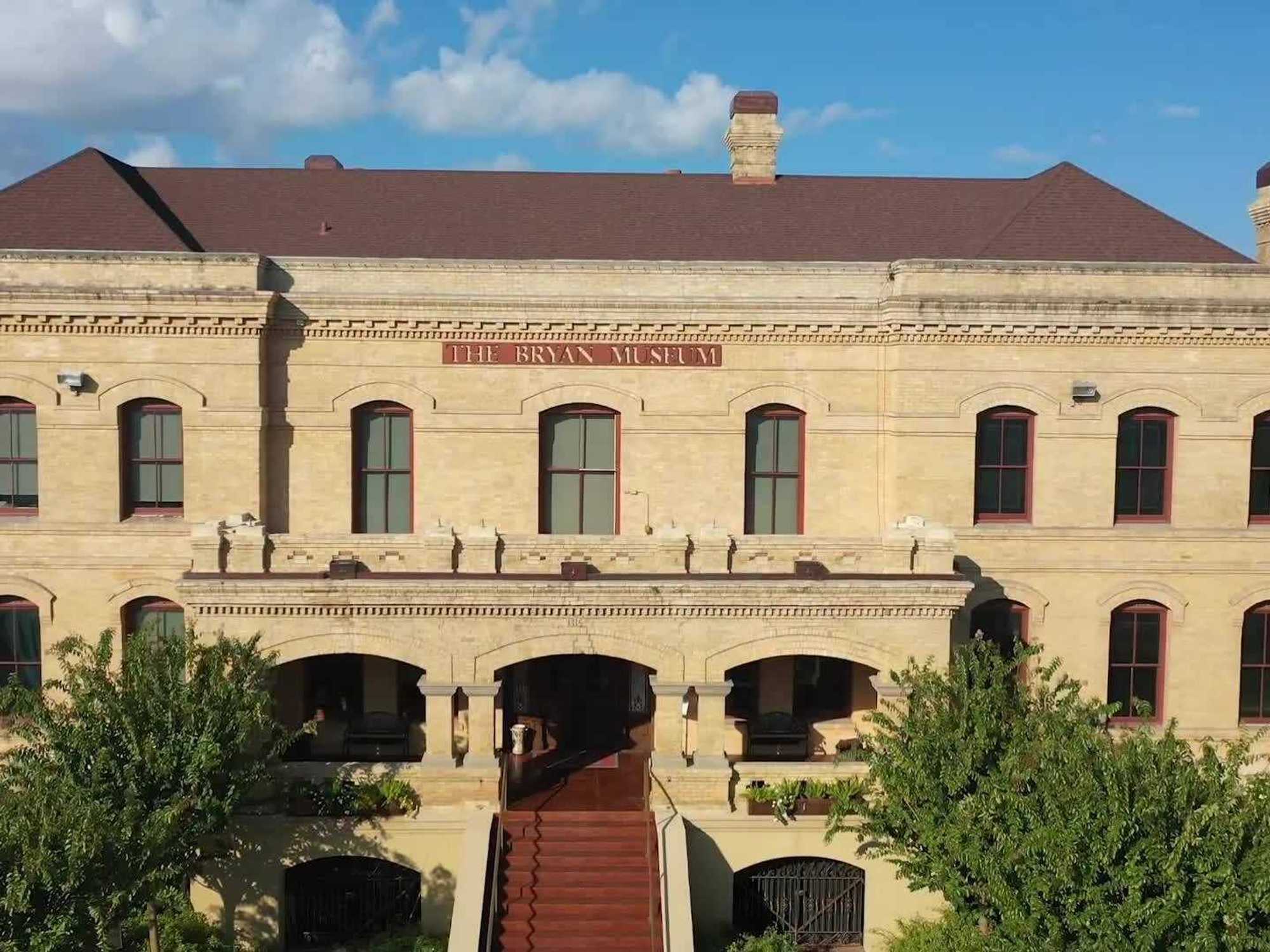
A new exhibit about the role Galveston played in bringing immigrants to Texas is set to open at the Bryan Museum. The exhibit will particularly highlight the wave of Jewish immigrants from Russia and Eastern Europe in the early 1900s as they fled increasing persecution and pogroms.
Port of Promise: Jewish Pioneers of Texas explores the history of the Galveston Plan, sometimes known as the Galveston Movement. Between 1907 and 1914, roughly 10,000 Jews left Russia after a series of bloody pogroms sparked by conspiracy theories that Jewish leaders had assassinated Tsar Alexander II. Developed with support from the Joan and Stanford Alexander South Texas Jewish Archives at Rice University, it shows how these immigrants spread through Texas as pioneers and entrepreneurs, building communities in America.
“The impact of The Galveston Plan cannot be overstated. These determined individuals overcame tremendous obstacles to becoming some of the most successful and philanthropic people in the history of Texas,” said Charles C. Foster, immigration attorney and historian.
Port of Promise opens November 7 and runs through January 21, 2027. Admittance is included with general tickets.
Though the exhibit is primarily focused on the Galveston Movement, the island's role as one of the largest immigration hubs in the United States during the 1800s is also explored. Known as the Ellis Island of the West, Galveston handled around 200,000 immigrants between 1845 and 1948. For much of this time period, there were no restrictions on immigration into the U.S., and people from Europe, Latin America, and South America were all processed through the Port of Galveston.
According to Foster, the wave of Jewish migration sparked anti-immigrant backlashes in the Northeastern United States, prompting Jewish community leaders to direct migrants to Texas.
“With anti-immigration policies and anti-native sentiments rising, Galveston was strategically chosen as a great alternative to the crowded cities of the Northeast,” said Foster. “It wasn’t just a port; it was a plan. A way to welcome Jewish immigrants into the heart of the country instead of concentrating them on the East Coast.”
With immigration a hot button topic in contemporary politics, the Bryan Museum felt it was important to celebrate how much previous waves have contributed to Texas.
"Texas has always been shaped by people who arrived seeking opportunity and the chance to build a better future," said Melissa Williams Murphy, Bryan Museum executive director. "This exhibition honors the extraordinary contributions of immigrants whose impact continues to be felt across our state while ensuring their stories are preserved for future generations."
In addition to the exhibit, the Bryan Museum will also host three special public programs throughout the run. These include a panel talk with Foster on the Galveston Plan; a presentation by Robert Sakowitz on his family's luxury stores in the state; and a lecture by Dr. Nancy Katz on Jewish Texas before and after the Galveston Plan. Tickets for these events are separate from admission and must be reserved in advance through the Bryan Museum website.
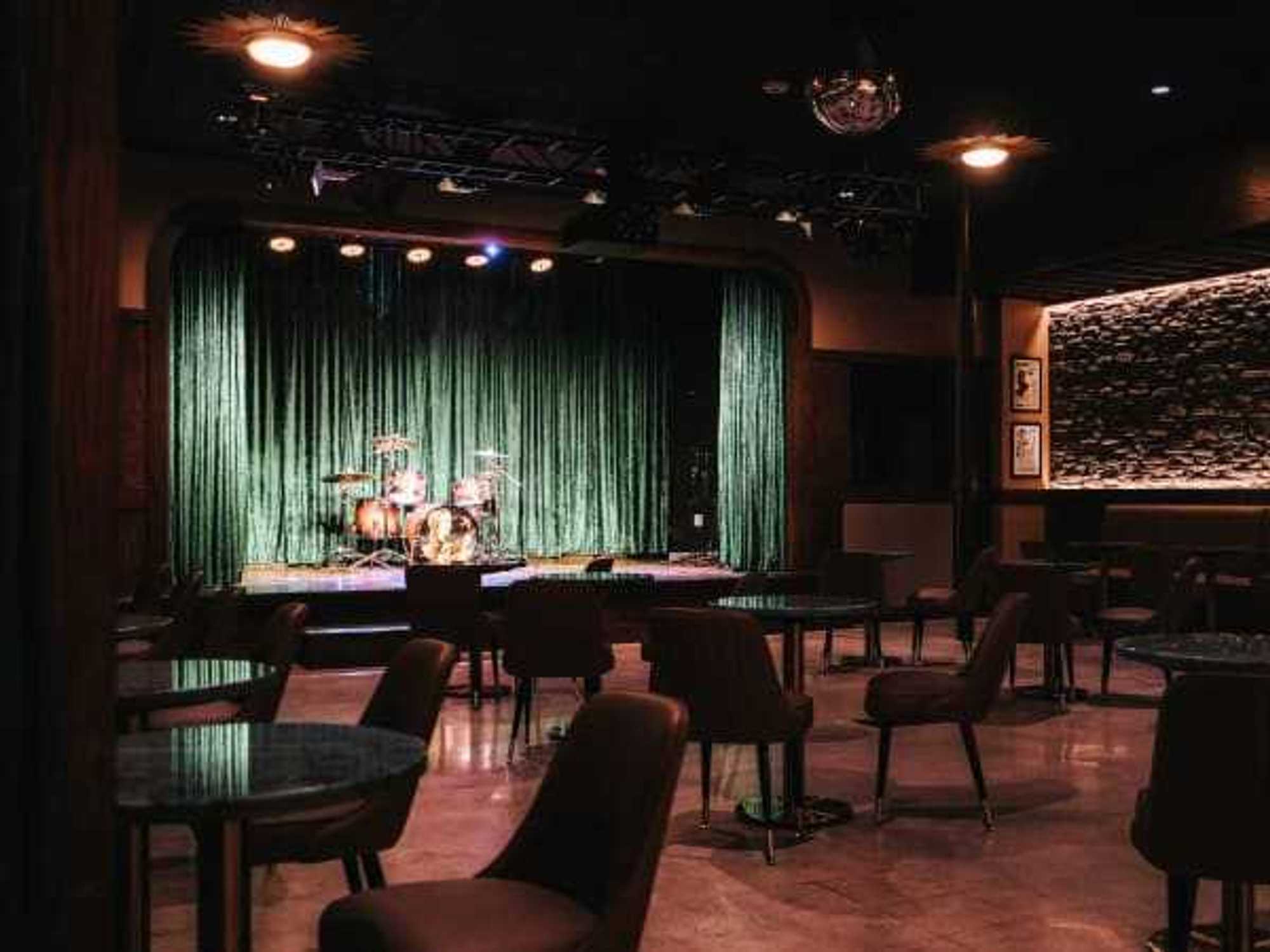
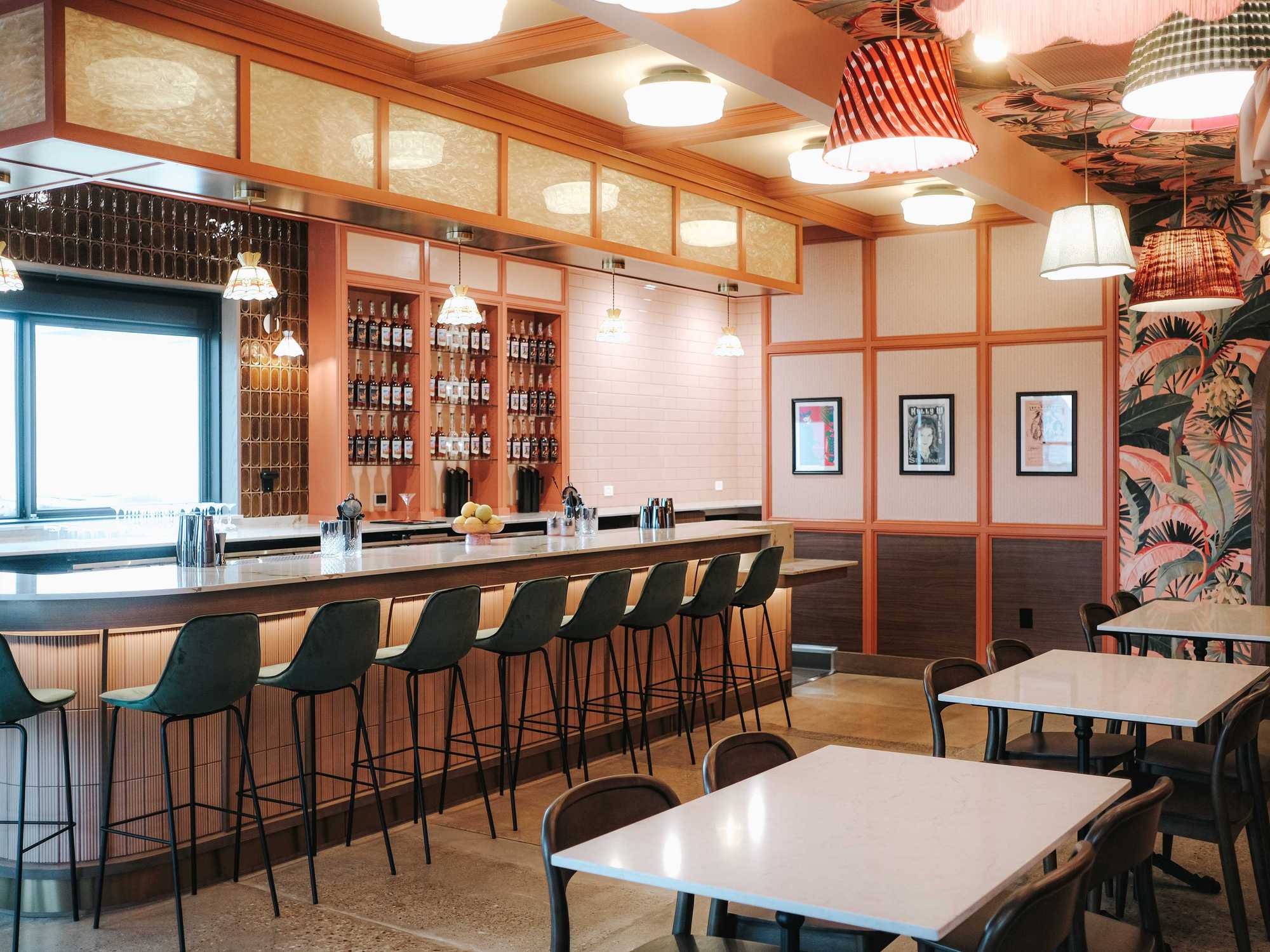 Wherever you are on the property, there's a bar nearby.Photos by Collin Findlay, courtesy of Still Austin Whiskey Co.
 This room will host DJ sets and put Austinites on to lots of album discoveries.Photos by Collin Findlay, courtesy of Still Austin Whiskey Co.