This weekend, it’ll be a brand new year. Although some may be partied out after New Year's Eve, some cool stuff will be happening.
Welcome 2026 with a festive brunch. Music from Nat King Cole and Steve Aoki will be played on Friday night. Saturday begins with a matcha pop-up and ends with a salute to goth/darkwave at Wonky Power. And, on Sunday, you can get in a fun run/walk and see the Thin White Duke on the big screen.
Thursday, January 1
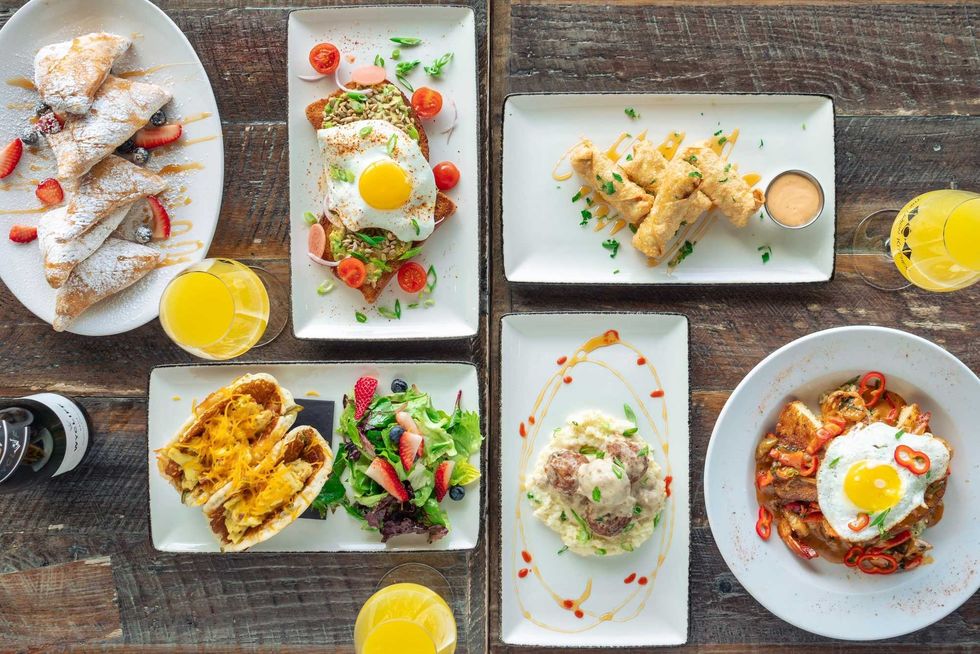
The Union Kitchen presents New Year’s Day Brunch
The Union Kitchen is kicking off 2026 with a celebratory New Year’s Day brunch at all Houston-area locations. Customers will enjoy festive brunch sips, including $2.50 mimosas, $4 Bloody Marys, and $4 bellinis. Additionally, in true Southern tradition, the restaurant will offer cabbage, black-eyed peas, and cornbread — the classic good-luck trio for prosperity in the year ahead. Walk-ins are welcome, but reservations are encouraged. 10 am.
EZ’s Liquor Lounge presents New Year’s Day Hangover Brunch
For those who know they’ll be party-hopping this New Year’s Eve, here's a place to go and deal with that gnarly hangover the day after. The annual Hangover Brunch will feature fried chicken, biscuits, champagne specials, and caviar at cost. 11 am.
MKT Bar presents New Year's Day Brunch
While some people are known to eat black-eyed peas on New Year’s Day – for good luck and prosperity for the year ahead – head over to MKT Bar (located inside Phoenicia Specialty Foods' location downtown) and get their famous chicken and waffles for half-off. The Danielle Reich and Bruce Saunders Quintet will also be on the premises, performing some eclectic, jazz/pop numbers. Noon.
Friday, January 2
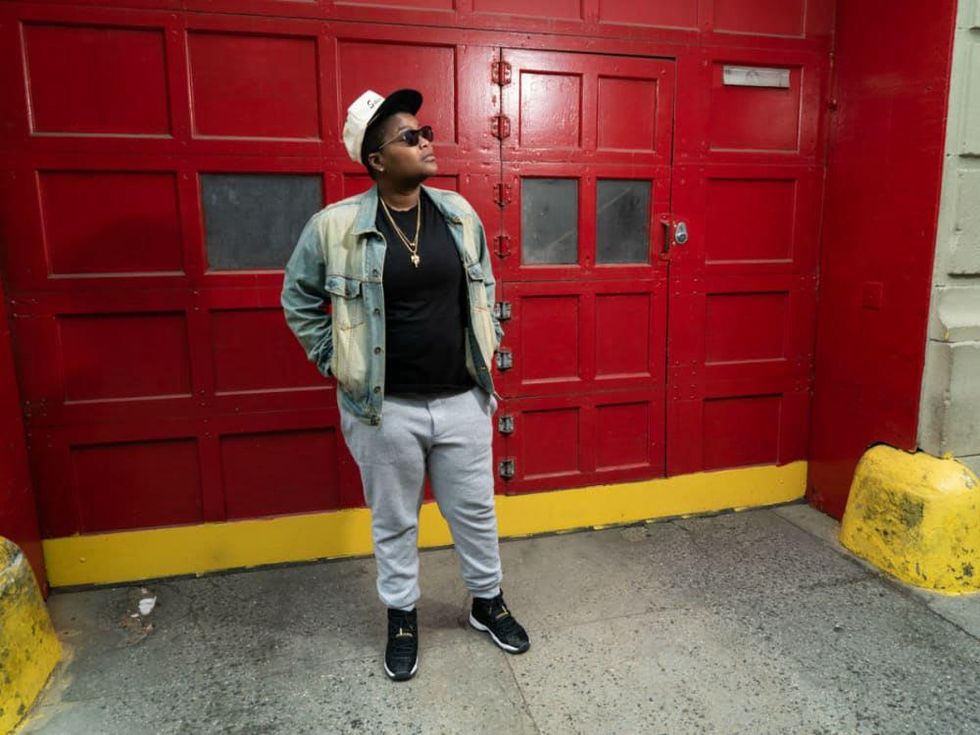
Punch Line Houston presents Sam Jay
Stand-up comic Sam Jay will be doing a two-night stint at Punch Line Houston this weekend. The Emmy-nominated former Saturday Night Live writer has been seen on HBO’s Pause with Sam Jay, a weekly late-night series on which she served as host and executive producer, as well as Bust Down, the Peacock sitcom she co-created and co-starred in. Recently, she did her solo show Sam Jay: We the People at the Edinburgh Festival and New York’s Lincoln Center Theater. 7 and 9:15 pm.
Houston Symphony presents "A Nat King Cole New Year"
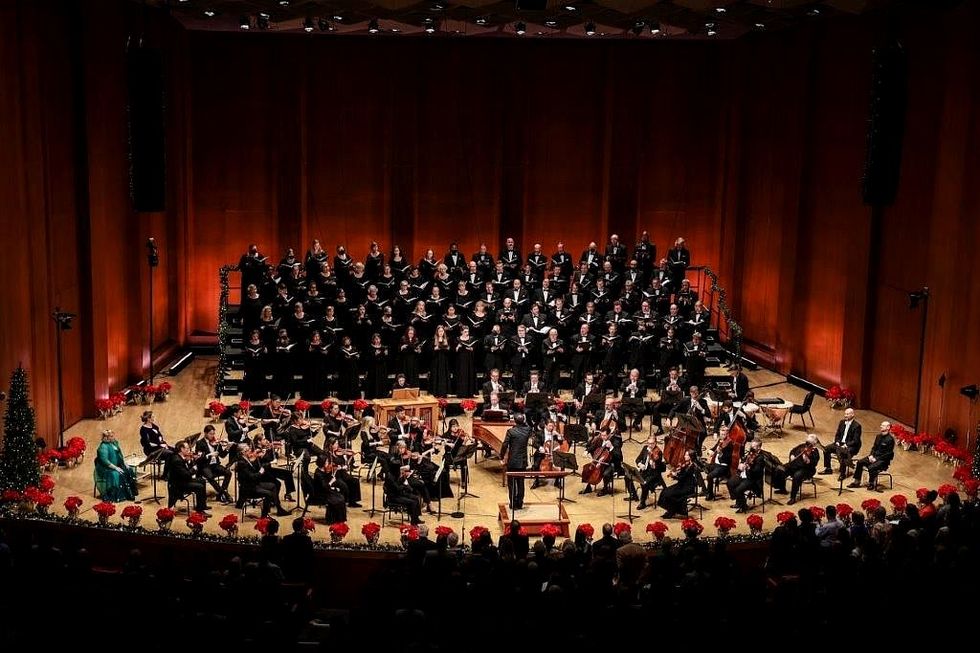
The Jones Center for the Performing Arts will have an “Unforgettable” start to 2026 as Byron Stripling, Denzal Sinclaire, and the Houston Symphony Big Band perform the timeless hits of Nat King Cole, along with well-known songs by other jazz legends. The program will include songs like “Mona Lisa,” “Nature Boy,” “When I Fall in Love,” “Just One of Those Things,” and more. (We wonder if we’ll get Cole’s “The Christmas Song” one last time.) 7:30 pm (2 pm Sunday).
Theatre Southwest presents Murder on the Orient Express
Agatha Christie’s legendary, literary masterwork will be brought to the stage at Theatre Southwest. On a train traveling through Europe, a wealthy American tycoon is found dead in his compartment, the door locked from the inside. Enter world-famous detective Hercule Poirot, who must navigate a train full of suspects and solve the murder before the killer strikes again. Through Saturday, January 17. 8 pm (3 pm Sunday).
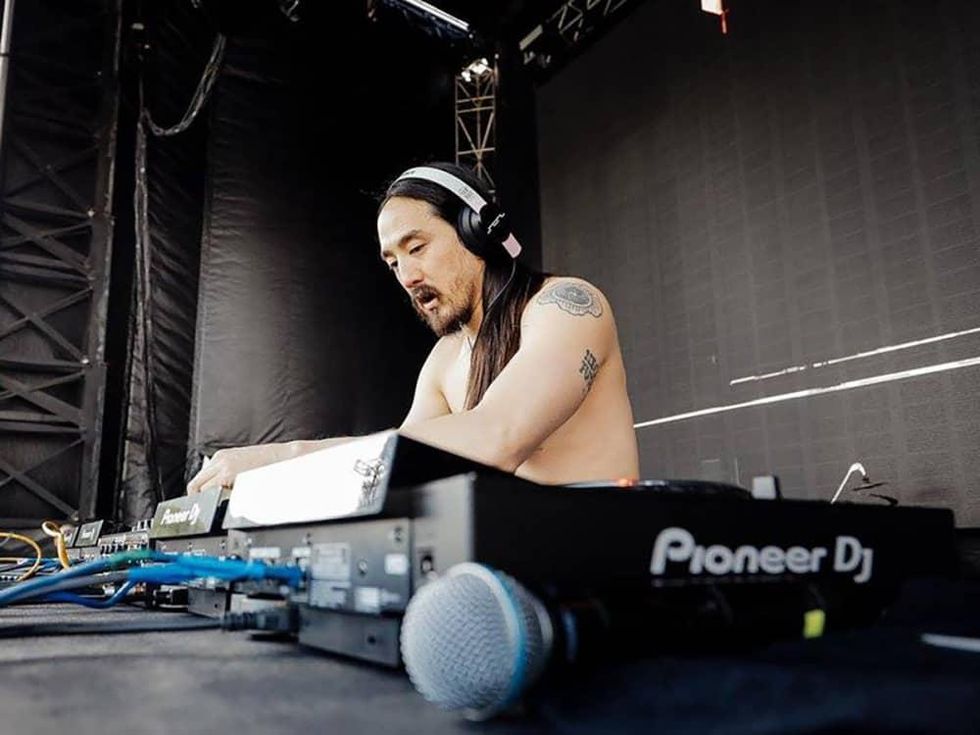
NOTO Houston presents Steve Aoki
Did you know that DJ/producer Steve Aoki invented the trend known as “caking”? That’s when he throws a huge cake out into the crowd while playing Autoerotique’s “Turn Up the Volume,” a song whose video features people getting splattered by exploding cakes. We bring this up because Aoki will be doing a late-night DJ set at NOTO Houston, and there’s a very good chance people in the crowd will get hit with a very delicious dessert. Stay in the back to avoid getting icing on your outfit. 10 pm.
Saturday, January 3
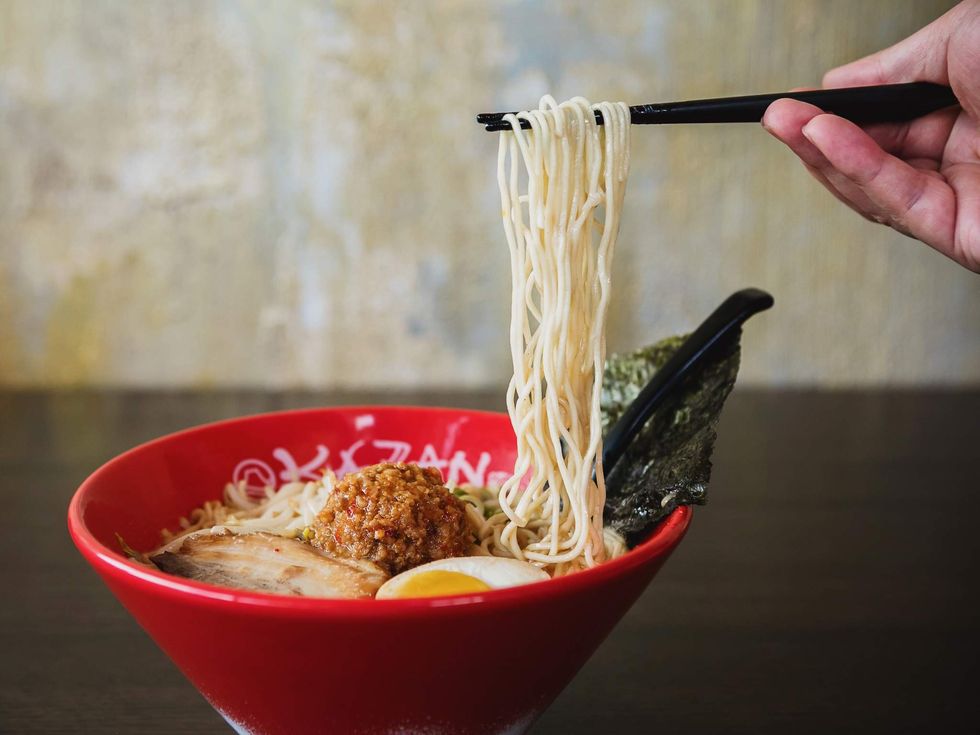
Kazzan Ramen & Bar and Tomo Matcha Pop-Up
Houston’s ramen scene is getting a green tea glow-up. Kazzan Ramen & Bar is teaming up with Tomo Matcha for a one-day pop-up this weekend. For the collaboration, guests who dine in at Kazzan Ramen will receive 20% off Tomo matcha, and customers who purchase a matcha drink will enjoy 20% off their meal. If you can’t make it, Tomo will also do a Sunday-afternoon pop-up at GLO Pilates. 11 am.
The Museum of Fine Arts, Houston presents Resurrection
Bi Gan (whose Long Day’s Journey into Night screened at MFAH in 2018) directs this ambitious, 160-minute, sci-fi detective movie starring Chinese superstar Jackson Yee (Better Days) and actress Shu Qi (The Assassin). In a future where humanity has surrendered its ability to dream in exchange for immortality, an outcast finds illusion, nightmarish visions, and beauty in an intoxicating world of his own making. 2 pm.
Archway Gallery presents June Woest: "Weather Inside Out" opening reception
Archway Gallery will present an exhibit of new work by June Woest that captures the interplay between photography, sculpture, and AI. "Weather Inside Out" explores Woest’s experiences with the unpredictable nature of the weather by challenging the notion that we are helpless against it. Her works are an invitation to embrace change and find comfort in the unpredictable.Through Thursday, February 5. 5 pm.
Wonky Power presents Dia de los Darks
The first Dia de los Darks of the year kicks off this weekend, bringing a night powered by darkwave, goth, rock en español, and cumbia. Scheduled to perform are El Turko Sonidero, DJ Fredster and guitar-playing masked man Orpheus Von Doom. Expect haunting beats, immersive visual installations lighting up the night. A night market will be open late with art, fashion, and local vendors — giving attendees that dark underground vibe. 8 pm.
Sunday, January 4
Flying Saucer Draught Emporium presents Saint Arnold Social Fun Walk/Run
Saint Arnold Fun Runs are back for 2026. Close out the first weekend of 2026 by getting some exercise, taking a social run/walk, and purging yourself of everything 2025-related. Participants get a guided and marked, 3.5(ish)-mile run/walk with beer pacers, three tasty brews from Saint Arnold, a Saint Arnold pint glass, and a Texas tamale breakfast. Rain or shine. 8 am.
Cousins Maine Lobster at Car Spa
Get your car shining and your cravings satisfied all in one stop as Cousins Maine Lobster rolls its truck over to Car Spa this weekend. Whether you're cleaning up your ride or just passing through, swing by and sample such delicacies as Maine, Connecticut, and garlic butter lobster rolls, lobster tacos and quesadillas, lobster tots and lobster tails, lobster grilled cheese, creamy lobster bisque, clam chowder, whoopie pies, and more. 11 am.
Alamo Drafthouse Cinema LaCenterra presents The Man Who Fell to Earth
Alamo Drafthouse Cinema’s “Art Decade: Films of David Bowie 1973-1983” series begins with this 1976 sci-fi curio. The story of an alien (Bowie, of course) on an elaborate rescue mission provides the launching pad for Nicolas Roeg’s examination of alienation in contemporary life. The film’s hallucinatory vision was obscured in the American theatrical release, which deleted nearly 20 minutes of crucial scenes and details. This screening is of Roeg’s full, uncut version. Noon.
Steve Aoki in concert
Steve Aoki/Facebook