 Artist-in-residence Emily Sloan's funeral party for the living
 14 Pews owner Cressandra Thibodeaux has nurtured the microcinema during itsfirst year, and learned a lot along the way.
 Photo via 14 Pews/Facebook
 14 Pews is in a converted church in the Heights.Photo via 14 Pews/Facebook


Even though school is back in session, summer vibes remain strong across Houston. This weekend is loaded with art openings, film screenings, and classic rock gods performing for enthusiastic crowds.
If that isn't enough, a new restaurant celebrates its grand opening, a Houston landmark turns 100, and Houstonians who miss the World Cup can get an introduction to the Premier League. Read on for our picks for this weekend's most appealing activities.
Thursday, August 20
Contemporary Arts Museum Houston present CAMH Cinema Club: F for Fake
Trickery. Deceit. Magic. In F for Fake, a free-form, 1973 sort-of documentary directed by Orson Welles, the legendary filmmaker (and self-described charlatan) gleefully re-engages with the central preoccupation of his career: the tenuous lines between illusion and truth, art and lies. Join Contemporary Arts Museum Houston’s CAMH Cinema Club for this free event. Seating is limited and first come, first serve. 6:30 pm.
Absolutely HTX August Music Showcase
This concert production company introduces regional musical talent to audiences at local venues and through its Instagram account. The monthly music showcase will feature music by neo-soul visionary Kymora Simone, stripped down acoustics from the creative project REEVES, a set by the independent art project Oh, Horray, an acoustic set by Houston-Southern-rock artist David Nachtigall, a closing pop-EDM set by Houston duo The Nytsters, and more. 7 pm.
River Oaks Theatre presents Do No Harm
Home health nurse Sam Yeong (Harry Shum Jr.) is already burned out and overwhelmed. But when he realizes that, in his exhaustion, he may have administered a fatal dose of medication to a young patient, he begins to unravel. Over the next 24 hours, his mounting guilt sets him on a collision course with the grieving father (Jimmy Gonzales), while those around him become entangled in the fallout. Following the screening, audience members are invited to stay for a live Q&A with members of the filmmaking team. 9:45 pm.
Friday, August 21
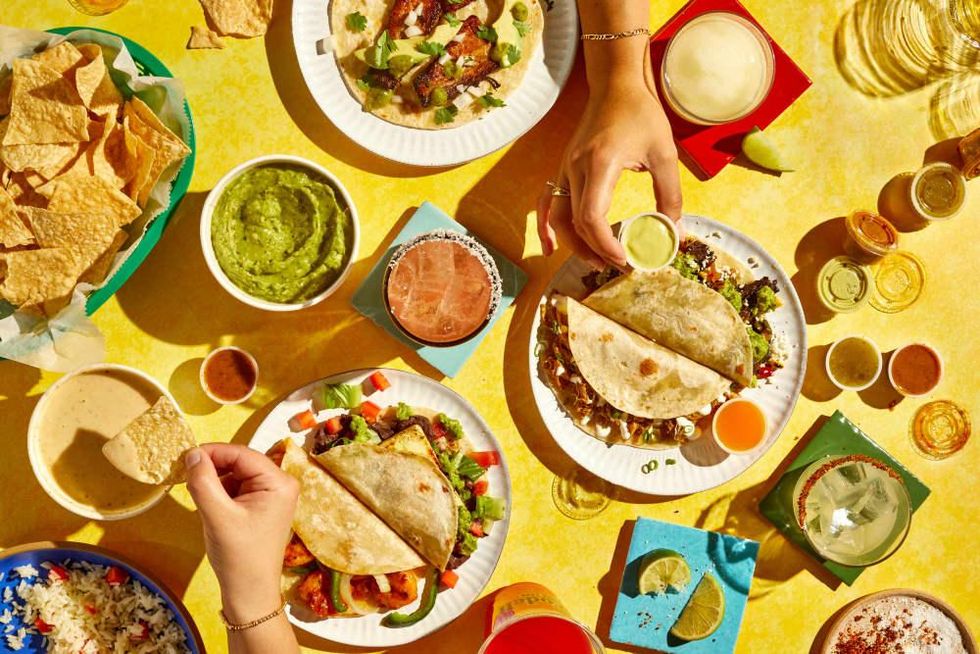
Tacodeli Grand Opening & Back to School Bash
The Austin-based taco restaurant is celebrating the start of the school year with a two-day Back to School Bash at its recently-opened Katy location. The celebration will feature live music, family-friendly activities, giveaways, and food and drink specials. Tacodeli will donate 50 percent of all sales on Friday and Saturday to Katy Taylor and Cinco Ranch high schools. Throughout both days, kids 12 and under will eat free with the purchase of an adult entrée when dining in. Folks can also enjoy $5 house made 16-ounce frozen and rocks margaritas all day. 5 pm (11 am Saturday).
Black Cinema Club HTX and Press Players Club present Scenes & Soundtrax | House Party
Black Cinema Club HTX and Press Players Club are teaming up for another Scenes & Soundtrax event, celebrating the moments where film and music collide. This time around, they’re spotlighting House Party, the 1990 hip-hop comedy that proved a great soundtrack can be just as memorable as the movie itself. It’ll be an evening of community, conversation, and media analysis as they revisit the film's cultural impact, the music that defined an era, and why it continues to influence pop culture today. ‘90s attire is encouraged. 7 pm.
The Museum of Fine Arts, Houston presents The Hole
Set just prior to the start of the 21st century, this dystopic 1998 story follows two residents of a crumbling Taipei apartment building who refuse to leave, in spite of a virus that has forced evacuation of the area. As rain pours down relentlessly, a man deals with a hole in his floor, resulting in an odd relationship with the woman neighbor below him. Combining deadpan humor with unexpected musical numbers, auteur Tsai Ming-liang personally supervised new prints (in glorious 35mm!) of one of the most original films of the 1990s. 7 pm.
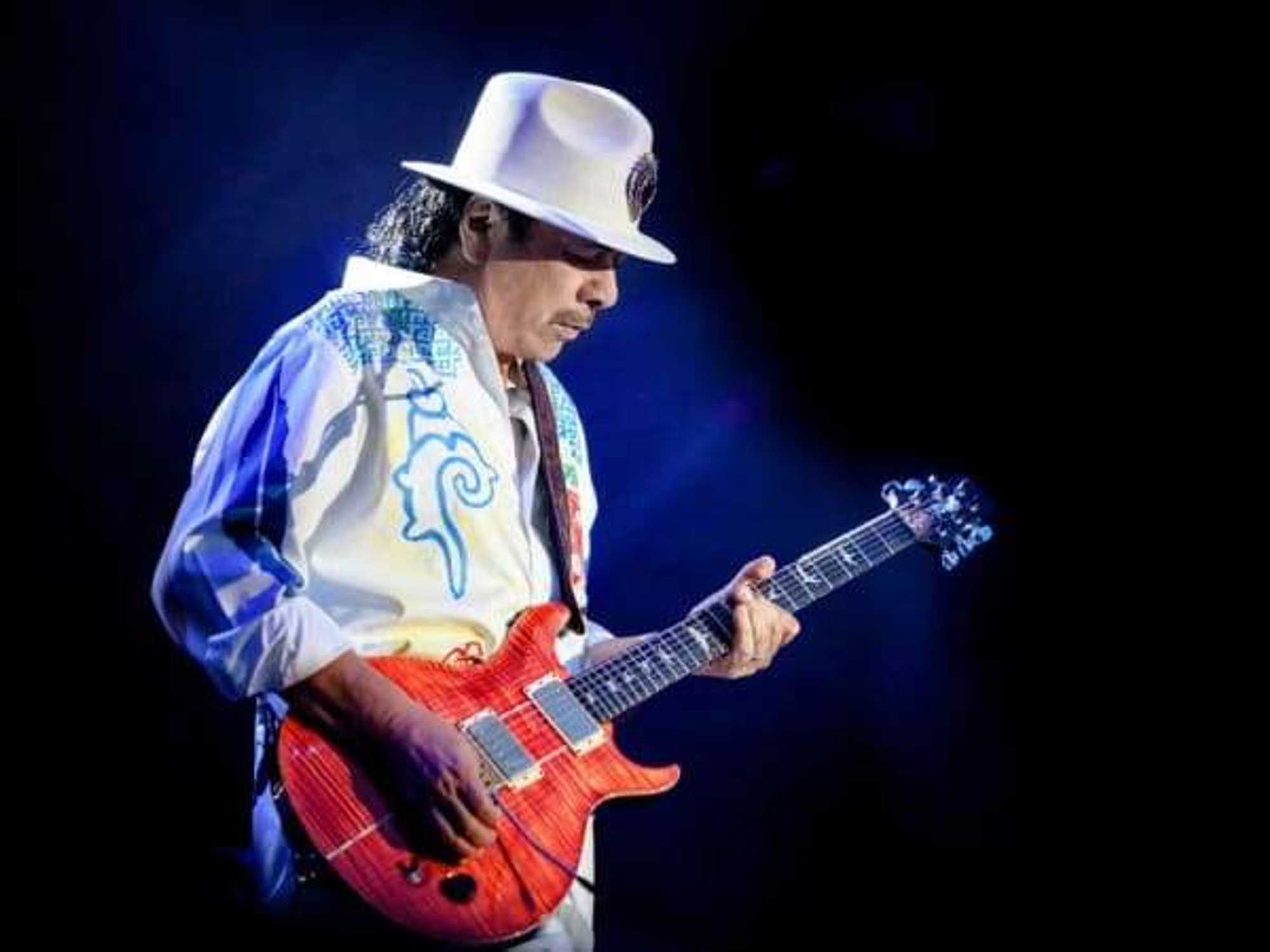
Santana and The Doobie Brothers in concert
The Woodlands is gonna be swarming with music fans looking to party like it's 1979 this weekend. On Thursday, Chicago and Styx will be at the Cynthia Mitchell Woods Pavilion, as part of their co-headlining tour. The following night, Santana and The Doobie Brothers will be there, as part of their Oneness Tour. Santana is touring in support of his 2025 album, Sentient, while The Doobie Brothers are touring in support of their 2025 album, Walk This Road. 7 pm.
Saturday, August 22
Premier League presents Everton Football Club Watch Party
Everton Football Club will bring the excitement of the Premier League’s opening weekend to Houston, as part of the Premier League’s Coast to Coast initiative. The Blues will host an official watch party at Pitch 25 in EaDo, centrered around Everton’s first match of the 2026/27 season against Crystal Palace at Hill Dickinson Stadium. Go here to register. 8 am.
River Oaks District presents The Wellness Edit
This monthly morning event is dedicated to wellness and self-care. Begin the day with an energizing Vinyasa yoga class followed by a curated selection of wellness experiences. Explore beauty and skincare offerings, recovery and self-care activations, healthy refreshments, exclusive giveaways, and more. This outdoor experience is open to the public and free to attend. Through Saturday, October 17. 9:30 am.
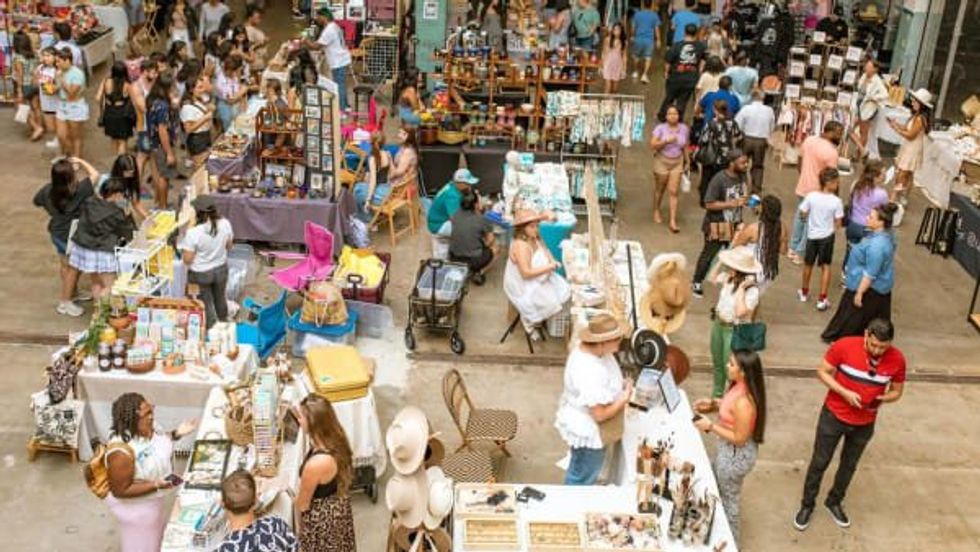
Vibe Artisan Market presents Summer Vibe Art Fair
This two-day artisan market features over 80 handcrafted artists and makers selling local art, metal/gemstone jewelry, ceramics, slow fashion, handcrafted home goods, and more. There will also be a live vinyl DJ set, a walkable art gallery showcasing local visual artists, free Topo Chico in the on-site lounge, coffee bar, food from globally inspired chefs, swag bags for the first 25 attendees each day, and more. 11 am.
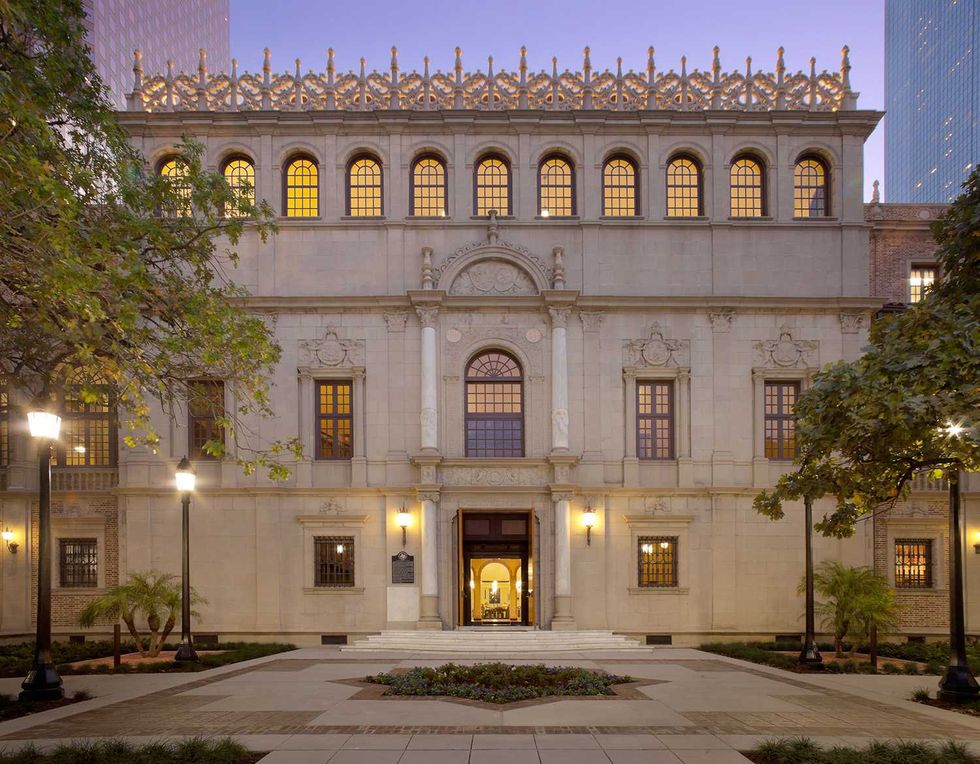
Houston Public Library presents The Julia Ideson Building's 100th Birthday Celebration
Houston Public Library will celebrate 100 years of the Julia Ideson Building with an event featuring a full day of library and book-themed activities inspired by the building's namesake and HPL’s first librarian. Highlights include a screening of the documentary The Julia Ideson Building - Celebrating 100 Years, guided tours of the historic building, a special exhibit highlighting its rich past, craft activities, giveaways, and a Vintage Storytime featuring gems from the historic children’s book collection. Noon.
Laura Rathe Fine Art presents "Mixing Media" opening reception
Bringing together artists who approach material in distinct and innovative ways, this group exhibition celebrates texture through the use of diverse materials, showcasing works ranging from polystyrene and collage to paper and metal and beyond. It also highlights how media itself can become both subject and language. At its core, it’s about experimentation, a celebration of curiosity in motion that comes from constantly exploring material and process. 6 pm.
Sunday, August 23
Pilates, Mimosas & Porsche: Luxury Wellness Brunch Exclusive Edition
Movement, luxury, wellness, and community come together for an unforgettable experience at this morning event. Start the day with a signature Pilates session, then spend the morning enjoying a coffee party with a live DJ, discovering the Expo Village (featuring premium wellness, beauty, and lifestyle brands), relaxing inside luxury amenities, and connecting with hundreds of like-minded people in one of Houston’s most beautiful wellness destinations. 9 am.
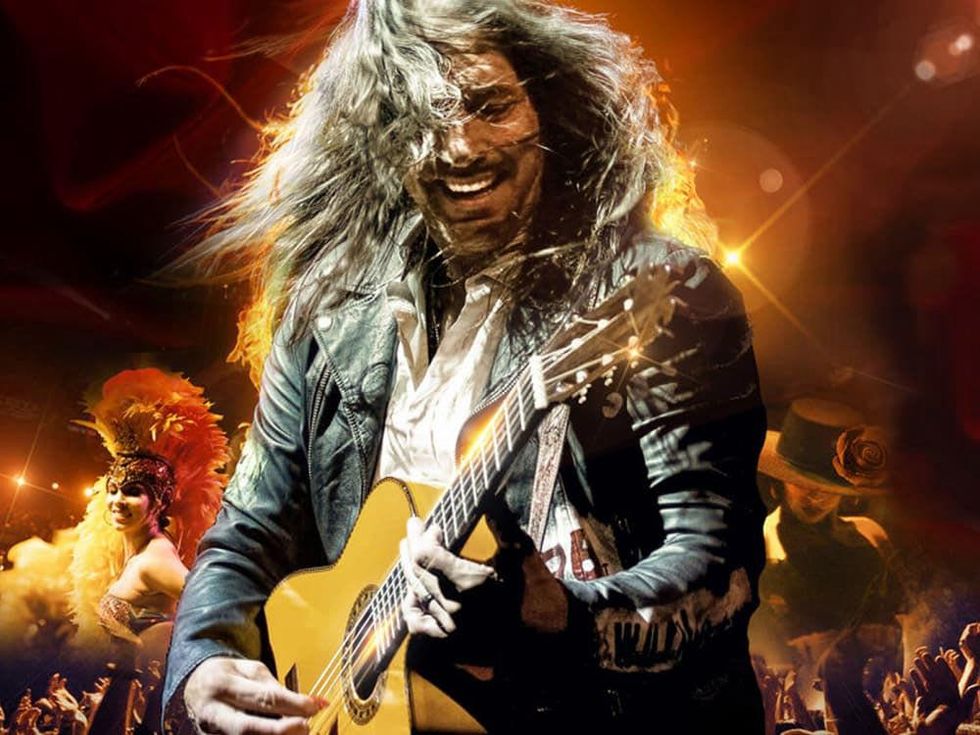
Benise in concert
Known as “The Prince of Spanish Guitar,” Benise celebrates 25 years of fiery Spanish guitar and dance by playing everything from Led Zeppelin to Vivaldi. Along with an international cast of musicians and dancers, the Emmy-winning composer will entertain audiences with a two-hour show that is also one of the longest running, Latin-themed theatrical productions touring the world. He has released 15 albums in his career, most recently Fiesta! in 2022. 6 pm.
Vela Ensemble presents "Where the Senses Meet"
Join Vela Ensemble and Archway Gallery featured artist Lisette McClung for pairings of woodwind chamber music and artwork. Whether you're a music lover, an art enthusiast, or just curious, this concert promises to be both intimate and vibrant. Come join the fun and let your senses run wild. A light-bite reception will follow. Free and open to the public with a suggested donation of $20 per person. This is an intimate venue with a capacity of 50, so please RSVP. 6 pm.
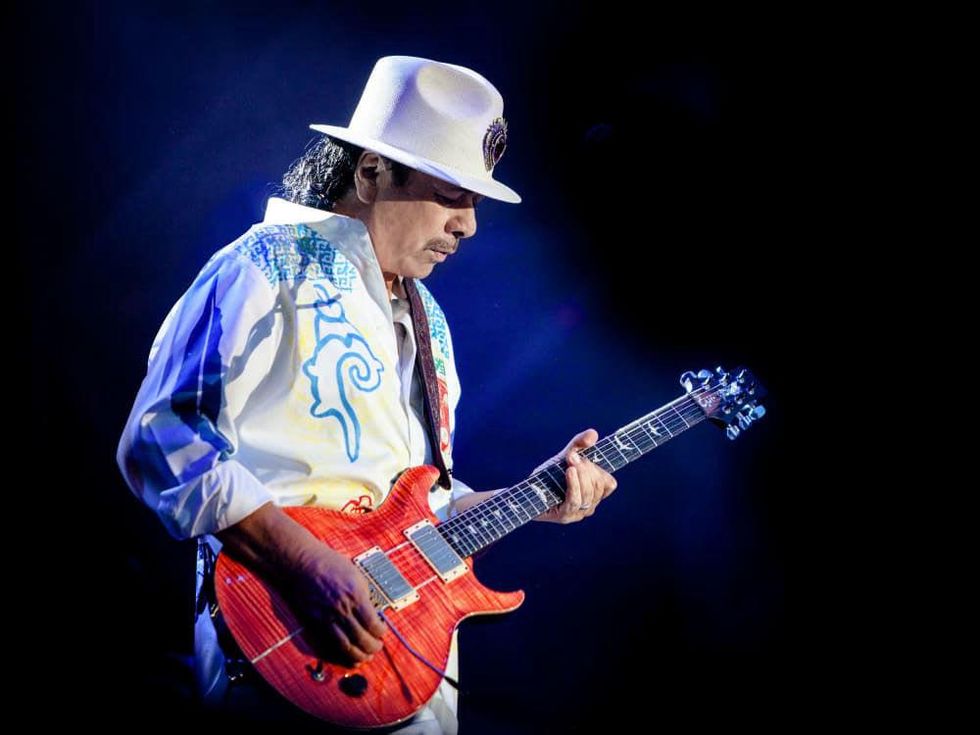
Photo by Roberto Finizio
Santana in concert.

Loading...