 Winner: Melanie Trudeau's shot, submitted on Facebook.© 2010 Melanie Trudeau
 Runner-up: Noemi Madrid, submitted on Facebook© 2010 Noemi Madrid
 Runner-up: Emily Harvin, submitted on Flickr© 2010 Emily Harvin
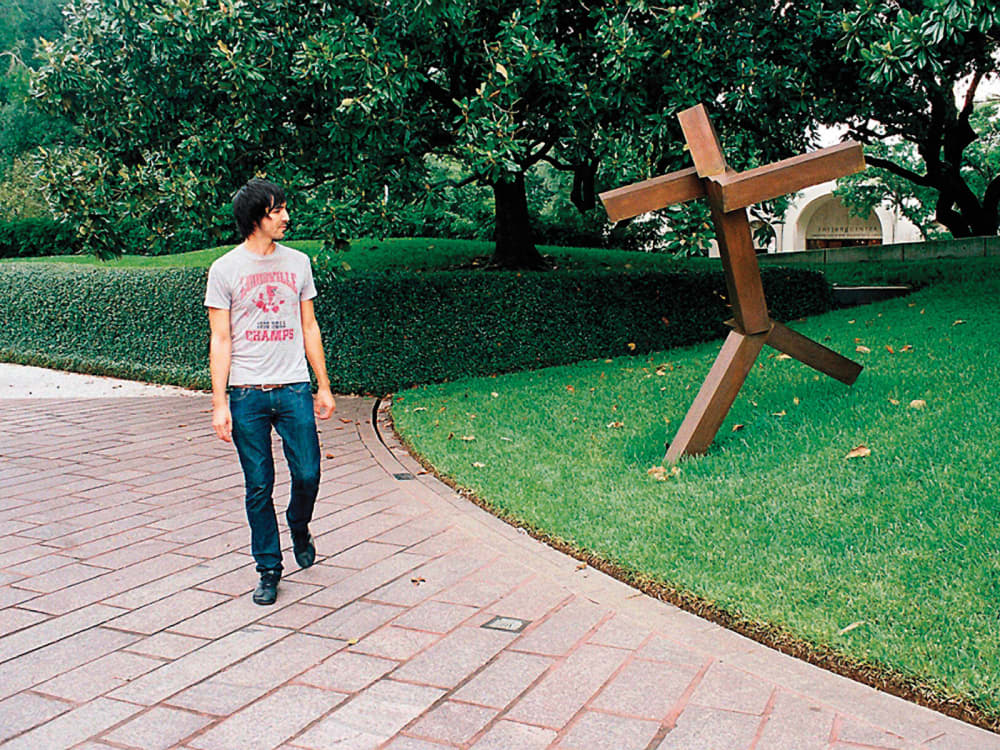 Runner-up: Taylor LaShae, submitted on Flickr© Taylor LaShae

news/entertainment

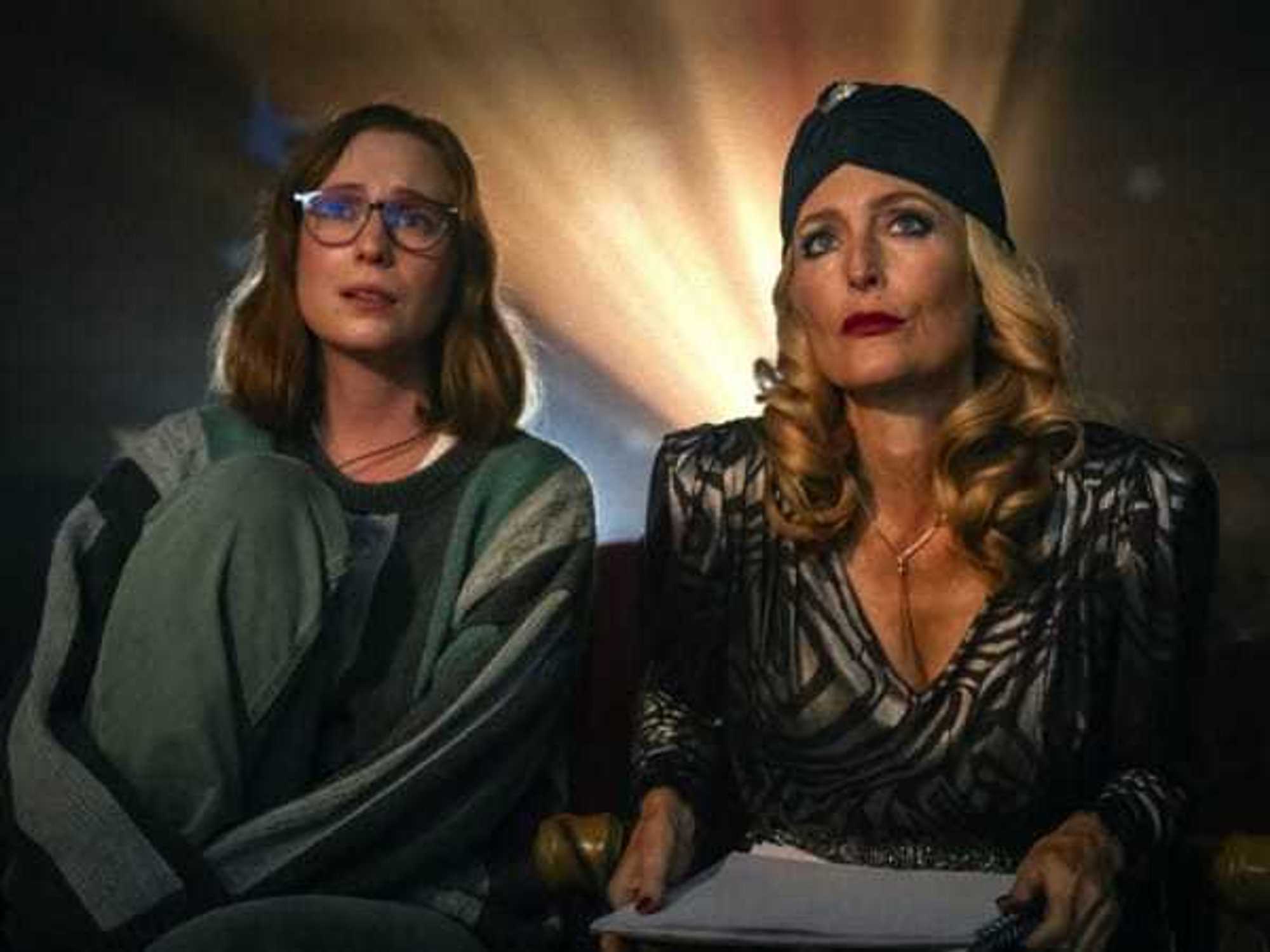
Photo courtesy of MUBI
Hannah Einbinder and Gillian Anderson in Teenage Sex and Death at Camp Miasma.
The horror genre really ramped up in the 1970s and ‘80s, bringing the slasher subgenre that gave audiences new visuals of gore, but also a reliance on sexism and homophobia that would come to define the era. The new film Teenage Sex and Death at Camp Miasma wrestles with that legacy in ways that are funny, thought-provoking, and downright strange.
Kris (Hannah Einbinder) is a queer filmmaker who has been hired to reboot the moldy IP that is the Camp Miasma franchise, one that was fresh in the 1970s but which numerous shlocky sequels have rendered irrelevant. In an attempt to get to know the property better, Kris has scored a meeting with the reclusive Billy (Gillian Anderson), the star of the original film who has shunned the public eye for decades.
Turns out that Billy lives deep in the woods at Camp Rivoli, which served as the location for the first film. As Kris tries to get to know Billy and convince her to be a part of the new film, she starts to fall under Billy’s spell and the lore of the franchise as a whole. That includes believing that the movie’s villain, Little Death — a transgender person who has an air conditioning vent as a head/mask — may not just be a character created for the movies.
Written and directed by Jane Schoenbrun (I Saw the TV Glow), the film at first feels like it’s going to go the straight-up comedy route, with comic explosions of blood, a strange fascination with candy brands, and a production design that does nothing to hide that the two main actors are on a movie set with painted backdrops. This is backed up by Kris’ phone conversations with her girlfriend, Mari (Jasmine Savoy Brown) and her agent (Sarah Sherman), as well as numerous other details.
But the film starts to go down the surreal route the longer Kris stays at the camp with Billy, especially when they sit down to watch the original Camp Miasma. An extended sequence shows a good amount of that film-within-the-film, demonstrating why Kris and Billy have a love/hate relationship with the property. For Kris, though, the lines between the film and the real world start to blur, and Schoenbrun uses a variety of out-there elements to drive the point home.
The final act of the film can barely be described as Kris goes deeper down the rabbit hole, with Schoenbrun using her film to comment on the horror genre as a whole, its treatment of women and LGBT people, the movie industry, and more. All the while the “camp” of Camp Miasma maintains a presence, with candy wrappers showing up everywhere and the tongue-in-cheek references to Little Death (the French term La petite mort, which means “the little death,” is a euphemism for orgasm).
Einbinder, an Emmy winner for Hacks, is the perfect person to inhabit her role. Her established real-life and fictional personas color everything she does in the film, with her enthusiasm and curiosity shining through. Anderson leans heavily into another reference — Norma Desmond from Sunset Boulevard — to create a character that is as mysterious as she is alluring. Supporting actors like Brown, Sherman, Patrick Fischler, Dylan Baker, and Eva Victor keep the movie at the right pitch all the way through.
While other films have made fun of horror movie tropes before, Teenage Sex and Death at Camp Miasma finds a wholly unique way of doing so. It’s a funny and daring trip into the psyches of two women who may be victims of their own obsessions, and of the movies that made them that way.
---
Teenage Sex and Death at Camp Miasma is now playing in select theaters
news/entertainment

Loading...