It’s Memorial Day weekend. It’s also the weekend you can get all cosplayed up, meet your favorite celebs, and pick up some comic books along the way.
Yes, my dear geeks – Comicpalooza is back at George W. Brown this weekend. From Friday through Sunday, the pop culture festival will feature vendors from all over the galaxy, programming covering a multitude of fandoms, special attractions intriguing the curious minds, panels featuring this year’s guests, and other geeky entertainment. You can also catch our own Craig D. Lindsey in conversation with Pam Grier on Sunday morning.
This weekend will also be covered with music events, from free concerts to a musical about a legendary singer-songwriter/one-time Gap spokesperson.
Thursday, May 21
Sawyer Yards presents Rebecca Pugh: "To the Horizon" opening reception
Canadian-born, Houston-based artist Rebecca Pugh will present a solo exhibition of abstract paintings, in the North Gallery at Sabine Street Studios. The exhibition features a selection of paintings from Pugh’s recent body of work that she created while living in Texas since 2020, including an 18 ft. long painting installation abstracting a memory of driving past a fallen wooden fence during summer drought. Through Saturday, July 25. 6 pm.
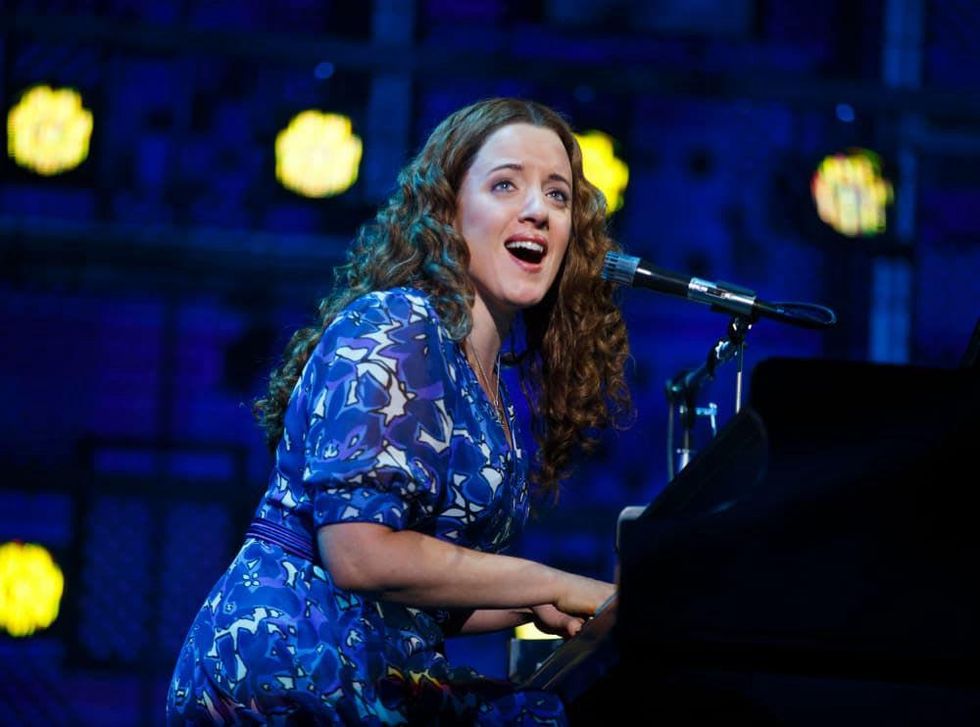
Theatre Under the Stars presents Beautiful: The Carole King Musical
Returning to the Hobby Center for the Performing Arts, Beautiful: The Carole King Musical is a moving journey through the life of one of music’s greatest icons. At just 18, Carole King was penning chart-toppers for Aretha Franklin and The Drifters. By 29, her own voice defined an era. The production features timeless classics like “I Feel the Earth Move,” “(You Make Me Feel Like) A Natural Woman,” and “You’ve Got a Friend.” Through Sunday, May 31. 7:30 pm (8 pm Friday; 2 & 8 pm Saturday; 2 & 7:30 pm Sunday).
Coffee House Houston presents Marshall Crenshaw
Coffee House Houston welcomes Marshall Crenshaw and his band to Lambert Hall in the Heights. Crenshaw is a quintessential rock craftsman who has written and produced classic pop songs of urban American life. (Holla if you hear me, “There She Goes Again” fans!) There’s no cover, but donations are welcome at the door. It’s worth it just to check out the Hall’s “basement” cellar, where beer, wine, and other refreshments (water, sodas, and – of course – coffee) will be available. 7:30 pm.
Friday, May 22
Sound Revolution and Cool Heads Prevail present Heartbreak Waites Album Release Set
Veteran actor Thomas G. Waites (The Warriors, The Thing) will be one of the many familiar faces you’ll see this weekend at Comicpalooza. But he’ll also be hitting a couple of record stores with Americana/folk rock band Heartbreak Waites, performing tunes from their recently-released, self-titled debut. First, they’ll make a stop at Sound Revolution in Spring, followed the next day with a set at East End’s Cool Heads Prevail. 6 pm (7:30 pm Saturday)
The Waxaholics present Vinyl Dining: A Tribute to Cee-Lo Green and BBQ
Houston pitmaster Greg Gatlin and DJ Big Reeks are joining forces for an evening that pairs Texas barbecue with Cee-Lo Green's 2002 debut Cee-Lo Green and His Perfect Imperfections. It’s four courses of Gatlin's masterful barbecue, spun against a complete vinyl listening session with curated wine pairings by Sean Beck and handcrafted cocktails to round out the night. Like the album itself, this evening celebrates the fusion of cultures, flavors, and art forms that don't fit neatly into any one box. 6 pm.
The Museum of Fine Arts, Houston presents Our Land
Filmmaker Lucrecia Martel (The Headless Woman) explores the 2009 murder of Javier Chocobar, a member of Argentina’s Indigenous Chuschagasta community, who tried to defend himself and his community from being forcibly evicted by a local landowner and two former police officers. The documentary triangulates the murder trial, the lives of Chocobar and the Chuschagasta people, and the colonialist legacy of land and property theft across Latin America. 7 pm (5 pm Sunday).
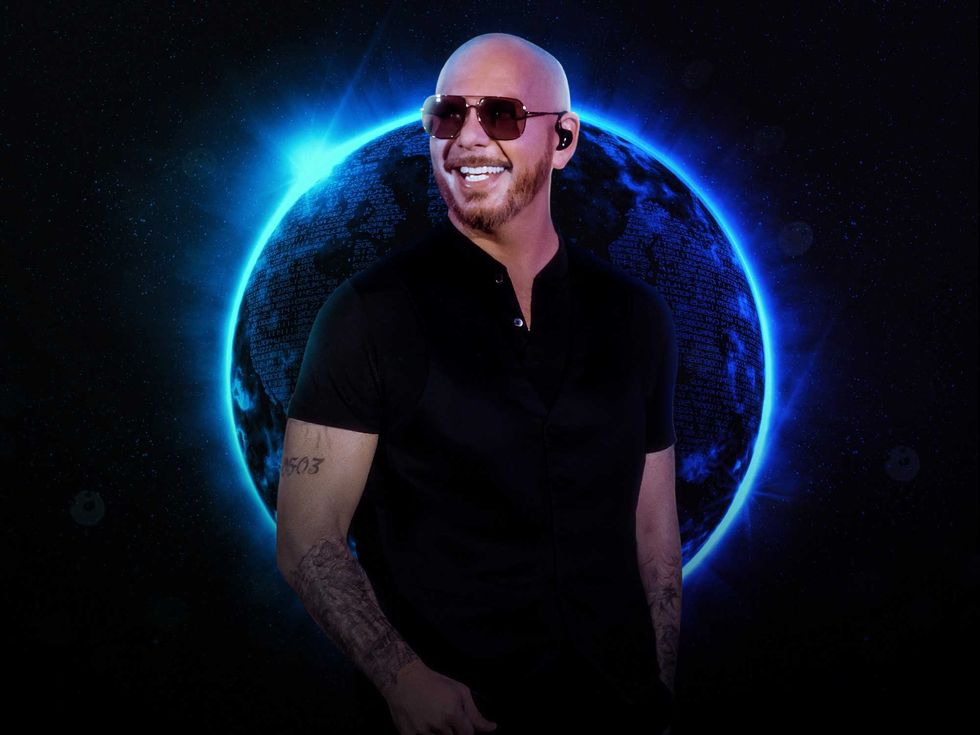
Pitbull in concert
Of course, we know Cuban-American rapper Pitbull as “Mr. Worldwide,” a global superstar who has amassed 20 years’ worth of hits. But we’ve always wanted to know one thing about the guy: How he was roped into performing that theme song for Men in Black 3? This is something that even Conan O’Brien has been wondering about lately. Anyway, Pitbull comes to The Woodlands as part of his I'm Back tour in support of Underdogs, his 2025 collaborative album with DJ/producer IAmChino. 8 pm.
Saturday, May 23
Houston School of Flowers presents Memorial Day Floral Workshop
Houston School of Flowers will get in the patriotic spirit with a Memorial Day-themed floral workshop. Attendees will create elegant red, white, and blue floral arrangements in silver vessels inspired by remembrance, gathering, and the beauty of the season. The workshop offers an intimate, hands-on experience with only 10 students per session. The school will donate 20 percent of proceeds to Combined Arms, a local veterans organization. 9:30 am & 1:30 pm.
The Forme presents Sky Deck Salsa Pool Party
Newly-developed apartment building The Forme will host a Memorial Day weekend/rooftop salsa pool party, atop the 12th-floor Sky Deck in Houston. Hosted by Salsa Eddy, the party will transform the rooftop into a dance and entertainment destination featuring skyline views, live music from Batacha, a DJ, pool access, buffet-style food, social dancing and a complimentary drink included with admission.The event will begin with an introductory salsa dance lesson (led by Eddy), followed by live salsa music and dancing throughout the evening. 4 pm.
Sesh Collective presents “Lenie Caston-Miller: A Lioness’ Journey from Hell to Self”
Sculptor and Iraq War veteran Lenie Caston-Miller brings her debut solo show to Sesh Collective this weekend. Caston-Miller’s work sits at the intersection of rupture, ritual, and witness. It reflects the rupture caused by life’s stress and the attempt at putting it back together; the rituals we gather to remain grounded in the seasons of life through ancient timekeeping and ancestral talismans; and the reflection of the bonds, losses, and rebuilding that the clay reflects back to the artist and those who see themselves in the work. 6 pm.
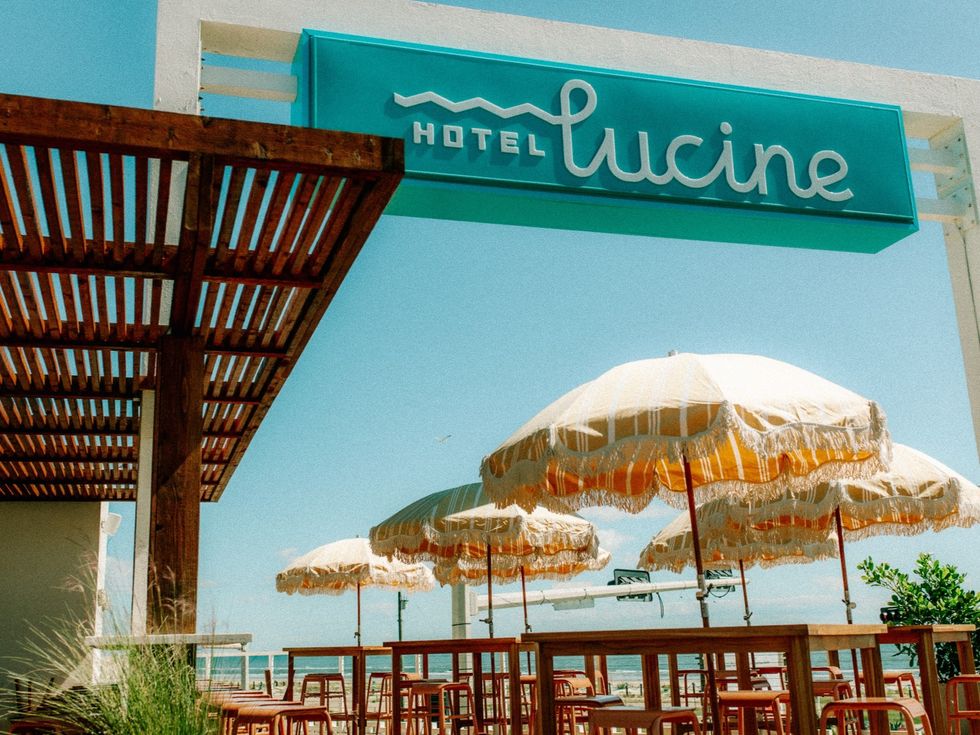
Hotel Lucine presents Sunset & Sounds
Galveston beachfront escape Hotel Lucine has announced the full lineup for its third annual Sunset & Sounds, an all-ages rooftop music series, running every Friday and Saturday night this summer. This concert series has no tickets, no pretense, and no barrier to entry. It's 30-plus bands over 16 weekends on a beachfront rooftop, with a 180-degree view of the Gulf of Mexico Austin's one-man band Mobley kicks things off. Through Sunday, September 6. 6 pm.
Sunday, May 24
Double Trouble Caffeine & Cocktails 14-Year Anniversary
Midtown bar Double Trouble Caffeine and Cocktails will spend all Sunday celebrating its 14th anniversary, complete with food, drinks, and music. Attendees will find complimentary nachos and tamales (first come, first served) and drink specials (including coffee drinks, frozen palomas, Jell-O shots, and Pacifico beer). Later that evening, DJ Lucha A Go-Go will be hosting a dance party on the patio. 2 pm.
Dirt Dogs Theatre Co. presents Airline Highway
A group of people living on the fringes of society face their personal struggles and chase elusive dreams in Lisa D’Amour’s darkly comedic dive into the gritty underbelly and vibrancy of New Orleans, making its regional premiere with this production. With a palette of raw honesty and unapologetic humor, the play paints a portrait of those who inhabit the edges of the city’s allure, offering a mix of humor and heart as they navigate life’s complexities, and create a family in the most unexpected and overlooked places. Through Saturday, June 6. 2 pm Sunday.
Live Music Movement Foundation presents The Biggest Brandon: Album Release & Live Panel Experience
Live Music Movement Foundation presents an album release event paired with a live panel exploring the stories behind the sound. It begins with a panel centered on love, identity, emotional vulnerability, and healing, with panelists offering insight into storytelling, songwriting, and artistic expression—especially within Black creative communities. This will be followed by a performance by Houston-born vocalist/composer/multi-instrumentalist The Biggest Brandon. Brandon's sound blends R&B, jazz, soul, gospel, and hip-hop. 6:30 pm.
Photo courtesy of Pitbull

 Let the Pie Fighting begin!Photo by Steven Thomson
 The lineup for Pi Day at the Children's Museum of Houston.Photo by Steven Thomson
 It's a shaving cream wonderland!Photo by Steven Thomson
 Who will win the Pie Fight?Photo by Steven Thomson