
What began as a routine 20-week ultrasound quickly turned into a life-altering moment for Melanie and Andy Allen. Their unborn son, Link, was diagnosed with congenital diaphragmatic hernia (CDH). CDH is a rare condition in which a hole in the diaphragm allows abdominal organs to move into the chest, limiting the unborn baby’s lung development.
In Link’s case, the diagnosis was severe. Link’s parents had been told that the entire left side of their son's diaphragm was missing, which caused his stomach and other organs to shift into his chest, pushing his heart and lungs aside. The family’s local care team informed them that even with surgery, Link’s chances of survival were only 50-50.
Determined to explore every possible option, the Allens searched for a medical center with deep experience in treating complex fetal conditions. That search led them to Children’s Memorial Hermann Hospital in Houston, home to a nationally recognized program for CDH and other high-risk fetal diagnoses.
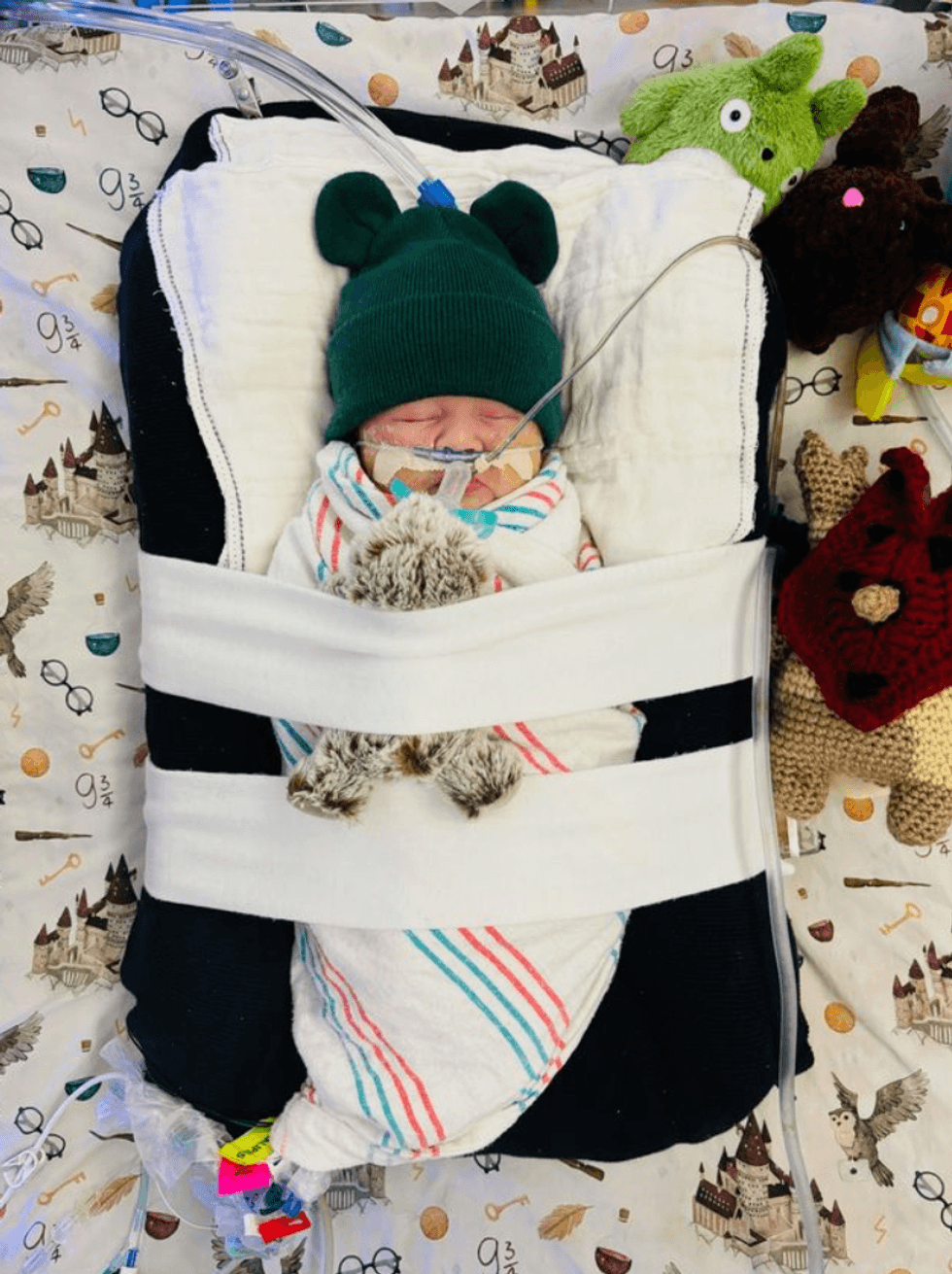
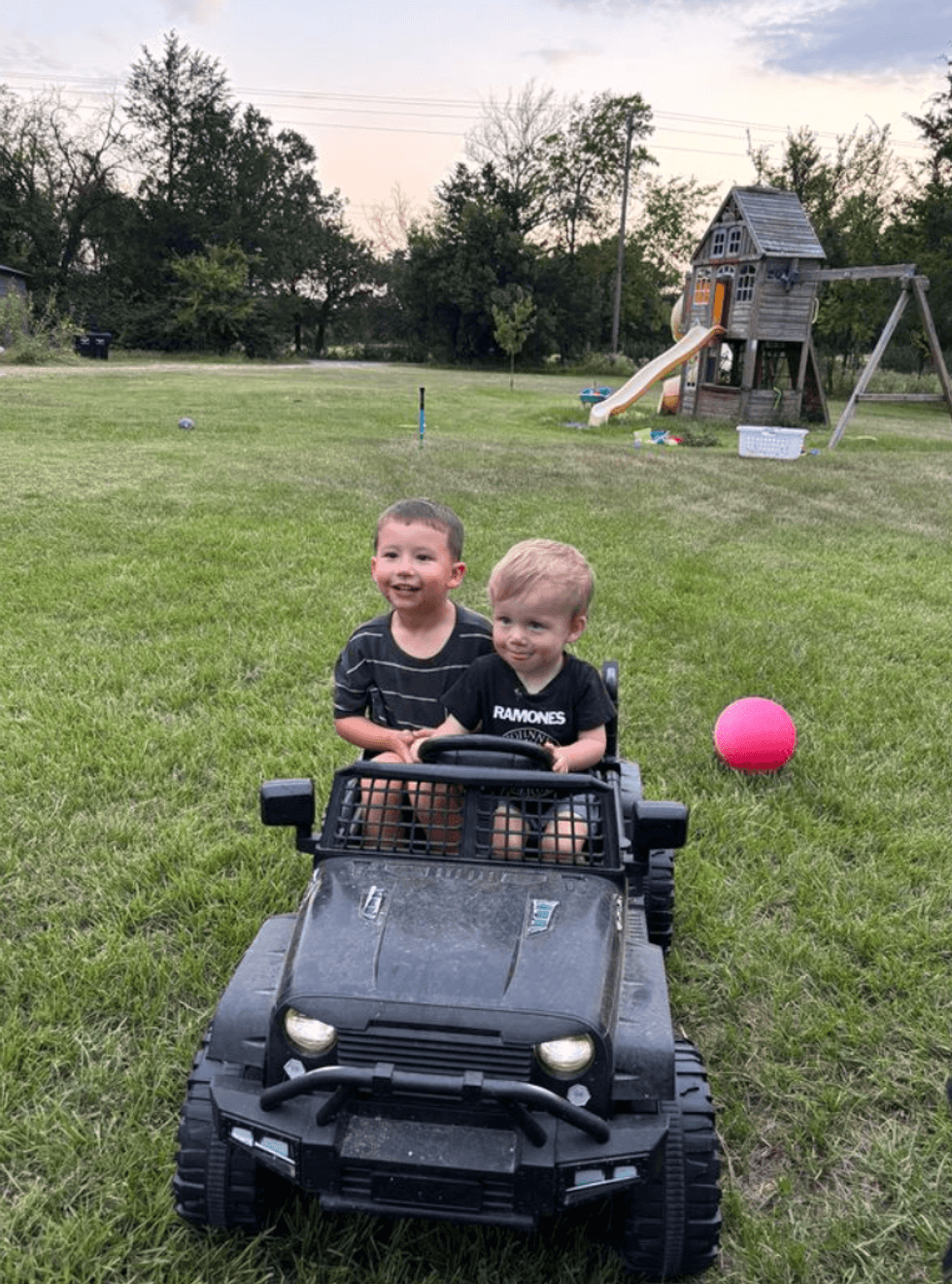
Photo courtesy of Children’s Memorial Hermann Hospital
Meet Link Allen
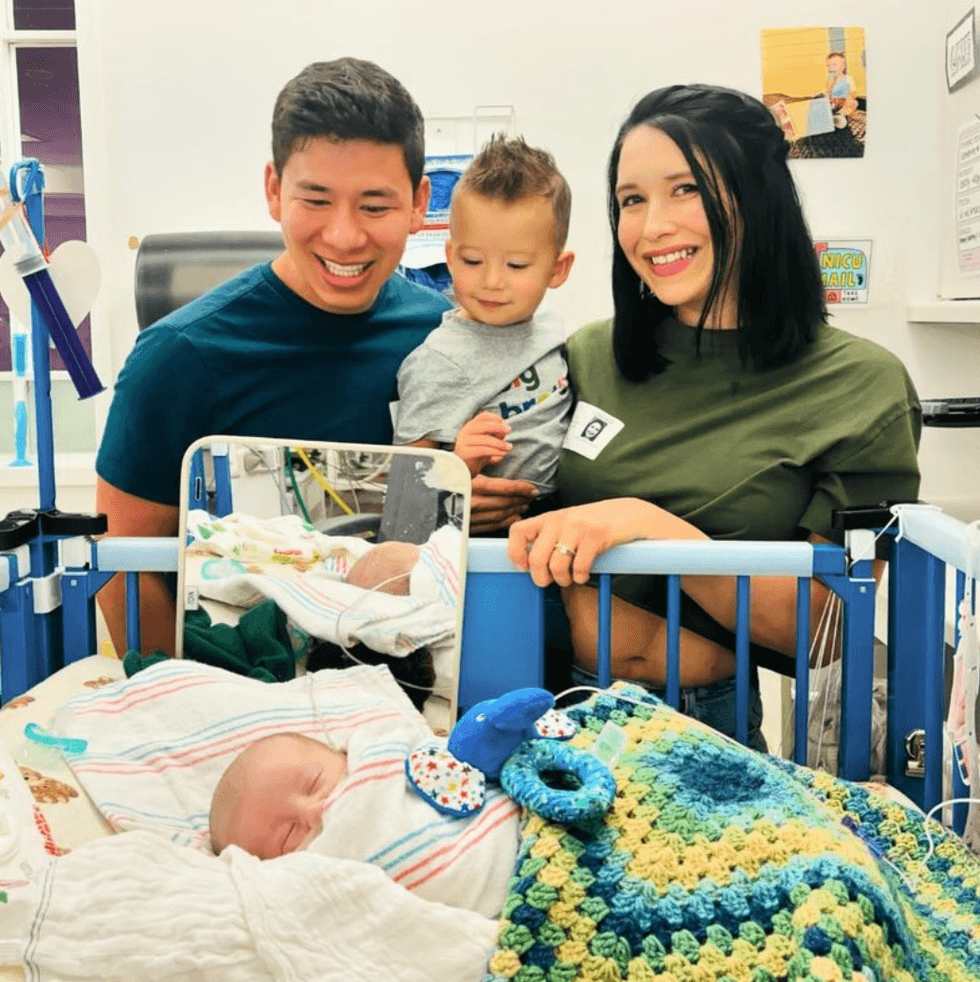
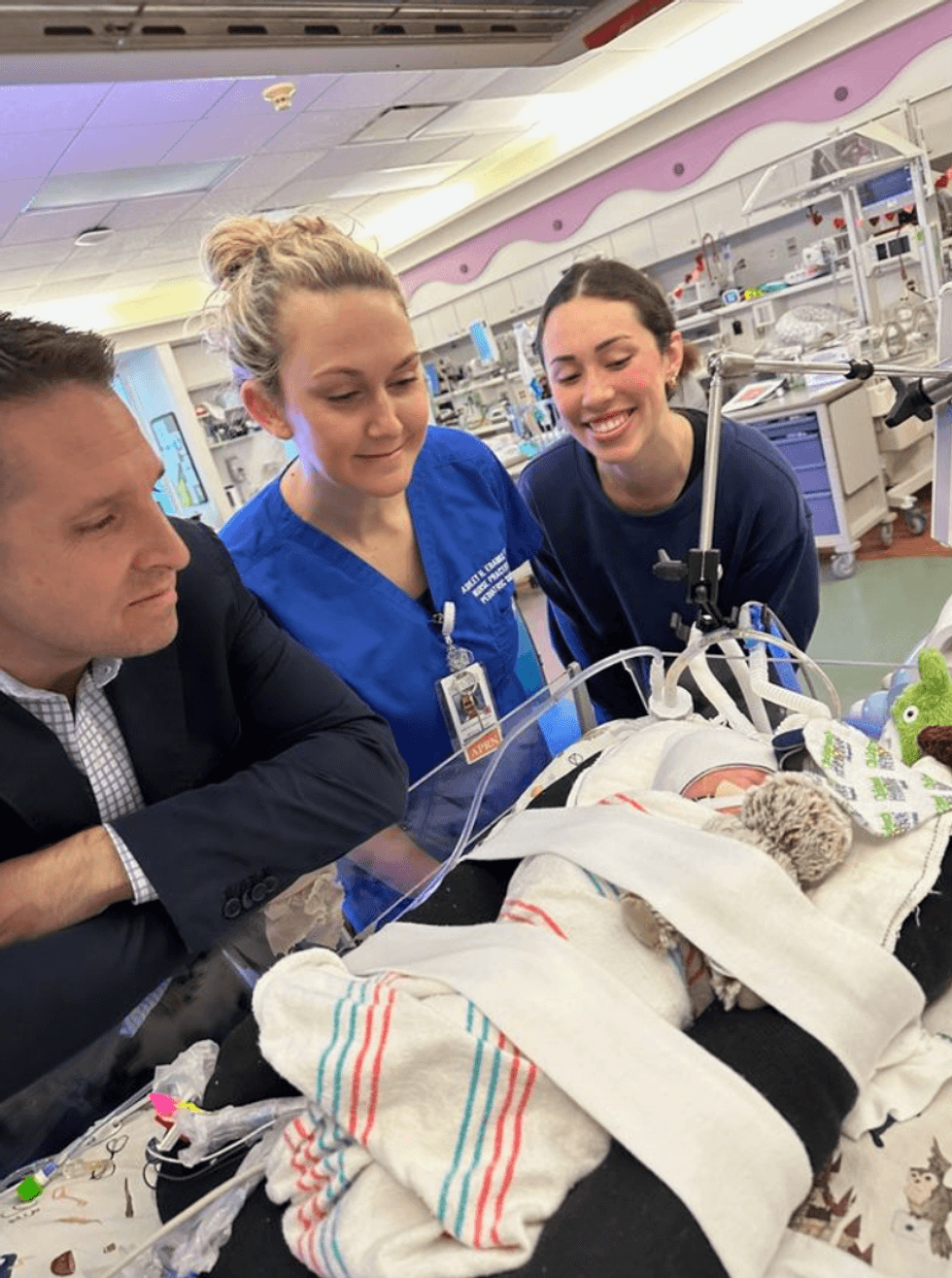
The CDH program at Children’s Memorial Hermann Hospital takes a multidisciplinary approach for both prenatal and postnatal care and treatment, with affiliated UTHealth Houston physicians delivering highly specialized fetal care at The Fetal Center at Children's Memorial Hermann Hospital.
The Fetal Center is recognized nationally as a leader in fetal care and interventions for infants with complex issues. For care and treatment after delivery and beyond, the affiliated pediatric surgery team provides specialized CDH postnatal surgery, extracorporeal membrane oxygenation (ECMO) management and follow-up care.
Melanie’s doctor referred the couple to Matthew Harting, MD, associate professor of Pediatric Surgery at McGovern Medical School at UTHealth Houston and an affiliated pediatric surgeon at Children’s Memorial Hermann Hospital. Andy recalled his surprise and gratitude when Dr. Harting personally called his cell phone the same day he submitted an online inquiry. This direct and accessible approach helped persuade the family to travel to Houston.
Soon after, Andy and Melanie met with the multidisciplinary team, including Dr. Harting and Anthony Johnson, DO, professor of Obstetrics, Gynecology and Reproductive Sciences at UTHealth Houston and co-director of The Fetal Center. Together, they outlined a coordinated care plan for Melanie and Link. Among the options discussed was fetoscopic endoluminal tracheal occlusion (FETO), an advanced prenatal procedure to help stimulate lung growth in utero.
Given the complexity of Link’s condition, the team planned carefully. Dr. Johnson explained that due to how underdeveloped Link’s lungs were, they anticipated he would face significant respiratory challenges immediately after birth and would likely require ECMO, a form of heart-lung life support.
Andy admitted the family was initially hesitant about the FETO procedure. They were mindful of the risks, which the doctors explained thoroughly. After careful consideration, the Allens decided to temporarily relocate to Houston for the procedure and the remainder of Melanie’s pregnancy.
When Melanie delivered at 36 weeks, the team was prepared. Link required immediate support, including ECMO, to allow his lungs time to function. Dr. Harting later performed a complex operation to reposition Link’s organs and reconstruct his diaphragm, a critical step in his recovery. Link then spent 63 days in the hospital’s Level IV neonatal intensive care unit (NICU), guided by a coordinated team of specialists.
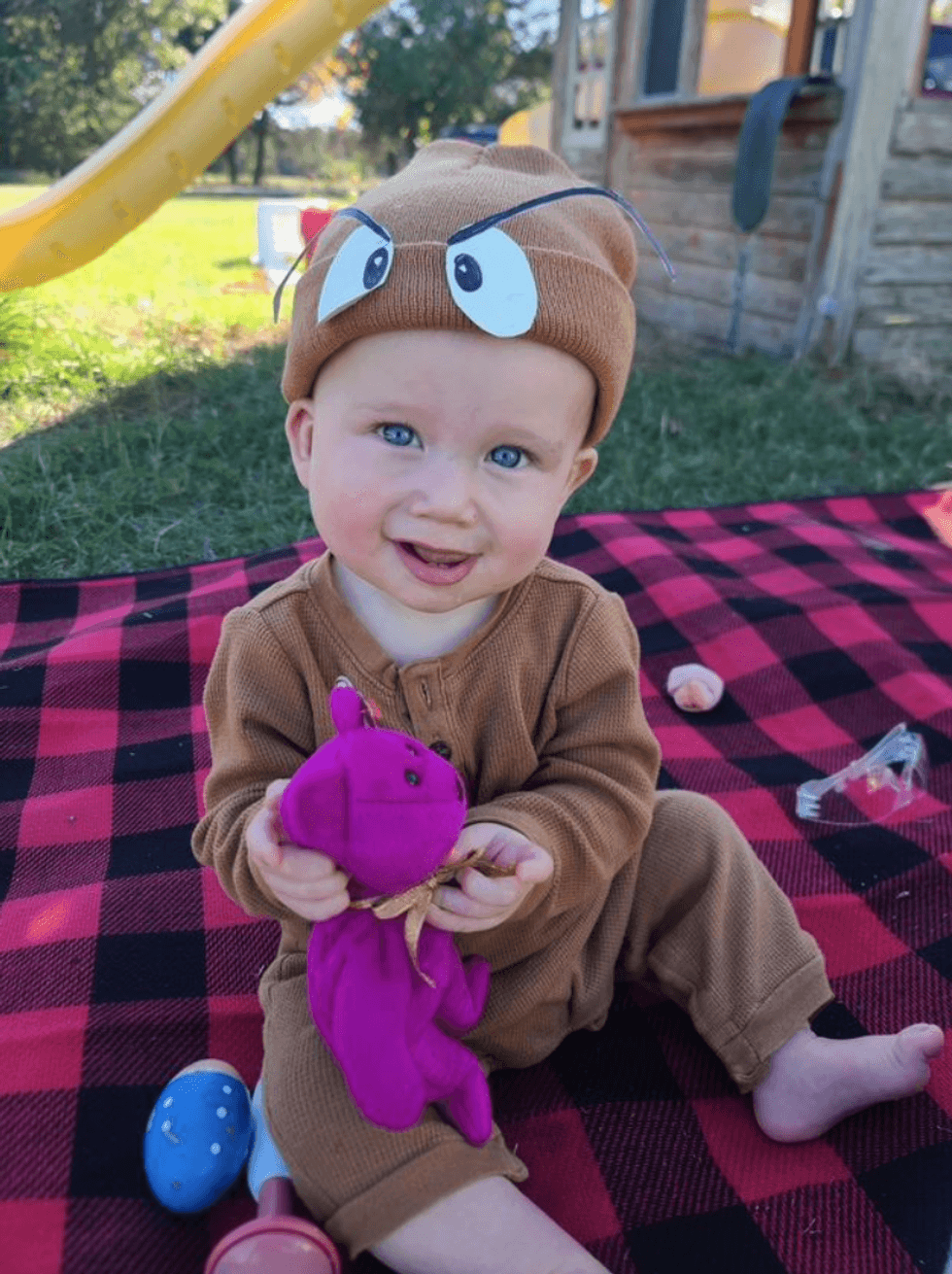
Today, Link is a thriving, energetic toddler. For the Allens, the experience highlighted the importance of specialized, team-based care. Andy expressed his confidence in their decision, noting that the team was prepared for every contingency and knew exactly what to do at each turn, which gave them assurance that Link was in the best possible hands.
Learn more about congenital diaphragmatic hernia care at Children’s Memorial Hermann Hospital .

 Barbacana is closing after two years. Courtesy of Barbacana