The art world looks to the Museum of Fine Arts, Houston this month as it unveils a monumental Frida Kahlo exhibition, but there’s many other shows around Houston opening this month, especially of contemporary and new art. From possible AI photographic futures to photo art that weaves the past and present together, from ceramics turned inside out to magic mirrors, and the art of agriculture, Houston museums and galleries bring us a very artful New Year.
“Anachronous” at Holocaust Museum Houston (now through March 8)
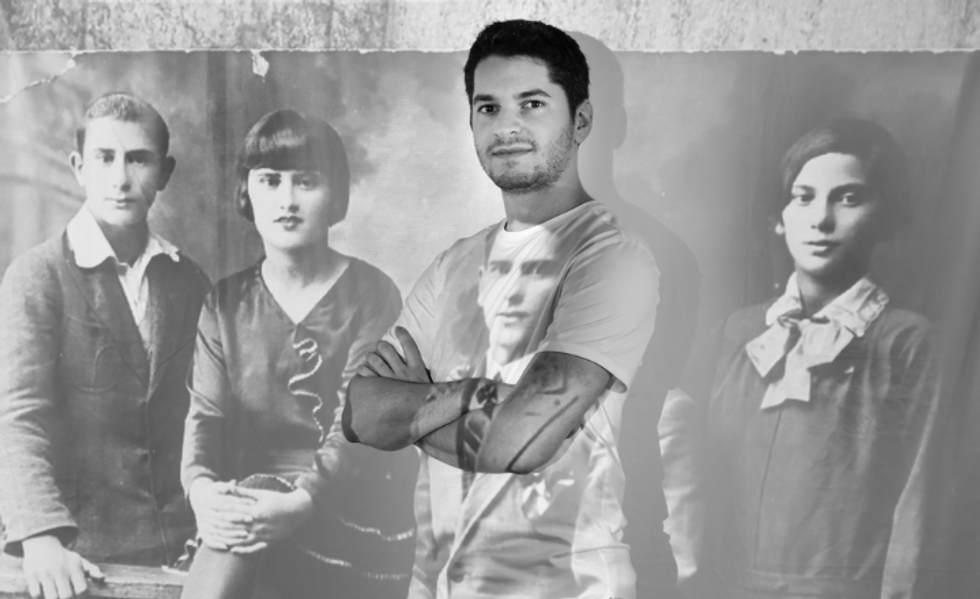
In this new exhibition of work from Argentinian photographer Cynthia Isakson, the artist has selected old family photos taken and kept over decades through war, displacement, and travels across continents. She then takes those images and incorporates them into her contemporary photography. Melded together, these layered images become new stories and expansive portraits of a family over many years.
The 18 digital photographs in the exhibition were printed on fabric and thematically draw ties between the past and present, illustrating the family threads woven through time. Generations and place also become linked, as viewers witness the connections between Warsaw, Buenos Aires, and Houston through five generations of one family.
“norMAL and unreMARKable” at Throughline (January 10-February 7)
Featuring works by Heather L. Johnson and Henry G. Sanchez, this show of recent pieces explore how we define the “unusual” and “exceptional” in both psychological and sociological terms. Johnson works with embroidery and drawing to explore physical manifestations of environmental toxicity brought on by society’s technological dependence. After being diagnosed with cancer, Sanchez broke with his past social art practice to experiment with multimedia installations. He uses this work as a way to consider how that diagnosis has changed his artistic and personal mission. Taken together, these “norMAL and unreMARKable” pieces examine the fragility of contemporary life.
“The Uncanny In-Between” at Blaffer Art Museum (January 10-March 14)
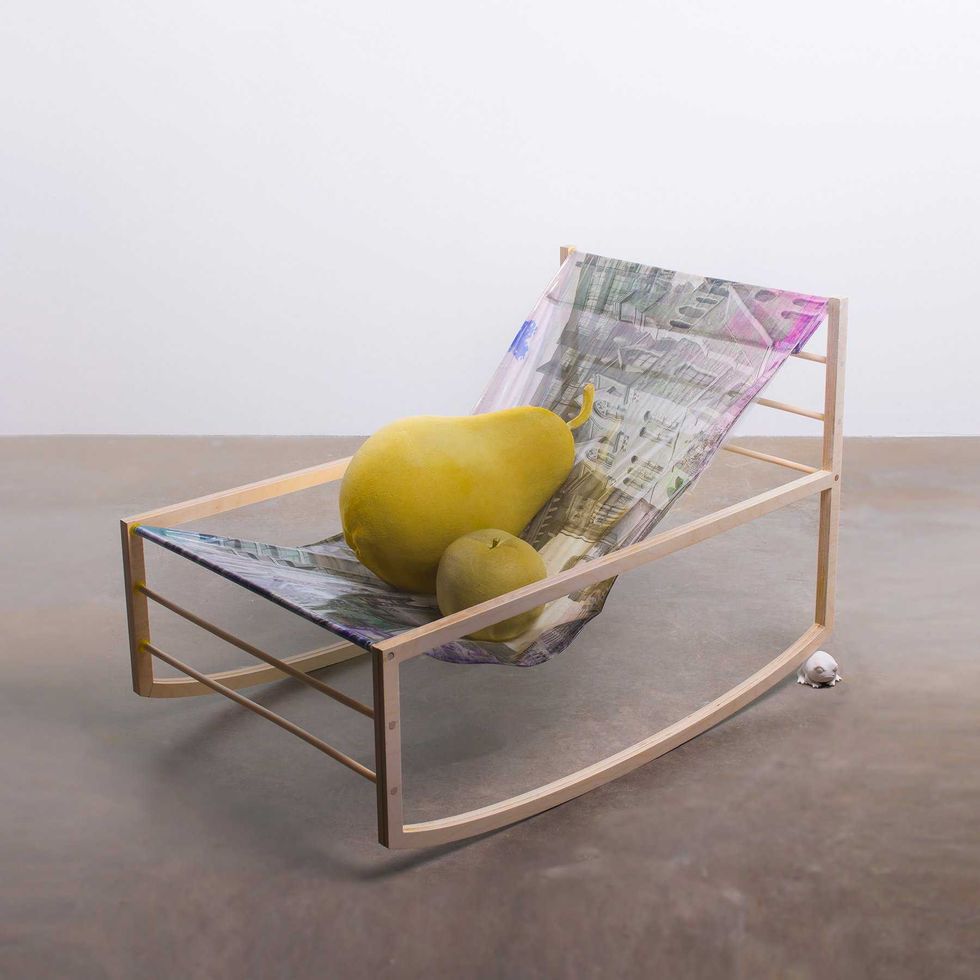
This exhibition of ceramic work will showcase five acclaimed artists of Korean heritage who work across the U.S., including Audrey An (Philadelphia), Wansoo Kim (Clarksville), Hoon Lee (Allendale), Texan Hayun Surl, and Hae Won Sohn (Alfred, New York). Organized by Sso-Rha Kang, curator at the Carnegie in Covington, Kentucky, these ceramic pieces have subversive forms that weave together personal mythologies, traditional techniques, and technological interventions.
At once an exhibition and also an archival project, the ceramic pieces will be shown beside high-resolution 3D digital renderings of the interiors of each artwork. These renderings allow Blaffer visitors to glimpse the interior of some of the pieces, viewing the art beyond the surface into their hidden depths.
“End Cash Bail” at Lawndale Art Center (January 14-17)
This limited-time exhibition centered on Texas prison systems brings together the visual and literary arts with works of poetry, paintings, collages, cyanotypes, photography, and more. Curated by KB Brookins, the ACLU of Texas artist-in-residence, Lawndale states that the exhibition is intentionally wide-spanning in perspective and art mediums and genre to show the extensive impact and responses to the Texas jail crisis.
“Magic Mirrors” at Art League Houston (January 16-April 19)
While the term probably conjures up vain queens in need of a beauty pep talk , magic mirrors are real historic pieces of art first invented in ancient China. When light hits the front of the “mirror,” an engraving on the back is projected onto an opposite surface. Interdisciplinary artist Jamie Ho began with the concept of a “magic mirror” to create art that explores how Chinese American women and their bodies have been depicted historically and in popular culture.
Ho’s work uses GIFs, sculptures, new media, and installations to play with concepts of mirror images. As her sculptures reference historical and current Chinese diasporic objects, Ho also projects GIFs of her body onto the surfaces of some of her sculptures to create ghostly afterimages.
“The River Entered My Home” at Art League Houston (January 16-April 19)
Collaborating as Hammonds + West, Austin multimedia artist Hollis Hammonds and Austin poet and professor Sasha West interweave Morton’s drawings and West’s poetic text into multimedia installations and exhibits. The duo create work with an ecological and environmental focus on a personal and societal scale. Hammonds’ drawings depict the melancholy and darkness manifested in West’s poems, while West’s poems connect to Hammond’s visual landscapes which are often reflections on a fire that consumed her childhood home in Kentucky. As they collaborate across several different mediums, they blend sound with sculptural installation, video with drawings, and words with images.
“Mud + Corn + Stone + Blue” at Blaffer Art Museum (January 17-March 14)
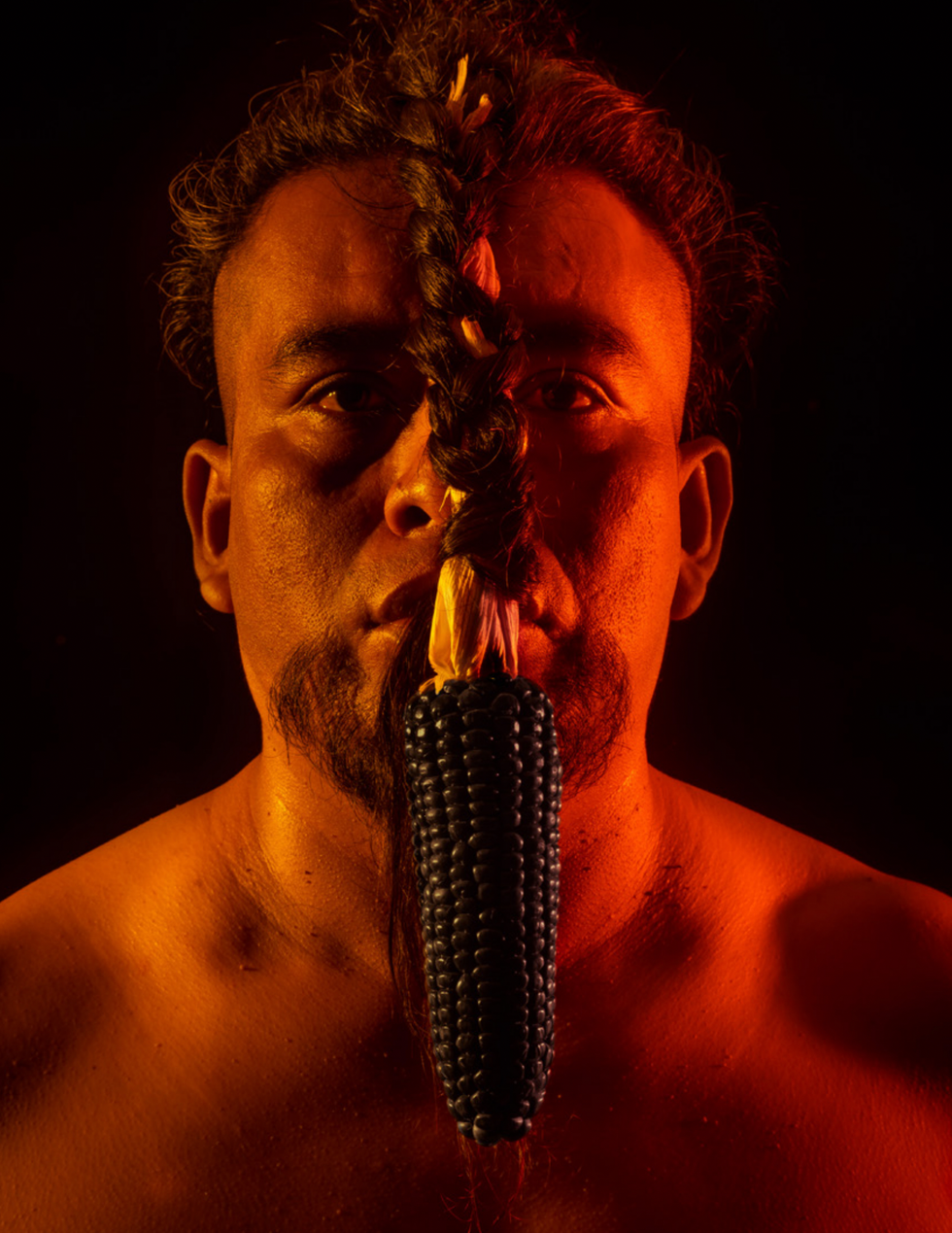
Art, political history, and agriculture meet in this new exhibition organized by Blaffer chief curator Laura Augusta. Through the art works selected, the exhibition traces historical entanglements between the United States and Central America through the distinctive angle of U.S. agricultural policy.
The show looks to be both expansive and personal as Augusta has drawn upon connections between her family’s history in the Great Plains and her relationships built through art in Guatemala. She notes the shared histories across the U.S. and Central America since the 1960s related to the corn industry. The artists showcased in “Mud + Corn + Stone + Blue” are from the U.S. Corn Belt, Guatemala, Nicaragua, El Salvador, and Honduras, with the exhibition drawing links between these places to illustrate their connections that cross borders and time.
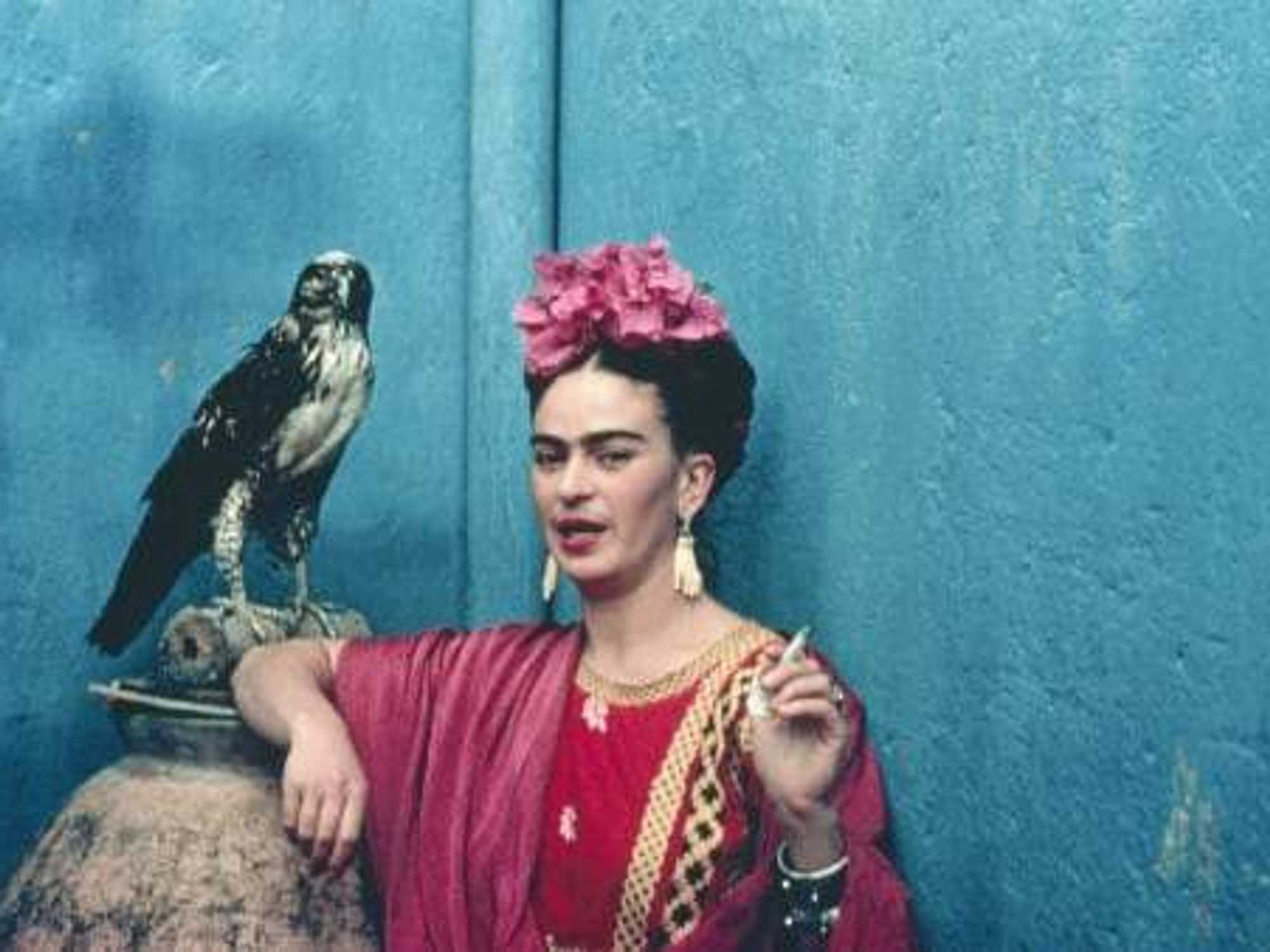
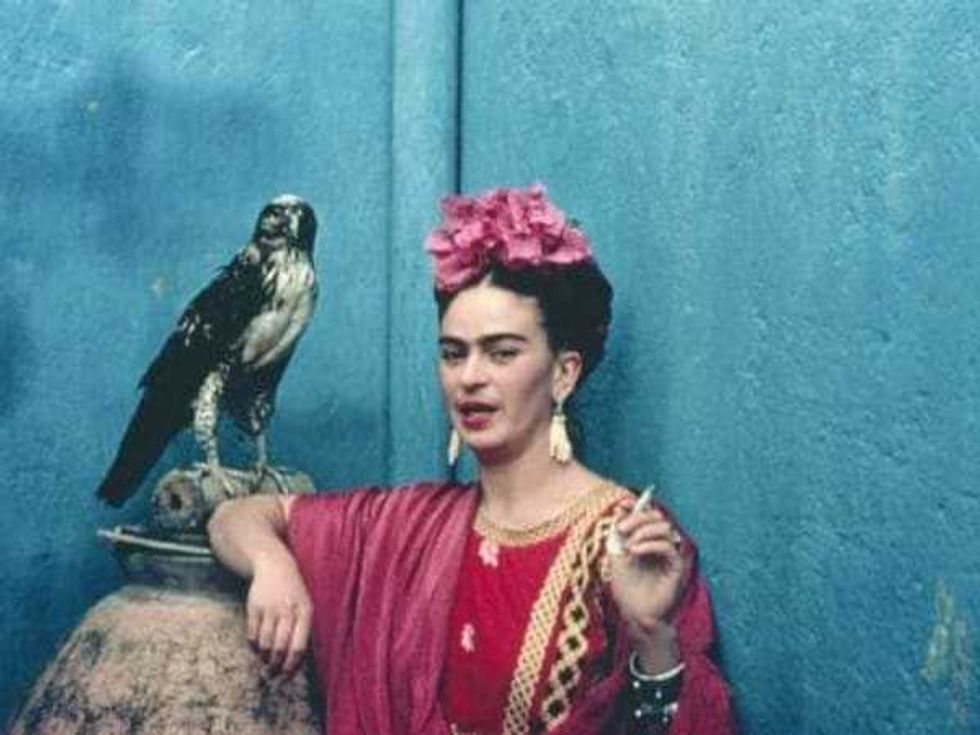
“Frida: The Making of an Icon” at Museum of Fine Arts, Houston (January 19-May 17)
Fridamania will grip Houston this year, as the MFAH opens this brand new exhibition that they also organized. (Dance lovers should also look for the Houston Ballet to present Broken Wings, a ballet about the life of Kahlo in March.) What makes “Frida: The Making of an Icon” so different from most of the other surveys and retrospectives of Kahlo’s work around the world is this exhibition’s focus on how both her life and art inspired other artists over the many decades since her death.
While the show will feature 35 masterpieces by Kahlo herself, it will also examine her great legacy and influence on other artists, including painters, sculptorsm and photographers, as well as activists and social communities. Organized thematically around some of those movements, like “Surrealism” and “Gendered Dialogues,” the show will also feature a special gallery of Frida related mass produced merchandise, as well as handcrafted tributes to her.
“The exhibition reveals how the different facets of Kahlo’s complex persona(lity), which she so carefully crafted and projected, were adapted again and again over her decades-long transformation into an icon,” explains exhibition curator Mari Carmen Ramírez.
“Imaging after Photography” at Rice’s Moody Center for the Arts (January 23-May 9)
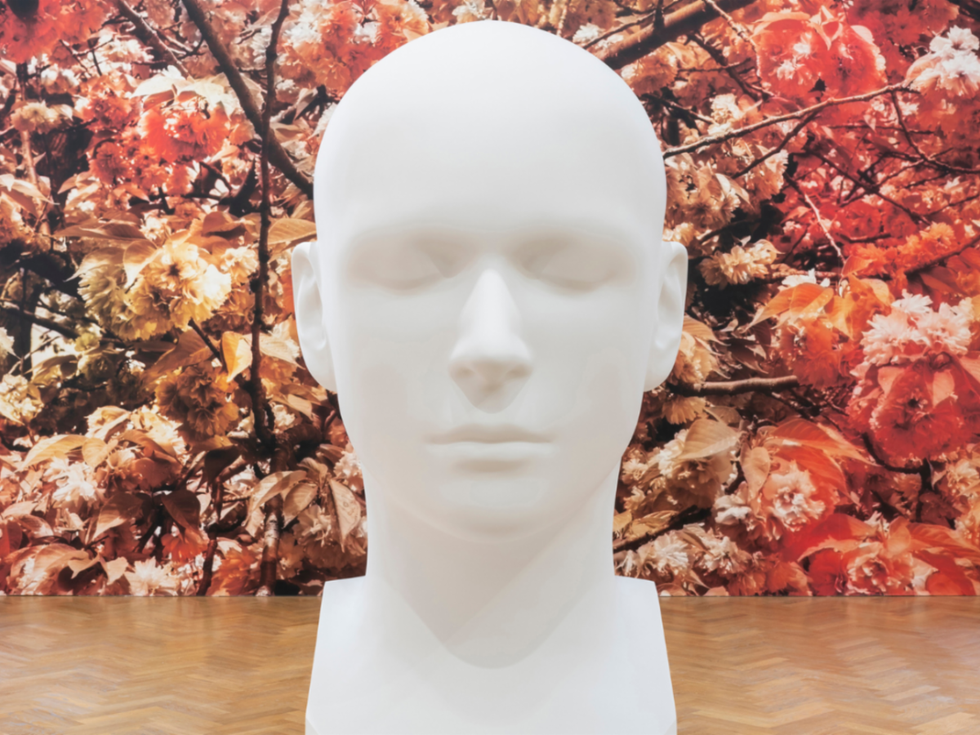
With the rise of AI as a tool to generate visual imaging, seeing may no longer be believing when it comes to the use of photography for documenting reality. As artists and photographers explore this new technology, they wrestle with how AI technology might reshape their art and how we see the world.
Always on the vanguard of where art and science meet, the Moody Center presents this new exhibition of works by seven acclaimed national and international artists, including Nouf Aljowaysir, Refik Anadol, Grégory Chatonsky, Sofia Crespo, Joan Fontcuberta, Lisa Oppenheim, and Trevor Paglen. Though working in different photographic and video mediums, they all incorporate contemporary technologies into their practice in order to reflect on the history and future of photography. While their perspectives on a future where AI becomes a significant component of everyday life span a range from optimistic to pessimistic, these artists never shy from the complexity of those possibilities.
“There are few topics as urgent as artificial intelligence and its impact on all facets of society,” describes Alison Weaver, Moody Center executive director and co-curator of the exhibition. “Through this presentation of works by some of today’s most thoughtful and visionary artists, we hope to inspire dialogue about the influence of new technologies on the images that populate our daily lives and shape our visual culture.”
The Museum of Fine Arts, Houston presents "Frida: The Making of an Icon."