• Home
  • popular
  • EVENTS
  • submit-new-event
  • CHARITY GUIDE
  • Children
  • Education
  • Health
  • Veterans
  • Social Services
  • Arts + Culture
  • Animals
  • LGBTQ
  • New Charity
  • TRENDING NEWS
  • News
  • City Life
  • Entertainment
  • Sports
  • Home + Design
  • Travel
  • Real Estate
  • Restaurants + Bars
  • Arts
  • Society
  • Innovation
  • Fashion + Beauty
  • subscribe
  • about
  • series
  • Embracing Your Inner Cowboy
  • Green Living
  • Summer Fun
  • Real Estate Confidential
  • RX In the City
  • State of the Arts
  • Fall For Fashion
  • Cai's Odyssey
  • Comforts of Home
  • Good Eats
  • Holiday Gift Guide 2010
  • Holiday Gift Guide 2
  • Good Eats 2
  • HMNS Pirates
  • The Future of Houston
  • We Heart Hou 2
  • Music Inspires
  • True Grit
  • Hoops City
  • Green Living 2011
  • Cruizin for a Cure
  • Summer Fun 2011
  • Just Beat It
  • Real Estate 2011
  • Shelby on the Seine
  • Rx in the City 2011
  • Entrepreneur Video Series
  • Going Wild Zoo
  • State of the Arts 2011
  • Fall for Fashion 2011
  • Elaine Turner 2011
  • Comforts of Home 2011
  • King Tut
  • Chevy Girls
  • Good Eats 2011
  • Ready to Jingle
  • Houston at 175
  • The Love Month
  • Clifford on The Catwalk Htx
  • Let's Go Rodeo 2012
  • King's Harbor
  • FotoFest 2012
  • City Centre
  • Hidden Houston
  • Green Living 2012
  • Summer Fun 2012
  • Bookmark
  • 1987: The year that changed Houston
  • Best of Everything 2012
  • Real Estate 2012
  • Rx in the City 2012
  • Lost Pines Road Trip Houston
  • London Dreams
  • State of the Arts 2012
  • HTX Fall For Fashion 2012
  • HTX Good Eats 2012
  • HTX Contemporary Arts 2012
  • HCC 2012
  • Dine to Donate
  • Tasting Room
  • HTX Comforts of Home 2012
  • Charming Charlie
  • Asia Society
  • HTX Ready to Jingle 2012
  • HTX Mistletoe on the go
  • HTX Sun and Ski
  • HTX Cars in Lifestyle
  • HTX New Beginnings
  • HTX Wonderful Weddings
  • HTX Clifford on the Catwalk 2013
  • Zadok Sparkle into Spring
  • HTX Let's Go Rodeo 2013
  • HCC Passion for Fashion
  • BCAF 2013
  • HTX Best of 2013
  • HTX City Centre 2013
  • HTX Real Estate 2013
  • HTX France 2013
  • Driving in Style
  • HTX Island Time
  • HTX Super Season 2013
  • HTX Music Scene 2013
  • HTX Clifford on the Catwalk 2013 2
  • HTX Baker Institute
  • HTX Comforts of Home 2013
  • Mothers Day Gift Guide 2021 Houston
  • Staying Ahead of the Game
  • Wrangler Houston
  • First-time Homebuyers Guide Houston 2021
  • Visit Frisco Houston
  • promoted
  • eventdetail
  • Greystar Novel River Oaks
  • Thirdhome Go Houston
  • Dogfish Head Houston
  • LovBe Houston
  • Claire St Amant podcast Houston
  • The Listing Firm Houston
  • South Padre Houston
  • NextGen Real Estate Houston
  • Pioneer Houston
  • Collaborative for Children
  • Decorum
  • Bold Rock Cider
  • Nasher Houston
  • Houston Tastemaker Awards 2021
  • CityNorth
  • Urban Office
  • Villa Cotton
  • Luck Springs Houston
  • EightyTwo
  • Rectanglo.com
  • Silver Eagle Karbach
  • Mirador Group
  • Nirmanz
  • Bandera Houston
  • Milan Laser
  • Lafayette Travel
  • Highland Park Village Houston
  • Proximo Spirits
  • Douglas Elliman Harris Benson
  • Original ChopShop
  • Bordeaux Houston
  • Strike Marketing
  • Rice Village Gift Guide 2021
  • Downtown District
  • Broadstone Memorial Park
  • Gift Guide
  • Music Lane
  • Blue Circle Foods
  • Houston Tastemaker Awards 2022
  • True Rest
  • Lone Star Sports
  • Silver Eagle Hard Soda
  • Modelo recipes
  • Modelo Fighting Spirit
  • Athletic Brewing
  • Rodeo Houston
  • Silver Eagle Bud Light Next
  • Waco CVB
  • EnerGenie
  • HLSR Wine Committee
  • All Hands
  • El Paso
  • Houston First
  • Visit Lubbock Houston
  • JW Marriott San Antonio
  • Silver Eagle Tupps
  • Space Center Houston
  • Central Market Houston
  • Boulevard Realty
  • Travel Texas Houston
  • Alliantgroup
  • Golf Live
  • DC Partners
  • Under the Influencer
  • Blossom Hotel
  • San Marcos Houston
  • Photo Essay: Holiday Gift Guide 2009
  • We Heart Hou
  • Walker House
  • HTX Good Eats 2013
  • HTX Ready to Jingle 2013
  • HTX Culture Motive
  • HTX Auto Awards
  • HTX Ski Magic
  • HTX Wonderful Weddings 2014
  • HTX Texas Traveler
  • HTX Cifford on the Catwalk 2014
  • HTX United Way 2014
  • HTX Up to Speed
  • HTX Rodeo 2014
  • HTX City Centre 2014
  • HTX Dos Equis
  • HTX Tastemakers 2014
  • HTX Reliant
  • HTX Houston Symphony
  • HTX Trailblazers
  • HTX_RealEstateConfidential_2014
  • HTX_IW_Marks_FashionSeries
  • HTX_Green_Street
  • Dating 101
  • HTX_Clifford_on_the_Catwalk_2014
  • FIVE CultureMap 5th Birthday Bash
  • HTX Clifford on the Catwalk 2014 TEST
  • HTX Texans
  • Bergner and Johnson
  • HTX Good Eats 2014
  • United Way 2014-15_Single Promoted Articles
  • Holiday Pop Up Shop Houston
  • Where to Eat Houston
  • Copious Row Single Promoted Articles
  • HTX Ready to Jingle 2014
  • htx woodford reserve manhattans
  • Zadok Swiss Watches
  • HTX Wonderful Weddings 2015
  • HTX Charity Challenge 2015
  • United Way Helpline Promoted Article
  • Boulevard Realty
  • Fusion Academy Promoted Article
  • Clifford on the Catwalk Fall 2015
  • United Way Book Power Promoted Article
  • Jameson HTX
  • Primavera 2015
  • Promenade Place
  • Hotel Galvez
  • Tremont House
  • HTX Tastemakers 2015
  • HTX Digital Graffiti/Alys Beach
  • MD Anderson Breast Cancer Promoted Article
  • HTX RealEstateConfidential 2015
  • HTX Vargos on the Lake
  • Omni Hotel HTX
  • Undies for Everyone
  • Reliant Bright Ideas Houston
  • 2015 Houston Stylemaker
  • HTX Renewable You
  • Urban Flats Builder
  • Urban Flats Builder
  • HTX New York Fashion Week spring 2016
  • Kyrie Massage
  • Red Bull Flying Bach
  • Hotze Health and Wellness
  • ReadFest 2015
  • Alzheimer's Promoted Article
  • Formula 1 Giveaway
  • Professional Skin Treatments by NuMe Express

    Rothko Masterpieces

    Mark Rothko: A Retrospective allows Houston to rediscover the master artist we thought we knew

    Tarra Gaines
    Oct 9, 2015 | 12:36 pm

    The Rothko Chapel has been such an integral part of the Houston artistic, architectural and spiritual landscape for so long, we perhaps tend to think of the Russian (now Latvia) born, later New Yorker Mark Rothko as an artist who belongs to us.

    So for the Museum of Fine Arts, Houston to be one of the organizers and only U.S institution exhibiting Mark Rothko: A Retrospective, it seems just our right.

    Though we might feel as if The Rothko Chapel has always been here and always will be, many native Houstonians, including MFAH director Gary Tinterow, who was in high school at the time, can remember the “high drama” involved in the design and building of the chapel. “I was convinced that something terribly important had occurred in my city and that we had this monument to art here,” Tinterow said during a recent preview of this new monumental retrospective.

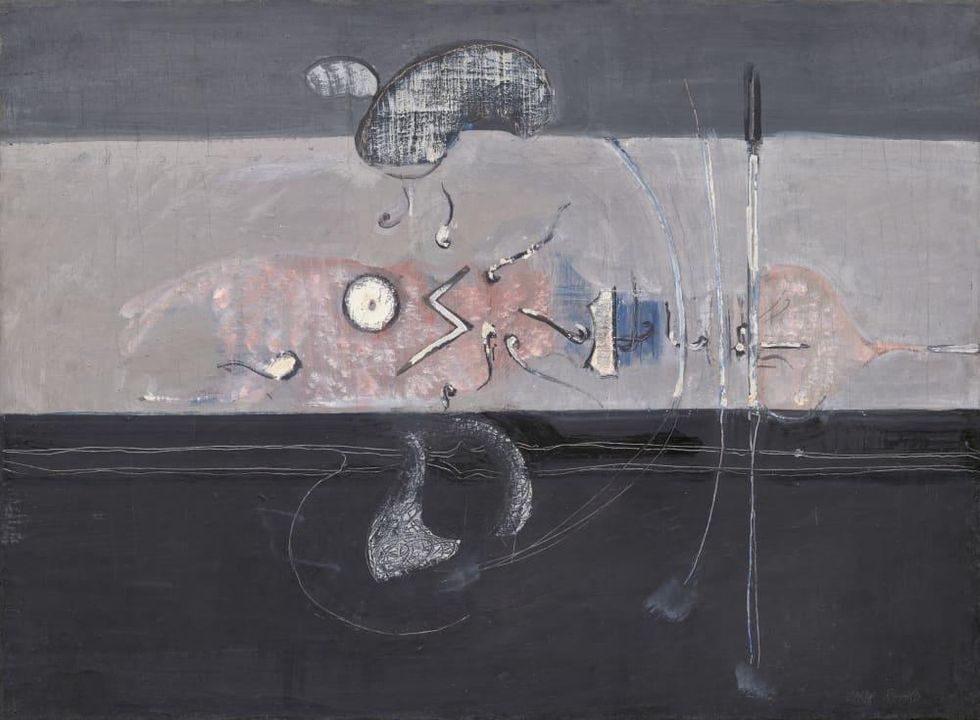
    Mark Rothko: A Retrospective is the first major review of the art of Rothko this century, with the majority of the paintings coming from the National Gallery of Art in Washington, D.C, along with select works from the Menil Collection and the MFAH. Such a exhibition, of more than 60 paintings, that spans Rothko’s career will give Houstonians a chance to go deeper into his legacy and make new discoveries of an artist we might think we already know so well.

    An Artist Searching for His Language

    The exhibition runs mostly linearly through Rothko’s painting life. Moving through the galleries in the Beck Building, visitors will see the evolution of this great master of Abstract Expressionist. The first gallery in particular is a bit of a wonder as we meet a young Rothko toying with figure studies, still-life compositions and Surrealism. Here is a Rothko his many 21st century admirers probably never knew existed.

    Alison de Lima Greene, curator of contemporary art and special projects, who coordinated the Houston presentation and led the preview walk-through of the exhibition, pointed out that if we turn certain of his paintings 90 degrees in our imaginations, like the subway scene in Underground Fantasy, we might catch a glimpse of the tiered color compositions of Rothko’s future.

    But should we see these works as predictors of what is to come in later decades for Rothko — just a few steps into the next gallery for us — or see these early works as a man testing for the perfect “language” as Greene described, for his art?

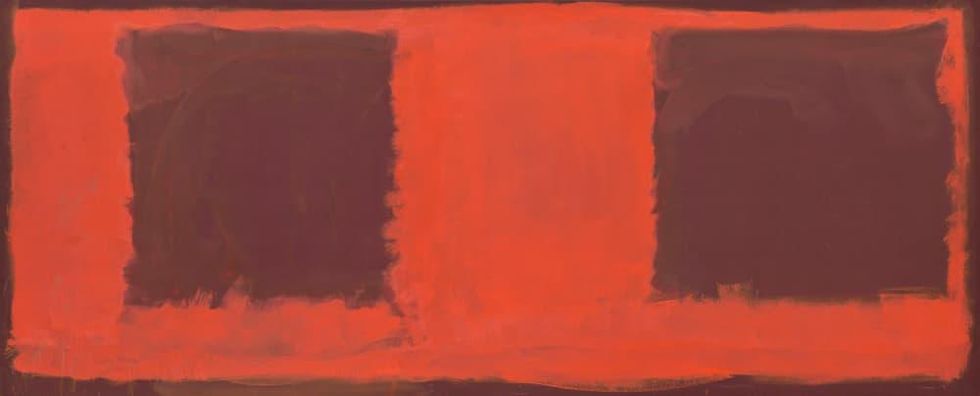
    In the middle galleries, we encounter the Rothko we know, with his Color Field paintings and their rectangles of such depth of color it’s difficult not to want to dive into them. Early in these middle galleries, we can also see Rothko still experimenting, especially when juxtaposing paintings of similar color that are seldom seen together because one belongs to the Menil and another the National Gallery.

    Greene also disclosed a secret in the creation of those vibrant, changing colors was not necessarily in the paint but the use of turpentine.

    “We don’t have clear record of the paints he used, but he kept vast inventories of the turpentines, the thinners that allowed the paint to become almost like a water color wash and that allowed him to layer color,” Greene described, relaying a fact she had recently learned from Mark Rothko’s son Christopher, who was in Houston for the exhibition’s opening.

    For those who have seen the dramatic, but probably not that accurate play, Red, which was performed at the Alley Theatre in 2012, the exhibition also includes full-sized studies for unrealized mural commission for the Four Seasons restaurant in the Mies van der Rohe’s Seagram Building.

    Dark and Life

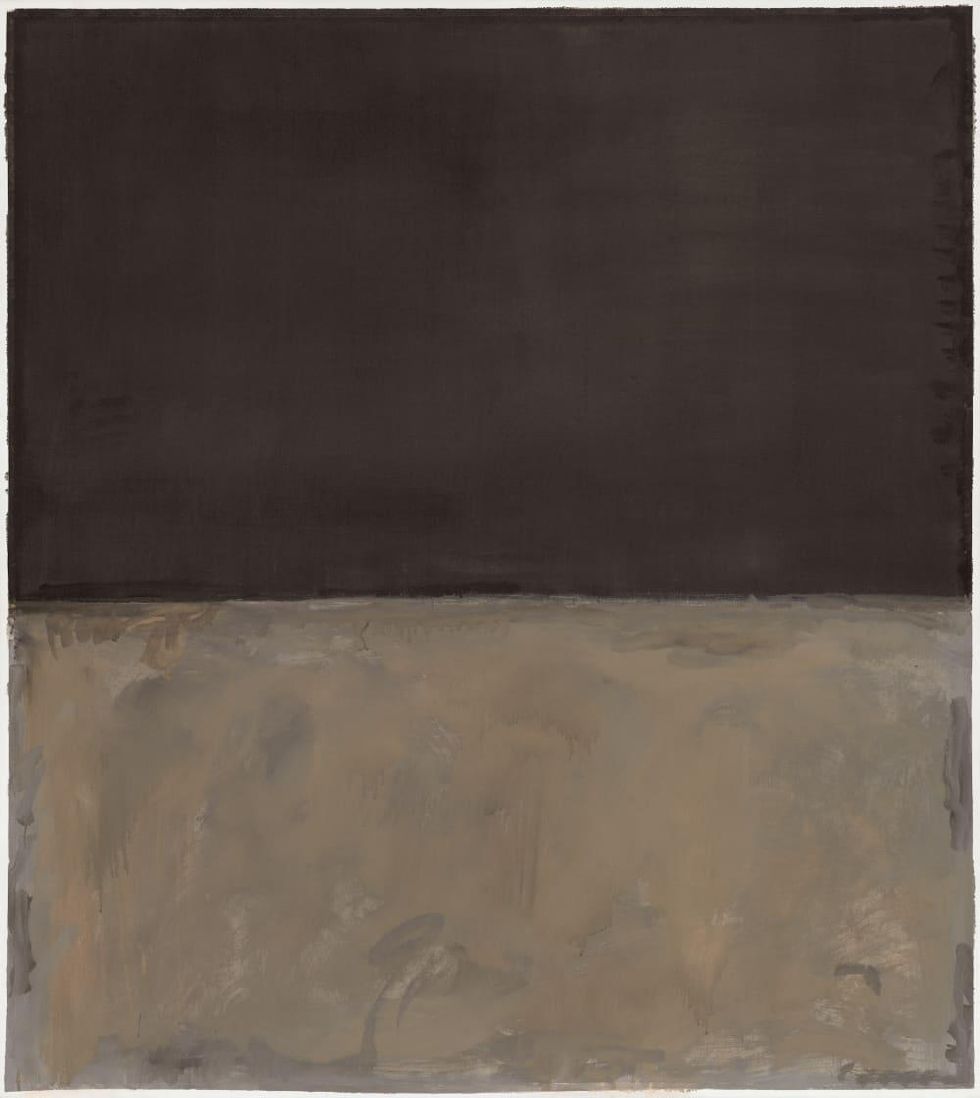
    The final gallery highlights the work Rothko did towards the end of his life. After he suffered a heart attack in 1968, he received medical advice forcing him to give up oil paint and his beloved turpentine because of the fumes. Yet his taking up acrylic painting allowed him to move into new directions. While some critics argue the somber and dark palates of his later years are a manifestation of his struggle with depression and perhaps even a foretelling of his suicide in 1970, Greene believes there are signs of new beginnings in his last paintings and “so much promise and so much excitement.”

    The exhibition ends with the unfinished, glorious red Untitled from 1970, a work that feels blazing with life.

    Early during the walk-through of the exhibition, Greene made a point about Rothko’s refusal to decipher his work for others.

    A Private Conversation

    “Rothko is famous after around 1950 for almost becoming totally silent about his own work. He gave very few interviews after that period, believing that the paintings spoke for themselves,” she explained.

    The MFAH provides informative wall texts throughout the galleries as well as an audio tour filled with notable Houstonians musing on their own thoughts and perceptions of the paintings, but above all, the organization of the exhibition and the nature of the paintings themselves encourage a private dialogue between viewer, artist and his creations.

    While sitting at the center of the Rothko Chapel might allow us quiet contemplation into our own spiritual interiors or to reach outward for some sense of universal divinity, walking through Mark Rothko: A Retrospective gives us an intimate encounter with the humanity of the man himself and a deeper understanding of the breadth and beauty of his art.

    Mark Rothko: A Retrospective runs until January 24, 2016. The exhibition is ticketed.

    2 | P a g eMark Rothko, Untitled, 1953, mixed media on canvas, National Gallery of Art, Washington, Gift of The Mark Rothko Foundation, Inc. © 1998 by Kate Rothko Prizel and Christopher Rothko.
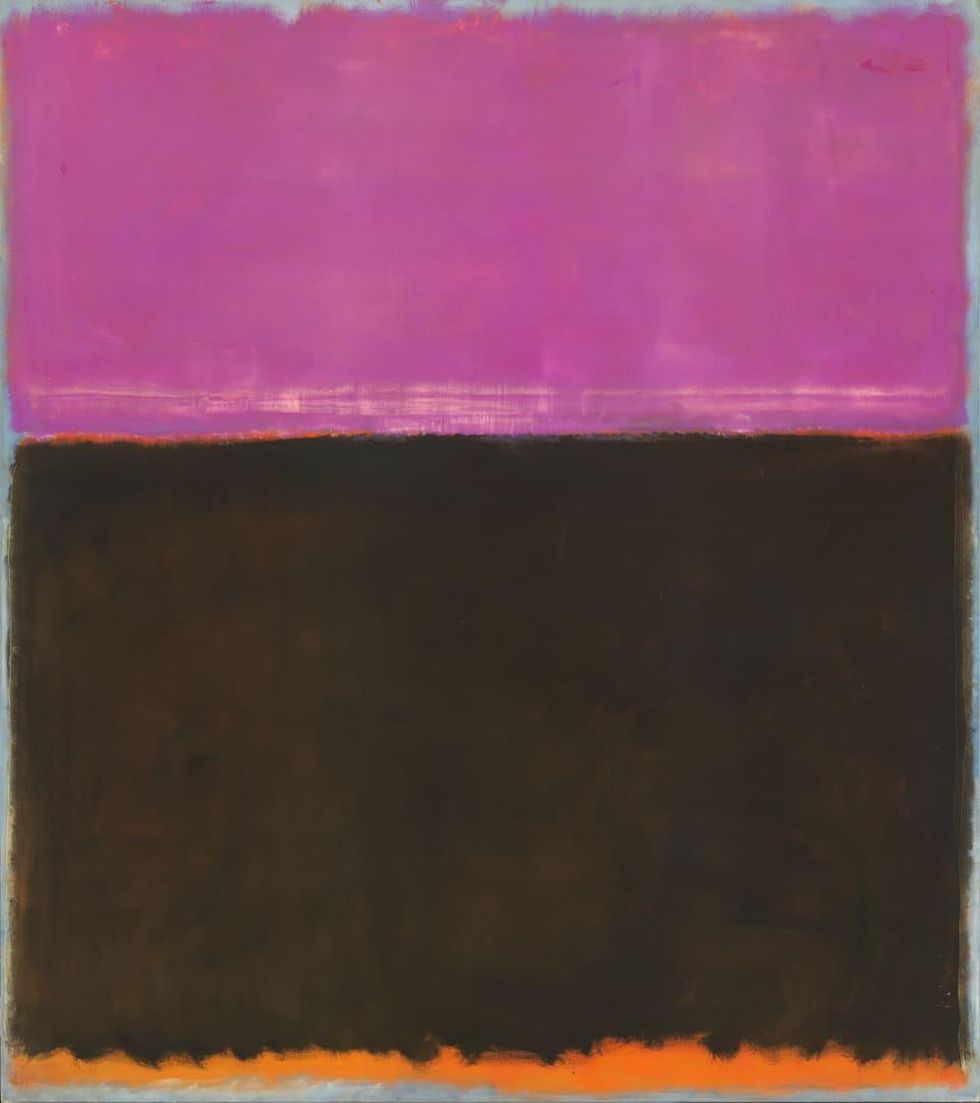
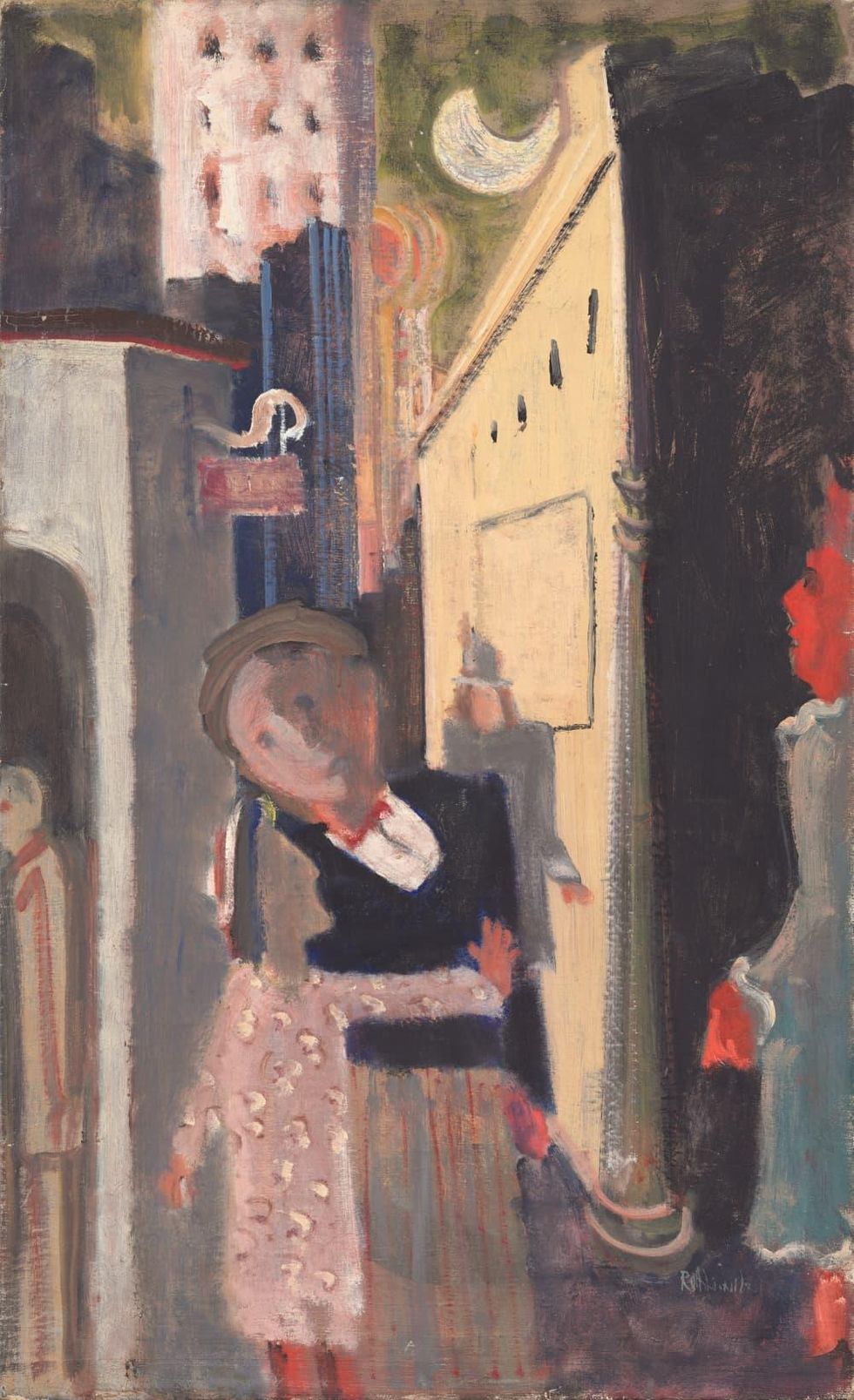
    Mark Rothko Retrospective: Untitled, 1953
    MFAH Courtesy Photo
    2 | P a g eMark Rothko, Untitled, 1953, mixed media on canvas, National Gallery of Art, Washington, Gift of The Mark Rothko Foundation, Inc. © 1998 by Kate Rothko Prizel and Christopher Rothko.
    openings
    news/arts

    most read posts

    Cherished Houston Indo-Pak restaurant opens to-go only location in Katy

    2,100-acre Houston-area development with bike trails galore will open in 2027

    A highly opinionated take on Houston's venture-backed new bagel shop

    honoring the past

    Houston museum's new project preserves historic Freedmen's Town bricks

    Emily Cotton
    Jun 19, 2026 | 12:00 pm
    Freedmen's Town Rebirth in Action pavilion rendering
    Rendering courtesy of Studio Zewde
    Rebirth in Action is set to open in 2027.

    As Houstonians come together to celebrate Juneteenth, it’s jarring to think that this day of celebration has only been a federally-recognized holiday since 2021. After all, it was in 1865 that U.S Major General Gordon Granger arrived in Galveston on June 19 to enforce the Emancipation Proclamation of 1863. After this event many formerly enslaved Black Americans made their way to Houston, establishing what is now Houston’s very first Heritage District, known as Freedmen’s Town.

    Now, the robust Houston Freedmen’s Town Conservancy, in partnership with the Contemporary Arts Museum Houston, and Mount Horeb Church, are working with the City of Houston on a long overdue project, Rebirth in Action, to honor this historic site. Designed by artist Theaster Gates in partnership with landscape architect Sara Zewde, the monumental pavilion will temporarily house more than 20,000 historic bricks previously removed and preserved from Houston’s Freedmen’s Town. Houston Mayor John Whitmire attended the groundbreaking, which took place last month.

    While many people recognize Galveston as the site of the first Juneteenth celebrations, both of those took place on January 1, to honor the Emancipation Proclamation. However, recent research by Mary Gibbs Jones Professor of Humanities at Rice University W. Caleb McDaniel, has uncovered that the first official Juneteenth celebration was led by two ministers, Sandy Parker and Elias Dibble, right in Freedmen’s Town in 1866. McDaniel’s fascinating article will appear in the next issue of the Journal of Texas History.

    Freedmen’s Town, established in 1865 by over 1,000 newly-free Black Houstonians following Juneteenth, has significantly dwindled in recent years due to systematic reductions in resources, despite its initial 500+ historic structures, including churches, schools, and cultural institutions. Rebirth in Action aims to preserve and promote the neighborhood as a monument of Black community, agency, and heritage.

    “The work of the Contemporary Arts Museum Houston is to utilize our museum as a platform for resources sharing; a platform for unearthing new conversations around gems in our city that are also right down the street,” explains Ryan Dennis, co-director and chief curator for the Contemporary Arts Museum Houston. “Artists have different practices and artists like Theaster [Gates] can really help understand preservation conditions and needs of community, revitalization, and bringing resources together to better serve a neighborhood and realize optimal benefits, particularly antiquities like the bricks in Freedman’s Town that have been taken out of the neighborhood, displaced in other areas of Houston, and not in the home where they were originally created, paid for, and laid down in (by formerly enslaved individuals), which is Freedmen’s Town.”

    The first phase of Rebirth in Action involved artistic activations (including Gates’ exhibition The Gift and The Renege in 2024), artist residencies, community and stakeholder meetings, and the identification, cataloging, and preservation of over 20,000 historic bricks. The pavilion will encourage public viewing of these historic bricks and serve as a hub for engagement with the history, cultural significance, and future of Freedmen’s Town. Additionally, Hines Architecture + Design will rehabilitate three row houses into an adjoining community center.

    “I think the whole project is one that’s quite interesting, useful, and productive. I think it’s important for us to think about how we can use our resources to accomplish the things that build collective wellness — right? Wellness in the space of really preserving our communities that have been disinvested in, elevating the real gems of our city,” says Dennis. “We can do that through collaborations and partnerships; we are much stronger when we can do that with others, versus by ourselves, and I think this project really speaks to that ethos.”

    Phase Two has been made possible by Mount Horeb Church’s continued stewardship of both land and existing historic structures in Freedmen’s Town. The project will include an arts pavilion and community green space designed by Sara Zewde, with an installation by renowned artist Theaster Gates, plus three historic structures redesigned and restored by Daimian Hines Architecture + Design for adaptive reuse as a food pantry and community garden, after-school programming, and senior services for Mount Horeb Church, who will guide programming and operations.

    The art installation will display the original Freedmen’s Town bricks that once lined the streets, giving visitors a chance to experience their significance firsthand. Working with the City of Houston and the North Houston Highway Improvement Program that will reconnect Freedmen’s Town to downtown, Phase Three will see these bricks returned to the streets in a pedestrian promenade capacity. Subsequently, the pavilion will showcase rotating artist activations.

    “The Brick Pavilion for Freedmen’s Town is a project that is deeply resonant for me,” shares Gates. “In part, because there are several opportunities to cultivate community and institutional trust, to create an additional neighborhood heart, and to invest in more beauty for this hugely important district of Houston.”

    Landscape architect Sara Zewde's pavilion, gardens, and landscape design will help centralize all facets of Rebirth in Action, creating a community hub: “Studio Zewde's collaboration with Theaster Gates began with a shared belief that the future of Freedmen's Town must be rooted in the wisdom of the community that built it,” she writes in an email. “The pavilion and landscape draw inspiration from the neighborhood's tradition of shared backyards that connected the community across property lines. The project builds on this inheritance by forming a shared landscape at the center of the sacred bricks and their pavilion, the restored row houses, the Freedmen's Town Conservancy Visitor Center, and Mount Horeb Baptist Church.”

    Architect Daimian Hines credits Reverend Dr. Smith of Mount Horeb Church for the continued stewardship of the land and notes that Dr. Smith oftentimes remarks that the holding of the land has been a form of resistance, the act of holding the land keeping outsiders from contributing to the erasure of Freedmen’s Town and its history.

    “The fact that these three houses, and more in the community, that these post-emancipation structures still exist, it wasn’t for a lack of community pressure. It was a combination of efforts by folks like Dr. Smith, who were resisting [gentrification] through ownership,” explains Hines.

    “Some of the ownership of some of these properties are so complex, it was difficult for potential buyers [developers] to actually get ownership of some of these structures—I consider that sheer luck.”

    Hines worked closely with the Houston Archeological and Historic Commission to propose rehabilitating, modifying, and even relocating the row houses a mere 15 feet. The gabled, cottage-style row houses date back to the late 19th century. These post-emancipation row houses were built by formerly-enslaved, new residents of Houston.

    “We wanted to think through: ‘what was the original story, how did the front of the houses and the back of these structures — what role did they play in day-to-day life?’ We were able to make some strategic moves to bring that to the forefront again,” Hines says. “The Rebirth in Action project and the houses are part of a broader preservation goal within the community to not just preserve, but to reuse either for housing, or — in this case — adaptive reuse as a community space.”

    Hines notes that one of the row houses is of double-door configuration. This typology signifies that it was most likely a boarding house in its prime, a time when Black Americans weren’t welcome in downtown hotels. The two front doors let travelers know that they were welcome to rent a safe place to stay. Together, the three row houses will offer approximately 3,200-3,600 square feet of space, plus a large back porch that will face the pavilion.

    As resources were often few and far between in post-emancipation Freedmen’s Town, the cladding on row houses was patchwork in appearance, as purchasing gaps meant that continuing on with the same materials was unlikely. Regardless, these homes were remarkably well constructed, with solid wood, wooden dowels, and shiplap interior walls. These construction methods, along with allowances for airflow, contributed significantly to their preservation.

    “The one thing about these structures is, that as robust as they are, they have taken a beating,” says Hines. “The actual wood, the detailing, a lot of that has been lost, but these structures tell a story. This is a project I knew I wanted to be personally involved in, and my firm. [The structures] will be able to continue telling a story and play an active role in that community, and that’s why I’m excited.”

    Freedmen's Town Rebirth in Action pavilion rendering

    Rendering courtesy of Studio Zewde

    Rebirth in Action is set to open in 2027.

    museumscontemporary art museum houstonfreedmen's townvisual-art
    news/arts
    Loading...