Mardi Gras is coming up fast — the first parade happens January 17! — but in Lafayette, Louisiana, the anticipation builds well before the first float rolls.
Known as the heart of Cajun and Creole Country and often called the “Happiest City in America,” Lafayette hosts a Mardi Gras season where families, music lovers, foodies, and culture-seekers can all "let the good times roll."
Rather than concentrating all the excitement into a single day, Lafayette’s Mardi Gras stretches across several days and neighborhoods. The celebrations mostly happen over two weekends: February 6-8 and 13-17 (the last day is the famous Fat Tuesday).
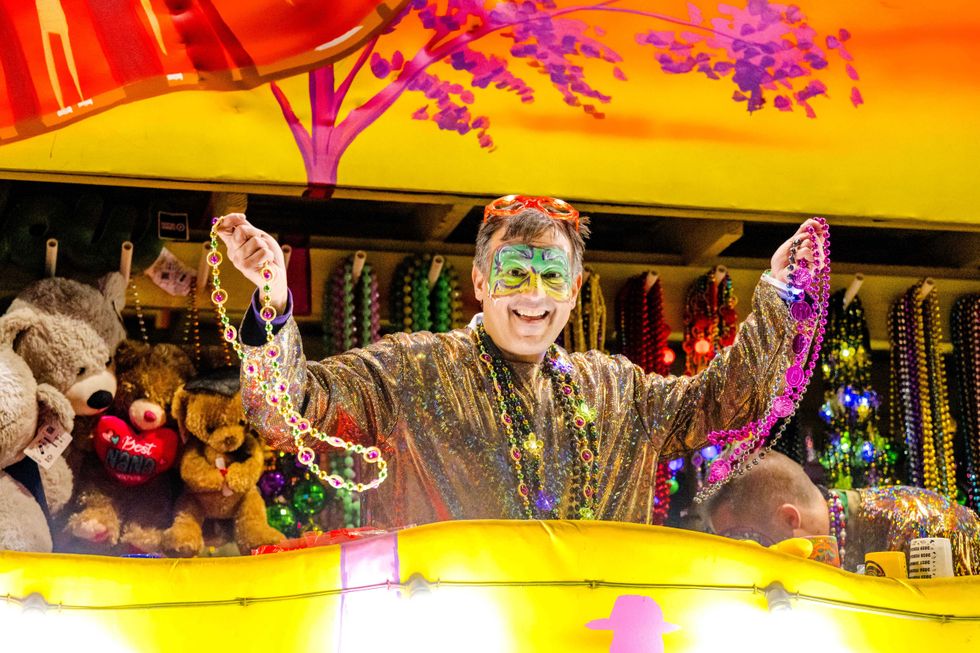
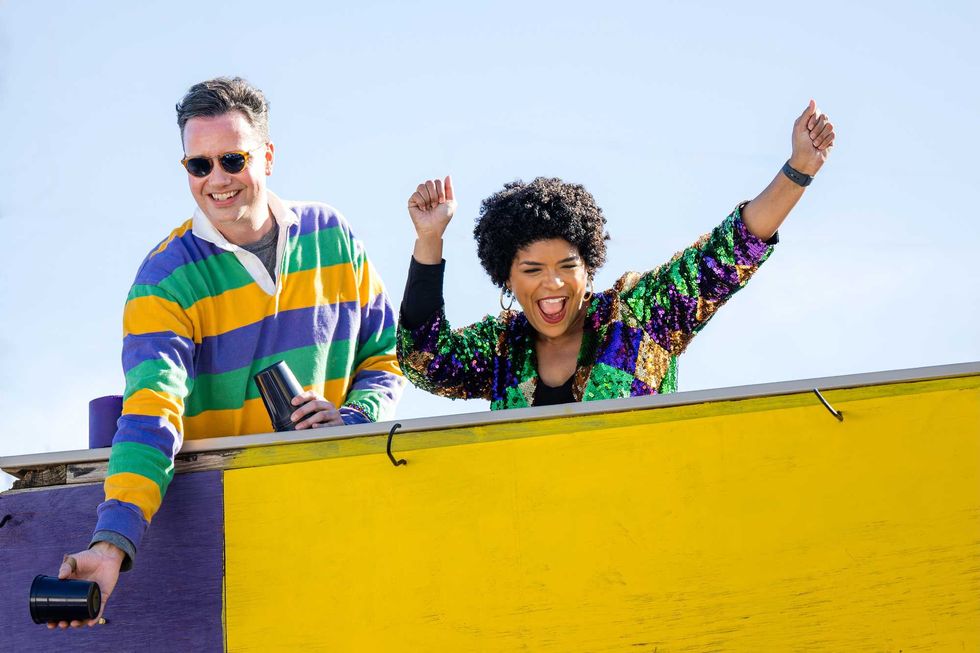 Get your cups and beads ready.Photo courtesy of Lafayette Travel
Downtown is the natural gathering point, where restaurants, bars, and music venues sit just steps from the parade route. Locals will tell you that staying nearby makes all the difference — once you park, you can walk to dinner, catch a parade, and wander into a dancehall without worrying about traffic or timing.
The first weekend kicks off February 6 with the Krewe de Canailles Walking Parade, Lafayette's largest walking parade. This year's theme is "Roadside Attractions," meaning everything from funky old couches to UFO paraphernalia to the World's Largest Whatever will be on display. If it makes you laugh, scratch your head, or slam on the brakes, bring it to the parade.
A slew of parades follows February 7 and 8, before the big weekend arrives February 13.
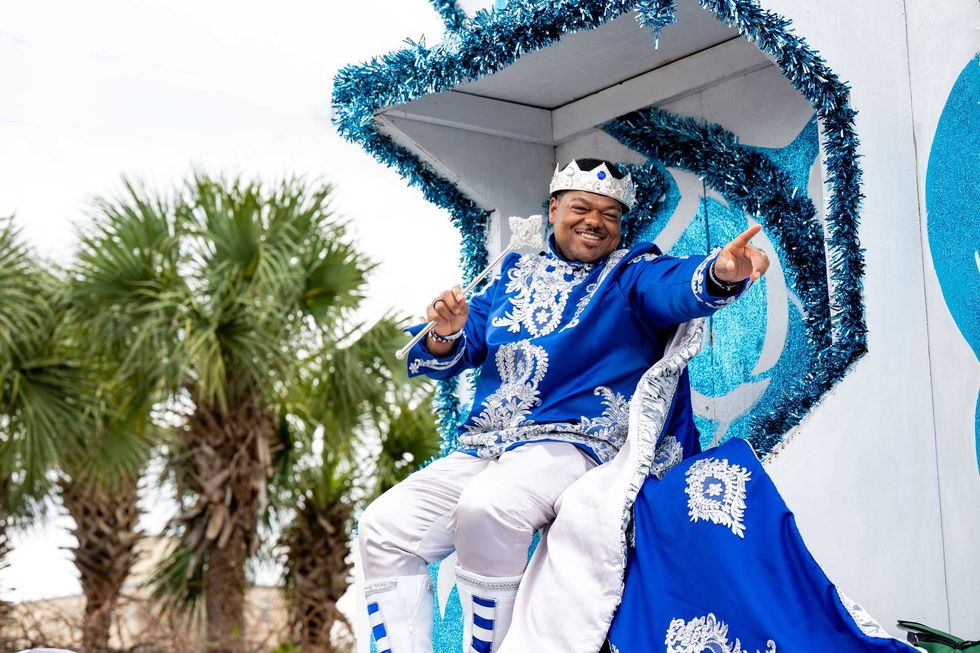
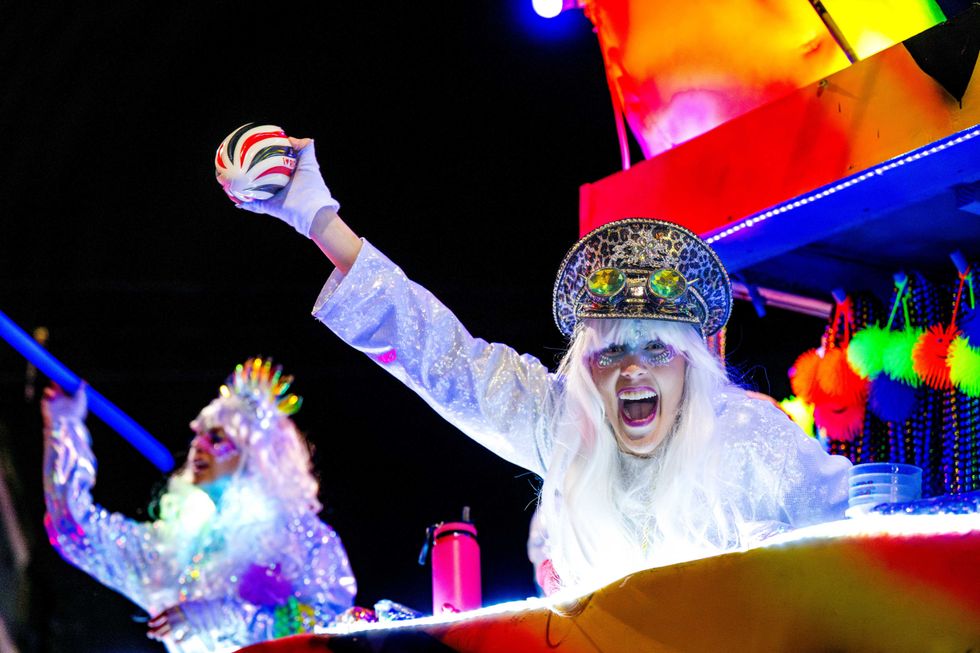
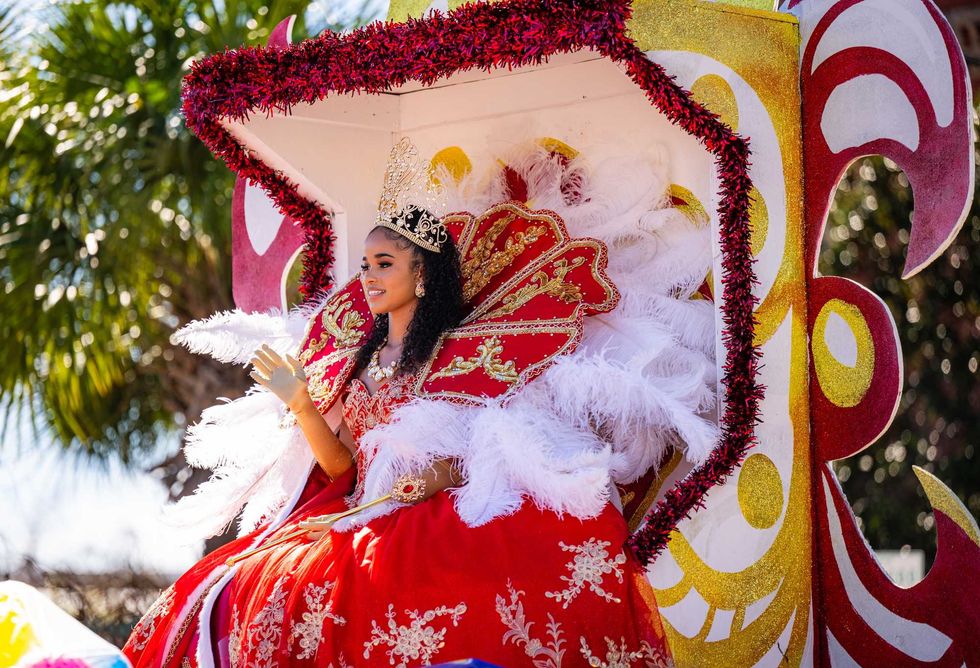
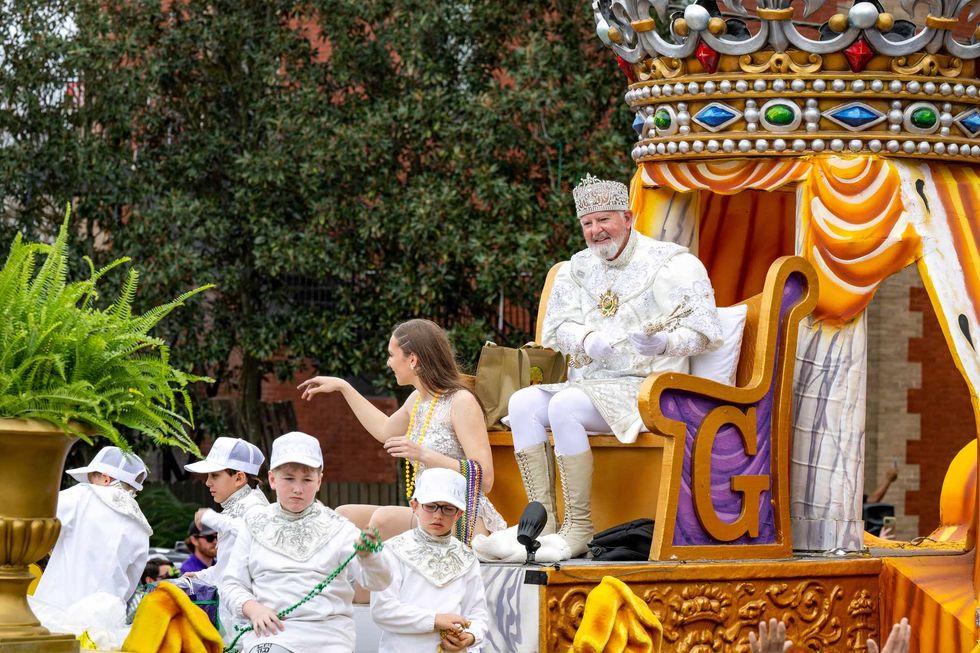
Friday night’s Krewe of Allons Kick-Off Parade highlights local businesses, community groups, and even University of Louisiana athletes. On Saturday afternoon, the Children’s Parade brings families together downtown, featuring young Mardi Gras royalty and offering a daytime option that’s especially appealing for visitors with kids. That evening, the Krewe of Bonaparte Parade delivers the pageantry many people associate with Mardi Gras, complete with elaborately decorated floats and a festive crowd that only grows as night falls.
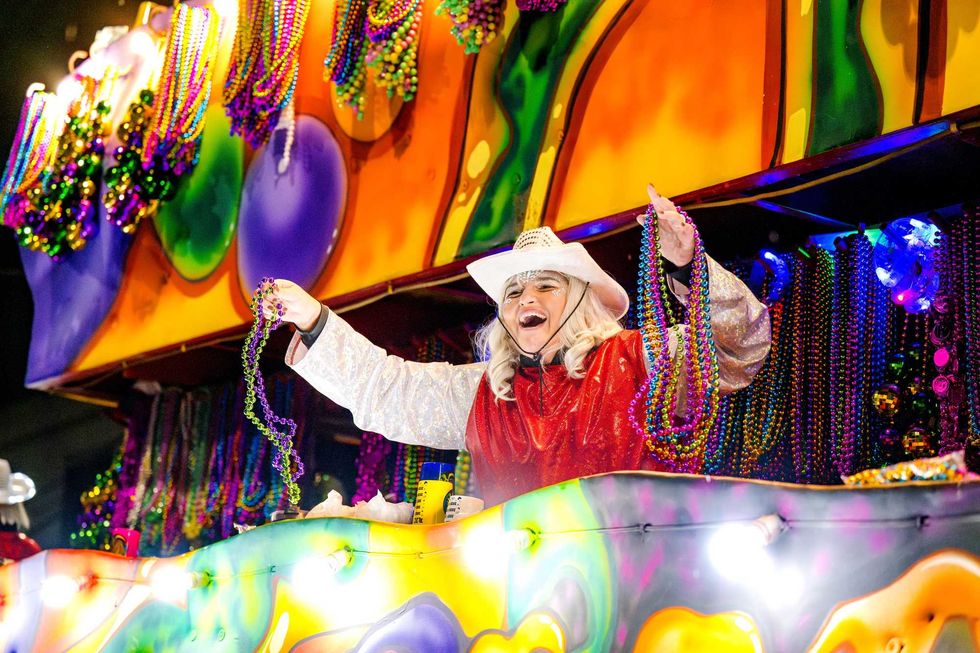 The floats never disappoint.Photo courtesy of Lafayette Travel
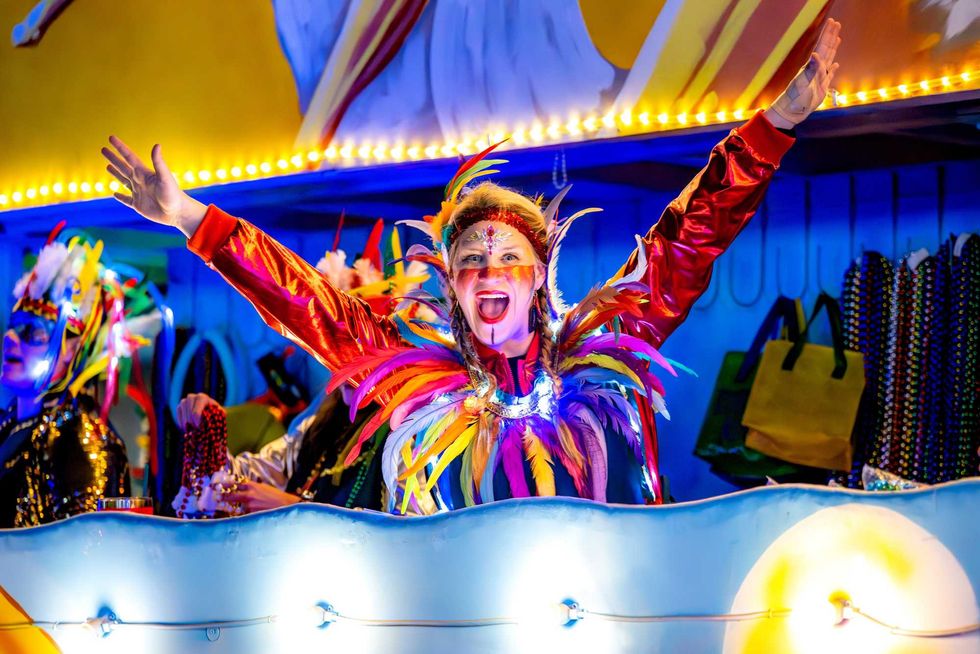
Photo courtesy of Lafayette Travel
Lafayette has several parades during the season.
Saturday also encourages travelers to explore beyond the parade route. A short drive to Breaux Bridge opens the door to Zydeco breakfast, where live music and dancing begin early and continue well into the morning. From there, many visitors head into the Atchafalaya Basin for a swamp tour, trading beads for moss-draped cypress trees and the quiet beauty of South Louisiana’s waterways. Later in the afternoon, Avery Island offers a completely different experience, pairing Tabasco’s fiery history with tastings, factory tours, and the serene paths of Jungle Gardens.
Sunday provides a natural pause in the schedule, though the day is hardly quiet. Brunch is a highlight in Lafayette, with restaurants serving everything from smoked meats to locally sourced dishes and handcrafted cocktails. Vermilionville Living History Museum offers a deeper look into the Acadian, Creole, and Native American cultures that shaped the region, and its weekly Cajun and Zydeco dance invites visitors to move from observer to participant. By midafternoon, a plate lunch — rice, gravy, vegetables, and slow-cooked meats — offers both comfort and insight into the everyday food traditions of Acadiana.
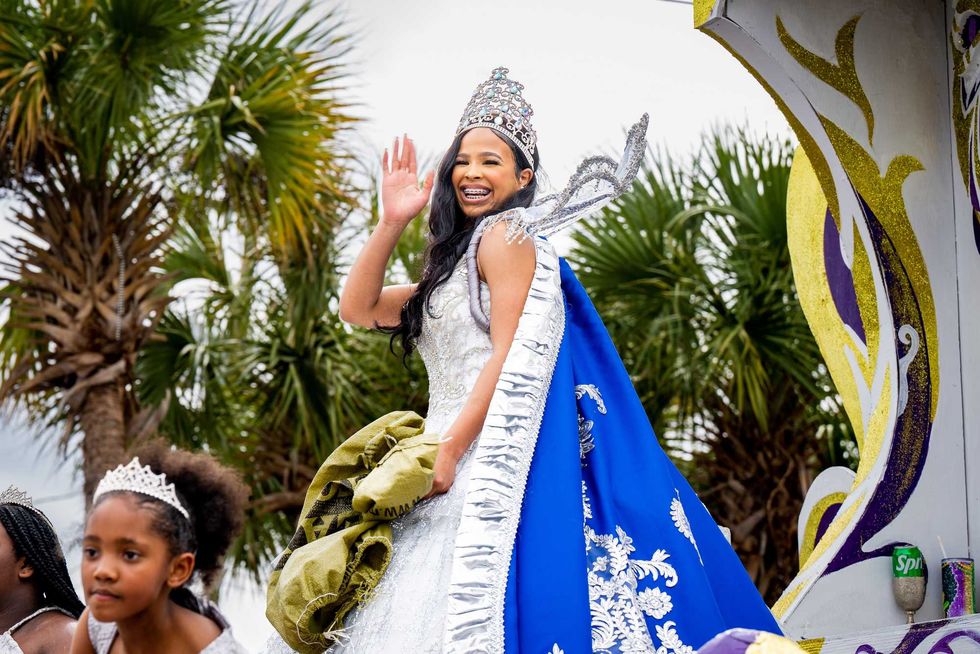 You'll see a lot of royalty. Photo courtesy of Lafayette Travel
Lundi Gras shifts the focus toward some of Lafayette’s most meaningful customs. The public boucherie at Lake View Park draws early crowds eager to witness a time-honored communal pig butchering, complete with live music and food throughout the day. That evening, the Queen Evangeline Parade honors a central figure in Lafayette’s Mardi Gras story, rooted in the Acadian history that still defines the region’s culture. As night falls, music takes over once again, often in historic dancehalls that open their doors specifically for the occasion.
Fat Tuesday arrives early and full of energy. Many start the day with boudin from one of the area’s well-known markets, while others seek out the Faquetaique Courir de Mardi Gras, a participatory rural run that requires costumes, masks, and a willingness to sing, beg, and run alongside fellow revelers. Back in Lafayette, the King Gabriel Parade fills the streets with color and tradition, followed by walking performances from Mardi Gras Indians whose handcrafted suits reflect months of artistry and preparation.
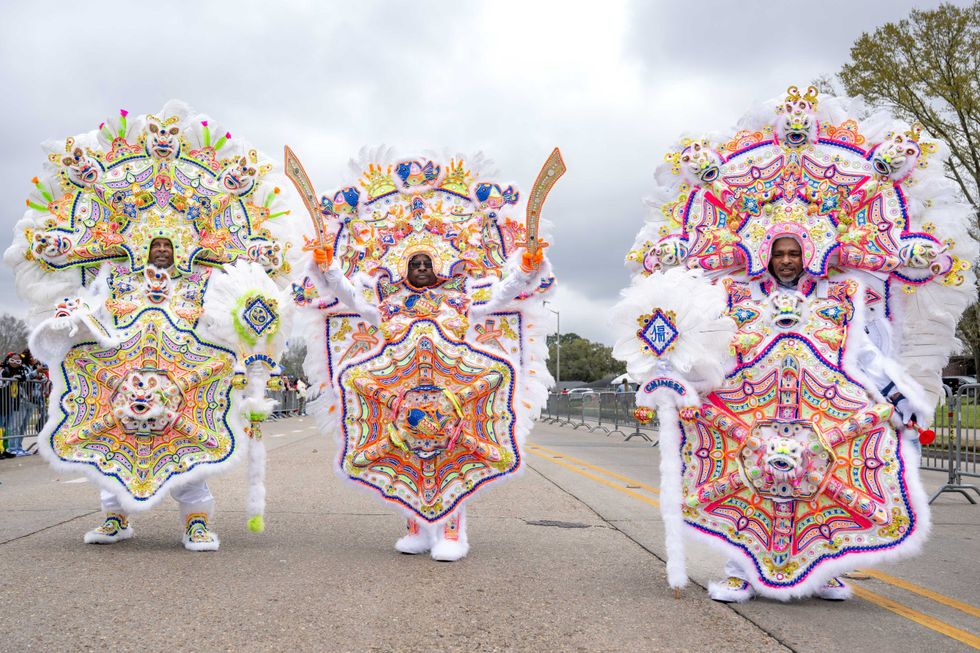 Mardi Gras Indians.Photo courtesy of Lafayette Travel
As the day winds down, independent parades roll, crawfish boils pop up near the route, and crowds gather for the Southwest Mardi Gras Association Pageant and Ball, which remains open to the public and free to attend. It’s a fitting conclusion to a celebration built around shared experiences and open doors.
Celebrating Mardi Gras in Lafayette means stepping into a community that takes pride in its traditions while making room for newcomers. Music spills into the streets, food becomes a conversation starter, and visitors quickly find themselves part of the rhythm. For anyone looking to experience Carnival in a way that feels genuine, lively, and deeply connected to place, Lafayette delivers from the first parade to the final dance.
---
For an even more in-depth look at Mardi Gras in Lafayette, Louisiana, and answers to all your questions, visit Lafayette Travel here.