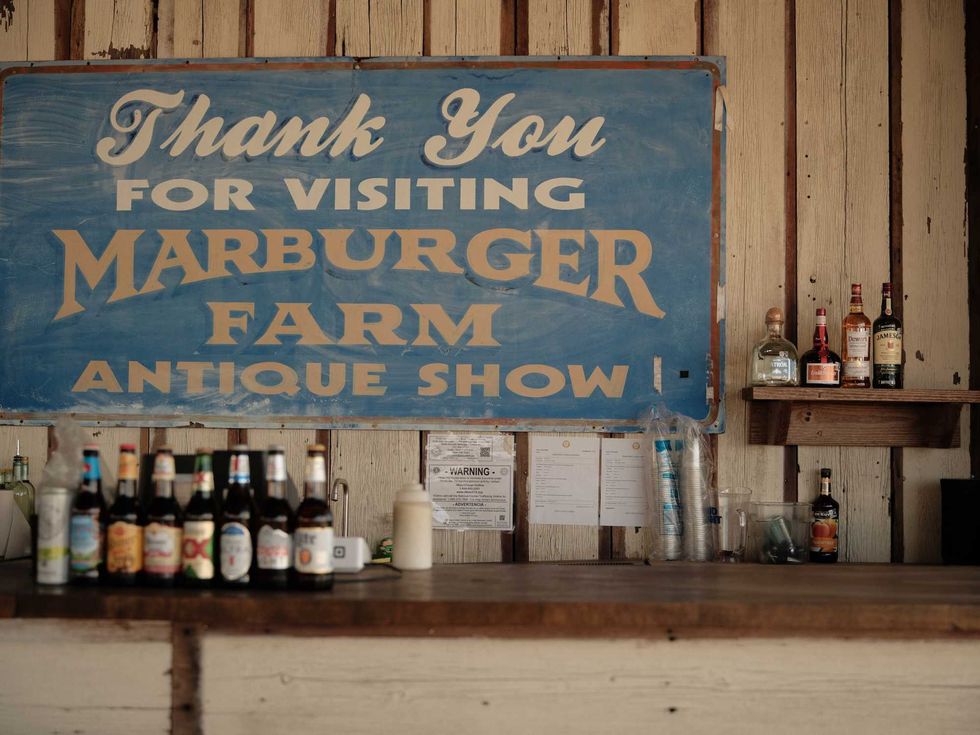
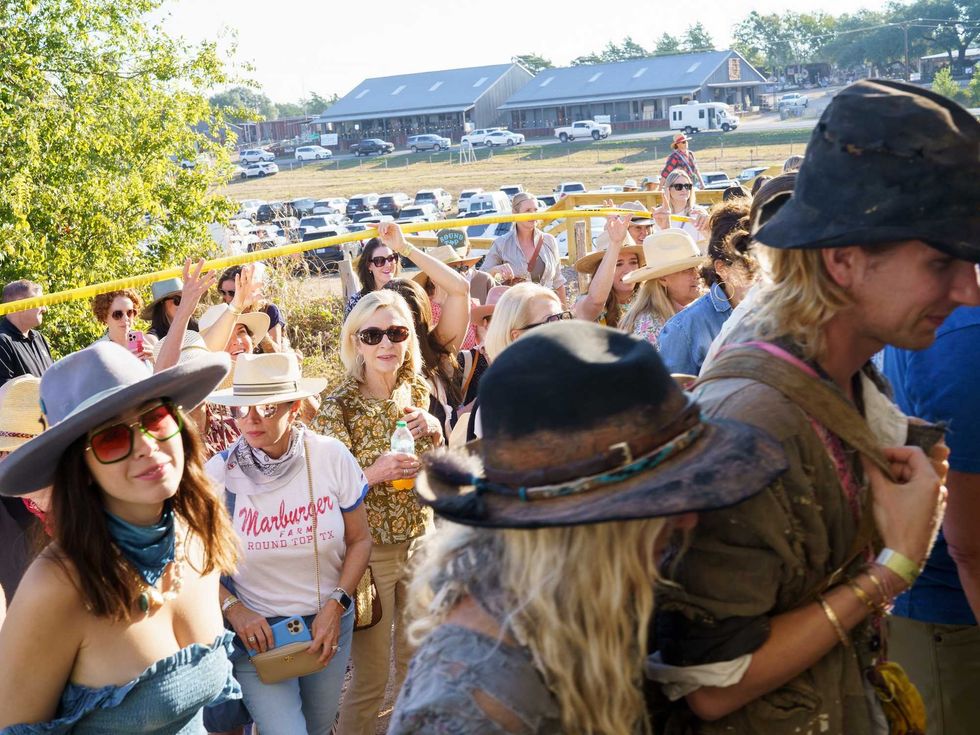
The ancient Greek philosopher Heraclitus believed that the only constant in life is change. Since 1997, the Marburger Farm Antique Show, which typically closes out both the spring and fall editions of the Round Top Antiques & Design Show, has largely remained unchanged. As enthusiastic Marburger tailgaters listen for that opening triangle to ring, everyone has their well-established and particular beeline-paths prepared in advance. But this year, change is a’comin’.
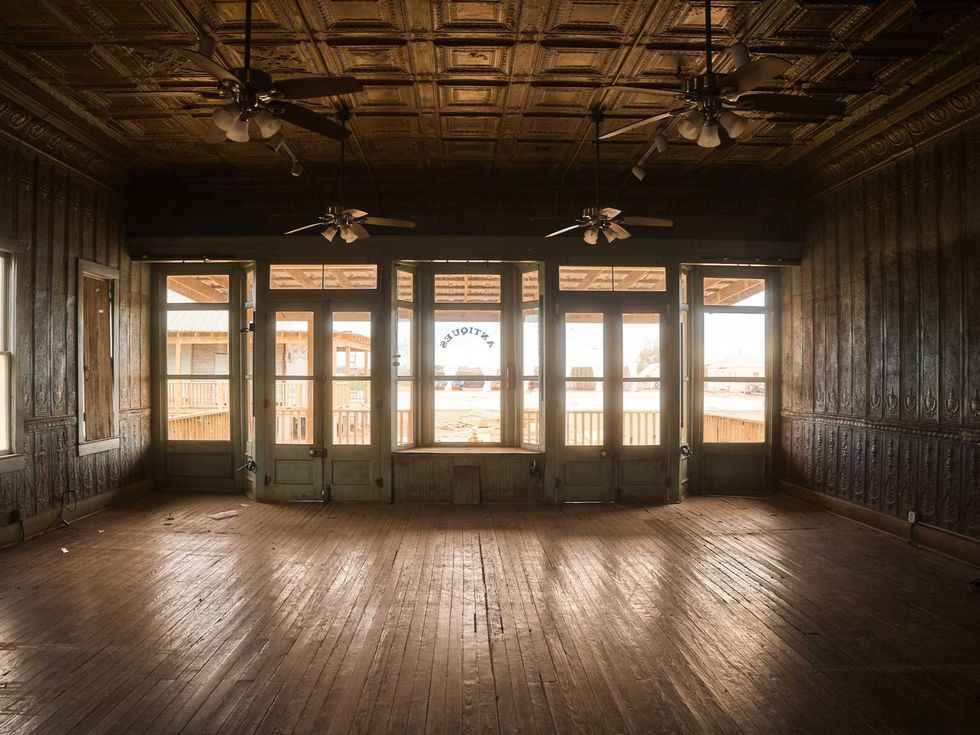
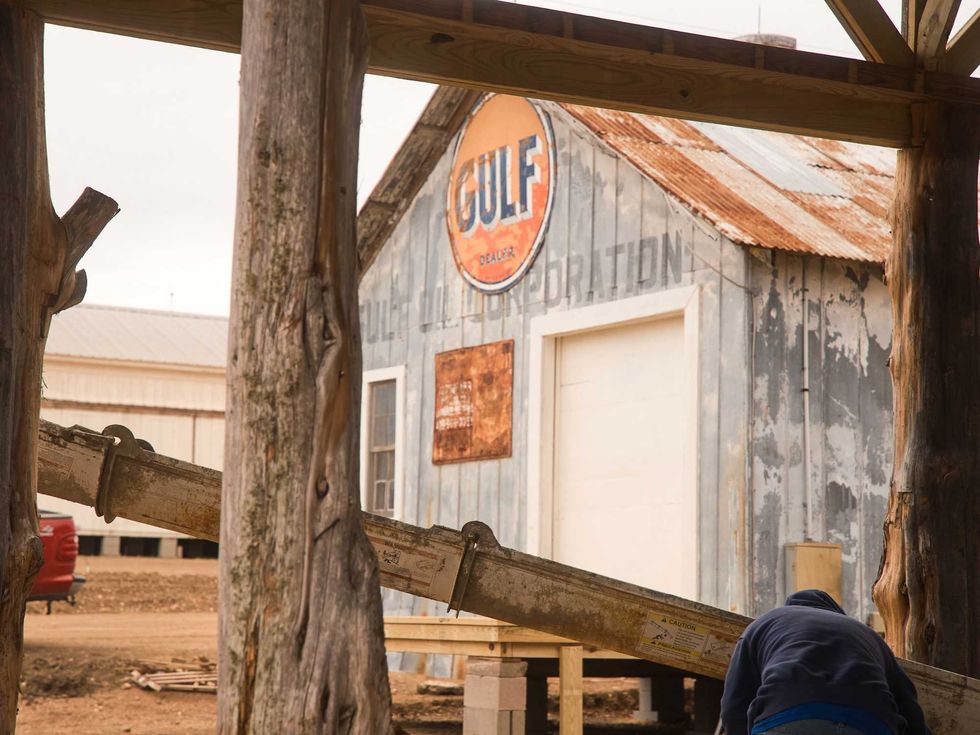
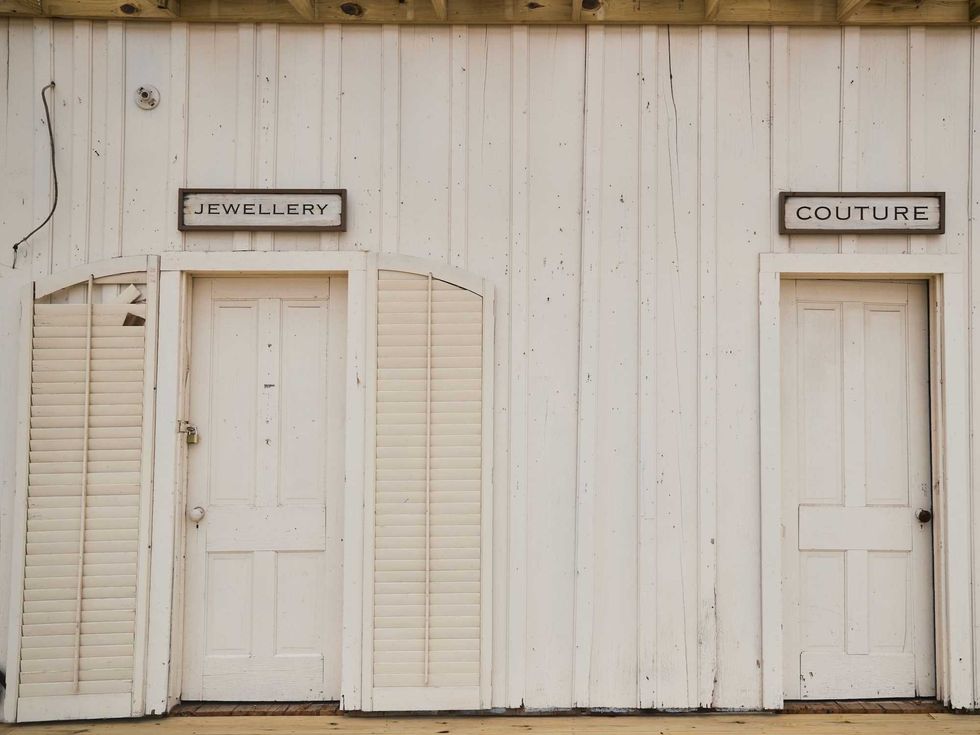
When the fall show closed last October, Marburger began a huge renovation project that included the full restoration of its historic buildings, including the original Marburger Farmhouse, Legler House, Coufal House, Zieger House, Silver Dollar Saloon, Gulf Warehouse, Dance Hall, Bingo Hall, Blacksmith Shop, and the General Store. Notably, the restoration has made it possible to add heating and air conditioning to these structures.
New additions debuting this spring include The Canteen, which is a large food pavilion overlooking the previously-underutilized pond; The Parlor, a design showcase space; a live music stage; enhanced pathways; and a communal green space designed for gathering and celebration. Over the summer, the addition of two large climate-controlled sheds and updated seating and lounge areas throughout the grounds will complete the project.
“This is a much more intentional undertaking to really breathe life into those buildings,” Marburger CEO John Sughrue tells CultureMap. “It’s going to be very obvious — when on the property — what we’ve done. The vision for what we’re doing was establishing a greater sense of place, and a greater sense of community.”
While fans may worry that these improvements may impact the charming and rustic aesthetic that shoppers have come to expect at Marburger, the overall experience should remain the same. Once randomly strewn across the 43-acre property, the historic structures have been gathered together around a newly-hardscaped central square. New green spaces are intended to evoke a sense of nostalgia, the layout inspired by the Texas Courthouse Square. At one end, the western-facing pavilion will overlook the pond and rolling hills, and adjacent to that, the familiar 90,000-square-feet of tented shopping remain unchanged.
“One thing that is apparent about Marburger is that people have a real sense of connection with it, a sense of history, and take a personal interest in it,” says Sughrue. “You’ll see that in the level of craftsmanship, the placemaking, and how we have, in essence, redeveloped the existing historical buildings.”
One of the things Sughrue is enthusiastic about is the ability to participate in the winter show, as well as inviting exhibitors who left for climate-controlled venues to return home to Marburger. Improved facilities for their local and beloved food and beverage vendors make for expanded offerings and shorter lines — a notion sure to please even the most staunch Marburger purists.
“We are trying very much to maintain the Texas heritage of Marburger,” Sughrue says. “I consider us guardians or stewards of the brand. I consider Marburger a brand like Blue Bell Ice Cream or the State Fair of Texas. There is something very much rooted in the land, very much rooted in how generations now have engaged with Marburger and in Round Top. We are trying to hold tight to being a heritage brand, while positioning for the future — that’s what we’re trying to do.”
Sughrue is all too aware of some of the sentiments that were shared five years ago when Marburger was purchased by “these Dallas guys” [real estate development firm Brook Partners]. In the last four years, they have listened to vendors and guests alike to learn how they can improve the show experience for their core audience: top exhibitors, designers, architects, and vendors. While he finds the relatively-recent glitterati element in Round Top to be amusing, it’s not something he’s interested in attracting or catering to specifically. So, everyone can let out a sigh of relief on that concern.
“These are designers who come into Round Top, and to Marburger in particular, and they are very important to our success. We attract some of the best exhibitors in the country, if not the world,” explains Sughrue. “Day one they meet with designers who have flown in from all over the country. Our focus is being a resource to those designers and architects — that’s what’s driving our business. We are not a lifestyle offering, and we are not trying to be all things to all people.”
At the end of the day, Sughrue’s overall goal is connecting the best exhibitors to the best buyers. “Everything else that happens in Round Top is just noise.” He loves the generational aspect of Marburger, oftentimes noticing three generations shopping together in the tents.
“Y’all make a tough crowd, I’ll tell you that,” Sughrue says with a laugh. “I think we are going to get more of it right than wrong, and what we get wrong — we are going to listen very hard to people — we are going to make that right. I promise you that. Marburger captivates me. It just devours all of my time and attention, but how lucky am I?! All these issues surround purpose-driven lives, and we get to work on Marburger to bring a community of people together to celebrate design, antiques, Texas. It’s like the American Dream is alive and well on the Round Top fields during Marburger. It’s just an incredible collection of people.”
Visit the refreshed Marburger Farms from Tuesday, March 24 to Saturday, March 28. Purchase tickets at marburgerfarm.com.