The Oscars will take place on Sunday. Even though we’re living in a time when many people would rather stay home and stream flicks instead of watching them on the big screen, Houstonians can still leave the house and watch the ceremony. Oscar watch parties will be held at La Vita Coffee, Star Cinema Grill, and, as always, River Oaks Theatre.
Other, non-Oscar-related film events will also be going on this weekend, as well as the Moon 2 Mars Festival, the Pop Culture Con, a St. Patrick’s Day celebration at Heights Bier Garten, and the return of a group that made your momma’s body go bump-bump-bump back in the day
Thursday, March 12
Space Center Houston presents Moon 2 Mars Festival
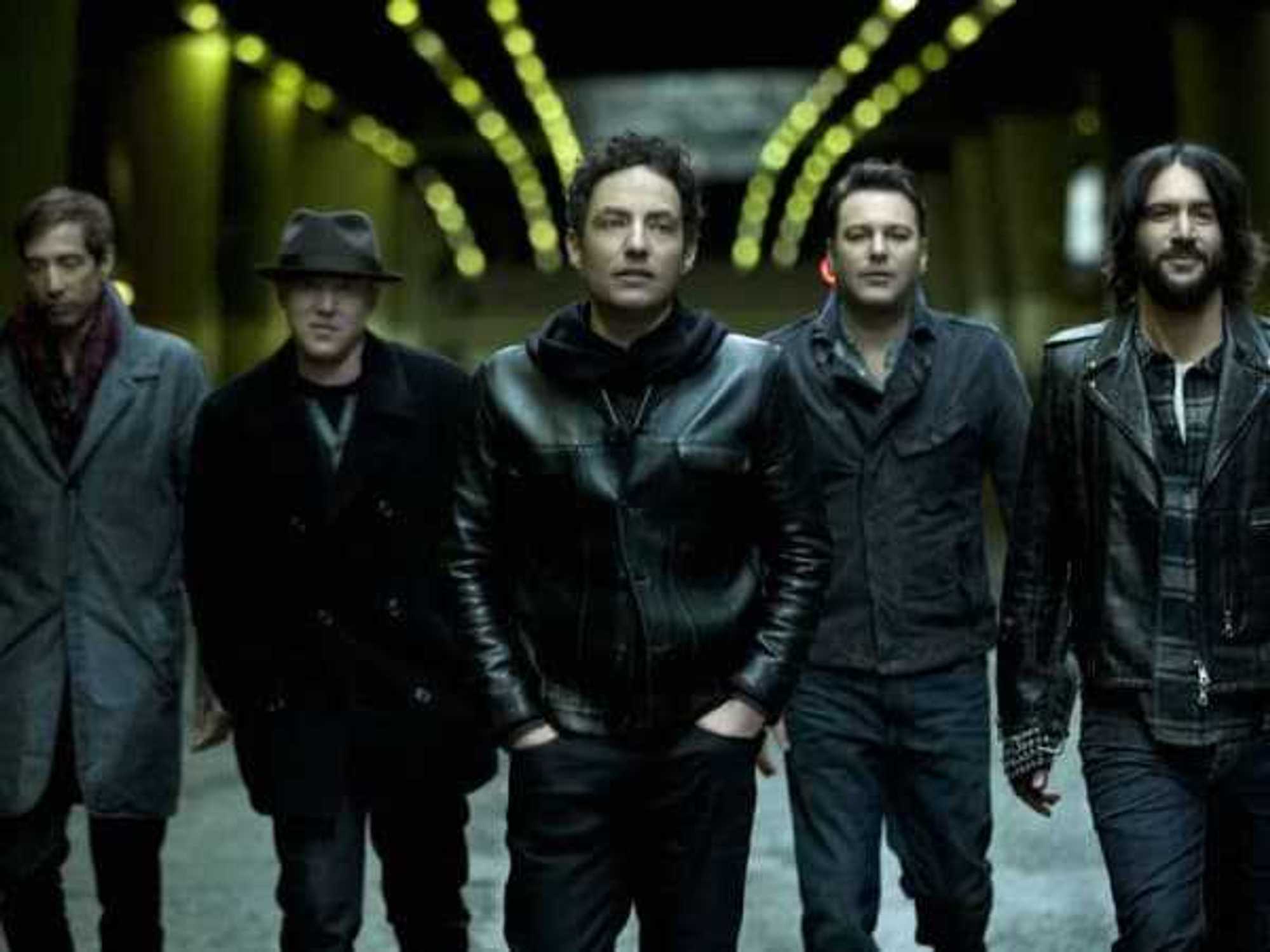
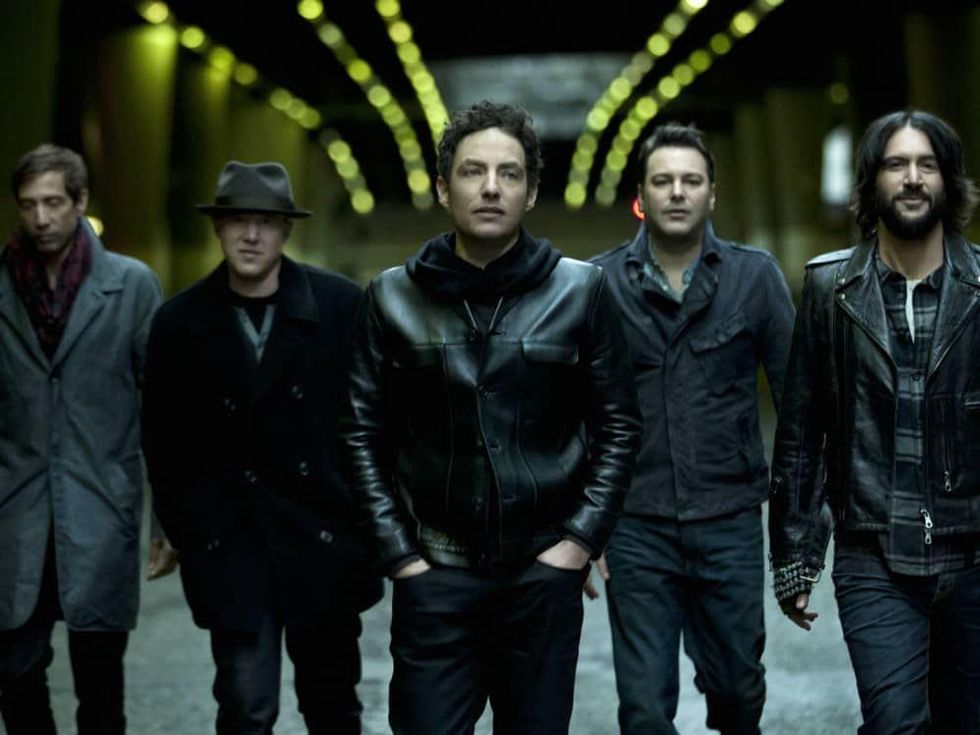
Space Center Houston’s Moon 2 Mars Festival is a spring break festival featuring a day-to-night experience with daily STEM activations, hands-on space technology, festive food, live entertainment, and more. The immersive exhibits and experiences will operate during daytime hours. Visitors can explore more than 400 space-flown artifacts, tour the facilities, see the American premiere of The Moonwalkers: A Journey with Tom Hanks, and launch a spacecraft in Mission: Sketch. There will be performers from 311 and The Wallflowers. 9 am.
Brennan’s presents Courtyard Bar Crawfish Special
To celebrate the first anniversary of The Courtyard Bar, Brennan’s culinary team will boil up plenty of crawfish for a relaxed mid-week party in the bar and casual dining room. In addition to boil-spiced crawfish ($24 for 2 lb.) and bowls of boil fixin’s, a la carte options include Gulf and East Coast oysters and seafood platters. The event is first-come, first-served, and If the weather is good, guests are welcome in the garden courtyard as well. 2 pm.
B2K and Bow Wow in concert
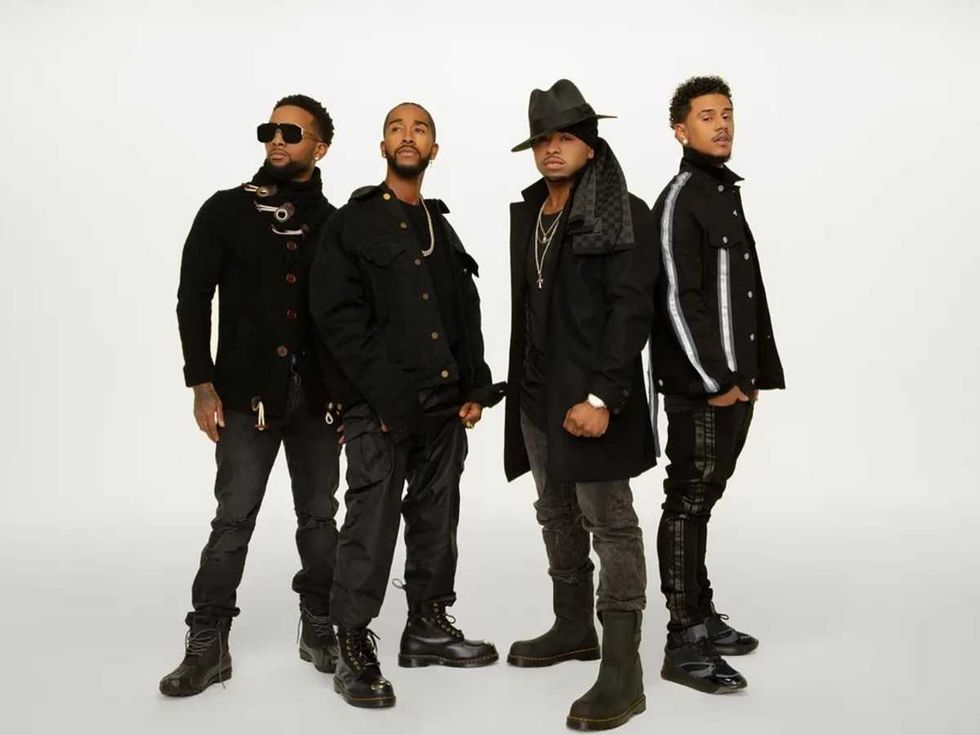
After two decades, R&B boy band B2K – who are celebrating their 25th anniversary – officially reunite for the Boys 4 Life tour. The tour also marks more than 20 years since B2K and Bow Wow, who is co-headlining, first shared the stage during 2002’s Scream Tour II. It'll be a 2000s free-for-all, with performances by Jeremih, Waka Flocka, Amerie, Yung Joc, Crime Mob, Dem Franchize Boyz, and special guests Pretty Ricky. 8 pm.
Friday, March 13
Daikin Park presents the 2026 World Baseball Classic
Home to the Houston Astros, Daikin Park serves as a host site for the World Baseball Classic, for the first time in 2026. The sixth edition of the international professional baseball tournament has 20 national teams. The first round features Pool B teams -- Brazil, Great Britain, Italy, Mexico, and 2023 runner-up and 2017 champion United States. The park will host the two-day quarterfinals, including the teams advancing from Pools A and B. 7 pm (2 pm Saturday).
Daily Threads presents The Listening Lounge
Over at Daily Threads, monthly music series The Listening Lounge will be celebrating A Tribe Called Quest’s classic 1991 album The Low End Theory – aka the album that gave us the iconic hip-hop joints “Check the Rhime” and “Scenario.” The event is also B.Y.O.V. (bring your own vinyls), so you can play your favorite albums or swap with fellow vinyl collectors. There will also be an onsite vinyl vendor selling some wax. 7 pm.
Rice Cinema presents The Ballad of Suzanne Césaire
An actress and new mother (Zita Hanrot) is haunted by voices as she embarks on inhabiting the role of surrealist writer Suzanne Roussi-Césaire. A group of filmmakers and actors confront the history of Césaire in her youth and stages scenes from her life, troubling the “paradise” of historical memory. Moving between narrative filmmaking and abstraction - a night at a 1940s cafe, and the garden where a film’s cast and crew discuss and bring to life the missing pieces of the writer’s legacy - this 2024 film leaves room for the unknown. See it in glorious 35mm! 7 pm.
Crown Royal presents Marquis Moments with Soulection
Following the national launch of Crown Royal Marquis, the brand partnered with global music collective Soulection to celebrate 15 years of community built through music. Rooted in the energy of the dancefloor, the Marquis Moments with Soulection Tour brings people together around sound, culture and thoughtfully curated moments. Join us for an evening with Soulection founder Joe Kay and friends, bringing people together around music, movement and Crown Royal Marquis cocktails. 8 pm.
Saturday, March 14
Pop Culture Con
Pop Culture Con offers a two-day, family-friendly experience with celebrities, anime guests, comic creators, voice actors and cosplayers. There will be an exhibitor hall and celebrity Q&A panels with opportunities for autographs, voice recordings, and photo opportunities. Celebrities scheduled to appear include the cast of Aliens, Zach Galligan (Gremlins), and Jennifer Blanc-Biehn; and voice actors like Scott Innes, Dameon Clarke, Vic Mignogna, and Chuck Huber. 10 am.
Bayou Heights Bier Garten presents St. Patrick’s Day Celebration
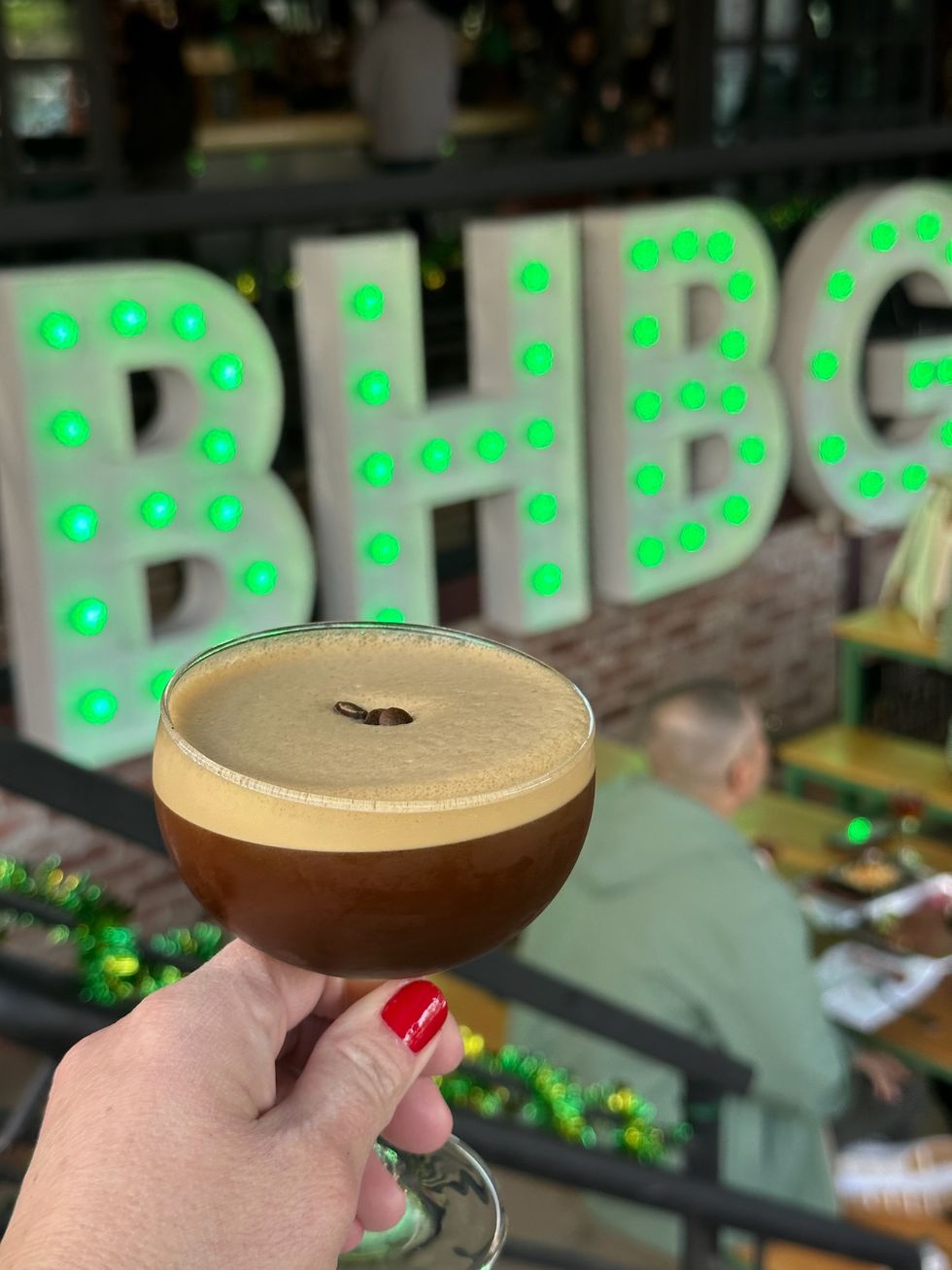
Bayou Heights Bier Garten will join the St. Patrick’s festivities with an all-day celebration, featuring a lively mix of music, contests, and festive drinks. It kicks off with a brunch, followed by a mini market with local vendors, live band performances, and a DJ keeping the party going. Guests can also take part in a lederhosen and dirndl best-dressed contest, test their strength in a stein-hoisting competition, and enjoy green beer and St. Patrick’s-themed cocktail specials throughout the day. Reservations are available on Resy, with walk-ins welcome. 11 am.
River Oaks Theatre presents Night of the Living Dead with Daniel Kraus
Shot outside of Pittsburgh at a fraction of the cost of a Hollywood feature, George A. Romero’s 1968 zombie classic Night of the Living Dead is one of the great stories of independent cinema: a midnight hit-turned-box-office smash that became one of the most influential films of all time. The 4K restoration screening will feature a live conversation with Daniel Kraus, the New York Times bestselling author of Partially Devoured: How Night of the Living Dead Saved My Life and Changed the World. 6:45 pm.
Evelyn Rubenstein JCC presents Houston Jewish Film Festival
Now in its 22nd year, the Houston Jewish Film Festival shines the spotlight on Jewish and Israeli culture, art, and history, and features filmmakers and guest speakers/programming. Highlights will include opening night film, Tatami; a screening of Charlie Chaplin's The Great Dictator; the family-friendly A Rugrats Passover; Friday Night Lights, featuring Shabbat dinner and two short films; and closing night film The Ring. For a full schedule of events, go to the festival website. Through Saturday, March 28. 8:30 pm (2 pm Sunday).
Sunday, March 15
Camaraderie x Craft Pita: A Lebanese-Inspired Sunday Brunch
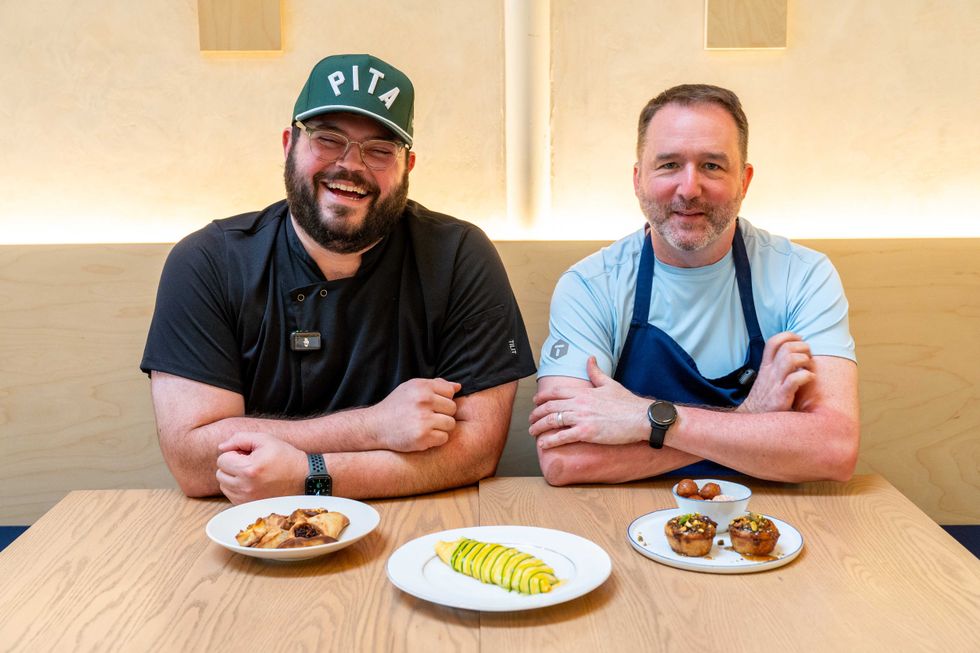
Two of the restaurants nominated in this year's CultureMap Tastemaker Awards are teaming up for this one-day-only event. Created by chefs Shawn Gawle and Raffi Nasr, the three-course, $45 menu includes savory Lebanese pastries, shared dishes served with za'atar pita, choice of entree, and a dessert trio. Reservations are recommended, but walk-ins will be available. 10 am.
Discovery Green presents Houston Walk for Victory
Over at Discovery Green, Walk for Victory is The Marfan Foundation’s global walk program that brings the Marfan, Loeys-Dietz (LDS), Vascular Ehlers-Danlos (VEDS), and related genetic aortic and vascular conditions community together for an afternoon of fundraising and fun. The Foundation drives research, education, and support to improve outcomes, save lives, and empower all people to thrive who are living with the aforementioned syndromes and conditions. Noon.
Alley Theatre presents The Importance of Being Earnest
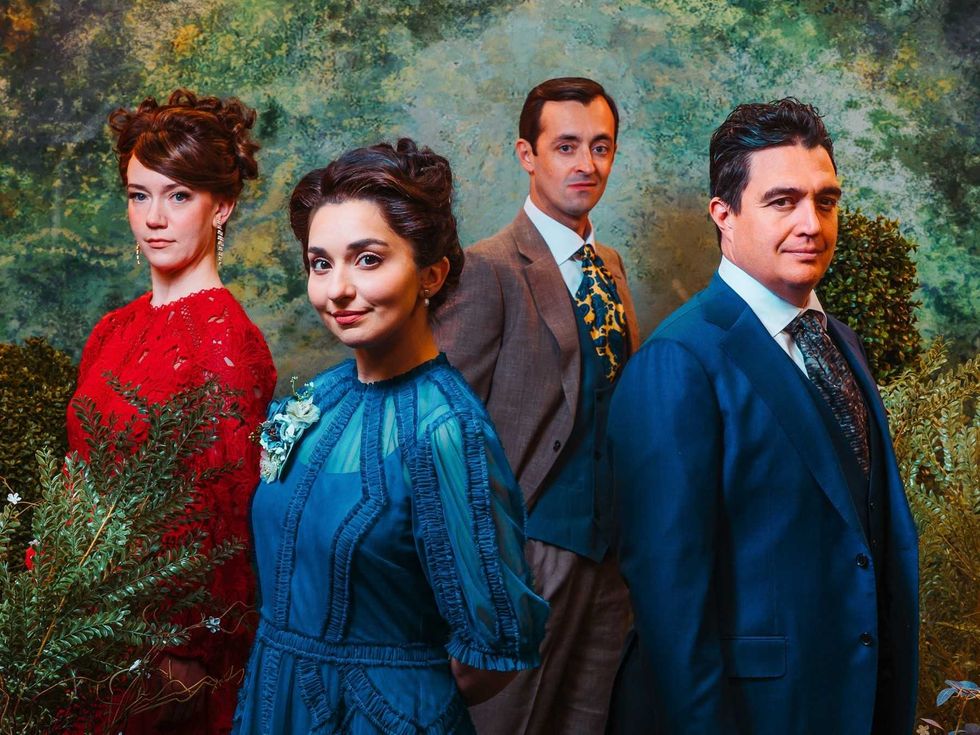
The Importance of Being Earnest is a timeless comedy that follows two British bachelors who invent alter egos to outwit society and find love. As their deception unravels, chaos and hilarity ensue. One of Oscar Wilde's most celebrated works features mistaken identities, secret loves, and sparkling satire. Contains minor intimacy and discussion of sexual situations. Haze will be used during the performance.Through Sunday, March 29. 2 & 7 pm (Thursday 7:30 pm, Friday 8 pm, Saturday 2 & 8 pm).
Michelle Buteau: The Surviving and Thriving Tour
Comedian/actress/bestselling author Michelle Buteau comes to Houston with her new stand-up tour. Fresh off her Netflix dramedy series Survival of the Thickest, named after her 2020 memoir (the third and final season will drop later this year), Buteau is ready to take the stage with a brand-new set that delves into life’s unpredictable twists and turns - parenting, relationships, body positivity, and navigating the chaos of modern life. 7:30 pm.