A popular, national summer music festival is headed to Houston with some home-grown talent leading the way.
Sad Summer Fest, now in its third year, heads to the Lawn at White Oak Music Hall on Wednesday, July 13. Houston trio Waterparks will headline along with UK act Neck Deep and alt band Mayday Parade. Sad Summer Fest also hits Dallas’ Gilley’s on Tuesday, July 12 as part of the 13-city trek.
Tickets for the fest are on sale now and can be found at the festival site.
Also hitting the stage are festival veterans State Champs, along with emerging bands Hot Mulligan, Hot Milk, The Summer Set, Magnolia Park, and LØLØ, among others.
Boasting a fan base that averages between the ages of 16 and 30, the music fest aims to reflect that demographic’s sensibilities by pushing environmental and social causes. Sad Summer Fest will partner with the nonprofit Reverb to implement sustainability efforts throughout the tour, as well as the organization Our Music My Body, which will help create a safe space for all attendees, per press materials.
Waterparks is making a splash these days. The Houston natives were recently named as direct support for My Chemical Romance on a handful of upcoming reunion shows this fall. The trio — Awsten Knight, Otto Wood, and Geoff Wigington — just released “Funeral Grey,” the first cut off a highly anticipated upcoming album, and is in the midst of a headlining European tour before heading back to their hometown for the Sad day.
In just two films (Barbarianand Weapons), writer/director Zach Cregger has established himself as one of the top horror filmmakers working today. His unique methodology involves taking audiences down familiar pathways before veering off into unexpected areas that feature copious amounts of gore and comically bizarre visuals.
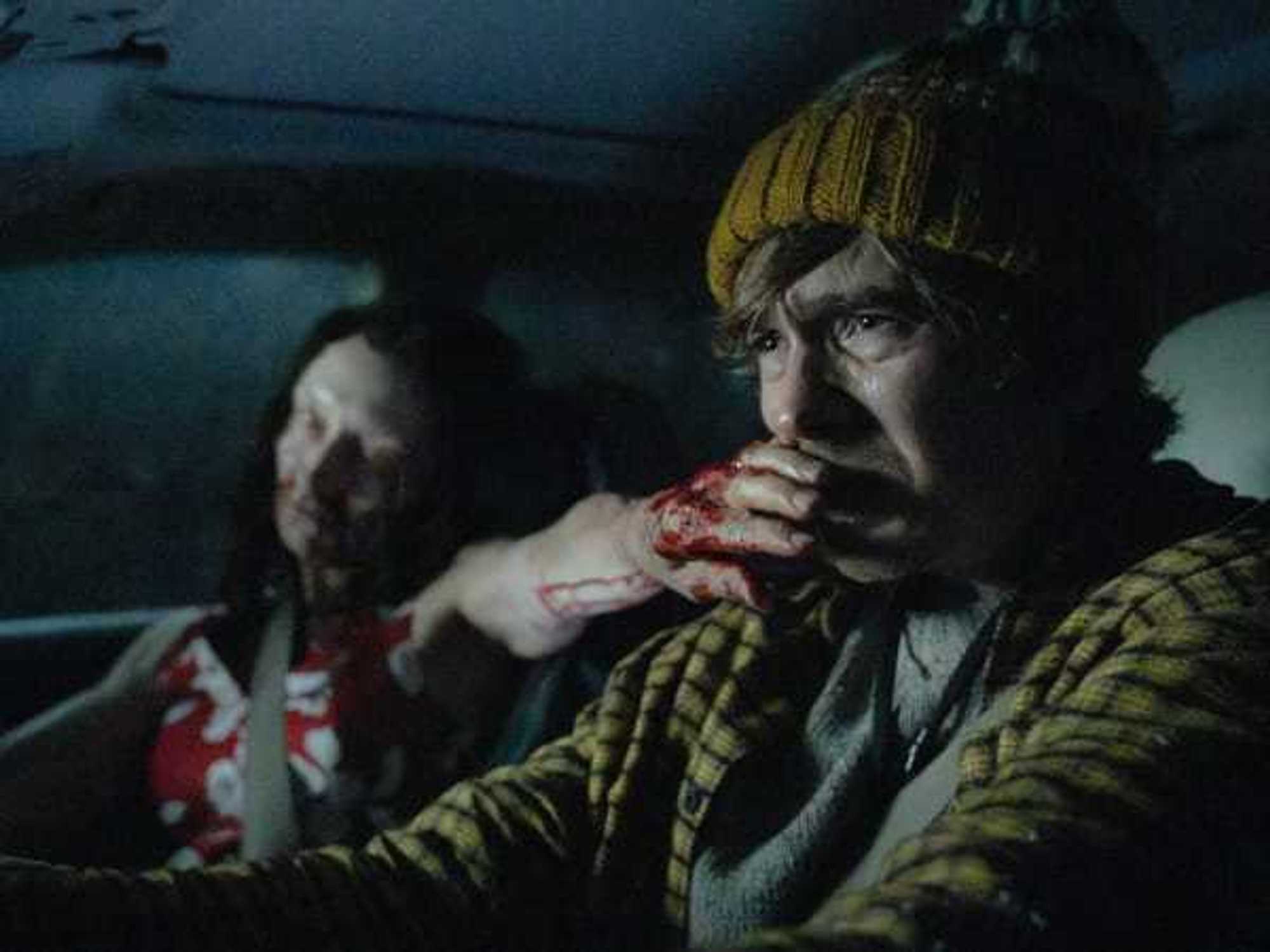
His new film, Resident Evil, plays out in much the same way, resulting in something starkly different from the previous action-heavy films based on the video game series. Bryan (Austin Abrams) is a courier tasked with bringing special deliveries like organs to hospitals. After one delivery, he gets roped in to making another to the distant location of Raccoon City, a mission he accepts despite being ill-prepared for the journey.
Traveling down a snowy and icy road, Bryan gets waylaid after accidentally hitting a woman crossing the road. His attempt to save her jump starts a series of adventures in which he tries his best to survive in the face of an onslaught of numerous zombie-like people and creatures. All the while, Bryan is hellbent on completing his delivery at all costs.
Cregger, who co-wrote the film with Shay Hatten (John Wick: Chapter 4), is in complete command of the tone of the movie from minute one. Leaning into his comedy background, Cregger aims for humor first, with both horror and non-horror moments eliciting laughs. One of the biggest pleasures of the film is the way Bryan — who more often than not is by himself — mutters incredulously after experiencing yet another unbelievable incident. His reactions feel close to how a real person would be acting in such an extreme situation, giving the audience a dose of needed relief.
The episodic nature of the story also allows the film to play out like a video game without it ever feeling stilted. Every scene is like a new level of the game for Bryan as he faces increasingly difficult situations and monsters along the way. He gets some help from characters played by Kali Reis, Paul Walter Hauser, and Zach Cherry, but he’s mostly on his own, figuring out how to use guns and improvising ways to avoid or attack opponents.
What Cregger seems to understand better than most filmmakers who have adapted video games into films is how to pay tribute to the series without becoming too much about fan service. There are references aplenty to the different games, but the movie works just as well even if you’ve never played a single second. There is no shortage of tense situations, blood-soaked scenes, and outrageous imagery — and Cregger knows how to stage all of it to maximum effect.
Abrams is dynamite in the film, using understated line readings to make Bryan both funny and relatable. After being on the verge of breaking out for years, Abrams just might do so with this and the upcoming Whalefall. The appearances by Reis, Hauser, Cherry, Johnno Wilson, and others don’t last long, but each does a great job in helping the film keep the story going.
Cregger is now three-for-three in his young career, making films that both pay tribute to and subvert horror conventions at the same time. Resident Evil is a blast for fans of the genre, featuring a great lead character, a slew of memorable moments, and indelible visuals that might haunt your dreams.