There is an entire Internet subculture devoted to predicting the Oscars. Like sporting events, it has its own Vegas odds-makers, and several blogs are devoted to handicapping the ceremony. Hard and fast rules don't work, and even renowned statistician Nate Silver wasn't as good at predicting who got little gold men as he was at predicting how the 2012 election would unfold.
No matter. If you
followed my advice last year, you went with a tried-and-true regimen of pre-Oscar indicators, gut instinct and a resolution to not take it so seriously. You also got 18 out of 24 categories correct, which is more than enough to win most office Oscar pools.
This year should be no different if you follow my foolproof guide to the Oscars. These are the winners wrought by the awards season narrative, and I'll be absolutely sure of each one — until a few of them are wrong on Sunday.
Argo has made a late-season push to the front of the pack for Best Picture. Hollywood loves itself, so a movie about making movies (sort of) could swoop in and prevent the solid but straightforward
Lincoln from Mitt-Romney-ing its way to victory.
Argo should pick up Editing and Adapted Screenplay awards as well, while Lincoln consoles itself with wins for performances by Daniel Day-Lewis and Tommy Lee Jones and Steven Spielberg's direction.
In the other major categories, Jennifer Lawrence wins Best Actress by a nose for
Silver Linings Playbook, while Anne Hathaway wins Best Supporting Actress in a landslide (pretty much just for singing the Susan Boyle song from
Les Mis, which will also win Sound Mixing for its innovative live-singing production).
In a wide-open race,
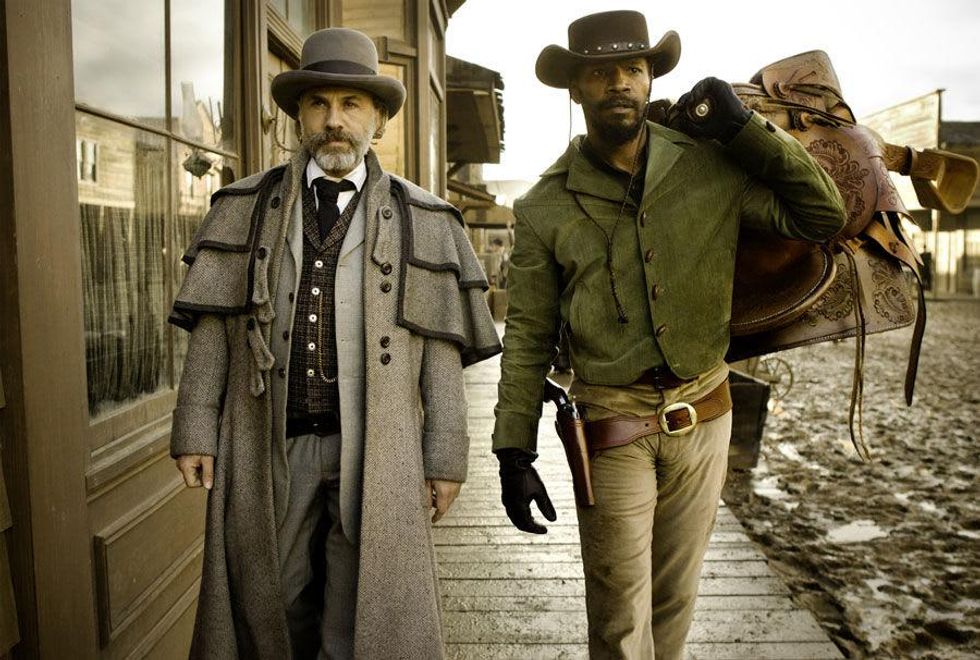
Django Unchained stands poised to take Original Screenplay.
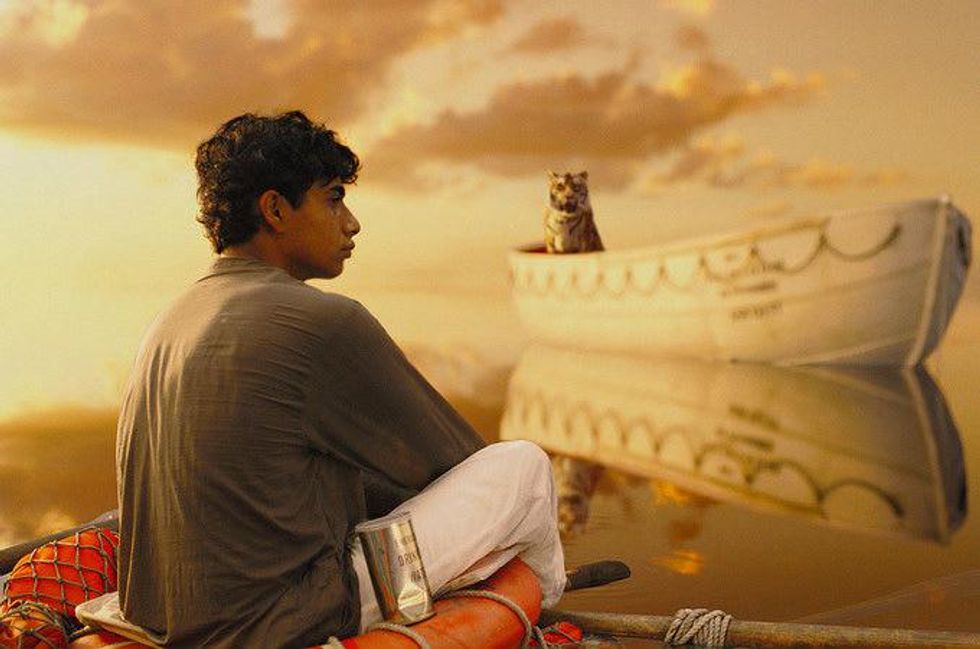
Life of Pi should take a bunch of technical awards for looking pretty.
Skyfall will become only the third Bond movie to win an Oscar, taking home both Sound Effects Editing and Best Original Song for Adele's titular ballad.
Anna Karennina easily wins Best Costumes, and
The Hobbit wins makeup for dusting off the hobbit feet.
That leaves Wreck-It Ralph winning Best Animated Feature, Amour (a Best Picture nominee) easily winning Best Foreign Language Film, Searching For Sugar Man taking Best Documentary and, finally, the unpredictable short films.
Getting one short film right is a good day: at least Paperman (a partially hand-drawn industry favorite) is a lock for Animated Short. I have gone with Curfew in Live Action Short (it has a cute little kid), and Mondays at Racine (it's about cancer) in Documentary Short.
Without further ado, here's my comprehensive guide to the Academy Awards. Best of luck! And if I'm way off, I promise all of your money back.
Picture: Argo
Director: Steven Spielberg, Lincoln
Actor: Daniel Day-Lewis, Lincoln
Actress: Jennifer Lawrence, Silver Linings Playbook
Supporting Actor: Tommy Lee Jones, Lincoln
Supporting Actress: Anne Hathaway, Les Miserables
Original Screenplay: Django Unchained
Adapted Screenplay: Argo
Editing: Argo
Cinematography: Life of Pi
Score: Life of Pi
Song: "Skyfall" by Adele from Skyfall
Art Direction: Life of Pi
Costumes: Anna Karennina
Sound Mixing: Les Miserables
Sound Effects Editing: Skyfall
Makeup: The Hobbit
Visual Effects: Life of Pi
Foreign: Amour
Animated Feature: Wreck-It Ralph
Doc Feature: Searching for Sugar Man
Doc Short: Mondays at Racine
Animated Short: Paperman
Live Short: Curfew
---------
In the top six categories of CultureMap's "Pick the Oscar Winners" Contest, readers agreed with Duncan except for Best Supporting Actor, where the pick was Christoph Waltz in Django Unchained. And in a surprise for Best Director, newcomer Benh Zeitlin, who directed the haunting Beasts of the Southern Wild, narrowly beat out Spielberg in our readers poll.
Django Unchained is poised to take Original Screenplay.
Photo courtesy of The Weinstein Company
Django Unchained is poised to take Original Screenplay.