We're not sure what's more unusual about our current mayoral election, the diverse candidates (we keep waiting for the "a black guy, a lesbian and a rich white guy walk into a bar..." jokes) or the fact that a race so tight has been so tame thus far. The New York Times offered its second analysis on the race, once again with an ever-so-slight measure of surprise that we Houstonians haven't run Annise Parker out of town for her sexuality and don't seem to mind that Gene Locke was a militant black student leader several decades ago. With the race so tight (Peter Brown holds a lead over Parker with Locke in third and the largest percentage of voters still undecided, according to the most recent polling), it's unlikely any candidate will receive a majority of votes, in which case the top two vote-getters will compete in a run-off in December. Election day is Tuesday, November 3, and this site has a great list of voting stations by zip code.


Editor's note: It's time to look back at the top Houston news of the week, starting with America's best small cities before diving into the new Texas Michelin Guide. Read on for our most popular stories, then plan your weekend here.
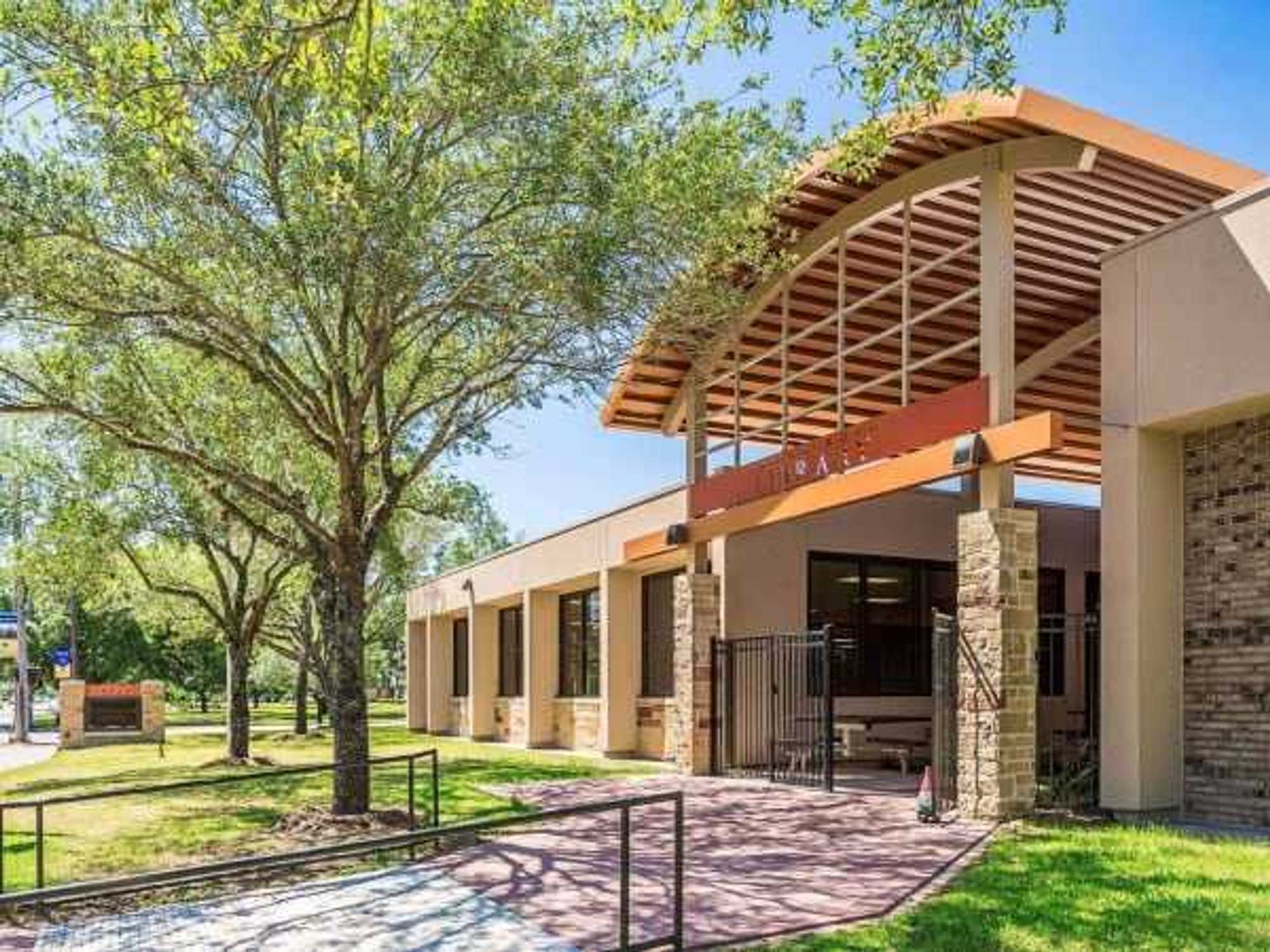
1. 4 Houston neighbors ranked among best small cities the U.S. Four Houston neighbors — with Friendswood at the top of the pack — have been rated among the best small cities in America for 2026.
2. These 7 Houston restaurants could earn Michelin Guide honors this week. Ahead of the big Michelin reveal this week, CultureMap identified at least seven establishments that were likely to receive good news regarding the 2026 Texas guide.
3. Michelin adds 14 Houston restaurants but no new Stars for 2026. Houston restaurants led the way with 14 additions to the new guide, divided into five Bib Gourmands and nine Recommended restaurants. All six of the city's Star restaurants maintained their status.
4. Sneak peek at members-only wine club and restaurant opening soon in Upper Kirby. A wine-driven, members-only club is currently under construction next to Upper Kirby’s Levy Park. Called 55 Seventy, the game-changing facility is on track to open at the end of November.
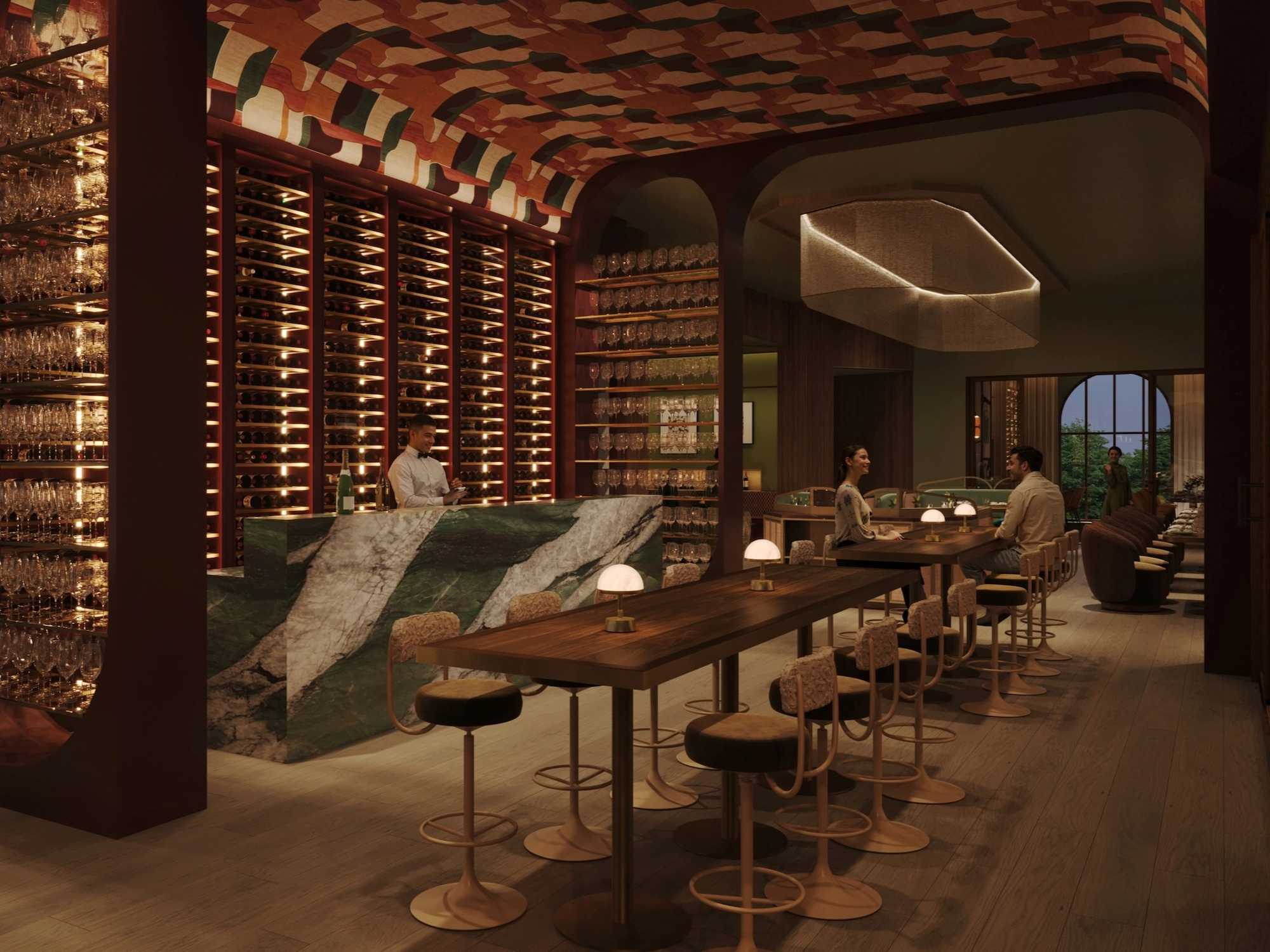 Inside 55 Seventy. Courtesy of 55 Seventy
5. Aaron Bludorn dishes on his new neighborhood tavern in The Woodlands. On this episode of “What’s Eric Eating,” chef and restaurateur Aaron Bludorn joins CultureMap editor Eric Sandler to discuss the new location of Bar Bludorn in The Woodlands.