For this year’s CultureMap Tastemaker Awards, we’ve shifted our dessert-focused award from Pastry Chef of the Year to Dessert Program of the Year.
It’s a subtle but important change that recognizes that cooking is a team sport. Yes, a great pastry chef may guide a restaurant’s desserts, but it takes dedicated cooks to execute them consistently day-in and day-out. In addition, it allows us to recognize some of our favorite pop-ups along with our favorite restaurants. To be clear, we’re taking a maximal view of “pastry” that includes savory items, breads, pies, cakes, and anything else that makes life a little sweeter or more satisfying.
Which restaurant will win? Find out April 16 at the Tastemaker Awards party at Silver Street Studios. We’ll dine on bites from this year’s nominated restaurants and sip cocktails from our sponsors before revealing the winners in our short and sweet ceremony.
Buy your tickets now before they sell out.
Here are the 11 nominees for Dessert Program of the Year:
Barbacana
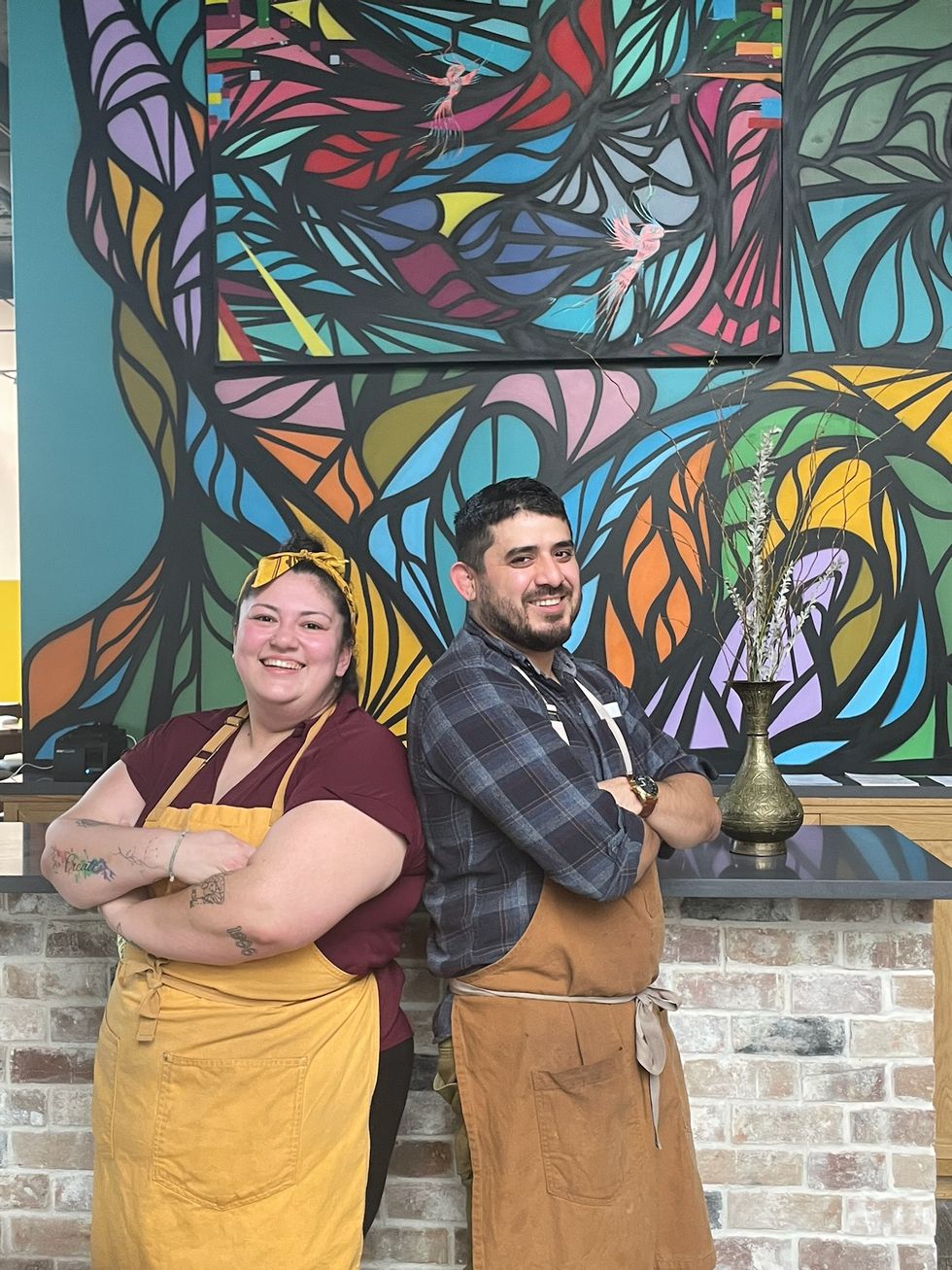
Much like its savory menu, Barbacana pastry chef Priscilla Treviño uses locally-sourced, seasonal ingredients for many of her desserts. Even more notably, she hosts regular dessert collaboration meals with many of the city’s top talents, including Kripa Shenoy (EaDough), Alyssa Dole, and Micaela Victoria (formerly of Goodnight Hospitality). These one-night-only affairs lure diners with the opportunity to sample never-seen creations.
Blacksmith
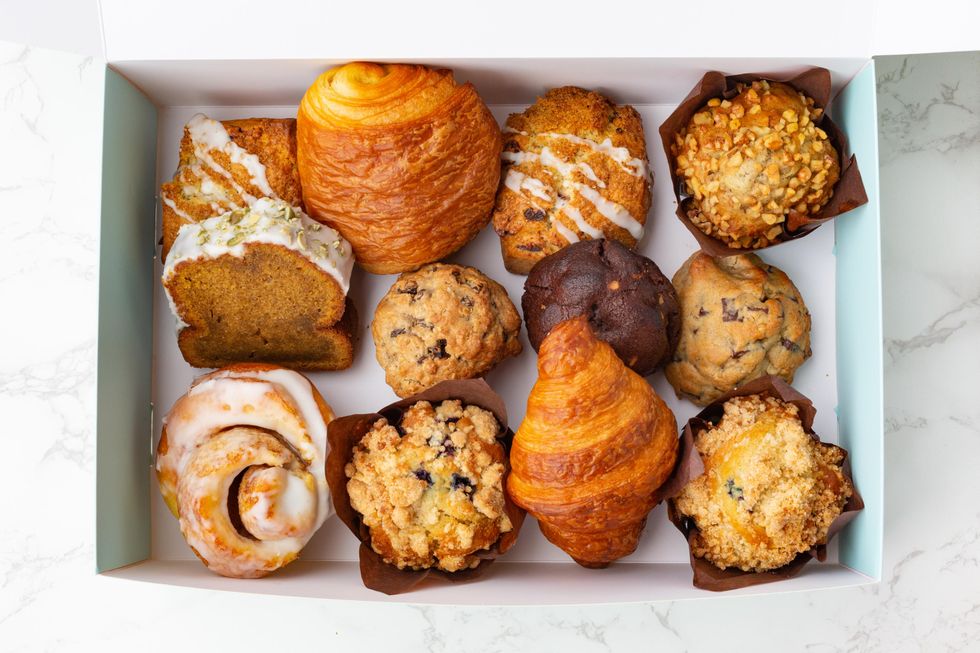
Since 2013, the Montrose coffee shop has always taken its food as seriously as its espresso. Under the direction of pastry chef Christina Au, the shop serves an array of muffins, cakes, cookies, and its signature square biscuits. Weekends and holidays are when the stop really shines, which specials, pies, and other destination-worthy delights.
Bludorn Hospitality
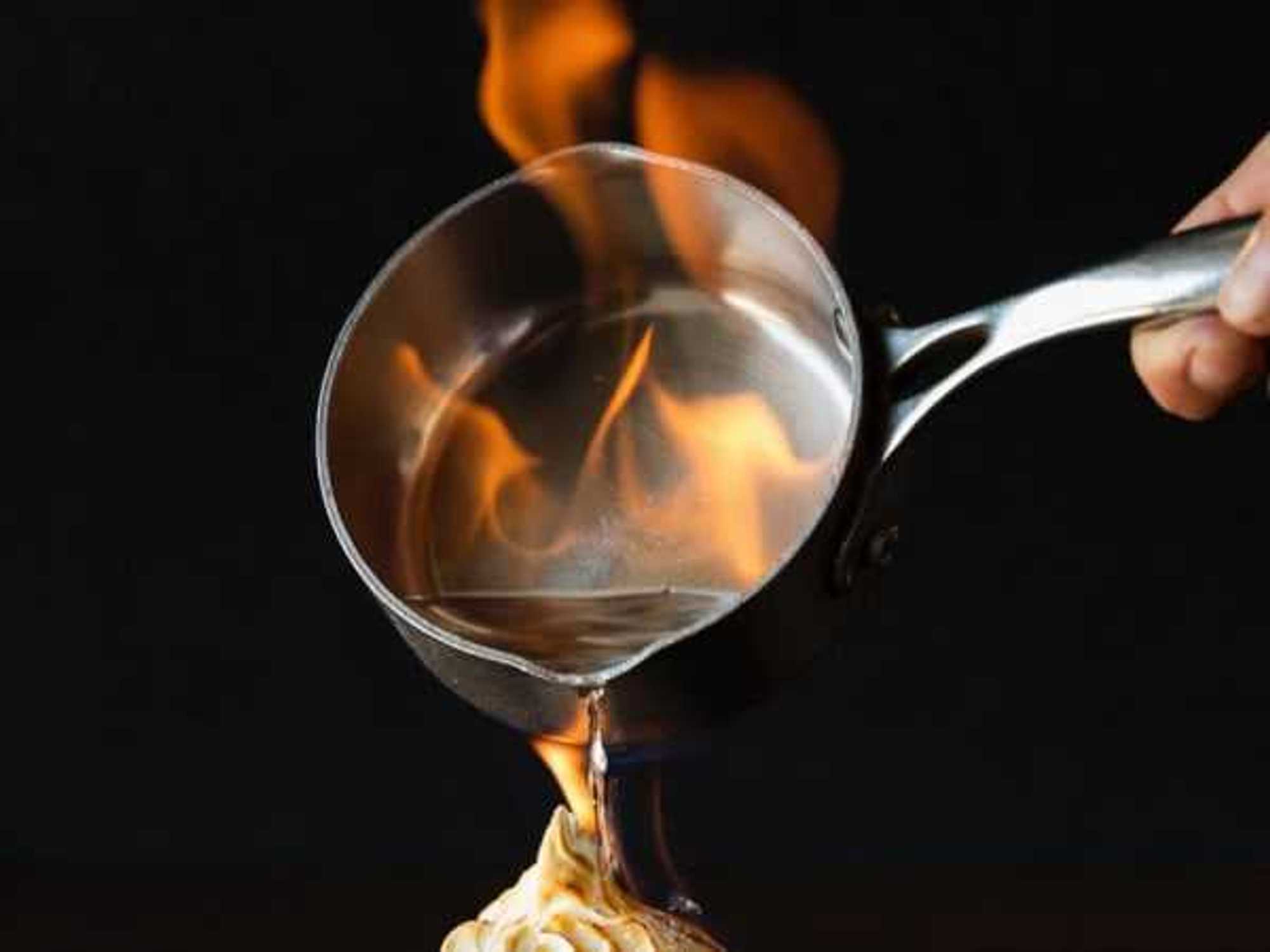
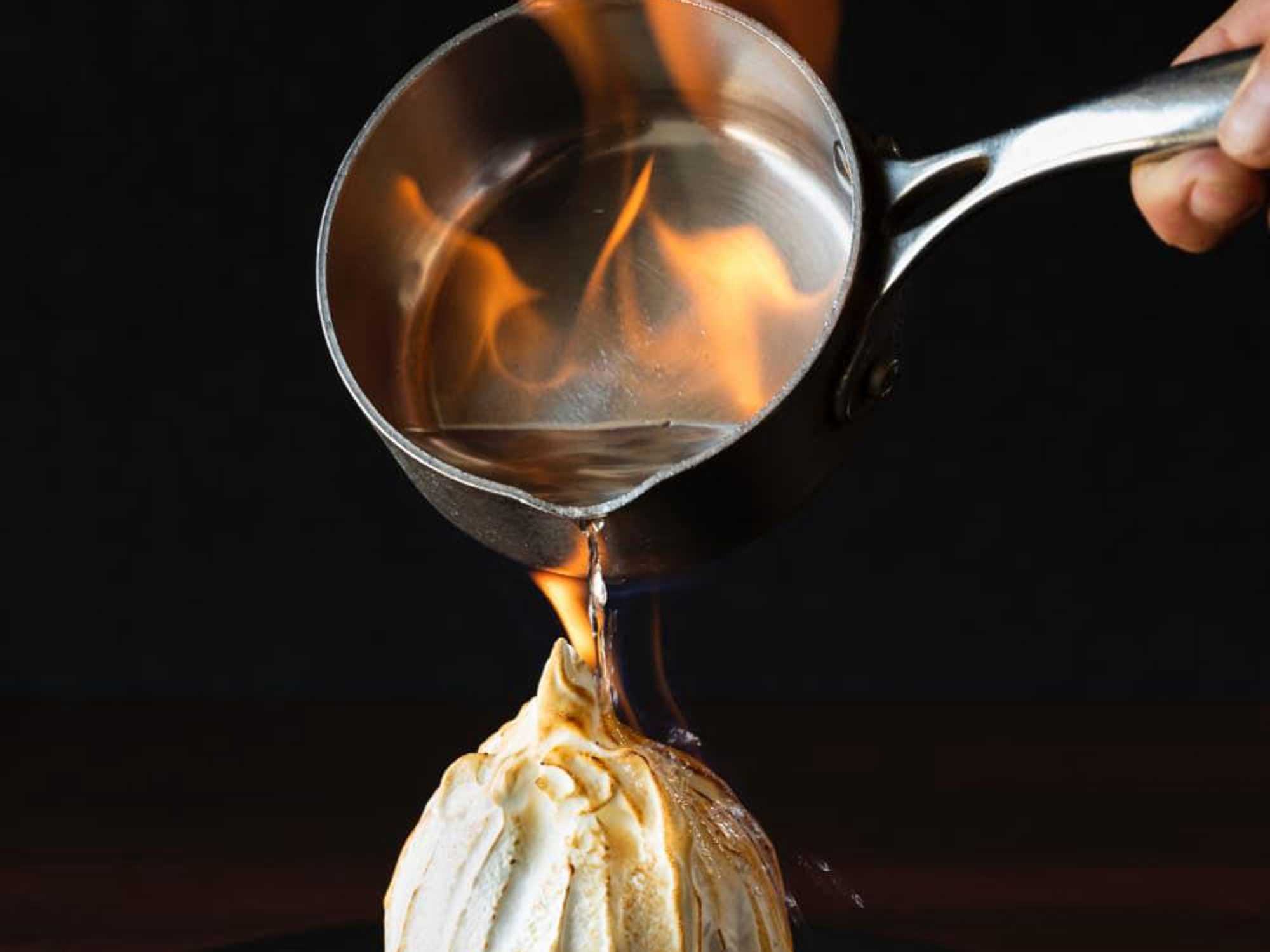
Part of what makes the company’s four restaurants so special is that each one has a signature dessert. Under the direction of corporate pastry chef Marie Riddle, diners know that no meal at Bludorn is complete without its signature baked Alaska, and a trip to Navy Blue has to end with carrot cake, key lime pie, or, ideally, both. No visit to Bar Bludorn is complete without the Martellus (devil’s food cake with salted caramel), and you haven’t really been to Perseid unless an eclair or beignets.
EaDough
Located in EaDo, this bakery and coffee shop serves up a wide array of sweet and savory pastries, including croissants, muffins, cookies, and more. Pastry chef Kripa Shenoy pays homage to her Indian heritage butter chicken kolache. Seasonal specials bring extra energy to the menu.
Fluff Bake Bar
For 15 years, pastry chef Rebecca Masson and her team have satisfied Houston’s sweet tooth with signature items like the Veruca Salt cake, Couch Potato cookie, and the Star Crossed Lover (Rice Krispie treat topped with caramel, chocolate, and sea salt). Her Saturday morning bake sales have become a right of passage for chefs from Houston and beyond, drawing everyone from Top Chef judge Gail Simmons to Ernest Servantes, pitmaster and owner of Texas Monthly’s No. 1 barbecue joint, Burnt Bean Co. in Seguin.
Jane and the Lion Bakehouse
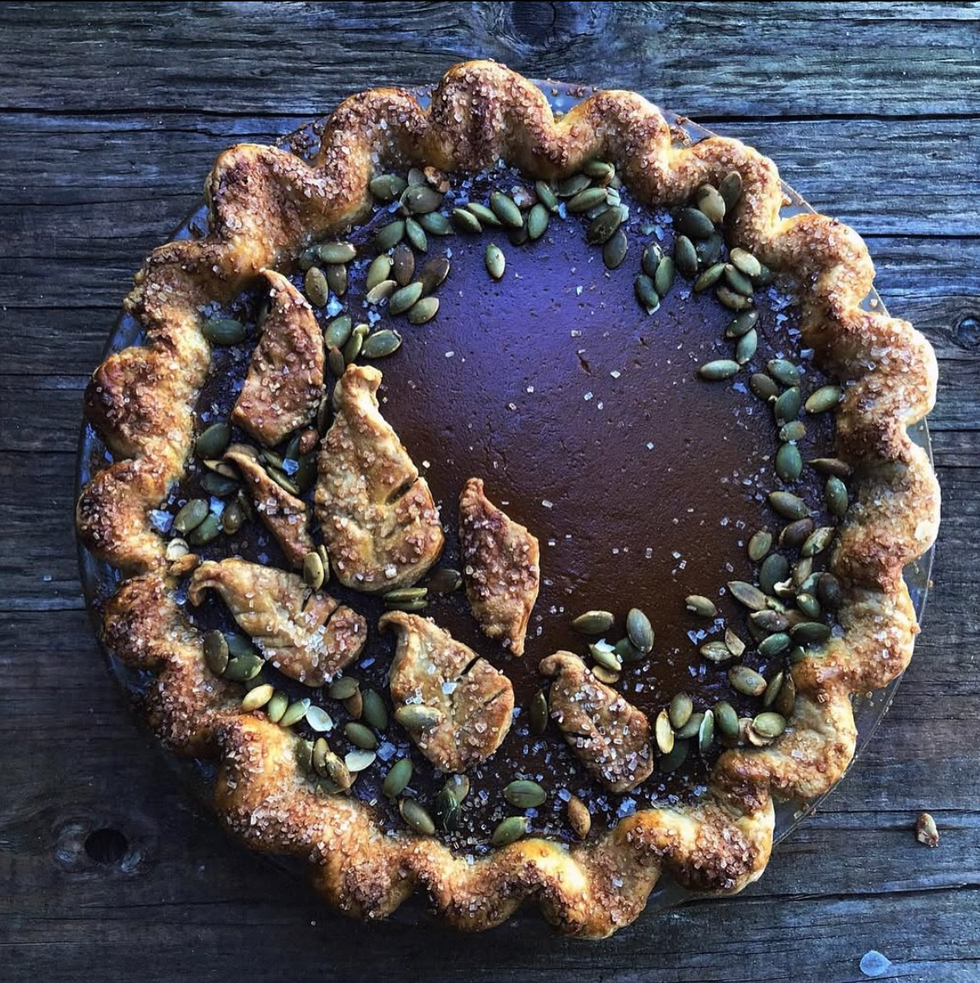
Having already established her reputation at farmers markets across the Houston area, chef Jane Wild took the next step by opening her brick-and-mortar cafe and bakery in the Heights last year. Market favorites like the salted honey pie and stuffed biscuits are, of course, present and accounted for, but having more room has benefits. Wild and her team are baking more sourdough — leading to first rate sandwiches — are even offer plenty of gluten-free options.
Koffeteria
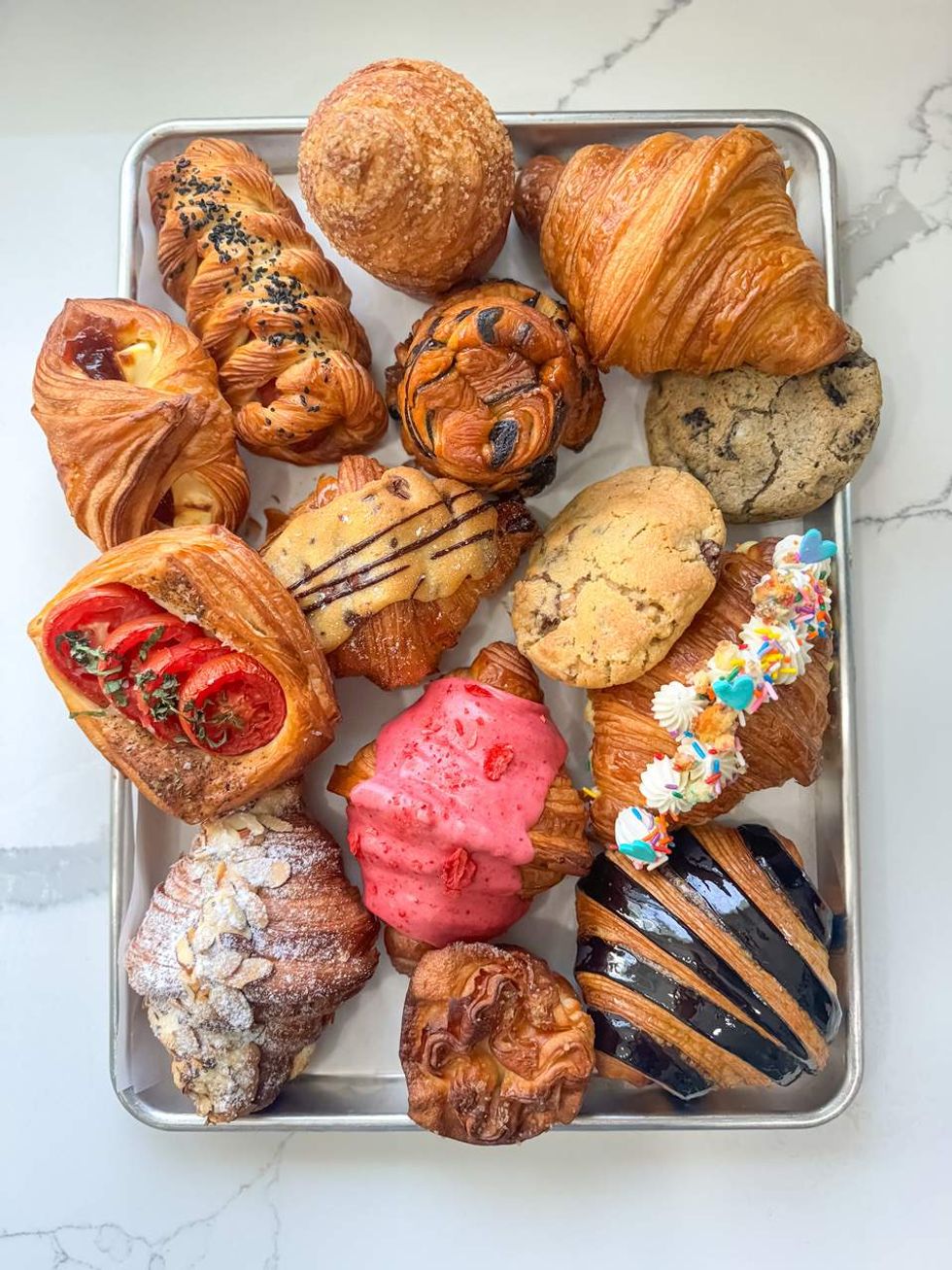
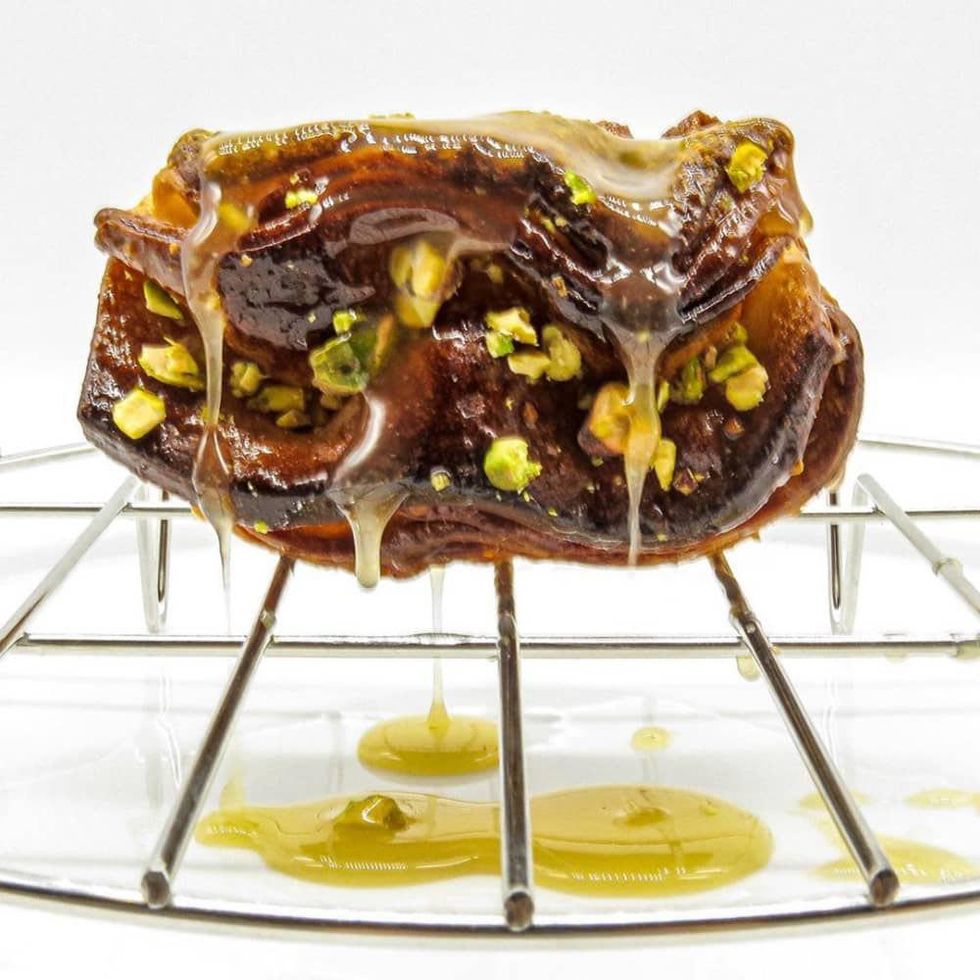
Having earned both local and national acclaim — including a spot on the New York Times’ list of America’s best bakeries — chef Vanarin Kuch’s EaDo outpost has firmly established its reputation as one of Houston’s most creative pastry producers. New classics like the pholache and baklava croissant helped build the acclaim, as do rotating specials that nod to Kuch’s Cambodian heritage. A second location in West Houston that opened last year means more people than ever are enjoying Kuch’s creations.
Luciana's Pastry and Coffee
After introducing herself to Houstonians at the short-lived, critically-acclaimed Cafe Louie and through her La Crumb pop-ups, pastry chef Lucianna Emiliani has established a weekend pop-up in the Heights. The permanent (for now) location has allowed Emiliani to turn out signatures like strawberry rolls, coffee cake, and tiramisu, alongside a regular stream of specials that showcase seasonal ingredients — or whatever she happens to be excited about that day.
Mayahuel
Once named Latin America’s best pastry chef by the World’s 50 Best Restaurants, chef Luis Robledo Richards brings serious culinary firepower to his modern Mexican restaurant in Autry Park. The desserts live up to the chef’s lofty reputation. Built around one of three ingredients — vanilla, cacao, or a seasonal item — each composed plate contains multiple components that show off different aspects of the ingredient.
Sweet Bee Bakehouse
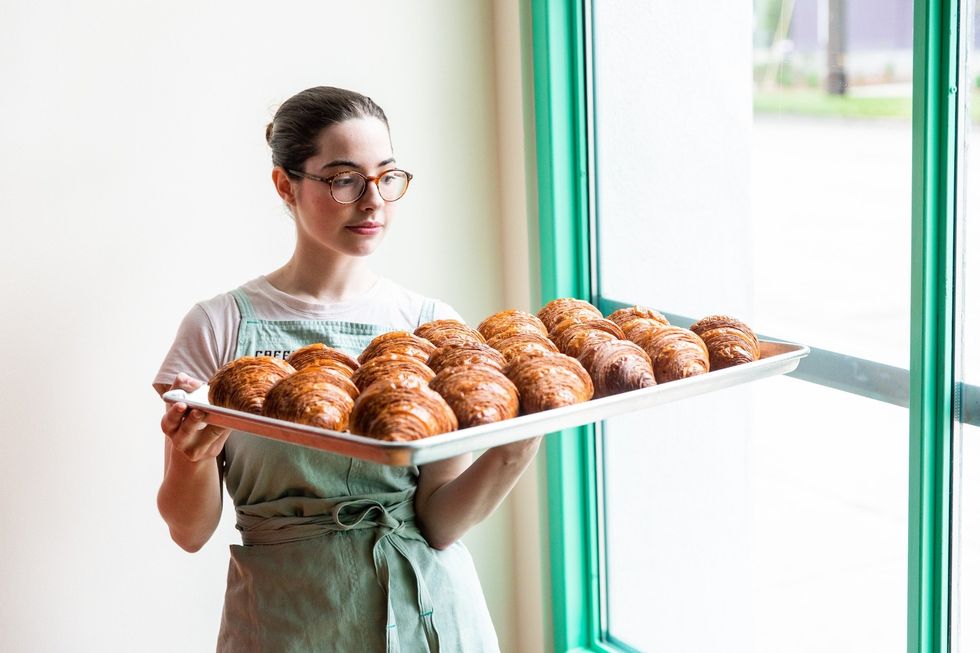
Pick a single best croissant in a city as big as Houston is essentially impossible, but any list of top options would have to include the viennoiserie turned out by pastry chef Ally Barrera. Crispy, light, buttery (of course), and flaky, their delicate crumb demonstrates the care that goes into making them. With a new brick and-mortar that just opened in Pearland, Barrera’s creations will be more available that ever before.
The Bake Happening
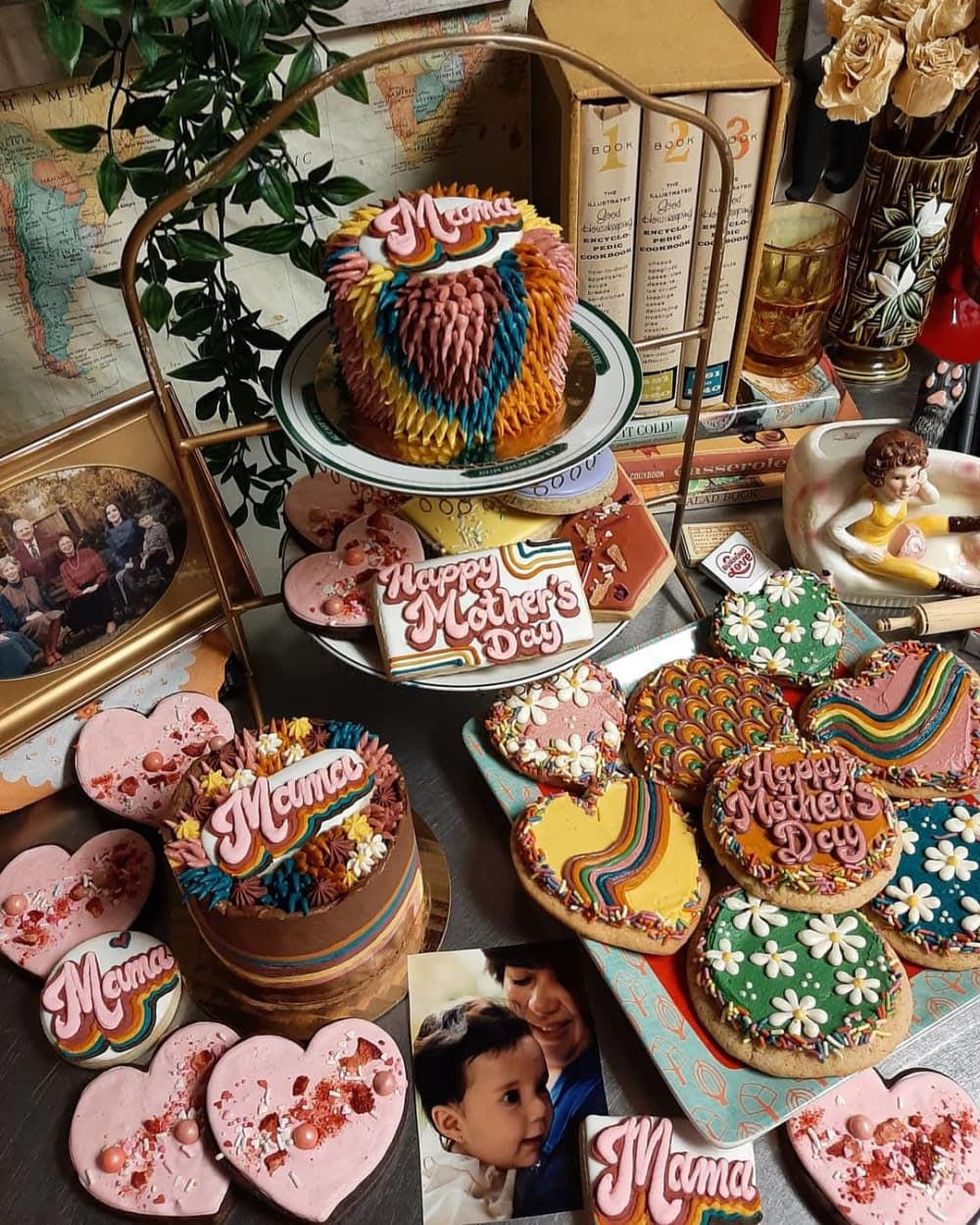
Known for her elaborately decorated cakes, baker Andrea De Gortari has facilitated celebrations Houstonian’s celebrations for several years. She earned national acclaim in 2023 by winning season six of Food Network’s Christmas Cookie Challenge. Those who want to sample her wares without committing to a cake will find De Gortari popping up at festivals and markets around town, especially those that are in line with her progressive values.
----
The Tastemaker Awards ceremony is sponsored in Houston by Maker's Mark, Culinary Khancepts, Herradura Tequila, Ritual Zero Proof + Seedlip, Shutto, NXT LVL EVENT, and more to be announced. A portion of proceeds will benefit our nonprofit partner, the Southern Smoke Foundation.
Photo by Julie Soefer
Baked Alaska at Bludorn.

 Coffee Fellows is so dog friendly that it sells special pup cups.Photo by Becca Wright