If you wanna get in the spooky, cinematic spirit before Halloween pops off next weekend, on Thursday, Kefita Coffee will screen the cult vampire flick Ganja & Hess, while Box 13 ArtSpace will have a demonic double feature of The Exorcist and The Devils. And, on Sunday, Shoeshine Charley’s Big Top Lounge will close out its horror-tinged month of Mid Main Movie Club double bills with The Shining and The Thing.
Here are some other events and happenings going down this weekend, from a Mediterranean festival to an East Montrose tour/walk to a two-night performance from someone who really adores Beyonce.
Thursday, October 22
Architecture Center Houston presents "Big Dome, Bigger Dreams: Visions for Harris County Domed Stadium" opening reception
"Big Dome, Bigger Dreams: Visions for Harris County Domed Stadium" explores the history, significance, and possible future of one of Houston’s most recognizable landmarks. The exhibition traces the Astrodome, from its groundbreaking development and revolutionary engineering achievements through its decades of historic events, decline, and ongoing debate over its future. Through Friday, January 22. 5:30 pm.
Gente de Teatro presents El Test
Would you prefer $100,000 now or $1,000,000 in 10 years? The play El Test (The Test) begins with a simple question and uses humor and intelligence to strip away the masks we all wear. What starts as an innocent game ends up questioning everything: love, success, failure, friendship, ethics, the fear of time's passage, and the small lies each character has used to construct their identity. All performances are in Spanish. Through Sunday, November 1. 7:30 pm (3:30 pm Sunday).
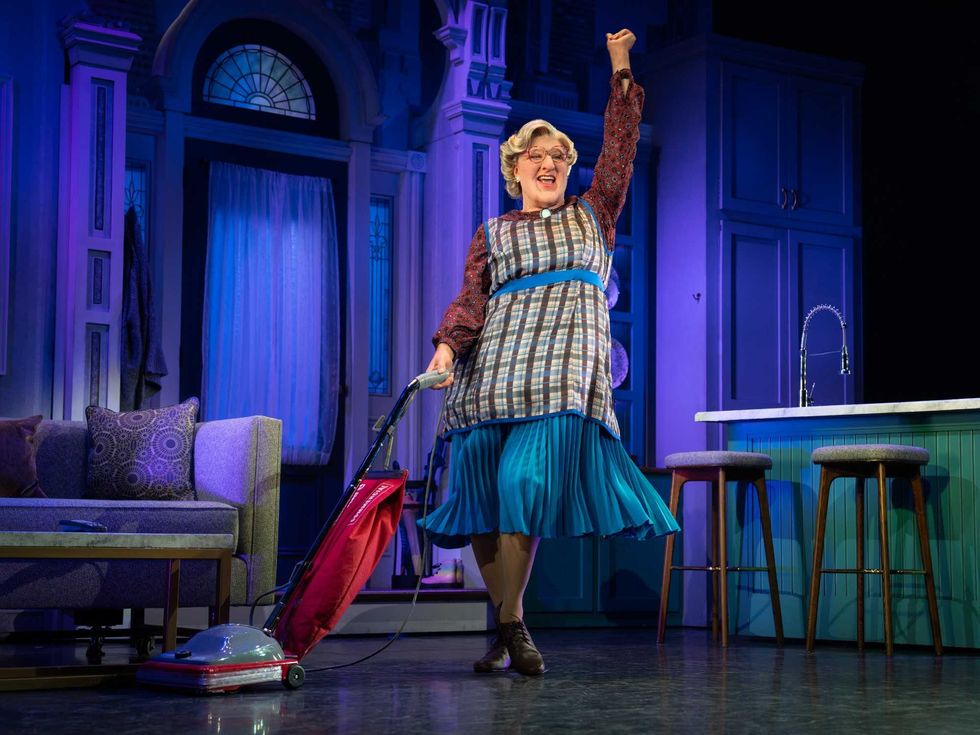
Theatre Under the Stars presents Mrs. Doubtfire
Based on the beloved 1993 film, Mrs. Doubtfire tells the hysterical and heartfelt story of an out-of-work actor who will do anything for his kids. After losing custody in a messy divorce, he creates the kindly alter ego of a Scottish nanny in a desperate attempt to stay in their lives. A hysterical and heartfelt story about holding onto your loved ones against all odds, Mrs. Doubtfire is the musical comedy that proves we’re better together. 7:30 pm (8 pm Friday; 2 & 8 pm Saturday; 2 pm Sunday).
Friday, October 23
Barbara Bush Houston Literacy Foundation presents Power of Literacy Luncheon
Barbara Bush Houston Literacy Foundation’s Ladies for Literacy Guild will host its annual Power of Literacy Luncheon, now in its 11th year. The luncheon will feature a conversation with Grammy/Emmy winner Harry Connick, Jr., who will discuss his new book, Babe: Elaboratio - A Tribute to My Mother. Attendees will also enjoy a silent auction, raffle and special “Giving Tree” opportunity. Proceeds from this year’s luncheon will benefit childhood literacy initiatives throughout the Houston area. 11 am.
St. George Orthodox Christian Church presents Houston Mediterranean Festival
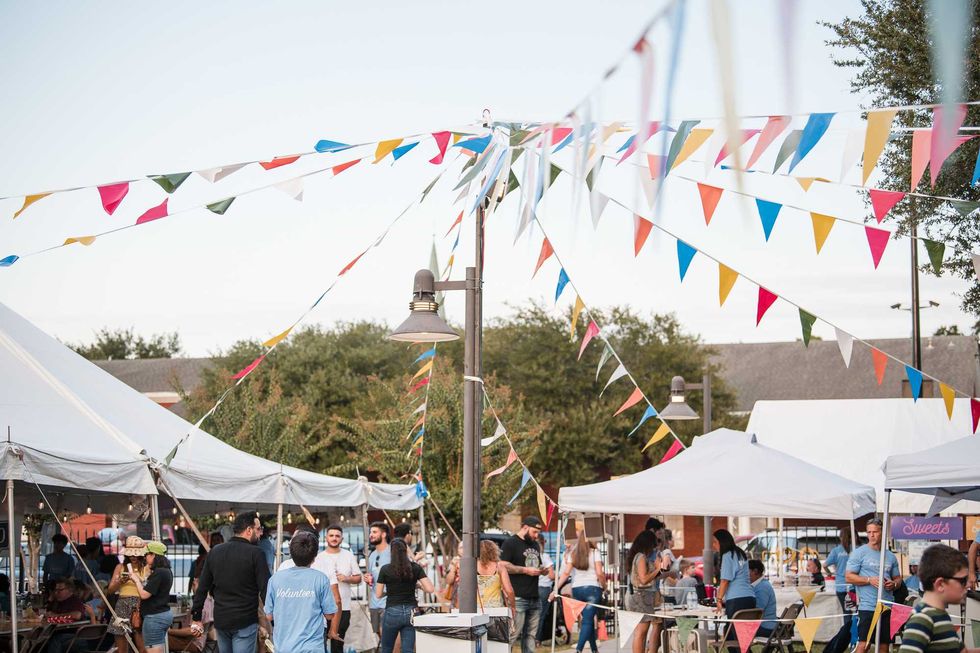
The Houston Mediterranean Festival celebrates the culture and flavors of the Mediterranean, featuring dishes like gyro, shawarma, and baklava, plus Arabic entertainment from around Houston and dancing from the St. George Dabke troupe. For two days, families can enjoy petting zoo visits, face painting, and balloon artists. Visitors can also explore the Mediterranean marketplace, take a tour of the church, and bid in the silent auction for a chance to take home something special. 11 am.
Rice Cinema presents The Fall
In co-writer/director Tarsem Singh’s 2006 fantasia, a young immigrant girl recovers from a broken arm in a Los Angeles hospital during the 1920s. She befriends a bedridden stuntman who was paralyzed after an accident on set. He tells her an epic, fantastical tale about a group of outcast heroes seeking revenge against an evil ruler. As the line between reality and imagination blurs, the stuntman’s story reflects his own fragile emotional state, and the girl weaves herself and the people around her into his vivid mental landscape. 7 pm.
Houston Symphony presents "Hocus Pocus Pops"
"Hocus Pocus Pops" is packed with music, costumes, candy, and just the right amount of mischief. The Houston Symphony will present a family-friendly concert full of spooky favorites, playful surprises, and magical moments that bring the spirit of Halloween to life. Folks are encouraged to come dressed in their best costume. Before the concert, kids and families can explore the plazas for trick-or-treating, activities, and festive fun. 7:30 pm.
Saturday, October 24
The East Montrose Civic Association presents the 15th Biennial Home Tour and Art Walk
The East Montrose Civic Association will host its day-long, 15th Biennial Home Tour and Art Walk this weekend. During the 1960s, East Montrose became a center for the counterculture and hippie communes. Today, this pedestrian-friendly area exhibits a diverse mix of people and architecture. Tourgoers can get a glimpse of how the architecture has been transformed over the years, with results of unique renovations that are characteristic of this distinctive, eclectic neighborhood. 10 am.
Flying Saucer presents 15th Anniversary Celebration
Flying Saucer will celebrate 15 years in Sugar Land Town Square with a block party featuring craft beer, music from DJ Jetplane, anniversary beer experiences, exclusive merchandise, and raffles featuring prizes from our Sugar Land Town Square neighbors. Attendees can join the beer-sampling experience for $30. They will receive a taster card and a custom 15th Anniversary Taster glass, along with access to a choice of up to 10 rare beer pours. 4 pm.
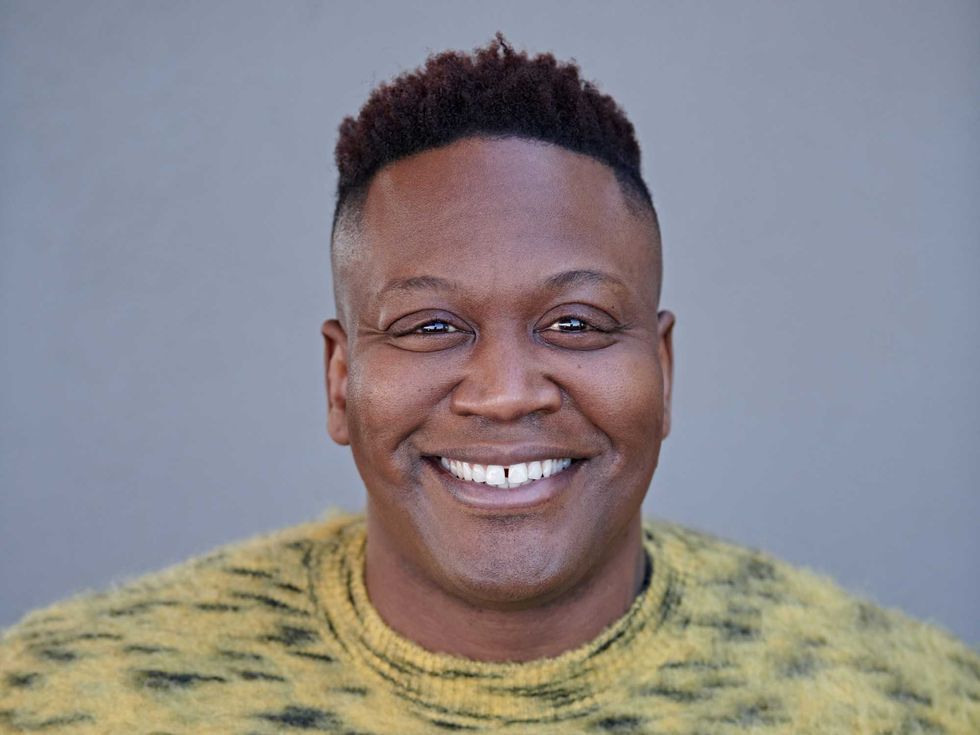
The Hobby Center for the Performing Arts presents Beyond Broadway: Tituss Burgess
Tituss Burgess is known from Unbreakable Kimmy Schmidt, Schmigadoon, one of his many star turns on Broadway (Oh, Mary!, Moulin Rouge, Guys and Dolls, The Little Mermaid, Jersey Boys), or all these memes. Wherever you know him from, he’s one of the most versatile and dynamic performers out there. This one-night-only concert will feature a wide swath of music, ranging from classic and modern musical theatre hits to songs by John Mayer, Shirley Bassey, Bette Midler, music from Porgy & Bess, and more. 7:30 pm (1 pm Sunday).
Bayou Music Center presents Seth Meyers
When he’s not trying to make sense every weeknight on his NBC late-night talk show, Seth Meyers still heads out on the road and does stand-up. The former Saturday Night Live head writer/Weekend Update anchor has already dropped two specials (Netflix’s Lobby Baby in 2019 and HBO’s Dad Man Walking in 2024). He’ll be in the Lone Star State for two shows this weekend – first hitting Dallas on Friday, then Houston on Saturday. 7 pm.
Sunday, October 25
Space City Fest
Space City Fest is a Christian music festival recognized as one of the largest Christian hip hop festivals in the country. This year’s festivities will be headlined by four-time Grammy winner Lecrae. It will also feature performances from other Christian hip hop artists. The event will be hosted by Houston’s own Von Won — Christian hip hop artist, community leader, and lead pastor of Space City Church. 4 pm.
The Museum of Fine Arts, Houston presents The Third Man
Joseph Cotten, Alida Valli, and Orson Welles star in director Carol Reed’s gripping 1949 drama, set in post-World War II. Allied-occupied Vienna. An American novelist arrives in the city, learns that his longtime friend Harry Lime is dead, and sets out to find out what happened while also becoming involved with his friend’s lover. Globally acknowledged as a masterpiece, The Third Man (which will be shown in glorious 35mm!) is must-see essential cinema. 5 pm.
BEAR...BE A Resource presents Stetsons & Stilettos
Stetsons & Stilettos is BEAR...BE A Resource's largest fundraising event of the year. The Western-inspired evening supports the group's work providing essential resources, comfort and dignity to at-risk and CPS-involved children and their caretakers across Greater Houston.
People can enjoy food, an open bar, live music, a magician performance, silent and live auctions, a wine and liquor pull, bandana embroidery, and more. Attire can range from Western wear and boots to cocktail attire and stilettos. 6:30 pm.